
Blog
Hail Protection Car Cover: Reliable Protection Against Hail Damage

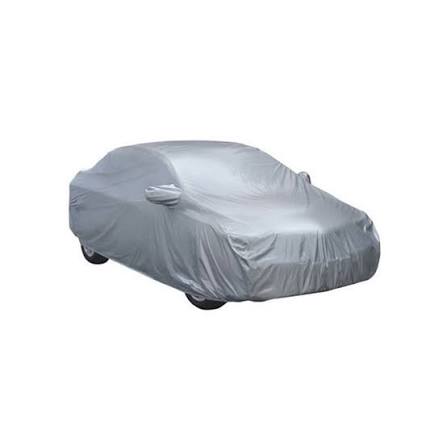
Hailstorms can cause serious damage to vehicles in just a few minutes. From small dents and chipped paint to cracked windscreens and damaged body panels, hail can result in expensive repairs and unexpected inconvenience. A hail protection car cover offers an additional layer of defence, helping vehicle owners protect their cars from falling hailstones and harsh outdoor weather conditions.
Whether you park your vehicle in an open driveway, residential parking area, workplace or outdoor car park, investing in a suitable hail-resistant car cover can help reduce the risk of weather-related damage. With the right materials, protective padding and secure design, a quality hail protection cover provides a practical solution for keeping your vehicle safer when covered parking is unavailable.
What Is a Hail Protection Car Cover?
A hail protection car cover is a specially designed vehicle cover that helps absorb and distribute the impact of falling hailstones. Unlike ordinary car covers, which primarily protect against dust, dirt, sunlight and light rain, hail protection covers generally feature additional cushioning or reinforced layers.
These covers are designed to create a protective barrier between the vehicle’s exterior and falling hail. Depending on the product, they may include padded sections across vulnerable areas such as the bonnet, roof, boot and windows.
Some premium designs use multi-layer construction, combining weather-resistant outer materials with impact-absorbing padding. This construction helps reduce the force transferred to the vehicle during a hailstorm.
However, no portable car cover can guarantee complete protection against every hailstorm, particularly when hailstones are exceptionally large or accompanied by strong winds.
Why Do You Need a Hail-Resistant Car Cover?
Hail damage can affect almost every exposed part of a vehicle. Even relatively small hailstones can leave visible dents, while larger stones may cause more serious structural and cosmetic damage.
Here are several reasons why investing in a hail protection car cover makes sense.
1. Helps Prevent Costly Hail Damage
One of the biggest advantages of a hail-resistant car cover is its ability to cushion impacts. Additional padding helps absorb some of the energy from falling hailstones, potentially reducing dents and surface damage.
Preventing even minor bodywork damage can save vehicle owners from unnecessary repair expenses.
2. Protects Vehicle Paintwork
Hailstones can chip paint and damage the protective clear coat, particularly when they strike exposed panels repeatedly.
A padded car cover provides an extra barrier that helps protect the vehicle’s exterior finish from direct impacts. Many models also offer protection against everyday environmental contaminants.
3. Provides Protection from Different Weather Conditions
Many hail protection covers are manufactured with weather-resistant outer materials. Depending on their construction, they may also help shield vehicles from:
- Heavy rain and moisture.
- Dust and airborne dirt.
- Strong sunlight and UV exposure.
- Bird droppings and tree sap.
- Light debris and falling leaves.
This makes a multi-purpose protective cover useful throughout the year, rather than only during hail season.
4. Reduces Vehicle Maintenance Costs
Repairing hail damage can involve paintless dent removal, panel repairs, repainting or even windscreen replacement.
A suitable protective cover may reduce the likelihood or severity of damage, helping owners avoid some unnecessary maintenance costs.
Important Features to Look for in a Hail Protection Car Cover
Not every vehicle cover is designed to withstand hail. When comparing products, pay attention to the following features.
Multi-Layer Protective Construction
Choose a cover with multiple protective layers. A typical design may include a weather-resistant exterior, cushioning material and a soft inner lining.
The padding should provide meaningful impact absorption without making the cover excessively difficult to handle.
Impact-Absorbing Padding
Padding is one of the most important features of a hail protection cover. Look for appropriately thick, resilient materials designed to absorb and distribute impact.
Pay particular attention to coverage across the roof, bonnet, boot and other exposed panels.
Waterproof and Weather-Resistant Materials
A waterproof or water-resistant outer layer helps protect the vehicle from rain and moisture. Check the manufacturer’s specifications for waterproof ratings, seam construction and ventilation features.
Good moisture management is important because trapped condensation can affect paintwork over time.
Secure Straps and Wind Protection
Strong winds can lift or displace a poorly fitted cover during a storm. Look for adjustable straps, elastic hems, reinforced attachment points and secure fastening systems.
A close-fitting design helps keep the cover in position when weather conditions become challenging.
Vehicle-Specific Sizing
A cover that fits properly offers better coverage and is less likely to move around. Check the manufacturer’s vehicle compatibility guide before purchasing.
Consider your vehicle’s length, width, height, mirrors and any exterior accessories when selecting the correct size.
How to Choose the Right Hail Protection Car Cover
Choosing the right cover involves more than comparing prices. Consider your vehicle, parking environment and the type of weather protection you need.
Understand your local weather: If your area regularly experiences severe thunderstorms and hail, prioritise covers specifically designed and tested for hail impact.
Check the protection level: Compare padding thickness, material quality and available impact-resistance information. Ask manufacturers whether their products have undergone independent testing.
Consider ease of installation: A practical cover should be easy to put on and remove. Lightweight designs with clear front and rear markings can make installation more convenient.
Compare coverage: Some covers protect the entire vehicle, while others concentrate on horizontal surfaces. Full-body coverage may provide additional protection against rain, dust and debris.
Review warranty and product support: Look for clear warranty conditions, care instructions and customer support. Check what the warranty actually covers, particularly regarding hail damage.
Hail Protection Car Cover vs Ordinary Car Cover
An ordinary car cover and a hail protection cover serve different purposes.
An ordinary cover is generally designed to protect against dust, dirt, sunlight and everyday environmental exposure. It may offer little protection against direct hail impact.
A hail protection car cover incorporates additional padding and impact-absorbing construction to help reduce the force of falling hailstones.
If your vehicle is regularly parked outdoors in an area exposed to hailstorms, a dedicated padded cover is generally a more suitable option than a standard lightweight car cover.
Tips for Using and Maintaining Your Hail Protection Cover
Proper installation and maintenance help extend the life of your protective cover.
- Clean your vehicle first: Remove dust, sand and dirt that could become trapped between the cover and paintwork.
- Check the cover: Inspect the padding, seams, straps and outer material for signs of wear.
- Install it correctly: Follow the manufacturer’s instructions and ensure all vulnerable areas are covered.
- Secure the straps: Tighten the fastening points to reduce movement during windy conditions.
- Allow it to dry: Before storing the cover, ensure it is completely dry to minimise mould and unpleasant odours.
- Store it carefully: Keep it in a clean, dry storage bag away from sharp objects and excessive heat.
Never install a cover over a hot vehicle exhaust or other components that could damage its materials.
Are Hail Protection Car Covers Worth Buying?
For vehicle owners who regularly park outdoors, a hail protection car cover can be a worthwhile investment. The potential cost of repairing hail dents, damaged paintwork and broken glass can be significant.
A properly designed padded cover provides an additional level of protection without requiring permanent construction or a dedicated garage.
However, its effectiveness depends on the quality of the materials, thickness of the padding, correct installation and severity of the storm. For severe hail forecasts, moving your vehicle into a garage or fully enclosed building remains the safest option whenever possible.
Frequently Asked Questions
1. Does a hail protection car cover really work?
Yes. A properly designed hail protection cover can absorb and distribute some of the impact from falling hailstones, helping reduce the risk of dents and exterior damage. Its effectiveness depends on its construction and hailstone size.
2. Can a regular car cover protect against hail?
Most standard car covers offer limited hail protection because they lack sufficient impact-absorbing padding. A specialised padded cover is a better option for hail-prone areas.
3. Are hail-resistant car covers waterproof?
Many models feature waterproof or water-resistant outer materials. However, waterproof performance varies, so check the manufacturer’s specifications before purchasing.
4. Can I leave a hail protection cover on my car overnight?
Yes, provided the manufacturer allows extended use and the cover is properly secured. Make sure the vehicle and cover are clean and dry before installation.
5. Does a hail protection cover prevent all hail damage?
No. Although a quality padded cover can reduce the risk of damage, extremely large hailstones and severe storms may still cause dents, cracked glass or other damage.
6. How do I choose the correct size?
Check your vehicle’s dimensions and compare them with the manufacturer’s sizing chart. Choose a cover specifically designed to accommodate your vehicle’s body style.
Conclusion: Invest in Better Vehicle Protection
A hail protection car cover is a practical solution for vehicle owners who want additional protection against unpredictable weather. With impact-absorbing padding, durable weather-resistant materials and secure fastening systems, the right cover can help minimise hail-related damage while protecting your vehicle from everyday outdoor conditions.
Before buying, compare construction quality, coverage, fit, weather resistance and warranty support. Most importantly, remember that a padded cover is a supplementary protective measure, not a replacement for secure indoor parking during severe hailstorms.
Protecting your vehicle starts with choosing the right equipment. Invest in a quality hail-resistant car cover today and enjoy greater peace of mind whenever your vehicle is parked outdoors.




How does car shipping work? Moving a vehicle requires five steps: gathering carrier quotes, securing a broker booking, prepping the car for transit, tracking the haul, and signing off on the final delivery inspection. Understanding this logistics chain guarantees a secure and efficient transport.
Handing over the keys to one of your most valuable assets can feel incredibly stressful. You are trusting a complete stranger to haul your car across thousands of miles of interstate highway. If you have never booked commercial freight before, the logistics might seem chaotic.
They aren’t. In reality, the modern vehicle transport industry runs on a remarkably tight, highly structured system.
Maybe you are moving across the country for a new job. Maybe you just bought a classic car online, sight unseen. Or perhaps you need to send a reliable commuter car to your kid at college. Whatever the reason, knowing exactly how this industry operates protects your schedule and your budget. Let’s break down exactly what happens between booking a truck and getting your keys back.
The Car Shipping Process Explained: A 5-Step Breakdown
Moving a car isn’t like mailing a package. It is a highly coordinated event that relies on dispatchers, commercial heavy-haulers, and strict DOT paperwork. Here is the chronological roadmap.
Step 1: Requesting and Comparing Quotes
Pricing in this industry shifts constantly. Carriers adjust their rates based on seasonal demand, current diesel prices, and the physical footprint of your specific vehicle.
Start pulling quotes and you will see numbers all over the board. A major red flag? The absolute cheapest option. Brokers offering rock-bottom prices often run “bait and switch” operations. They quote you a low number to secure your deposit, but then no actual driver accepts the load because the payout is too low—leaving you stranded. You want median pricing from a licensed broker. Finding reliable car shipping services means partnering with an experienced company that provides transparent pricing and works exclusively with fully insured carriers.
Step 2: Booking Your Auto Transport Service
Once you pick a broker, you move into the booking stage. You need to provide the exact origin and destination zip codes, your vehicle’s make and model, and a realistic pickup window.
You will sign an initial agreement here. Pay attention: reputable companies do not ask for the full payment upfront. You will pay a deposit to secure your spot. The remainder gets paid directly to the driver at delivery. Once that contract is signed, the broker posts your job to a national load board to match your route with a commercial hauler.
Step 3: Vehicle Preparation and the Initial Inspection
You cannot just hand off a dirty car full of junk. Preparation limits your liability.
First, wash the car. The driver has to complete a thorough visual inspection before loading it to document any pre-existing scratches or dents. Dirt hides damage. Next, empty the interior. Take out toll tags, loose electronics, and all personal items. Commercial car carriers are not licensed to move household goods, and extra weight messes with highway scale regulations. Leave about a quarter tank of gas—just enough to safely drive it up the trailer ramps.
When the truck arrives, you and the driver will sign the Bill of Lading (BOL). Keep this document safe. It is your official receipt and condition report.
Step 4: Transit, Tracking, and Communication
The car is strapped down and the truck hits the road.
Do not expect an Amazon-style live tracking map. These are commercial heavy-haulers. They operate on strict trucking schedules and have to deal with weigh stations, mandatory DOT rest periods, and unpredictable weather. Most drivers cover 400 to 500 miles a day. A coast-to-coast run usually takes between 7 and 10 days.
Your main contact will be the dispatcher or the driver directly. They usually call about 24 hours before arriving to figure out the drop-off logistics. Remember, an 80-foot truck cannot turn around in a standard residential cul-de-sac.
Step 5: Final Delivery and the Final Inspection
The truck is finally here. Before you hand the driver that final payment—usually required as cash, cashier’s check, or a money order—you need to do the final inspection.
Walk around the car. Check the roof, undercarriage, and bumpers against the original BOL you signed back at pickup. Transit damage is rare, but if it happens, you absolutely must note it on the BOL before you sign off and pay the driver. If you fail to write it down, filing a cargo insurance claim later is nearly impossible. Sign the paper, hand over the payment, and you are done.
Key Factors That Impact the Auto Transport Process
What dictates your timeline and your final bill? Route density and trailer type. You have options depending on what kind of vehicle you are moving.
| Transport Type | Average Cost Impact | Protection Level | Ideal Vehicle Type |
| Open Transport | Most economical (Baseline pricing) | Standard (Exposed to weather & road debris) | Daily drivers, used cars, standard SUVs |
| Enclosed Transport | 40% to 60% higher than Open rates | Maximum (Fully sealed from elements) | Exotic cars, classic restorations, luxury EVs |
Open transport dominates the market, handling about 90% of all vehicle moves simply because it is efficient and affordable. Enclosed transport is a white-glove service. These trailers use hydraulic lift gates so low-clearance vehicles do not scrape their undercarriages during loading.
Navigating Specialized Car Transport Scenarios
Standard moves are fairly straightforward. But some situations require a completely different approach to logistics.
Planning to Move Across State Lines
If you need to ship car to another state, location is everything. Running a car down a major interstate corridor—like from Los Angeles to Dallas—is fast and affordable. Carriers love these routes because they do not have to detour to load and unload. If you live in a rural area far off the main highways, expect to pay more and wait longer. You can often speed things up by offering to meet the driver in a larger city or at a major truck stop.
Active Duty and PCS Relocations
Military moves operate on brutal, inflexible schedules. If you are handling a PCS (Permanent Change of Station), you need military car shipping experts who understand deployment timelines. These moves often involve base logistics, specific military paperwork, and last-minute date changes. A broker who knows the friction points of military transport is essential for making sure your car arrives before you have to report for duty.
Frequently Asked Questions (FAQ)
How long does the auto transport process take?
It comes down to mileage. Regional moves under 500 miles take 1 to 3 days. Mid-range trips (500-1500 miles) take 3 to 7 days. Coast-to-coast transit takes 7 to 10 days due to mandatory commercial driver rest periods.
Do I need special insurance when shipping my car?
No. The law requires commercial motor carriers to hold active cargo insurance. Your personal auto policy might serve as a backup, but the carrier’s cargo policy holds the primary liability for any transit damage.
Can I pack personal items in my vehicle?
Technically, no. The DOT bans car carriers from hauling household goods. Some drivers might let you throw 50 to 100 pounds of soft items (like clothes) in the trunk, but putting boxes in the cabin can trigger fines at highway weigh stations. Always ask your specific driver before packing anything.
For more automotive guides, vehicle maintenance tips, and lifestyle resources, head back to our home page.


You worked hard for those 200 five-star reviews. But look at the dates: most of them are two years old. A customer searching today sees a business whose last review came in six months ago — and quietly wonders if you are still good, or even still open. Here is the uncomfortable truth: your old reviews never disappear, but they do fade. And the businesses that understand this never stop asking.
Do Google Reviews Expire?
No — Google does not delete reviews just because they are old. A five-star review from 2022 still counts toward your average rating today. But “counts” and “matters” are two different things. Google’s search ranking weighs recent activity heavily: a business with 20 reviews from the last three months looks more alive — and ranks higher — than a business with 200 reviews and nothing new since last year. Customers think the same way. When they compare two businesses, they do not count total reviews. They check the newest one first.
How Long Do Google Reviews Last?
Technically, forever — unless Google removes one for breaking the rules, or the reviewer deletes it. Practically, a review’s influence lasts about three to six months. After that, it becomes background: still visible, still part of your average, but no longer the thing that convinces a new customer. Think of it like a shop window: the display from last year is still there, but nobody stops to look at it. Fresh reviews are the new display — they are what people actually notice when they walk past.
Why Fresh Reviews Matter More Than Your Total Count
Three reasons. First, customers trust recent proof: a review from last week tells them what the business is like now, not what it was like two years ago. Second, Google rewards activity: steady new reviews signal a business that is open, busy, and cared for — and search rankings follow. Third, fresh reviews protect your average: one new bad review hurts far less when ten good ones arrived this month than when your last good review was in January. A growing pile of recent reviews is the only real shield against the next bad one. That steady flow is the heart of good reputation management.
How to Keep Fresh Reviews Coming Without Begging
You do not need a campaign. You need one habit: ask every customer, at the happiest moment, every single time. One line is enough: “If you are happy with everything today, would you mind leaving us a quick Google review? It takes ten seconds.” Ask after the finished work, at the door, or with the receipt — whenever they are smiling. Five to ten fresh reviews a month is enough to keep your profile alive forever. The businesses with the strongest ratings are not the ones with the most reviews. They are the ones with the newest ones.
Never Let a Good Review Go Stale
The worst version of this story is a business with 300 old reviews and zero new ones — a museum, not a shop. Customers can tell the difference in seconds. A reputation management software for local businesses pulls every review from every platform into one dashboard and alerts you the moment a new one lands — so you see the moment your flow slows down, and you can restart asking before the gap becomes visible. Vercepta’s free Starter plan ($0/month, no credit card required) covers one location with email alerts.
Your Oldest Review Is Not Your Best Salesman Anymore
Your old reviews earned their place — they built your rating and your reputation. But they cannot sell for you forever. The customer deciding right now wants to know what you did last week, not last year. Ask one customer today, one tomorrow, and one every day after that. Fresh reviews are not extra work. They are the work that keeps everything else you built still working.

Healthy, glowing skin starts with choosing the right skincare products. With increasing awareness of skincare routines in Pakistan, more people are looking for effective products that address common concerns such as acne, pigmentation, dryness, oily skin, uneven texture, and premature ageing. However, finding the best skincare products in Pakistan can be challenging because every skin type has different needs.
Pakistan’s climate also plays an important role in skincare. Hot summers, humidity, dust, pollution, and seasonal dryness can affect the skin’s natural balance. Therefore, selecting suitable cleansers, moisturisers, serums, sunscreens, and other skincare essentials is important for maintaining healthy skin throughout the year.
Whether you are building your first skincare routine or upgrading your existing collection, this guide will help you understand which products to choose and how to use them effectively.
1. Face Wash and Cleansers
A good face wash is the foundation of every skincare routine. It removes excess oil, sweat, dirt, sunscreen, and environmental impurities without unnecessarily stripping the skin.
When choosing a cleanser in Pakistan, consider your skin type:
- Oily skin: Gel-based cleansers containing salicylic acid can help remove excess oil and unclog pores.
- Dry skin: Cream-based and hydrating cleansers help maintain moisture.
- Sensitive skin: Gentle, fragrance-free cleansers are generally a better choice.
- Combination skin: Balanced cleansers can clean oily areas without excessively drying other parts of the face.
Avoid harsh soaps and aggressive cleansers because they can damage the skin barrier and contribute to irritation.
2. Moisturisers for Daily Hydration
Moisturiser is an essential skincare product, regardless of whether your skin is oily, dry, or combination. It helps maintain hydration, supports the skin barrier, and reduces moisture loss.
Some useful moisturising ingredients include:
- Hyaluronic acid: Helps attract and retain moisture.
- Ceramides: Support the skin’s protective barrier.
- Glycerin: Helps keep the skin hydrated.
- Niacinamide: Supports the skin barrier and can help improve the appearance of uneven skin tone.
People with oily skin can choose lightweight, non-comedogenic gel moisturisers, while those with dry skin may benefit from richer creams.
The best moisturiser is one that provides sufficient hydration without making your skin feel uncomfortable or excessively greasy.
3. Sunscreen for Everyday Protection
Sunscreen is one of the most important skincare products available in Pakistan. Strong sunlight and ultraviolet exposure can contribute to sunburn, premature ageing, pigmentation, and long-term skin damage.
Choose a broad-spectrum sunscreen with SPF 30 or higher. SPF 50 can be a practical option for people who spend considerable time outdoors.
Consider these options:
- Gel sunscreen for oily skin.
- Lightweight lotion sunscreen for combination skin.
- Moisturising sunscreen for dry skin.
- Fragrance-free sunscreen for sensitive skin.
Apply sunscreen generously to exposed skin every morning. Reapply approximately every two hours when outdoors, and after swimming, sweating, or towel drying.
Remember that sunscreen is important even when the weather is cloudy.
4. Face Serums for Specific Skin Concerns
Face serums contain concentrated skincare ingredients designed to address particular concerns. Adding the right serum to your routine can help improve skin texture, hydration, and the appearance of uneven tone.
Some popular serum ingredients include:
Vitamin C Serum: Vitamin C is an antioxidant that helps protect against environmental oxidative stress and can improve the appearance of dullness and uneven pigmentation.
Niacinamide Serum: Niacinamide can help regulate excess oil, support the skin barrier, and reduce the appearance of enlarged pores and uneven skin tone.
Hyaluronic Acid Serum: This ingredient attracts water and helps improve skin hydration, making it suitable for different skin types.
Salicylic Acid Serum: Salicylic acid helps exfoliate inside pores and is particularly useful for oily, acne-prone skin.
Retinol Serum: Retinol can help improve the appearance of fine lines, uneven texture, and acne. Beginners should introduce it gradually, preferably at night, and use sunscreen during the day. Avoid retinoids during pregnancy unless specifically advised by a healthcare professional.
Choose one serum based on your primary concern rather than combining several strong active ingredients immediately.
5. Products for Acne and Pimple Control
Acne is a common skincare concern among teenagers and adults in Pakistan. Excess oil production, clogged pores, hormonal changes, and inflammation can all contribute to breakouts.
Useful skincare ingredients include:
- Salicylic acid for clogged pores.
- Benzoyl peroxide for acne-causing bacteria and inflammatory breakouts.
- Niacinamide for oil balance and the appearance of redness.
- Azelaic acid for acne and post-acne discolouration.
A gentle cleanser, suitable moisturiser, and daily sunscreen should remain part of an acne-care routine.
Avoid squeezing pimples or using multiple harsh treatments simultaneously. Persistent, painful, or scarring acne should be assessed by a dermatologist.
6. Skincare Products for Pigmentation and Dark Spots
Uneven skin tone, dark spots, and post-acne marks are common reasons people search for skincare products in Pakistan.
Ingredients that may help improve the appearance of pigmentation include:
- Vitamin C.
- Niacinamide.
- Azelaic acid.
- Alpha arbutin.
- Retinoids.
Consistency is important because pigmentation generally takes time to improve. Daily sunscreen is particularly important, as UV exposure can worsen existing dark spots.
Avoid unregulated whitening creams, products containing undisclosed steroids, and treatments that promise unrealistic results. Healthy skincare should focus on improving skin condition rather than changing your natural complexion.
7. Exfoliators for Smooth and Clear Skin
Exfoliating products help remove accumulated dead skin cells and improve the appearance of rough or uneven texture.
There are two common categories:
Chemical exfoliators: These include alpha hydroxy acids (AHAs), such as glycolic and lactic acid, and beta hydroxy acids (BHAs), such as salicylic acid.
Physical exfoliators: These contain small particles that manually exfoliate the skin.
Chemical exfoliators are often easier to use in a controlled skincare routine. Beginners should start with a low concentration once or twice weekly, depending on tolerance.
Avoid excessive exfoliation because it can cause redness, dryness, irritation, and damage to the skin barrier.
8. How to Build the Best Skincare Routine in Pakistan
You do not need dozens of products to achieve healthy-looking skin. A simple, consistent routine is usually the best starting point.
Morning skincare routine:
- Cleanse your face with a suitable face wash.
- Apply a serum if needed.
- Use a moisturiser appropriate for your skin type.
- Finish with broad-spectrum sunscreen.
Night skincare routine:
- Remove makeup and sunscreen.
- Cleanse your face gently.
- Apply your chosen treatment serum.
- Use a suitable moisturiser.
Introduce new products one at a time and patch-test when appropriate. This makes it easier to identify products that cause irritation.
9. Where to Buy Skincare Products in Pakistan
When purchasing skincare products, prioritise authenticity, ingredient transparency, and suitability for your skin type.
Consider the following before placing an order:
- Purchase from reputable retailers and authorised sellers.
- Check the product’s ingredient list.
- Verify expiry dates and packaging condition.
- Avoid suspiciously cheap products and unverified sellers.
- Choose products suitable for your skin concerns.
- Read product directions and follow recommended usage.
Online skincare shopping has made it easier for Pakistani customers to explore face washes, moisturisers, sunscreens, serums, and complete skincare bundles. However, buying from a trustworthy source is essential to avoid counterfeit or poorly stored products.
10. How to Choose the Best Skincare Products for Your Skin Type
The best skincare products are not necessarily the most expensive or popular. They are the products that address your skin’s needs without causing unnecessary irritation.
| Skin Type | Recommended Products |
|---|---|
| Oily skin | Gel cleanser, lightweight moisturiser, non-comedogenic sunscreen |
| Dry skin | Hydrating cleanser, ceramide moisturiser, hydrating serum |
| Combination skin | Gentle cleanser, balanced moisturiser, lightweight sunscreen |
| Sensitive skin | Fragrance-free cleanser, barrier-supporting moisturiser, gentle sunscreen |
| Acne-prone skin | Salicylic acid cleanser, suitable acne treatment, non-comedogenic moisturiser |
| Mature skin | Hydrating moisturiser, antioxidant serum, suitable retinoid, sunscreen |
Always remember that skin can change with weather, age, hormones, and lifestyle. Your skincare routine should adapt to these changes.
Frequently Asked Questions
1. Which are the best skincare products in Pakistan?
Some of the most useful skincare essentials include gentle face washes, moisturisers, broad-spectrum sunscreens, Vitamin C serums, niacinamide serums, and suitable acne treatments. The right combination depends on your skin type and concerns.
2. What are the best skincare products for glowing skin?
A gentle cleanser, hydrating serum, moisturiser, and daily sunscreen can support healthy-looking, radiant skin. Vitamin C and niacinamide may also help improve the appearance of dullness and uneven skin tone.
3. Which skincare products are best for oily skin in Pakistan?
Oily skin generally benefits from gentle gel cleansers, lightweight moisturisers, non-comedogenic sunscreens, and carefully selected ingredients such as niacinamide and salicylic acid.
4. Can I use skincare products every day?
Yes. Most basic skincare products, including cleansers, moisturisers, and sunscreens, are designed for daily use. However, exfoliating acids and retinoids should be introduced gradually according to product instructions and skin tolerance.
5. How much should I spend on skincare products in Pakistan?
Your skincare budget depends on your needs and preferred brands. Start with essential products rather than purchasing an entire collection. A cleanser, moisturiser, and sunscreen are good initial investments.
6. How long does it take for skincare products to show results?
Hydration may improve relatively quickly, while concerns such as acne, pigmentation, and uneven texture can take several weeks or longer. Results vary depending on the ingredients, consistency, and individual skin condition.
Conclusion
Finding the best skincare products in Pakistan becomes easier when you understand your skin type and choose products with suitable ingredients. From gentle face washes and hydrating moisturisers to Vitamin C serums, acne treatments, and broad-spectrum sunscreens, every product should have a clear purpose in your routine.
Rather than following every skincare trend, focus on authenticity, consistency, and healthy skin-barrier care. Start with the essentials, introduce active ingredients gradually, and choose products that suit your individual needs.
With the right skincare routine and reliable products, you can maintain healthier, smoother, and more radiant-looking skin throughout the year.

ミニマリストがボッテガのカードケースを愛する理由

How Does Car Shipping Work? 5 Simple Steps from Quote to Delivery

What Should You Check Before Booking a Backload Transport Service?

Nike United 004 Pack: The Elite Performance Collection Arrives

Ramadan Umrah Packages: How to Plan a Rewarding Pilgrimage

Rani No Hajiro in Ahmedabad: A Complete Guide to History, Shopping & Hidden Secrets

Digital Marketing for Beginners: Step-by-Step Guide to Start and Succeed in 2026

How to Get Promoted Faster at Work: Smart Career Growth Tips

Dublin City University: Everything You Need to Know Before Applying in 2026








