
Blog
Tyre Offers Abu Dhabi: A Practical Guide to Buying the Right Tyres at the Right Price

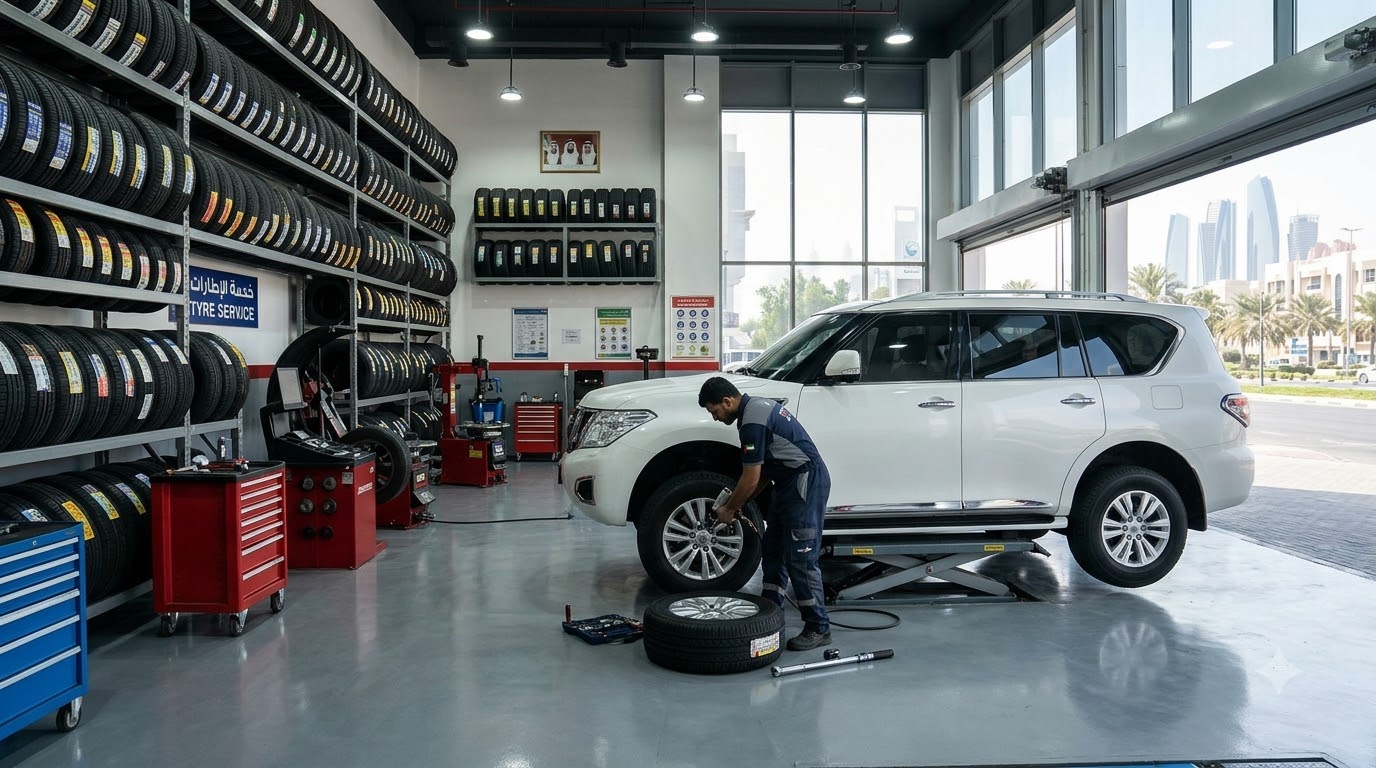
Driving in the UAE capital puts real demands on your tyres. Long highways, high summer temperatures, sand, and heavy traffic all affect how quickly rubber wears and how safely it grips. That is why more drivers are paying attention to tyre offers Abu Dhabi retailers and service centres advertise throughout the year. But a lower price only helps if you know what you are buying. This guide explains how tyre deals work, what to check before you pay, and how to get the most value without compromising safety.
Why Tyres Matter More in Abu Dhabi
Tyres are the only part of your car that touches the road. Their condition affects braking distance, steering response, fuel consumption, and ride comfort. In Abu Dhabi, road surface temperatures can climb far above the air temperature during summer, which speeds up rubber ageing and raises the risk of blowouts on under-inflated or worn tyres.
Frequent long-distance driving between Abu Dhabi, Dubai, Al Ain, and other emirates adds further wear. Desert driving and sandy shoulders can also damage sidewalls. For all these reasons, treating tyres as a safety item rather than an optional expense is the smartest approach.
Common Types of Tyre Promotions
Understanding the structure of a deal helps you compare options fairly. The most common promotions include:
- Buy three, get one free: A popular offer where the fourth tyre is free or heavily discounted when you buy a set.
- Percentage discounts: A reduction on selected brands or sizes, often during seasonal sales.
- Bundle packages: Tyres combined with fitting, balancing, and alignment at a single price.
- Free fitting or balancing: Installation costs waived with a minimum purchase.
- Brand-specific promotions: Manufacturer-backed discounts or rebates on particular ranges.
- Loyalty and card offers: Savings linked to membership programmes or selected bank cards.
- Seasonal sales: Discounts around holidays, shopping festivals, and the start of summer.
Always read the terms. Some deals apply only to certain sizes, quantities, or tyre lines.
When Are Tyre Deals Most Common?
Promotions tend to cluster around specific periods. Pre-summer months are popular, as drivers prepare for extreme heat. Major shopping events and national holidays often bring wider discounts. Retailers may also clear older stock when new production batches arrive, which can mean strong savings on tyres that are still perfectly safe and usable, provided their manufacture date is recent.
How to Read a Tyre Sidewall
Before comparing prices, learn the markings on the sidewall. A typical size reads like 225/45R17 91W.
- 225: Width in millimetres.
- 45: Aspect ratio, the sidewall height as a percentage of width.
- R: Radial construction.
- 17: Wheel diameter in inches.
- 91: Load index, the maximum weight each tyre can carry.
- W: Speed rating.
Always match the size, load index, and speed rating recommended in your owner’s manual or on the driver’s door jamb label. A cheaper tyre with the wrong specification is not a bargain.
Check the Manufacture Date
Every tyre carries a DOT code, and the last four digits show the week and year of production. For example, 2524 means the 25th week of 2024. Tyres age even when unused, and heat accelerates the process. When you see a particularly low price, check the production date. Many experts suggest avoiding tyres that are several years old, even if they appear new, because the rubber may have hardened.
Choosing the Right Tyre for UAE Conditions
The best tyre depends on how and where you drive.
Summer or all-season tyres: Most vehicles in the UAE use tyres designed for warm conditions, with compounds that resist heat and maintain grip on hot asphalt.
SUV and 4×4 tyres: Highway-terrain tyres suit everyday driving, while all-terrain tyres offer better durability for desert trips and rough tracks.
Performance tyres: Offer sharper handling and shorter braking distances but wear faster.
Touring or comfort tyres: Prioritise quiet rides and longer life, ideal for daily commuting.
Run-flat tyres: Allow limited driving after a puncture, useful but typically more expensive.
Comparing Brands: Premium, Mid-Range, and Budget
Tyres generally fall into three tiers. Premium brands usually offer advanced technology, strong wet and dry grip, and long lifespans. Mid-range brands balance performance and cost. Budget options can suit low-mileage drivers or older vehicles but may compromise on grip, noise, or durability.
When you evaluate tyre offers Abu Dhabi shops present, compare the cost per kilometre rather than the sticker price alone. A slightly more expensive tyre that lasts much longer may be cheaper in the long run.
Understanding What a Fair Price Includes
A quoted price can mean different things. Before agreeing, ask whether it covers:
- Fitting and mounting
- Wheel balancing
- New valves
- Old tyre disposal
- Wheel alignment
- VAT
Hidden extras can turn an attractive deal into an average one. Request a written quote listing everything so you can compare like with like.
Signs You Need New Tyres
Do not wait for a promotion if your tyres are unsafe. Replace them when you notice:
- Tread depth near the wear indicators: Most countries treat 1.6 mm as the legal minimum, though many experts recommend replacing earlier for better wet-weather grip.
- Cracks or bulges on the sidewall.
- Uneven wear patterns: Often a sign of alignment or suspension issues.
- Persistent vibration while driving.
- Frequent pressure loss.
- Age: Tyres that are many years old may deteriorate even with adequate tread.
Tips to Make Your Tyres Last Longer
Good habits protect your investment and extend tyre life:
- Check pressure monthly, and always when tyres are cold, since heat raises readings.
- Rotate tyres according to the manufacturer’s schedule.
- Keep wheels aligned and balanced.
- Avoid overloading the vehicle.
- Park in shade when possible to reduce heat exposure.
- Inspect for nails, stones, and sidewall damage regularly.
- Drive smoothly, avoiding hard braking and rapid acceleration.
Warranty and After-Sales Support
Reputable sellers explain the warranty clearly. Manufacturer warranties typically cover defects, while some retailers add road-hazard protection or free puncture repairs for a period. Ask how claims are handled, which documents you need, and whether free pressure checks or rotations are offered. Keep your invoice safe, as it is usually required for any claim.
Questions to Ask Before You Buy
- Is the tyre brand new, and what is its production date?
- Does the price include fitting, balancing, and VAT?
- What is the warranty period and what does it cover?
- Is the promotion valid for my tyre size and quantity?
- Are there any offer expiry dates or exclusions?
Conclusion
A good promotion is valuable, but the right tyre matters more than the lowest price. By understanding sizes, checking manufacture dates, comparing brands, and confirming what a quote includes, you can turn tyre offers Abu Dhabi retailers provide into real savings without sacrificing safety. Treat tyre replacement as part of responsible car ownership, plan ahead, and you will enjoy safer, smoother, and more economical driving throughout the year.




يحتاج كل من يقيم في العاصمة الإماراتية إلى فهم أساسيات الانتقال بين المساكن والمكاتب، فالمدينة تضم أنماطًا متعددة من العقارات، من الشقق في الأبراج الحديثة إلى الفلل الواسعة والمكاتب التجارية. وتبدأ رحلة نقل اثاث ابوظبي بمعرفة الخطوات الصحيحة قبل أي حجز أو تعاقد، لأن التخطيط الجيد يوفر الوقت والمال ويحمي الأغراض من التلف. في هذا الدليل نستعرض المفاهيم والتكاليف والنصائح التي تهم كل من يستعد للانتقال.
ما المقصود بخدمة نقل الأثاث؟
هي سلسلة من العمليات المتتابعة تبدأ بفك القطع الكبيرة، ثم تغليفها وتحميلها ونقلها إلى الموقع الجديد، وتنتهي بالتنزيل وإعادة التركيب وترتيب الأغراض. وقد تشمل أيضًا التخزين المؤقت وتنظيف الموقع القديم وفك المكيفات وتركيبها.
تتفاوت الخدمة بحسب الحاجة، فمنها نقل غرفة واحدة أو شقة صغيرة، ومنها انتقال فيلا كاملة أو مقر شركة. ولذلك يُستحسن تحديد حجم الأغراض بدقة قبل طلب أي عرض سعر.
أنواع النقل المتاحة
النقل السكني: يخص الانتقال بين الشقق والفلل داخل المدينة، مثل مناطق الخالدية والمرور وجزيرة الريم وخليفة سيتي ومدينة محمد بن زايد.
النقل التجاري: يشمل المكاتب والمحلات والمستودعات، ويتطلب جدولة دقيقة لتقليل توقف العمل.
النقل بين الإمارات: مثل الانتقال من أبوظبي إلى دبي أو العين أو الشارقة، ويعتمد على المسافة وزمن الرحلة.
النقل الدولي: يرتبط بالشحن إلى خارج الدولة أو استقباله، ويحتاج إلى مستندات وإجراءات جمركية.
لماذا تحتاج العملية إلى تخطيط مسبق؟
كثيرون يستهينون بحجم الجهد المطلوب. فالأثاث الثقيل قد يسبب إصابات عند حمله بطريقة غير سليمة، والقطع الزجاجية والإلكترونيات تتعرض للكسر بسهولة، كما أن المصاعد الضيقة والسلالم وقلة المواقف تعقّد التحميل. يضاف إلى ذلك أن بعض المباني تفرض مواعيد محددة لاستخدام مصعد البضائع. وكل هذه التفاصيل تجعل من نقل اثاث ابوظبي مهمة تستحق الاستعداد الجيد بدل الارتجال في اللحظات الأخيرة.
معايير اختيار مزود الخدمة
عند المفاضلة بين الجهات المتاحة، راجع النقاط التالية:
- الترخيص: تأكد أن الجهة تعمل بصورة قانونية ومسجلة رسميًا.
- الخبرة: سنوات العمل وتنوع المشاريع مؤشر على الكفاءة.
- آراء العملاء: تعكس مستوى الالتزام بالمواعيد والعناية بالأغراض.
- التأمين: اسأل هل تغطي الخدمة تلف الأغراض أو فقدانها.
- المركبات والمعدات: يجب أن تناسب حجم الأثاث ونوعه.
- عرض السعر المكتوب: يوضح الخدمات المشمولة وغير المشمولة لتفادي الرسوم الخفية.
خطوات التحضير قبل الانتقال
حدد الموعد مبكرًا
احجز قبل أسبوعين إلى أربعة أسابيع، خاصة في نهاية الشهر وفترات تجديد عقود الإيجار وعطلة المدارس، فهي مواسم يرتفع فيها الطلب.
أجرِ جردًا شاملًا
اكتب قائمة بكل الأغراض، وتخلّص مما لا تحتاجه بالبيع أو التبرع. تقليل الحجم يخفض التكلفة ويسهّل التنظيم.
اطلب تقديرًا ميدانيًا
بعض الجهات تعاين الأثاث في موقعه لتحديد عدد العمال والمركبات المناسبة، وهذا يقرّب السعر من الواقع.
راجع شروط المبنى
اسأل إدارة العقار عن أوقات الانتقال والتصاريح المطلوبة وأي رسوم تأمين، في الموقعين القديم والجديد.
جهّز حقيبة الضروريات
احتفظ بالمستندات والمقتنيات الثمينة والأدوية والشواحن في حقيبة تبقى معك طوال اليوم.
أساسيات التغليف الآمن
يُعد التغليف الجيد أهم وسائل حماية الأثاث. ومن المواد الشائعة:
- البلاستيك الفقاعي: للزجاج والمرايا والأسطح اللامعة.
- الكراتين المقواة: للكتب والأواني والملابس، دون تحميلها فوق طاقتها.
- البطانيات والأغطية القطنية: للأثاث الخشبي والجلدي.
- الشريط اللاصق القوي: لإحكام الإغلاق وتثبيت الأجزاء.
- الإسفنج والورق المقوى: لحماية الزوايا والحواف.
اكتب على كل كرتون اسم الغرفة ومحتواه التقريبي، فذلك يسرّع التفريغ ويقلل الفوضى.
فك الأثاث وإعادة تركيبه
تحتاج معظم غرف النوم والمطابخ والمكاتب إلى فك قبل التحميل. ويفضّل أن يقوم بذلك فنيون مدربون يعرفون طريقة التفكيك الصحيحة لكل قطعة. احفظ البراغي والقطع الصغيرة في أكياس مرقمة وثبّتها على القطعة الأم، وانتبه إلى الأجهزة الكهربائية، فالثلاجات والغسالات تحتاج إلى تفريغ وتثبيت مناسبين قبل نقلها.
العوامل المؤثرة في التكلفة
لا يوجد سعر موحد، لكن أبرز العوامل المؤثرة تشمل:
- حجم الأثاث وعدد القطع.
- المسافة بين الموقعين.
- رقم الطابق ووجود مصعد.
- عدد العمال ونوع المركبة.
- الحاجة إلى التغليف والفك والتركيب.
- توقيت الانتقال، فعطلات نهاية الأسبوع والمواسم المزدحمة قد ترفع السعر.
- الخدمات الإضافية كالتخزين والتنظيف.
قارن بين أكثر من عرض بناءً على الخدمات المشمولة لا على الرقم النهائي وحده.
نصائح تناسب أجواء العاصمة
تشتد الحرارة والرطوبة في الصيف، وهذا يؤثر في الأثاث الجلدي والخشبي والأجهزة الإلكترونية والنباتات. لذلك يُفضّل أن يتم نقل اثاث ابوظبي في الصباح الباكر أو بعد الغروب، مع تجنب ترك الشحنة تحت الشمس لفترات طويلة. وفي الأحياء المزدحمة، نسّق مسبقًا حجز موقف للشاحنة لتفادي التأخير والمخالفات.
ماذا تفعل يوم الانتقال؟
ابقَ حاضرًا لتوجيه الفريق وتحديد القطع الحساسة. طابق قائمة الجرد مع ما يُحمّل، وافحص كل غرفة وخزانة قبل المغادرة. وعند الوصول، راقب التنزيل وافحص الأغراض فورًا، وسجّل أي ضرر كتابيًا لمتابعته وفق شروط التأمين.
أخطاء شائعة تجنبها
- تأجيل الحجز إلى اللحظات الأخيرة.
- اختيار الخدمة بناءً على السعر الأقل فقط.
- إهمال تغليف الأغراض الهشة.
- عدم الاستفسار عن التأمين.
- ترك الكراتين بلا ترقيم أو توصيف.
- نسيان نقل خدمات الكهرباء والمياه والإنترنت أو إلغائها.
الانتقال المكتبي: خصوصية مختلفة
يتطلب نقل المكاتب خطة تحدد تسلسل نقل الأقسام وحماية الملفات والأجهزة والخوادم. ويُفضل تنفيذه خارج ساعات الدوام أو في عطلة نهاية الأسبوع، مع تعيين منسق داخلي يتابع التفاصيل. كما يُستحسن تصنيف الأثاث حسب الأقسام وترقيمه ليسهل وضعه في أماكنه الجديدة مباشرة.
الخلاصة
الانتقال الناجح لا يقوم على الحمل والنقل فقط، بل على التخطيط والتغليف الجيد وفهم التكلفة واختيار الجهة المناسبة. وكلما بدأت مبكرًا واهتممت بالتفاصيل، قلّت المفاجآت وارتفعت فرص وصول أغراضك سليمة. اجعل الجرد وعرض السعر المكتوب والتأمين أولوياتك الثلاث، وستجد أن الانتقال تجربة أهدأ مما تتوقع.


يُعد الانتقال إلى منزل أو مكتب جديد من أكثر التجارب إرهاقًا، خاصة في مدينة نشطة مثل أبوظبي، حيث تتنوع أنماط السكن بين الفلل والشقق والأبراج السكنية والمكاتب التجارية. ومع تزايد أعداد المقيمين والشركات، أصبح نقل الأثاث خدمة أساسية تحتاج إلى تخطيط دقيق ومعرفة مسبقة بالإجراءات والتكاليف وأفضل الممارسات. في هذا المقال نقدم لك دليلًا معلوماتيًا متكاملًا يساعدك على فهم عملية النقل من البداية إلى النهاية.
ما المقصود بخدمات نقل الأثاث؟
خدمات نقل الأثاث هي مجموعة من العمليات المتكاملة التي تشمل فك الأثاث، وتغليفه، وتحميله، ونقله، ثم إنزاله وإعادة تركيبه في الموقع الجديد. وقد تمتد الخدمة لتشمل التخزين المؤقت للأغراض، وتنظيف الموقع، وفك وتركيب الأجهزة الكهربائية والمكيفات والستائر.
تتفاوت الخدمات من نقل بسيط لغرفة واحدة إلى انتقال كامل لفيلا كبيرة أو مقر شركة يضم عشرات الموظفين. ولذلك من المهم تحديد حجم احتياجك بدقة قبل التواصل مع أي جهة.
أنواع النقل الشائعة في أبوظبي
النقل السكني: يشمل الانتقال بين الشقق والفلل داخل المدينة أو بين الجزر والمناطق المختلفة، مثل جزيرة أبوظبي وجزيرة الريم والمرور والخالدية.
النقل التجاري: يتعلق بنقل المكاتب والمحلات والمستودعات، ويتطلب تنظيمًا عاليًا لتقليل فترة توقف العمل.
النقل بين الإمارات: يشمل الانتقال من أبوظبي إلى دبي أو الشارقة أو العين أو العكس، وهو يحتاج إلى حساب المسافة ووقت الطريق.
النقل الدولي: يخص من ينتقلون إلى خارج الدولة أو يأتون إليها، ويتضمن إجراءات جمركية ومستندات إضافية.
لماذا يصعب نقل الأثاث بدون خبرة؟
قد يبدو الأمر سهلًا في البداية، لكن الواقع يكشف تحديات عدة. فالأثاث الثقيل كالخزائن وغرف النوم الكبيرة قد يتسبب في إصابات عند حمله بطريقة خاطئة. كذلك تتعرض القطع الزجاجية والمرايا والأجهزة الإلكترونية للكسر بسهولة إذا لم تُغلف جيدًا. يضاف إلى ذلك صعوبة التعامل مع المصاعد الضيقة والسلالم والمواقف المحدودة، إضافة إلى لوائح المباني التي قد تحدد أوقات معينة للنقل.
كيف تختار شركة نقل اثاث ابوظبي المناسبة؟
عند البحث عن شركة نقل اثاث ابوظبي يجدر بك التحقق من مجموعة معايير تضمن لك خدمة موثوقة. أولها الترخيص الرسمي، فالجهات المرخصة تلتزم بالأنظمة المحلية وتوفر لك حقوقًا واضحة. ثانيها الخبرة، إذ إن عدد سنوات العمل وتنوع المشاريع المنفذة مؤشران على الاحترافية. ثالثها تقييمات العملاء السابقين، فهي تعطي صورة صادقة عن الالتزام بالمواعيد والتعامل مع الأغراض.
ومن المهم أيضًا الاستفسار عن التأمين على الأغراض أثناء النقل، وعن نوع المركبات المستخدمة ومدى ملاءمتها لحجم الأثاث، وعن مواد التغليف المعتمدة. وينبغي أن تحصل على عرض سعر مكتوب وواضح يحدد ما يشمله وما لا يشمله، لتتجنب أي رسوم مفاجئة لاحقًا.
خطوات التخطيط قبل يوم النقل
1. حدد موعد الانتقال مبكرًا
احجز الموعد قبل أسبوعين إلى أربعة أسابيع، خاصة في مواسم الذروة مثل نهاية الشهر ونهاية العام الدراسي وفترات تجديد عقود الإيجار، حيث يزداد الطلب بشكل ملحوظ.
2. قم بجرد الأغراض
أعدّ قائمة بكل ما ستنقله، وتخلص من الأشياء غير الضرورية. فكلما قلّ حجم الأغراض انخفضت التكلفة وسهلت العملية. يمكنك التبرع بالأغراض الصالحة أو بيعها.
3. اطلب معاينة أو تقديرًا دقيقًا
بعض الشركات تقدم معاينة ميدانية مجانية لتقدير حجم الأثاث وعدد العمال والمركبات المطلوبة. هذه الخطوة تضمن سعرًا أقرب للواقع.
4. تحقق من متطلبات المبنى
تواصل مع إدارة العقار في الموقعين القديم والجديد لمعرفة أوقات استخدام المصعد المخصص للبضائع، وأي تصاريح مطلوبة، ورسوم التأمين أو الضمان إن وجدت.
5. جهّز حقيبة الأساسيات
احتفظ بأوراقك المهمة ومقتنياتك الثمينة والأدوية والشواحن وأدوات النظافة في حقيبة تبقى معك، ولا تضعها ضمن الشحنة.
أساسيات التغليف السليم
التغليف الجيد هو خط الدفاع الأول عن أثاثك. تُستخدم عادة المواد التالية:
- الأغطية البلاستيكية والفقاعية: لحماية الأسطح الخشبية والزجاجية من الخدوش والصدمات.
- الكراتين المقواة: للأغراض الصغيرة والملابس والكتب والأواني، مع تجنب تحميل الكرتون أكثر من طاقته.
- الأغطية القطنية والبطانيات: للأثاث الخشبي والجلدي والأجهزة الحساسة.
- الشريط اللاصق القوي: لإحكام إغلاق الكراتين وتثبيت الأجزاء المفككة.
- الورق المقوى والإسفنج: لحماية الحواف والزوايا.
يُنصح بترقيم الكراتين وكتابة اسم الغرفة المخصصة لها عليها، ما يسهل التفريغ ويوفر الوقت في الموقع الجديد.
فك الأثاث وتركيبه
تحتاج أغلب غرف النوم والمطابخ والمكاتب إلى فك قبل النقل. من الأفضل أن يتولى ذلك فنيون مدربون، لأن الفك الخاطئ قد يُتلف القطع أو يُضعف متانتها. وتُحفظ البراغي والأدوات الصغيرة في أكياس مرقمة مثبتة على القطعة الأصلية، لتسهيل إعادة التركيب. وكذلك يجب التعامل بحذر مع الأجهزة الكهربائية، إذ تحتاج الثلاجات والغسالات إلى تفريغ وتثبيت قبل التحميل.
كم تبلغ تكلفة نقل الأثاث؟
لا يوجد سعر ثابت، فالتكلفة تتحدد بعدة عوامل، من أبرزها:
- حجم الأثاث وعدد القطع.
- المسافة بين الموقعين.
- الطابق ووجود مصعد أو الحاجة لحمل الأثاث عبر السلالم.
- عدد العمال ونوع المركبات.
- الحاجة إلى التغليف أو الفك والتركيب.
- توقيت النقل، فالمواسم المزدحمة وعطلات نهاية الأسبوع قد ترفع الأسعار.
- خدمات إضافية مثل التخزين أو التنظيف.
ولهذا يُفضل الحصول على أكثر من عرض سعر ومقارنتها بناءً على الخدمات المشمولة وليس السعر وحده، فالسعر الأقل قد لا يعني الأفضل دائمًا.
نصائح لنقل ناجح في أجواء أبوظبي
يتميز مناخ أبوظبي بحرارته العالية في فصل الصيف، ما يستدعي عناية خاصة ببعض الأغراض. فالأثاث الجلدي والخشبي والأجهزة الإلكترونية والنباتات تتأثر بالحرارة والرطوبة، لذلك يُفضل إجراء النقل في الصباح الباكر أو المساء، وتجنب ترك الشحنة معرضة للشمس لفترات طويلة. كما يُنصح بحماية الأثاث الخشبي بأغطية عازلة، وتغليف الأجهزة الحساسة جيدًا.
وفي الأحياء ذات الكثافة العالية، قد تحتاج إلى حجز مواقف مخصصة للشاحنة أو تنسيق مع إدارة المبنى، لتجنب التأخير أو المخالفات المرورية.
ما الذي يمكنك فعله في يوم النقل؟
في يوم الانتقال، كن حاضرًا لتوجيه الفريق وتحديد القطع الحساسة. تأكد من مطابقة قائمة الجرد مع ما يُحمّل على الشاحنة. وقبل مغادرة المكان القديم، افحص كل غرفة ودرج وخزانة للتأكد من عدم نسيان شيء. وبعد الوصول، راقب عملية التفريغ، وافحص الأغراض فورًا، وسجّل أي ضرر ليُتابع مع الجهة المنفذة وفق شروط التأمين.
أخطاء شائعة ينبغي تجنبها
- تأجيل التخطيط: يؤدي إلى توتر وارتفاع التكلفة وصعوبة إيجاد موعد مناسب.
- اختيار الجهة بناءً على السعر فقط: قد يسبب مشكلات في الجودة أو رسومًا خفية.
- عدم تغليف الأغراض الهشة بالشكل الصحيح: يزيد احتمال الكسر.
- إهمال التأمين: يترك الأغراض بدون حماية في حال التلف.
- عدم ترقيم الكراتين: يجعل التفريغ فوضويًا ويستغرق وقتًا أطول.
- نسيان إلغاء الخدمات أو نقلها: مثل الكهرباء والمياه والإنترنت.
أهمية الاعتماد على فريق محترف
يوفر الفريق المتخصص الوقت والجهد، ويقلل مخاطر الإصابة والتلف، ويضمن سير العملية بتنظيم أكبر. كما أن المحترفين يملكون الأدوات اللازمة كالرافعات والعربات والسيور وأدوات الفك، ما يسهل التعامل مع القطع الثقيلة والمعقدة. وعندما تقارن بين الخيارات المتاحة لدى أي شركة نقل اثاث ابوظبي، ركّز على الشفافية في التعامل ووضوح الشروط، فهما من أهم مؤشرات الجدية.
نقل الأثاث المكتبي: اعتبارات خاصة
يختلف نقل المكاتب عن السكني من حيث الحساسية وأهمية الوقت. تحتاج الشركات إلى خطة تفصيلية تحدد ترتيب نقل الأقسام، وتحمي الملفات والأجهزة وخوادم البيانات. ومن الأفضل جدولة النقل خارج ساعات الدوام أو في عطلة نهاية الأسبوع، لتقليل أثره على سير العمل. كما يُنصح بتعيين منسق داخلي يتابع التفاصيل مع الجهة المنفذة.
الخلاصة
نقل الأثاث في أبوظبي ليس مجرد تحميل وتفريغ، بل عملية تتطلب تخطيطًا واختيارًا واعيًا وفهمًا لتفاصيل التغليف والتكلفة والإجراءات. وكلما بدأت مبكرًا وحرصت على التفاصيل الصغيرة، كانت تجربتك أسهل وأكثر أمانًا. اعتمد على الجرد، وقارن العروض، واهتم بالتأمين والتغليف، وستصل أغراضك إلى منزلك أو مكتبك الجديد بأمان وبأقل قدر من التوتر.


Modern electrical substations play a critical role in delivering reliable power to homes, businesses, industrial facilities, and renewable energy projects. As power networks become more interconnected and demand continues to grow, protecting electrical equipment from faults has become increasingly important. Even a minor electrical fault can damage expensive equipment, interrupt service, or create serious safety risks if it is not handled quickly.
This is where protective relays make a real difference. These devices continuously monitor electrical conditions and help identify abnormal operating situations before they develop into larger problems. When properly designed and configured, they allow substations to isolate faulty sections while keeping the rest of the power network operating as normally as possible.
Understanding how protective relays work, why they matter, and how modern technology is improving their performance helps explain their essential role in today’s electrical infrastructure.
What Are Protective Relays?
Protective relays are devices that monitor electrical quantities such as current, voltage, frequency, and impedance. They compare these measurements against predefined settings to determine whether a system is operating within acceptable limits.
When a relay detects a fault, such as a short circuit, ground fault, or abnormal voltage condition, it sends a trip signal to the associated circuit breaker. The breaker then disconnects the affected equipment or section of the network, helping prevent further damage.
Unlike ordinary monitoring devices, protective relays are designed to respond to specific abnormal conditions and initiate protective actions. Their speed and accuracy are essential because electrical faults can develop in milliseconds.
Relays are used to protect transformers, generators, transmission lines, busbars, motors, and other important electrical assets. The appropriate relay type and settings depend on the equipment being protected, the system configuration, and the level of fault current that may occur.
Why Substation Relay Protection Is Essential
Substations contain interconnected equipment that must operate safely under a wide range of electrical conditions. A fault in one area can affect other parts of the network if it is not isolated correctly.
Effective substation relay protection helps reduce this risk by identifying faults and ensuring that the appropriate circuit breaker operates. The goal is not simply to disconnect power as quickly as possible. The protection scheme must also identify the affected section accurately and avoid unnecessary outages elsewhere.
For example, a transformer may experience an internal fault caused by insulation deterioration or another equipment problem. A correctly designed protection scheme can detect the abnormal condition and disconnect the transformer before the damage becomes more severe.
Relay protection also supports personnel safety, reduces equipment repair costs, and helps improve overall system availability. In industrial facilities and power generation sites, where an unexpected outage can disrupt production, dependable protection is particularly valuable.
Common Types of Protective Relay Systems
Different electrical equipment requires different protection methods. Engineers select relay functions according to the equipment’s characteristics, expected fault conditions, and the overall protection strategy.
Some of the most common types include:
-
Overcurrent relays: Detect excessive current caused by short circuits or other abnormal conditions. They are widely used in distribution feeders and industrial electrical systems.
-
Differential relays: Compare current measurements at different points within a protected zone. A significant difference can indicate an internal fault in a transformer, busbar, or generator.
-
Distance relays: Estimate the electrical distance to a fault by measuring voltage and current relationships. They are commonly used to protect transmission lines.
-
Overvoltage and undervoltage relays: Respond when voltage moves outside established operating limits, helping protect equipment from abnormal conditions.
-
Frequency relays: Monitor system frequency and support protective actions when significant deviations occur.
These protective relay systems often work together rather than operating independently. Combining suitable protection functions helps create multiple layers of defense, improving the ability to detect faults and limit their consequences.
How Relay Coordination Improves Reliability
Installing protective relays is only one part of designing a dependable electrical protection scheme. Engineers must also ensure that the devices operate in the correct sequence.
Relay coordination involves selecting appropriate pickup values, time delays, operating curves, and other settings so that the relay closest to a fault generally responds first. Backup protection is arranged to operate if the primary protection or its associated circuit breaker fails.
Consider a fault on an outgoing distribution feeder. Ideally, the feeder’s protection should disconnect that circuit without shutting down an entire substation. If the primary relay fails, an upstream device can provide backup protection according to the designed coordination scheme.
Achieving this balance requires a clear understanding of system fault levels, equipment ratings, operating conditions, and protection requirements. Engineers often use short-circuit calculations and coordination studies to verify relay settings before a system is commissioned.
Poor coordination can cause unnecessary outages, equipment damage, or delayed fault clearance. Careful engineering and regular verification help reduce these risks and support dependable substation operation.
IEEE Technology Navigator+1
The Growing Role of Digital Relay Technology
Protective relays have evolved considerably from traditional electromechanical devices. Modern numerical relays use microprocessors to perform multiple protection functions while also providing measurement, event recording, communication, and diagnostic capabilities.
This technology gives engineers a clearer picture of what happened during a fault. Recorded measurements and event data can help identify the cause of an unexpected trip, evaluate relay performance, and determine whether adjustments are needed.
Digital communication also allows relays to exchange information with substation control systems and other protection devices. Standards such as IEC 61850 support communication and automation within appropriately designed digital substations.
However, advanced technology does not eliminate the need for careful engineering. Incorrect settings, communication failures, inadequate control power, or poorly tested configurations can still compromise protection. Cybersecurity and configuration management are also important considerations as substations become more connected.
For these reasons, modern relay installations require suitable design, testing, commissioning, maintenance, and periodic review.
IEEE Technology Navigator+1
Why Electrical Relay Engineering Matters
Reliable protection begins long before a relay is installed. Engineers must understand how the electrical network behaves during normal operation, switching events, and fault conditions.
Professional electrical relay engineering brings together system studies, equipment selection, protection philosophy, relay setting calculations, coordination, and testing. Each decision influences how effectively the protection scheme responds when something goes wrong.
For new substations, this work helps establish a coordinated protection strategy from the beginning. For existing facilities, engineering assessments can identify outdated settings, protection gaps, equipment changes, and opportunities to improve reliability.
This is especially important for renewable energy facilities, industrial plants, and expanding utility networks, where changing power flows can affect existing protection arrangements. Reviewing relay performance as the system evolves helps ensure that protective devices continue to operate as intended.
Conclusion
Protective relays are essential to the safe and reliable operation of modern electrical substations. By detecting abnormal conditions, initiating circuit breaker operations, and supporting selective fault isolation, they help protect valuable equipment and minimize unnecessary power interruptions.
As electrical networks become more complex, well-designed protection schemes and modern digital technologies are becoming increasingly important. With proper engineering, coordination, testing, and maintenance, protective relays can help utilities and industrial operators maintain dependable power systems for years to come.

The Role of Football Memories in Building Fan Culture

Best Doctors in Dubai Discuss Sculptra Fillers and Natural Tissue Remodeling

Why Sports Fans Love Funny Player-Inspired T-Shirts

Best Travel Planner in Hisar for Customized Domestic and International Holidays

Nasha Mukti Kendra in Ambala: Helping Individuals Rebuild Their Lives with Confidence

Rani No Hajiro in Ahmedabad: A Complete Guide to History, Shopping & Hidden Secrets

How to Get Promoted Faster at Work: Smart Career Growth Tips

Digital Marketing for Beginners: Step-by-Step Guide to Start and Succeed in 2026

Dublin City University: Everything You Need to Know Before Applying in 2026








