
Health
Upper Blepharoplasty in London: What Causes Sagging Upper Eyelids?

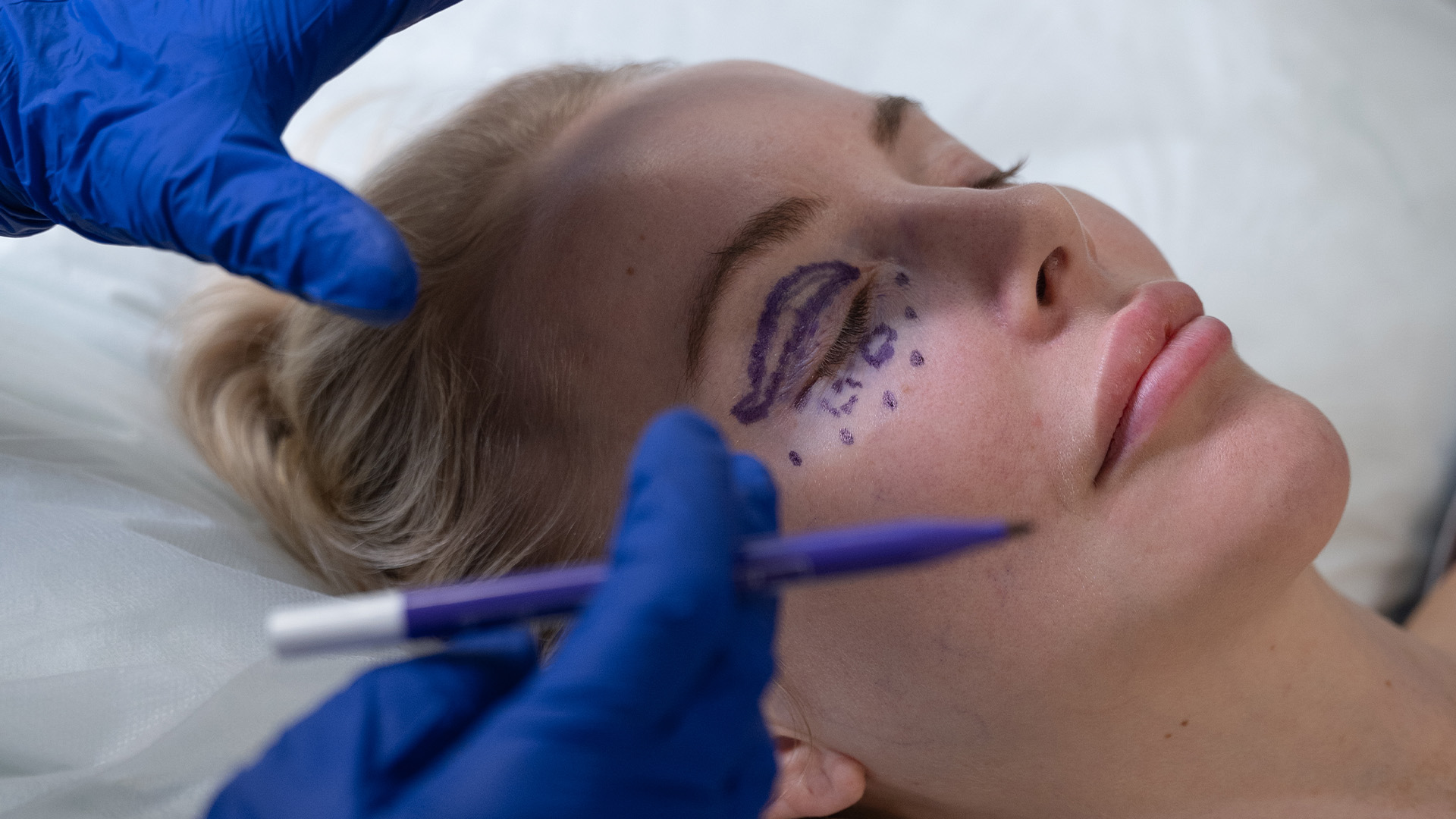
Sagging upper eyelids are a common concern that can develop with age or due to natural changes in the skin and facial structure. Some people notice that their upper eyelids begin to droop, making their eyes look tired, heavy, or older than they feel. In certain cases, excess skin may also affect the upper field of vision and make everyday activities more difficult.
Upper eyelid sagging can happen for several reasons, including ageing, genetics, reduced skin elasticity, and changes in the muscles that support the eyelids. Upper Blepharoplasty in London is a surgical procedure designed to remove excess skin and improve the appearance of the upper eyelids.
At Bodyvie Clinic, patients can learn about upper eyelid surgery, understand the causes of sagging eyelids, and explore suitable treatment options. Knowing why upper eyelids become loose can help individuals make informed decisions about their eye appearance and overall facial health.
Understanding Upper Blepharoplasty in London and Why Upper Eyelids Begin to Sag
Upper blepharoplasty, also known as upper eyelid surgery, is a procedure that addresses excess skin and, when appropriate, fat around the upper eyelids. The treatment aims to create a more refreshed appearance while maintaining the natural shape of the eyes.
Sagging eyelids do not develop in the same way for everyone. Some people experience mild skin looseness, while others develop more noticeable folds that rest close to the eyelashes.
What Is Upper Eyelid Sagging?
Upper eyelid sagging occurs when the skin or supporting structures around the upper eyelids lose firmness. This can create extra folds of skin that hang over the natural eyelid crease.
There are two conditions that are important to understand:
- Dermatochalasis: This refers to excess or loose upper eyelid skin that may hang over the eyelid.
- Ptosis: This occurs when the upper eyelid itself droops because of weakness or stretching of the muscle or tendon responsible for lifting it.
These conditions can sometimes occur together, but they are not the same. Upper blepharoplasty mainly addresses excess skin. True eyelid ptosis may require a separate corrective procedure.
How Upper Eyelid Changes Affect Facial Appearance
The eyes play an important role in facial expression. When excess skin develops around the upper eyelids, the eyes may appear smaller or less open.
Some people feel that their face looks tired even when they are well-rested. Others notice that eye makeup becomes more difficult to apply because the extra skin covers the eyelid area.
In more advanced cases, excess skin may interfere with the upper field of vision.
Main Causes of Sagging Upper Eyelids Explained at Bodyvie Clinic
Several factors contribute to upper eyelid sagging. Understanding these causes helps patients identify why their eyelid appearance may be changing.
1. Natural Ageing and Loss of Skin Elasticity
Ageing is one of the most common reasons for sagging upper eyelids. As people get older, the skin gradually produces less collagen and elastin.
These proteins help maintain skin strength and flexibility. When their levels decrease, the skin becomes thinner, less firm, and more likely to develop folds.
The delicate skin around the eyes is particularly affected by these changes. Over time, excess skin may become more noticeable around the upper eyelids.
2. Genetic Factors and Family History
Genetics can influence how early a person develops sagging eyelids. Some individuals naturally have heavier upper eyelids or more prominent eyelid folds.
If close family members have excess upper eyelid skin at a younger age, other relatives may experience similar changes.
Genetic factors can also influence skin thickness, facial structure, and the amount of fat around the eyes.
3. Reduced Collagen and Elastin Production
Collagen and elastin are essential for maintaining healthy skin structure. As their production decreases, the skin may gradually lose its natural firmness.
This process can contribute to loose skin around the forehead, cheeks, and eyelids.
Although skincare products may support skin hydration and improve its surface appearance, they cannot remove significant excess eyelid skin.
4. Sun Exposure and Environmental Damage
Regular exposure to ultraviolet radiation can accelerate skin ageing. Sun damage affects collagen and elastin, contributing to wrinkles, fine lines, and reduced skin firmness.
Because the skin around the eyes is delicate, it may show signs of sun damage relatively early.
Wearing sunglasses and applying suitable sunscreen around the eye area can help protect the skin from further damage.
5. Changes in Eyelid Muscles and Supporting Tissues
The muscles and connective tissues around the eyes help maintain the natural position of the eyelids.
With age, these structures may become weaker or stretched. This can contribute to eyelid drooping, especially when the muscle responsible for lifting the upper eyelid is affected.
In such cases, a medical assessment is important to identify whether the problem is excess skin, muscle-related ptosis, or a combination of both.
6. Lifestyle Habits and Skin Health
Lifestyle habits can influence how quickly the skin shows signs of ageing.
Factors that may affect skin health include:
- Smoking, which can contribute to premature skin ageing.
- Inadequate sleep, which may make the eye area appear tired.
- Poor nutrition, which can affect overall skin health.
- Frequent sun exposure without protection.
- Long-term environmental exposure to pollution.
Healthy lifestyle choices can support skin health, although they cannot reverse significant excess eyelid skin.
When Is Upper Blepharoplasty in London Recommended for Sagging Eyelids?
Not everyone with loose upper eyelid skin needs surgery. Some people have mild changes that do not affect their appearance significantly, while others experience more noticeable concerns.
Upper Blepharoplasty in London may be considered when excess upper eyelid skin causes cosmetic concerns or interferes with vision.
Excess Skin Covering the Natural Eyelid Crease
When extra skin develops, it may cover the natural eyelid crease and create a heavy appearance.
Patients may notice that their eyes look smaller or that their eyelids appear uneven. Upper eyelid surgery can remove suitable amounts of excess skin to improve the eyelid contour.
Difficulty With Daily Activities
In some cases, severe upper eyelid skin excess can interfere with the upper field of vision.
Patients may find it difficult to see clearly above them or feel the need to raise their eyebrows to improve visibility.
A proper eye and eyelid assessment can help determine whether surgery is medically appropriate.
A Tired or Heavy Appearance Around the Eyes
Some people feel that their upper eyelids make them look tired, even when they feel energetic.
Upper eyelid surgery may help create a more open and refreshed appearance by removing excess skin while preserving natural eyelid features.
How Bodyvie Clinic Approaches Upper Eyelid Surgery
At Bodyvie Clinic, patients considering eyelid surgery can discuss their concerns and understand the procedure before making a decision.
A personalised assessment is important because the amount of excess skin and the condition of the supporting eyelid structures vary from person to person.
Initial Consultation and Eyelid Assessment
During the consultation, the surgeon examines the upper eyelids and reviews the patient’s medical history.
The assessment may include:
- Checking the amount of excess eyelid skin.
- Evaluating the natural eyelid crease.
- Examining eyelid muscle function.
- Assessing eyebrow position.
- Reviewing eye health and previous eye procedures.
- Discussing the patient’s expectations.
This helps determine whether upper blepharoplasty alone is appropriate or whether another procedure may be needed.
Understanding the Surgical Procedure
Upper blepharoplasty is generally performed using an incision placed within the natural upper eyelid crease.
Through this incision, the surgeon removes carefully selected amounts of excess skin and may address protruding fat when appropriate.
The incision is then closed with fine sutures. Placing the incision within the natural crease helps make the resulting scar less noticeable once healing is complete.
The procedure may be performed under local anaesthesia with sedation or general anaesthesia, depending on the patient’s needs and the surgical plan.
Best Upper Blepharoplasty in London: What Should You Consider?
Choosing the Best Upper Blepharoplasty in London involves more than comparing clinics or treatment prices. Patients should focus on the surgeon’s qualifications, experience, surgical approach, and understanding of eyelid anatomy.
Importance of Choosing an Experienced Surgeon
The upper eyelid is a delicate area that requires careful surgical planning. Removing too much skin can cause problems with eyelid closure, while removing too little may not address the original concern.
Patients should look for:
- Appropriate medical qualifications and registration.
- Experience in upper eyelid surgery.
- Knowledge of eyelid anatomy and function.
- Clear explanations of possible complications.
- Suitable surgical facilities.
- Proper postoperative care and follow-up.
Setting Realistic Expectations Before Surgery
Upper blepharoplasty can improve excess skin and create a more refreshed appearance, but it cannot stop the natural ageing process.
Patients should understand that the procedure does not automatically correct dark circles, crow’s feet, or eyebrow drooping.
A consultation helps establish realistic expectations and identify the most suitable treatment.
Upper Blepharoplasty Cost in London: What Affects the Price?
The Upper Blepharoplasty cost in London can vary depending on the surgeon, surgical facility, anaesthesia, and complexity of the procedure.
Some patients require straightforward skin removal, while others may need additional treatment for fat distribution or associated eyelid concerns.
Factors That Influence Upper Eyelid Surgery Costs
Several factors can affect the total treatment price:
- Surgeon’s experience: Qualifications and specialist surgical experience may influence fees.
- Procedure complexity: The amount of correction required can affect surgical planning.
- Anaesthesia: The type of anaesthesia used may influence costs.
- Surgical facility: Hospital or clinic facilities contribute to the overall price.
- Aftercare: Follow-up appointments and postoperative care may be included in the treatment package.
Why a Personalised Cost Consultation Matters
Every patient’s eyelid structure and surgical requirements are different. Therefore, an accurate estimate should be provided after an individual assessment.
At Bodyvie Clinic, patients can discuss their concerns and understand the expected treatment costs, procedure details, and aftercare requirements before proceeding.
Recovery and Aftercare Following Upper Blepharoplasty
Recovery is an important part of the surgical process. Patients should allow sufficient time for swelling and bruising to improve.
What to Expect During the First Few Days
After surgery, mild swelling, bruising, tightness, and temporary discomfort are common.
Patients may be advised to use cold compresses, keep their head elevated, and follow instructions for cleaning the surgical area.
Most people can return to light daily activities within approximately one to two weeks, although individual recovery times vary.
Tips for Supporting a Smooth Recovery
To support healing, patients should:
- Follow all postoperative instructions.
- Keep the surgical area clean.
- Avoid rubbing or putting pressure on the eyes.
- Avoid strenuous exercise until medically cleared.
- Attend scheduled follow-up appointments.
- Use recommended eye care products.
- Protect the healing area from direct sunlight.
Sudden vision changes, severe pain, or significant swelling require urgent medical attention.
Conclusion: Understanding the Causes of Sagging Upper Eyelids
Sagging upper eyelids can develop because of natural ageing, genetics, collagen loss, sun exposure, and changes in the muscles and supporting tissues around the eyes. While mild skin changes may not require treatment, significant excess skin can affect facial appearance and sometimes interfere with vision.
Upper Blepharoplasty in London is a surgical option that can remove excess upper eyelid skin and create a more refreshed appearance. At Bodyvie Clinic, patients can explore their treatment options, understand the Upper Blepharoplasty cost in London, and learn whether they may be suitable for the Best Upper Blepharoplasty in London.
A personalised consultation, realistic expectations, and appropriate aftercare are important steps towards achieving a natural-looking result while maintaining healthy eyelid function.



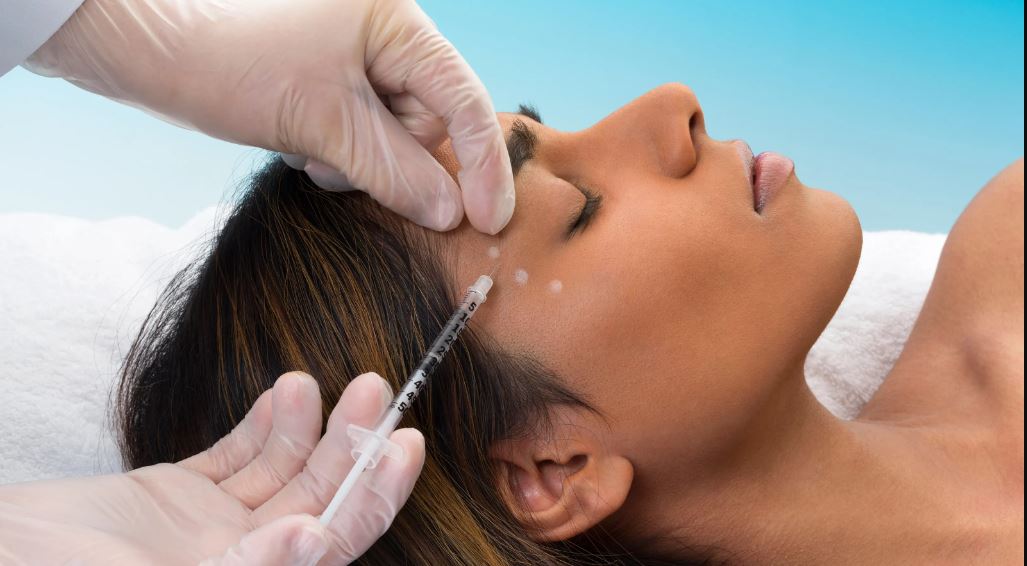
Botox is one of the most popular non-surgical cosmetic treatments for people who want to reduce the appearance of wrinkles and achieve a smoother, refreshed look. It is commonly used to treat forehead lines, frown lines, crow’s feet, and other expression-related wrinkles. However, one of the most common questions people ask before treatment is how long the results will last.
The duration of Botox results depends on several factors, including the treatment area, dosage, muscle activity, metabolism, and individual response. Understanding these factors can help patients develop realistic expectations and plan their treatments properly.
At Beaute Concept Clinic, patients can explore personalised aesthetic treatments according to their facial features and cosmetic goals. Learning about Botox in Dubai, its benefits, treatment process, and expected results can help individuals make informed decisions.
Understanding Botox in Dubai and How the Treatment Works
Botox is an injectable treatment made from a purified form of botulinum toxin type A. It works by temporarily reducing the activity of selected muscles responsible for creating expression lines.
When certain facial muscles repeatedly contract, wrinkles can gradually become more noticeable. Botox helps relax these muscles, making the overlying skin appear smoother.
How Botox Helps Reduce Facial Wrinkles
Botox works by temporarily blocking nerve signals that tell specific muscles to contract. When the muscles relax, the appearance of dynamic wrinkles becomes softer.
Common treatment areas include:
- Forehead lines: Horizontal lines that appear when raising the eyebrows.
- Frown lines: Vertical lines between the eyebrows.
- Crow’s feet: Fine lines around the outer corners of the eyes.
- Bunny lines: Small wrinkles that appear on the nose.
- Chin lines: Uneven or dimpled skin on the chin.
- Jawline concerns: In selected patients, injections into the masseter muscles may help reduce jaw muscle bulk.
The treatment area and injection technique influence the final results.
Why People Choose Botox Treatments
Many people choose Botox because it is a non-surgical procedure that usually requires little downtime. It can help soften expression lines without changing the entire facial appearance when administered appropriately.
At Beaute Concept Clinic, patients can discuss their concerns and understand whether Botox is suitable for their individual needs.
How Long Do Botox Results Last After Botox in Dubai?
One of the biggest advantages of Botox is that its effects develop gradually and last for several months. However, the exact duration varies from person to person.
For many patients, Botox results generally last around three to four months. Some people may notice effects for a shorter or longer period depending on their muscle activity, dosage, and individual response.
When Do Botox Results Start Appearing?
Botox does not usually produce immediate results. After injections, the treatment needs time to affect the targeted muscles.
Patients may begin noticing changes within three to five days. More visible results generally develop over approximately 10 to 14 days.
During this period, expression lines may gradually become softer, and the treated muscles may show reduced movement.
When Do Botox Results Start Wearing Off?
As the body gradually restores communication between nerves and muscles, muscle movement begins returning.
Patients may notice that their wrinkles slowly become visible again after a few months. This is a normal part of the treatment process.
Botox does not permanently remove wrinkles, so maintenance treatments may be considered when the effects wear off.
Best Botox in Dubai: Factors That Affect How Long Results Last
Choosing the Best Botox in Dubai involves considering the quality of treatment, practitioner qualifications, injection technique, and individual facial anatomy.
Several factors can influence how long the results remain noticeable.
Treatment Area and Muscle Strength
Different facial muscles have different levels of activity. Areas with stronger or more frequently used muscles may respond differently from areas with smaller muscles.
For example, forehead muscles are used regularly when raising the eyebrows. The amount of movement in a particular area may influence how long the results remain noticeable.
Dosage and Injection Technique
The amount of Botox used depends on the treatment area, muscle strength, and desired outcome.
A suitable dosage can help achieve balanced results while maintaining natural facial expressions. Using more Botox does not automatically mean the effects will last longer.
Proper injection placement is also important because it helps target the intended muscles and reduces the risk of unwanted effects.
Individual Metabolism and Lifestyle
Every person responds differently to Botox. Individual metabolism, muscle activity, and other biological factors can influence treatment duration.
Lifestyle habits such as regular skincare, sun protection, and healthy daily routines support overall skin health, although they cannot guarantee longer Botox results.
Previous Botox Treatments
Some patients who receive Botox regularly may feel that their results last longer over time. However, this is not guaranteed, and treatment response varies.
A qualified practitioner should review previous treatments and assess whether the same dosage and injection approach remain appropriate.
What Are the Benefits of Choosing the Best Botox in Dubai?
Botox offers several cosmetic benefits when administered by an appropriately qualified medical professional.
Smoother and Younger-Looking Skin
Botox helps reduce the appearance of expression lines by relaxing selected facial muscles. This can create a smoother appearance, particularly around the forehead and eyes.
A More Refreshed Facial Appearance
Deep expression lines can sometimes make people look tired or stressed. Softening these lines may create a more relaxed and refreshed appearance.
Non-Surgical Treatment With Minimal Downtime
Botox does not require surgical incisions or general anaesthesia. Most patients can return to their usual daily activities shortly after treatment.
Mild redness, swelling, or bruising may occur around the injection sites, but these effects generally improve within a short period.
Prevention of Deep Expression Lines
Botox may also help reduce repeated muscle movements that contribute to the development of dynamic wrinkles.
Although it cannot stop natural ageing, appropriate treatment may help manage the appearance of expression-related lines.
Botox Cost in Dubai: What Determines the Treatment Price?
The Botox cost in Dubai varies depending on the treatment area, number of units required, product used, and complexity of the procedure.
Some patients only want to treat forehead lines, while others may require treatment in multiple facial areas.
Factors That Influence Botox Cost
The total treatment price may depend on:
- Number of units: Different facial areas require different amounts of Botox.
- Treatment areas: Treating multiple areas may increase the overall cost.
- Product selection: The specific approved botulinum toxin product used can influence pricing.
- Practitioner experience: Qualifications and expertise are important considerations.
- Clinic facilities: Professional standards, treatment facilities, and aftercare may affect the overall price.
Why a Personalised Consultation Is Important
A consultation helps determine the appropriate treatment areas and dosage according to your facial structure and concerns.
At Beaute Concept Clinic, patients can discuss their expectations and understand the treatment options and associated costs before making a decision.
It is important to choose treatment based on safety and suitability rather than price alone.
What Happens During a Botox Treatment at Beaute Concept Clinic?
Understanding the treatment process can help patients feel more confident before their appointment.
Initial Consultation and Facial Assessment
The process begins with an assessment of facial expressions, muscle activity, skin condition, and areas of concern.
The practitioner also reviews the patient’s medical history, current medications, previous cosmetic procedures, and treatment expectations.
This helps determine whether Botox is an appropriate option.
Preparing for Botox Injections
Before the procedure, the treatment area is cleaned. A numbing cream is generally not necessary, although it may be considered for patients who are sensitive to injections.
The practitioner identifies the appropriate injection points based on the treatment plan.
During the Injection Procedure
Botox is administered using a fine needle into selected muscles. The number of injections depends on the areas being treated.
Most appointments take approximately 10 to 20 minutes, although the duration may vary.
Patients may experience slight discomfort during the injections, but the procedure is generally well tolerated.
How to Maintain Your Botox Results for Longer
Although Botox results are temporary, following professional advice can help patients maintain their results and support overall skin health.
Follow the Recommended Treatment Schedule
Patients should avoid scheduling repeat injections too frequently. Treatment should only be repeated when appropriate and after a professional assessment.
Many patients consider maintenance treatments every three to four months, depending on how their muscles respond.
Follow Proper Post-Treatment Instructions
After treatment, patients should follow the instructions provided by their practitioner.
Common recommendations may include:
- Avoid rubbing or massaging the treated areas for the period advised.
- Remain upright for approximately four hours after treatment.
- Avoid strenuous exercise for the recommended period.
- Avoid unnecessary pressure on the injection sites.
- Follow the recommended skincare routine.
- Attend follow-up appointments when advised.
Protect Your Skin From Sun Damage
Sun exposure can contribute to premature skin ageing and make fine lines more noticeable.
Using broad-spectrum sunscreen, moisturising regularly, and maintaining a healthy skincare routine can help support the appearance of your skin.
These habits do not directly extend the action of Botox but can contribute to healthier-looking skin.
Possible Side Effects and Safety Considerations of Botox
Botox is generally well tolerated when administered appropriately by qualified professionals. However, like other injectable treatments, it can cause side effects.
Common Temporary Side Effects
Some patients may experience:
- Mild swelling around injection sites.
- Redness or tenderness.
- Small bruises.
- Temporary headaches.
- Mild discomfort.
These effects generally improve without requiring additional treatment.
Why Choosing a Qualified Practitioner Matters
Incorrect injection placement or unsuitable dosing can cause complications, including drooping eyelids, uneven eyebrows, or unwanted muscle weakness.
Rarely, botulinum toxin effects can spread beyond the injection area and cause serious symptoms such as difficulty swallowing, speaking, or breathing. These require immediate medical attention.
Patients who are pregnant, breastfeeding, have certain neuromuscular conditions, or have other relevant medical concerns should discuss their suitability with a qualified medical professional before treatment.
Why Consider Beaute Concept Clinic for Botox Treatment?
Choosing an aesthetic clinic is an important decision because treatment quality and professional assessment influence both safety and results.
At Beaute Concept Clinic, patients can discuss their facial concerns, understand available treatment options, and receive guidance based on their individual aesthetic goals.
Personalised Treatment According to Facial Features
Every face has different muscle structures and expression patterns. A personalised treatment plan considers these differences rather than using the same injection approach for everyone.
The aim is to soften unwanted wrinkles while maintaining natural facial movement.
Focus on Safe and Natural-Looking Results
A good Botox treatment should improve the appearance of expression lines without making the face look unnecessarily stiff.
Understanding the correct dosage, injection areas, possible side effects, and aftercare requirements helps patients make informed decisions.
Conclusion: How Long Can You Enjoy Your Botox Results?
Botox results generally last around three to four months, although the exact duration depends on muscle activity, dosage, treatment area, metabolism, and individual response. Most patients begin noticing changes within a few days, with more complete results appearing over approximately two weeks.
Choosing the Best Botox in Dubai involves finding qualified medical professionals who understand facial anatomy and can recommend an appropriate treatment plan. At Beaute Concept Clinic, patients can explore Botox in Dubai, understand the Botox cost in Dubai, and discuss their expectations before treatment.
With proper assessment, suitable injections, and professional aftercare, Botox can help soften expression lines and maintain a smoother, refreshed, and natural-looking appearance.

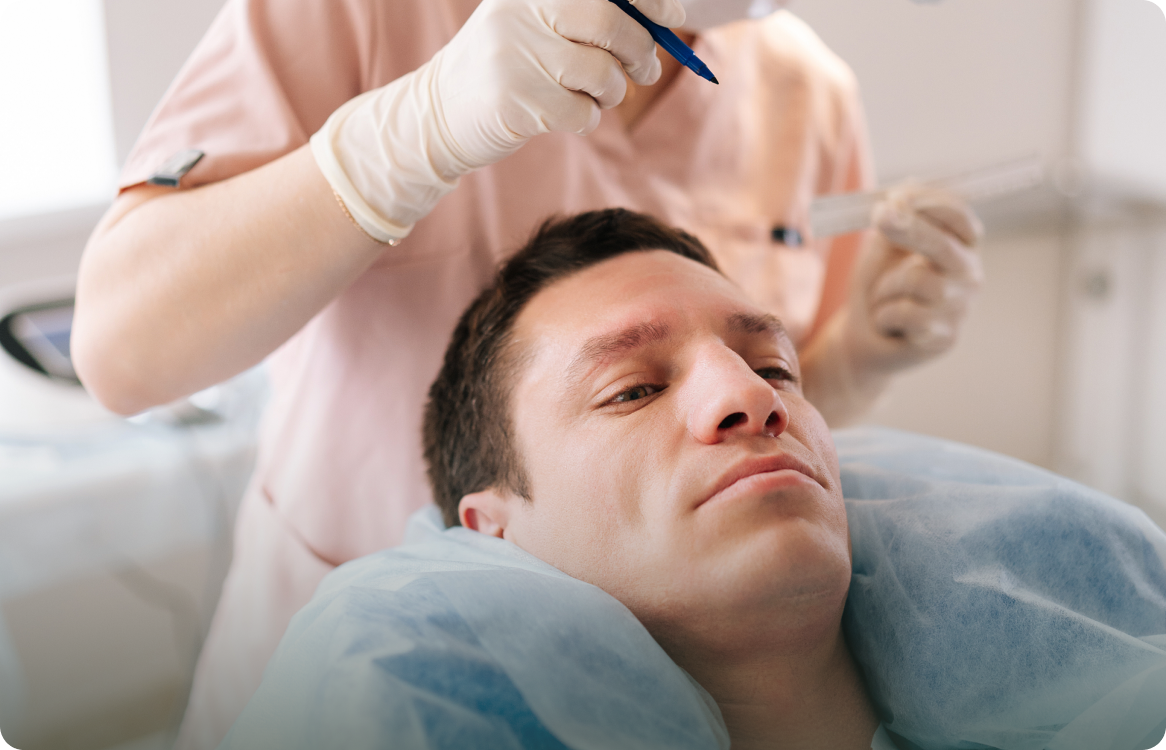
Hair loss is a common concern that affects both men and women. Although it is often associated with men, many women also experience thinning hair, a receding hairline, and reduced hair density. These changes can affect appearance and confidence, making women look for effective hair restoration solutions.
Hair loss in women can develop for several reasons, including genetics, hormonal changes, medical conditions, stress, nutritional deficiencies, and certain hairstyles. While medications and non-surgical treatments may help some patients, hair transplantation can be another option for women who have suitable donor hair and specific patterns of hair loss.
With modern techniques and careful treatment planning, hair restoration surgery can help improve hair density and create a fuller appearance. At Biolite Clinic, women can explore suitable hair restoration options based on their individual hair conditions and expectations.
In this article, we explain how hair transplantation works for women, who may benefit from the procedure, what results to expect, and what to consider before choosing treatment.
Understanding Hair Transplant Dubai for Women Experiencing Hair Loss
Hair Transplant Dubai is a hair restoration procedure that involves moving healthy hair follicles from a donor area to areas affected by thinning or hair loss.
Although the procedure is commonly performed on men, women can also benefit when their hair loss pattern and donor hair quality make them suitable candidates.
Female hair loss often appears differently from male pattern baldness. Instead of developing completely bald areas, women may experience gradual thinning across the crown, widening of the hair part, or reduced density near the front of the scalp.
Why Do Women Experience Hair Loss?
There are several possible causes of hair loss in women. Identifying the underlying reason is important before considering surgery.
Common causes include:
- Genetic hair loss: Family history can influence hair thickness and density.
- Hormonal changes: Pregnancy, menopause, and certain hormonal conditions may affect hair growth.
- Stress: Physical or emotional stress can trigger temporary hair shedding.
- Nutritional deficiencies: Low iron levels and other nutritional problems may contribute to hair thinning.
- Medical conditions: Thyroid disorders and certain autoimmune conditions can affect hair growth.
- Hairstyling habits: Tight ponytails, braids, and extensions may cause traction alopecia.
Not every type of hair loss requires surgery. Some conditions improve when the underlying cause is treated.
Can Women Really Benefit from Hair Transplant Surgery?
Yes, selected women can benefit from hair transplantation. The procedure may be suitable for women with a stable pattern of hair loss, sufficient healthy donor hair, and specific areas where additional density is desired.
For example, women with traction alopecia, certain types of scarring alopecia, or a naturally high hairline may be considered for treatment after proper assessment.
However, women experiencing widespread or ongoing hair thinning may not be ideal candidates because the donor area can also be affected.
How Hair Transplant Surgery Works for Female Hair Restoration
Hair transplantation involves collecting healthy hair follicles from a donor area, usually the back or sides of the scalp, and placing them into areas with reduced hair density.
The procedure is generally performed under local anaesthesia, depending on the treatment plan.
Understanding the FUE Hair Transplant Technique
Follicular Unit Extraction (FUE) is a commonly used hair transplantation technique.
During FUE, individual hair follicles are carefully extracted from the donor area and prepared for implantation.
The follicles are then placed into the selected areas according to the patient’s natural hair direction, angle, and density requirements.
Benefits may include:
- Small extraction marks rather than a long linear scar.
- A minimally invasive approach.
- No need for stitches in the extraction area.
- Natural-looking hair placement when properly performed.
- A gradual improvement in hair density.
However, FUE still involves surgery and requires an appropriate recovery period.
Is FUT Hair Transplant Suitable for Women?
Follicular Unit Transplantation (FUT) is another technique that involves removing a narrow strip of scalp from the donor area. Individual hair follicles are then separated and implanted into the recipient area.
FUT may be appropriate for selected patients, but it generally leaves a linear scar in the donor area.
The choice between FUE and FUT depends on donor hair quality, hairstyle preferences, treatment goals, and the surgeon’s assessment.
Who Is a Suitable Candidate for Hair Transplant Dubai?
Not every woman experiencing hair loss is suitable for transplantation. A detailed consultation is necessary to understand the cause and pattern of hair thinning.
Women with Traction Alopecia
Traction alopecia develops when repeated pulling places pressure on the hair follicles. It is commonly associated with tight hairstyles, including ponytails, braids, and extensions.
If the hair follicles have been permanently damaged, transplantation may help restore hair in selected areas after the condition has stabilised.
Women with a Naturally High Hairline
Some women naturally have a high forehead or hairline and may wish to create a more balanced facial appearance.
Hair transplantation can sometimes help lower or reshape the hairline. Careful planning is important to ensure that the new hairline looks natural and suits facial proportions.
Women with Stable Hair Loss
Women with stable hair loss and sufficient donor hair may be suitable candidates.
A specialist should assess the scalp and determine whether the donor area contains enough healthy follicles for transplantation.
Women with active or unexplained hair loss should first undergo an appropriate medical evaluation.
Best Hair Transplant in Dubai: What Women Should Consider Before Treatment
Choosing the Best Hair Transplant in Dubai involves more than comparing treatment prices or looking at promotional photographs. Women should carefully consider the surgeon’s qualifications, experience, treatment techniques, and patient safety standards.
Why Choosing an Experienced Hair Restoration Specialist Matters
Female hair restoration requires careful planning because women’s hair loss patterns can be different from men’s.
The specialist must understand the natural direction of hair growth, existing hair density, donor area limitations, and the patient’s long-term hair restoration goals.
At Biolite Clinic, patients can discuss their hair concerns and explore suitable treatment options based on their individual needs.
Important Questions to Ask During Consultation
Before choosing hair transplantation, women should ask:
- What is causing my hair loss?
- Am I a suitable candidate for transplantation?
- How much donor hair is available?
- Which technique would be appropriate?
- How many grafts might I need?
- What results can I realistically expect?
- What are the possible risks and complications?
- Will I need additional hair loss treatments?
These questions help patients understand the procedure and make informed decisions.
Hair Transplant Cost in Dubai: What Influences the Treatment Price?
The Hair Transplant cost in Dubai varies according to the patient’s hair loss condition, number of grafts, surgical technique, and individual treatment requirements.
Women may need different numbers of grafts depending on the size of the treatment area and the desired improvement in density.
Factors That Affect Hair Transplant Cost
Several factors can influence the total price:
- Number of Hair Grafts
The number of follicles required depends on the size of the thinning area and the patient’s desired coverage.
- Hair Transplant Technique
FUE and FUT involve different surgical methods and may have different costs.
- Hair Loss Condition
The severity and pattern of hair thinning influence treatment planning.
- Specialist Experience
The qualifications and experience of the medical professional performing the procedure may affect the overall cost.
- Clinic and Facility Charges
The surgical facility, equipment, medical team, and aftercare services can also influence pricing.
At Biolite Clinic, women can discuss their hair restoration needs and ask for an individual cost estimate during consultation.
What to Expect Before and After Hair Transplant Surgery
Understanding the treatment journey can help women feel more prepared and confident before undergoing hair restoration surgery.
Preparing for Hair Transplant Surgery
Before the procedure, the specialist evaluates the scalp, donor area, hair density, and medical history.
Patients may receive instructions regarding medications, smoking, alcohol, and scalp care.
It is important to follow all pre-operative instructions and discuss any existing medical conditions with the medical team.
What Happens Immediately After Surgery?
After transplantation, patients may experience mild swelling, redness, tenderness, and small scabs around the implanted follicles.
These effects usually improve as the scalp heals.
Patients should avoid scratching the treated area and follow the recommended washing and sleeping instructions.
Strenuous exercise and activities that may disturb the grafts should be avoided for the period advised by the surgeon.
When Will Women See Hair Growth Results?
Hair transplant results develop gradually rather than immediately.
Some transplanted hairs may shed during the first few weeks. This is commonly known as shock shedding and does not necessarily mean the treatment has failed.
New hair growth usually starts becoming noticeable after several months. Improvement continues over time, with fuller results often developing between 9 and 12 months or longer.
Individual growth timelines vary.
Can Hair Transplant Results Look Natural in Women?
Natural-looking hair restoration depends on careful graft placement, suitable density planning, and consideration of the patient’s existing hair.
Women often prefer improved fullness that blends naturally with their original hair rather than an artificial-looking hairline.
The Importance of Natural Hair Direction
Hair follicles must be placed according to the natural direction and angle of existing hair.
Incorrect placement may create an unnatural appearance, particularly around the front hairline.
Careful planning helps transplanted hair blend with surrounding strands as it grows.
Maintaining Hair Transplant Results
Transplanted follicles may provide long-lasting growth, but existing non-transplanted hair can continue to thin.
Some women may benefit from additional treatments or medically recommended hair loss management to protect their remaining hair.
Regular follow-up appointments can help monitor progress and identify any new hair loss concerns.
Non-Surgical Alternatives for Women Who Are Not Suitable Candidates
Hair transplantation is not the only option for women experiencing hair thinning. Some patients may benefit from non-surgical approaches depending on the cause of their hair loss.
PRP Hair Treatment
Platelet-rich plasma (PRP) treatment uses a concentration of platelets prepared from the patient’s own blood. It is injected into selected scalp areas and may help support hair growth in some patients.
Results vary, and PRP is not a guaranteed solution for every type of hair loss.
Medical Hair Loss Treatments
Depending on the diagnosis, a healthcare professional may recommend medications or topical treatments to manage hair thinning.
Correcting nutritional deficiencies and treating underlying hormonal or medical conditions may also improve hair health.
Scalp Care and Healthy Lifestyle Habits
Women can support overall hair health by:
- Eating a balanced diet.
- Getting adequate protein and essential nutrients.
- Avoiding tight hairstyles.
- Using gentle hair care products.
- Managing stress.
- Seeking medical advice for sudden or excessive shedding.
These habits may help support healthy hair, although they cannot reverse every type of permanent hair loss.
Why Consider Biolite Clinic for Women’s Hair Restoration?
Choosing the right clinic is an important step in the hair restoration journey. Women should look for a clinic that provides proper scalp assessment, individual treatment planning, clear communication, and appropriate follow-up care.
At Biolite Clinic, patients can discuss their hair thinning concerns and explore suitable hair restoration options.
Understanding the cause of hair loss, evaluating donor hair, and selecting an appropriate treatment approach are important parts of planning a successful procedure.
The goal is to help patients make informed decisions while maintaining realistic expectations about hair growth and long-term results.
Conclusion: Is Hair Transplant Surgery Worth Considering for Women?
Hair transplantation can be a suitable option for women experiencing certain types of permanent hair loss. It may help improve hair density, restore selected thinning areas, and create a fuller appearance when the patient has suitable donor hair.
However, not every woman is an ideal candidate. Identifying the cause of hair loss, evaluating scalp health, and understanding available treatment options are essential before choosing surgery.
At Biolite Clinic, women can explore personalised hair restoration options and learn more about the procedure, recovery, and expected outcomes. With proper assessment and realistic expectations, hair restoration surgery may help suitable women achieve fuller-looking hair and improved confidence.

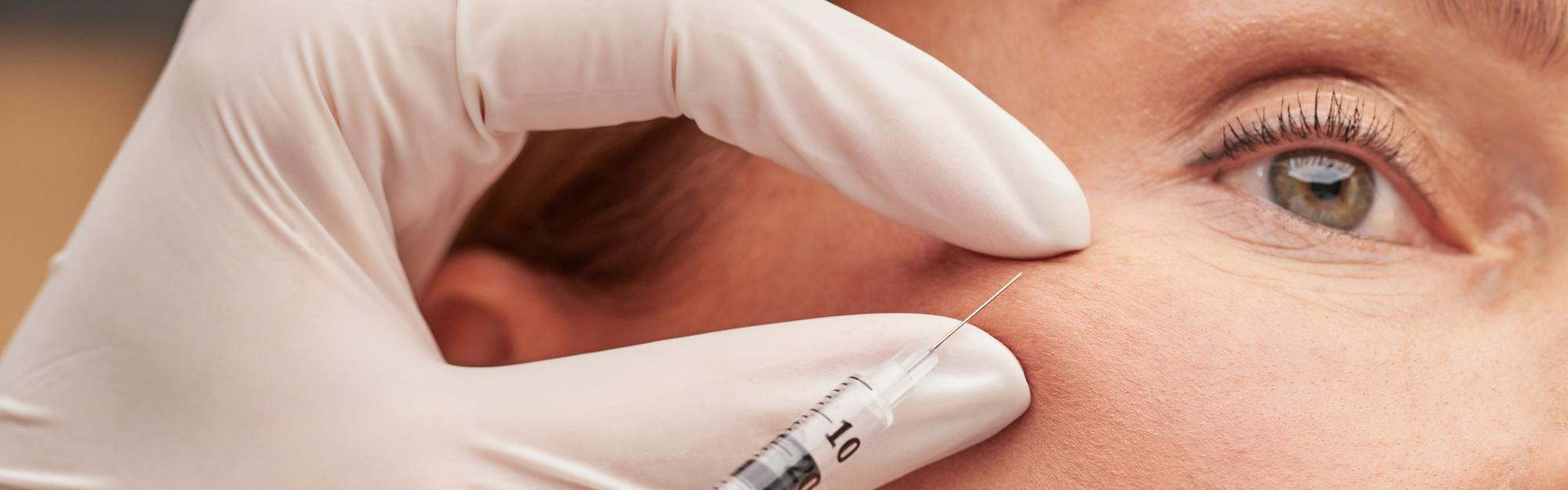
The under-eye area is one of the most delicate parts of the face. Many people experience dark circles, hollowness, fine lines, or a tired appearance even when they get enough sleep. These concerns can develop because of ageing, genetics, dehydration, lifestyle habits, or changes in facial fat.
There are different treatments available to improve the appearance of the under-eye area. Two common options are dermal fillers and dark circle treatments. Although both aim to improve the appearance of the eyes, they work in different ways and address different concerns.
Under Eye Fillers in Dubai are commonly considered by people who have hollow areas or volume loss beneath their eyes. Fillers help restore lost volume and create a smoother transition between the lower eyelids and cheeks.
At Altaderma Clinic, patients can learn about different under-eye treatment options and understand which approach may be suitable for their skin concerns. The right treatment depends on the cause of the problem, skin condition, facial structure, and individual expectations.
What Are Under Eye Fillers and How Do They Work?
Under-eye fillers are injectable treatments, usually made with hyaluronic acid, a substance that naturally occurs in the body. They are designed to add volume beneath the eyes and improve the appearance of hollow areas.
When carefully placed by a qualified medical professional, fillers may help reduce the appearance of tear troughs and create a smoother facial appearance.
However, fillers do not treat every type of dark circle. If pigmentation or visible blood vessels are responsible for the dark appearance, other treatments may be more appropriate.
Understanding the Difference Between Under Eye Fillers and Dark Circle Treatments at Altaderma Clinic
Although under-eye fillers and dark circle treatments focus on improving the same facial area, their purposes are different. Understanding these differences can help patients choose a suitable treatment.
How Under Eye Fillers Address Volume Loss
One of the main reasons people consider Under Eye Fillers in Dubai is hollowing beneath the eyes. As people age, facial fat and collagen gradually decrease. This can create shadows that make the under-eye area look darker and more tired.
Fillers help restore volume in selected areas. They may improve the appearance of:
- Hollow under-eye areas.
- Deep tear troughs.
- Shadows caused by volume loss.
- Mild under-eye depressions.
- An uneven transition between the lower eyelids and cheeks.
The treatment does not change the natural eye shape. Instead, it aims to improve the appearance of volume loss.
How Dark Circle Treatments Work
Dark circle treatments are designed to address pigmentation, skin texture, or other causes of under-eye darkness. Unlike fillers, these treatments do not necessarily add volume.
Depending on the cause, a treatment plan may include:
- Topical skincare products for pigmentation.
- Chemical peels suitable for the delicate under-eye area.
- Selected laser treatments.
- Treatments that support collagen production.
- Medical advice for allergies or other contributing conditions.
At Altaderma Clinic, identifying the cause of dark circles is an important step before recommending a treatment.
What Causes Dark Circles Under the Eyes?
Dark circles can develop for several reasons. Some people naturally have darker pigmentation beneath their eyes, while others notice changes because of ageing or lifestyle factors.
Genetics and Natural Skin Colour
Genetics can influence skin thickness, pigmentation, and facial structure. Some individuals naturally have darker under-eye areas even when they maintain healthy habits.
In these cases, fillers may not address the actual cause of the darkness unless hollowness is also present.
Ageing and Loss of Facial Volume
As the skin ages, collagen production decreases and facial fat may shift or become reduced. This can create hollows beneath the eyes.
The hollow areas may produce shadows that look like dark circles. Fillers may help improve this type of concern by restoring volume.
Lifestyle and Environmental Factors
Lack of sleep, dehydration, smoking, stress, and prolonged sun exposure can make the under-eye area appear tired or darker.
Managing these factors may improve the appearance of the skin and support the results of professional treatments.
Allergies and Visible Blood Vessels
Allergies can cause rubbing, irritation, and inflammation around the eyes. Thin under-eye skin can also make blood vessels more visible, creating a darker or bluish appearance.
These concerns require a different approach from volume-related hollowness.
Who Can Benefit from the Best Under Eye Fillers in Dubai?
People considering the Best Under Eye Fillers in Dubai should first understand whether their concerns are related to volume loss. Fillers are not suitable for everyone, and careful assessment is necessary before treatment.
At Altaderma Clinic, patients can discuss their concerns and receive guidance based on their under-eye anatomy and skin condition.
Suitable Candidates for Under Eye Fillers
Under-eye fillers may be considered for adults who:
- Have noticeable tear trough hollowness.
- Experience shadows caused by volume loss.
- Have mild under-eye depressions.
- Want to improve the transition between the eyes and cheeks.
- Have realistic expectations about treatment results.
Patients with significant under-eye puffiness, fluid retention, or very thin skin may not be suitable candidates.
When Fillers May Not Be the Right Choice
Fillers may not be recommended when dark circles are mainly caused by pigmentation, prominent blood vessels, or under-eye bags.
In some cases, adding volume can make puffiness more noticeable. A medical professional should evaluate the area before suggesting any injectable treatment.
What Happens During Under Eye Filler Treatment at Altaderma Clinic?
Under-eye filler treatment is a non-surgical procedure that involves injecting a suitable filler into carefully selected areas.
Consultation and Facial Assessment
The first step is a consultation to understand the patient’s concerns and medical history. The treatment provider examines skin quality, under-eye hollowness, facial proportions, and existing puffiness.
This assessment helps determine whether fillers are appropriate or whether another treatment may provide better results.
The Injection Process
Before treatment, the area is cleaned, and an appropriate technique is selected. A qualified medical professional may use a fine needle or cannula, depending on the patient’s anatomy and treatment plan.
The filler is placed carefully to restore volume where needed. The procedure usually takes a short amount of time, although the duration can vary.
Aftercare Following Treatment
Patients may experience mild swelling, redness, tenderness, or bruising after injections. These effects generally improve over time.
Aftercare instructions may include:
- Avoiding unnecessary pressure on the treated area.
- Following the provider’s skincare instructions.
- Avoiding strenuous exercise for the recommended period.
- Attending follow-up appointments.
- Contacting the medical provider if unusual symptoms develop.
Under-eye fillers carry specific risks, including persistent swelling, lumps, bluish discolouration, and, rarely, serious vascular complications that can affect vision. Treatment should only be performed by an appropriately qualified medical professional who understands the anatomy and emergency management of filler complications.
How Much Do Under Eye Fillers Cost in Dubai?
The Under Eye Fillers cost in Dubai can vary depending on several factors. Each patient has different treatment needs, and the amount of filler required may differ according to the degree of hollowness and facial structure.
Factors That Affect Under Eye Fillers Cost in Dubai
Some important factors that influence the overall price include:
- Type of filler: Different filler brands and formulations have different prices.
- Amount of product: The quantity required depends on the treatment area and volume loss.
- Provider’s experience: The qualifications and experience of the medical professional can influence treatment fees.
- Clinic facilities: The standards and services provided by the clinic may affect the total cost.
- Consultation and follow-up: Assessment and aftercare services may be included in the treatment package or charged separately.
At Altaderma Clinic, patients can discuss their treatment requirements and ask for a clear explanation of the expected expenses before proceeding.
It is important to consider treatment quality, medical expertise, and safety rather than selecting a provider based only on the lowest price.
How Long Do Under Eye Fillers Results Last?
The results of under-eye fillers are not permanent. Their duration depends on the type of filler, individual metabolism, injection technique, and treatment area.
Factors That Influence Filler Longevity
Some factors that may influence how long results remain visible include:
- The type and quantity of filler used.
- Individual metabolism.
- Facial movement and natural ageing.
- Skin condition and lifestyle.
- The placement and technique used during treatment.
Many hyaluronic acid fillers can last several months or longer, but the duration varies. Regular assessments can help determine whether additional treatment is appropriate.
Maintaining Healthy Under-Eye Skin
Patients can support their skin by following a consistent skincare routine, using sun protection, maintaining hydration, and getting sufficient sleep.
It is also important to avoid rubbing the delicate skin around the eyes and to manage allergies with appropriate medical advice.
Under Eye Fillers vs Dark Circle Treatments: Which Option Is Better?
The best treatment depends on the underlying cause of the concern. There is no single solution that works for every type of dark circle.
Choosing Fillers for Hollow Under-Eye Areas
If the darkness is mainly caused by hollow areas and shadows, fillers may help restore volume and create a smoother appearance.
However, treatment should be conservative because excessive filler can cause puffiness and an unnatural appearance.
Choosing Skin Treatments for Pigmentation
If the main concern is brown pigmentation, treatments targeting skin discolouration may be more appropriate.
Depending on the patient’s skin type and pigmentation, a medical professional may recommend suitable skincare products, chemical peels, or selected laser treatments.
Combining Treatments When Necessary
Some patients have more than one under-eye concern. For example, a person may experience both hollowness and pigmentation.
In these situations, a personalised treatment plan may involve different approaches. However, treatments should be selected carefully and performed only when medically appropriate.
Why Choose Altaderma Clinic for Under Eye Treatment in Dubai?
Choosing the right clinic is important when considering treatments around the eyes. This area requires careful attention because the skin is thin and the underlying structures are delicate.
At Altaderma Clinic, patients can discuss their concerns and explore treatment options based on their individual needs.
A proper consultation helps identify whether the problem is related to volume loss, pigmentation, skin texture, or another condition. Understanding the cause allows the medical professional to recommend an appropriate approach.
Patients should also ask about the provider’s qualifications, experience with under-eye treatments, product selection, possible complications, and emergency management procedures.
Conclusion: Choosing the Right Under-Eye Treatment at Altaderma Clinic
Under-eye fillers and dark circle treatments serve different purposes. Fillers are mainly used to improve hollowness and volume loss, while dark circle treatments focus on pigmentation, skin quality, and other causes of discolouration.
Under Eye Fillers in Dubai may be a suitable option for people who have hollow areas that create shadows beneath their eyes. However, individuals with pigmentation or puffiness may benefit from other approaches.
At Altaderma Clinic, patients can explore suitable treatment options based on their skin condition, facial structure, and aesthetic goals. Understanding the difference between fillers and dark circle treatments is the first step towards making an informed decision and achieving a fresher, healthier-looking under-eye appearance.

Upper Blepharoplasty in London: What Causes Sagging Upper Eyelids?

Affordable Storage Brisbane: How to Find Extra Space Without Overspending

Botox in Dubai: How Long Do Botox Results Last?

Hair Transplant Dubai: Can Women Benefit from Hair Restoration Surgery?

Under Eye Fillers in Dubai: Difference Between Fillers and Dark Circle Treatments

Rani No Hajiro in Ahmedabad: A Complete Guide to History, Shopping & Hidden Secrets

How to Get Promoted Faster at Work: Smart Career Growth Tips

Digital Marketing for Beginners: Step-by-Step Guide to Start and Succeed in 2026

Dublin City University: Everything You Need to Know Before Applying in 2026








