
General
Shower Filter in Saudi Arabia: Benefits for Hair and Skin

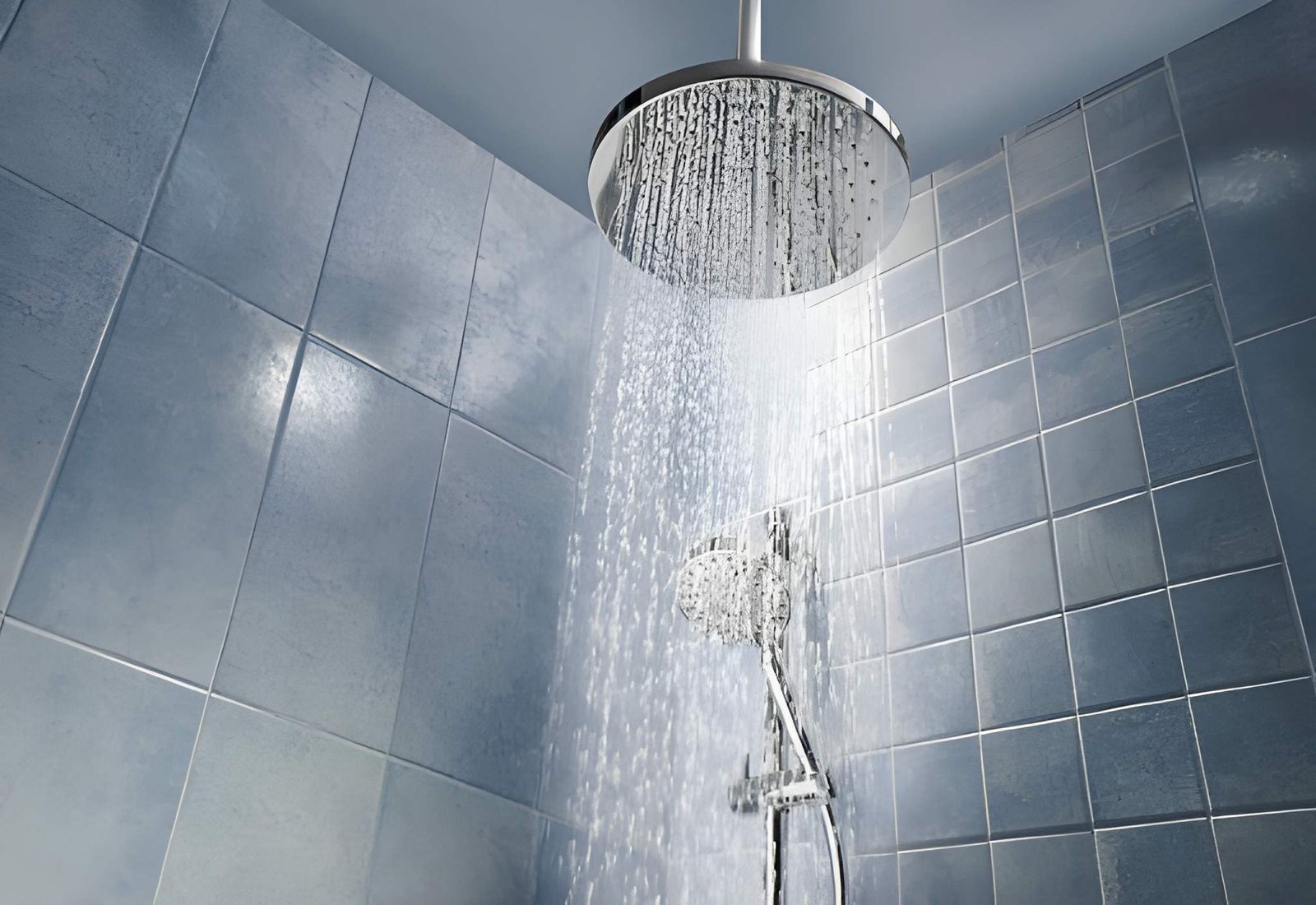
Water quality plays an important role in maintaining healthy hair and skin. In Saudi Arabia, many households experience hard water containing minerals such as calcium and magnesium. Although these minerals are naturally present in water, they can leave deposits on the skin, hair and bathroom surfaces. Regular exposure to hard shower water may make hair feel dry, leave skin feeling uncomfortable and make daily bathing less enjoyable.
Using a Shower Filter in Saudi Arabia can be a practical way to improve your showering experience. A suitable shower filter helps reduce certain unwanted substances and impurities, depending on its filtration technology. It can also support a more comfortable daily hair and skincare routine.
1. Helps Reduce Hair Dryness
Hard water can leave mineral deposits on hair, making it feel rough, dry and difficult to manage. These deposits may also make it harder to rinse shampoo and other hair products properly.
A shower filter with suitable filtration media can help reduce certain substances that affect shower water quality. This may make hair washing more comfortable and help hair feel softer after bathing.
For people who regularly experience dry or rough hair, improving shower water quality can be a useful step alongside using a suitable shampoo and conditioner.
2. Supports Healthier-Looking Hair
Your hair is exposed to shower water almost every day. If the water contains high levels of minerals or other unwanted substances, regular washing may leave hair feeling less manageable.
A filtered shower can support a better hair-washing routine by helping reduce certain impurities, depending on the filter’s capabilities. This can make it easier to rinse hair and maintain a clean, fresh feeling.
However, a shower filter is not a treatment for hair loss or scalp conditions. Good hair care, proper nutrition and suitable hair products remain important.
3. Helps Keep Skin Feeling Comfortable
Hard water can leave mineral residue on the skin after showering. Some people notice that their skin feels tight, dry or uncomfortable after bathing.
A suitable shower filter may help improve the quality of shower water by reducing specific substances targeted by its filtration system. This can support a more comfortable bathing experience.
People with dry or sensitive skin may also benefit from using gentle body washes, avoiding very hot showers and applying moisturiser after bathing.
4. Supports a Better Skincare Routine
Maintaining healthy-looking skin involves more than using expensive skincare products. The water you use during your daily shower is also worth considering.
When shower water leaves mineral residue, it may affect how clean and comfortable your skin feels. Using a suitable shower filtration system can help improve your overall bathing routine.
For better results, combine filtered shower water with a consistent skincare routine. Choose products that suit your skin type and moisturise regularly, particularly during dry weather.
5. Helps Reduce Unwanted Water Impurities
Depending on the local water supply, shower water may contain chlorine, sediment and other substances. The exact water composition can vary between locations and properties in Saudi Arabia.
Different shower filters use different filtration materials, including activated carbon and other specialised media. These materials target particular substances, so it is important to check the manufacturer’s filtration specifications before purchasing.
A good-quality shower filter should clearly explain what it can and cannot remove. This helps you choose a product that matches your household’s water quality concerns.
6. Makes Daily Showering More Enjoyable
Showering is part of everyday life, whether you are getting ready for work, refreshing yourself after outdoor activities or relaxing at the end of the day.
Water that leaves your hair feeling rough or your skin feeling dry can make the experience less comfortable. A suitable filtration system can help improve shower water quality and make daily bathing more enjoyable.
It is also a convenient option for families who want to pay more attention to the quality of their everyday shower water.
7. A Practical Choice for Saudi Homes
Water conditions can differ across Saudi Arabia. Some households may experience more noticeable mineral deposits, while others may have different concerns related to their water supply.
Before choosing a shower filter, consider your location, household water conditions and filtration requirements.
Look for the following features:
-
Effective filtration: Choose a filter designed to target the substances found in your water.
-
Easy installation: A convenient design makes installation simpler.
-
Replacement cartridges: Check how frequently the filter needs maintenance.
-
Water compatibility: Make sure the filter is suitable for your shower system.
-
Clear specifications: Choose a product with transparent information about its filtration capabilities.
Taking these factors into consideration can help you find a suitable solution for your bathroom.
8. Why Choose Blue Oasis Shower Filter?
Choosing the right shower filtration system is an important step towards improving your daily bathing experience. Blue Oasis Shower Filter offers an option for households looking to pay more attention to shower water quality.
When selecting a filter, consider its filtration technology, replacement requirements and compatibility with your existing shower. Understanding these details will help you make a more informed purchasing decision.
Whether your main concern is dry hair, uncomfortable skin or unwanted substances in shower water, choosing a suitable filtration system can be a useful addition to your everyday personal care routine.
Final Thoughts
Hard water and other water-quality concerns can affect how your hair and skin feel after showering. Although a shower filter cannot solve every hair or skin problem, the right filtration system may help reduce certain unwanted substances and improve your bathing experience.
For households looking to improve their daily shower routine, Blue Oasis Shower Filter is worth considering. By understanding your water quality and choosing a suitable filter, you can take a practical step towards more comfortable showers and better everyday hair and skincare habits.




A business can outgrow its premises gradually. Storage starts spreading into work areas, staff compete for rooms, and customers wait where they once moved freely. For a Manhattan business, these signs can raise a difficult question: does the company need a new property, or could the current space work better?
Looking at commercial property in Chinatown near Manhattan can help you understand the alternatives, but a search should begin with evidence from your own operation. More floor area brings additional costs and responsibilities. Before deciding to move, identify which space problems are affecting work, customers, or the ability to serve demand.
The most useful assessment separates a temporary busy period from a lasting capacity issue. Review how the property performs over several normal weeks. Ask staff where delays occur, observe how rooms and storage are used, and record the tasks that are difficult to complete. These details give your decision a firmer basis.
Identify Where Space Is Causing Problems
Start with specific examples. A team may lack a quiet area for calls, a retailer may receive stock faster than staff can store it, or a service business may have too little room for appointments. Describe the problem in practical terms so you can assess what kind of change would help.
When discussing options with a provider of real estate brokerage services, share those examples. Explain what happens during busy periods and which activities the current layout cannot support. This is more useful than asking for a larger property without knowing how the additional area would be used.
Consider how often each problem occurs and what it costs the business. Occasional inconvenience may be manageable, while daily disruption deserves closer attention. Keep the assessment balanced. A crowded room can reflect poor furniture placement, excess stock, or a scheduling issue as well as a genuine shortage of space.
Review How the Existing Layout Is Used
Walk through the property during a normal working day. Note which areas are busy, which remain empty, and where people interrupt one another. Compare the space assigned to each activity with how often that activity occurs. A large room used rarely may offer options that have not yet been considered.
Look for Practical Layout Changes
Furniture, storage units, and internal routines can affect how much useful room you have. Consider whether unused equipment can be removed, stock can be arranged differently, or shared areas can serve a clearer purpose. Any proposed physical changes should be checked with the appropriate people before work is planned.
Test manageable changes before assuming a move is necessary. For example, a different desk arrangement or a more consistent booking process may reduce pressure. Record the results over a reasonable period. If the main problems remain, you will have better information about the requirements a new location needs to meet.
Measure Demand and Plan for Realistic Growth
Growth plans should connect to evidence. Review staffing, appointments, orders, inventory, or customer visits, depending on the business. Look for patterns rather than judging capacity from one unusually busy day. A sustained increase creates a different property need from short periods of seasonal pressure.
Consider the next stage of the business in practical terms. How many additional staff might need space? Would new services require separate rooms or equipment? Would higher sales mean more storage, deliveries, or customer seating? These questions help translate growth expectations into property requirements that can be measured.
Avoid paying for a large amount of extra space solely because the business might need it eventually. Unused area can add expenses before it creates value. At the same time, moving into another property with no spare capacity may repeat the problem quickly. Compare a realistic current layout with a reasonable growth plan.
Check the Effect on Customers and Employees
Space problems often appear in the customer experience before they appear in a property budget. Visitors may struggle to find a seat, browse comfortably, or have a private conversation. Staff may need to move equipment repeatedly or pause one task to make room for another. Ask where these difficulties are occurring.
Listen to the People Using the Premises
Employees can identify practical issues that are easy to miss from a management view. Ask which tasks take longer because of the space and what changes would help. Encourage specific examples. The aim is to understand the working environment, including noise, storage, movement, and access to shared facilities.
Consider whether a new location could create different problems. A larger property may involve a harder commute or be less convenient for existing customers. Compare the likely benefits with those changes. More room is useful when it supports the people using the premises and remains accessible to the market the business serves.
Compare Staying With Moving
Prepare two realistic options. One should show the cost and likely benefits of staying, including manageable changes to the current property. The other should show what a move would involve. Use the same planning period and clear assumptions so the comparison does not favor one option simply because it contains fewer details.
A move budget should cover preparation, transport, furniture, equipment, professional support, and possible disruption. A staying budget should account for any planned work and the ongoing effect of unresolved space problems. Avoid comparing only the current rent with a new asking rent. That leaves out much of the practical decision.
Also consider management time. Property searches, viewings, planning, and relocation can take attention away from normal work. This does not mean a move is the wrong choice, but the effort belongs in the assessment. A decision is easier to defend when both the financial and operational effects have been considered.
Turn Your Findings Into a Clear Property Brief
If moving appears justified, use what you have learned to prepare a written brief. State the problems the new property must solve and the features that matter most. Include usable area, room requirements, storage, customer access, staff needs, preferred locations, and a budget that accounts for total occupancy costs.
Separate essential requirements from preferences. A business may need a certain equipment area but be flexible about interior finishes. Another may need clear street access but have several workable neighborhood options. This distinction helps prevent attractive extras from distracting you from the reasons you started the search.
Use the brief during every viewing. Measure spaces, test likely layouts, and ask how the building operates. Keep a record of the advantages and unresolved questions for each property. A disciplined comparison helps you avoid moving into a larger location that still fails to solve the main operational problems.
Conclusion: Make More Space Serve a Clear Purpose
Outgrowing a commercial property is about the effect of space on the business. Crowded rooms, repeated delays, storage problems, and a poor customer experience can signal a need for change. First, check whether layout and working practices can help. Then assess whether a move offers enough benefit to justify its costs.
For Manhattan businesses considering that next step, Jonathan Maimran’s website provides commercial property information and brokerage services. Start with clear evidence of what your current premises cannot support. A well-defined brief makes the search more focused and helps you choose a property that serves today’s operation while allowing reasonable room for the future.
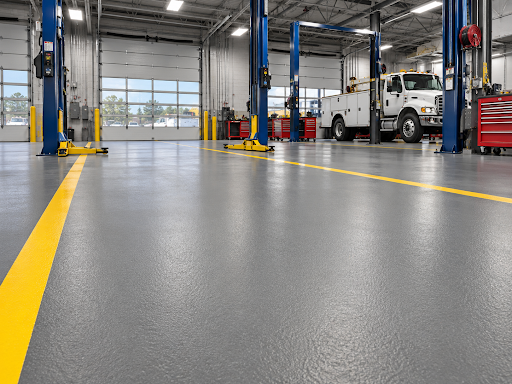
Industrial garages face some of the toughest flooring conditions in commercial environments. Vehicles move in and out throughout the day, heavy equipment places pressure on the concrete, and automotive fluids can create difficult stains and maintenance problems. At the same time, employees need a surface that supports safe movement and efficient daily work.
Because of these conditions, choosing a garage floor requires more thought than selecting a material based on appearance alone. Traffic, vehicle weight, chemical exposure, moisture, cleaning routines, surface traction, and installation requirements can all affect how well a flooring system performs.
For businesses in Woodland Park, NJ, these considerations are especially important when a garage supports automotive repairs, fleet maintenance, equipment servicing, or other demanding operations. A properly selected flooring system can help protect the concrete while creating a cleaner and more manageable working environment.
What Makes Industrial Garage Flooring Different?
An industrial garage is very different from a typical residential garage. It may contain vehicle lifts, repair equipment, storage racks, carts, tools, and heavy vehicles. Employees may also spend many hours moving between workstations and service bays. This makes industrial garage flooring a performance-focused application. The floor needs to withstand repeated traffic and mechanical activity while remaining practical to clean.
Some of the main factors to consider include:
- Vehicle and equipment traffic
- Impact from tools and materials
- Exposure to oil and automotive fluids
- Moisture and washdown procedures
- Cleaning chemicals
- Slip resistance
- Maintenance requirements
- Available installation downtime
A flooring system should be selected after considering these conditions rather than choosing a coating simply because it is marketed for garages.
Evaluate the Type of Vehicles Using the Garage
Not every industrial garage experiences the same level of traffic. A small automotive repair shop may primarily service passenger vehicles, while a fleet maintenance facility could handle trucks, vans, buses, or specialized equipment. Vehicle weight affects the demands placed on the floor. Turning, braking, parking, lifting, and repeated movement can create concentrated wear in certain areas.
High-traffic zones may include:
- Service bays
- Vehicle entrances
- Turning areas
- Inspection lanes
- Lift locations
- Parking and staging areas
Identifying these zones before installation can help determine where additional protection or a stronger flooring specification may be appropriate.
Consider Exposure to Automotive Fluids
Oil and other automotive fluids are common concerns in industrial garages. Motor oil, hydraulic fluid, grease, lubricants, brake fluid, and cleaning products may come into contact with the floor during normal operations. Bare concrete can absorb liquids because of its porous structure. Once absorbed, contaminants can become difficult to remove and may contribute to staining and surface deterioration. A suitable resinous flooring system can provide a more protective surface between these substances and the concrete. However, the level of chemical resistance depends on the specific flooring materials and the substances involved. Facilities should therefore identify the types of chemicals used before selecting a flooring system.
Why Surface Preparation Matters
The condition of the existing concrete is one of the most important factors in a flooring project. Industrial garage floors can develop cracks, spalling, surface wear, contamination, and damaged areas after years of vehicle traffic and mechanical work. Applying a new coating over an unsuitable substrate can lead to adhesion problems or premature failure.
Preparation may involve:
- Mechanical grinding
- Removal of contaminants
- Crack and joint repairs
- Removal of failed coatings
- Surface profiling
- Moisture assessment
Proper preparation creates a more suitable foundation for the new flooring system.
Think About Moisture and Drainage
Industrial garages may be exposed to water from vehicle washing, rain, snow, cleaning procedures, and wet tires. Woodland Park, NJ properties also experience seasonal weather changes, so entrances and vehicle areas may receive moisture and road debris during the colder months. A coating can protect the concrete surface, but it should not be expected to solve drainage problems. Standing water, poor slopes, and inadequate drains should be evaluated separately. Before installation, facility managers should identify areas where water collects and determine whether drainage improvements are needed.
Choosing the Right Surface Texture
Traction is an important consideration in an industrial garage. Oil, water, grease, and cleaning solutions can make smooth floors slippery. A textured finish or appropriate aggregate can provide additional traction. However, texture should be selected carefully because extremely rough surfaces can make cleaning more difficult. The right balance depends on the facility’s operating conditions. A repair bay with frequent oil exposure may require a different surface profile from a dry vehicle storage area. Safety should also include appropriate employee footwear, spill response procedures, and regular housekeeping.
How Cleaning Requirements Affect Flooring
Industrial garages need floors that can be cleaned efficiently. Dirt, oil, tire residue, metal particles, and other contaminants can accumulate quickly. A seamless resinous surface can make routine cleaning easier by reducing joints and gaps where contaminants may collect. This can be particularly useful in service bays and maintenance areas. However, flooring should also be compatible with the facility’s cleaning products and equipment.
Before selecting a system, consider:
- Cleaning frequency
- Detergents and degreasers
- Pressure washing
- Hot-water cleaning
- Mechanical scrubbers
- Spill response procedures
These details can influence the most appropriate flooring specification.
Chemical Resistance Should Match the Environment
Chemical exposure varies significantly between industrial garages. A facility that only encounters small amounts of motor oil may have different requirements from a maintenance operation that regularly handles solvents, hydraulic fluids, degreasers, and industrial cleaners. For demanding environments, chemical resistant flooring systems can provide an additional layer of protection when specified for the substances and cleaning procedures used at the facility.
Chemical resistance should never be assumed based solely on the word “epoxy.” Different resin systems and protective layers can have different performance characteristics. Facility managers should identify the chemicals used and discuss their concentration, frequency of exposure, and expected contact time when selecting a flooring system.
Polyaspartic Flooring for High-Use Facilities
Polyaspartic flooring can be considered when a facility needs durable performance while also placing importance on installation time. Some polyaspartic systems cure relatively quickly compared with conventional flooring materials. This can be useful for garages where closing service bays for an extended period could interfere with business operations. However, cure time is only one consideration. The system still needs to be matched to traffic, concrete conditions, chemical exposure, and maintenance requirements.
Quartz Epoxy for Added Texture
Quartz epoxy combines resin with aggregate to create a dense, textured flooring surface. This type of system can be useful in areas where durability and traction are important. The texture can be adjusted according to the intended application and cleaning requirements. Potential applications include repair bays, wash areas, entrances, and maintenance zones where oil or water may be present. The aggregate and resin system should be selected according to the expected conditions rather than treated as a universal solution for every garage.
MMA Flooring When Downtime Is a Concern
Methyl methacrylate, commonly known as MMA, is another flooring option for facilities where rapid return to service is important. MMA systems can cure quickly, which may help reduce operational downtime compared with some conventional coating systems. This can be useful for businesses that cannot keep service areas closed for long periods. However, the system should still be evaluated according to the garage’s temperature, traffic, chemical exposure, and long-term performance requirements.
Protect High-Wear Areas
Not every part of an industrial garage receives the same amount of abuse. Entry points, service bays, vehicle turning areas, lift locations, and inspection lanes may experience substantially more wear than storage or office-adjacent areas. Mapping these high-wear zones before installation can help determine whether different coating thicknesses, textures, or system configurations are appropriate. This approach can provide more targeted protection instead of treating every square foot of the garage as though it experiences identical conditions.
Garage Flooring Should Support Workplace Safety
Flooring contributes to the overall working environment. Cracked concrete, loose surface material, spills, and poor traction can make movement more difficult. A properly maintained floor can help create a more organized and predictable workspace. Clear traffic paths, appropriate surface texture, visible markings, and regular cleaning can further support safe operations. For larger garages, floor markings may also help separate vehicle lanes, pedestrian areas, work zones, storage locations, and restricted areas.
Appearance Still Matters in an Industrial Garage
Industrial flooring is primarily selected for performance, but appearance can still have practical value. A clean, consistent floor can make a service facility look more organized. This can be particularly important for dealerships, customer-facing repair shops, and businesses where clients enter the service area. Different colors can also help define work zones or support a company’s visual identity. The appearance should complement the operational requirements rather than replace them.
Maintenance After Installation
A durable flooring system still requires regular maintenance. Spills should be cleaned promptly, especially when they involve chemicals or automotive fluids. Dirt and debris should also be removed regularly to reduce abrasion and maintain a clean working surface. Facility managers should follow the flooring manufacturer’s cleaning recommendations and avoid using incompatible chemicals or equipment. Regular inspections can also help identify areas of unusual wear before they become larger problems.
When Should an Existing Garage Floor Be Repaired?
Repair may be necessary before a new coating is installed if the existing concrete contains significant cracks, spalling, damaged edges, or weak areas. Repairing these problems first helps create a more stable substrate for the flooring system. In some cases, previous coatings may also need to be removed if they are peeling, poorly bonded, or contaminated. The goal is to ensure that the new system is installed over a surface capable of supporting its expected performance.
Choosing Industrial Garage Flooring in Woodland Park, NJ
Businesses in Woodland Park, NJ operate garages with different requirements. A local automotive repair shop may focus on oil resistance and easy cleanup, while a fleet maintenance facility may prioritize heavy vehicle traffic and rapid installation. There is therefore no single specification that works for every industrial garage. Before choosing a system, property owners and facility managers should evaluate the concrete, traffic, chemicals, moisture, cleaning routine, traction requirements, and expected downtime. This process can help prevent the common mistake of selecting a flooring product based only on its appearance or initial price.
Why Professional Assessment Is Valuable
Industrial flooring is a long-term investment, and installation conditions can have a major effect on performance. A professional assessment can identify weak concrete, contamination, moisture concerns, traffic patterns, and high-wear areas before the flooring system is selected. The assessment can then guide decisions about preparation, resin type, aggregate, coating thickness, texture, and protective topcoats. This creates a flooring specification based on the actual operating environment rather than a generic product recommendation.
Local Industrial Garage Flooring Considerations
For businesses operating in Woodland Park, NJ and nearby areas, local property conditions and operating requirements should be considered together. Seasonal moisture, vehicle traffic, cleaning routines, and the type of automotive work performed can all influence the flooring choice. Epoxy Shine, a local flooring contractor, provides industrial flooring solutions for garages, service facilities, fleet maintenance areas, and other demanding commercial environments. A site-specific assessment can help determine which flooring characteristics are appropriate for the facility. The goal is not simply to install a new floor. It is to create a surface that supports the way the garage operates every day.
Making a Long-Term Flooring Decision
Choosing industrial garage flooring requires looking beyond the initial installation. The floor should be evaluated according to its expected service conditions, maintenance requirements, chemical exposure, traffic, and available downtime. A suitable system can help protect the concrete, improve cleaning, support traction, and create a more organized working environment. By evaluating the facility before selecting materials, businesses can make a more informed decision and choose a flooring system that aligns with their actual operational needs.
FAQs
What type of flooring is best for an industrial garage?
The best system depends on traffic, vehicle weight, chemical exposure, cleaning methods, concrete condition, and downtime requirements. Options can include epoxy, quartz epoxy, polyaspartic, MMA, and chemical-resistant systems.
Can epoxy flooring handle heavy vehicles?
A properly specified and installed epoxy system can be designed for demanding vehicle traffic. Concrete preparation, coating thickness, material selection, and the expected loads all affect performance.
Is industrial garage flooring resistant to oil and chemicals?
Many resinous flooring systems provide resistance to common automotive fluids, but performance varies by product. The chemicals, concentration, and contact time should be considered when selecting the system.
How long does an industrial garage flooring project take?
Project duration depends on garage size, concrete preparation, repairs, coating type, curing requirements, and available working time. Faster-curing systems may be considered when minimizing downtime is important.


Dental emergencies can occur at any time. A toddler could chip a tooth playing, an adult could get a sudden toothache, or a filling could fall out while eating. Knowing how to respond can help protect your teeth and ease discomfort until you can get professional care. Families can rely on a family dentist in Maitland for guidance during dental emergencies, including prompt assessments, appropriate treatment recommendations, and advice on when immediate care is needed
Recognising a Dental Emergency
Not every dental problem requires emergency appointments, but there are several indications that should never be ignored. Severe tooth discomfort, uncontrolled bleeding, swelling of the face and injuries involving permanent teeth should be assessed promptly.
If anything happens that you did not anticipate, knowing the difference between a small problem and an emergency will help you make the best option.
Severe Toothache and Persistent Pain
A sudden and violent toothache is usually a sign that the tooth is deeply decayed, infected or damaged. Rinse your mouth gently with warm water and look for any food particles around the afflicted area. Do not put aspirin directly on the tooth or gums, as this may irritate the tissue.
If the discomfort persists, see a dentist Altamonte Springs patient for consultation and assessment. Swelling, fever or difficulty swallowing may suggest a more serious infection. Call your doctor right away if you have trouble breathing or swallowing.
Chipped, Cracked, or Broken Teeth
A tooth can be damaged by a fall, sporting injury, or accidentally biting down on a hard item. Rinse your mouth with warm water and if possible keep any broken off pieces. If there is bleeding, apply mild pressure with clean gauze.
Do not chew on the injured side. The dentist can look at the tooth to determine whether it requires bonding, a filling, a crown or any other kind of therapy.
What to Do When a Tooth Gets Knocked Out
Knocked out permanent teeth demand emergency attention. Acting fast could boost the odds of saving it. Hold the tooth by the crown, the part you can see that is used for chewing. Don’t touch the root.
If the tooth is filthy, rinse it gently with milk or salt water. Do not scrub or strip connected tissue. If you can, try to replace it in its socket without forcing. Otherwise, transport it in milk or a tooth-preservation solution until you can get to the dentist.
Why Timing Matters
The sooner a permanent tooth is treated, the greater the chances are for successful reimplantation. Call your dentist right away and tell them what occurred. Don’t wait to see if the region gets uncomfortable before going in.
Never put a baby tooth that has been knocked out back in its socket. This can damage the developing permanent tooth underneath. Get a dental assessment ASAP to rule out an injury.
How Dental Professionals Manage Urgent Problems
How are dental emergencies treated? Treatment of a dental emergency depends on the origin and severity of the problem. The dentist will examine the problematic tooth, gums and jaw around it during an examination. Dental X-rays may sometimes be needed to determine damage that is not obvious in a routine examination.
A dental clinic Altamonte Springs people go to for urgent dental problems may perform tests and treatments including fillings, interim restorations, or emergency extractions, depending on the services it offers.
Treating Dental Infections and Swelling
If left untreated, a dental infection will spread beyond the damaged tooth. You may see warning signals, like swelling, prolonged pain, fever and a terrible taste in your mouth.
Treatment options include drainage of an abscess, root canal therapy, or removal of the afflicted tooth. Antibiotics may be provided where clinically indicated but do not substitute treatment of the underlying tooth condition.
Preparing Your Family for Unexpected Dental Problems
Dental crises might be easier to deal with with a little preparedness. Have your dental provider’s contact information handy and know where to go for help outside of usual office hours.
If you have youngsters in the house that play sports, consider a well fitted mouthguard. It can lower the risk of injury to the teeth and mouth during vigorous activity.
A dental office in Altamonte Springs that families trust for normal care can also provide guidance on what to do if an injury happens. “Discuss emergency plans during a routine appointment so you are prepared for when time is of the essence.
Frequently Asked Questions
Should I Visit a Dentist for a Broken Tooth That Does Not Hurt?
Yes. A damaged tooth may have damage that does not hurt immediately. An inspection might reveal if there are fissures, exposed inner tooth structures or other issues. Do not chew on that side until the dentist has seen the damage.
What Should I Do if My Child Has a Dental Injury?
Keep cool, rinse the mouth with water and use clean gauze to reduce bleeding. For a knocked-out permanent tooth, place the tooth in milk or a tooth preservation treatment and seek prompt dental care. Never put a baby tooth back in.
Respond Quickly to Protect Your Family’s Dental Health
Dental crises can be frightening but understanding the appropriate procedures might help prevent more damage. Recognizing warning signals, protecting a damaged tooth and getting care in time can make a difference. A family dentist Altamonte Springs families can contact for dental care can guide them through urgent concerns and recommend suitable treatment. If there is an urgent issue, a family dentist can advise the family on the appropriate therapy. Keep emergency contact information ready and make dental safety a part of your family’s everyday routine.

Shower Filter in the UK: Benefits for Hair and Skin

Shower Filter in Saudi Arabia: Benefits for Hair and Skin

A Guide to Choosing a Shower Filter for Dubai Homes

Stussy 8 Ball Hoodie: A Timeless Streetwear Essential for Modern Fashion

Best Doctors in Dubai: How Breast Augmentation Can Improve Body Proportions

Rani No Hajiro in Ahmedabad: A Complete Guide to History, Shopping & Hidden Secrets

How to Get Promoted Faster at Work: Smart Career Growth Tips

Dublin City University: Everything You Need to Know Before Applying in 2026

Digital Marketing for Beginners: Step-by-Step Guide to Start and Succeed in 2026








