
Education
Dublin City University: Everything You Need to Know Before Applying in 2026


Studying abroad has become a dream for thousands of students worldwide, and Ireland is emerging as one of the most attractive destinations for higher education. Among the country’s leading institutions, Dublin City University stands out as a modern, innovative, and career-focused university. Known for its strong industry connections, high graduate employability, and vibrant campus life, DCU continues to attract students from over 100 countries.
If you are planning to study abroad in 2026, this comprehensive guide will help you understand everything about Dublin City University—from courses, admission requirements, and fees to scholarships, campus life, and career prospects.
Overview of Dublin City University
Founded in 1975 as the National Institute for Higher Education, Dublin City University officially became a university in 1989. Today, it is considered one of Ireland’s most dynamic universities, particularly recognized for innovation, research, and industry collaboration.
DCU is located in Glasnevin, Dublin, just a few kilometers from the city center. The campus offers a perfect balance between academic focus and urban lifestyle.
Key Facts About Dublin City University
| Feature | Details |
|---|---|
| Location | Dublin, Ireland |
| Established | 1975 (University status in 1989) |
| Total Students | 18,000+ |
| International Students | 20%+ |
| Global Ranking | Around #410–436 globally |
| Acceptance Rate | Approx. 40–52% |
| Popular Fields | Business, Engineering, Computer Science, Media, Education |
DCU is consistently ranked among the top young universities in the world and is well known for preparing graduates with industry-ready skills.
Why Choose Dublin City University in 2026?
Choosing the right university can shape your career. Here are some major reasons why students from across the globe choose Dublin City University.
1. Strong Graduate Employability
One of DCU’s biggest advantages is its career-focused education model. The university works closely with global companies to provide internships, work placements, and practical learning opportunities.
The graduate employability rate at DCU is around 92%, meaning most students find jobs soon after graduation.
2. Innovative Learning Approach
DCU emphasizes practical learning rather than only theoretical education. Many courses include:
-
Industry projects
-
Work placements
-
Entrepreneurship programs
-
Research collaborations
This approach helps students gain real-world experience before entering the job market.
3. Global Student Community
Students from over 100 countries study at Dublin City University. This diverse environment helps students build international networks and gain global perspectives.
4. Location in Dublin
Dublin is one of Europe’s leading tech and business hubs. Many global companies have headquarters in the city, including:
-
Google
-
Microsoft
-
Facebook (Meta)
-
LinkedIn
-
Accenture
This gives DCU students access to internships, networking opportunities, and high-paying jobs.
Dublin City University Rankings
Over the past decade, Dublin City University has gained strong global recognition.
Global Ranking Highlights
| Ranking Organization | Position |
|---|---|
| QS World University Rankings | ~#436 |
| Times Higher Education Young Universities | Top 100 |
| Ranking in Ireland | Top 6 |
DCU is also ranked among the top 50 universities under 50 years old, highlighting its rapid growth and academic excellence.
Courses Offered at Dublin City University
Dublin City University offers more than 150 undergraduate, postgraduate, and doctoral programs across multiple disciplines.
Popular Courses at DCU
| Faculty | Popular Programs |
|---|---|
| Business School | Marketing, Finance, Management |
| Engineering & Computing | Data Science, AI, Software Engineering |
| Humanities & Social Sciences | International Relations, Psychology |
| Education | Teaching & Educational Leadership |
| Communications | Journalism, Media Studies |
Business, engineering, computing, and media studies are among the most popular programs for international students.
Tuition Fees at Dublin City University
The cost of studying abroad is an important factor for most students. Tuition fees at Dublin City University depend on the program and level of study.
Estimated Tuition Fees (International Students)
| Program | Average Annual Fees |
|---|---|
| Undergraduate | €14,000 – €16,500 |
| Postgraduate | €15,000 – €20,000 |
| MBA | €18,000 – €20,000 |
These fees make DCU more affordable compared to many universities in the US or UK.
Cost of Living in Dublin for Students
Dublin is considered one of the more expensive cities in Europe, but proper planning can help students manage costs.
Average Monthly Expenses
| Expense Category | Estimated Cost (EUR) |
|---|---|
| Accommodation | €850 – €1300 |
| Food | €250 |
| Transportation | €132 |
| Books & Supplies | €75 |
| Health Insurance | €45 |
| Miscellaneous | €178 |
Total estimated monthly cost: around €2,200.
Many students reduce costs by sharing apartments or choosing on-campus accommodation.
Dublin City University Acceptance Rate
The acceptance rate for Dublin City University is estimated to be around 40–52%, making it moderately competitive.
This means that students with strong academic records and good English language scores have a good chance of getting accepted.
Admissions are evaluated based on:
-
Academic performance
-
Personal statement
-
English language proficiency
-
Relevant extracurricular activities
Admission Requirements for 2026
To apply to Dublin City University, international students must meet certain academic and language requirements.
Undergraduate Requirements
Typical requirements include:
-
Completion of secondary education
-
Strong academic scores
-
English proficiency test
Minimum English scores usually include:
-
IELTS: 6.5+
-
TOEFL: 92+
-
PTE: 63+
Postgraduate Requirements
For master’s programs, applicants usually need:
-
Bachelor’s degree with good grades
-
Statement of purpose
-
Letters of recommendation
-
English language test score
Some courses may require work experience.
Application Process for Dublin City University
Applying to DCU is straightforward if you follow the correct steps.
Step-by-Step Application Process
-
Choose your preferred course on the university website
-
Check entry requirements
-
Prepare documents
-
Submit the online application
-
Wait for the admission decision
-
Accept the offer and pay deposit
-
Apply for student visa
International applications usually close around July for September intake.
Scholarships at Dublin City University
Studying abroad can be expensive, but Dublin City University offers several scholarships for international students.
Popular DCU Scholarships
| Scholarship | Benefit |
|---|---|
| DCU International Merit Scholarship | €2,000 – €4,000 fee reduction |
| Government of Ireland Scholarship | Full funding opportunity |
| Sports Scholarships | Financial support for athletes |
| Regional Scholarships | Available for specific countries |
These scholarships are typically awarded based on academic performance and leadership potential.
Campus Life at Dublin City University
Life at Dublin City University is vibrant and multicultural. The campus provides a perfect balance between academics and social life.
Student Clubs and Societies
DCU has more than 100 student societies, including:
-
Entrepreneurship clubs
-
Cultural societies
-
Sports teams
-
Music and arts groups
Students can participate in events, competitions, and networking activities throughout the year.
Sports and Recreation
The university offers excellent sports facilities including:
-
Gym and fitness centers
-
Swimming pools
-
Football fields
-
Athletics tracks
Sports scholarships are also available for talented athletes.
Accommodation Options
Students at Dublin City University can choose between on-campus and off-campus housing.
On-Campus Accommodation
Advantages:
-
Close to classes
-
Secure environment
-
Student community
Average cost: €5,500 – €8,000 per year.
Off-Campus Accommodation
Options include:
-
Private apartments
-
Shared housing
-
Student residences
Costs typically range from €650 – €1000 per month.
Career Opportunities After Graduation
One of the biggest advantages of studying at Dublin City University is the strong job market in Ireland.
Ireland is home to many global tech and finance companies, making it easier for graduates to find employment.
Popular industries for DCU graduates include:
-
Technology
-
Finance
-
Media and Communications
-
Engineering
-
Education
Ireland also offers a post-study work visa, allowing graduates to stay and work after completing their degree.
Pros and Cons of Studying at Dublin City University
Advantages
-
High employability rate
-
Strong industry partnerships
-
Modern campus facilities
-
International student community
-
Location in Dublin
Possible Challenges
-
Cost of living in Dublin is high
-
Competitive admission for some courses
-
Accommodation availability can be limited
Tips for Getting Admission in 2026
If you want to increase your chances of getting into Dublin City University, consider the following tips:
-
Maintain strong academic scores
-
Prepare a compelling personal statement
-
Take English proficiency tests early
-
Highlight extracurricular achievements
-
Apply before the deadline
Early preparation significantly improves your chances of admission.
FAQs About Dublin City University
Is Dublin City University good for international students?
Yes, Dublin City University is highly popular among international students due to its global reputation, industry connections, and strong employability rates.
What is the acceptance rate at Dublin City University?
The acceptance rate is estimated at around 40–52%, making it moderately competitive.
What are the tuition fees at Dublin City University?
International students typically pay €14,000 to €20,000 per year, depending on the course.
What are the English requirements for DCU?
Most programs require:
-
IELTS 6.5 or higher
-
TOEFL 92+
-
PTE 63+
Does DCU offer scholarships for international students?
Yes, the university offers merit scholarships, sports scholarships, and government-funded scholarships.
Is Dublin expensive for students?
Yes, Dublin is relatively expensive compared to other European cities, with monthly student costs averaging around €2,200.
Final Thoughts
Choosing the right university is one of the most important decisions in a student’s life. For those planning to study abroad in Ireland, Dublin City University offers an excellent combination of academic excellence, career opportunities, and vibrant campus life.
With strong industry connections, modern facilities, and high employability rates, DCU has become one of Europe’s most promising universities for international students.
If you are planning to apply in 2026, start preparing early—research your preferred courses, meet the admission requirements, and apply for scholarships to make the most of your study abroad journey.




Parents today expect to check their bank balance, track an order and follow a delivery from their phone. They increasingly expect the same convenience from their child’s school. A school mobile app for parents closes the information gap, reduces calls to the office and builds trust. Here is what it should offer and how to launch it well.
Why Parents Want a School App
- They want to know about attendance without waiting for a phone call.
- They want to see marks, report cards and notices when they need them.
- They want clear information about fee dues and vouchers.
- They do not want to depend on messages passed through children or informal groups.
Read more here
Key Features of a Good Parent App
Attendance
Parents should be able to check whether their child is present and review attendance history. Schools can enable this visibility through the parent portal or app.
Academic Results and Report Cards
Marks, results and report cards should be available on demand, so parents can follow progress throughout the year rather than only at term end.
Fee Information
Dues, vouchers and payment history in one place reduce misunderstandings and queries to the accounts office.
Notices and Communication
School announcements, events and reminders should reach parents reliably and in a form they can look back on.
Multiple Children, One Login
Families with more than one child at the school need a simple way to switch between profiles without separate accounts.
Benefits for the School
- Fewer calls and visits: self-service answers common questions.
- Stronger engagement: parents stay informed and involved.
- Better fee follow-up: parents see dues clearly.
- Consistent communication: notices are sent once and recorded.
- A modern image: a school app signals professionalism.
What About Teachers and Students?
A complete platform serves every user. Teachers use portals and the app for attendance and class tasks, students can access results and schedules, and management keeps oversight. eSchool offers apps and portals for these roles. See the details on the mobile apps and web portals pages.
Getting the App to Parents
The eSchool for Parents app is available on Google Play and the Apple App Store. A smooth launch matters as much as the technology:
- Update parent contact details first so login information reaches the right person.
- Announce the app through SMS, notices and parent meetings.
- Share simple instructions or a short video on how to log in.
- Offer help at the front desk during the first weeks.
- Use it consistently so parents learn to rely on it.
Security and Privacy Considerations
A parent should see only their own child’s data. Look for role-based access, secure login and encrypted data transmission, and make sure your school communicates clearly about how information is used.
Mistakes to Avoid
- Launching without checking that parent phone numbers and emails are correct.
- Posting information inconsistently, so parents stop checking.
- Choosing an app that is disconnected from your school management system.
- Not collecting feedback from parents after launch.
Make the App Part of the System
The strongest parent apps are connected to the school’s core system, so attendance, marks and fees update automatically with no double entry. This is the approach taken by eSchool. Browse the FAQs for common questions, or request a free trial to see parent access in action.
Conclusion
A parent app is one of the most visible improvements a school can make. It saves staff time, keeps families informed and strengthens the school’s reputation. To explore the options, visit the Why Choose eSchool page or talk to the team.

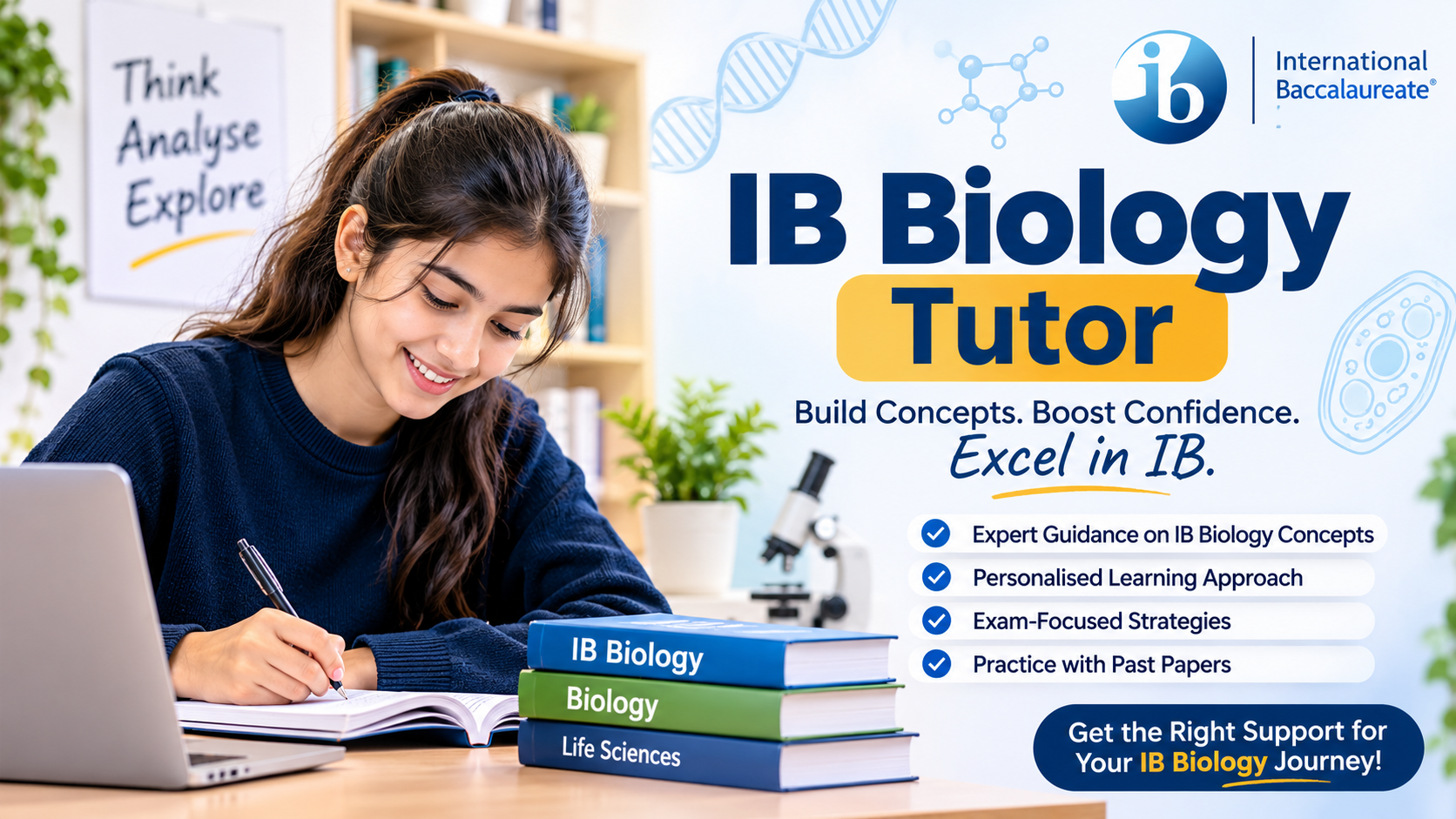
Memorising definitions, biological processes and textbook diagrams may help students build a foundation in IB Biology, but it does not guarantee strong examination performance. The subject also requires students to interpret experimental data, explain biological relationships, analyse unfamiliar situations and apply scientific concepts to real-world problems.
For students following the International Baccalaureate Diploma Programme (IBDP) in Pune, the challenge is learning how to use biological knowledge rather than simply remember it. Students looking for ib tutors in pune should therefore consider academic support that combines conceptual understanding, application-based questions, practical investigation skills and examination practice.
A more effective Biology study strategy connects every topic to the bigger picture: how living systems function, how scientists investigate them, and how evidence supports biological explanations.
Why Memorising Biology Content Is Not Enough
Biology contains a large amount of terminology, scientific processes and interconnected concepts. Students need to remember definitions and understand biological structures, but they must also explain how and why these systems work.
The IB’s official Biology curriculum places importance on theoretical understanding, practical investigation, scientific reasoning and the ability to evaluate biological knowledge.
For example, memorising the definition of osmosis is useful, but students should also be able to explain what happens when a plant cell is placed in a solution with a different water potential.
Similarly, knowing the stages of photosynthesis is not enough if a question asks students to analyse how light intensity affects the rate of photosynthesis.
This creates three important learning requirements:
- Knowledge: Remember biological terminology, structures, definitions and processes.
- Understanding: Explain relationships between different biological concepts.
- Application: Use scientific knowledge to solve unfamiliar questions and interpret evidence.
Students who focus only on the first requirement may find it difficult to answer questions that involve unfamiliar experimental situations.
Five IB Biology Topics That Require More Than Memorisation
Some Biology topics are particularly challenging because they involve multiple processes, scientific explanations and data interpretation.
Understanding how to study these areas can make revision more effective.
A. Cell Biology and Membrane Transport
Cell biology introduces important concepts such as membrane structure, diffusion, osmosis, active transport and cellular organisation.
Students often memorise definitions but struggle to explain how these processes work in different situations.
For example, consider a question about placing a red blood cell in a hypotonic solution.
Instead of simply remembering the definition of osmosis, students should understand that water moves into the cell across its partially permeable membrane. This can cause the cell to swell and potentially burst.
How to study it: Draw labelled diagrams, compare different transport mechanisms and practise explaining what happens to cells under different environmental conditions.
B. Genetics and Inheritance
Genetics requires students to understand relationships between DNA, genes, alleles, chromosomes and inherited characteristics.
Memorising terminology alone will not help with questions involving inheritance patterns or genetic crosses.
Students should practise:
- Understanding dominant and recessive alleles.
- Interpreting genetic diagrams.
- Applying probability to inheritance questions.
- Explaining how mutations can affect proteins.
- Connecting DNA information with gene expression.
How to study it: Use hypothetical genetic crosses and explain each step rather than memorising completed diagrams.
C. Human Physiology
Topics such as circulation, gas exchange, digestion and immunity involve several biological systems working together.
Students sometimes learn these processes as separate chapters without understanding their connections.
For instance, understanding gas exchange requires knowledge of the structure of alveoli, diffusion gradients, blood circulation and oxygen transport.
How to study it: Create flowcharts showing how one process leads to another. Try explaining an entire biological process in your own words without looking at your notes.
D. Ecology and Environmental Systems
Ecology requires students to understand relationships between organisms, populations, communities and ecosystems.
Questions may involve food webs, energy transfer, population changes and human impacts on biodiversity.
Students should be comfortable interpreting ecological data and explaining how environmental changes influence living organisms.
How to study it: Use real-world environmental examples, practise reading population graphs and explain cause-and-effect relationships.
E. Molecular Biology and Metabolism
Topics involving enzymes, proteins, DNA and cellular respiration require an understanding of processes at the molecular level.
For example, students should understand how temperature and pH can influence enzyme activity and why extreme conditions may affect the structure of an enzyme.
How to study it: Combine labelled diagrams with written explanations. Practise describing the relationship between molecular structure and biological function.
Develop Active Recall Instead of Repeatedly Reading Notes
One common revision mistake is reading the same textbook chapter several times and assuming that familiarity means understanding.
A student may recognise every definition while reading but struggle to reproduce the information without looking at the textbook.
Active recall addresses this problem by requiring students to retrieve information from memory.
A simple method is:
- Select a small topic, such as DNA replication.
- Read and understand the relevant material.
- Close the textbook and write down the process from memory.
- Draw the associated diagram without referring to notes.
- Compare the response with the syllabus requirements.
- Identify missing concepts and correct the explanation.
Students can also turn syllabus statements into questions.
For example:
| Topic | Active recall question |
| Cell membranes | How does the phospholipid bilayer support membrane function? |
| Enzymes | Why does enzyme activity change with temperature? |
| Genetics | How can mutations influence protein structure? |
| Ecology | How does energy move through a food chain? |
| Respiration | What happens during aerobic cellular respiration? |
Another useful technique is spaced revision. Instead of studying a topic once and leaving it until examination preparation, revisit it after increasing intervals.
For example, revise a topic on Monday, test yourself again on Wednesday, review it the following week and return to it during monthly revision.
This approach helps students maintain knowledge across the two-year Diploma Programme.
Learn to Interpret Data, Graphs and Experiments
IB Biology is an experimental science. Students must understand how scientific investigations are designed, how evidence is collected and how results are interpreted.
The IB Biology curriculum identifies practical work as an important part of learning, including hands-on investigations, simulations, modelling and scientific inquiry.
This means students should not restrict their preparation to textbook reading.
Consider a hypothetical experiment investigating the effect of temperature on enzyme activity.
Students are provided with a graph showing enzyme activity at different temperatures.
A question might ask them to identify the optimum temperature and explain why enzyme activity decreases beyond that point.
A complete response requires several skills:
- Identify the highest point on the graph.
- Recognise the relationship between temperature and enzyme activity.
- Explain how increasing temperature initially increases molecular movement and collision frequency.
- Explain how high temperatures can alter the enzyme’s active site through denaturation.
- Connect the explanation to the observed experimental results.
Students should regularly practise questions involving:
Graph interpretation: Identify trends, peaks, relationships and unusual results.
Data analysis: Calculate averages, percentage changes and other relevant values.
Experimental design: Identify independent, dependent and controlled variables.
Evaluation: Discuss limitations, possible errors and realistic improvements to an investigation.
These skills are also relevant to the scientific investigation that forms part of the DP Biology course.
Understand IB Command Terms Before Writing Answers
Students sometimes lose marks because they understand the scientific concept but do not respond in the way the question requires.
Command terms provide instructions about what students should demonstrate.
| Command term | Expected response |
| State | Give a specific fact or answer. |
| Define | Provide the precise meaning of a biological term. |
| Describe | Explain the characteristics or sequence of a process. |
| Explain | Give reasons or mechanisms behind an observation. |
| Compare | Identify similarities and differences. |
| Analyse | Examine information to identify patterns and relationships. |
| Evaluate | Make a reasoned judgement using evidence. |
For example:
Question: Describe the process of osmosis.
The student should explain the movement of water across a partially permeable membrane, from a region of higher water potential to lower water potential.
Question: Explain why a plant cell becomes turgid when placed in water.
The answer should connect water movement into the cell with the expansion of the vacuole and the development of turgor pressure against the cell wall.
These questions involve related scientific knowledge, but they require different responses.
A useful practice is to underline the command term before answering every examination question.
Create a Practical Weekly Study Plan for IB Biology
Students in Pune often balance Biology with other IBDP subjects, internal assessments, university preparation and extracurricular commitments.
A realistic revision plan should therefore focus on consistency rather than excessively long study sessions.
Here is an example of a weekly approach.
| Day | Biology study activity |
| Monday | Revise one syllabus topic and create concept diagrams. |
| Tuesday | Practise active recall and terminology. |
| Wednesday | Solve application-based questions. |
| Thursday | Practise graph interpretation and data analysis. |
| Friday | Attempt past-paper questions and review mistakes. |
| Saturday | Revise previously studied topics using spaced repetition. |
| Sunday | Review weekly progress and identify weak areas. |
Students can adjust the duration depending on their school schedule and academic requirements.
A particularly useful habit is maintaining a Biology mistake journal.
Whenever an answer is incorrect, record the reason:
- Did I forget an important definition?
- Did I misunderstand the biological process?
- Was I unable to interpret the graph?
- Did I miss an important scientific term?
- Did I misunderstand the command term?
Reviewing these mistakes regularly helps students understand where their preparation needs improvement.
When Should Pune Students Consider an IB Biology Tutor?
Independent study is valuable, but some students need additional support when they repeatedly struggle with complex concepts, application-based questions or examination preparation.
An experienced IB Biology tutor can help students identify specific learning gaps and develop a more structured approach to the subject.
However, parents should evaluate tutoring based on the quality of academic guidance rather than the number of lessons alone.
Before choosing a tutor, consider the following:
Curriculum knowledge: Does the tutor understand the current IBDP Biology syllabus and the differences between SL and HL?
Conceptual teaching: Can the tutor explain difficult biological processes using diagrams, examples and clear explanations?
Examination preparation: Does the teaching include command terms, past-paper practice and mark-scheme-based feedback?
Scientific skills: Does the tutor cover experimental design, data analysis and evaluation?
Individual attention: Can the teaching approach be adjusted according to the student’s strengths and weaknesses?
For families exploring specialist academic support, SEV7N’s IB tutoring programmes in Pune offer online one-to-one tuition across IB programmes and subjects.
The platform describes its Pune offering as including individual online classes, access to active IB Examiners, recorded lessons and examination-focused academic support.
Parents can use an initial discussion or demonstration class to understand whether the tutor’s teaching approach matches their child’s requirements.
Tutoring should ultimately help students become more independent learners. For assessed work, including the scientific investigation, guidance should support the student’s own research, analysis and writing rather than replace their contribution.
A Checklist for Better IB Biology Preparation
Before moving to a new topic, students can use this checklist to assess their understanding.
- Can I explain the main biological concepts without reading my notes?
- Can I draw and label important biological diagrams?
- Can I explain how different biological processes are connected?
- Can I apply concepts to unfamiliar situations?
- Can I interpret graphs, tables and experimental results?
- Do I understand the command terms used in questions?
- Can I support explanations with appropriate scientific terminology?
- Have I practised relevant past-paper questions?
- Have I reviewed and corrected my previous mistakes?
Visit us: https://themagazineblog.com/
If several answers are no, revisit the topic before moving ahead. Identifying gaps during revision is more useful than discovering them during an examination.
Conclusion
IB Biology requires more than remembering definitions, diagrams and biological processes. Students need to understand how living systems work, connect different concepts, interpret scientific evidence and apply their knowledge to unfamiliar situations.
For IBDP students in Pune, a balanced preparation strategy should combine active recall, spaced revision, practical investigation skills, past-paper practice and regular feedback.
Parents considering additional academic support should look for an IB Biology tutor who focuses on building conceptual understanding and independent problem-solving rather than encouraging students to memorise ready-made answers.
The goal is simple: students should be able to explain biological concepts, apply them confidently and support their answers with clear scientific reasoning.
Frequently Asked Questions
1. Is memorisation important for IB Biology?
Yes. Students need to remember scientific terminology, biological structures, definitions and processes. However, memorisation must be combined with conceptual understanding and the ability to apply knowledge to unfamiliar questions.
2. How can I prepare for IB Biology HL?
Begin by following the complete HL syllabus and identifying topics that require additional attention. Combine active recall, diagrams, application-based questions, data analysis and regular examination practice. HL students should also ensure that they revise the additional content required at their level.
3. How many hours should I study IB Biology every day?
There is no fixed number of hours suitable for every student. Study time depends on the student’s existing understanding, school workload, SL or HL level and examination schedule. Consistent, focused revision is generally more useful than occasional lengthy sessions.
4. How can I improve my performance in IB Biology data-based questions?
Practise interpreting graphs, identifying trends, comparing experimental results and explaining relationships between variables. Also learn to distinguish observations from conclusions and evaluate whether the available evidence supports a scientific claim.
5. Should I take an IB Biology tutor for additional preparation?
Additional tutoring can be useful if a student struggles with particular concepts, application questions or examination technique. Before choosing a tutor, check their familiarity with the current IB Biology syllabus, their teaching approach and the quality of feedback they provide.


University research papers are an important part of higher education. They allow students to demonstrate subject knowledge, independent research, critical analysis, and academic communication skills. However, completing a detailed research project can be difficult when students have several deadlines and demanding coursework. Professional academic guidance can help students understand the research process and improve the quality of their work.
Why Research Papers Can Be Challenging
A research paper involves several stages, including selecting a topic, developing research questions, reviewing existing literature, collecting information, and presenting findings. Each stage requires time, attention, and a clear understanding of academic expectations.
Research paper writing services can help students understand these different stages and plan their projects more effectively.
Improve Research and Literature Review Skills
The literature review is an important section of an academic research paper. It examines existing studies, identifies important findings, and highlights gaps in previous research.
Students need to compare different academic perspectives instead of simply summarising individual sources. Professional guidance can help learners organise literature, identify relevant themes, and develop a stronger understanding of their research topic.
Develop Better Critical Analysis
Strong academic writing requires more than collecting information. Students must evaluate evidence, compare arguments, identify limitations, and explain how research findings relate to their questions.
Using research paper writing services can help students understand how to structure arguments, interpret academic evidence, and improve the clarity of their discussions.
Understand Different Research Methodologies
Research methodology explains how information is collected and analysed. Depending on the topic, students may use qualitative methods, quantitative approaches, or mixed-method research.
For example, qualitative research may involve interviews and thematic analysis, whereas quantitative research can include surveys, statistical testing, and numerical data.
Understanding the appropriate methodology helps students produce more organised and meaningful research.
Improve Referencing and Academic Presentation
Universities expect research papers to follow specific formatting and citation requirements. Harvard, APA, MLA, and other referencing styles each have their own rules.
Professional research paper writing services can provide guidance on accurate citations, reference lists, proofreading, and document formatting.
Manage Research Deadlines Effectively
Research projects often take longer than expected because students need time for reading, data analysis, drafting, and revisions. Dividing the project into smaller tasks can make the process easier to manage.
Students can seek academic guidance with research planning, editing, and proofreading while remaining responsible for their own university submissions.
Conclusion
Academic research requires dedication, organisation, and strong analytical skills. With suitable guidance, students can understand complex research requirements, improve their academic writing, and develop greater confidence in their university studies.

Why Spider Hoodie Is a Popular Choice for Canadian Fashion Lovers

Kitchen Cabinet Refinishing: A Cost-Effective Way to Transform Your Kitchen

Custom Donut Boxes: Keep Your Donuts Fresh, Protected, and Beautifully Presented

A Comprehensive Guide to Tooth Extraction Tools: Essential Dental Instruments for Every Practice

Chrome Hearts Necklace Styles Defining a New Era of American Luxury

Rani No Hajiro in Ahmedabad: A Complete Guide to History, Shopping & Hidden Secrets

How to Get Promoted Faster at Work: Smart Career Growth Tips

Digital Marketing for Beginners: Step-by-Step Guide to Start and Succeed in 2026

Dublin City University: Everything You Need to Know Before Applying in 2026








