Travel
15 Budget-Friendly Travel Destinations in India


India, a country rich in culture, heritage, and natural beauty, offers something for every kind of traveler. Whether you’re a solo backpacker, a college student, or a family on a tight budget, there’s no shortage of incredible and affordable travel experiences across the country. From the serene beaches of Goa to the majestic mountains of Himachal, India proves that you don’t need to break the bank to enjoy a memorable vacation.
In this blog, we’ve curated a list of 15 budget-friendly travel destinations in India where you can have unforgettable experiences without spending a fortune. Read on for travel tips, places to visit, approximate budgets, and more.
1. Rishikesh, Uttarakhand – The Yoga Capital on a Budget
Why Go?
Rishikesh is a perfect mix of spirituality, adventure, and tranquility. Set on the banks of the Ganga, it offers yoga retreats, river rafting, serene temples, and vibrant cafes.
Budget Highlights:
-
Budget Stays: ₹300–₹700/night in hostels or guesthouses
-
Food: ₹100–₹200/meal at local dhabas
-
Activities: River rafting, yoga classes, Ganga Aarti – mostly free or low-cost
Top Attractions:
-
Laxman Jhula & Ram Jhula
-
Ganga Aarti at Triveni Ghat
-
Beatles Ashram
-
White Water Rafting
2. McLeod Ganj, Himachal Pradesh – The Little Lhasa
Why Go?
Famous for Tibetan culture, monasteries, and peaceful mountain vibes, McLeod Ganj is perfect for budget-conscious travelers who love mountains and meditation.
Budget Highlights:
-
Budget Hotels: ₹500–₹800/night
-
Food: Tibetan momos and thukpa for as low as ₹50
-
Trekking: Triund trek is a popular budget-friendly adventure
Top Attractions:
-
Namgyal Monastery
-
Triund Trek
-
Tibetan Museum
-
Bhagsunag Waterfall
3. Varanasi, Uttar Pradesh – A Spiritual Sojourn
Why Go?
Varanasi, the oldest living city in the world, is a vibrant spiritual hub with ghats, temples, and traditional Indian culture.
Budget Highlights:
-
Stay: Budget guesthouses for ₹400–₹600/night
-
Street Food: Kachori, jalebi, lassi – all under ₹50
-
Boat Rides: Approx ₹100 for a sunrise boat ride
Top Attractions:
-
Ganga Ghats
-
Kashi Vishwanath Temple
-
Sarnath
-
Evening Ganga Aarti at Dashashwamedh Ghat
4. Pushkar, Rajasthan – The Town of Camels and Temples
Why Go?
With its serene lake, camel fairs, and the only Brahma temple in the world, Pushkar is a favorite among budget travelers and backpackers.
Budget Highlights:
-
Dorms/Hostels: ₹300–₹600/night
-
Camel Safari: ₹400–₹800 depending on the season
-
Thali Meals: ₹100–₹150 at local restaurants
Top Attractions:
-
Pushkar Lake
-
Brahma Temple
-
Pushkar Camel Fair (Nov)
-
Desert Safari
5. Hampi, Karnataka – Ruins with a View
Why Go?
A UNESCO World Heritage Site, Hampi is known for its surreal landscape of boulders and temples that can be explored on a shoestring budget.
Budget Highlights:
-
Guesthouses: ₹400–₹700/night
-
Bike Rentals: ₹150–₹250/day
-
Food: Local South Indian meals under ₹100
Top Attractions:
-
Virupaksha Temple
-
Hampi Bazaar
-
Vittala Temple
-
Sanapur Lake
6. Kasol, Himachal Pradesh – The Hippie Haven
Why Go?
Situated in Parvati Valley, Kasol is a paradise for budget travelers and nature lovers looking to unwind in the hills.
Budget Highlights:
-
Homestays/Hostels: ₹300–₹700/night
-
Israeli Food Cafes: ₹150–₹300 per meal
-
Short Treks: Kheerganga, Tosh – low-cost and scenic
Top Attractions:
-
Parvati River
-
Chalal & Tosh Villages
-
Kheerganga Trek
-
Local Cafes and Bakeries
7. Gokarna, Karnataka – The Affordable Goa Alternative
Why Go?
If you’re craving a peaceful beach holiday without Goa’s crowd and cost, Gokarna is your destination.
Budget Highlights:
-
Beach Shacks: ₹500–₹800/night
-
Seafood & Local Meals: ₹100–₹200
-
Free Activities: Beach treks, yoga by the sea
Top Attractions:
-
Om Beach
-
Kudle Beach
-
Mahabaleshwar Temple
-
Paradise Beach
8. Darjeeling, West Bengal – The Queen of Hills
Why Go?
Famous for tea plantations and the toy train, Darjeeling offers picturesque views of the Himalayas on a modest budget.
Budget Highlights:
-
Homestays: ₹500–₹1000/night
-
Local Street Food: ₹50–₹100
-
Shared Jeeps: ₹200–₹300 to explore nearby spots
Top Attractions:
-
Tiger Hill Sunrise
-
Batasia Loop
-
Darjeeling Himalayan Railway
-
Peace Pagoda
9. Pondicherry – French Vibes on an Indian Budget
Why Go?
A coastal town with French architecture, clean beaches, and yoga retreats, Pondicherry offers a laid-back vibe perfect for budget travelers.
Budget Highlights:
-
Budget Hotels: ₹500–₹800/night
-
Café Meals: ₹150–₹250
-
Free Attractions: Beaches, churches, Auroville
Top Attractions:
-
Promenade Beach
-
Aurobindo Ashram
-
Auroville
-
French Quarter Walks
10. Amritsar, Punjab – Culture, Food, and History
Why Go?
Home to the Golden Temple and delicious Punjabi food, Amritsar is a cultural delight that doesn’t strain your wallet.
Budget Highlights:
-
Hotels: ₹400–₹800/night
-
Free Meals at Langar in Golden Temple
-
Local Transport: Shared autos ₹10–₹30
Top Attractions:
-
Golden Temple
-
Wagah Border Ceremony
-
Jallianwala Bagh
-
Local Markets
11. Shillong, Meghalaya – Scotland of the East
Why Go?
With pleasant weather, waterfalls, and music, Shillong is a northeastern gem you can explore affordably.
Budget Highlights:
-
Hostels: ₹500–₹900/night
-
Local Food: ₹100–₹150
-
Shared Sumo/Jeeps for sightseeing: ₹150–₹300
Top Attractions:
-
Umiam Lake
-
Elephant Falls
-
Shillong Peak
-
Don Bosco Museum
12. Udaipur, Rajasthan – The City of Lakes
Why Go?
Royal yet affordable, Udaipur’s lakes, palaces, and heritage hotels offer a luxurious vibe on a tight budget.
Budget Highlights:
-
Dorms: ₹300–₹600/night
-
Rooftop Restaurants: ₹150–₹300 per meal
-
Boat Rides: ₹200–₹300
Top Attractions:
-
City Palace
-
Lake Pichola
-
Jagdish Temple
-
Saheliyon ki Bari
13. Kodaikanal, Tamil Nadu – The Princess of Hill Stations
Why Go?
Affordable and less commercial than Ooty, Kodaikanal is ideal for nature walks, lakeside views, and cool weather.
Budget Highlights:
-
Budget Rooms: ₹500–₹900/night
-
Homemade Chocolates & Local Meals: ₹100
-
Boating: ₹50–₹100 per person
Top Attractions:
-
Kodai Lake
-
Coaker’s Walk
-
Bryant Park
-
Pillar Rocks
14. Alleppey, Kerala – Backwaters on a Budget
Why Go?
Want to explore Kerala’s serene backwaters without splurging on luxury houseboats? Alleppey has budget options too.
Budget Highlights:
-
Homestays: ₹500–₹900/night
-
Canoe Rides: ₹200–₹500
-
Local Meals: ₹50–₹150
Top Attractions:
-
Backwater Cruises
-
Alappuzha Beach
-
Marari Beach
-
Ambalapuzha Temple
15. Tawang, Arunachal Pradesh – Hidden Gem of the Northeast
Why Go?
With fewer crowds and surreal Himalayan landscapes, Tawang is a hidden treasure that’s light on the pocket.
Budget Highlights:
-
Local Guesthouses: ₹400–₹800/night
-
Thukpa, Momos: ₹50–₹100
-
Shared Transport: ₹300–₹500
Top Attractions:
-
Tawang Monastery
-
Sela Pass
-
Bum La Pass
-
Tawang War Memorial
Tips for Traveling India on a Budget
-
Travel Off-Season: Prices drop during non-peak months.
-
Use Public Transport: Trains, buses, and shared autos save a lot.
-
Eat Local: Street food and local eateries are cheap and tasty.
-
Stay in Hostels or Homestays: Great for meeting people and saving money.
-
Book in Advance: Especially for trains and accommodations.
Conclusion
India is one of the most budget-friendly countries in the world, offering a vast variety of landscapes, cultures, and experiences without costing a fortune. From spiritual cities and royal towns to serene beaches and rugged mountains, these 15 budget-friendly travel destinations in India promise unforgettable adventures for travelers who want to explore more while spending less.
So pack your bags, grab your backpack, and get ready to embark on your dream Indian adventure—without emptying your wallet!



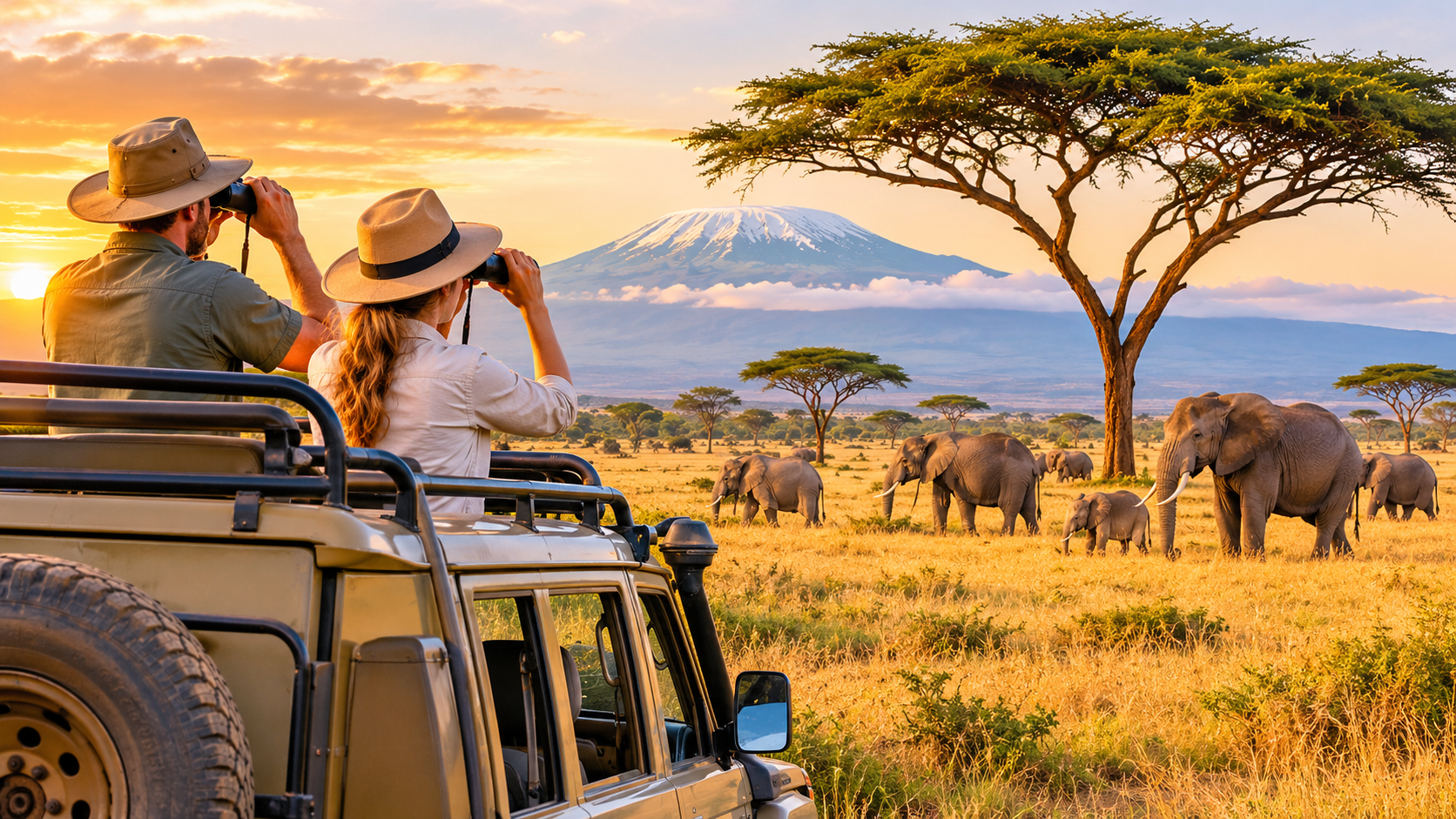
Africa offers far more than a classic wildlife holiday. A safari can be a peaceful escape surrounded by luxury, an unforgettable family experience, or an active journey built around exploration and adventure. The right choice depends on how you like to travel, who you are travelling with, and what you want to experience beyond simply seeing wildlife.
From private camps in the Serengeti to family-friendly lodges in South Africa and remote adventures in Namibia, Africa provides remarkable options for different travel styles. Understanding the differences between them makes it easier to create a safari that feels personal rather than following a standard itinerary.
Luxury Africa Safari: Wildlife Meets Comfort
A luxury Africa safari is ideal for travellers who want exceptional wildlife experiences without giving up comfort. Luxury does not necessarily mean staying in a large five-star hotel. Some of Africa’s finest properties are intimate camps or lodges located in remote wilderness areas.
A typical luxury safari may include spacious private tents, excellent dining, carefully selected wines, private vehicles and highly experienced guides. Some camps also offer private plunge pools, spa treatments, scenic outdoor dining and personalised service.
The real advantage is the combination of exclusivity and location. Instead of spending your holiday moving between busy tourist areas, you may stay in a secluded camp overlooking a river or open savannah. Early-morning game drives can be followed by a relaxed breakfast, while evenings are often spent around a campfire beneath the African sky.
Tanzania, Kenya, Botswana and South Africa are particularly well suited to this style of travel, although each destination offers a different atmosphere. A luxury safari can therefore be designed around wildlife, scenery, privacy, food or simply slowing down and enjoying the surroundings.
Family Safari in Africa: Make Wildlife Exciting for Everyone
A family safari in Africa requires a slightly different approach. Travelling with children means considering accommodation, driving distances, activities, meal arrangements and the age of each traveller.
The good news is that Africa can be incredibly rewarding for families. Seeing elephants at close range, watching lions resting after a hunt or spotting giraffes across the savannah can create memories that children remember for years.
However, the best family safari is not necessarily the one with the greatest number of game drives. A well-planned itinerary should include variety. Wildlife viewing can be combined with cultural experiences, nature walks, beach stays, scenic drives or activities designed specifically for younger travellers.
South Africa is often attractive for families because of its combination of wildlife reserves, comfortable accommodation and relatively easy logistics. Tanzania and Kenya can also work beautifully when the itinerary is paced carefully.
Accommodation is another important consideration. Some lodges have family rooms, interconnecting accommodation or dedicated children’s activities. Others may have minimum age requirements. Checking these details before booking helps avoid surprises.
For families, the goal should be to create a journey that feels exciting without becoming exhausting.
African Adventure Safari: For Travellers Who Want More Than Game Drives
An African adventure safari is suited to travellers who want a stronger sense of exploration. Wildlife remains central, but the journey can include activities such as walking safaris, canoeing, hiking, kayaking, quad biking or self-drive exploration, depending on the destination.
Namibia is an excellent example. Its dramatic landscapes make the journey itself part of the experience. Travellers can drive through vast desert scenery, explore rugged coastlines and visit wildlife-rich areas while enjoying the freedom of a carefully planned road trip.
Botswana offers another perspective, with opportunities for water-based exploration in areas such as the Okavango Delta. A canoe or traditional mokoro experience can provide a quieter way to observe wildlife while moving through wetlands.
Walking safaris can also change the way you experience the African bush. Instead of concentrating only on large animals, walking encourages you to notice tracks, plants, insects, bird calls and smaller signs of wildlife.
Adventure does not have to mean extreme activities. Often, it simply means choosing a more active and immersive way to experience the destination.
How to Decide Which Safari Style Fits You
Choosing between luxury, family and adventure begins with your priorities.
If privacy, comfort, excellent service and exceptional accommodation matter most, a luxury safari may be the natural choice. If you are travelling with children, prioritise manageable travel times, suitable accommodation and a mixture of activities. If you want freedom, physical activity and unusual experiences, an adventure-focused itinerary may be more appropriate.
There is also no rule saying you have to choose only one style.
A safari can combine luxury and adventure, for example, with a private lodge followed by a walking safari. Families can enjoy wildlife viewing and then continue to a beach destination for several relaxing days. Couples might combine a sophisticated safari camp with a scenic self-drive journey.
The best itineraries often blend different experiences rather than placing the entire trip into one category.
Choosing the Right African Destination
Your preferred travel style can also help determine the destination.
Tanzania is particularly appealing for travellers interested in classic safari landscapes, the Serengeti and the possibility of combining wildlife with Zanzibar.
Kenya offers iconic savannah scenery and diverse wildlife experiences, with opportunities to combine safari with coastal relaxation.
South Africa provides excellent flexibility, making it attractive for families, first-time safari travellers and those who want to combine wildlife with cities, wine regions or scenic road trips.
Namibia stands out for dramatic landscapes, independent travel and road-trip adventures. Its desert scenery makes it especially appealing to travellers who want more than traditional game viewing.
Botswana is a strong choice for travellers seeking wilderness, privacy and distinctive water-based safari experiences, particularly around the Okavango Delta.
The destination should therefore support your preferred pace and interests rather than simply being chosen because it is famous.
Create a Safari Around Your Travel Style
An African safari becomes much more memorable when it reflects the people taking the journey. Luxury travellers may want private spaces and seamless service. Families may need flexibility and carefully paced days. Adventure seekers may prefer remote landscapes, active experiences and a greater sense of independence.
Rather than asking which safari destination is universally “best,” ask what you want your days in Africa to feel like. Do you imagine waking up in a beautifully designed camp, sharing a wildlife encounter with your children, or setting off into a remote landscape with no idea what the next bend in the road will reveal?
Once that vision is clear, the right combination of destination, accommodation, activities and travel pace becomes much easier to create.
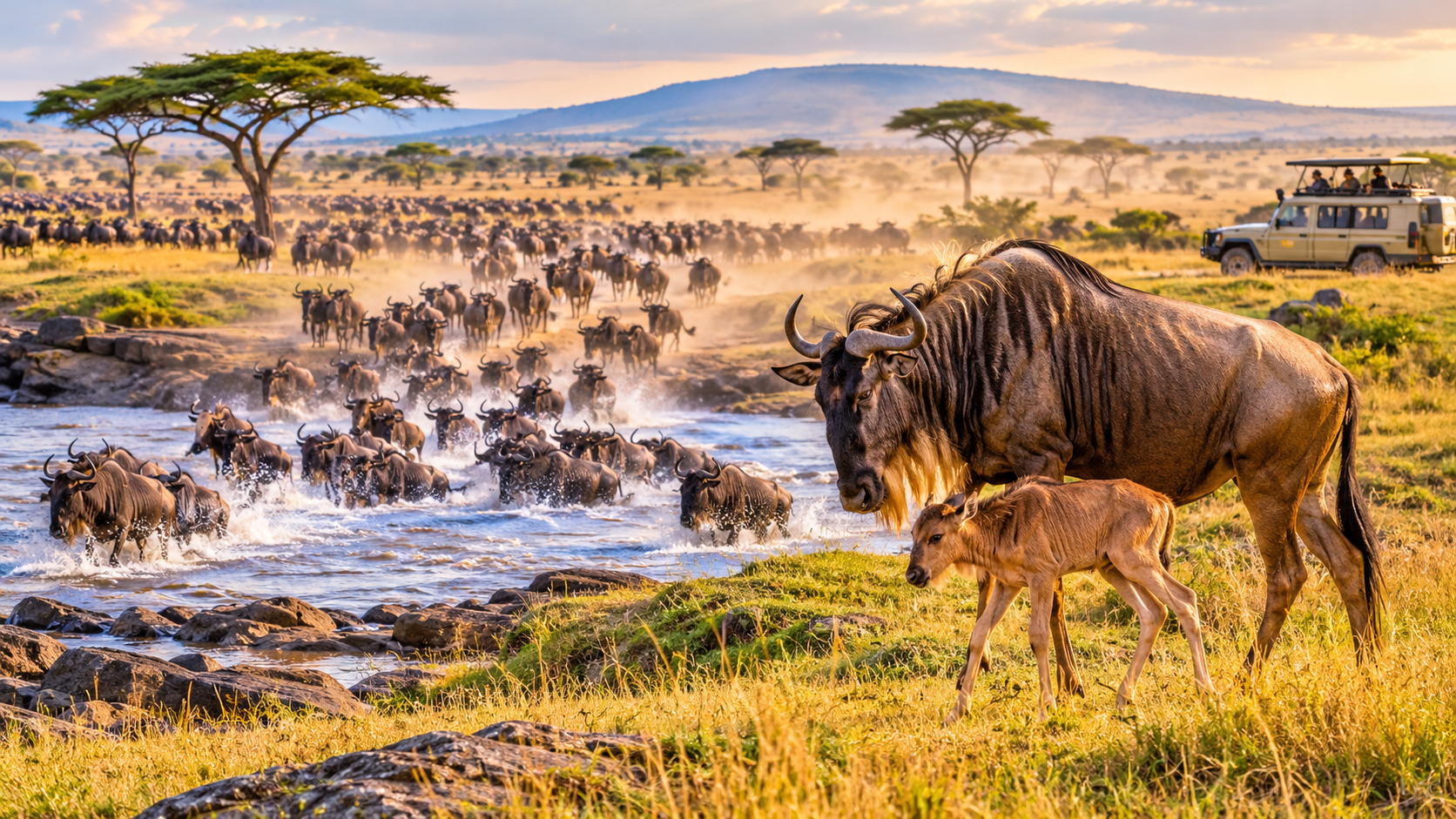
Tanzania offers an unforgettable combination of extraordinary wildlife, sweeping savannahs, tropical beaches, and rich cultural experiences. Imagine watching elephants cross the plains of Serengeti National Park before spending a few peaceful days beside the turquoise waters of Zanzibar. Few destinations make it so easy to combine an exciting wildlife adventure with a relaxing island escape.
However, timing is an important part of creating the right experience. Wildlife movements, rainfall, beach conditions, and visitor numbers can all influence your journey. Whether you dream of witnessing the Great Migration or simply want to enjoy game drives followed by warm Indian Ocean sunsets, choosing the right travel period can make a significant difference.
Here is how to plan a Tanzania safari and Zanzibar holiday that balances wildlife encounters, beach relaxation, and memorable experiences.
1. Understand Tanzania’s Seasons Before You Book
Tanzania generally experiences two main dry periods and two rainy periods, although conditions vary by region and year. Understanding these seasonal patterns helps you decide which experiences deserve priority.
The main dry season usually runs from June to October. Wildlife viewing is often excellent during these months because vegetation becomes thinner and animals frequently gather around remaining water sources. Roads in many safari areas are also easier to navigate, making this a popular period for first-time visitors.
January and February are another attractive window in many northern safari destinations. These months often bring warm, relatively dry conditions and are particularly interesting for travelers hoping to see young wildebeest in the southern Serengeti.
The long rains typically arrive between March and May, while shorter rains often occur around November and December. Rainfall varies from year to year, so these periods should not automatically be ruled out. Green landscapes, fewer visitors in some areas, and seasonal wildlife activity can make them appealing to flexible travelers.
Zanzibar has its own seasonal considerations. Dry conditions are generally favored from June to October and again around January and February. March to May tends to be wetter, while November can bring shorter showers.
The best time to travel ultimately depends on whether wildlife viewing, beach weather, lower visitor numbers, or a particular natural event matters most to you.
2. Choose Your Safari Timing for the Wildlife You Want to See
Tanzania’s northern safari circuit offers some of Africa’s most celebrated wildlife experiences. Serengeti National Park, the Ngorongoro Conservation Area, and Tarangire National Park each provide different landscapes and opportunities throughout the year.
From June to October, the dry season often makes wildlife easier to spot. Elephants, giraffes, zebras, lions, and other animals can be seen across open plains and woodland habitats. Tarangire is particularly rewarding during this period, when elephants and other wildlife may congregate around the Tarangire River.
January and February are excellent months to consider the southern Serengeti and Ndutu area. Wildebeest calving often takes place during this period, although the exact timing depends on rainfall and grazing conditions. Seeing newborn animals and the predators that follow the herds can be a remarkable highlight.
For travelers interested in the Great Migration river crossings, July to October can offer opportunities in the northern Serengeti. However, the herds move according to changing environmental conditions, so crossings cannot be guaranteed on specific dates.
The Ngorongoro Crater is a valuable addition to many itineraries because its varied habitats support an impressive concentration of wildlife throughout the year.
Rather than planning around one famous sighting alone, consider the overall safari experience you want. A knowledgeable local operator can help select suitable parks and adjust the route to seasonal conditions.
3. Find the Best Months for Zanzibar’s Beaches
After early-morning game drives and dusty safari trails, Zanzibar offers a welcome change of pace. The island is known for its white-sand beaches, coral reefs, spice-growing heritage, and the historic streets of Stone Town.
June to October is generally one of the most reliable periods for a beach stay, with relatively dry weather and comfortable conditions for exploring the island. It is an excellent option for travelers who want to combine a classic safari with swimming, snorkeling, sailing, and relaxed evenings beside the sea.
January and February can also be appealing, bringing warmer temperatures and opportunities for water-based activities. The tropical climate means humidity can be high, particularly during the hotter months.
March to May is usually the main rainy period. Some properties and excursions may operate differently during this time, and heavy showers can interrupt outdoor plans. Nevertheless, travelers with flexible schedules may appreciate the greener scenery and quieter atmosphere.
Beach conditions also differ around Zanzibar. The east coast is especially affected by tides, which can expose broad stretches of sand at low tide. This creates beautiful walking opportunities but may limit swimming directly from the beach at certain times. Other coastal areas can offer different swimming conditions, depending on the location, reef, wind, and season.
When choosing accommodation, look beyond photographs. Check local tide patterns, access to swimming, and the activities available nearby to ensure the beach suits your expectations.
4. Plan the Ideal Order for Your Safari and Island Stay
One of the most important decisions when planning a Tanzania island and safari trip is deciding which experience comes first.
For most travelers, starting with the safari and finishing in Zanzibar is an excellent approach. Safari days often begin before sunrise, include several hours of driving, and require energy for wildlife viewing and outdoor activities. Ending the journey on the coast provides time to rest, enjoy the ocean, and reflect on the adventure.
A practical itinerary might begin with arrival in Arusha, followed by several days exploring Tarangire, the Ngorongoro Crater, and the Serengeti. After the safari, travelers can take a suitable flight to Zanzibar for three or four nights of beach time, cultural exploration, and optional excursions.
If the beach is your main priority, reversing the order can work too. Beginning in Zanzibar allows you to recover from a long international journey before heading inland. However, remember to allow enough time for domestic connections and any onward international flights.
Avoid scheduling important international departures immediately after a tight domestic connection. Flight times, weather, and operational changes can affect travel plans, so an overnight buffer may be worthwhile.
A well-designed itinerary should feel balanced rather than rushed. Three to five safari nights and three to five nights in Zanzibar provide a useful starting point, although longer stays allow greater flexibility and a deeper experience.
5. Match Your Travel Dates to Your Budget and Travel Style
The most popular travel months often bring higher demand for safari lodges, beach resorts, guides, and flights. June to October can be especially busy, while school holidays and festive periods may also influence availability.
If your dates are flexible, consider the shoulder seasons or less crowded weeks within a broader travel window. You may find more accommodation choices and a different atmosphere without sacrificing the experiences that matter most to you.
The green season can appeal to photographers and nature enthusiasts who enjoy dramatic skies, fresh vegetation, and vibrant landscapes. Some lodges offer attractive seasonal rates, although access and wildlife visibility can vary. Always check the specific park and property rather than assuming every rainy-season destination offers the same advantages.
Your travel style matters just as much as the calendar. Families may prefer shorter transfers and comfortable lodges with suitable facilities. Couples might prioritize private game drives, intimate safari camps, and secluded beach accommodation. Photography enthusiasts may want extra nights in key wildlife areas rather than moving between several parks.
When arranging a Tanzania safari and Zanzibar holiday, compare the complete itinerary rather than looking only at the accommodation price. Domestic flights, park fees, transfers, guided activities, and meals all influence the total cost and convenience.
Personalized planning can help you spend more time on the experiences you value most.
6. Build a Flexible Itinerary for a Seamless Tanzania Escape
Even the best seasonal plan needs a little flexibility. Wildlife does not follow a fixed timetable, tropical weather can change, and travel connections sometimes require adjustments.
Start by identifying your priorities. If seeing the Great Migration is essential, select the safari region according to the expected herd movements and allow several nights in the relevant area. If your dream is a relaxed beach holiday, devote enough time to Zanzibar instead of treating it as a quick stop between flights.
Book popular lodges and well-located beach accommodation early for peak travel periods. Choose experienced guides who understand local wildlife patterns, and confirm the practical details of transfers and domestic flights before departure.
Pack for both environments. Lightweight, neutral-colored clothing is useful for game drives, while comfortable walking shoes, sun protection, insect repellent, and a light jacket can make travel easier. Zanzibar calls for breathable clothing, swimwear, and respectful attire when visiting villages or religious sites.
Finally, leave room for unplanned moments. A quiet wildlife sighting at sunrise, a conversation with a local guide, or a sunset dhow cruise may become the most memorable part of your journey.
Tanzania rewards travelers who combine thoughtful preparation with an open mind. By matching your safari region to the season and giving Zanzibar enough time to enjoy its beaches and culture, you can create a trip that feels both adventurous and restorative.
Create Your Perfect Safari and Zanzibar Escape
There is no single best month for every traveler. June to October is a strong choice for combining generally favorable safari conditions with a beach stay, while January and February can be particularly rewarding for southern Serengeti wildlife and Zanzibar’s warmer coastal season.
The right itinerary depends on your interests, travel dates, preferred pace, and the experiences you most want to remember. With careful timing and a thoughtfully planned route, Tanzania can deliver the best of two worlds: the excitement of an African safari and the peaceful beauty of an Indian Ocean island.

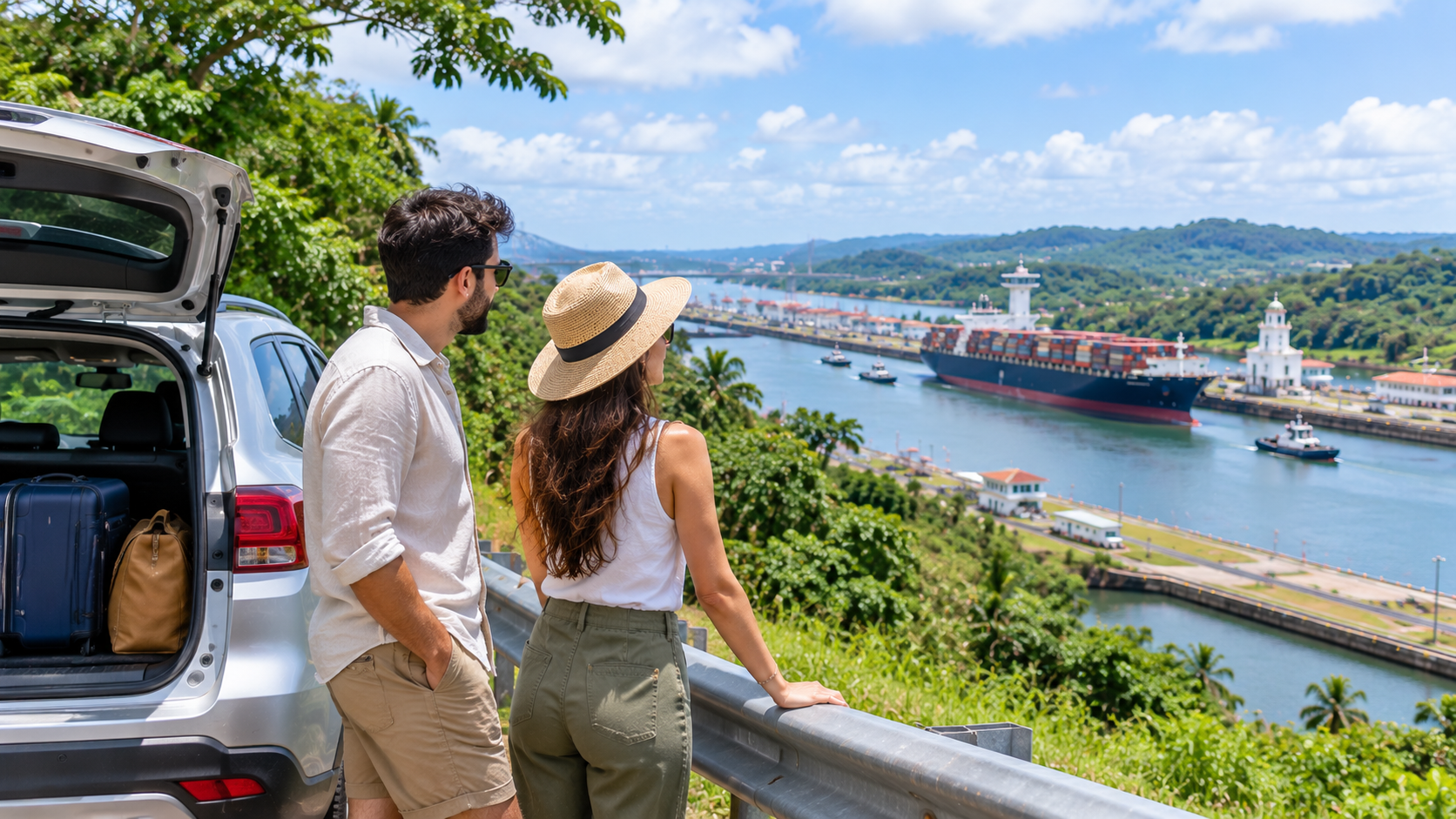
Colón is the practical base for seeing the Panama Canal from its Caribbean side, but it is also a city where transport choices matter. Cruise passengers have limited time ashore, while independent travelers often need to reach Gatún, Portobelo, or Panama City without depending on infrequent public transport. Planning the Canal visit around realistic driving times, opening hours, and rental requirements makes the difference between a rushed stop and a genuinely memorable day.
For visitors arriving by cruise or flying into Panama City, comparing Car rental services in Colón before arrival can simplify the logistics. YalaRide is a car-rental marketplace that connects travelers with independent rental operators, allowing them to compare available options rather than relying on a single counter at the port or airport.
Why Colón Works for Canal Sightseeing
Colón sits at the Caribbean entrance to the Panama Canal, near the Atlantic-side locks and the shipping route that connects the Caribbean Sea with Gatún Lake. Its most important Canal-facing attraction is the Agua Clara Visitor Center, located near Colón City on the Caribbean side of the waterway. From its observation areas, visitors can watch Neopanamax vessels pass through the newer locks that were built to accommodate ships too large for the original Canal chambers.
This makes Colón fundamentally different from Panama City for Canal viewing. Panama City’s Miraflores Visitor Center is convenient for travelers staying in the capital, but Agua Clara offers the perspective of the expanded Canal and Gatún Lake. The Panama Canal Authority describes both centers as offering Canal transits as the principal attraction, while noting that Agua Clara is in Colón Province, roughly an hour from Panama City.
The Canal Visit: What to Book
The Agua Clara Visitor Center is the main Canal-viewing stop for most visitors based in Colón. It is open daily from 8:00 a.m. to 5:00 p.m., although the ticket office operates from 8:00 a.m. to 3:30 p.m., so travelers should arrive with enough time to collect tickets and reach the viewing areas.
Tickets can be purchased online through the official Panama Canal visitor platform. The Canal Authority advises selecting the visitor center, entering passenger details, paying by credit card, and downloading the ticket before arrival. For non-Panamanian adults, the listed admission price is $10, with children aged 6 to 12 paying $5; prices and schedules can change, so checking the official page shortly before travel is sensible.
Best time to see ships
Canal traffic is not scheduled like a theme-park show. Large commercial vessels transit according to operational schedules, weather, pilot availability, and Canal traffic management, so no visitor center can promise a ship at an exact minute. The practical approach is to treat Agua Clara as a half-day outing: arrive early, allow time for the exhibits and observation deck, and remain flexible if transit is delayed.
Cruise passengers should be especially careful with timing. A ship excursion may provide a guaranteed return to the terminal, but a self-arranged Canal visit needs a clear buffer before the vessel’s stated all-aboard time. Traffic, parking, ticket collection, and the walk from the parking area can all consume more time than expected.
Getting From the Cruise Terminal
Colón has more than one cruise facility, and the exact terminal determines the transfer plan. Colón 2000 is the terminal most commonly associated with Caribbean cruise calls, while other itineraries may use different piers. Before booking a rental car, confirm the terminal name, pickup point, and whether the supplier offers port delivery or requires travel to an office.
From Colón 2000, Agua Clara is a short drive rather than a long intercity journey. Independent port guidance estimates the distance at roughly 9 to 12 kilometers, or about 15 to 20 minutes by taxi, although actual time depends heavily on traffic and the precise terminal exit. That makes a rental car practical for travelers who want to combine the Canal with other stops, but a pre-booked transfer or licensed taxi can be simpler for a single Canal-only visit.
Avoid accepting rides from people soliciting directly outside the terminal. Use the official transport desk, a prearranged operator, or a clearly identified taxi service instead.
When a Rental Car Makes Sense
A car is most valuable when Colón is part of a broader Caribbean-side itinerary rather than a single Canal stop. It gives travelers the flexibility to visit Gatún, continue toward Portobelo, explore beaches and historic sites at their own pace, or travel onward to Panama City without arranging separate transfers.
The main trade-off is responsibility. A rental car requires navigation, parking, fuel, insurance decisions, and confidence driving in an unfamiliar environment. For a cruise passenger with only a few hours ashore, a guided excursion or private transfer may be less stressful. For travelers staying overnight in Colón or beginning a longer Panama road trip, a vehicle can be considerably more efficient.
A practical itinerary
A sensible self-drive day might look like this:
- Pick up the vehicle in the morning, allowing time for paperwork and a vehicle inspection.
- Drive to the Agua Clara Visitor Center before the ticket office closes at 3:30 p.m.
- Spend two to three hours at the center, allowing flexibility for vessel movements.
- Continue to Gatún or another nearby attraction if time and daylight permit.
- Return well before any cruise-departure deadline, building in a substantial buffer for traffic or an unexpected delay.
This structure works because it does not assume that a ship will be in the locks at a precise time. It treats the Canal as the priority while preserving enough margin to return safely.
Renting a Car in Panama: Requirements
Rental policies vary by company, but several requirements are common across major operators. Travelers should expect to present a full, valid driver’s license from their home country, a passport, and a major credit card at pickup. Enterprise, for example, lists these items as required identification for its Panama locations.
Some operators also specify a minimum rental age and require that the driver has held a license for a minimum period. Sixt’s Panama terms, for instance, state that renters and approved drivers must have held a full valid license for at least one year, with a minimum age of 21 for certain vehicle groups. These are supplier policies rather than universal Panamanian law, so the decisive document is always the rental agreement and the specific operator’s terms.
Third-party liability coverage is mandatory for drivers in Panama under the country’s traffic rules. Collision damage waiver, theft protection, roadside assistance, and excess reduction are separate commercial products whose availability and cost differ by supplier. Before declining coverage, travelers should check whether their credit card or travel-insurance policy actually provides coverage in Panama and whether the rental company will accept that proof.
Documents to carry
- A valid home-country driver’s license
- Passport
- Major credit card in the driver’s name
- Rental confirmation and contact details for the supplier
- Proof of insurance coverage, if relying on a card or third-party policy
Travelers whose license is not in the Latin alphabet may need an International Driving Permit as an official translation. This is a sensible precaution even where a rental company does not explicitly require it, because it can reduce friction at pickup or during a police stop.
Driving From Panama City to Colón
Many international visitors arrive at Tocumen International Airport in Panama City and rent there before driving to Colón. This can be convenient when the itinerary includes both the Canal’s Pacific-side attractions and the Caribbean-side Agua Clara center. It also makes it easier to find a wider selection of vehicles than may be available directly in Colón.
Travelers searching to rent a car Panama City should compare the total rental cost rather than the advertised daily rate. Airport concessions, mandatory liability coverage, optional damage waivers, fuel policies, additional-driver fees, young-driver charges, and toll transponders can materially change the final bill. A marketplace such as YalaRide is useful here because it lets customers compare offers from multiple operators and submit a bid, rather than accepting the first counter price.
The drive from Panama City to Colón is generally straightforward, but it is not a route to treat casually. The Corredor Norte and Corredor Sur around Panama City use electronic tolling through the Panapass system, with no cash lanes. Confirm with the rental company whether the vehicle includes a transponder and how toll charges will be settled. Do not assume that every rental car automatically includes toll coverage.
Driving Conditions Around Colón
Panama drives on the right. Speed limits depend on road type: 40 km/h is the general limit on residential streets, 60 km/h on avenues, 100 km/h on carreteras, and 120 km/h on autopistas, unless signs indicate otherwise. Posted signs take precedence, and urban traffic, pedestrians, motorcycles, and sudden lane changes can make lower practical speeds appropriate.
Rain is a particular consideration. Heavy tropical downpours can reduce visibility quickly, create standing water, and make rural roads slower than their posted limits suggest. Avoid driving at night in unfamiliar rural areas if possible, especially if the itinerary involves returning to Colón after a Canal visit.
Fuel stations are generally available along main routes, but it is wise to begin a day trip with a reasonable fuel level rather than assuming a station will be open or conveniently located. Take photographs of the vehicle’s condition at pickup and return, note existing damage on the rental agreement, and retain receipts for fuel and tolls.
Beyond the Canal: Worthwhile Stops
Colón’s appeal is not limited to the locks. The province combines Caribbean-facing coastline, Afro-Caribbean heritage, colonial history, and access to natural areas. The Panama Tourism Authority identifies Colón as a destination shaped by Panama’s African and colonial legacy, which gives the area a cultural identity distinct from Panama City.
For travelers with additional time, Portobelo is a common extension. Its historic fortifications and bay reflect the region’s colonial and maritime past, though road conditions and travel time should be checked before committing to a same-day return. Gatún is another logical pairing with Agua Clara because of its connection to the Canal system and Gatún Lake.
A useful rule is to limit the itinerary to one major destination beyond the Canal if the visit is tied to a cruise. Trying to fit Agua Clara, Portobelo, Panama City, and shopping into one shore day usually produces more driving than sightseeing.
Choosing the Right Vehicle
For the magazine blog, The best vehicle depends less on status than on luggage, passengers, and road conditions. A compact car suits one or two travelers with light luggage who plan to remain on main roads. An SUV can be more comfortable for families, travelers carrying beach equipment, or those planning routes beyond Colón’s immediate urban area.
Before confirming a booking, check:
- Whether the price includes mandatory third-party liability insurance
- The deductible or excess for collision and theft coverage
- Whether the supplier permits pickup at the cruise terminal or hotel
- The fuel policy, particularly full-to-full versus prepaid fuel
- Mileage limits, if any
- The procedure for tolls and transponders
- Cancellation terms and after-hours pickup arrangements
These details matter more than a small difference in the headline daily rate. A lower quoted price can become expensive if insurance, airport fees, or fuel charges are added at the counter.
Frequently Asked Questions
Can I visit the Panama Canal from Colón without joining a cruise excursion?
Yes. The Agua Clara Visitor Center is near Colón City and can be reached by taxi, private transfer, or rental car. Visitors should buy tickets in advance through the official Panama Canal visitor platform and allow ample time to return to the cruise terminal.
Do I need an International Driving Permit to drive in Panama?
A valid license from the traveler’s home country is generally accepted for visitors, but an International Driving Permit can be important if the license is not in the Latin alphabet or as an official translation. Rental-company requirements can be stricter than the legal minimum, so check the specific supplier’s terms.
Is insurance included with a rental car in Panama?
Third-party liability coverage is mandatory for drivers in Panama. Collision and theft protection, roadside assistance, and deductible reduction are separate products, and their availability and terms vary by rental company.
How long should I allow for an Agua Clara visit?
Plan for at least half a day, including transfer time, ticket collection, viewing time, and a buffer for traffic. The visitor center is open daily from 8:00 a.m. to 5:00 p.m., while its ticket office closes at 3:30 p.m.
Is it better to rent in Panama City or Colón?
Renting in Panama City can offer more choice, particularly for travelers arriving at Tocumen Airport. Renting in Colón can be more convenient for cruise passengers who want to begin driving immediately after disembarking. Compare the full cost, pickup location, insurance terms, and return arrangements before deciding.

Hire an Expert CDR Report Writer for Your Career

Modern Waterproofing Technology for Strong and Durable Structures

Online Body & Skin Care Store for Everyday Beauty

Movie Inspired Jackets: Discover Iconic Styles from Your Favorite Films

Which Type of Logo Is Most Popular?

Rani No Hajiro in Ahmedabad: A Complete Guide to History, Shopping & Hidden Secrets

How to Get Promoted Faster at Work: Smart Career Growth Tips

Digital Marketing for Beginners: Step-by-Step Guide to Start and Succeed in 2026

Dublin City University: Everything You Need to Know Before Applying in 2026