
Blog
Best Hospital for Colonoscopy in Guwahati: Patient Care Guide


Digestive health plays an important role in overall well-being, but symptoms such as persistent abdominal discomfort, changes in bowel habits, rectal bleeding, or unexplained weight loss should never be ignored. While these symptoms can have several causes, a doctor may recommend a colonoscopy to examine the large intestine and identify possible abnormalities.
Choosing the best hospital for colonoscopy in Guwahati is an important decision for patients who want appropriate medical guidance, a comfortable diagnostic experience, and reliable follow-up care. Understanding the procedure, its purpose, preparation requirements, and recovery process can help patients feel more confident before undergoing an examination.
Guwahati has become an important healthcare destination in Northeast India, offering access to different diagnostic and medical services. Hospitals such as Dispur Polyclinic and Hospitals Pvt Ltd are relevant options for individuals exploring healthcare facilities for digestive health concerns and endoscopic evaluation.
What Is a Colonoscopy and Why Is It Important?
A colonoscopy is a medical procedure that allows a doctor to examine the inside of the colon and rectum using a thin, flexible instrument called a colonoscope. The instrument has a small camera and light that help the doctor view the intestinal lining on a monitor.
The procedure is commonly recommended to investigate digestive symptoms, screen for colorectal cancer, and identify conditions affecting the large intestine.
During a colonoscopy, doctors may identify:
-
Colon polyps, which are small growths inside the intestine.
-
Inflammation or irritation of the intestinal lining.
-
Areas of bleeding.
-
Ulcers or abnormal tissue changes.
-
Signs that may indicate colorectal cancer.
-
Conditions such as inflammatory bowel disease.
If necessary, the doctor may also collect a small tissue sample for laboratory examination or remove certain polyps during the procedure.
When Should You Consider Getting a Colonoscopy?
A colonoscopy may be recommended when a person experiences persistent digestive symptoms or has an increased risk of colorectal conditions.
It is important to understand that not every digestive problem requires this examination. A qualified doctor evaluates the patient’s symptoms, medical history, age, and risk factors before recommending the procedure.
Common Symptoms That May Require Evaluation
Some symptoms that may lead a doctor to recommend a colonoscopy include:
1. Blood in the stool
Blood in the stool or bleeding from the rectum can have several causes, including haemorrhoids, inflammation, polyps, and other intestinal conditions. A medical evaluation helps determine whether further investigation is necessary.
2. Persistent changes in bowel habits
Long-lasting diarrhoea, constipation, or noticeable changes in stool consistency may require further examination, particularly when accompanied by other symptoms.
3. Unexplained abdominal pain
Recurring abdominal discomfort, cramping, or persistent bloating may sometimes be associated with conditions affecting the colon.
4. Unexplained weight loss
Unexpected weight loss, particularly when accompanied by digestive symptoms or changes in appetite, should be discussed with a healthcare professional.
5. Screening for colorectal cancer
Colonoscopy is an important screening method for colorectal cancer. Screening recommendations depend on age, family history, personal medical history, and individual risk factors.
How to Choose the Best Hospital for Colonoscopy in Guwahati
Selecting a hospital involves more than comparing facilities or location. Patients should consider the quality of medical evaluation, availability of appropriate diagnostic equipment, infection-control practices, and post-procedure support.
When searching for the best hospital for colonoscopy in Guwahati, consider the following factors.
1. Experienced Medical Professionals
The expertise of the doctor performing or supervising the procedure is an important consideration. Gastroenterologists and appropriately trained endoscopy specialists evaluate digestive conditions and determine the most suitable diagnostic approach.
Patients should feel comfortable discussing their symptoms, medical history, medications, and concerns before the examination.
2. Appropriate Endoscopy Facilities
A hospital should have suitable endoscopy equipment and facilities to support safe examinations.
Important considerations include:
-
Modern colonoscopy equipment.
-
Clear visualisation of the intestinal lining.
-
Proper sterilisation and infection-control procedures.
-
Appropriate monitoring during sedation, when used.
-
Facilities for biopsy or polyp removal when clinically indicated.
3. Patient Preparation and Guidance
Preparation is an essential part of a successful colonoscopy. Hospitals should provide clear instructions about bowel cleansing, dietary restrictions, medication adjustments, and arrival procedures.
Patients should receive guidance that is easy to understand and have an opportunity to clarify any concerns before the examination.
4. Safety and Emergency Support
Although colonoscopy is generally considered a safe procedure, complications can occasionally occur. These may include bleeding, reactions to sedation, or, rarely, perforation of the intestinal wall.
A suitable medical facility should have appropriate monitoring arrangements and protocols for managing potential complications.
5. Follow-Up and Report Interpretation
Healthcare does not end when the procedure is completed. Patients may need assistance understanding the findings, biopsy results, or recommendations for further treatment.
A hospital that provides appropriate follow-up guidance can help patients understand the next steps in their care.
Understanding the Colonoscopy Procedure Step by Step
For first-time patients, knowing what happens during a colonoscopy can reduce uncertainty and anxiety.
The procedure generally involves three main stages.
Step 1: Preparation Before the Examination
Patients must follow a bowel preparation plan prescribed by their doctor. The objective is to clear stool from the colon so that the doctor can examine the intestinal lining properly.
Preparation may involve:
-
Following a temporary low-fibre diet.
-
Switching to clear liquids during the period advised by the hospital.
-
Taking prescribed bowel-cleansing medication.
-
Avoiding certain foods and drinks as instructed.
-
Discussing regular medications, including diabetes medicines and blood thinners, with the doctor.
Patients should never independently stop prescribed medication without medical advice.
Proper preparation is important because an inadequately cleaned colon can make it difficult to identify small polyps or other abnormalities.
Step 2: During the Colonoscopy
The patient is usually asked to lie on their side while the doctor gently inserts the colonoscope through the rectum.
The instrument moves through the colon, allowing the doctor to examine its inner lining. Sedation may be offered depending on the patient’s condition, the facility’s protocol, and the clinical circumstances.
If an abnormal area is identified, the doctor may collect a biopsy or remove suitable polyps during the same procedure.
The examination commonly takes around 30 to 60 minutes, although the duration can vary depending on individual circumstances and whether additional interventions are required.
Step 3: Recovery After the Procedure
After the examination, patients are monitored until they recover sufficiently from sedation, if used.
Temporary symptoms may include:
-
Mild abdominal bloating.
-
Passing gas.
-
Slight abdominal cramping.
-
Temporary drowsiness following sedation.
Most patients can return to their usual routine within a short period, depending on the procedure and medical advice.
Patients who receive sedation generally need someone to accompany them home and should avoid driving, operating machinery, or making important decisions for the period advised by their medical team.
What Conditions Can a Colonoscopy Help Detect?
A colonoscopy provides a detailed view of the large intestine and helps doctors investigate several digestive conditions.
Some important examples include:
Colorectal polyps: These are abnormal growths that develop on the inner lining of the colon. Certain types can develop into cancer over time, which is why identifying and removing suitable polyps is important.
Colorectal cancer: Colonoscopy can help identify suspicious growths and collect tissue samples for confirmation through laboratory testing.
Inflammatory bowel disease: Conditions such as ulcerative colitis and Crohn’s disease can cause inflammation in the digestive tract. Colonoscopy may help evaluate the extent and nature of intestinal inflammation.
Diverticular disease: Small pouches can develop in the colon wall. Depending on the patient’s symptoms and clinical situation, colonoscopy may be used for evaluation.
Unexplained intestinal bleeding: The procedure can help doctors locate possible sources of bleeding within the colon.
It is important to remember that colonoscopy findings sometimes require additional investigations before a final diagnosis can be established.
Why Patient-Centred Care Matters During Colonoscopy
Medical procedures can create anxiety, especially for individuals undergoing an examination for the first time. Clear communication and supportive healthcare services can make the experience more manageable.
A patient-friendly hospital should focus on several important aspects.
Clear Communication
Doctors should explain why the examination is recommended, what patients can expect, and whether additional procedures such as biopsy may be necessary.
Respect for Patient Comfort
Privacy, dignity, appropriate monitoring, and attention to patient concerns are essential throughout the procedure.
Individualised Medical Guidance
Every patient has a different medical history. Preparation instructions and procedural decisions should consider existing health conditions, medications, allergies, and individual risk factors.
Continuity of Care
Patients should receive understandable reports and guidance regarding biopsy results, medication, lifestyle changes, or further consultations when needed.
Dispur Polyclinic and Hospitals Pvt Ltd: Considering Your Healthcare Options in Guwahati
When exploring hospitals for digestive health evaluation, patients should look for a healthcare facility that can guide them through consultation, diagnostic assessment, and appropriate follow-up.
Dispur Polyclinic and Hospitals Pvt Ltd is a healthcare facility in Guwahati that patients may consider when exploring local medical services.
For individuals considering colonoscopy, it is important to confirm the current availability of endoscopy services, the relevant specialist consultation, preparation instructions, procedural arrangements, and follow-up facilities directly with the hospital.
Before scheduling an examination, patients can ask:
-
Is colonoscopy available at the hospital?
-
Which specialist performs or supervises the procedure?
-
Is sedation available when medically appropriate?
-
What preparation instructions should be followed?
-
Are biopsy and polyp removal facilities available?
-
How are reports and follow-up consultations arranged?
Getting clear answers to these questions helps patients make informed healthcare decisions based on their individual requirements.
How to Prepare Mentally and Physically for a Colonoscopy
Preparation involves more than following dietary instructions. Patients should also understand the process and communicate openly with their healthcare team.
Here are some practical suggestions:
1. Discuss your medical history: Inform the doctor about existing conditions, allergies, previous surgeries, and regular medications.
2. Follow dietary instructions: Avoid foods that the medical team has restricted during the preparation period.
3. Complete bowel preparation: Take the prescribed cleansing medication exactly as directed.
4. Arrange transportation: If sedation is planned, arrange for a responsible adult to accompany you home.
5. Ask questions: Discuss any concerns about discomfort, sedation, possible findings, or recovery.
6. Follow recovery instructions: Resume eating, drinking, and normal activities according to the medical team’s recommendations.
Following these steps can help make the examination smoother and improve the quality of the results.
Frequently Asked Questions
1. Which is the best hospital for colonoscopy in Guwahati?
The best hospital depends on the availability of qualified specialists, endoscopy facilities, safety arrangements, and follow-up care. Dispur Polyclinic and Hospitals Pvt Ltd is one healthcare facility patients can consider while exploring medical services in Guwahati. Confirm current colonoscopy availability and specialist details directly with the hospital.
2. Is a colonoscopy a painful procedure?
Most patients experience little discomfort, particularly when sedation is used. Some may experience temporary bloating, pressure, or abdominal cramps. The level of discomfort varies between individuals.
3. How long does a colonoscopy take?
A colonoscopy commonly takes approximately 30 to 60 minutes. However, the total hospital visit may take longer because of preparation, registration, recovery, and post-procedure monitoring.
4. How many days should I prepare for a colonoscopy?
Preparation generally begins one or more days before the procedure, depending on the doctor’s instructions and the bowel-cleansing method prescribed. Patients should follow the specific dietary and medication guidelines provided by their hospital.
5. When should I contact a doctor after a colonoscopy?
Seek immediate medical attention if you experience severe or worsening abdominal pain, fever, heavy rectal bleeding, persistent dizziness, or other concerning symptoms after the procedure. Mild bloating and temporary gas are common, but significant or worsening symptoms should not be ignored.
Conclusion
Colonoscopy is an important diagnostic and screening procedure that helps doctors examine the large intestine, investigate digestive symptoms, and identify potentially serious conditions at an early stage. Choosing the right healthcare facility involves considering specialist expertise, appropriate endoscopy equipment, patient safety, preparation guidance, and reliable follow-up support.
For individuals exploring the best hospital for colonoscopy in Guwahati, Dispur Polyclinic and Hospitals Pvt Ltd is a healthcare facility worth considering. Patients should confirm the availability of colonoscopy services and relevant specialist consultations directly before making an appointment. Most importantly, seeking timely medical advice and following professional recommendations can support better digestive health and informed healthcare decisions.



Glaucoma is one of the leading eye conditions associated with permanent vision loss. What makes it particularly concerning is that it often develops without noticeable symptoms during its early stages. Many people continue with their everyday activities without realising that the optic nerve, which carries visual information from the eye to the brain, may already be experiencing damage.
Early detection and regular eye examinations are essential for protecting long-term vision. For people living in or around South Delhi, consulting a glaucoma specialist in Lajpat Nagar can help identify potential problems, understand the condition and explore appropriate treatment options.
At IClinix Advanced Eye Care, glaucoma-related eye care involves understanding the importance of early diagnosis, detailed examinations and ongoing monitoring. Knowing which tests are involved and how glaucoma is managed can help patients make informed decisions about their eye health.
What Is Glaucoma and How Does It Affect Vision?
Glaucoma refers to a group of eye conditions that damage the optic nerve. This damage is frequently associated with increased intraocular pressure (IOP), although glaucoma can also develop when eye pressure remains within the normal range.
The optic nerve plays an important role in transmitting visual signals to the brain. When its fibres become damaged, a person may gradually lose vision, usually beginning with peripheral or side vision.
Without appropriate treatment, the condition can progress and eventually affect central vision.
Common Types of Glaucoma
Understanding the different types helps explain why an accurate examination is important.
- Primary Open-Angle Glaucoma: This is a common form in which fluid does not drain efficiently through the eye’s drainage system. Eye pressure may gradually increase, and vision loss often develops slowly.
- Angle-Closure Glaucoma: This occurs when the drainage angle becomes blocked or significantly narrowed. Acute angle closure can cause a sudden rise in eye pressure and requires emergency medical attention.
- Normal-Tension Glaucoma: Optic nerve damage occurs even though measured eye pressure remains within the statistically normal range.
- Secondary Glaucoma: This develops because of another condition, eye injury, inflammation, certain medications or other underlying factors.
- Congenital Glaucoma: This is a less common form present at birth or developing during early childhood.
When Should You Consult a Glaucoma Specialist in Lajpat Nagar?
A glaucoma consultation is recommended when someone experiences suspicious changes in vision, has elevated eye pressure or has risk factors associated with optic nerve damage.
However, glaucoma does not always produce noticeable symptoms. People with a family history of the condition, older adults and individuals with certain medical or eye-related conditions may benefit from regular comprehensive eye examinations.
Some important risk factors include:
- A family history of glaucoma.
- Increasing age.
- Elevated intraocular pressure.
- Thin central corneal thickness.
- Diabetes and certain other health conditions.
- Previous eye injuries or surgeries.
- Long-term use of corticosteroid medications.
- Significant short-sightedness or other relevant eye conditions.
A glaucoma specialist evaluates these factors alongside examination findings rather than relying on a single symptom or test result.
Warning Signs That Should Not Be Ignored
Most chronic glaucoma cases develop gradually, but acute angle-closure glaucoma can cause sudden symptoms.
Seek immediate medical attention if you experience:
- Sudden, severe eye pain.
- Blurred vision or sudden reduction in eyesight.
- Redness in the eye.
- Severe headache accompanied by eye pain.
- Halos or rainbow-coloured rings around lights.
- Nausea or vomiting associated with eye pain.
These symptoms may indicate an eye emergency and should not be managed by waiting for a routine appointment.
Important Tests Used to Diagnose Glaucoma
Glaucoma cannot be accurately diagnosed through a simple vision test alone. A detailed assessment of eye pressure, optic nerve structure, visual function and drainage angles is necessary.
A glaucoma specialist may recommend several tests depending on the patient’s symptoms, age, medical history and initial examination findings.
1. Intraocular Pressure Measurement
Tonometry measures the pressure inside the eye. It is an important part of glaucoma assessment because elevated pressure is a major risk factor for optic nerve damage.
Different instruments may be used to measure eye pressure. Goldmann applanation tonometry is a commonly used clinical method.
However, high eye pressure does not automatically mean someone has glaucoma, and normal pressure does not completely rule it out.
2. Optical Coherence Tomography (OCT)
OCT is a non-invasive imaging test that provides detailed cross-sectional images of structures inside the eye.
For glaucoma assessment, it helps examine:
- Retinal nerve fibre layer thickness.
- Ganglion cell layer measurements.
- Optic nerve-related structural changes.
These measurements can help identify early damage and monitor changes over time. Comparing previous and current scans is particularly useful when assessing disease progression.
3. Visual Field Test (Perimetry)
A visual field test evaluates how much a person can see across different areas of their visual field.
During the examination, patients look at a central target and respond when they notice small lights appearing in different positions.
This test helps identify areas of reduced peripheral vision that may be associated with glaucoma. Repeating visual field examinations also helps specialists understand whether the condition is stable or progressing.
4. Gonioscopy
Gonioscopy allows the specialist to examine the drainage angle inside the eye.
The test helps determine whether the angle is open, narrow or closed. This distinction is important because different glaucoma types require different management approaches.
A special contact lens is placed gently on the eye after applying anaesthetic drops.
5. Optic Nerve Examination
The optic nerve is examined to identify structural changes that may suggest glaucoma.
The specialist may assess the optic disc, including its shape, appearance and cup-to-disc ratio. Photographs may also be taken to document the optic nerve’s appearance for future comparisons.
6. Pachymetry (Corneal Thickness Measurement)
Pachymetry measures the thickness of the cornea, which is the transparent front surface of the eye.
Corneal thickness can influence the interpretation of eye pressure measurements. It also provides additional information when assessing a person’s overall glaucoma risk.
What Treatment Options Are Available for Glaucoma?
Glaucoma treatment aims to reduce the risk of further optic nerve damage by lowering eye pressure to an appropriate target level.
Although existing optic nerve damage generally cannot be reversed, timely treatment can help preserve the remaining vision. The choice of treatment depends on glaucoma type, disease severity, eye pressure, overall health and individual response.
1. Prescription Eye Drops
Eye drops are frequently used as the initial treatment for many types of glaucoma.
Different medications work in different ways. Some reduce fluid production inside the eye, while others improve the drainage of fluid.
Common medication categories include:
- Prostaglandin analogues.
- Beta-blockers.
- Carbonic anhydrase inhibitors.
- Alpha agonists.
- Rho kinase inhibitors.
Patients should use prescribed drops according to their ophthalmologist’s instructions. Changing the medication or stopping treatment without medical advice may allow eye pressure to increase.
2. Laser Treatment
Laser procedures may be recommended when medication alone is insufficient or when a particular type of glaucoma requires a different treatment approach.
Common procedures include:
Selective Laser Trabeculoplasty (SLT): This procedure uses laser energy to improve fluid drainage through the trabecular meshwork. It is commonly considered for open-angle glaucoma.
Laser Peripheral Iridotomy (LPI): This procedure creates a small opening in the iris to help improve fluid movement in eyes with certain forms of angle-closure disease.
The appropriate procedure depends on the patient’s eye anatomy and diagnosis.
3. Glaucoma Surgery
Surgery may be considered when eye pressure cannot be adequately controlled with medication or laser treatment, or when glaucoma continues to progress.
Some commonly performed surgical approaches include:
- Trabeculectomy: Creates an alternative pathway for fluid drainage.
- Glaucoma Drainage Devices: Uses an implanted tube and plate system to help drain fluid.
- Minimally Invasive Glaucoma Surgery (MIGS): Includes procedures designed to improve drainage through smaller surgical approaches in selected patients.
Surgical treatment requires careful assessment and follow-up because eye pressure and healing need to be monitored after the procedure.
How Often Should Glaucoma Patients Get Their Eyes Checked?
The frequency of glaucoma examinations depends on disease severity, treatment response and the likelihood of progression.
Patients with suspected glaucoma may need additional testing to establish a baseline. Those with diagnosed glaucoma generally require lifelong monitoring, even when eye pressure appears controlled.
A follow-up examination may include:
- Eye pressure measurement.
- Optic nerve assessment.
- OCT imaging.
- Visual field testing.
- Evaluation of medication effectiveness.
- Assessment of possible treatment-related side effects.
Patients should not skip scheduled appointments simply because they are not experiencing symptoms.
How to Prepare for a Glaucoma Consultation
Preparing for an appointment can help make the examination more productive.
Before visiting a glaucoma specialist in Lajpat Nagar, consider the following:
- Carry previous eye examination reports and investigation results.
- Make a list of current medications, including eye drops.
- Inform the doctor about any family history of glaucoma.
- Mention previous eye injuries, surgeries or medical conditions.
- Explain any changes in vision, even if they seem minor.
- Ask how frequently follow-up examinations will be required.
Some diagnostic procedures may involve dilating eye drops, which can temporarily affect near vision and light sensitivity. If dilation is planned, consider arranging suitable transport.
Choosing the Right Eye Care Centre in Lajpat Nagar
Choosing an appropriate eye care centre is an important part of managing glaucoma. Since the condition often requires long-term monitoring, patients should consider more than just the availability of a single consultation.
Important factors include:
- Access to comprehensive glaucoma examinations.
- Availability of relevant diagnostic technologies.
- Clear explanations of test results.
- Individualised treatment recommendations.
- Appropriate follow-up arrangements.
- Guidance about medication use and treatment adherence.
IClinix Advanced Eye Care is a relevant option for individuals exploring eye care services in South Delhi. Patients considering a glaucoma consultation can discuss their symptoms, risk factors and examination requirements with the eye care team.
The most suitable treatment plan should always be based on a detailed clinical assessment rather than general recommendations.
Frequently Asked Questions
1. Can glaucoma be detected before vision loss begins?
Yes. Glaucoma can sometimes be detected before a person notices any changes in vision. Eye pressure measurement, OCT imaging, optic nerve examination and visual field testing can help identify early signs of the disease.
2. Is glaucoma treatment required for life?
In many cases, yes. Glaucoma is generally a chronic condition, and treatment or monitoring often continues throughout life. Even after laser treatment or surgery, patients may require regular examinations and sometimes additional medication.
3. Does high eye pressure always mean glaucoma?
No. Some people have elevated eye pressure without detectable optic nerve damage, a condition known as ocular hypertension. Conversely, glaucoma can develop in people whose measured eye pressure is within the normal range.
4. Can glaucoma-related vision loss be reversed?
Unfortunately, vision loss caused by established glaucoma damage is generally permanent. However, appropriate treatment can help slow or prevent further damage and protect the vision that remains.
5. How frequently should someone with glaucoma visit an eye specialist?
Follow-up frequency depends on the type and severity of glaucoma, treatment response and risk of progression. Some patients need examinations every few months, while others may require different intervals determined by their ophthalmologist.
Conclusion
Glaucoma is a serious eye condition, but early diagnosis and consistent treatment can make a significant difference in protecting long-term vision. Understanding diagnostic procedures such as tonometry, OCT, visual field testing and gonioscopy helps patients feel more confident about the examination process.
Anyone experiencing concerning eye symptoms or having a family history of glaucoma should consider a comprehensive eye evaluation rather than waiting for vision problems to appear. For individuals exploring glaucoma care in South Delhi, IClinix Advanced Eye Care provides a relevant starting point for discussing diagnostic needs, available treatment approaches and ongoing eye health management. Regular monitoring and following professional medical advice remain essential for preserving vision over time.

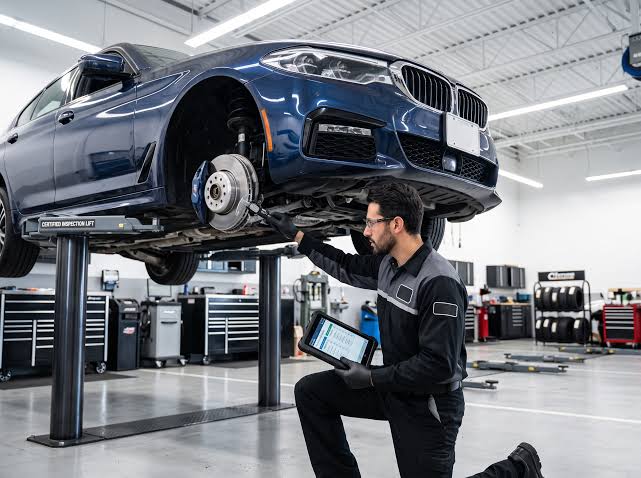
Introduction
Regular auto service is essential for keeping your vehicle safe, reliable, and efficient. Whether you drive a family car, SUV, pickup truck, or commercial vehicle, routine maintenance helps prevent unexpected breakdowns, improves performance, and extends the life of important components. From oil changes and brake inspections to engine diagnostics and transmission repairs, professional auto service ensures that your vehicle remains in excellent operating condition.
Choosing a reliable auto service provider is equally important. Experienced automotive technicians use modern diagnostic equipment, quality replacement parts, and proven repair techniques to identify problems and deliver dependable solutions. Understanding the importance of vehicle maintenance can help drivers make informed decisions, avoid expensive repairs, and enjoy greater confidence on the road.
What Is Auto Service?
Auto service refers to the maintenance, inspection, diagnosis, and repair of vehicles to ensure they operate safely and efficiently. It includes preventive maintenance as well as corrective repairs when mechanical or electrical problems occur.
Professional auto service typically covers:
- Engine inspection and maintenance
- Oil and filter replacement
- Brake inspection and repair
- Tire rotation and wheel alignment
- Battery testing and replacement
- Transmission inspection and servicing
- Air conditioning maintenance
- Suspension and steering repairs
- Computerized engine diagnostics
- Fluid checks and replacements
Regular servicing helps identify minor issues before they develop into major mechanical failures.
Why Regular Auto Service Matters
Many vehicle problems develop gradually. Drivers may notice unusual noises, reduced fuel efficiency, warning lights, or changes in handling without immediately recognizing the underlying cause. Routine servicing allows technicians to identify these warning signs early.
1. Improves Vehicle Safety
Your vehicle’s brakes, tires, suspension, steering, and lighting systems directly affect road safety. Professional inspections help identify worn brake pads, damaged tires, leaking fluids, and other issues that could compromise vehicle control.
Keeping these systems in good condition reduces avoidable risks and helps ensure dependable performance.
2. Prevents Expensive Repairs
Preventive maintenance is generally more affordable than repairing major mechanical damage. For example, replacing engine oil and filters at the recommended intervals helps reduce friction and engine wear. Similarly, addressing small coolant leaks can prevent overheating and potentially serious engine damage.
Regular inspections help drivers manage maintenance costs more effectively.
3. Improves Fuel Efficiency
Poor engine performance, incorrect tire pressure, clogged air filters, and malfunctioning sensors can negatively affect fuel economy. A professional auto service technician can identify these problems and recommend appropriate maintenance.
A properly maintained vehicle can operate more efficiently and reduce unnecessary fuel consumption.
4. Extends Vehicle Lifespan
Consistent maintenance protects important vehicle components from premature wear. Following manufacturer-recommended service schedules helps preserve engine health, transmission performance, braking efficiency, and overall reliability.
Essential Auto Services Every Vehicle Needs
Different vehicles require different maintenance schedules, but several services are important for most cars.
Engine Oil and Filter Changes
Engine oil lubricates moving components, reduces friction, and helps control operating temperatures. Over time, oil becomes contaminated and loses some of its protective properties.
Replacing engine oil and filters according to the manufacturer’s recommendations helps maintain engine performance and reduce internal wear.
Brake Inspection and Repair
Brakes are among the most important safety systems in any vehicle. Technicians inspect brake pads, rotors, calipers, brake lines, and fluid levels to identify potential problems.
Common warning signs include squealing noises, grinding sounds, vibrations during braking, and a soft brake pedal. These symptoms should be inspected promptly.
Tire Maintenance and Wheel Alignment
Tires affect traction, handling, braking, and fuel efficiency. Regular tire inspections help identify uneven tread wear, punctures, sidewall damage, and incorrect inflation.
Wheel alignment and tire rotation, when recommended, help improve handling and promote more even tire wear.
Battery Testing and Replacement
A weak battery can cause starting difficulties and electrical problems. Professional battery testing checks its condition and charging performance.
Technicians can also inspect battery terminals, cables, and the alternator to identify possible charging system issues.
Engine Diagnostics
Modern vehicles use electronic control systems and sensors to monitor engine performance. When a warning light appears, computerized diagnostic equipment can retrieve fault codes and help technicians investigate the underlying problem.
Accurate diagnosis is important because replacing parts without identifying the actual cause can lead to unnecessary expenses.
Transmission Service
The transmission transfers engine power to the wheels and plays an essential role in vehicle operation. Transmission maintenance may include fluid inspection, leak detection, and manufacturer-recommended servicing.
Delayed gear changes, slipping, unusual noises, and fluid leaks should be checked by a qualified technician.
Air Conditioning Service
A properly functioning air conditioning system improves cabin comfort and helps maintain visibility by supporting effective windshield defogging.
Auto AC service may include checking refrigerant levels, inspecting hoses, testing compressor operation, and examining cabin air filters.
Signs Your Vehicle Needs Professional Auto Service
Recognizing early warning signs can help prevent further damage. Consider scheduling an inspection if you experience:
- Dashboard warning lights that remain illuminated.
- Unusual engine noises or excessive vibration.
- Difficulty starting the vehicle.
- Reduced acceleration or engine performance.
- Burning smells or visible fluid leaks.
- Increased fuel consumption.
- Brake squealing or grinding.
- Overheating or rising temperature readings.
- Unusual steering or suspension behavior.
Never ignore serious warning signs, particularly brake problems, overheating, or sudden changes in vehicle handling. Stop driving when necessary and arrange professional assistance.
How to Choose a Reliable Auto Service Center
Selecting the right auto repair shop can make a significant difference in your vehicle’s long-term condition.
Check technician experience: Look for qualified technicians with experience working on your vehicle’s make and model.
Evaluate diagnostic capabilities: Modern diagnostic scanners and specialized tools help technicians investigate complex mechanical and electrical issues.
Ask for transparent estimates: A professional service center should explain the recommended work, labor charges, parts costs, and any additional repairs before proceeding.
Look for quality replacement parts: Reliable parts that meet the vehicle manufacturer’s specifications support proper performance and durability.
Review customer feedback: Online reviews and recommendations can help you understand a repair shop’s reputation, communication, and service quality.
Request clear service records: Maintenance documentation helps you track completed repairs and plan future servicing.
Preventive Auto Maintenance Tips for Drivers
You can support your vehicle’s condition between professional service appointments by following a few simple habits:
- Check engine oil and other essential fluid levels regularly.
- Maintain tire pressure according to manufacturer specifications.
- Pay attention to unusual sounds, smells, and vibrations.
- Replace worn windshield wipers when necessary.
- Keep your vehicle clean, including its exterior and underbody.
- Follow the recommended maintenance schedule.
- Check dashboard warning lights and investigate problems promptly.
- Avoid aggressive driving and excessive engine strain.
These practical steps complement professional maintenance and help keep your vehicle road-ready.
Conclusion
Professional auto service is an important investment in vehicle safety, performance, and long-term reliability. Regular maintenance, accurate diagnostics, and timely repairs help prevent unexpected breakdowns while protecting essential automotive components.
Whether your vehicle needs an oil change, brake repair, engine diagnostics, transmission servicing, or a complete inspection, choosing an experienced auto service provider ensures that problems are addressed correctly. By combining preventive maintenance with professional automotive care, drivers can enjoy smoother performance, greater confidence, and a longer-lasting vehicle.
Frequently Asked Questions (FAQs)
1. How often should I schedule auto service?
Most vehicles should follow the manufacturer’s recommended maintenance schedule. Service intervals depend on vehicle type, mileage, driving conditions, and engine requirements.
2. What does a standard auto service include?
A standard service may include oil and filter changes, fluid checks, tire inspections, brake inspections, battery testing, and general vehicle condition assessments.
3. How do I know if my car needs servicing?
Warning lights, unusual noises, fluid leaks, reduced fuel efficiency, overheating, and braking problems can indicate that your vehicle needs professional attention.
4. Is regular auto service worth the cost?
Yes. Preventive maintenance helps reduce unexpected repair expenses, improves reliability, supports safety, and protects the lifespan of important vehicle components.
5. Can auto service improve fuel efficiency?
Yes. Correct tire pressure, clean filters, properly functioning sensors, and appropriate engine maintenance can help improve fuel efficiency.


Travel planning in Singapore is increasingly shaped by digital convenience, advance planning, personalised experiences, and the continued value of professional travel assistance. According to a Vyansa Intelligence report, the Singapore leisure and business travel booking market was valued at $ 14.3 Billion in 2025 and is projected to reach $ 17.94 Billion by 2032, registering a CAGR of 3.29% during 2026-2032.
Digital Booking Is Reshaping Traveller Expectations
Online booking has become an important part of how travellers research and organise journeys. Digital platforms allow users to compare options, assemble different travel services, and complete reservations without relying entirely on face-to-face assistance.
The report highlights the increasing importance of online booking, supported by convenience, bundled offerings, digital tools, loyalty incentives, and flexible trip planning. Online travel agencies are also expanding beyond basic flight and accommodation reservations by incorporating attractions, car rentals, and broader travel packages.
This shift is changing the role of travel booking platforms. Travellers increasingly expect the booking journey to support discovery, comparison, personalisation, and transaction in a connected environment.
Singapore’s tourism ecosystem is also becoming more technology-oriented. The Singapore Tourism Board has highlighted partnerships with digital travel platforms and the use of technologies such as generative AI and machine learning to better understand travellers and improve the consumer journey.
Advance Planning Is Influencing Booking Behaviour
Travel planning is not always a last-minute activity. The report indicates that many travellers in Singapore book substantially ahead of their intended departure, particularly when they want better rates and availability.
Cruise bookings can involve even longer planning horizons, while travellers arranging more conventional holidays may also begin researching and reserving months before departure. This behaviour creates opportunities for booking providers to engage customers well before the actual travel date.
Advance planning also increases the importance of transparent availability and flexible booking conditions. Customers want confidence that the itinerary they are considering will remain practical and that changes can be managed when circumstances shift.
For travel agencies and online platforms, this means the customer relationship can begin well before the reservation is finalised. Helpful planning tools, relevant recommendations, clear information, and personalised communication can influence the booking decision.
Experiential Travel Is Changing Product Design
Travel choices are increasingly connected with experiences rather than simply transportation and accommodation. Travellers can seek cultural activities, wellness experiences, distinctive attractions, smaller group journeys, and destinations that offer something beyond conventional sightseeing.
The report identifies experiential travel as an important factor influencing booking decisions. Younger travellers and international visitors are increasingly interested in culturally rich experiences and less conventional destinations, encouraging providers to develop more specialised itineraries.
This creates an opportunity for travel businesses to differentiate through curation. Rather than presenting a standard package, agencies can organise journeys around particular interests, preferred activities, and individual expectations.
Singapore’s tourism performance also demonstrates the importance of experiences in attracting visitors. The Singapore Tourism Board reported that tourism receipts reached S$32.8 billion in 2025, while international visitor arrivals reached 16.9 million. The organisation attributed strong tourism performance partly to refreshed experiences across attractions, events, cruises, and MICE activities.
Travel Agencies Still Have a Role
The expansion of digital booking does not eliminate the need for traditional travel agencies. Complex itineraries, multi-city journeys, specialised travel requirements, and customers who prefer personal assistance can continue to create demand for agency services.
The report specifically highlights the relevance of customised agency services, particularly for complicated itineraries. This creates a complementary relationship between digital and offline channels.
Travel agencies can use technology to improve their own service delivery rather than treating digital platforms solely as competitors. Online communication, digital itinerary management, automated processes, and customer data can support a more responsive service while retaining human expertise.
Singapore’s regulatory environment also reinforces the formal role of travel agencies. The Singapore Tourism Board states that it administers and enforces licensing for travel agents and tourist guides under the relevant legislation. Its travel-agent industry page also notes that Singapore has more than 1,000 travel agencies.
Trust Remains Important in Digital Transactions
Greater digital convenience also increases the importance of trust. Travellers need confidence that the provider they are dealing with is legitimate and that purchased services will be delivered according to the agreed terms.
Singapore’s licensing framework gives consumers a way to distinguish licensed travel agents from unlicensed operators. The Singapore Tourism Board advises the public to transact only with licensed travel agents when purchasing travel products.
For the travel booking industry analysis, this highlights an important competitive factor beyond price and convenience. A strong digital experience needs to be supported by credibility, transparent information, and appropriate regulatory compliance.
Travel providers can therefore strengthen customer relationships by making booking terms, service details, payment conditions, and relevant protections easy to understand.
Accessible Travel Creates Room for Specialised Services
Another opportunity identified in the report is accessible travel. Travellers with mobility or accessibility requirements can benefit from itineraries that account for suitable facilities, transportation, activities, and accommodation.
This area requires greater attention to personalisation because accessibility needs can vary significantly between travellers. Agencies that develop specialised expertise can create differentiated packages rather than treating accessibility as an additional feature within a standard itinerary.
Such services can also broaden the range of customers served by the travel booking ecosystem. The opportunity is not simply about creating specialised products, but about making travel planning more inclusive and easier to navigate.
Business Travel Adds Another Dimension
Business travel introduces different booking priorities from leisure journeys. Corporate travellers can place greater emphasis on scheduling, efficiency, reliable arrangements, and flexibility when plans change.
The report also highlights opportunities around business and leisure travel combinations, as travellers increasingly find ways to extend business journeys with leisure experiences.
This creates demand for booking services that can manage different components within one journey. Providers capable of supporting both business requirements and personal travel preferences can offer greater flexibility to customers.
The Future Will Combine Technology With Human Expertise
Singapore’s travel booking landscape is moving toward a model where digital convenience and human expertise work alongside each other. Online platforms can simplify discovery, comparison, booking, and itinerary management, while agencies can provide specialised knowledge and personalised support.
The latest market analysis suggests that experience, flexibility, technology, and service quality will remain important considerations as travellers become more selective about how they plan and purchase journeys.
For providers, the opportunity is not simply to move more bookings online. It is to create a connected customer journey in which technology reduces friction while human assistance remains available when travellers need deeper expertise.
As Singapore continues developing its tourism ecosystem, booking providers that combine digital functionality with personalised experiences, transparent service, and flexible travel solutions will be better positioned to address changing traveller expectations.

How B2B Lead Generation Helps Businesses Generate More Qualified Sales Meetings

Glaucoma Specialist in Lajpat Nagar: Tests and Treatment Guide

iQOO Neo 10: Flagship Speed Without Flagship Price

EPC Contractors Assam for Electrical Infrastructure Projects

How Enterprise Sales Training Helps Teams Close More Complex B2B Deals

Rani No Hajiro in Ahmedabad: A Complete Guide to History, Shopping & Hidden Secrets

Digital Marketing for Beginners: Step-by-Step Guide to Start and Succeed in 2026

How to Get Promoted Faster at Work: Smart Career Growth Tips

Dublin City University: Everything You Need to Know Before Applying in 2026








