
Travel
What Should You Check Before Booking a Backload Transport Service?

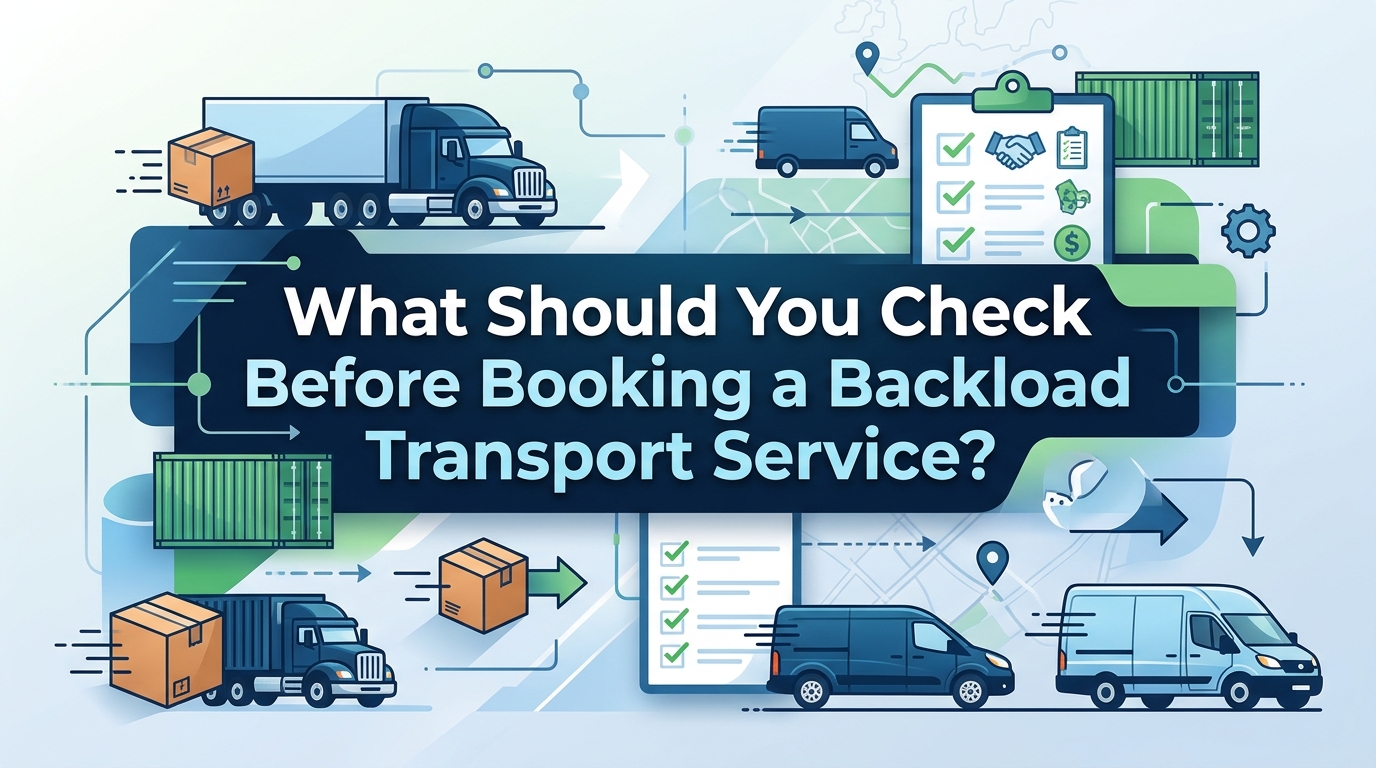
Moving goods across the UK can be expensive, especially when you need to arrange transport regularly. Fuel, driver time, vehicle costs and delivery charges can all add up. For businesses that want to keep spending under control, using available space on an existing delivery route may be worth considering.
This is where backload transport can help. It allows businesses to use spare space in a vehicle that is already travelling along a suitable route. Instead of paying for a dedicated journey, you may be able to arrange transport at a lower rate.
However, a cheaper quote does not always mean the right choice. Collection times, delivery dates, vehicle space and goods handling all need careful attention. If you overlook these details, a low-cost booking could lead to delays or extra charges.
Before you book, here are the key things to check to make sure the service suits your delivery needs.
1. Understand How Backload Transport Works
Before making a booking, understand what the service involves.
A backload usually means using spare space in a vehicle that is already travelling along a planned route. For example, a transport company may deliver goods from Birmingham to Manchester and have available space for a suitable load on the return journey.
This can help the company make better use of its vehicle and may allow the customer to pay less than they would for a dedicated vehicle.
However, the vehicle’s route and schedule must match your collection and delivery requirements.
Ask the transport provider:
- Is the vehicle already travelling along this route?
- How much space is available?
- Will my goods share the vehicle with other loads?
- Is the journey confirmed or still subject to availability?
- What happens if the existing delivery schedule changes?
Knowing how the arrangement works will help you decide whether it fits your business.
2. Confirm Collection and Delivery Times
Timing is one of the most important things to check.
Backload transport often depends on an existing vehicle schedule. This means you may have less control over the exact collection or delivery time than you would with a dedicated vehicle.
If your goods need to arrive by a strict deadline, check the schedule before confirming the booking.
Ask for clear information about:
- The expected collection date
- The estimated collection time
- The expected delivery date
- Any agreed delivery window
- How delays will be communicated
For example, a business sending stock to a shop in Leeds may be happy with a flexible delivery window. However, a company supplying equipment for a scheduled installation may need a confirmed arrival time.
Do not rely on vague promises such as “delivery should be tomorrow”. Ask the provider to explain what has actually been agreed.
3. Check the Vehicle’s Available Space and Capacity
Not every load will fit into every vehicle.
Before booking, provide accurate details about your goods. This includes their dimensions, weight, quantity and shape.
A load may look small on paper but take up more space because of awkward packaging or the way it needs to be loaded.
Check the following:
- Total weight of the goods
- Length, width and height of each item
- Number of pallets or packages
- Whether items can be stacked
- Whether goods need to stay upright
- Any special loading requirements
The vehicle must have enough space and a suitable payload for your goods. Never assume that spare space automatically means the vehicle can carry your load safely.
If you are moving heavy equipment, furniture or palletised stock, share photographs or a packing list where useful.
Clear information helps the transport company choose a suitable vehicle and reduces the risk of problems on collection day.
4. Ask How Your Goods Will Be Handled
Your goods may share vehicle space with other consignments. This makes handling and load security important.
Ask the provider how items will be positioned and protected during the journey.
For example, fragile products should not be placed beneath heavy goods. Items that can move during transport may need suitable restraints or protective packaging.
Before booking, check whether the provider can manage:
- Fragile or delicate items
- Heavy equipment
- Palletised goods
- Long or awkward loads
- Goods that must remain upright
- Items that need extra protection
You should also prepare your goods properly before collection. Use suitable packaging, secure loose parts and label items clearly.
If your load has special requirements, explain them before accepting the quote. It is much better to discuss these details early than discover a problem when the driver arrives.
5. Compare Prices and Check for Extra Charges
Cost is often one of the main reasons businesses consider this type of transport. However, you should compare the full price rather than focusing on the cheapest quote.
Ask the provider what the price includes and whether any extra charges could apply.
Possible additional costs include:
- Waiting time at collection or delivery
- Additional loading or unloading
- Extra collection or delivery stops
- Changes to the agreed route
- Failed delivery attempts
- Cancellation fees
- Special handling requirements
For example, a low quote may not include unloading assistance. If your business needs help moving heavy items from the vehicle, the final bill could be higher than expected.
Request a written quote that clearly explains the agreed service and charges.
This makes it easier to compare providers and avoid an unpleasant surprise when the invoice arrives.
6. Check Insurance and Liability Cover
Do not overlook insurance when arranging transport.
If your goods are damaged, lost or delayed, you need to understand what protection is available and who is responsible.
Ask the transport company about its goods-in-transit cover and any limits or exclusions that may apply.
Important questions include:
- What level of goods-in-transit cover is provided?
- Does the cover match the value of my goods?
- Are fragile or high-value items covered?
- Are there exclusions for certain types of goods?
- What is the process for reporting damage?
- What evidence is needed to make a claim?
Do not assume that the transport company’s insurance automatically covers the full value of every item.
You may need additional cover for high-value goods. Check your own business insurance too, particularly if you regularly send expensive stock or equipment.
Get the relevant terms in writing before the collection takes place.
7. Check the Transport Company’s Experience
A transport provider should understand the type of goods you need to move and the routes involved.
A company that regularly handles business deliveries may be better prepared to deal with collection arrangements, delivery paperwork and changing schedules.
Look for signs of a reliable service, such as:
- Clear contact details
- Professional booking support
- Relevant transport experience
- Suitable vehicles
- Clear insurance information
- Honest delivery estimates
- A straightforward complaints process
You can also check customer reviews and ask for references where appropriate.
Do not be afraid to ask questions. A good provider should be able to explain its process without making things unnecessarily complicated.
8. Confirm the Collection and Delivery Details
Small mistakes in delivery information can cause big problems.
An incorrect postcode, missing contact number or unclear access instructions may delay the driver and affect the rest of the journey.
Before confirming your booking, check:
- Full collection address and postcode
- Full delivery address and postcode
- Collection contact name and number
- Delivery contact name and number
- Site opening hours
- Vehicle access restrictions
- Loading and unloading arrangements
If the delivery is going to a warehouse or business premises, check whether the site has specific booking rules.
Some locations require advance notice or a confirmed delivery slot. Others may have restrictions on vehicle size or access times.
Make sure both the collection and delivery teams know when the vehicle is expected.
9. Understand What Happens if Plans Change
Transport schedules can change because of traffic, road closures, vehicle problems or delays at earlier delivery stops.
Before booking, ask what happens if the collection or delivery time needs to change.
Find out:
- Who will contact you about delays?
- How much notice will you receive?
- Can the collection date be changed?
- Are cancellation charges applicable?
- What happens if the vehicle becomes unavailable?
- Will another suitable vehicle be arranged?
These questions are especially important if your goods are needed for a business deadline.
You should also know who to contact if you need an update during the journey.
Clear communication can make a difficult situation easier to manage.
10. Make Sure the Service Fits Your Delivery Needs
A backload is not the best choice for every journey.
It can work well for planned deliveries where collection and arrival times are flexible. However, urgent consignments or loads that need special handling may be better suited to a dedicated vehicle.
Consider a backload when:
- Your delivery date is flexible
- Your goods fit the available vehicle space
- The route matches your collection and delivery points
- You want to explore a lower-cost transport option
- Your goods can travel alongside other suitable loads
Consider dedicated transport when:
- Goods must arrive at a strict time
- You need direct delivery
- The load requires exclusive vehicle space
- Your goods need special handling or security
The right option depends on the goods, route, timing and level of control your business needs.
11. Keep Written Records of Your Booking
Once you have agreed the service, keep a record of the details.
A written confirmation helps prevent misunderstandings between your business and the transport provider.
Your booking record should include:
- Agreed price
- Collection and delivery addresses
- Collection and delivery dates
- Expected time windows
- Goods description and quantity
- Vehicle or handling requirements
- Insurance details
- Any additional charges
Keep copies of relevant emails, quotes and delivery paperwork.
If something goes wrong, these records can help you understand what was agreed and resolve the issue more quickly.
Conclusion: Book Backload Transport With Confidence
Backload transport can be a useful way for UK businesses to make better use of available vehicle space and manage delivery spending. But the right booking needs more than a low price.
Check the vehicle capacity, collection and delivery schedule, goods handling arrangements, insurance cover and any extra charges. Make sure the provider understands your requirements and can explain what happens if plans change.
Taking a little time to check these details can help you avoid delays, unexpected costs and unnecessary stress.
For businesses looking for flexible transport support, Transit Fleet offers transport solutions designed around different delivery requirements. Explore Transit Fleet’s services to find practical support for your next business delivery.
Frequently Asked Questions
1. What is backload transport?
Backload transport uses available space in a vehicle that is already travelling along a suitable route. It can help transport companies reduce empty running and may offer customers a lower-cost delivery option.
2. Is backload transport cheaper than dedicated delivery?
It can be cheaper because you are using spare vehicle capacity rather than booking an entire vehicle for your goods. However, the final price depends on the route, load size, timing and provider.
3. Is backload transport suitable for urgent deliveries?
Not always. Backloads often depend on existing vehicle schedules, so collection and delivery times may be less flexible. A dedicated vehicle may be more suitable when goods must arrive by a strict deadline.
4. Are goods insured during backload transport?
The transport provider may have goods-in-transit insurance, but the level of cover and exclusions can vary. Always ask for the policy details and check whether the cover matches the value and type of your goods.
5. What information should I provide when booking a backload?
Provide the collection and delivery addresses, goods dimensions, total weight, quantity, packaging details and required delivery date. Also mention any special handling or loading requirements.




Cheap Business Class Flights to Australia: How to Fly in Comfort Without Overspending
Australia is one of the most popular long-haul destinations for international travellers. Whether you’re planning a business meeting in Sydney, a family holiday in Melbourne, or a relaxing getaway to Brisbane, the journey can involve many hours in the air.
For travellers who value comfort, privacy, and a better flying experience, business class flights to the Australia are an excellent option. However, premium airfare often comes with a higher price, leaving many passengers wondering whether affordable business class tickets are actually available.
The good news is that finding cheap business class flights to Australia is possible with careful planning, flexible travel dates, and the right booking approach.
In this guide, we’ll explain how to compare business class fares, identify suitable airlines, and find better flight deals without sacrificing the comfort you deserve.
Why Choose Business Class Flights to the Australia?
Long-distance international flights can be physically demanding, particularly when your itinerary includes overnight travel or multiple connections.
Business class provides several advantages that can make your journey more comfortable and convenient.
1. Spacious Seats and Better Sleep
Many international airlines offer business class seats that convert into fully flat beds. This allows passengers to rest more comfortably during long flights.
The extra space can be particularly useful for business travellers who need to arrive feeling rested and prepared for meetings.
2. Premium Dining and In-Flight Services
Business class passengers typically enjoy upgraded meals, additional beverage choices, and more personalised cabin service.
Available amenities depend on the airline, aircraft, and route.
3. Airport Lounge Access
Many eligible business class tickets include airport lounge access, giving travellers a comfortable place to relax before departure.
Lounges may offer refreshments, Wi-Fi, workspace facilities, and other amenities.
4. Priority Airport Services
Depending on the airline and ticket conditions, business class passengers may benefit from priority check-in, boarding, and additional baggage allowances.
These services can make long-distance travel more convenient.
How to Find Cheap Business Class Flights to Australia
Premium airline tickets can be expensive, but several practical strategies may help you find more affordable options.
Book Early and Compare Prices
Start researching business class airfare several months before your intended departure.
Airline prices fluctuate according to demand, seat availability, season, and route.
Booking early does not always guarantee the lowest price, but it provides more opportunities to compare available fares.
Be Flexible With Your Travel Dates
One of the easiest ways to identify cheaper business class tickets is to compare different departure dates.
For example, travelling a few days earlier or later may reveal a more affordable itinerary.
If your schedule is flexible, compare multiple weeks and avoid limiting your search to one specific departure date.
Consider Connecting Flights
Nonstop business class flights offer convenience, but connecting services can sometimes be more affordable.
Depending on your departure location, you may find suitable itineraries connecting through international hubs such as Doha, Dubai, Singapore, or Auckland.
Compare total travel time, connection duration, and cabin type before choosing a flight.
Compare Different Airlines
Several international airlines provide business class services to Australia.
Popular options include:
- Qantas
- Emirates
- Qatar Airways
- Singapore Airlines
- Cathay Pacific
- United Airlines
- Air New Zealand
Each airline offers different seating configurations, baggage allowances, lounge benefits, and ticket conditions.
Comparing the complete travel experience rather than the ticket price alone can help you select the most suitable option.
Explore Flight Booking Specialists
Travellers may also compare fares through premium flight booking services.
Business Class For Less helps passengers explore business class flight options for international destinations.
If you’re planning a trip, you can explore cheap business class flights to the Australia and request a quote based on your preferred dates and destination.
Popular Australian Destinations for Business Class Travellers
Australia has several major international airports serving business and leisure travellers.
Business Class Flights to Sydney
Sydney is a major destination for international business meetings, conferences, and holidays.
Business class travellers can enjoy a more comfortable journey before exploring the city’s famous attractions, including Sydney Harbour and Bondi Beach.
Business Class Flights to Melbourne
Melbourne is known for its business districts, cultural attractions, restaurants, and sporting events.
Passengers travelling to Melbourne can compare international airline routes to find suitable premium cabin options.
Business Class Flights to Brisbane
Brisbane attracts travellers visiting Queensland for business, family holidays, and leisure.
Business class flights to Brisbane may involve direct or connecting services, depending on your departure airport.
Business Class Flights to Perth
Perth is an important destination for business travellers, tourists, and passengers visiting Western Australia.
Comparing available flight connections can help identify suitable business class itineraries.
When Is the Best Time to Book Business Class Flights to Australia?
Airline prices vary throughout the year, and there is no single booking period that guarantees the cheapest business class fare.
Several factors can influence ticket costs:
Seasonal Demand: Christmas, New Year, and popular Australian holiday periods may attract higher passenger demand.
Departure Airport: Flight prices may differ depending on whether you depart from a major international hub or a smaller airport.
Booking Flexibility: Flexible departure and return dates may provide more choices.
Airline Promotions: Promotional fares can sometimes offer more competitive premium cabin prices.
Route Availability: Connecting itineraries may provide different pricing options compared with nonstop flights.
For the best comparison, review the total ticket cost, travel duration, seat configuration, and fare conditions.
Business Class vs Economy: Is It Worth Paying More?
The decision between business class and economy depends on your travel budget, flight duration, and personal preferences.
Economy class is generally suitable for passengers prioritising affordable transportation.
Business class may be a better choice for travellers who value additional personal space, sleep comfort, improved dining, and airport services.
For long-haul travel to Australia, the opportunity to rest on a flat-bed seat can make a meaningful difference, especially when travelling for work.
However, not every business class cabin offers the same amenities. Check the aircraft and seating arrangement before purchasing your ticket.
Important Things to Check Before Booking a Business Class Ticket
Finding a lower airfare is only one part of booking a successful international trip.
Before confirming your reservation, check the following details:
- Seat Type: Confirm whether your business class seat converts into a fully flat bed.
- Baggage Allowance: Review checked and cabin baggage limits.
- Flight Connections: Check layover duration and transit requirements.
- Cancellation Policy: Understand refund conditions and ticket change fees.
- Airport Lounge Access: Confirm lounge eligibility for your fare.
- Total Ticket Price: Review taxes and additional charges before payment.
These checks help prevent unexpected expenses and travel complications.
Why Consider Business Class For Less for Australia Flight Bookings?
Finding suitable premium airfare can require comparing multiple airlines, routes, and ticket conditions.
Business Class For Less offers travellers a way to explore international business class flight options based on their destination, preferred departure dates, and travel requirements.
Whether you’re planning a business trip to Sydney, a holiday in Melbourne, or a family visit to Brisbane, comparing available fares can help you identify an itinerary that fits your budget.
Visit Business Class For Less to explore premium flight booking options and request a quote for your upcoming Australia trip.
Final Thoughts
Travelling to Australia in business class can make a long international journey considerably more comfortable.
Although premium cabin tickets often cost more than economy fares, planning ahead, comparing airlines, and maintaining flexible travel dates can help you find better-priced options.
If you’re searching for cheap business class flights to the Australia, focus on selecting a ticket that offers the right combination of comfort, schedule, flexibility, and overall value.
With careful research and suitable booking assistance, you can enjoy a comfortable international journey while keeping your travel expenses under control.
Frequently Asked Questions
How can I find cheap business class flights to Australia?
Compare fares across multiple airlines, search flexible travel dates, consider connecting flights, and explore quotes from premium flight booking specialists.
Which airlines offer business class flights to Australia?
Airlines including Qantas, Emirates, Qatar Airways, Singapore Airlines, Cathay Pacific, and United offer business class services on selected routes to Australia.
Are business class flights to Australia worth the cost?
For travellers taking long-haul flights, features such as spacious seating, flat beds, premium dining, and priority airport services may justify the additional expense.
Can I book last-minute business class flights to Australia?
Yes, last-minute business class tickets may be available, although pricing depends on airline inventory, travel dates, and demand.
Do business class flights include airport lounge access?
Many business class tickets include lounge access, but eligibility depends on the airline, route, and fare conditions.
Where can I book affordable business class flights to Australia?
You can compare business class options through airline websites, airfare comparison platforms, and specialist services such as Business Class For Less.


Preparing for Hajj is a meaningful responsibility that requires careful planning, patience, and the right understanding of the pilgrimage. For Muslims planning to perform Hajj in 2027, preparation should begin well before departure. From arranging travel documents and selecting a suitable package to learning the rituals and preparing physically, every step can help make the journey more organized.
Hajj is not an ordinary holiday. It is an important act of worship that brings Muslims from different parts of the world together for a shared spiritual purpose. Pilgrims need to understand what is required, how the journey is organized, and what arrangements should be completed before travelling to Saudi Arabia.
This guide explains the important preparations for the 2027 pilgrimage, helping prospective pilgrims approach their journey with greater confidence and peace of mind.
Understand the Importance of Early Hajj Preparation
Planning ahead gives pilgrims enough time to organize the practical and spiritual aspects of their journey. Waiting until the last moment can make it difficult to arrange documents, compare packages, attend preparation sessions, and manage personal responsibilities.
One of the first things to consider is the expected Hajj season. The Islamic calendar follows lunar months, so the Gregorian dates change each year. The pilgrimage takes place during Dhul Hijjah, with the main Hajj rituals performed on specific days of the month.
Pilgrims should keep their travel plans flexible until the relevant authorities confirm the official schedule.
Early preparation also provides an opportunity to understand the different stages of Hajj. Learning about Ihram, Tawaf, Sa’i, Mina, Arafat, Muzdalifah, and the remaining rituals before departure can make the experience easier to follow.
Learn the Main Hajj Rituals Before Travelling
Understanding the rituals is one of the most important parts of preparation. Pilgrims should learn what each stage involves rather than relying entirely on guides after arriving in Saudi Arabia.
The main stages include:
Entering Ihram: Pilgrims enter a sacred state of worship with the intention of performing Hajj. Ihram also involves following specific restrictions and guidelines.
Tawaf: Pilgrims perform seven circuits around the Holy Kaaba at Masjid al-Haram in Makkah.
Sa’i: This involves walking seven times between Safa and Marwah, remembering the experience of Hajar (AS).
Mina: Pilgrims travel to Mina as part of the Hajj schedule and spend time in worship and remembrance.
Day of Arafat: Standing at Arafat is a central part of Hajj. Pilgrims spend this important day making supplications, seeking forgiveness, and remembering Allah.
Muzdalifah: After leaving Arafat, pilgrims travel to Muzdalifah, where they spend time in prayer and rest according to the prescribed arrangements.
Ramy al-Jamarat: Pilgrims perform the symbolic stoning of the Jamarat according to the Hajj schedule.
Learning the correct order and requirements of these rituals beforehand can help pilgrims avoid unnecessary confusion during the journey. It is also useful to attend a Hajj training session led by a knowledgeable religious guide.
Arrange Your Travel Documents and Registration
Travel documentation should be one of the earliest practical priorities. Pilgrims must understand the registration and travel requirements that apply to their country of residence.
A valid passport is essential, and its expiry date should be checked well in advance. Depending on the applicable rules, additional documentation, medical information, photographs, or other requirements may also be necessary.
Registration procedures and Hajj arrangements can change from one season to another. Pilgrims should follow the official instructions applicable to their country and confirm that their booking follows the authorized process.
For those comparing available travel arrangements, Hajj 2027 provides a relevant starting point for exploring pilgrimage package information and planning the journey.
Before completing any payment, carefully review the booking details, included services, accommodation arrangements, transport provisions, and cancellation conditions. Keep copies of important documents and booking confirmations in both printed and digital formats.
Choose Accommodation and Travel Arrangements Carefully
Accommodation and transportation can significantly affect the overall pilgrimage experience. Hajj involves movement between several important locations, so pilgrims should understand where they will stay and how they will travel throughout the journey.
When comparing accommodation arrangements, consider the following:
- Distance from Masjid al-Haram in Makkah.
- Accommodation arrangements in Madinah, if included.
- Facilities available at the hotels.
- Transportation between Makkah, Mina, Arafat, and Muzdalifah.
- Meal arrangements and their suitability for your needs.
- Availability of assistance during the pilgrimage.
A hotel located closer to the Haram may offer convenience, but the overall package should be evaluated rather than choosing accommodation based on location alone.
Pilgrims should also understand that accommodation arrangements during the main Hajj days may differ from their hotel stay in Makkah or Madinah.
Clear information before departure can help prevent misunderstandings once the journey begins.
Select a Package That Matches Your Requirements
Every pilgrim has different expectations, travel preferences, and financial circumstances. Some prefer shorter arrangements, while others want additional time in Makkah and Madinah.
Choosing an appropriate Hajj package requires more than comparing the advertised price. It is important to understand exactly what the package includes and whether it meets your personal requirements.
Consider the following factors when reviewing available options:
Accommodation quality: Check the type of hotel, room arrangements, and location.
Travel duration: Understand the departure and return dates and the total length of the journey.
Transportation: Confirm which transfers are included and how travel between the Hajj locations is arranged.
Meals: Check whether meals are provided and what arrangements are available during the main pilgrimage days.
Group assistance: Find out whether experienced representatives or religious guides will accompany the group.
Additional costs: Ask about expenses that are not covered by the package price.
Al Hijaz Tours is the best explored by pilgrims looking for information about Hajj and Umrah travel arrangements.
Before making a decision, ask questions about anything that is unclear. A well-understood package can make planning considerably easier and help pilgrims know what to expect.
Prepare Your Health and Physical Fitness
Hajj requires considerable physical effort. Pilgrims may need to walk long distances, spend time outdoors, stand for extended periods, and move between crowded locations.
Starting basic physical preparation several weeks or months before departure can be helpful.
Walking regularly is a practical way to improve stamina. Begin with comfortable distances and gradually increase the duration according to your ability.
Pilgrims should also consider their general health before travelling. Anyone managing an existing medical condition should discuss travel arrangements with a qualified healthcare professional.
Keep essential medication in its original packaging and carry relevant medical information. It is also sensible to understand the healthcare facilities and assistance arrangements available during the trip.
During Hajj, staying hydrated, wearing comfortable footwear when permitted, resting when possible, and avoiding unnecessary physical exertion can help pilgrims manage the demands of the journey.
Prepare a Practical Hajj Packing Checklist
Packing carefully can prevent many avoidable problems during travel. Instead of carrying unnecessary belongings, focus on items that support your comfort, worship, and daily requirements.
A useful packing checklist includes:
Religious essentials
- A suitable Ihram set.
- A small Quran.
- A dua book or written collection of supplications.
- A prayer mat.
- A comfortable bag for daily essentials.
Personal items
- Comfortable footwear.
- Appropriate clothing.
- Unscented personal care products for use during Ihram.
- Basic toiletries.
- A reusable water bottle.
- Necessary medication.
Travel documents
- Passport and required travel documents.
- Booking confirmations.
- Identification and emergency contact information.
- Copies of important medical details.
Avoid overpacking because carrying heavy luggage can become inconvenient during a journey that already involves considerable movement.
It is also useful to keep essential documents, medication, and valuables in a small personal bag that remains accessible.
Understand the Importance of Spiritual Preparation
Physical and travel arrangements are important, but spiritual preparation deserves equal attention.
Hajj is an opportunity for worship, repentance, patience, and strengthening one’s relationship with Allah. Pilgrims should use the preparation period to develop a better understanding of the purpose and meaning of the pilgrimage.
Spend time learning the duas associated with different stages of Hajj. Improve your knowledge of Islamic teachings related to Ihram and the pilgrimage rituals.
It can also be helpful to develop habits of regular prayer, Quran recitation, remembrance of Allah, and sincere repentance before departure.
Pilgrims should prepare themselves mentally for situations that require patience. Crowded accommodation, waiting periods, transportation delays, and changes in schedules can sometimes be challenging.
Maintaining good manners, showing consideration for fellow pilgrims, and avoiding unnecessary arguments are important throughout the journey.
Prepare for Crowds, Weather, and Daily Challenges
Hajj brings together a very large number of pilgrims, which means that everyday activities may require more time and patience than usual.
Movement between locations can involve waiting, following group instructions, and adjusting to organized transportation schedules.
Pilgrims should remain close to their group where required and keep important contact details readily available.
Weather conditions should also be considered. Depending on the season and local conditions, heat and direct sunlight may affect physical comfort. Lightweight clothing, suitable footwear, and proper hydration can make daily activities more manageable.
Older pilgrims and those travelling with family members should discuss any additional assistance they may need before departure.
Following the guidance of group representatives and respecting local instructions can help everyone move through the pilgrimage more safely and comfortably.
Final Preparations Before Your Departure
As the departure date approaches, review all arrangements rather than assuming everything is complete.
Confirm your flight details, accommodation, transfers, registration status, and meeting arrangements. Check the latest travel instructions and make sure you understand the luggage allowance.
Attend any available pre-departure briefing to learn about the itinerary, group communication, emergency procedures, and the practical arrangements for the main Hajj days.
Share your travel information and emergency contact details with trusted family members.
It is also wise to complete personal responsibilities at home and work before leaving. This allows you to focus more fully on worship without unnecessary concerns during your pilgrimage.
Most importantly, remain prepared for official instructions or schedule changes. Hajj arrangements can be updated, so relying on confirmed information is always better than making assumptions.
Conclusion
Preparing for the pilgrimage involves much more than booking flights and accommodation. It requires understanding the rituals, organizing travel documents, choosing suitable arrangements, improving physical fitness, and developing spiritual readiness.
Starting early gives pilgrims more time to make informed decisions and address practical concerns before departure. Careful preparation can also help families and older travelers manage the journey with greater confidence.
For those planning the upcoming pilgrimage, the most important approach is to combine reliable travel arrangements with proper religious knowledge, patience, and sincere intention. With thoughtful preparation, pilgrims can focus on the true purpose of Hajj: worshipping Allah and completing this important act of faith.
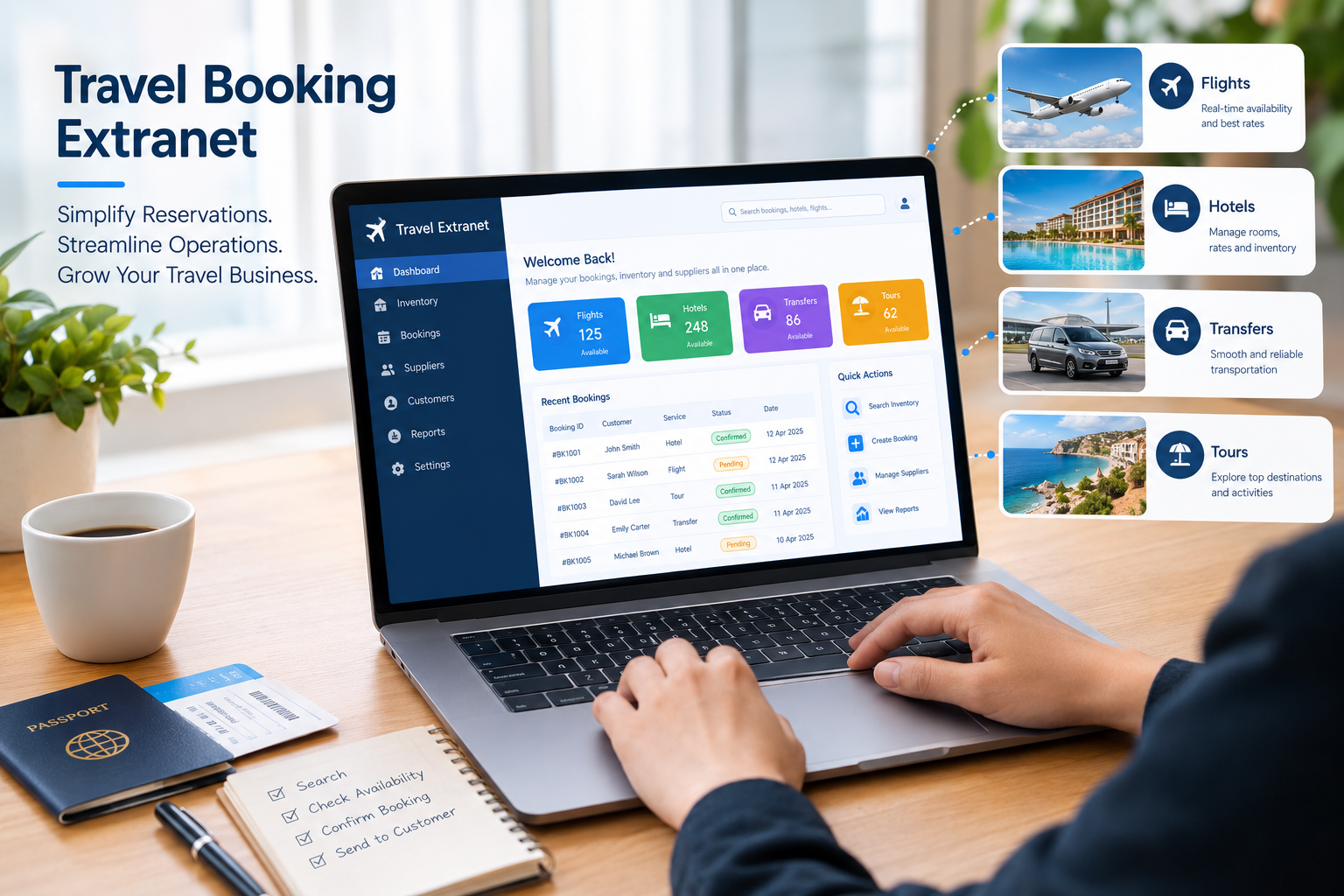
Running a travel agency involves much more than arranging flights and hotel reservations. Every booking requires coordination between customers, suppliers, employees, payments, travel documents, and service updates. When these activities are handled through separate spreadsheets, emails, and manual records, managing daily operations can become difficult.
Modern Travel Agency Software helps bring these activities into one organized working environment. It gives travel businesses a practical way to manage bookings, maintain customer records, prepare quotations, monitor payments, and coordinate internal tasks without constantly switching between different systems.
For growing agencies, the biggest benefit is better control over everyday operations. Instead of spending hours searching for information or updating records manually, employees can work through connected processes and focus more on customer requirements.
Why Travel Businesses Need Better Management Tools
A travel business can receive enquiries through its website, phone calls, emails, and messaging platforms. Each enquiry may involve different requirements, such as destinations, travel dates, hotel preferences, budgets, and passenger information.
Managing these details manually creates several challenges. Customer information may become scattered, employees might miss follow-ups, and booking updates may not reach everyone involved.
A centralized system helps solve these problems by keeping important business information accessible in one place.
For example, when a customer requests a holiday quotation, an employee can record the requirements, prepare an offer, update the enquiry status, and keep a history of communication. Other authorized team members can access the same information when needed.
This makes daily work more organized and reduces unnecessary administrative effort.
What Modern Management Software Should Handle
A travel business needs several connected functions to operate smoothly. The right solution should support the complete customer journey, from the first enquiry to booking completion.
Important capabilities include customer management, booking administration, quotation preparation, supplier coordination, payment tracking, and business reporting.
The objective is not to collect as many features as possible. It is to select tools that solve genuine operational problems and work together as part of a consistent process.
How Connected Systems Simplify Daily Operations
One of the biggest advantages of using a centralized platform is the ability to manage different activities without maintaining separate records for everything.
Businesses evaluating Travel Agency Software can consider how a connected system may support booking activities, customer information, operational workflows, and internal coordination.
For instance, when a booking moves from enquiry to confirmation, the relevant information should remain accessible to the employees responsible for handling it. This reduces repeated data entry and makes it easier to understand the current status of a customer request.
A connected working environment also helps management identify delays and determine which tasks require attention.
Managing Customer Relationships More Effectively
Customer relationships are an important part of a travel agency’s long-term success. Travelers may contact an agency several times before confirming a reservation, and their requirements can change during the planning process.
A dedicated CRM software solution helps maintain customer details, enquiry history, previous bookings, communication records, and follow-up activities.
Keeping Customer Information Organized
A travel agency CRM allows employees to maintain customer profiles rather than storing information across unrelated files.
An agent can review a customer’s previous requirements, preferred destinations, and booking history before responding to a new enquiry.
Improving Follow-Up Management
Not every customer confirms a booking immediately. Some need additional time to compare options or discuss arrangements with family members.
A CRM platform can help employees track pending enquiries and schedule follow-up activities. This ensures that potential customers do not disappear from the agency’s attention simply because an employee forgot to contact them.
Supporting Personalized Service
When customer preferences are recorded properly, agents can provide more relevant suggestions. This makes communication more useful and helps build stronger customer relationships over time.
Simplifying Booking and Reservation Management
Booking administration requires accuracy because even small mistakes can create problems for customers and employees.
A booking management system provides a structured way to record reservations, passenger details, travel dates, service information, and booking statuses.
An online booking system can also allow customers to submit their requirements or make reservations through a digital platform, depending on the business model.
For agencies handling different travel services, a well-organized booking process helps employees understand which reservations are pending, confirmed, modified, or completed.
Managing Different Booking Requirements
Travel businesses may handle flights, hotels, tours, transfers, and customized travel arrangements. Each service has its own information requirements.
Hotel booking software, for example, may manage room details, check-in dates, availability, and reservation information. A hotel booking engine can support the process of displaying available accommodation and accepting reservations.
Bringing relevant booking information into a coordinated environment makes it easier for employees to manage multiple services within one customer itinerary.
Improving Supplier and Partner Coordination
Travel agencies often depend on suppliers to arrange different parts of a journey. Managing these relationships requires accurate records and clear communication.
Supplier management software can help agencies organize supplier information, service details, agreements, contact records, and relevant booking references.
For example, when an employee needs to confirm accommodation, they should be able to access the relevant supplier details without searching through old emails.
A structured back office system can also help management review supplier-related activities and keep operational information consistent.
This becomes particularly useful when an agency works with several suppliers and handles multiple customer bookings simultaneously.
How Synch Travel Supports Organized Business Operations
As a travel agency grows, managing customer enquiries, reservations, employees, and administrative tasks through disconnected tools can become increasingly complicated.
Synch Travel can be explored by businesses looking for travel technology that supports connected operational workflows and helps organize different aspects of travel management.
When evaluating a platform, agencies should consider whether its features match their actual working requirements. The most useful solution is one that helps employees complete everyday tasks efficiently while giving management better visibility into business activities.
The focus should remain on practical functionality, ease of use, and the ability to support future business requirements.
Making Financial and Payment Activities Easier to Track
Financial administration is another important responsibility for travel businesses.
Agencies need to monitor customer payments, booking balances, supplier payments, refunds, and outstanding amounts. When these details are maintained manually, tracking financial activity can become time-consuming.
Payment gateway integration allows an online platform to connect with payment services so customers can make payments through supported methods.
A properly organized payment workflow can help employees identify payment statuses and associate transactions with relevant bookings.
Businesses should also evaluate transaction records, payment notifications, refund handling, and security arrangements before selecting a solution.
The goal is to make payment administration more transparent without creating additional work for the finance team.
Managing Employees and Internal Responsibilities
Business management software can help travel agencies organize internal responsibilities and monitor operational activities.
For example, management may assign different responsibilities to sales representatives, booking employees, finance staff, and customer support teams.
A travel dashboard can provide an overview of important business information, such as pending enquiries, booking activity, payment statuses, and assigned tasks.
This helps managers understand what is happening without requesting individual updates from every employee.
Back office software can further support routine administrative work, document handling, and internal coordination.
For small agencies, these capabilities can make it easier to manage daily operations with a limited team.
Using Automation to Reduce Repetitive Work
Some travel agency activities follow predictable patterns. Enquiry notifications, booking reminders, payment updates, and customer follow-ups are common examples.
Business automation software can help perform these repetitive actions according to predefined rules.
For example, when a customer submits an enquiry, the system may automatically notify the responsible employee. If a quotation remains pending, a reminder can be created for the assigned agent.
Automation can also support routine customer communication, although important messages and booking details should be reviewed where accuracy matters.
The purpose is to reduce unnecessary manual work, not remove human involvement from customer service.
Why Cloud-Based Access Matters
Cloud-based software allows authorized employees to access business information through supported internet-connected devices.
This can be useful for agencies where employees work from different locations or need to check booking details while communicating with customers.
A SaaS CRM or cloud-based travel management platform may also simplify system maintenance and provide access to updated features, depending on the provider’s service model.
Before choosing a solution, businesses should review user permissions, data protection, backup arrangements, system availability, and access controls.
These considerations are important because travel agencies handle customer information and commercially sensitive booking records.
Choosing the Right Solution for Your Agency
The best software depends on the size of the agency, its services, team structure, and operational challenges.
A small travel business may initially need customer management, booking records, and payment tracking. A larger operation may require supplier coordination, employee management, reporting, and more advanced automation.
Before making a decision, consider the following:
- Ease of use: Employees should be able to understand the system without unnecessary complexity.
- Essential features: Choose functions that support your actual business activities.
- Integration options: Check whether the platform can connect with the services you already use.
- Scalability: Consider whether it can support additional employees, bookings, and services as the business grows.
- Customer support: Understand what assistance is available when technical or operational problems occur.
- Pricing transparency: Review subscription charges, setup costs, transaction fees, and additional feature costs.
It is also helpful to request a product demonstration and ask the provider to explain how common tasks would be handled within the platform.
Conclusion
Managing a travel agency requires coordination across customers, bookings, suppliers, payments, and employees. When these activities are handled through disconnected processes, valuable time can be lost maintaining records and searching for information.
Modern management tools help bring important operations together, making everyday tasks easier to organize and monitor.
From customer relationship management and reservation handling to payment tracking and business automation, the right technology can improve operational visibility and support more consistent service.
The best approach is to identify your agency’s biggest management challenges first and choose a solution that addresses those needs. A well-selected system should make daily work simpler, support business growth, and allow employees to spend more time helping travelers.

How Does Car Shipping Work? 5 Simple Steps from Quote to Delivery

What Should You Check Before Booking a Backload Transport Service?

Nike United 004 Pack: The Elite Performance Collection Arrives

Ramadan Umrah Packages: How to Plan a Rewarding Pilgrimage

Lock & Key Pros: Professional Commercial Locksmith Services in Tarzana for Better Business Security

Rani No Hajiro in Ahmedabad: A Complete Guide to History, Shopping & Hidden Secrets

Digital Marketing for Beginners: Step-by-Step Guide to Start and Succeed in 2026

How to Get Promoted Faster at Work: Smart Career Growth Tips

Dublin City University: Everything You Need to Know Before Applying in 2026








