
Travel
Travel Agency Software: How Modern Tools Improve Business Management

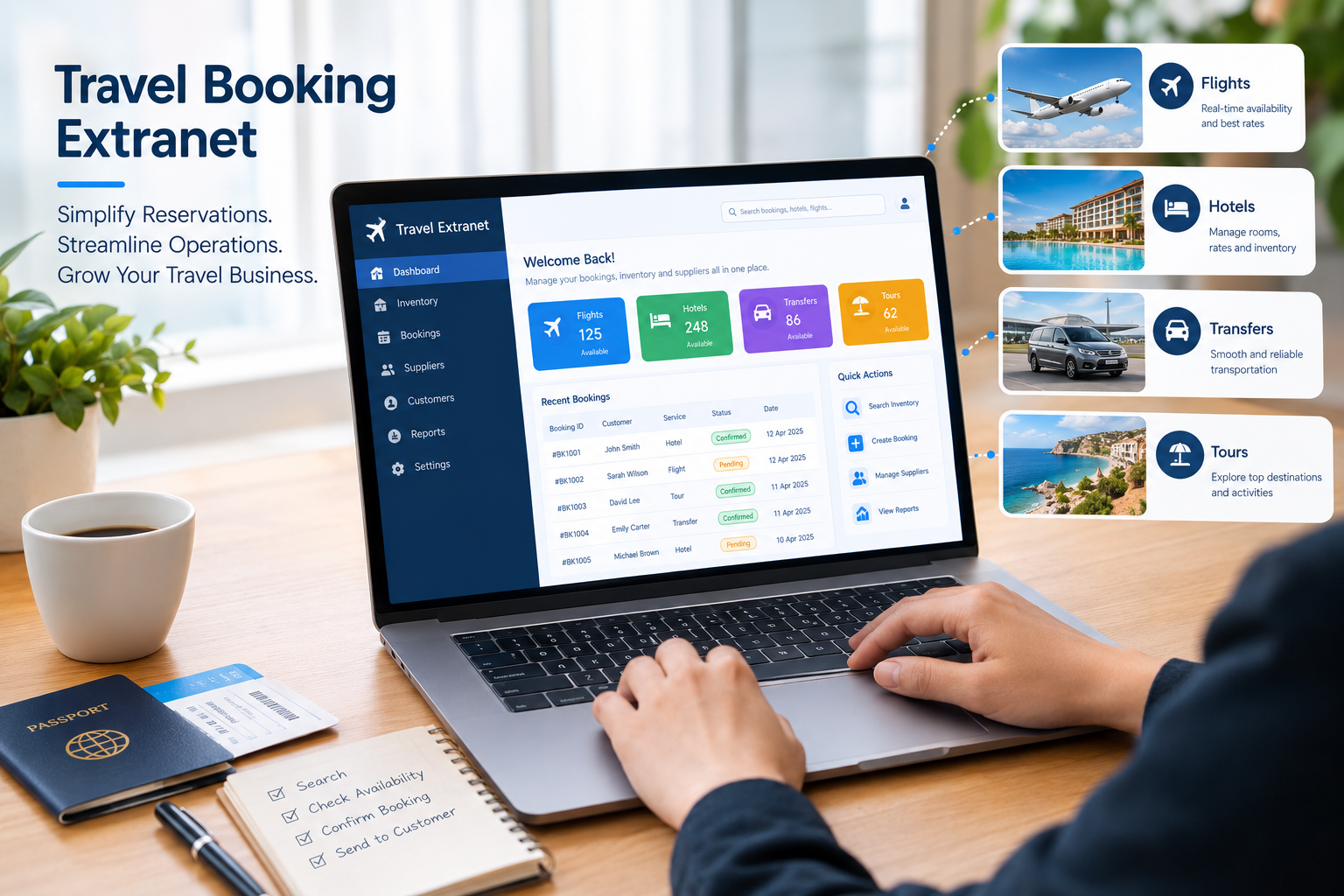
Running a travel agency involves much more than arranging flights and hotel reservations. Every booking requires coordination between customers, suppliers, employees, payments, travel documents, and service updates. When these activities are handled through separate spreadsheets, emails, and manual records, managing daily operations can become difficult.
Modern Travel Agency Software helps bring these activities into one organized working environment. It gives travel businesses a practical way to manage bookings, maintain customer records, prepare quotations, monitor payments, and coordinate internal tasks without constantly switching between different systems.
For growing agencies, the biggest benefit is better control over everyday operations. Instead of spending hours searching for information or updating records manually, employees can work through connected processes and focus more on customer requirements.
Why Travel Businesses Need Better Management Tools
A travel business can receive enquiries through its website, phone calls, emails, and messaging platforms. Each enquiry may involve different requirements, such as destinations, travel dates, hotel preferences, budgets, and passenger information.
Managing these details manually creates several challenges. Customer information may become scattered, employees might miss follow-ups, and booking updates may not reach everyone involved.
A centralized system helps solve these problems by keeping important business information accessible in one place.
For example, when a customer requests a holiday quotation, an employee can record the requirements, prepare an offer, update the enquiry status, and keep a history of communication. Other authorized team members can access the same information when needed.
This makes daily work more organized and reduces unnecessary administrative effort.
What Modern Management Software Should Handle
A travel business needs several connected functions to operate smoothly. The right solution should support the complete customer journey, from the first enquiry to booking completion.
Important capabilities include customer management, booking administration, quotation preparation, supplier coordination, payment tracking, and business reporting.
The objective is not to collect as many features as possible. It is to select tools that solve genuine operational problems and work together as part of a consistent process.
How Connected Systems Simplify Daily Operations
One of the biggest advantages of using a centralized platform is the ability to manage different activities without maintaining separate records for everything.
Businesses evaluating Travel Agency Software can consider how a connected system may support booking activities, customer information, operational workflows, and internal coordination.
For instance, when a booking moves from enquiry to confirmation, the relevant information should remain accessible to the employees responsible for handling it. This reduces repeated data entry and makes it easier to understand the current status of a customer request.
A connected working environment also helps management identify delays and determine which tasks require attention.
Managing Customer Relationships More Effectively
Customer relationships are an important part of a travel agency’s long-term success. Travelers may contact an agency several times before confirming a reservation, and their requirements can change during the planning process.
A dedicated CRM software solution helps maintain customer details, enquiry history, previous bookings, communication records, and follow-up activities.
Keeping Customer Information Organized
A travel agency CRM allows employees to maintain customer profiles rather than storing information across unrelated files.
An agent can review a customer’s previous requirements, preferred destinations, and booking history before responding to a new enquiry.
Improving Follow-Up Management
Not every customer confirms a booking immediately. Some need additional time to compare options or discuss arrangements with family members.
A CRM platform can help employees track pending enquiries and schedule follow-up activities. This ensures that potential customers do not disappear from the agency’s attention simply because an employee forgot to contact them.
Supporting Personalized Service
When customer preferences are recorded properly, agents can provide more relevant suggestions. This makes communication more useful and helps build stronger customer relationships over time.
Simplifying Booking and Reservation Management
Booking administration requires accuracy because even small mistakes can create problems for customers and employees.
A booking management system provides a structured way to record reservations, passenger details, travel dates, service information, and booking statuses.
An online booking system can also allow customers to submit their requirements or make reservations through a digital platform, depending on the business model.
For agencies handling different travel services, a well-organized booking process helps employees understand which reservations are pending, confirmed, modified, or completed.
Managing Different Booking Requirements
Travel businesses may handle flights, hotels, tours, transfers, and customized travel arrangements. Each service has its own information requirements.
Hotel booking software, for example, may manage room details, check-in dates, availability, and reservation information. A hotel booking engine can support the process of displaying available accommodation and accepting reservations.
Bringing relevant booking information into a coordinated environment makes it easier for employees to manage multiple services within one customer itinerary.
Improving Supplier and Partner Coordination
Travel agencies often depend on suppliers to arrange different parts of a journey. Managing these relationships requires accurate records and clear communication.
Supplier management software can help agencies organize supplier information, service details, agreements, contact records, and relevant booking references.
For example, when an employee needs to confirm accommodation, they should be able to access the relevant supplier details without searching through old emails.
A structured back office system can also help management review supplier-related activities and keep operational information consistent.
This becomes particularly useful when an agency works with several suppliers and handles multiple customer bookings simultaneously.
How Synch Travel Supports Organized Business Operations
As a travel agency grows, managing customer enquiries, reservations, employees, and administrative tasks through disconnected tools can become increasingly complicated.
Synch Travel can be explored by businesses looking for travel technology that supports connected operational workflows and helps organize different aspects of travel management.
When evaluating a platform, agencies should consider whether its features match their actual working requirements. The most useful solution is one that helps employees complete everyday tasks efficiently while giving management better visibility into business activities.
The focus should remain on practical functionality, ease of use, and the ability to support future business requirements.
Making Financial and Payment Activities Easier to Track
Financial administration is another important responsibility for travel businesses.
Agencies need to monitor customer payments, booking balances, supplier payments, refunds, and outstanding amounts. When these details are maintained manually, tracking financial activity can become time-consuming.
Payment gateway integration allows an online platform to connect with payment services so customers can make payments through supported methods.
A properly organized payment workflow can help employees identify payment statuses and associate transactions with relevant bookings.
Businesses should also evaluate transaction records, payment notifications, refund handling, and security arrangements before selecting a solution.
The goal is to make payment administration more transparent without creating additional work for the finance team.
Managing Employees and Internal Responsibilities
Business management software can help travel agencies organize internal responsibilities and monitor operational activities.
For example, management may assign different responsibilities to sales representatives, booking employees, finance staff, and customer support teams.
A travel dashboard can provide an overview of important business information, such as pending enquiries, booking activity, payment statuses, and assigned tasks.
This helps managers understand what is happening without requesting individual updates from every employee.
Back office software can further support routine administrative work, document handling, and internal coordination.
For small agencies, these capabilities can make it easier to manage daily operations with a limited team.
Using Automation to Reduce Repetitive Work
Some travel agency activities follow predictable patterns. Enquiry notifications, booking reminders, payment updates, and customer follow-ups are common examples.
Business automation software can help perform these repetitive actions according to predefined rules.
For example, when a customer submits an enquiry, the system may automatically notify the responsible employee. If a quotation remains pending, a reminder can be created for the assigned agent.
Automation can also support routine customer communication, although important messages and booking details should be reviewed where accuracy matters.
The purpose is to reduce unnecessary manual work, not remove human involvement from customer service.
Why Cloud-Based Access Matters
Cloud-based software allows authorized employees to access business information through supported internet-connected devices.
This can be useful for agencies where employees work from different locations or need to check booking details while communicating with customers.
A SaaS CRM or cloud-based travel management platform may also simplify system maintenance and provide access to updated features, depending on the provider’s service model.
Before choosing a solution, businesses should review user permissions, data protection, backup arrangements, system availability, and access controls.
These considerations are important because travel agencies handle customer information and commercially sensitive booking records.
Choosing the Right Solution for Your Agency
The best software depends on the size of the agency, its services, team structure, and operational challenges.
A small travel business may initially need customer management, booking records, and payment tracking. A larger operation may require supplier coordination, employee management, reporting, and more advanced automation.
Before making a decision, consider the following:
- Ease of use: Employees should be able to understand the system without unnecessary complexity.
- Essential features: Choose functions that support your actual business activities.
- Integration options: Check whether the platform can connect with the services you already use.
- Scalability: Consider whether it can support additional employees, bookings, and services as the business grows.
- Customer support: Understand what assistance is available when technical or operational problems occur.
- Pricing transparency: Review subscription charges, setup costs, transaction fees, and additional feature costs.
It is also helpful to request a product demonstration and ask the provider to explain how common tasks would be handled within the platform.
Conclusion
Managing a travel agency requires coordination across customers, bookings, suppliers, payments, and employees. When these activities are handled through disconnected processes, valuable time can be lost maintaining records and searching for information.
Modern management tools help bring important operations together, making everyday tasks easier to organize and monitor.
From customer relationship management and reservation handling to payment tracking and business automation, the right technology can improve operational visibility and support more consistent service.
The best approach is to identify your agency’s biggest management challenges first and choose a solution that addresses those needs. A well-selected system should make daily work simpler, support business growth, and allow employees to spend more time helping travelers.


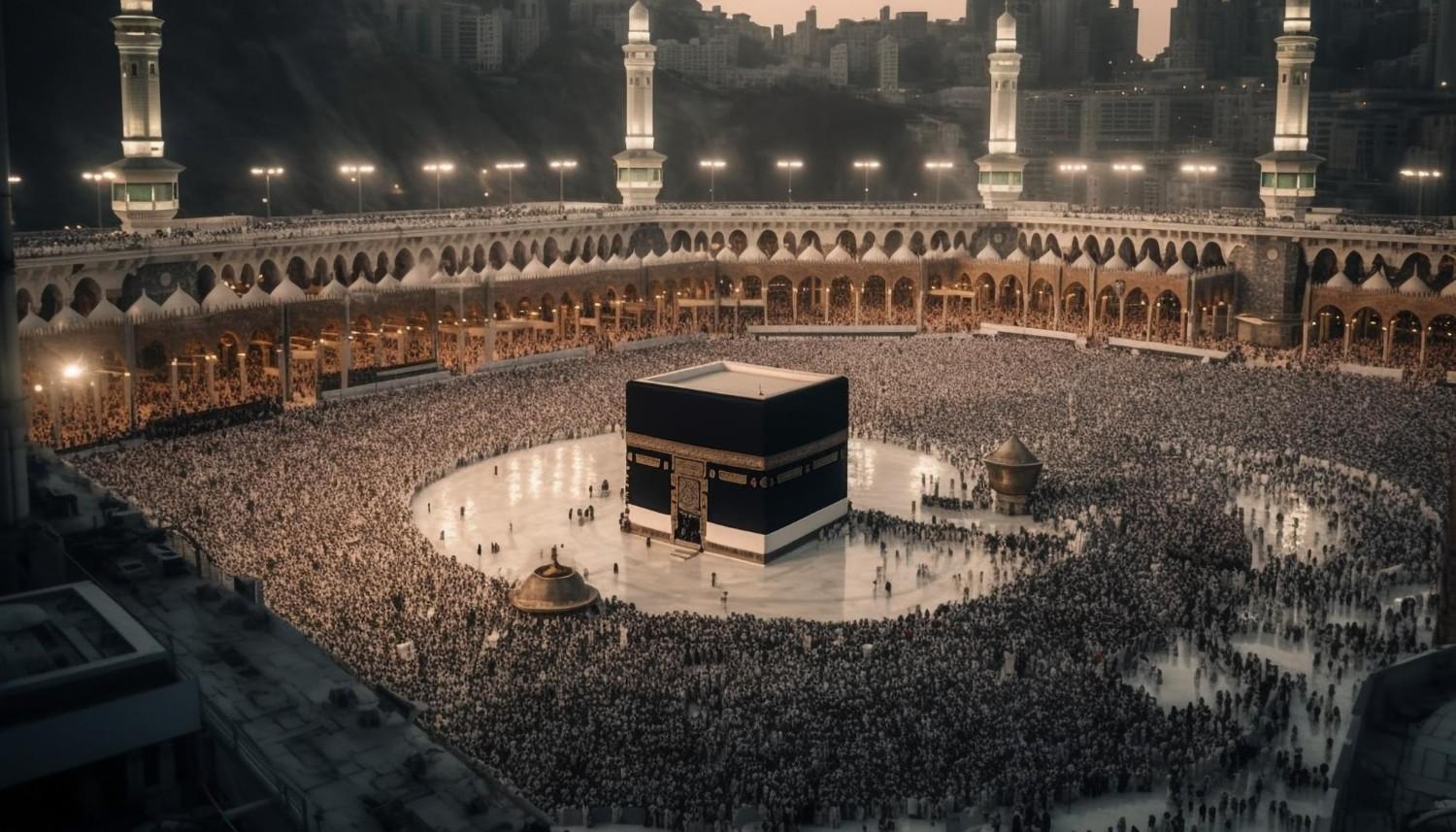
Preparing for Hajj is a meaningful responsibility that requires careful planning, patience, and the right understanding of the pilgrimage. For Muslims planning to perform Hajj in 2027, preparation should begin well before departure. From arranging travel documents and selecting a suitable package to learning the rituals and preparing physically, every step can help make the journey more organized.
Hajj is not an ordinary holiday. It is an important act of worship that brings Muslims from different parts of the world together for a shared spiritual purpose. Pilgrims need to understand what is required, how the journey is organized, and what arrangements should be completed before travelling to Saudi Arabia.
This guide explains the important preparations for the 2027 pilgrimage, helping prospective pilgrims approach their journey with greater confidence and peace of mind.
Understand the Importance of Early Hajj Preparation
Planning ahead gives pilgrims enough time to organize the practical and spiritual aspects of their journey. Waiting until the last moment can make it difficult to arrange documents, compare packages, attend preparation sessions, and manage personal responsibilities.
One of the first things to consider is the expected Hajj season. The Islamic calendar follows lunar months, so the Gregorian dates change each year. The pilgrimage takes place during Dhul Hijjah, with the main Hajj rituals performed on specific days of the month.
Pilgrims should keep their travel plans flexible until the relevant authorities confirm the official schedule.
Early preparation also provides an opportunity to understand the different stages of Hajj. Learning about Ihram, Tawaf, Sa’i, Mina, Arafat, Muzdalifah, and the remaining rituals before departure can make the experience easier to follow.
Learn the Main Hajj Rituals Before Travelling
Understanding the rituals is one of the most important parts of preparation. Pilgrims should learn what each stage involves rather than relying entirely on guides after arriving in Saudi Arabia.
The main stages include:
Entering Ihram: Pilgrims enter a sacred state of worship with the intention of performing Hajj. Ihram also involves following specific restrictions and guidelines.
Tawaf: Pilgrims perform seven circuits around the Holy Kaaba at Masjid al-Haram in Makkah.
Sa’i: This involves walking seven times between Safa and Marwah, remembering the experience of Hajar (AS).
Mina: Pilgrims travel to Mina as part of the Hajj schedule and spend time in worship and remembrance.
Day of Arafat: Standing at Arafat is a central part of Hajj. Pilgrims spend this important day making supplications, seeking forgiveness, and remembering Allah.
Muzdalifah: After leaving Arafat, pilgrims travel to Muzdalifah, where they spend time in prayer and rest according to the prescribed arrangements.
Ramy al-Jamarat: Pilgrims perform the symbolic stoning of the Jamarat according to the Hajj schedule.
Learning the correct order and requirements of these rituals beforehand can help pilgrims avoid unnecessary confusion during the journey. It is also useful to attend a Hajj training session led by a knowledgeable religious guide.
Arrange Your Travel Documents and Registration
Travel documentation should be one of the earliest practical priorities. Pilgrims must understand the registration and travel requirements that apply to their country of residence.
A valid passport is essential, and its expiry date should be checked well in advance. Depending on the applicable rules, additional documentation, medical information, photographs, or other requirements may also be necessary.
Registration procedures and Hajj arrangements can change from one season to another. Pilgrims should follow the official instructions applicable to their country and confirm that their booking follows the authorized process.
For those comparing available travel arrangements, Hajj 2027 provides a relevant starting point for exploring pilgrimage package information and planning the journey.
Before completing any payment, carefully review the booking details, included services, accommodation arrangements, transport provisions, and cancellation conditions. Keep copies of important documents and booking confirmations in both printed and digital formats.
Choose Accommodation and Travel Arrangements Carefully
Accommodation and transportation can significantly affect the overall pilgrimage experience. Hajj involves movement between several important locations, so pilgrims should understand where they will stay and how they will travel throughout the journey.
When comparing accommodation arrangements, consider the following:
- Distance from Masjid al-Haram in Makkah.
- Accommodation arrangements in Madinah, if included.
- Facilities available at the hotels.
- Transportation between Makkah, Mina, Arafat, and Muzdalifah.
- Meal arrangements and their suitability for your needs.
- Availability of assistance during the pilgrimage.
A hotel located closer to the Haram may offer convenience, but the overall package should be evaluated rather than choosing accommodation based on location alone.
Pilgrims should also understand that accommodation arrangements during the main Hajj days may differ from their hotel stay in Makkah or Madinah.
Clear information before departure can help prevent misunderstandings once the journey begins.
Select a Package That Matches Your Requirements
Every pilgrim has different expectations, travel preferences, and financial circumstances. Some prefer shorter arrangements, while others want additional time in Makkah and Madinah.
Choosing an appropriate Hajj package requires more than comparing the advertised price. It is important to understand exactly what the package includes and whether it meets your personal requirements.
Consider the following factors when reviewing available options:
Accommodation quality: Check the type of hotel, room arrangements, and location.
Travel duration: Understand the departure and return dates and the total length of the journey.
Transportation: Confirm which transfers are included and how travel between the Hajj locations is arranged.
Meals: Check whether meals are provided and what arrangements are available during the main pilgrimage days.
Group assistance: Find out whether experienced representatives or religious guides will accompany the group.
Additional costs: Ask about expenses that are not covered by the package price.
Al Hijaz Tours is the best explored by pilgrims looking for information about Hajj and Umrah travel arrangements.
Before making a decision, ask questions about anything that is unclear. A well-understood package can make planning considerably easier and help pilgrims know what to expect.
Prepare Your Health and Physical Fitness
Hajj requires considerable physical effort. Pilgrims may need to walk long distances, spend time outdoors, stand for extended periods, and move between crowded locations.
Starting basic physical preparation several weeks or months before departure can be helpful.
Walking regularly is a practical way to improve stamina. Begin with comfortable distances and gradually increase the duration according to your ability.
Pilgrims should also consider their general health before travelling. Anyone managing an existing medical condition should discuss travel arrangements with a qualified healthcare professional.
Keep essential medication in its original packaging and carry relevant medical information. It is also sensible to understand the healthcare facilities and assistance arrangements available during the trip.
During Hajj, staying hydrated, wearing comfortable footwear when permitted, resting when possible, and avoiding unnecessary physical exertion can help pilgrims manage the demands of the journey.
Prepare a Practical Hajj Packing Checklist
Packing carefully can prevent many avoidable problems during travel. Instead of carrying unnecessary belongings, focus on items that support your comfort, worship, and daily requirements.
A useful packing checklist includes:
Religious essentials
- A suitable Ihram set.
- A small Quran.
- A dua book or written collection of supplications.
- A prayer mat.
- A comfortable bag for daily essentials.
Personal items
- Comfortable footwear.
- Appropriate clothing.
- Unscented personal care products for use during Ihram.
- Basic toiletries.
- A reusable water bottle.
- Necessary medication.
Travel documents
- Passport and required travel documents.
- Booking confirmations.
- Identification and emergency contact information.
- Copies of important medical details.
Avoid overpacking because carrying heavy luggage can become inconvenient during a journey that already involves considerable movement.
It is also useful to keep essential documents, medication, and valuables in a small personal bag that remains accessible.
Understand the Importance of Spiritual Preparation
Physical and travel arrangements are important, but spiritual preparation deserves equal attention.
Hajj is an opportunity for worship, repentance, patience, and strengthening one’s relationship with Allah. Pilgrims should use the preparation period to develop a better understanding of the purpose and meaning of the pilgrimage.
Spend time learning the duas associated with different stages of Hajj. Improve your knowledge of Islamic teachings related to Ihram and the pilgrimage rituals.
It can also be helpful to develop habits of regular prayer, Quran recitation, remembrance of Allah, and sincere repentance before departure.
Pilgrims should prepare themselves mentally for situations that require patience. Crowded accommodation, waiting periods, transportation delays, and changes in schedules can sometimes be challenging.
Maintaining good manners, showing consideration for fellow pilgrims, and avoiding unnecessary arguments are important throughout the journey.
Prepare for Crowds, Weather, and Daily Challenges
Hajj brings together a very large number of pilgrims, which means that everyday activities may require more time and patience than usual.
Movement between locations can involve waiting, following group instructions, and adjusting to organized transportation schedules.
Pilgrims should remain close to their group where required and keep important contact details readily available.
Weather conditions should also be considered. Depending on the season and local conditions, heat and direct sunlight may affect physical comfort. Lightweight clothing, suitable footwear, and proper hydration can make daily activities more manageable.
Older pilgrims and those travelling with family members should discuss any additional assistance they may need before departure.
Following the guidance of group representatives and respecting local instructions can help everyone move through the pilgrimage more safely and comfortably.
Final Preparations Before Your Departure
As the departure date approaches, review all arrangements rather than assuming everything is complete.
Confirm your flight details, accommodation, transfers, registration status, and meeting arrangements. Check the latest travel instructions and make sure you understand the luggage allowance.
Attend any available pre-departure briefing to learn about the itinerary, group communication, emergency procedures, and the practical arrangements for the main Hajj days.
Share your travel information and emergency contact details with trusted family members.
It is also wise to complete personal responsibilities at home and work before leaving. This allows you to focus more fully on worship without unnecessary concerns during your pilgrimage.
Most importantly, remain prepared for official instructions or schedule changes. Hajj arrangements can be updated, so relying on confirmed information is always better than making assumptions.
Conclusion
Preparing for the pilgrimage involves much more than booking flights and accommodation. It requires understanding the rituals, organizing travel documents, choosing suitable arrangements, improving physical fitness, and developing spiritual readiness.
Starting early gives pilgrims more time to make informed decisions and address practical concerns before departure. Careful preparation can also help families and older travelers manage the journey with greater confidence.
For those planning the upcoming pilgrimage, the most important approach is to combine reliable travel arrangements with proper religious knowledge, patience, and sincere intention. With thoughtful preparation, pilgrims can focus on the true purpose of Hajj: worshipping Allah and completing this important act of faith.


Lahore has never done anything quietly. Its food is loud, its weddings are legendary, and its hospitality comes with a warmth that visitors remember long after they leave. So when you plan a stay in a luxury hotel in Lahore, the hotel you choose shapes the whole trip.
Choosing a Luxury Hotel in Lahore is not just about marble lobbies and thread counts. It is about how you are greeted after a long flight, how quickly your room is ready, and whether the staff remember your tea preference by day two. This guide walks you through what real royal treatment looks like, what to check before you book, and why Hotel One Garden Town deserves a place on your shortlist.
What “Royal Treatment” Really Means in Lahore
Lahore’s Mughal heritage sets a high bar. The city was built around courtly manners, generous tables, and the idea that a guest is a blessing. A premium stay should echo that spirit in modern form.
Royal treatment usually comes down to four things:
- Personal attention: staff who anticipate needs rather than wait for requests
- Comfort: quiet rooms, quality bedding, reliable air conditioning and power backup
- Food: a kitchen that respects both desi classics and international favourites
- Location: easy access to the places you actually want to visit
If a property delivers on all four, you are in good hands. If it only impresses in photos, keep looking.
Why Location Matters More Than You Think
Lahore traffic is a character of its own. A hotel that looks perfect online can leave you stuck on a canal road for an hour before every meeting.
Garden Town is a smart base because it sits in a well-connected, residential-commercial pocket of the city. From here, you can reach Gulberg’s business district, the Mall Road corridor, and the airport without extreme detours. For families visiting relatives, corporate travellers, and wedding guests, this balance of calm streets and quick access is a real advantage.
Tips for Judging a Hotel’s Location
- Check the distance to your main destination on a map, then add 30 minutes for peak hours.
- Ask whether airport transfers are offered.
- Look at nearby restaurants and pharmacies, since you will need them more than you expect.
Choosing a Luxury Hotel in Lahore: A Practical Checklist
Before you pay a deposit, run through this short list. It takes five minutes and can save you a disappointing stay.
Read Recent Reviews, Not Old Ones
A glowing review from 2019 means little if management or standards have changed. Sort reviews by newest and look for patterns. One complaint about slow Wi-Fi is noise. Ten complaints is a warning.
Confirm the Essentials in Writing
Ask for confirmation by email or WhatsApp on room type, breakfast inclusion, check-in time, and cancellation terms. A professional property will answer clearly and quickly. Slow replies before booking often predict slow service after arrival.
Check Power and Connectivity
Load shedding and internet drops still happen in parts of Pakistan. A reliable hotel runs backup generators and strong Wi-Fi. If you work remotely or attend online meetings, ask about this directly.
Hotel One Garden Town: What Guests Can Expect
Hotel One has built its name in Pakistan on consistent, comfortable, business-friendly stays, and the Garden Town property carries that reputation into a convenient Lahore location. Rather than relying on flashy gimmicks, it focuses on the things travellers actually notice: clean rooms, courteous staff, dependable service, and a calm atmosphere.
Here is what typically matters most to guests staying at a property like this:
- Comfortable rooms with proper work desks, good lighting, and quality bedding
- In-house dining with a mix of Pakistani and continental dishes
- Responsive front desk that handles late arrivals, transport, and special requests
- Meeting and event support for small corporate gatherings and family functions
Tip: room features, facilities, and rates change, so confirm current details directly with the hotel before booking.
A Five-Star Experience Without the Guesswork
Many travellers assume a five-star-style stay means paying for features they will never use. The smarter approach is to match the hotel to your purpose.
For Business Travellers
You want fast check-in, a quiet workspace, and a hotel close to your meetings. A dependable breakfast and early check-out support also help. Ask about corporate rates, which many hotels offer for repeat or multi-night bookings.
For Families
Look for spacious rooms, family-friendly dining, and staff who are patient with children. Ask whether connecting or adjoining rooms are available. This makes a surprising difference on longer trips.
For Wedding Guests
Lahore wedding season is intense. Book early, since the best rooms near venues disappear months ahead. Also confirm whether the hotel can arrange transport, because parking near wedding halls is a challenge.
Dining: Where Lahore Wins
Food is half the reason people visit Lahore, and a good hotel should treat it that way. Start your day with halwa puri, paratha, or a proper desi breakfast if offered. Then explore the city’s famous food streets and return to your hotel for a quiet, comfortable dinner.
A few insider habits for eating well:
- Visit popular food streets earlier in the evening to avoid the worst crowds.
- Ask hotel staff for restaurant suggestions. They usually know which places are genuinely good this month, not just famous.
- Try one local favourite each day instead of cramming everything into a single weekend.
Experiences Worth Booking Around Your Stay
A comfortable hotel is the foundation. The city does the rest. Plan these around your base:
- Badshahi Mosque and Lahore Fort: go early morning for softer light and fewer crowds
- Walled City walks: hire a local guide for context and safety
- Shalimar Gardens: best in the cooler months between October and March
- Anarkali and Liberty Market: shopping for clothes, jewellery, and gifts
Ask your hotel to arrange a trusted driver for the day. It removes parking stress and negotiation headaches, especially in the old city.
Best Time to Book Your Stay
Lahore has distinct seasons, and your hotel experience changes with them.
- October to March: pleasant weather, peak tourism and wedding season. Book early.
- April to June: hot days. Look for good rates and make sure air conditioning is reliable.
- July to September: monsoon season. Flexible cancellation terms are worth having.
Midweek stays are often calmer and sometimes cheaper than weekend bookings.
Key Insights and Tips for a Smooth Stay
- Book direct when possible. Direct bookings often give you better communication and flexibility.
- Share your arrival time. Early check-in is easier to arrange when the hotel knows in advance.
- Carry your CNIC or passport. Hotels require identification at check-in.
- Keep some cash. Small tips and local transport sometimes need it.
- Ask about airport pickup. Fixed transport avoids negotiation after a tiring flight.
- Request a quiet room. If you are a light sleeper, ask for a room away from lifts and busy roads.
- Compare value, not just price. Breakfast, transport, and location can outweigh a small rate difference.
The right stay turns Lahore from a destination into a memory. A luxury hotel in Lahore should offer more than a nice lobby: it should give you comfort, reliability, great food, and the kind of genuine hospitality this city is famous for. Hotel One Garden Town stands out as a practical, well-located choice for business travellers, families, and wedding guests who want dependable service in a convenient part of town.
Plan ahead, ask the right questions, confirm the details, and then settle in and enjoy the city. Lahore has a way of welcoming people like royalty. The right hotel simply helps it happen.
FAQs
- Which area is best to stay in for visiting Lahore?
Areas like Garden Town and Gulberg offer good connectivity to business districts, shopping, and major roads while staying relatively calm. For sightseeing in the old city, plan a day trip rather than staying inside the crowded Walled City.
- How early should I book a hotel in Lahore?
For winter months and wedding season, book at least four to six weeks ahead. For quieter months, two weeks is usually enough, though earlier booking gives you more room choices.
- Does Hotel One Garden Town offer services for business travellers?
Hotel One properties are generally known for business-friendly service. Contact the hotel directly to confirm current facilities such as workspaces, meeting support, and corporate rates.
- Is Lahore safe for tourists and families?
Lahore is a busy, welcoming city, and most visitors have a smooth experience. Use trusted transport, keep valuables secure, and ask your hotel for local guidance on timing and areas to visit.
- What documents do I need at hotel check-in in Pakistan?
Pakistani guests need a valid CNIC. Foreign visitors need a passport and visa details. Keep copies on your phone as a backup.


India, a country rich in culture, heritage, and natural beauty, offers something for every kind of traveler. Whether you’re a solo backpacker, a college student, or a family on a tight budget, there’s no shortage of incredible and affordable travel experiences across the country. From the serene beaches of Goa to the majestic mountains of Himachal, India proves that you don’t need to break the bank to enjoy a memorable vacation.
In this blog, we’ve curated a list of 15 budget-friendly travel destinations in India where you can have unforgettable experiences without spending a fortune. Read on for travel tips, places to visit, approximate budgets, and more.
1. Rishikesh, Uttarakhand – The Yoga Capital on a Budget
Why Go?
Rishikesh is a perfect mix of spirituality, adventure, and tranquility. Set on the banks of the Ganga, it offers yoga retreats, river rafting, serene temples, and vibrant cafes.
Budget Highlights:
-
Budget Stays: ₹300–₹700/night in hostels or guesthouses
-
Food: ₹100–₹200/meal at local dhabas
-
Activities: River rafting, yoga classes, Ganga Aarti – mostly free or low-cost
Top Attractions:
-
Laxman Jhula & Ram Jhula
-
Ganga Aarti at Triveni Ghat
-
Beatles Ashram
-
White Water Rafting
2. McLeod Ganj, Himachal Pradesh – The Little Lhasa
Why Go?
Famous for Tibetan culture, monasteries, and peaceful mountain vibes, McLeod Ganj is perfect for budget-conscious travelers who love mountains and meditation.
Budget Highlights:
-
Budget Hotels: ₹500–₹800/night
-
Food: Tibetan momos and thukpa for as low as ₹50
-
Trekking: Triund trek is a popular budget-friendly adventure
Top Attractions:
-
Namgyal Monastery
-
Triund Trek
-
Tibetan Museum
-
Bhagsunag Waterfall
3. Varanasi, Uttar Pradesh – A Spiritual Sojourn
Why Go?
Varanasi, the oldest living city in the world, is a vibrant spiritual hub with ghats, temples, and traditional Indian culture.
Budget Highlights:
-
Stay: Budget guesthouses for ₹400–₹600/night
-
Street Food: Kachori, jalebi, lassi – all under ₹50
-
Boat Rides: Approx ₹100 for a sunrise boat ride
Top Attractions:
-
Ganga Ghats
-
Kashi Vishwanath Temple
-
Sarnath
-
Evening Ganga Aarti at Dashashwamedh Ghat
4. Pushkar, Rajasthan – The Town of Camels and Temples
Why Go?
With its serene lake, camel fairs, and the only Brahma temple in the world, Pushkar is a favorite among budget travelers and backpackers.
Budget Highlights:
-
Dorms/Hostels: ₹300–₹600/night
-
Camel Safari: ₹400–₹800 depending on the season
-
Thali Meals: ₹100–₹150 at local restaurants
Top Attractions:
-
Pushkar Lake
-
Brahma Temple
-
Pushkar Camel Fair (Nov)
-
Desert Safari
5. Hampi, Karnataka – Ruins with a View
Why Go?
A UNESCO World Heritage Site, Hampi is known for its surreal landscape of boulders and temples that can be explored on a shoestring budget.
Budget Highlights:
-
Guesthouses: ₹400–₹700/night
-
Bike Rentals: ₹150–₹250/day
-
Food: Local South Indian meals under ₹100
Top Attractions:
-
Virupaksha Temple
-
Hampi Bazaar
-
Vittala Temple
-
Sanapur Lake
6. Kasol, Himachal Pradesh – The Hippie Haven
Why Go?
Situated in Parvati Valley, Kasol is a paradise for budget travelers and nature lovers looking to unwind in the hills.
Budget Highlights:
-
Homestays/Hostels: ₹300–₹700/night
-
Israeli Food Cafes: ₹150–₹300 per meal
-
Short Treks: Kheerganga, Tosh – low-cost and scenic
Top Attractions:
-
Parvati River
-
Chalal & Tosh Villages
-
Kheerganga Trek
-
Local Cafes and Bakeries
7. Gokarna, Karnataka – The Affordable Goa Alternative
Why Go?
If you’re craving a peaceful beach holiday without Goa’s crowd and cost, Gokarna is your destination.
Budget Highlights:
-
Beach Shacks: ₹500–₹800/night
-
Seafood & Local Meals: ₹100–₹200
-
Free Activities: Beach treks, yoga by the sea
Top Attractions:
-
Om Beach
-
Kudle Beach
-
Mahabaleshwar Temple
-
Paradise Beach
8. Darjeeling, West Bengal – The Queen of Hills
Why Go?
Famous for tea plantations and the toy train, Darjeeling offers picturesque views of the Himalayas on a modest budget.
Budget Highlights:
-
Homestays: ₹500–₹1000/night
-
Local Street Food: ₹50–₹100
-
Shared Jeeps: ₹200–₹300 to explore nearby spots
Top Attractions:
-
Tiger Hill Sunrise
-
Batasia Loop
-
Darjeeling Himalayan Railway
-
Peace Pagoda
9. Pondicherry – French Vibes on an Indian Budget
Why Go?
A coastal town with French architecture, clean beaches, and yoga retreats, Pondicherry offers a laid-back vibe perfect for budget travelers.
Budget Highlights:
-
Budget Hotels: ₹500–₹800/night
-
Café Meals: ₹150–₹250
-
Free Attractions: Beaches, churches, Auroville
Top Attractions:
-
Promenade Beach
-
Aurobindo Ashram
-
Auroville
-
French Quarter Walks
10. Amritsar, Punjab – Culture, Food, and History
Why Go?
Home to the Golden Temple and delicious Punjabi food, Amritsar is a cultural delight that doesn’t strain your wallet.
Budget Highlights:
-
Hotels: ₹400–₹800/night
-
Free Meals at Langar in Golden Temple
-
Local Transport: Shared autos ₹10–₹30
Top Attractions:
-
Golden Temple
-
Wagah Border Ceremony
-
Jallianwala Bagh
-
Local Markets
11. Shillong, Meghalaya – Scotland of the East
Why Go?
With pleasant weather, waterfalls, and music, Shillong is a northeastern gem you can explore affordably.
Budget Highlights:
-
Hostels: ₹500–₹900/night
-
Local Food: ₹100–₹150
-
Shared Sumo/Jeeps for sightseeing: ₹150–₹300
Top Attractions:
-
Umiam Lake
-
Elephant Falls
-
Shillong Peak
-
Don Bosco Museum
12. Udaipur, Rajasthan – The City of Lakes
Why Go?
Royal yet affordable, Udaipur’s lakes, palaces, and heritage hotels offer a luxurious vibe on a tight budget.
Budget Highlights:
-
Dorms: ₹300–₹600/night
-
Rooftop Restaurants: ₹150–₹300 per meal
-
Boat Rides: ₹200–₹300
Top Attractions:
-
City Palace
-
Lake Pichola
-
Jagdish Temple
-
Saheliyon ki Bari
13. Kodaikanal, Tamil Nadu – The Princess of Hill Stations
Why Go?
Affordable and less commercial than Ooty, Kodaikanal is ideal for nature walks, lakeside views, and cool weather.
Budget Highlights:
-
Budget Rooms: ₹500–₹900/night
-
Homemade Chocolates & Local Meals: ₹100
-
Boating: ₹50–₹100 per person
Top Attractions:
-
Kodai Lake
-
Coaker’s Walk
-
Bryant Park
-
Pillar Rocks
14. Alleppey, Kerala – Backwaters on a Budget
Why Go?
Want to explore Kerala’s serene backwaters without splurging on luxury houseboats? Alleppey has budget options too.
Budget Highlights:
-
Homestays: ₹500–₹900/night
-
Canoe Rides: ₹200–₹500
-
Local Meals: ₹50–₹150
Top Attractions:
-
Backwater Cruises
-
Alappuzha Beach
-
Marari Beach
-
Ambalapuzha Temple
15. Tawang, Arunachal Pradesh – Hidden Gem of the Northeast
Why Go?
With fewer crowds and surreal Himalayan landscapes, Tawang is a hidden treasure that’s light on the pocket.
Budget Highlights:
-
Local Guesthouses: ₹400–₹800/night
-
Thukpa, Momos: ₹50–₹100
-
Shared Transport: ₹300–₹500
Top Attractions:
-
Tawang Monastery
-
Sela Pass
-
Bum La Pass
-
Tawang War Memorial
Tips for Traveling India on a Budget
-
Travel Off-Season: Prices drop during non-peak months.
-
Use Public Transport: Trains, buses, and shared autos save a lot.
-
Eat Local: Street food and local eateries are cheap and tasty.
-
Stay in Hostels or Homestays: Great for meeting people and saving money.
-
Book in Advance: Especially for trains and accommodations.
Conclusion
India is one of the most budget-friendly countries in the world, offering a vast variety of landscapes, cultures, and experiences without costing a fortune. From spiritual cities and royal towns to serene beaches and rugged mountains, these 15 budget-friendly travel destinations in India promise unforgettable adventures for travelers who want to explore more while spending less.
So pack your bags, grab your backpack, and get ready to embark on your dream Indian adventure—without emptying your wallet!

Hajj 2027: A Complete Guide to Preparing for Your Pilgrimage

Custom Cosmetic Boxes Trends: Modern Unboxing for Beauty Brands

Parchment Paper Cookie Bags | Greaseproof, Bulk USA

Travel Agency Software: How Modern Tools Improve Business Management

Where to Buy an Authentic Chanel Timeless Bag UAE: A Complete Shopping Guide

Rani No Hajiro in Ahmedabad: A Complete Guide to History, Shopping & Hidden Secrets

Digital Marketing for Beginners: Step-by-Step Guide to Start and Succeed in 2026

How to Get Promoted Faster at Work: Smart Career Growth Tips

Dublin City University: Everything You Need to Know Before Applying in 2026








