
Business
Transformer Factory in Guwahati for Grid Power Solutions


Electricity is the foundation of modern infrastructure. From residential buildings and commercial establishments to manufacturing facilities and large industrial projects, every sector depends on a reliable power supply. However, delivering electricity safely and efficiently requires more than power generation and transmission lines. Transformers play a critical role in regulating voltage levels and ensuring that electrical energy reaches consumers in a usable form.
As Guwahati continues to develop as an important commercial and industrial centre in Northeast India, the demand for dependable electrical infrastructure is increasing. Power distribution networks, industrial facilities, infrastructure projects, and commercial developments all require transformers that can support their specific electrical requirements. This makes choosing the right transformer factory in Guwahati an important consideration for businesses, contractors, and infrastructure developers.
Understanding transformer types, manufacturing quality, installation requirements, and maintenance practices can help organisations make informed decisions when planning grid power solutions.
Why Are Transformers Important for Grid Power Solutions?
A transformer is an electrical device that transfers energy between circuits through electromagnetic induction. Its primary function is to increase or decrease alternating current (AC) voltage levels while maintaining the electrical power transfer required by the system, subject to normal losses.
Transformers are essential because electricity is generally transmitted at higher voltages over long distances to reduce transmission losses. Before reaching homes, offices, and industrial facilities, the voltage must be reduced to suitable distribution levels.
Transformers support several important functions:
- Voltage regulation: Help maintain appropriate voltage levels across electrical networks.
- Power distribution: Transfer electricity from transmission systems to distribution networks.
- Energy efficiency: Reduce electrical losses when appropriately designed and operated.
- Industrial operations: Supply suitable voltage levels for machinery and production equipment.
- Grid reliability: Support stable electricity distribution across different areas.
Without properly designed transformers, modern electricity distribution systems would face significant operational challenges.
What Makes a Transformer Factory in Guwahati Important?
A local transformer manufacturing and supply ecosystem can support the growing electrical infrastructure requirements of Guwahati and surrounding regions.
Working with a suitable manufacturer can help project developers understand equipment specifications, manufacturing standards, delivery requirements, and technical support expectations.
Supporting Regional Infrastructure Development
Guwahati serves as an important gateway to Northeast India. Its expanding residential areas, commercial developments, healthcare facilities, educational institutions, and industrial activities create demand for reliable electrical equipment.
Transformers are required for several applications, including:
- Electricity distribution networks.
- Industrial manufacturing units.
- Commercial complexes and office buildings.
- Hospitals and educational institutions.
- Infrastructure and construction projects.
- Renewable energy installations.
- Utility and power distribution systems.
A transformer factory in Guwahati can be relevant to projects that require equipment suited to local operating conditions and regional infrastructure requirements.
Better Understanding of Project Requirements
Every electrical installation has different requirements. Transformer selection depends on factors such as connected load, voltage levels, expected demand, installation environment, and future expansion plans.
Manufacturers and technical suppliers can help customers identify suitable equipment specifications before procurement.
This is particularly important for large projects where incorrect transformer selection may result in operational inefficiencies, overheating, unnecessary losses, or insufficient power capacity.
Different Types of Transformers Used in Power Distribution
Choosing the correct transformer depends on the purpose of the electrical system. Several transformer categories are commonly used across utility networks, commercial properties, and industrial facilities.
1. Power Transformers
Power transformers are generally used in high-voltage transmission networks and large electrical substations.
Their primary purpose is to transfer electrical energy between different voltage levels. They are designed for applications involving substantial power loads and continuous operation.
Common applications include:
- Transmission substations.
- Large industrial power systems.
- Electricity generation facilities.
- High-voltage grid infrastructure.
2. Distribution Transformers
Distribution transformers reduce voltage from distribution network levels to the levels required by end users.
They are commonly installed near residential communities, commercial buildings, and industrial areas.
Important considerations when selecting a distribution transformer include:
- Required kVA rating.
- Primary and secondary voltage.
- Energy efficiency.
- Cooling arrangement.
- Installation location.
- Expected electrical load.
Proper capacity selection helps ensure reliable operation without unnecessarily increasing equipment costs.
3. Dry-Type Transformers
Dry-type transformers use air or other suitable insulation systems instead of liquid insulating oil for cooling and insulation.
They are frequently considered for indoor installations where fire safety, ventilation, available space, and building requirements influence equipment selection.
Typical applications include commercial buildings, hospitals, offices, and selected industrial facilities.
4. Oil-Immersed Transformers
Oil-immersed transformers use insulating oil for electrical insulation and heat dissipation.
They are widely used in outdoor substations, utility distribution networks, and industrial installations.
Their maintenance generally includes checking oil condition, inspecting seals and bushings, monitoring temperature, and examining protective equipment.
The choice between dry-type and oil-immersed designs should depend on the installation environment and technical requirements.
Key Factors to Consider When Selecting a Transformer Manufacturer
Selecting a transformer is a long-term infrastructure decision. Equipment quality, technical suitability, safety, and after-sales support can all influence the performance of an electrical installation.
Before choosing a transformer manufacturer, consider the following factors.
1. Manufacturing Quality and Standards
A reliable manufacturer should follow applicable electrical equipment standards and established manufacturing practices.
Customers should check whether the transformer is designed and tested according to relevant BIS/IS or other applicable standards.
Important quality considerations include:
- Core material and construction.
- Winding quality.
- Insulation materials.
- Cooling system design.
- Tank fabrication and protection.
- Electrical and mechanical testing.
Quality checks help identify potential manufacturing defects before equipment is installed.
2. Transformer Capacity and Technical Specifications
Transformer capacity is generally expressed in kilovolt-amperes (kVA) or megavolt-amperes (MVA).
The required capacity should be determined through a proper load assessment rather than choosing equipment based only on the initial connected load.
Engineers generally consider:
- Present electrical demand.
- Maximum expected demand.
- Load characteristics.
- Starting current of motors.
- Future expansion.
- Permissible voltage variation.
- Applicable utility requirements.
A properly selected transformer can support operational requirements while avoiding unnecessary oversizing.
3. Energy Efficiency and Electrical Losses
Transformers experience two major categories of losses: no-load losses and load losses.
No-load losses occur whenever the transformer is energised, while load losses vary with the electrical current flowing through its windings.
Selecting an energy-efficient transformer can help reduce electricity losses throughout its operating life.
When comparing manufacturers, customers should review guaranteed loss values, efficiency requirements, and applicable energy performance standards.
4. Safety and Protection Features
Electrical safety is essential for every transformer installation.
Depending on the transformer design and application, protection arrangements may include:
- Overcurrent protection.
- Earth fault protection.
- Temperature monitoring.
- Pressure relief devices.
- Oil level indicators.
- Buchholz relays for suitable oil-filled transformer designs.
- Proper earthing arrangements.
Protection requirements should be determined by qualified electrical engineers according to the installation design.
5. Technical Support and After-Sales Service
Transformer performance depends on both manufacturing quality and proper operation.
Before finalising a manufacturer, ask about technical documentation, installation guidance, warranty conditions, spare parts availability, and maintenance support.
A manufacturer that provides clear technical communication can make procurement and long-term equipment management easier.
How Transformers Support Reliable Electricity Distribution
Transformers are essential at different stages of the electrical distribution process.
The process generally involves three major stages:
Step 1: Power Generation
Electricity is generated at power plants using different energy sources, including hydroelectricity, thermal energy, solar power, and other renewable sources.
Step 2: High-Voltage Transmission
Step-up transformers increase the voltage before electricity enters transmission networks. Higher transmission voltages help reduce current and associated resistive losses for a given power transfer.
Step 3: Local Distribution
Substations use transformers to reduce voltage to suitable levels for local distribution networks. Distribution transformers then provide the voltage required by residential, commercial, and industrial consumers.
This coordinated system makes it possible to transport electricity over long distances and deliver it safely to different types of users.
Challenges of Transformer Installation in Guwahati
Transformer installations in Guwahati and other parts of Northeast India may need to account for specific environmental and infrastructure conditions.
Humidity and Heavy Rainfall
High humidity and seasonal rainfall can affect electrical equipment if suitable protective measures are not implemented.
Transformer installations should have appropriate weather protection, drainage, insulation arrangements, and regular inspections.
Temperature and Cooling Requirements
Operating temperature directly influences transformer insulation life and performance.
Adequate ventilation, suitable cooling arrangements, and temperature monitoring help prevent excessive heating.
Site Accessibility and Installation Planning
Transformer installation requires sufficient space, suitable foundations, safe clearances, and appropriate access for transportation and maintenance.
For outdoor installations, engineers should also evaluate drainage, flood exposure, and environmental conditions.
Electrical Load Fluctuations
Industrial and commercial facilities may experience varying electrical demand throughout the day.
Transformer capacity should account for expected load variations, motor starting requirements, and potential future expansion.
Careful planning helps minimise operational problems and supports consistent electricity distribution.
Transformer Maintenance Practices for Long-Term Performance
Regular maintenance helps identify developing faults before they lead to equipment failure or unexpected interruptions.
The maintenance schedule should depend on transformer type, operating conditions, manufacturer recommendations, and applicable electrical safety requirements.
Important maintenance activities include:
- Visual inspection: Check for oil leakage, corrosion, damaged components, and unusual physical conditions.
- Temperature monitoring: Observe operating temperatures and investigate abnormal heating.
- Oil testing: For oil-filled transformers, conduct suitable insulating oil tests to assess dielectric strength and other relevant properties.
- Insulation testing: Perform appropriate insulation resistance and other diagnostic tests.
- Connection inspection: Check terminals, cable connections, and earthing arrangements.
- Protection system testing: Verify the operation of protective devices and associated control systems.
- Load monitoring: Review loading conditions to identify sustained overloading or imbalance.
All maintenance and electrical testing should be performed by qualified personnel using appropriate safety procedures.
The Role of Prabha Power in Transformer Solutions
Choosing electrical equipment requires attention to technical specifications, manufacturing quality, and the practical requirements of the project.
Prabha Power is a relevant brand to consider when exploring transformer-related requirements for grid power and electrical distribution applications.
For organisations planning electrical infrastructure, understanding the intended application, transformer capacity, voltage requirements, and operating environment is an important starting point.
Whether the requirement involves a distribution network, commercial development, or industrial power system, selecting appropriate transformer equipment should always be based on technical assessment and applicable electrical standards.
Frequently Asked Questions
1. What does a transformer factory manufacture?
A transformer factory manufactures electrical transformers designed to transfer electricity between circuits at different voltage levels. Depending on its product range, a manufacturer may produce power transformers, distribution transformers, dry-type transformers, and specialised transformer equipment.
2. How do I choose the right transformer capacity for my project?
Transformer capacity depends on the connected load, maximum demand, power factor, motor starting requirements, and expected future expansion. A qualified electrical engineer should conduct a load assessment before recommending the appropriate kVA or MVA rating.
3. Which transformer is better: dry-type or oil-immersed?
Neither option is universally better. Dry-type transformers are often suitable for indoor applications where building safety and installation conditions are important, while oil-immersed transformers are commonly used in outdoor substations and distribution networks. The right choice depends on the project environment and technical requirements.
4. How often should a distribution transformer be maintained?
Maintenance frequency depends on transformer design, operating conditions, manufacturer recommendations, and utility requirements. Regular inspections and periodic electrical testing help identify potential problems and maintain reliable performance.
5. Why is transformer efficiency important for power distribution?
Transformer efficiency affects how much electrical energy is lost during voltage conversion. Choosing equipment with appropriate efficiency and lower guaranteed losses can reduce energy wastage and operating costs over its service life.
Conclusion
Transformers are a fundamental part of modern electricity infrastructure, supporting efficient power transmission, voltage regulation, and reliable distribution. As Guwahati and the surrounding Northeast Indian region continue to develop, the need for properly designed and maintained electrical equipment will remain important.
Choosing a suitable transformer factory in Guwahati requires evaluating manufacturing quality, technical specifications, energy efficiency, safety features, and long-term service support. Careful equipment selection and professional installation can help improve the reliability of electrical networks and industrial operations.
With its relevance to transformer and power distribution requirements, Prabha Power can be considered as part of the wider discussion around dependable grid power solutions. Ultimately, the right transformer is one that meets the project’s actual electrical demands while supporting safe, efficient, and sustainable power distribution.




People always look for smart ways to keep dried goods fresh and safe from bad air. Many local shops and makers now use special pouches to store items like herbs or snacks. You might wonder why these specific pouches work so well for daily needs. They block out water and light very easily. When you run a small business, you need good storage options. Custom Gumbo Mylar Bags offer a strong shield for your valuable products. Your buyers will notice the clean look and fresh contents right away. These storage items help build trust with every single client you serve. Let us explore why so many store owners pick these helpful pouches for their daily work.
Material Selection Guide
Choosing the right plastic film matters a lot for food items. You want strong walls that stop tiny holes from forming. Thick layers block bad smells and keep air out completely. When making products like Custom gumbo mylar bags wholesale, you need durable layers. Manufacturers press strong sheets together to create a tough barrier. This stops moisture from ruining dry herbs inside. Buyers love items that stay fresh for a long time. You should check the thickness rating before you buy large amounts. Good materials save you money by stopping waste and damage. Small details in the build quality make a huge difference over time.
Smart Printing Choices
Adding bright colors makes your store packages stand out on shelves. Printers use special inks that do not fade in the sun. You can print cool art or useful info on the surface. Many brands use Personalized gumbo mylar bags to show their unique style. Sharp images catch the eye of shoppers walking past your display. Customers remember cool designs much better than plain silver pouches. You do not need complex art to look professional and clean. Simple patterns often work best for local buyers and shops. Make sure the ink dries fully before you pack any items inside. Clean prints show that you care about your brand image.
Global Shipping Reach
Sending packages across borders takes careful planning and the right partners. Local makers often work with overseas suppliers to get lower prices. If you live in Europe, you might order Custom gumbo mylar bags UK for fast delivery. Shipping companies handle these flat pouches very safely in large boxes. They take up very little space in cargo trucks and planes. This keeps shipping fees low for your small business budget. You save cash on freight costs when items arrive flat. Local postal workers drop them right at your shop door. Smart planning ensures your storage supplies arrive right when you need them.
Branding And Logos
Your company needs a clear mark so people remember your name. Sticking a nice brand image on the front builds instant trust. Consumers like buying goods from recognized makers they trust. Putting printed gumbo mylar bags on display boosts your market presence. A bold logo tells buyers you take your business seriously. You can place your brand mark right in the center. People notice professional details when they open their purchases. Good branding turns casual shoppers into loyal, repeat customers. Keep your logo design simple so it stays easy to read. Small steps in branding help your company grow bigger.
Bulk Storage Benefits
Buying items in large amounts cuts your costs down fast. Wholesale pricing gives you better margins on every single sale. You never run out of packing supplies during busy holiday seasons. Storing extra gumbo mylar packaging in a back room is very easy. These flat bags stack neatly on top of each other. They do not need much shelf space until you fill them up. Smart managers always keep a backup supply ready for rush orders. Large orders mean you spend less time reordering items each month. Focus your energy on making great goods for your happy clients.
Product Freshness Secrets
Keeping items dry and potent requires a truly airtight seal. Normal plastic lets air slip through and ruins your dried goods. Premium gumbo mylar bags with logo options protect contents from stale air. You seal the top shut using a basic household heat iron. The tight bond locks in natural aromas and flavors. Buyers appreciate opening a pouch that smells as fresh as harvest day. Quality protection keeps your items potent for many months. Air leaks ruin products and upset paying customers. Invest in good sealing methods to protect your hard work.
Retail Display Ideas
Arranging your items neatly on store shelves boosts daily sales. Bright colors draw curious shoppers toward your product displays. Clean rows show customers that you care about quality standards. Standard gumbo mylar bagsmylar bags fit nicely into wooden display racks. Hang them on pegboards to save counter space in small shops. Store owners love products that look neat without extra effort. Shoppers can read the labels without touching every single item. Good placement makes buying decisions much easier for new visitors. Keep your displays full and tidy throughout the work week.
Wholesale Order Tips
Placing a huge order requires checking every detail with care. Talk to your supplier about sample pieces before you pay fully. Buying Gumbo mylar bags in bulk saves you lots of money. Ask about shipping times so your work never slows down. Check the measurements to make sure your items fit inside well. Reliable makers answer your questions quickly and help you choose wisely. Clear communication avoids costly mistakes during production runs. Build a strong bond with your packaging maker for future discounts. Smart buying habits keep your business running all year smoothly.
Conclusion
Good packaging plays a huge role in keeping your products fresh and safe. Strong pouches stop air and water from ruining your hard work. Smart business owners always pick reliable materials for their daily needs. Custom Gumbo Mylar Bags offer the best protection for your items. Your buyers will appreciate the clean look and secure seal. Taking time to choose the right supplier pays off in the long run. Keep your storage supplies stocked so you never miss a sale. Simple choices lead to steady growth and happy customers every day. Start upgrading your product storage plan right now for better results.

Custom poly mailers give small business owners a great way to send out orders without spending too much money on heavy cardboard shipping boxes every single day. When a buyer opens their mailbox and sees a colorful package stamped with a clear company logo, the whole unboxing experience immediately feels much more special and exciting. These plastic shipping bags protect items from rain, dirt, and rough handling during transit so everything arrives looking neat and clean. Anyone running an online store can easily order custom poly mailers in bulk to save cash and keep shipping supplies fully stocked all year long. Choosing the right size and thickness ensures clothes, books, and crafts stay safe while traveling across the country or around the world to happy buyers.
Brand Identity Protection
Shipping items in plain white or gray plastic envelopes makes it hard for buyers to remember where they bought their favorite new products online. Adding a bright design or a sharp company name turns every single delivery truck into a moving billboard that catches the eye of neighbors and postal workers alike. People love sharing pretty packages on social media, which brings free advertising straight to the doorstep of independent creators and growing retail brands everywhere. Using custom poly bags creates an instant connection between the buyer and the seller before the package is even fully opened up with scissors.
Secure Shipping Protection
Tear-resistant plastic material keeps items completely dry even if mail carriers leave packages sitting out in heavy rain or melting snow banks outside. Strong self-sealing adhesive strips make closing each package fast and easy without needing extra packing tape or heavy machinery to secure the flaps down tight. These lightweight mailers add almost zero extra weight to shipments, which keeps postage costs as low as possible for everyday online sellers shipping multiple orders. Internal dark lining layers keep contents totally hidden from prying eyes so curious handlers cannot see what is packed inside the shiny outer film layer.
Bulk Purchasing Options
Buying shipping supplies in large quantities saves growing online businesses significant amounts of money over the course of a busy retail selling season. Ordering mylar bags in bulk ensures that warehouse shelves stay full so workers never run out of packing materials during busy holiday rushes or big sales events. Wholesale suppliers offer great discounts when customers buy thousands of units at one time, which lowers the cost per envelope down to just a few cents. Storing flat stacks of plastic mailers takes up very little room in small back rooms or home offices compared to bulky cardboard moving boxes.
Eco-Friendly Choices
Modern shoppers care deeply about the environment and appreciate brands that use sustainable materials for shipping everyday retail orders to their front doors. Eco-friendly poly mailers made from recycled plastics or plant-based materials break down much faster than traditional petroleum-based packing films do over time. Customers feel much better about supporting businesses that try to reduce landfill waste by choosing green alternatives for their daily shipping and fulfillment needs. Switching to biodegradable mailing bags shows that a company values planet health just as much as making a profit on retail sales.
Logo Printing Services
Adding a distinct company logo to shipping envelopes helps people recognize a brand instantly the moment a delivery arrives at their home address. High-quality ink printing ensures that brand colors stay bright and crisp even after traveling through dusty sorting machines and wet weather conditions. Working with packaging printers is simple because most companies accept standard vector art files and offer helpful proofs before starting production. Investing in custom printed mailers elevates the perceived value of any product, making even simple clothing or handmade crafts feel like luxury purchases.
Regional Shipping Solutions
Online sellers based in the United Kingdom need reliable packaging options that meet local postal standards and keep shipping fees affordable for domestic buyers. Finding dependable custom polymailer UK suppliers helps local businesses get their orders packed and shipped out the door much faster every single morning. Domestic suppliers understand regional sizing rules and weight limits, which prevents unexpected shipping delays or extra charges from local delivery carriers. Buying from nearby packaging companies also reduces carbon emissions tied to long-distance freight transport while supporting local manufacturing jobs at the same time.
Memorable Unboxing Experiences
The moment a customer opens an online order sets the tone for their entire relationship with the retail brand behind the package. Using poly mailers with logo branding turns a routine delivery into a fun event that encourages buyers to leave glowing reviews online. Bright colors, interesting textures, and clear company branding make the unboxing process feel like opening a special gift rather than just getting mail. Satisfied shoppers often take photos of their new purchases and share them with friends, which drives organic word-of-mouth growth for the business. Putting thought into exterior packaging shows that the seller cares about every single detail from the warehouse floor right to the front door.
Conclusion
Custom poly mailers give modern retail businesses a smart way to protect products and promote their brand identity during every single shipping journey. Simple plastic mailers keep costs low while ensuring items arrive dry and secure no matter how far they travel across the postal system. Investing in branded packaging helps companies stand out in crowded online marketplaces and turns everyday buyers into loyal repeat customers over time. Selecting the right size and material makes packing orders fast and efficient for busy warehouse teams working around the clock to meet demand. Every online seller looking to improve their shipping process should consider using custom poly mailers to boost brand recognition and delight buyers everywhere.
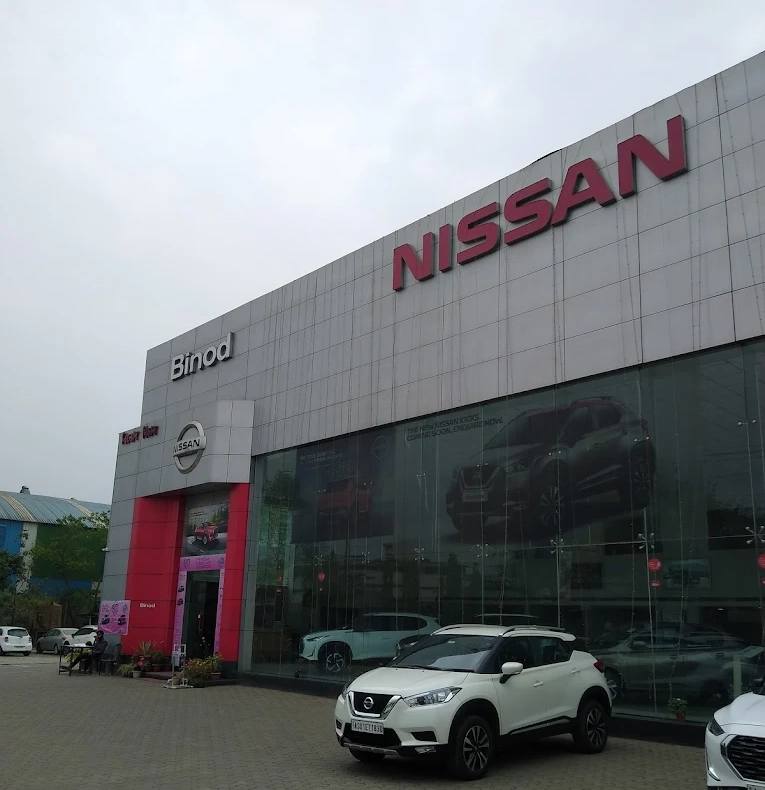
Buying a car is an important decision that involves more than choosing a model, colour, or price. Buyers also need to consider vehicle reliability, dealership support, documentation, servicing facilities, warranty coverage, and long-term ownership costs. For people planning to purchase a Nissan vehicle in Guwahati, choosing the right dealership can make the entire process more convenient and transparent.
A Nissan authorised dealership in Guwahati can help customers explore available models, understand their features, compare variants, arrange test drives, and learn about the purchase process. An authorised dealer is also an important point of contact for information about manufacturer-backed warranties, genuine accessories, and after-sales support.
Binod Group is a recognised name to consider when exploring automotive dealership options in the region. Understanding what to look for in a local Nissan dealer can help buyers make an informed decision and enjoy a more confident car-buying experience.
Why Choose a Nissan Authorised Dealership in Guwahati?
An authorised dealership provides customers with access to information and services associated with the vehicle manufacturer. Unlike an independent used-car seller or unaffiliated showroom, an authorised outlet operates within the manufacturer’s dealership framework.
Here are some important reasons to consider an authorised dealership when purchasing a Nissan vehicle.
Access to Official Nissan Models and Variants
One of the primary advantages of visiting an authorised dealer is the opportunity to explore the models and variants officially available through the dealership network.
Customers can learn about:
- Available vehicle models and configurations.
- Engine and transmission options, where applicable.
- Interior comfort and exterior design.
- Safety and convenience features.
- Available colours and accessories.
- Current availability and delivery timelines.
This information helps buyers compare different options according to their requirements and budget.
Better Understanding of Warranty and Ownership Support
Vehicle warranties are an important consideration when purchasing a new car. An authorised dealership can explain the manufacturer’s applicable warranty terms, coverage conditions, exclusions, and service requirements.
Customers should always review the warranty documentation carefully and understand which components are covered and for how long.
A dealership can also guide buyers regarding scheduled maintenance, service intervals, and other ownership-related requirements.
Guidance on Genuine Accessories
Accessories can improve a vehicle’s appearance, convenience, and practicality. However, buyers should understand the difference between manufacturer-approved accessories and third-party products.
An authorised dealership can provide information about compatible genuine accessories, their pricing, and installation requirements.
This helps customers avoid unsuitable modifications that could affect vehicle functionality or warranty conditions.
What to Consider Before Buying a Nissan Car in Guwahati
Choosing a vehicle should begin with an understanding of your daily driving requirements. Guwahati has a combination of busy urban roads, residential neighbourhoods, commercial areas, and routes connecting different parts of Assam.
A vehicle suitable for one buyer may not necessarily be the right choice for another.
Consider the following factors before making your decision.
1. Daily Driving Requirements
Think about how frequently you will use the vehicle and the type of journeys you usually make.
For example:
- Daily office commuters may prioritise fuel efficiency and comfortable driving.
- Families may need sufficient cabin space and luggage capacity.
- Frequent highway travellers may focus on stability, comfort, and safety features.
- First-time car buyers may prefer easy handling and practical ownership costs.
Understanding your driving habits will help narrow down the available options.
2. Budget and Total Ownership Cost
The actual cost of purchasing a car extends beyond its showroom price.
Before finalising a purchase, consider:
- Ex-showroom price.
- Registration and applicable road taxes.
- Insurance premiums.
- Optional accessories.
- Loan processing charges, if applicable.
- Regular servicing and maintenance.
- Fuel expenses.
Request a detailed on-road quotation from the dealership. Comparing the complete cost rather than only the advertised price makes financial planning easier.
3. Safety and Comfort Features
Safety should be a priority when selecting any vehicle. Buyers should understand the safety equipment available in their preferred model and variant.
Important features to check may include airbags, anti-lock braking systems, electronic stability control, parking assistance, seatbelt reminders, and other driver-assistance technologies, depending on the model.
Comfort features such as air conditioning, adjustable seating, infotainment systems, and rear-seat space can also influence everyday driving satisfaction.
Understanding the Car-Buying Process at a Local Nissan Dealer
For first-time buyers, purchasing a new vehicle can involve several steps. A dealership can help explain the process and clarify the documentation required at each stage.
Step 1: Explore Available Models
Start by discussing your budget, preferred vehicle type, and driving requirements with the dealership representative.
Ask for information about available models, variants, features, and current stock.
Step 2: Arrange a Test Drive
A test drive is one of the most useful ways to evaluate a vehicle before purchasing it.
During the test drive, pay attention to:
- Driving position and seat comfort.
- Steering response.
- Visibility and mirror adjustment.
- Braking performance.
- Cabin noise.
- Acceleration and overall driving experience.
- Ease of parking and manoeuvring.
If possible, test the vehicle on roads that resemble your regular driving conditions.
Step 3: Compare Prices and Financing Options
Once you have shortlisted a vehicle, request a complete price breakdown.
If you intend to finance the purchase, ask about available loan options, interest rates, down payment requirements, repayment periods, and applicable charges.
Compare financing offers carefully rather than selecting an option based only on the monthly EMI.
Step 4: Complete Documentation
The dealership can explain the documents required for booking, registration, insurance, and financing.
Common requirements may include identity proof, address proof, PAN details, and additional documents requested by the relevant financial institution or registration authority.
Always verify that the information provided in the purchase documents is accurate.
Step 5: Inspect the Vehicle Before Delivery
Before accepting delivery, inspect the vehicle carefully.
Check the exterior bodywork, paint finish, tyres, lights, interiors, accessories, and odometer reading. Confirm that the model, variant, and colour match your booking.
Also collect the invoice, insurance documents, warranty information, owner’s manual, and other relevant paperwork.
Why Local Dealership Support Matters in Guwahati
Purchasing a car is the beginning of a long-term ownership relationship. Having access to reliable dealership information and appropriate service guidance can make vehicle ownership more manageable.
Guwahati serves as an important commercial and transportation centre for Assam and the wider Northeast. People travel between the city, nearby towns, residential areas, and other regional destinations for work and personal commitments.
Consequently, buyers should consider more than the initial purchase experience when evaluating a dealership.
Convenient Communication and Customer Assistance
A good dealership experience begins with clear communication. Customers should be able to ask questions about vehicle availability, booking procedures, delivery schedules, insurance, and warranty coverage.
Transparent answers help buyers understand what they are purchasing and avoid confusion later.
Understanding Service and Maintenance Requirements
Regular maintenance plays an important role in vehicle performance and longevity.
Before purchasing, ask about the authorised service arrangements available to you, including:
- Scheduled maintenance requirements.
- Service appointment procedures.
- Genuine spare parts availability.
- Warranty-related service conditions.
- Labour and maintenance charges.
- Customer support for service-related concerns.
Confirm the current availability of authorised service facilities and their location before making your final decision.
Support for New and Experienced Car Owners
First-time buyers often need guidance regarding vehicle documentation, maintenance schedules, and basic ownership responsibilities.
Experienced car owners, meanwhile, may be more interested in comparing features, financing arrangements, and long-term operating costs.
A customer-focused dealership should communicate clearly with both types of buyers.
How Binod Group Fits into the Local Automotive Market
When exploring automotive dealership options in Guwahati, customers can consider Binod Group as a relevant local business name.
For prospective Nissan buyers, the important step is to verify the current dealership association, available vehicle range, showroom details, and services directly before making a purchase decision.
Customers should also confirm whether the particular outlet provides new-car sales, booking assistance, test drives, insurance support, or after-sales services.
This approach ensures that buyers receive accurate information about the facilities currently available rather than relying on assumptions.
Whether someone is purchasing their first vehicle or upgrading from an existing car, comparing dealership support and understanding the complete ownership process can lead to a more informed decision.
Tips for Getting the Best Deal on Your Nissan Purchase
A little preparation before visiting a showroom can make the buying process easier.
Here are some practical tips:
- Research your preferred model: Understand its specifications, features, and available variants before visiting the dealership.
- Request a written quotation: Ask for a complete breakdown of the on-road price and additional charges.
- Compare financing options: Check interest rates, processing fees, down payments, and repayment conditions.
- Take a proper test drive: Evaluate comfort, handling, visibility, and driving performance.
- Ask about current offers: Confirm whether any manufacturer-approved promotions or dealership offers are available.
- Check delivery commitments: Get an estimated delivery timeline and booking conditions in writing.
- Review all documents: Read the purchase agreement, insurance details, and warranty conditions before signing.
These steps can help prevent misunderstandings and make the purchase process more straightforward.
Frequently Asked Questions
1. How can I find a Nissan authorised dealership in Guwahati?
You can identify an authorised dealership by checking Nissan’s official dealer information or contacting the manufacturer. Confirm the outlet’s current authorisation, showroom address, and available services before visiting.
2. Can I book a Nissan car through an authorised dealership?
Yes, authorised dealerships can generally assist with vehicle enquiries and bookings for models available through their network. Booking availability, payment requirements, and delivery timelines should be confirmed directly with the dealership.
3. Should I take a test drive before purchasing a Nissan car?
Yes. A test drive allows you to evaluate driving comfort, steering, braking, visibility, and vehicle handling. It is particularly useful when comparing different models or variants.
4. What documents are required to purchase a new Nissan car?
Common documents include identity proof, address proof, PAN details, and relevant financing documents if you are applying for a car loan. The exact requirements may vary depending on the purchase and registration process.
5. What should I check before taking delivery of a new car?
Inspect the vehicle’s exterior, interior, tyres, lights, accessories, and odometer reading. Also verify the model and variant, insurance, invoice, registration details, warranty documents, and owner’s manual.
Conclusion
Choosing the right dealership is an important part of purchasing a vehicle. From exploring available models and taking test drives to understanding financing, warranty coverage, and maintenance requirements, buyers should consider every stage of the ownership experience before making a final decision.
For those researching a Nissan authorised dealership in Guwahati, comparing available dealership facilities and verifying current services can help ensure a smoother buying experience. Binod Group is a local automotive name worth considering during this research. By gathering accurate information, asking the right questions, and carefully evaluating available options, customers can make a confident and well-informed vehicle purchase.

Smart Ways To Use Custom Gumbo Mylar Bags For Small Businesses

Custom Poly Mailers For Small Business Shipping

Nissan Authorised Dealership in Guwahati: Local Dealer Guide

How Private Equity CRM Software Streamlines Investment Management

Ultimate Custom Kraft Mylar Bags Guide

Rani No Hajiro in Ahmedabad: A Complete Guide to History, Shopping & Hidden Secrets

Digital Marketing for Beginners: Step-by-Step Guide to Start and Succeed in 2026

How to Get Promoted Faster at Work: Smart Career Growth Tips

Dublin City University: Everything You Need to Know Before Applying in 2026








