Business
Top 7 Toy Markets in Delhi

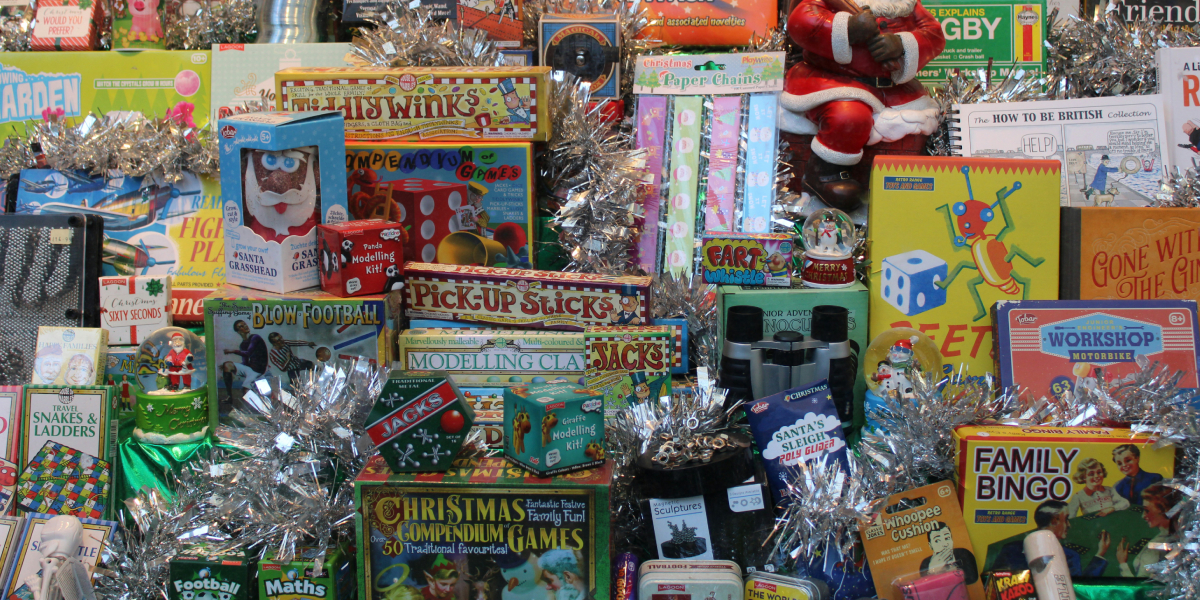
There’re no denying children are never satisfied no matter how many toys they have. They might have an entire collection- old, new, not opened and damaged, but they always want more. As parents, you also want to keep adding more to their bucket. Isn’t it? These days, there are various new types of toys that not only attract kids but also adults.
From birthday presents to surprise your kids at home, toys are the best thing to bring a smile to their faces. Wondering where to find affordable toys? Well, Delhi is your ultimate destination as the markets here are a treasure trove loaded with options. So whether you are already residing or are here for a short trip, don’t miss out on these popular toy market in Delhi for unique collections.
Best Toy Market in Delhi
Whether you are a parent planning to pamper your baby or a business owner planning to buy toys in bulk, here are some best markets in Delhi that have toys every child dream of:
1.Sadar Bazaar
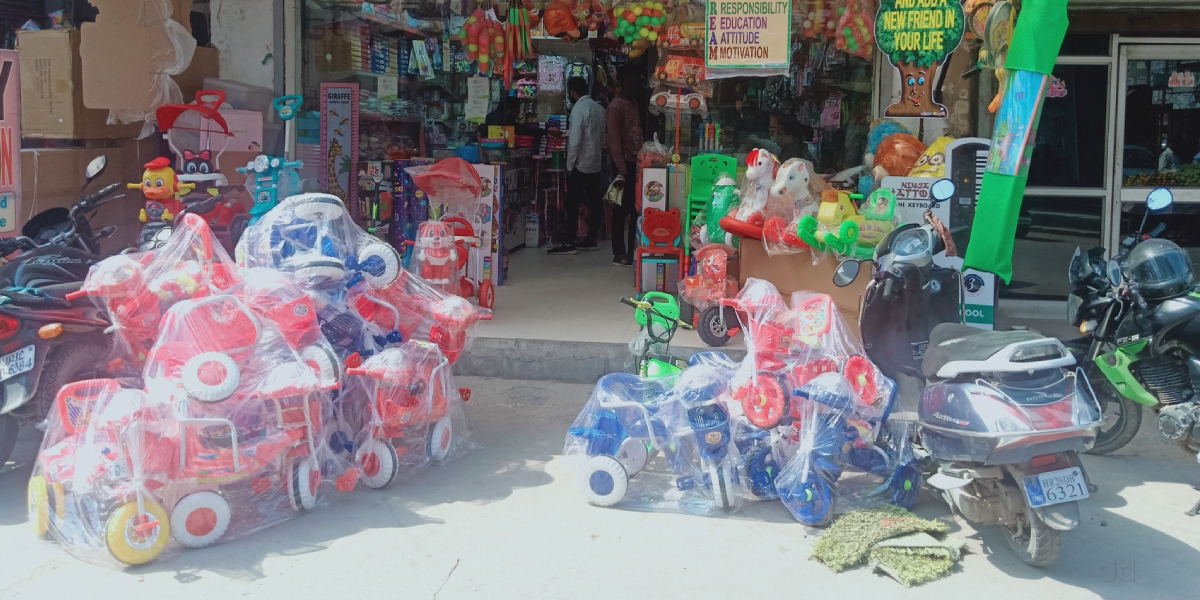
Sadar Bazar Toy Market in Delhi
Located in Old Delhi, Sadar Bazaar is truly a treasure trove and a renowned toy market in Delhi. They offer both Indian and imported toys and have a plethora of options to choose from. This includes soft toys, dolls and board games to remote-controlled cars. They have the finest toys and aim to make every child’s life full of fun moments and memories.
Here you’ll find everything that your child desires. In addition to different toys, they also boast the best and brightest colours that are eye-catching and look good when displayed as a decor item. People and shopkeepers from different regions come here to purchase toys in bulk as they keep their budget affordable. The weekend here is fully overcrowded.
- Hours: 11:00 am to 06:00 pm
- Closed day: Sunday
- Nearest metro station: Tiz Hazari Metro Station Red Line
- Bus routes: 990E and 166
- Parking: Available
- Nearby markets include: Khari Baoli and Mithai Pul
- Food availability: Street food stalls and restaurants
2.Paharganj
Your search for a wholesale toy market ends with the Paharganj market in Delhi. Yes, this market has something for all your needs. They have a vast selection of toys for children of all ages. The sellers here understand how important toys are in children’s lives and so they make sure they are always updated with the latest items. It is your best choice if you are looking for good quality toys at affordable prices.
Additionally, they also have other items like clothing, household appliances, shoes, pottery and more. Not only do the toys on display here bring smiles to the faces but also the staff are always ready to help you select the best one. Therefore, if you want to surprise your kids without digging a hole in your pocket, then this market is your best choice.
- Hours: 11:00 am to 9:00 pm
- Closed day: Monday
- Nearest metro station: R.K Ashram on Blue line
- Bus routes: 166A and 953
- Parking: No
- Nearby markets include: Aram Bagh Market and Multani Dhanda Market
- Food availability: Restaurants and street food stalls
3.Jhandewalan Toy Market
When looking for the best toy market in Delhi, Jhandewalan Toy Market is your one-stop solution. It is a hidden treasure in Delhi and is home to several stores. Each store offers a wide variety of toys specializing in toys, battery-operated toys, games and more. In addition to stuffed items, they also offer the best quality bicycles.
Once you visit this wholesale toy market in Delhi, you’ll surely spot many happy little faces hunting for their favourite toy. For over 35 years, they have been providing top-quality toys to the locals and people from around different regions. In addition to being excellent, they also keep their prices affordable. The best thing here is that they don’t compromise on quality, no matter how cheap the toy is.
- Hours: 10:00 am to 07:00 pm
- Closed day: Monday
- Nearest metro station: Jhandewalan Blue Line
- Bus routes: 752 and 988
- Parking: Available
- Nearby markets include: Daryaganj and Lajpat Nagar Market
- Food availability: Local cafes and restaurants
4.Chandni Chowk
Chandni Chowk Toy Market in Delhi
Chandni Chowk is one of the oldest and busiest toy market in Delhi. Once you step into the market, the narrow lanes, bustling crowds and the historical charm will amaze you. This market has a plethora of toy shops, each catering to children of all age groups. From classic Indian toys, wooden puzzles and electronic games to the latest action figures, they have everything in stock for all.
They have been offering toys both modern and ones that refresh moments of nostalgia. They also have toys that are the perfect gifting option and their collection will surely leave you spoilt for choices. The best part is that the various shops here are very much concerned about children’s safety and every child’s needs. Using your bargaining skills, you can also enjoy good discounts.
- Hours: 10:00 am to 09:00 pm
- Closed day: Sunday
- Nearest metro station: Chandni Chowk Yellow Line
- Bus routes: 144A and 160
- Parking: Metro and organized parking
- Nearby markets include: Kinari Bazar and Moti Bazar
- Food availability: Cafes and restaurants
5.Lajpat Rai Market
Also known as the electronics market, Lajpat Rai Market is a treasure trove for smart and savvy kids. It is a vibrant store stocked with bright and colourful toys. It is home to a wide range of shops for toddlers, older kids and more. From puzzles, educational toys and soft toys to building blocks, the market is renowned for its extensive collection of toys.
Whether you are looking for educational games or engaging games, there is an abundance of options to choose from. Here you’ll find something for every budget and the staff are also very friendly. The festive season is the best time as they sell relatable toys. Being one of the busiest markets, you must visit on weekdays for a relaxed shopping experience.
- Hours: 09:00 am to 10:00 pm
- Closed day: Sunday
- Nearest metro station: Chandni Chowk market
- Bus routes: 175 and 402
- Parking: Paid parking
- Nearby markets include: Chandni Chowk Market and Sadar Bazar Market
- Food availability: Street food stalls and restaurants
6.Karol Bagh
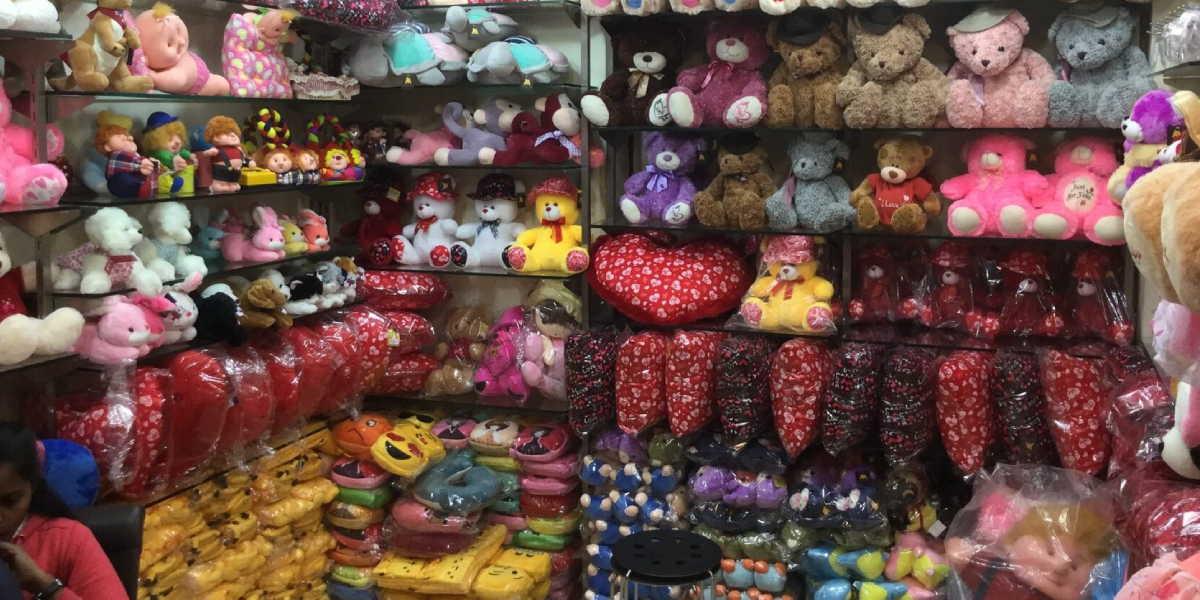
Karol Bagh Toy Market in Delhi
Looking for a reputed wholesale toy market in Delhi? Karol Bagh is your best location as they not only offer playful toys but also toys that promote development skills. They understand and value the impact of toys on children’s lives so they make sure they grow more physically and mentally. Whether you want to give your child’s best friend or your little one, you can choose from a wide collection of toys in this market.
In addition to regular stuff, they also have the latest toys you’ll find nowhere else. Their fire station and car collections are the best-selling toys. Right from toddlers and infants to fully grown adults, they have something for all under one roof. Confused about which one to pick? Well, the staff here surely doesn’t want you to go through the hassle. All you need to ask is for some suggestions and they will show you appropriate options for toys.
- Hours: 10:00 am to 08:00 pm
- Closed day: Monday
- Nearest metro station: Karol Bagh Blue Line
- Bus routes: 181A and 775A
- Parking: Available
- Nearby markets include: The Arya Samaj Road market and the Gaffar market
- Food availability: Street foods and outlets
7.Khan Market
Looking for quirky toys at affordable ranges? Khan Market in Delhi is your best choice as it is popular for its budget-friendly shopping experience. The market is shaped like a U and has two parallel US with high-end shopping centres. There are many shops open and each offers an array of inexpensive toys. Whether you are looking for unique handmade toys or quirky stuffed animals, they have all that you are looking for.
In addition to toys, adults can also browse lehengas and jewellery for themselves. Once you enter the market, kids will drag you in and they’ll find all they want. It is a one-stop shop and offers toys for kids of all ages. They guarantee you’ll take back something for your little troublemaker at home from this local toy market in Delhi. Besides, here you can get your little one a robotic toy without breaking your bank account.
- Hours: 10:00 am to 11:00 pm
- Closed day: Sunday
- Nearest metro station: Khan Market station
- Bus routes: 181A and 433LSTL
- Parking: Limited parking
- Nearby markets include: Connaught Market Place and Sadar Bazar market
- Food availability: Restaurants and cafes
Make Your Child’s Day Brighter with Exciting Toys
When it comes to toy shopping, age is just a number. From soft toys to difficult puzzles, people of all ages indulge in games. Keeping this in mind, the wholesale toy market in Delhi offers something for all. Visiting here feels like transforming into a whole new world of fun and excitement. To add more to the excitement, you can also bring your little ones to these markets and shower them with the gifts they want. So what’s stopping you? Are you worried about the cost? Well, don’t because toy markets in Delhi are budget-friendly.




Finding the right healthcare provider information can be challenging, especially when you need to confirm a doctor’s identity, specialty, or professional details. An NPI number search makes this process easier by allowing users to find healthcare providers through their National Provider Identifier (NPI) or other identifying information.
An NPI is a unique identification number assigned to healthcare providers in the United States. It is commonly used by doctors, nurses, dentists, medical practices, hospitals, and other healthcare organizations when dealing with health insurance, billing, and healthcare transactions.
Whether you are a healthcare professional, medical biller, insurance specialist, researcher, or patient, understanding how to perform an NPI number search can help you locate accurate provider information more efficiently.
What Is an NPI Number?
NPI stands for National Provider Identifier. It is a unique, 10-digit identification number used to identify healthcare providers in the United States.
The NPI system was created under the Health Insurance Portability and Accountability Act (HIPAA) to provide a standard way of identifying healthcare providers during electronic healthcare transactions.
Unlike some professional identifiers, an NPI does not directly indicate a provider’s specialty, state, or professional license. The number itself is simply a unique identifier associated with a provider’s record.
For example, a healthcare provider may use an NPI when submitting insurance claims, processing payments, communicating with health plans, or completing other administrative healthcare transactions.
Why Is NPI Number Search Important?
An NPI number search can be useful in many healthcare and administrative situations. Medical organizations often need to confirm provider information before submitting claims or updating their records.
Some common reasons to perform an NPI search include:
- Finding a healthcare provider’s NPI
- Verifying an existing NPI number
- Checking provider names and locations
- Identifying healthcare organizations
- Reviewing provider taxonomy or specialty information
- Supporting medical billing and claims processing
- Updating healthcare databases
- Researching healthcare provider information
For businesses that work with large healthcare datasets, an NPI lookup can also help reduce errors caused by outdated or incomplete provider records.
How to Perform an NPI Number Search
There are several ways to search for an NPI number. The best method depends on the information you already have.
1. Search by NPI Number
If you already have a provider’s 10-digit NPI, an NPI lookup can help you find the information associated with that identifier.
Enter the NPI number into an NPI search tool and review the available provider information. This is often the fastest approach when the NPI is already known.
2. Search by Provider Name
If you don’t know the NPI number, you can often search using the healthcare provider’s name.
For example, you may enter a doctor’s first and last name and then narrow the results using additional information such as location or specialty.
Name searches can sometimes produce multiple results, so it is important to compare the information carefully.
3. Search by Location
Location can be useful when several providers have similar names.
Adding a city, state, ZIP code, or practice location can make it easier to identify the correct provider record.
For example, if you are looking for a physician named John Smith, searching for the provider together with the state or city can significantly narrow the results.
4. Search by Organization
NPI information is not limited to individual healthcare professionals. Healthcare organizations can also have NPIs.
Depending on the search system, you may be able to look up hospitals, clinics, laboratories, medical groups, and other healthcare organizations by their name or identifier.
What Information Can You Find With an NPI Search?
The information available through an NPI search can vary depending on the provider record and the database being used.
Common provider information may include:
- Provider name
- NPI number
- Provider type
- Taxonomy classification
- Practice or mailing address
- Organization name
- Other business-related information
- Enumeration date
- Last update information
This information can help users determine whether a particular NPI record corresponds to the provider or organization they are trying to identify.
However, an NPI database should not be treated as a complete professional profile. An NPI record does not necessarily contain every detail about a healthcare provider’s education, employment history, licensing, or clinical qualifications.
NPI Lookup vs. NPI Number Search
The terms NPI lookup and NPI number search are often used interchangeably, but there can be a slight difference in how people use them.
An NPI lookup usually refers to retrieving information associated with a known provider or NPI.
An NPI number search may refer more broadly to finding an NPI using information such as a provider’s name, location, organization, or taxonomy.
For example:
NPI lookup:
You already have an NPI and want to find the provider associated with it.
NPI number search:
You know the provider’s name and want to discover their NPI number.
Both processes are useful for healthcare data verification and provider identification.
How to Verify an NPI Number
Simply finding an NPI number is not always enough. You may also want to verify whether the information matches the provider you are looking for.
Start by comparing the provider’s name with the search result. Next, check the location, organization name, and taxonomy information when available.
If several records appear, don’t select the first result automatically. Compare multiple details to make sure you have identified the correct provider.
For organizations, verify the organization name and location. This can help prevent confusion between similarly named medical practices or healthcare facilities.
Common Problems With NPI Searches
Although NPI searches are generally straightforward, users can encounter several problems.
Similar Provider Names
Many healthcare providers have common names. Searching only by name may return multiple records.
Using a location, specialty, or organization name can make the search more precise.
Outdated Information
Healthcare providers may change practice locations or update other information. Database records can therefore differ depending on when they were last updated.
If accuracy is important, check the most current available information.
Incorrect NPI Numbers
An NPI contains 10 digits. A single incorrect digit can lead to an unsuccessful search or return a different provider.
Always double-check the number before using it for billing or administrative purposes.
Individual vs. Organization NPI
Healthcare providers and organizations can have different NPI records. Confusing an individual provider’s NPI with an organization’s NPI can cause administrative problems.
Understanding whether you need a Type 1 individual NPI or Type 2 organization NPI can help you perform a more accurate search.
NPI Number Search for Medical Billing
Medical billing is one of the most common areas where NPI information is important.
Healthcare claims often require provider identification information. Billing teams may use NPI records to confirm that the provider information in their systems is consistent with available provider data.
Accurate provider information can help reduce administrative errors and improve the efficiency of claims processing.
However, an NPI alone does not guarantee that a claim will be accepted. Insurance eligibility, coding, provider enrollment, authorization, and other requirements may also affect claims processing.
NPI Search for Healthcare Research
Researchers and organizations may also use NPI information when analyzing healthcare provider data.
For example, an NPI search can help researchers organize provider records, identify provider types, or group healthcare professionals according to taxonomy classifications.
Businesses working with healthcare datasets may also use NPI information to improve data quality and identify duplicate or incomplete records.
Because healthcare data can change over time, organizations should establish processes for regularly reviewing and updating provider information.
Tips for Getting Better NPI Search Results
If you want more accurate results, follow these simple practices:
- Use the complete provider name whenever possible.
- Add a state or city to narrow results.
- Check the provider’s taxonomy or specialty.
- Compare addresses before selecting a record.
- Verify the full 10-digit NPI carefully.
- Check whether the record represents an individual or organization.
- Use current information when accuracy matters.
- Avoid relying on a single data point to identify a provider.
These steps can make your NPI number search faster and more reliable.
Who Can Use an NPI Search Tool?
An NPI search tool can be useful for a wide range of users.
Medical billing companies can use it to check provider information before processing claims.
Healthcare organizations can use NPI data to maintain provider directories and administrative databases.
Insurance professionals may use provider identifiers when reviewing claims and provider records.
Researchers and data analysts can use NPI information when organizing healthcare datasets.
Even patients and consumers may use an NPI lookup when they need to understand or confirm basic provider information.
Final Thoughts
An NPI number search is a practical way to find and review healthcare provider identification information in the United States. Whether you are searching for a doctor’s NPI, checking an organization, supporting medical billing, or maintaining a healthcare database, an accurate NPI lookup can save time and reduce data errors.
For the best results, don’t rely only on a provider’s name or NPI number. Compare multiple details such as location, provider type, organization, and taxonomy classification. This helps ensure that the record you find matches the healthcare provider or organization you actually need.
As healthcare data changes regularly, keeping provider information updated is equally important. A consistent process for NPI number lookup, verification, and data maintenance can help healthcare businesses and professionals work with cleaner and more reliable provider records.


Beekeeping is a rewarding activity that connects people with nature while supporting healthy bee populations and pollination. Whether you are starting your first hive or expanding an established apiary, having reliable equipment and healthy bees is an important part of responsible beekeeping. The right supplies can make hive inspections easier, improve colony management, and help beekeepers work safely.
For Australian beekeepers, choosing a Trusted Beekeeping Brand in Australia means looking beyond individual products. Quality, reliability, suitable equipment, healthy bees, and dependable service all matter when building a successful beekeeping setup.
From live honey bees and queen bees to bee boxes, protective clothing, foundation sheets, and other beekeeping equipment, selecting suitable supplies can give both beginners and experienced beekeepers greater confidence.
Why Quality Beekeeping Supplies Matter
A bee colony depends on a suitable environment to remain productive and healthy. The hive provides shelter, while frames, foundation, covers, bases, and other components help create an organised space for the colony.
Poor-quality or unsuitable equipment can make routine hive management more difficult. Damaged boxes, weak frames, poorly fitted components, or unsuitable protective equipment may create unnecessary challenges.
Quality beekeeping supplies are designed to support practical hive management. Strong hive boxes can provide durability, while well-made frames and foundation can help bees establish comb efficiently.
For beginners especially, starting with dependable equipment can make the learning process more straightforward.
Choosing a Trusted Beekeeping Brand in Australia
There are many products available to Australian beekeepers, but not every supplier provides the same level of quality or product knowledge. A Trusted Beekeeping Brand in Australia should offer products that are practical, dependable, and suitable for local beekeeping needs.
When comparing suppliers, consider several important factors.
Product Quality
Beekeeping equipment needs to withstand regular handling and changing weather conditions. Look for sturdy hive boxes, reliable frames, durable protective clothing, and properly made accessories.
Quality does not necessarily mean choosing the most expensive option. Instead, focus on equipment that offers useful features, suitable construction, and long-term value.
Range of Products
A supplier offering a broad selection can make it easier to build a complete apiary setup. Instead of purchasing individual items from multiple sources, beekeepers can often find essential equipment together.
Common products include bee hives, bee boxes, frames, wax foundation, bee suits, smokers, hive tools, feeders, and other accessories.
Healthy Live Bees
Equipment is only one part of beekeeping. The quality and condition of the colony are equally important.
Beekeepers looking for Live Bees for Sale Australia should consider suppliers that understand the importance of healthy colonies and suitable queen bees. A strong starting colony can provide a better foundation for learning hive management and developing an apiary.
Essential Beekeeping Supplies for Beginners
Starting beekeeping does not require every product available on the market. However, several essential items can make the first season safer and more manageable.
Bee Hive or Bee Box
The hive is the central part of the setup. It provides a controlled home for the colony and gives the beekeeper access for inspections and management.
When searching for Bee Hives Australia, consider the hive design, construction quality, available replacement parts, and whether additional boxes can be added as the colony grows.
Frames and Wax Foundation
Frames provide the structure where bees build comb. Wax foundation can help guide comb construction and create an organised arrangement inside the hive.
Beeswax Foundation Sheets AU are commonly considered by beekeepers who want a natural wax-based foundation option for their hive setup. Correctly fitted foundation can help encourage orderly comb development.
Protective Clothing
A suitable bee suit is an important safety item. Beginners should consider a full-body suit or suitable protective clothing, gloves, and a secure veil.
A good bee suit should provide coverage while still allowing enough movement to perform hive inspections comfortably.
Smoker and Hive Tool
A smoker is commonly used during hive inspections to help manage bee behaviour. A hive tool is useful for separating frames, removing components, and completing routine hive work.
These simple tools can become essential parts of an everyday beekeeping kit.
Buying Live Honey Bees in Australia
For people starting an apiary, purchasing equipment and bees often go hand in hand. A properly prepared hive provides a home for the colony, while healthy bees provide the foundation for future hive development.
When considering Honey Bees for Sale Australia, it is important to understand what type of colony or package is suitable for your experience level and local conditions.
A queen bee plays an essential role in colony development. Beekeepers interested in Queen Bees for Sale AU should consider the queen’s role within the colony, the characteristics they want to maintain, and whether the bees are appropriate for their beekeeping objectives.
Buying from an established supplier can also make the process easier for beginners who need guidance about setting up and managing a new colony.
Australian Conditions and Beekeeping Equipment
Australia has diverse climates, ranging from tropical regions to temperate and cooler areas. Beekeeping practices can therefore vary depending on location.
Hive placement is particularly important. Bees need access to suitable forage, water, and a relatively protected environment. At the same time, the hive should be positioned where the beekeeper can safely perform inspections.
Quality equipment should also be capable of handling local environmental conditions. Regularly checking boxes, covers, frames, and other components helps identify problems before they affect the colony.
Local seasonal changes can influence colony activity, honey production, feeding requirements, and hive management.
Building a Beekeeping Starter Kit
A practical Beekeeping Starter Kit AU can help beginners organise their initial equipment without overlooking important items.
A basic setup may include:
- A suitable bee hive or bee box
- Frames and wax foundation
- Protective bee suit and veil
- Beekeeping gloves
- Smoker
- Hive tool
- Feeder where required
- Suitable live bee colony
- Queen bee
- Basic hive maintenance supplies
The exact equipment needed will depend on the beekeeper’s experience, hive design, location, and management approach.
Rather than buying equipment simply because it is popular, beginners should consider how each item will be used. A well-planned setup can reduce unnecessary spending while ensuring the essentials are available.
How a Reliable Supplier Supports Beekeepers
A good supplier does more than provide products. Reliable information can be valuable, particularly for people learning how to manage their first colony.
A supplier that understands beekeeping can help customers make more informed decisions about equipment, hive setups, bees, and accessories.
hornsby-beekeeping supplies is positioned as a trusted supplier of live honey bees and beekeeping products in Australia. Its range can help beekeepers explore options for colonies, hives, bee boxes, protective equipment, wax products, and other essential supplies.
For beginners, having access to a supplier with a broad range of products can make it easier to develop a complete and organised apiary setup.
Maintaining Quality Equipment
Buying quality equipment is only the beginning. Regular maintenance can extend the useful life of beekeeping supplies.
Hive boxes should be checked for damage, moisture problems, loose components, or other signs of wear. Frames should also be inspected regularly and replaced when they become unsuitable for continued use.
Protective clothing should be cleaned and checked for damaged stitching, holes, or problems with the veil and fasteners.
Keeping equipment clean and organised can also make hive inspections more efficient.
Growing an Apiary Over Time
New beekeepers often begin with a single hive. As knowledge and experience increase, they may decide to expand.
Growing an apiary gradually allows beekeepers to become familiar with colony behaviour, seasonal management, equipment requirements, and honey production before taking on additional colonies.
When purchasing Beekeeping Supplies Australia, it can be useful to select equipment that is compatible with future expansion. Consistent hive components can simplify management when several colonies are involved.
Beekeepers may eventually require additional bee boxes, frames, foundation, protective equipment, feeders, and replacement components.
Making a More Informed Beekeeping Purchase
Before buying bees or equipment, make a simple checklist of your current needs.
Think about:
- Your experience level.
- The number of colonies you want to manage.
- Your local climate and environment.
- The type of hive you intend to use.
- The protective equipment required.
- Whether you need live bees or a queen.
- Which accessories are essential now and which can be purchased later.
This approach can help prevent unnecessary purchases and make it easier to build a practical beekeeping system.
Most importantly, remember that beekeeping is a learning process. Equipment supports the beekeeper, but regular observation, responsible hive management, and ongoing education are equally important.
Conclusion
Choosing a Trusted Beekeeping Brand in Australia can make a significant difference when starting or expanding an apiary. Quality bee boxes, frames, wax foundation, protective clothing, hive tools, and healthy live bees all contribute to a practical beekeeping setup.
Australian beekeepers should consider product quality, durability, suitability, supplier reliability, and long-term support when purchasing their equipment. Beginners can benefit particularly from starting with essential supplies and gradually expanding as their knowledge grows.
For those looking to source reliable beekeeping products and live honey bees, hornsby-beekeeping supplies offers a practical range for Australian beekeepers. Choosing suitable equipment from a dependable supplier can help create a stronger foundation for safe, organised, and enjoyable beekeeping.
Readmore:



Гарніри з овочів до м’яса та риби: 10 ідей на будні
Чим цікавий сайт zabudovnik.kr.ua

NPI Number Search: How to Find and Verify a National Provider Identifier

Natural Herbal Products by Ecoxent – Simple Care Inspired by Nature

Bracknell Airport Transfer: A Convenient Way to Travel to and From the Airport

A New Culinary Haven Emerges: The News Café

Are Nut Thins Healthy? Unveiling the Nutritional Pros and Cons

A Step-by-Step Guide to Cleaning Your Nike Air Max Shoes

Do Electric Cars Have Transmissions?