General
The Hidden Backbone of Recycling: Why Maintenance Matters More Than Innovation


In an era where sustainability and environmental responsibility dominate public discourse, much of the spotlight has fallen on exciting innovations—solar panels, electric vehicles, and biodegradable plastics. But beneath the surface of these headline-grabbing technologies lies a quieter, essential reality: the systems that make recycling and waste management function effectively. One particularly overlooked area is the maintenance and repair of balers, machines that are fundamental to the recycling process.
Balers are the workhorses of every recycling facility. They compress materials like cardboard, plastics, and metals into dense, manageable bales for easier storage and transportation. Without them, the logistics of recycling would become far more expensive and inefficient. Yet, despite their importance, balers rarely receive the attention they deserve—until they malfunction.
When a baler breaks down, operations can grind to a halt. Delays not only disrupt schedules but may also lead to increased waste, environmental risk, and lost revenue. That’s why baler service is not merely a support function, but a central component of sustainable waste management. Proper maintenance ensures these machines run smoothly, reducing downtime and extending their lifespan—all critical to keeping recycling systems functional and financially viable.
Preventive maintenance as a strategic advantage
Preventive maintenance isn’t just about avoiding breakdowns; it’s about enabling long-term planning and cost efficiency. Recycling facilities operate under tight margins, and unexpected equipment failure can lead to cascading problems. A malfunctioning baler might require emergency repairs, which are typically more expensive and time-consuming than scheduled upkeep.
Facilities that invest in regular servicing can schedule downtime at off-peak hours, minimizing disruptions. Moreover, trained technicians can identify wear and tear before it escalates into major damage. With service logs and digital monitoring tools, maintenance becomes part of a strategic approach rather than a reactive one.
This shift from reactive to proactive maintenance reflects a broader trend in industrial operations. Whether in manufacturing or energy, sectors everywhere are waking up to the fact that operational efficiency hinges on system reliability. The recycling industry is no different.
Skilled technicians as unsung heroes
At the heart of every effective maintenance program are skilled technicians—people who understand the mechanics of balers, know how to troubleshoot complex issues, and can implement solutions quickly. Their expertise is often the line between seamless operation and costly failure.
These professionals must stay updated with evolving machinery standards and safety regulations. They work in challenging conditions: dusty environments, tight spaces, and under the pressure of minimal downtime. In many ways, they are the unsung heroes of the recycling chain.
Despite their crucial value, technicians are often marginalized in discussions about green innovation. It’s time to change that narrative. Without them, even the most advanced recycling systems would be rendered useless by the simplest mechanical failure.
The environmental impact of reliable equipment
The environmental implications of poorly maintained recycling equipment are more significant than most realize. When equipment breaks down, recyclable materials can pile up, sometimes to the point of being redirected to landfills. In other cases, breakdowns can result in contamination due to improper sorting or storage, diminishing the quality of recycled output.
Moreover, energy efficiency plays a role. Well-maintained machines typically consume less energy than those operating under strain or with worn-out components. Over time, this translates into substantial energy savings and a smaller carbon footprint.
Thus, regular maintenance isn’t just about machine longevity or cost savings; it’s an environmental imperative. Sustainability starts not just with recycling, but with ensuring the infrastructure supporting it operates at peak effectiveness.
Beyond the machine: Building a culture of responsibility
While technical service is essential, building a culture of responsibility around equipment care is equally important. This culture starts at the top. When leadership recognizes the strategic role of maintenance, it sends a message across the organization: every component, no matter how mechanical or mundane, contributes to the company’s environmental goals.
Training programs, clear maintenance protocols, and employee incentives can reinforce this mindset. When everyone—from floor staff to executives—understands the stakes, the result is a resilient, responsive organization capable of weathering operational challenges.
A future defined by reliability
As conversations about sustainability evolve, it’s crucial to widen the lens beyond breakthrough technologies and sweeping policies. The future of responsible waste management will not only be shaped by what we invent but also by how well we maintain what we already have.
Balers might not be glamorous, but they are indispensable. Their maintenance—through expert baler service, skilled technicians, and a responsible organizational culture—can be the difference between a functioning, sustainable recycling system and one that falters under pressure.
By paying attention to the often-ignored mechanics of sustainability, we gain a more holistic understanding of what it takes to make real, lasting environmental progress. The next time we talk about green innovation, perhaps we should start not with what’s new, but with what’s working—and how to keep it that way.



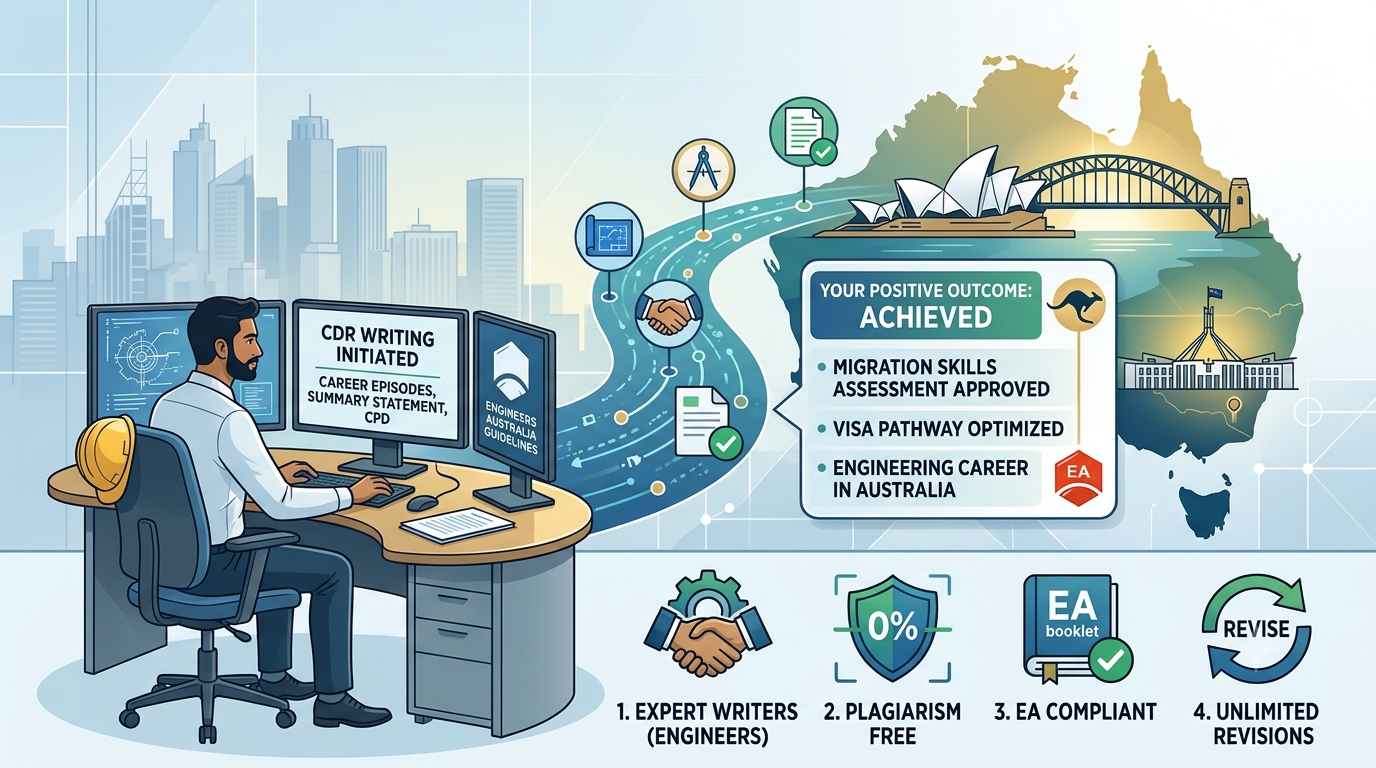
Planning an engineering migration can be a major step toward building an international career. For engineers preparing a Competency Demonstration Report (CDR), presenting education, professional experience, technical knowledge, and engineering competencies clearly is an important part of the documentation process. A Cdr Report Writer can assist engineering professionals in organising their career evidence and developing structured reports that communicate their technical background effectively.
Understanding the CDR Requirement
A CDR is designed to demonstrate an engineer’s qualifications, professional experience, and competency against the relevant engineering standards. It generally includes documents such as a Continuing Professional Development record, career episode reports, a summary statement, and a personal statement.
For professionals planning migration, each section needs to provide relevant evidence of engineering knowledge and practical experience. The information should be presented accurately and in a logical structure so that the assessment documentation reflects the applicant’s actual professional background.
Why Professional Report Support Can Be Useful
Engineering professionals often have extensive technical experience but may find it difficult to convert that experience into well-organised competency evidence. Technical projects can involve complex responsibilities, multiple teams, engineering calculations, problem-solving activities, and project outcomes.
A professional report writer can help applicants understand how to structure this information while maintaining the authenticity of their own experiences. The focus should remain on the engineer’s genuine education, employment history, technical responsibilities, and professional development.
Structuring Effective Career Episodes
Career episodes are an important part of a CDR because they allow engineers to explain specific engineering situations from their academic or professional experience. Instead of simply describing a project, an effective career episode should explain the engineer’s individual role and contribution.
A useful structure can connect the project background with the engineering problem, the methods used to address it, decisions made during the work, and the resulting outcomes. Technical details should be relevant and sufficiently clear to demonstrate the applicant’s engineering knowledge.
Demonstrating Engineering Competencies
Migration assessment documentation needs to demonstrate how an engineer applies knowledge in practical situations. Competencies can involve areas such as engineering analysis, problem-solving, project management, communication, professional responsibility, and application of technical principles.
Applicants should therefore select examples that genuinely represent their capabilities. A report should not rely on generic descriptions that could apply to any engineer. Personal responsibilities, technical decisions, challenges encountered, and solutions implemented can provide stronger evidence of individual professional experience.
Maintaining Accuracy and Originality
Accuracy is essential when preparing migration-related engineering documentation. Applicants should ensure that project dates, job responsibilities, technical information, qualifications, and other details are consistent across their documents.
The content should also be based on the applicant’s own experiences. Professional writing assistance can improve organisation, grammar, clarity, and presentation, but engineers should provide truthful information and review the final documentation carefully before submission.
Preparing Before the Writing Process
Good preparation can make the report development process more organised. Engineers can collect employment records, project information, academic details, professional-development activities, technical documents, and other relevant evidence before beginning their career episodes.
Creating a timeline of professional experience can also help identify projects that demonstrate different engineering competencies. From there, engineers can choose experiences that provide meaningful examples of their technical work and professional responsibilities.
Avoiding Common Documentation Problems
Several issues can weaken engineering migration documentation. These may include insufficient technical detail, unclear descriptions of personal responsibilities, inconsistent information, poor organisation, and excessive use of generic statements.
Another important consideration is avoiding copied or fabricated material. Engineers should describe their own experiences rather than presenting someone else’s project as their own. Original documentation helps maintain credibility and allows the assessment material to accurately represent the applicant’s professional background.
Choosing Appropriate Writing Assistance
When seeking support, engineering professionals should consider whether the service understands engineering terminology, competency-based documentation, and the requirements relevant to their assessment pathway. A suitable writing service should focus on the applicant’s real background rather than providing a generic report.
Communication is also important. Engineers should be able to explain their projects, responsibilities, technical decisions, and outcomes clearly so that their documentation remains connected to their actual professional experience.
Final Thought
Preparing engineering migration documentation requires careful organisation, accurate technical information, and a clear explanation of professional competencies. A Cdr Report Writer can help engineers structure their experiences and improve the clarity of their documentation while keeping the content based on their genuine professional background. For professionals seeking structured assistance, CDR Writers and a reliable CDR Writer Australia service can provide support throughout the report preparation process.


Understanding the Importance of Waterproofing Materials
Water leakage is a common problem in residential commercial and industrial buildings. Continuous exposure to rainwater and moisture can damage concrete surfaces and weaken structural components over time. Roofs foundations basements and underground structures are particularly vulnerable to water penetration. Choosing suitable waterproofing materials helps prevent moisture damage and reduces expensive maintenance requirements. Modern construction projects use advanced waterproofing systems to improve structural durability and maintain the quality of buildings for many years.
What Is a Membrane Sheet
A membrane sheet is a specialized waterproofing material designed to create a protective barrier against water penetration. It is commonly manufactured using bitumen PVC EPDM or other waterproofing compounds depending on its intended application. These sheets are installed over prepared surfaces to prevent moisture from entering concrete structures. Their flexible composition and protective properties make them suitable for different construction requirements. They are widely used in roofing systems basements foundations and other areas that require reliable moisture protection.
Different Types of Waterproofing Membranes
Several types of waterproofing membranes are available in the construction market. Bituminous membranes are commonly used for rooftops and underground structures because of their moisture resistance. PVC membranes provide flexibility and are suitable for different roofing applications. EPDM membranes are manufactured from synthetic rubber and offer resistance against weather exposure. Each type has different installation requirements and performance characteristics. Selecting the appropriate material depends on project specifications and environmental conditions.
Common Applications in Construction Projects
Waterproofing membranes are used in various residential commercial and industrial projects. Flat roofs and terraces require effective waterproofing because standing water can create leakage problems. Basement walls and foundations also need suitable protection against groundwater penetration. Swimming pools and water storage tanks require specialized membrane systems to prevent water loss. Industrial buildings and warehouses may use waterproofing sheets to protect large roofing areas. Their versatility makes them an important component of modern construction.
Major Benefits of Using Waterproofing Sheets
Waterproofing sheets provide several advantages when selected and installed correctly. They create a continuous protective layer that helps prevent water penetration through concrete surfaces. Their flexible structure allows certain products to accommodate minor movements without losing their sealing properties. Some membranes also offer resistance against ultraviolet exposure and changing weather conditions. These characteristics help reduce maintenance expenses and improve the durability of different building components. They are a practical solution for projects that require dependable moisture protection.
Important Factors Before Selecting a Membrane
Choosing the right waterproofing material requires careful evaluation of the project requirements. Buyers should consider the application area surface condition expected water pressure and environmental exposure. Material thickness and product composition also influence performance. Roofing applications may require ultraviolet resistant products while underground structures often need membranes designed for continuous moisture exposure. Reviewing technical specifications and manufacturer recommendations helps ensure that the selected material is suitable for its intended purpose.
Installation Process and Surface Preparation
Proper installation plays an essential role in achieving effective waterproofing results. The application surface should be cleaned to remove dust dirt and loose concrete particles. Existing cracks and damaged sections must be repaired before installation begins. Depending on the membrane type contractors may use heat application adhesives or mechanical fixing methods. Proper alignment and suitable overlapping are necessary to create continuous coverage. Following manufacturer instructions helps prevent installation errors and improves the reliability of the waterproofing system.
Waterproofing Solutions for Residential and Commercial Buildings
Residential properties require waterproofing in areas such as rooftops balconies bathrooms and foundations. Commercial buildings may need larger membrane systems for offices warehouses shopping centers and industrial facilities. Each application has different requirements depending on building design and exposure to moisture. Selecting suitable materials can help prevent leakage and maintain comfortable indoor conditions. Professional assessment is useful for identifying vulnerable areas and recommending an appropriate waterproofing solution.
Maintenance and Long Term Performance
Although waterproofing membranes are designed for long term use they still require regular inspection. Exposed surfaces should be checked for punctures cracks and damaged joints. Drainage outlets must remain clear to prevent water accumulation. Any visible damage should be repaired using compatible materials and suitable techniques. Regular maintenance helps preserve the performance of the waterproofing system and reduces the possibility of unexpected structural damage.
Choosing a Reliable Waterproofing Supplier
Selecting a trustworthy supplier is important for obtaining quality waterproofing materials. Buyers should compare product specifications manufacturing standards available thicknesses and installation recommendations. It is also useful to check previous project experience and technical support offered by suppliers. Professional installation and suitable material selection can make a significant difference in overall performance. Investing in reliable waterproofing products helps protect buildings against moisture damage and supports durable construction for years to come.

Introduction
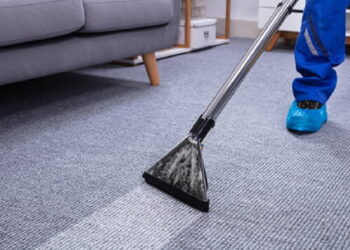
In most homes, the amount of walking around keeps growing, and the carpet ends up doing almost all the work. Kids, family, guests, and pets can hit the same spots again and again, like all day, every day. The carpet starts to look kinda dull, feel less fresh, and hold onto dust you never really see. That is where regular carpet cleaning Rug cleaning London services actually matter, because they help keep busy spaces comfortable, lively, and well maintained.
Carpet Fibers Catch Stuff You Do Not Notice
Carpets do not just collect what is on top. Hair, crumbs, dust, and tiny particles can sink deeper between the fibers over time. Vacuuming helps, but it usually only takes care of the surface stuff. Carpet cleaning services, using professional equipment, can reach farther down and refresh the carpet more thoroughly, not just a quick appearance fix.
High-Use Rooms Usually Need Extra Attention
Some rooms take the brunt of traffic more than others, and it shows first. Hallways, stairs, living rooms, entryways, and family spaces often look worn sooner. With repeated steps, the fibers can get flattened, and darker lines can form where people walk most. Professional carpet cleaning services can focus on those heavy-use areas, helping restore a more even, cleaner look.
Stains Show Up More When Life Gets Busier
The more people in a home, the more spills and stains happen. Drinks, food, muddy footprints, and small accidents can all land on carpet fast. Getting to stains early is important, because some marks start becoming harder to remove once time passes. Carpet cleaning Fulwell services can handle different stain types too, and still help reduce the risk of unnecessary carpet damage.
Routine Matters for Ongoing Carpet Care
Carpet care becomes even more important as household activity rises. If you wait until the carpet looks extremely dirty, you may end up with buildup that has been sitting for a long time. A steady cleaning schedule helps you stay ahead of heavy soil and visible wear. When frequent vacuuming teams up with professional carpet cleaning services, the result is a realistic plan for long-term carpet upkeep.
Professional Equipment Really Changes the Results
Homeowners can do basic maintenance, sure, but professional tools can get much deeper. Carpet cleaning pros use specialized machines and cleaning products that fit different carpet conditions. These methods often extract embedded dirt and moisture more effectively than many common home devices, even when people do everything.
Carpets Affect How a Room Looks
Carpet color and texture can change the whole vibe of a space. When busy areas look dark, flattened, or stained, the entire room can feel less cared for. Professional carpet cleaning services can bring back a fresher, more even appearance, and that can make rooms feel brighter without needing a full interior refresh or major redo.
Clean After Big Busy Periods
Certain times of the year can spike traffic in a home. Holidays, family gatherings, parties, school breaks, and visiting friends can all increase how much the carpet gets used. Scheduling carpet cleaning after these busy stretches can remove accumulated dirt and stains. It also gives the home a better start for the next season of daily life.
Conclusion
When more people regularly walk through a home, carpets face higher exposure to dirt, stains, odors, and wear. Regular carpet cleaning Cranford services help manage those challenges while keeping important living areas cleaner and more comfortable. For busy households, professional carpet cleaning is not just an occasional chore it is a valuable part of keeping a home fresh, welcoming, and ready for everyday life.

Hire an Expert CDR Report Writer for Your Career

Modern Waterproofing Technology for Strong and Durable Structures

Online Body & Skin Care Store for Everyday Beauty

Movie Inspired Jackets: Discover Iconic Styles from Your Favorite Films

Which Type of Logo Is Most Popular?

Rani No Hajiro in Ahmedabad: A Complete Guide to History, Shopping & Hidden Secrets

How to Get Promoted Faster at Work: Smart Career Growth Tips

Digital Marketing for Beginners: Step-by-Step Guide to Start and Succeed in 2026

Dublin City University: Everything You Need to Know Before Applying in 2026