Blog
Exploring the Origins and Significance of the Mohun Surname


The surname “Mohun” holds a rich history that stretches back centuries. With roots in Europe and intriguing cultural associations, the name reflects a blend of heritage, resilience, and legacy. Understanding the origin and journey of the surname provides not only a peek into familial history but also insights into European social structures and naming traditions.
The Historical Roots of Mohun
The origins of the Moh un surname are typically traced back to medieval England, particularly among the noble classes. This surname, historically pronounced as “Mawn,” is known to have connections with ancient Anglo-Norman heritage. Surnames during the Middle Ages often had regional significance, making them key identifiers of lineage and social position.
The Norman Conquest and the Spread of the Mohun Name
The Norman Conquest of England in 1066 played a crucial role in the spread of certain surnames. Mohun was one of many names influenced by Norman naming customs, marking it as a name of prominence. Families bearing the surname often held titles and lands, cementing their place in English society.
Mohun’s Connection to the Nobility
The Mohun name is closely associated with noble titles and roles. Historical records indicate that families with the Mohun surname often held positions of influence, whether through land ownership, military roles, or participation in the royal court. This contributed to the surname’s prestige and lasting association with British nobility.
Notable Figures Bearing the Mohun Surname
Many notable individuals have carried the Moun surname, contributing to its lasting legacy. Among them were knights, landowners, and occasionally advisors to royalty. One such figure was Sir Reginald de Mohun, a 13th-century nobleman whose influence helped shape the reputation of the Mo un family in English history.
Mohun Family Crests and Symbols
Like many noble families, the Mohun family bore unique crests that symbolized their heritage. The Mohun family crest often features elements like lions or falcons, symbols of strength, bravery, and nobility. These crests were used on banners, armor, and documents, serving as an emblem of the family’s reputation.
Variations in the Spelling of Mohun
Over time, the Mohun surname has seen various spelling adaptations, including Mawn, Moone, and Mon. This phenomenon was common as people moved between regions and dialects changed. Understanding these variations can help individuals researching their family history trace connections they might otherwise overlook.
The Influence of Language on the Surname
The Mohun surname reflects the linguistic blend between Anglo-Norman and Middle English, a result of England’s diverse history. The merging of these languages over centuries led to unique surname characteristics, affecting names like Mohun in terms of pronunciation, spelling, and cultural perception.
How the Mohun Surname Migrated Globally
Over centuries, individuals with the Mohun surname migrated to other countries, particularly during periods of European exploration and colonization. Today, Mohun can be found across the United States, Australia, and Canada, where descendants of the original families settled and built new lives.
The Evolution of Surnames in England
The story of the Moun surname mirrors the broader evolution of surnames in England. Initially used to identify families or occupations, surnames like Mohun gradually evolved into markers of personal identity, carrying associations with specific virtues, origins, and legacies.
Mohun in Literature and Popular Culture
The nobility often inspired literature, and the Mohun family was no exception. Historical and fictionalized versions of the family have appeared in novels, particularly those set in medieval England. This further embedded the Mohun surname into British cultural history, making it recognizable even beyond actual lineage.
Tracing Family Heritage with the Mohun Surname
For modern-day individuals with the Mohun surname, tracing family heritage can offer a meaningful connection to their past. Through records, family stories, and even DNA testing, it’s possible to uncover links to historical figures or regional origins within England.
The Role of Genealogy in Understanding Surname Legacy
Genealogy is a powerful tool for uncovering the history of surnames. In the case of the Mohun surname, genealogy can trace connections between family members, allowing for a more detailed understanding of how certain traits, values, and even family legends were passed down.
Significance of Surnames in Modern Society
While surnames may not hold the same status they once did, they remain an important marker of identity. Today, the Mohun surname, like many others, represents more than just a name—it signifies a connection to ancestry, tradition, and personal identity in a globalized world.
How to Research Your Mohun Ancestry
For those interested in exploring their Mohun lineage, resources such as ancestry websites, historical documents, and local archives provide useful information. Learning about your family’s past can be a journey of self-discovery, uncovering stories and connections that add depth to the Mohun legacy.
The Modern Identity of the Mohun Surname
Today, the Mohun surname is less about noble lineage and more about personal heritage. Individuals with the surname are part of a global community with ties to a proud history, symbolizing resilience and adaptability in a rapidly changing world.
Conclusion
The Mohun surname embodies a rich tapestry of history, nobility, and cultural evolution. From its roots in medieval England to its modern-day presence across continents, the name has carried with it the strength and legacy of those who came before. For individuals bearing the Mohun surname today, this history offers a connection to the past and a reminder of the values their ancestors upheld. Exploring the origins and journey of the Mohun name sheds light on the broader patterns of surname evolution and the deep-seated importance of heritage in personal identity.
FAQs
What is the origin of the Mohun surname?
The Mohun surname originates from medieval England, associated with Anglo-Norman nobility and the Norman Conquest influence.
How did the spelling of Mohun change over time?
Over time, the Mohun surname saw variations like Mawn, Moone, and Mon, influenced by regional dialects and migration.
What does the Mohun family crest represent?
The Mohun family crest often includes symbols like lions or falcons, symbolizing strength, courage, and noble heritage.
Where can I research my Mohun ancestry?
Researching Mohun ancestry can be done through genealogy websites, historical records, and local archives that provide insights into family history.
Is the Mohun surname common today?
The Mohun surname is relatively rare but can still be found globally, especially in the United States, Canada, Australia, and the UK.




In today’s busy lifestyle, many people are becoming more conscious about what they use on their skin and hair. Instead of choosing products only because of attractive packaging or strong marketing claims, consumers are increasingly interested in simple formulas, familiar ingredients, and gentle everyday care. This growing interest has made Natural Herbal Products a popular choice for people who want to bring nature-inspired solutions into their personal care routines.
Herbal skincare is not simply about following a trend. For many people, it is about choosing products that fit comfortably into their daily lifestyle. Plant-based ingredients, botanical extracts, nourishing oils, and naturally inspired formulations can add a different dimension to everyday beauty care. Ecoxent offers skincare and personal-care options that can be incorporated into routines focused on nourishment, hydration, and healthy-looking skin.
Why People Are Choosing Herbal-Based Skincare
The beauty industry has changed considerably in recent years. People now pay closer attention to product ingredients and often look for alternatives that feel more aligned with their personal preferences. This has increased interest in botanical skincare, herbal beauty products, and plant-inspired personal care.
One reason herbal products appeal to consumers is their connection with familiar natural ingredients. Ingredients such as aloe vera, botanical extracts, plant oils, and herbal components have long been associated with traditional beauty routines.
However, choosing a product simply because it contains the word “herbal” is not enough. It is still important to consider the complete formulation, how the product suits your skin, and how consistently you use it.
Understanding Natural Herbal Products
Natural Herbal Products generally refers to personal-care products that incorporate herbs, plants, botanical extracts, or other naturally inspired ingredients. Depending on the product, they may be created for skincare, haircare, cleansing, moisturizing, or general beauty routines.
The exact benefits depend on the ingredients and formulation. Some products may focus on hydration, while others are designed for cleansing, nourishment, or maintaining a healthy-looking appearance.
For this reason, consumers should read product information carefully and choose products according to their individual needs rather than expecting every herbal product to provide the same results.
The Role of Botanical Ingredients
Botanical ingredients have a long history in personal care. Aloe vera, for example, is commonly used in moisturizing and soothing skincare formulations. Plant oils can help provide emollient properties, while certain botanical extracts are included to complement a product’s overall formulation.
Modern skincare combines these traditional ingredients with contemporary formulation techniques. The result can be products that are easy to use and fit naturally into modern routines.
Ecoxent focuses on beauty and personal-care products that can become part of everyday skincare habits. Whether someone is looking for a cleanser, moisturizer, serum, soap, or haircare product, having a consistent routine is often more important than using a large number of products.
Benefits of a Nature-Inspired Beauty Routine
A simple beauty routine can make personal care easier and more consistent. Products featuring botanical ingredients may appeal to people who prefer nature-inspired skincare and want to explore plant-based options.
A well-planned routine can support several basic skincare goals:
- Maintaining skin hydration
- Keeping the skin feeling soft and comfortable
- Supporting a clean and refreshed appearance
- Nourishing dry or rough-feeling areas
- Maintaining a consistent skincare routine
- Caring for hair and scalp as part of personal hygiene
These goals are practical and realistic. Good skincare is usually about regular care rather than relying on a single product to solve every concern.
Choosing the Right Herbal Products
With so many choices available, selecting a suitable product can sometimes feel confusing. The best approach is to start with your own needs.
If your skin tends to feel dry, you may prefer moisturizing products. If you want everyday cleansing, a suitable herbal soap or face wash may be more appropriate. For haircare, you might look for shampoos, oils, or serums designed around your particular hair needs.
When exploring Natural Herbal Products, always check the ingredient list and product directions. If you have sensitive skin or known allergies, pay particular attention to ingredients that may cause irritation.
It is also useful to introduce new products gradually. This makes it easier to understand how your skin responds instead of changing several products at the same time.
Ecoxent and Everyday Personal Care
Ecoxent provides a range of beauty and skincare products designed for different aspects of personal care. The brand can be a useful option for people who want to build a straightforward routine around cleansing, moisturizing, nourishing, and maintaining healthy-looking skin.
A good routine does not have to contain dozens of products. A cleanser, moisturizer, and targeted treatment may be enough for many people. Haircare can be added separately according to individual requirements.
The key is to choose products that you can use consistently and that suit your skin and lifestyle.
Herbal Skincare for Different Routines
Everyone’s skincare routine is different. Age, environment, lifestyle, skin type, and personal preferences can all influence product choices.
Someone living in a dry environment may prioritize hydration, while another person may focus more heavily on cleansing. People who spend significant time outdoors may also pay closer attention to maintaining their skin’s comfort and appearance.
This is where Natural Herbal Products can fit into a personalized routine. Rather than following a complicated beauty schedule, consumers can select nature-inspired products that address their everyday personal-care needs.
For example, a gentle cleanser can be used to remove daily buildup, followed by a moisturizer to help maintain hydration. Hair oils and herbal shampoos can similarly become part of a regular haircare schedule.
Why Consistency Matters
One of the biggest mistakes people make with skincare is constantly changing products. A routine needs time and consistency. Applying a moisturizer once and expecting a dramatic transformation is unrealistic.
Regular cleansing, moisturizing, adequate hydration, and sensible product selection can help support healthy-looking skin over time. The same principle applies to haircare.
If you choose an herbal skincare product, use it according to its directions and give your routine enough time to become a habit. Consistency makes personal care simpler and easier to maintain.
Natural Does Not Always Mean Suitable for Everyone
The term “natural” can sound reassuring, but natural ingredients can still cause irritation or allergic reactions in some people. Essential oils and botanical extracts, for example, may not suit everyone.
That is why responsible skincare involves reading labels and understanding what you are applying to your skin. If you have a known sensitivity, check the ingredients before use. When necessary, consider a patch test or seek advice from a qualified skincare professional.
The goal should not simply be to choose something because it is natural. Instead, look for a product that combines appropriate ingredients, good formulation, and suitability for your personal needs.
Building a Simple Herbal Beauty Routine
Creating a nature-inspired skincare routine does not have to be complicated. Start with the basics and build gradually.
Morning: Begin with a suitable cleanser, followed by a moisturizer. If you are going outdoors, sunscreen should also be part of your routine.
Evening: Cleanse the skin to remove dirt, excess oil, and daily buildup. Follow with your preferred moisturizer or targeted skincare product.
Haircare: Choose shampoo, conditioner, hair oil, or serum according to your hair type and concerns. Avoid excessive product use and focus on maintaining a consistent routine.
This simple approach allows Natural Herbal Products to become part of everyday care without making skincare feel overwhelming.
A More Thoughtful Approach to Beauty
Modern consumers are becoming more thoughtful about their beauty choices. They want products that fit their lifestyles, have understandable ingredients, and offer practical benefits.
Herbal and botanical skincare can be an appealing option for people who enjoy nature-inspired beauty products. At the same time, making informed choices is essential. Product quality, formulation, skin compatibility, and proper usage all matter.
Ecoxent supports this approach by offering personal-care products that can be incorporated into simple daily routines. Whether your focus is skincare, haircare, cleansing, or hydration, choosing products carefully can make your routine more enjoyable.
Final Thoughts
The popularity of Natural Herbal Products reflects a broader interest in simple, nature-inspired approaches to personal care. Botanical ingredients and herbal formulations can complement everyday skincare and haircare routines, particularly for people who appreciate products inspired by nature.
Ecoxent offers options for consumers looking to create practical beauty routines focused on cleansing, hydration, nourishment, and healthy-looking skin and hair. The most important step is to understand your individual needs, check product ingredients, and remain consistent with your routine.
Natural-inspired beauty does not need to be complicated. With thoughtful product choices and regular care, you can create a skincare and personal-care routine that feels simple, comfortable, and easy to maintain.


Airport travel can be stressful when transportation is not properly planned. Getting to a terminal on time, managing luggage, dealing with traffic, and finding suitable parking can all add unnecessary pressure to a journey. Choosing a reliableBracknell airport transfer can make the process easier by providing a convenient way to travel between Bracknell and the airport.
Whether you are traveling for business, going on holiday, visiting family, or returning home after a long trip, arranging transportation in advance can help create a more organized travel experience.
Why Plan Airport Transportation in Advance?
Airport journeys often involve strict schedules. Unlike ordinary local trips, travelers cannot simply arrive whenever they want. Check-in deadlines, security procedures, and boarding times all need to be considered.
Booking an airport transfer ahead of time allows travelers to organize their transportation around their flight schedule. It also reduces the need to search for a vehicle at the last minute.
When making a booking, passengers should provide accurate details such as their pickup address, destination airport, travel date, flight time, passenger count, and luggage requirements. Having this information ready can help ensure that the transportation arrangements are suitable for the journey.
Comfortable Travel From Bracknell
Traveling to an airport can involve a considerable amount of driving, particularly when the airport is outside the local area. Driving yourself means dealing with traffic, navigation, fuel, and parking before even reaching the terminal.
A private airport transfer allows passengers to leave the driving to a professional. Instead of concentrating on the road, travelers can relax, check their travel documents, or simply enjoy a quieter journey.
This can be especially useful for families carrying several bags or for passengers who are unfamiliar with the route to the airport.
Airport Pickup After a Flight
Airport transportation is equally important when returning from a trip. After spending several hours on a flight, travelers may not want to navigate public transportation while carrying suitcases.
A pre-arranged Bracknell airport transfer can provide a direct transportation option from the airport to a chosen destination. This can make the final part of the journey more convenient and reduce the stress of finding transportation after landing.
Passengers should make sure they understand the pickup arrangements before traveling. Airports can be large and busy, so knowing the meeting point in advance can help prevent confusion.
Suitable for Business Travelers
Business travelers often have demanding schedules. A trip may involve an airport transfer followed by meetings, conferences, client visits, or other appointments.
Reliable airport transportation can help professionals manage their itinerary more efficiently. Rather than spending time searching for parking or navigating unfamiliar roads, they can use the journey to prepare for the next appointment.
For executives and other corporate travelers, a comfortable private vehicle can also provide useful downtime between flights and meetings.
Family Airport Travel
Families can face additional challenges when traveling to an airport. Parents may need to manage children, luggage, travel documents, and other belongings at the same time.
A direct airport transfer can simplify the journey by allowing everyone to travel together. There is no need to split the family across several vehicles or change between different forms of public transportation.
Before booking, families should check the available vehicle space and provide information about the number of passengers and luggage. Choosing an appropriate vehicle can make the journey considerably more comfortable.
Allowing Extra Time for Traffic
Even with transportation arranged in advance, travelers should never assume that the journey will take exactly the estimated amount of time. Traffic congestion, roadworks, accidents, and weather conditions can affect travel times.
For this reason, passengers should plan their airport journey with a reasonable time buffer. Leaving early is generally better than creating a schedule that depends on everything going perfectly.
This is particularly important for early-morning flights, busy travel periods, and journeys during peak traffic hours.
Choosing a Suitable Airport Transfer Service
There are several factors passengers should consider when choosing airport transportation. The vehicle should be suitable for the number of travelers and their luggage. The booking process should also be clear, with straightforward information about pickup arrangements and pricing.
Professional communication is another useful consideration. Travelers should be able to confirm important details before the journey and understand what is included in their booking.
It is also sensible to ask about additional stops or special requirements before making arrangements. Clear communication can prevent misunderstandings later.
Making Airport Travel Easier
Good transportation planning can remove many of the common difficulties associated with airport travel. Instead of worrying about parking, navigation, or finding a ride after landing, passengers can organize their journey beforehand.
A Bracknell airport transfer can therefore be a practical choice for individuals, families, and business travelers who want a direct and organized transportation option.
From the initial pickup in Bracknell to the final arrival at the airport or home, careful planning can help make the entire journey more comfortable.
Conclusion
Airport travel becomes easier when transportation is planned around the passenger’s schedule. A reliable provides a convenient way to travel between Bracknell and an airport while reducing the responsibilities associated with driving.
By booking in advance, selecting the right vehicle, confirming pickup details, and allowing enough time for traffic, travelers can enjoy a more organized journey. Whether traveling for business, leisure, or a family trip, dependable airport transportation can help make the beginning and end of a journey much smoother.

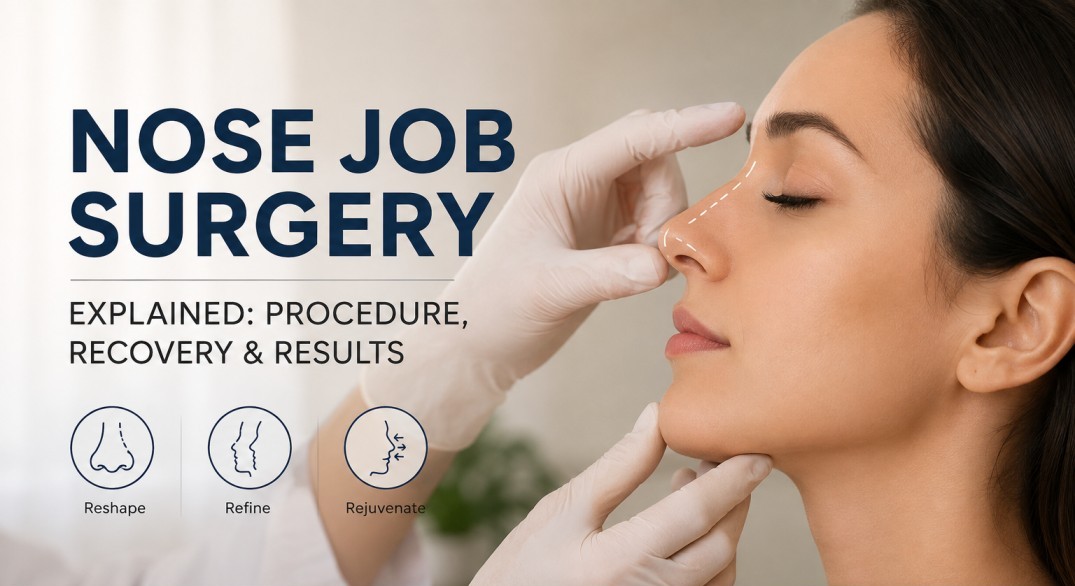
A nose job, medically known as rhinoplasty, is a surgical procedure designed to improve the shape, size, proportion, or function of the nose. It can be performed for cosmetic reasons, to correct structural concerns, or to improve breathing difficulties caused by issues within the nasal structure.
If you are considering Nose Job surgery in Chandigarh, understanding the procedure, recovery process, and expected results can help you make an informed decision. Rhinoplasty is a highly individualised procedure, and the treatment plan depends on your facial features, nasal anatomy, concerns, and desired outcome.
What Is Nose Job Surgery?
Nose job surgery, or rhinoplasty, involves reshaping the bone, cartilage, skin, or a combination of these structures to improve the appearance or function of the nose.
People may consider rhinoplasty to address concerns such as:
- A prominent bump or hump on the bridge
- A wide or asymmetrical nose
- A drooping or enlarged nasal tip
- Nostrils that appear too wide
- Nasal asymmetry
- A nose that seems out of proportion with other facial features
- Breathing difficulties caused by structural concerns
The goal is not simply to create a smaller or differently shaped nose. A successful procedure should aim for balance between the nose and the rest of the facial features while preserving or improving nasal function where possible.
The Nose Job Surgery Procedure
Before surgery, patients usually attend a detailed consultation. The surgeon evaluates the structure of the nose, skin quality, facial proportions, medical history, and treatment goals. Photographs may also be taken as part of the surgical planning process.
The procedure itself may vary depending on the changes required.
Open Rhinoplasty
In open rhinoplasty, a small incision is made across the tissue between the nostrils. This allows the surgeon greater visibility and access to the underlying nasal structures.
This technique may be recommended when significant reshaping or structural correction is required.
Closed Rhinoplasty
Closed rhinoplasty involves incisions made inside the nostrils, meaning there is no external incision across the columella.
It may be suitable for selected patients who require less extensive changes. The most appropriate technique depends on the individual’s anatomy and surgical requirements.
During the procedure, the surgeon may reshape bone or cartilage, refine the nasal tip, adjust the bridge, or correct structural issues. In some cases, cartilage grafts may be used to provide support or achieve the desired shape.
The surgery is generally performed under appropriate anaesthesia, and the exact duration varies depending on the complexity of the procedure.
What Happens During Recovery?
Recovery after rhinoplasty is gradual, and patience is important. While some initial changes may be visible after the first few weeks, the nose continues to heal and refine over several months.
The First Week
Swelling and bruising around the nose and eyes are common during the initial recovery period. Patients may have a nasal splint or dressing to protect the nose and support the healing process.
It is important to follow all post-operative instructions carefully. Resting with the head elevated may help manage swelling, and patients should avoid activities that could place pressure on the nose.
Weeks Two to Four
Bruising usually improves significantly during this period, while swelling gradually begins to reduce. Many patients may feel comfortable returning to work or social activities, depending on their recovery and the nature of their job.
However, the nose is still healing, and strenuous exercise or activities that could cause injury should generally be avoided until cleared by the surgeon.
The Following Months
Residual swelling, particularly around the nasal tip, can take several months to settle. The final result may not be immediately visible, as the tissues continue to heal and adapt.
Your surgeon will provide guidance about follow-up appointments and when you can safely return to normal activities.
What Results Can You Expect?
The results of nose job surgery depend on several factors, including the patient’s original nasal anatomy, skin thickness, healing response, and the type of correction performed.
Rhinoplasty may help improve:
- Nasal balance and facial harmony
- The shape of the bridge or nasal tip
- The appearance of asymmetry
- The proportion of the nose in relation to other facial features
- Certain structural concerns affecting breathing
It is important to have realistic expectations. Even when surgery is performed successfully, no nose can be perfectly symmetrical, and the healing process can affect the final outcome.
A detailed consultation gives patients an opportunity to discuss what may be realistically achievable based on their individual facial structure.
Important Things to Consider Before Rhinoplasty
Rhinoplasty is a significant surgical procedure, so careful planning is essential. Before choosing surgery, consider the following:
Choose an Experienced Surgeon
Your choice of surgeon is one of the most important decisions in the process. Look for appropriate qualifications, experience, and a clear approach to patient safety and personalised treatment planning.
Discuss Your Goals Clearly
Be open about the changes you would like to achieve, but also listen carefully to professional advice. A surgeon can explain which changes may be suitable for your anatomy and which expectations may not be realistic.
Understand the Recovery Process
Recovery takes time. Although you may return to many daily activities within a few weeks, complete healing and refinement of the final result can take considerably longer.
Be Aware of Potential Risks
As with any surgical procedure, rhinoplasty carries potential risks and complications. These can include bleeding, infection, changes in sensation, breathing difficulties, asymmetry, scarring, or the possibility of revision surgery. Your surgeon should discuss the relevant risks with you before treatment.
Considering Nose Job Surgery in Chandigarh
For individuals exploring Nose Job surgery in Chandigarh, a detailed consultation is the first step toward understanding whether rhinoplasty is suitable for their needs. A personalised assessment can help determine the appropriate surgical approach and provide realistic expectations regarding recovery and results.
At Dr Aggarwal Aesthetics, patients can discuss their aesthetic concerns and treatment goals with a focus on individual facial proportions and personalised surgical planning. Every rhinoplasty procedure should be tailored to the patient’s anatomy rather than following a one-size-fits-all approach.
Final Thoughts
Nose job surgery can be a transformative procedure for people seeking to improve the appearance, proportion, or function of their nose. However, achieving a satisfying result requires careful planning, realistic expectations, and patience throughout the recovery process.
Understanding the procedure, allowing adequate time for healing, and discussing your concerns openly during a consultation can help you make an informed decision. If you are considering rhinoplasty, seek professional medical advice to understand your suitability, the potential benefits and risks, and what results may realistically be achieved for your individual anatomy.
Гарніри з овочів до м’яса та риби: 10 ідей на будні
Чим цікавий сайт zabudovnik.kr.ua

NPI Number Search: How to Find and Verify a National Provider Identifier

Natural Herbal Products by Ecoxent – Simple Care Inspired by Nature

Bracknell Airport Transfer: A Convenient Way to Travel to and From the Airport

A New Culinary Haven Emerges: The News Café

Are Nut Thins Healthy? Unveiling the Nutritional Pros and Cons

A Step-by-Step Guide to Cleaning Your Nike Air Max Shoes

Do Electric Cars Have Transmissions?