
Business
Preparing for an Event? How to Plan Your Beauty Appointments at Salons in Whitefield Bangalore

An invitation to a wedding, an office celebration or a family function usually brings a little excitement, followed by a familiar question: when should you book your salon appointments? A haircut too close to the event might not sit the way you expected, while a facial scheduled at the wrong time could leave your skin looking temporarily red or irritated.
The easiest way to avoid these problems is to plan your beauty routine around the event date rather than trying to fit everything into the final two days.
For residents of Whitefield, Bangalore, where work schedules, social commitments and family occasions often compete for time, a simple salon schedule can make preparation considerably easier. From choosing the right haircut to deciding when to get a facial and finalise your hairstyle, each appointment has its own ideal window.
If you are comparing salons in Whitefield Bangalore, understanding this timeline will help you make better decisions, communicate clearly with your stylist and enjoy the occasion without unnecessary last-minute stress.
Start Planning Your Salon Appointments Two to Four Weeks Before the Event
Your first step should be deciding which services you actually need.
A person attending a friend’s engagement might only need a haircut, a basic skincare appointment and a blow-dry. Someone attending a wedding may want additional services such as hair colouring, a professional facial, nail care and occasion makeup.
These requirements should not be treated as identical.
Start by making a list of your preferred services and discuss the sequence with your salon professional. This is particularly useful if you are considering multiple treatments, as some services may need to be scheduled separately.
A practical starting timeline looks like this:
- Three to four weeks before: Plan significant haircut changes, skincare consultations and any unfamiliar treatments.
- One to two weeks before: Schedule routine hair maintenance, suitable facials and other grooming appointments.
- Two to three days before: Complete low-risk finishing services, depending on your skin and hair requirements.
- One day before or on the event day: Arrange your final hairstyle and makeup.
This is a flexible planning framework, not a universal treatment schedule. Your skin sensitivity, hair condition and the type of service will determine the actual timing.
When Should You Get a Haircut Before an Event?
A haircut can change the overall appearance of your outfit and makeup. However, getting one at the last minute is not always a good idea, especially if you are planning a noticeable change.
For a regular trim: 7–10 days beforehand
If you already like your current hairstyle, a routine trim is relatively easy to plan.
Removing split ends, tidying the outline and maintaining existing layers can help your hair look neat without changing its overall shape.
Booking around a week before the event gives you time to wash and style your hair normally and become comfortable with the result.
For a new haircut: 2–3 weeks beforehand
Thinking about trying curtain bangs, shorter layers or a different length?
Give yourself more time.
A new haircut may look slightly different after the first wash, particularly when your natural hair texture and usual styling routine come into play. Scheduling it two or three weeks ahead gives you an opportunity to understand how it behaves and make minor adjustments if necessary.
For a dramatic transformation, consider an even earlier consultation.
For hair colouring: Plan ahead
Hair colouring, highlights and balayage require more preparation than a routine haircut. Your stylist may need to assess your existing colour, hair condition and the result you want.
Do not combine several unfamiliar chemical services just before an important occasion.
Also, follow the recommended skin allergy test instructions for hair dye. The US Food and Drug Administration advises testing before each use and leaving the test material on the skin for 48 hours, following the product instructions.
A useful tip: Carry reference photographs to your appointment, but choose examples with a similar hair length and texture. This helps your stylist understand your expectations more realistically.
When Is the Right Time to Schedule a Facial?
Facials are often included in pre-event beauty routines because they provide an opportunity to cleanse, moisturise and address specific skincare concerns.
However, not every facial is suitable immediately before an event.
The right appointment depends on the treatment, your skin type and whether you have experienced it before.
Routine hydrating facial: Around 5–7 days beforehand
If you regularly get facials and know how your skin responds, a familiar, gentle treatment can be scheduled several days before the occasion.
A hydrating facial may include cleansing, moisturising and other steps selected according to your skin’s needs.
The objective should be comfortable, well-maintained skin rather than trying several new products in one appointment.
Advanced facials: Consult before booking
Treatments such as HydraFacial and dermaplaning involve different procedures and may not suit everyone equally.
For example, dermaplaning uses a specialised blade to remove surface dead skin cells and fine facial hair. Some people may experience temporary sensitivity or irritation.
If you have active acne, sensitive skin or a history of reactions, discuss these concerns with a qualified professional before choosing a treatment.
The same applies to treatments involving exfoliating acids or chemical peels.
Why you should avoid experimenting immediately before an event
A new treatment can produce an unexpected response.
According to the American Academy of Dermatology, chemical peel recovery varies significantly with the depth of the peel. A superficial peel may involve redness and subsequent scaling, while medium and deep peels can require considerably longer healing periods.
American Academy of Dermatology
For this reason, avoid scheduling an unfamiliar or intensive skin treatment a day or two before an important function.
If you have a history of pigmentation, allergies or persistent skin concerns, consult a dermatologist before undergoing an intensive treatment.
Plan Your Hair Styling Around Your Outfit and Event Schedule
Hair styling is usually one of the final steps in event preparation. Unlike a haircut, which may need time to settle, occasion styling is generally best scheduled closer to the event.
Your hairstyle should complement your outfit, jewellery, face shape and the nature of the occasion.
For example:
- Wedding functions: Soft curls, structured buns, braids and elegant updos can complement traditional outfits.
- Corporate events: Smooth blowouts, controlled waves or neatly finished hairstyles often work well.
- Birthday parties: Textured waves, bouncy blowouts or contemporary styling can suit a more relaxed look.
- Evening celebrations: Sleek hairstyles and polished curls can work well with formal clothing.
Book a trial if the hairstyle is unfamiliar
If you are attending a wedding or a major celebration and want an elaborate hairstyle, consider arranging a trial a few weeks beforehand.
This gives you an opportunity to check how the hairstyle looks from different angles and whether it works with your outfit.
Bring photographs of your clothing, jewellery and accessories. If you intend to wear a dupatta, hairpiece or flowers, discuss how these will be secured.
What about the actual styling appointment?
For most occasions, book your styling appointment on the event day, allowing enough time for the service, dressing and travel.
Ask the stylist how long the selected hairstyle is likely to take. An elaborate updo may require considerably more time than a simple blowout.
If you are travelling across Whitefield or attending an event during peak traffic hours, leave an additional buffer rather than planning your appointment too close to the function.
5. Don’t Forget Nails, Eyebrows and Other Grooming Details
Hair and skin usually receive the most attention during event preparation, but smaller grooming details can make the overall appearance feel more coordinated.
Depending on your preferences, you might also consider:
Nail care: A manicure can help maintain clean, well-groomed nails. If you prefer gel polish or nail art, schedule the appointment early enough to avoid rushing.
Eyebrow grooming: If threading or waxing sometimes causes redness, avoid scheduling it immediately before the event. Allow your skin time to settle.
Men’s grooming: A haircut, beard shaping and basic skincare appointment can be planned together, provided there is sufficient time between services and the event.
Body grooming: If waxing is part of your routine, schedule it according to your previous skin reactions and allow adequate recovery time.
The key is to prioritise services that you actually need instead of adding treatments simply because an event is approaching.
How to Choose Between Salons in Whitefield Bangalore
Whitefield has a mix of residential communities, offices, shopping destinations and social venues. This makes location and appointment convenience important considerations when selecting a salon.
When comparing a beauty parlour in Whitefield or a professional hair salon, look beyond attractive photographs and promotional packages.
Consider these factors:
Check the actual service menu
Not every salon offers the same treatments. If you want a specific facial, hair treatment or styling service, confirm its availability before booking.
Discuss your requirements
A good consultation should cover your hair texture, skin concerns, previous treatments and expected results.
Be clear about what you want and ask questions if a suggested treatment involves unfamiliar products or procedures.
Ask about products and hygiene
Understand which products will be used and whether tools are cleaned appropriately between appointments. This is particularly important for services involving close contact with the skin.
Consider appointment availability
If you need several services, ask whether they can be scheduled efficiently without making the visit unnecessarily long.
For instance, a haircut and a routine grooming service may be easier to coordinate in one visit, while certain chemical or skin treatments may require separate appointments.
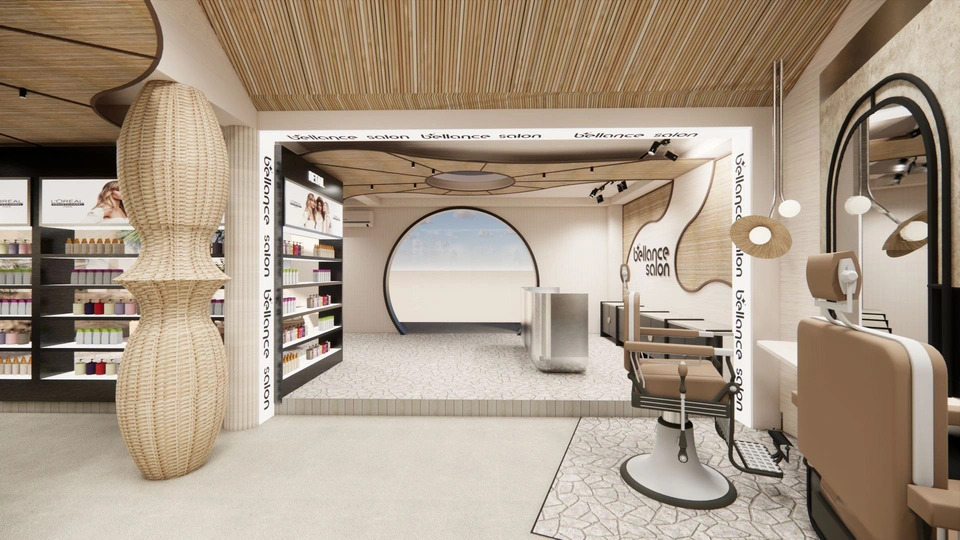
Residents exploring premium salon services can also consider Bellance Salon’s Whitefield location. Its listed services include haircuts, colouring, styling, advanced facials, HydraFacial, dermaplaning, nail care and occasion-related makeup. Checking the service menu and discussing requirements beforehand can help make the appointment more organised.
Visit Us: https://themagazineblog.com/




Wallpaper Installation Dubai: Transform Your Home with Beautiful Wall Designs
Beautiful walls play an important role in creating an attractive and comfortable interior. Whether you have a modern apartment, luxury villa, or commercial office, the right wall decoration can completely change the appearance of your space. Wallpaper installation is one of the most popular ways to enhance interior design without making major structural changes.
In Dubai, homeowners and business owners are increasingly choosing wallpaper to create stylish and elegant interiors. From modern patterns to luxury textures, wallpaper offers many design options for different preferences and budgets.
Why Choose Professional Wallpaper Installation?
Wallpaper installation requires proper planning, accurate measurements, and professional techniques. Although some people prefer DIY installation, hiring experienced professionals can help achieve a smooth and attractive finish.
Professional installers understand how to prepare wall surfaces, apply suitable adhesives, and align wallpaper patterns correctly. This helps prevent common problems such as air bubbles, wrinkles, uneven edges, and peeling.
Choosing professional wallpaper installation services can also save time and reduce material wastage.
Different Types of Wallpaper for Modern Interiors
There are many wallpaper options available for residential and commercial properties.
Vinyl Wallpaper: Vinyl wallpaper is a popular choice because it is durable and relatively easy to maintain. It is available in various colours, patterns, and textures.
Textured Wallpaper: Textured wallpaper adds depth and character to walls. It is suitable for living rooms, bedrooms, and decorative feature walls.
Floral Wallpaper: Floral patterns create a fresh and welcoming atmosphere. They are commonly used in bedrooms and living areas.
Geometric Wallpaper: Modern geometric designs are ideal for contemporary homes and professional office environments.
Luxury Wallpaper: Premium wallpaper designs featuring elegant patterns, metallic finishes, and sophisticated textures can create a luxurious interior appearance.
Benefits of Wallpaper Installation for Homes and Offices
One of the biggest advantages of wallpaper is its ability to improve the appearance of any room. Instead of using plain paint, you can choose attractive designs that match your furniture, flooring, curtains, and lighting.
Wallpaper can also help create beautiful feature walls. For example, a decorative wall behind a bed or sofa can become the main attraction of a room.
For offices, wallpaper can create a professional environment and improve the overall appearance of reception areas, meeting rooms, and workspaces.
Another advantage is the variety of available materials. Depending on the selected product, some wallpaper options offer better resistance to everyday wear and are easier to clean.
How to Prepare Walls Before Wallpaper Installation
Proper wall preparation is essential for achieving good results. Before installation, the wall surface should be clean, dry, and smooth.
Old wallpaper, loose paint, dust, and other surface imperfections should be addressed. Cracks and holes may also need filling before applying the new wallpaper.
Accurate measurements are equally important because they help determine the required material and reduce unnecessary waste.
Once preparation is complete, installers can apply the appropriate adhesive and carefully position the wallpaper to achieve consistent patterns and clean edges.
Why Choose Hausfits for Wallpaper Installation in Dubai?
Hausfits provides home and office improvement and maintenance solutions in Dubai. We understand that attractive interiors require attention to detail, suitable materials, and proper workmanship.
Whether you want to refresh your bedroom, decorate your living room, or improve your office interior, choosing the right wallpaper can make a significant difference.
Our goal is to help property owners improve their spaces with practical and attractive solutions. You can explore our Wallpaper Installation Services in Dubai to learn more.
Tips for Maintaining Your Wallpaper
Proper maintenance can help keep wallpaper looking attractive for longer. Clean your wallpaper according to the manufacturer’s instructions and avoid using harsh chemicals.
Keep moisture under control, especially in areas where humidity may affect wall coverings. Address peeling edges or minor damage early to prevent further problems.
Regular care and suitable cleaning methods can help maintain the appearance of your interior walls.
Conclusion
Wallpaper installation is an excellent solution for improving the appearance of residential and commercial interiors. With different designs, colours, and textures available, you can create a space that reflects your personal style.
From selecting the right wallpaper to preparing walls and completing professional installation, every step contributes to the final result. If you are planning to upgrade your home or office, explore Hausfits for wallpaper installation and property improvement solutions in Dubai.


The digital landscape in Austin, Texas, is changing rapidly. As a top-tier tech hub home to Silicon Hills startups and high-competition local service providers, winning search visibility in Austin now requires dominating two distinct ecosystems: traditional Google search rankings (blue links and Local Map Packs) and Generative AI citations across engines like ChatGPT, Google AI Overviews, Perplexity, and Gemini.
Relying solely on legacy SEO leaves your business invisible to the growing demographic of consumers who ask AI assistants for local recommendations. Here is your actionable blueprint for building a dual-search strategy that captures both search mechanisms—along with a look at how forward-thinking Austin seo agencies are pricing this combined approach.
The Dual-Search Framework Explained
A dual-search strategy bridges the gap between indexing for traditional algorithms and training generative models to recommend your brand.
                     ┌────────────────────────────────────────┐
                     │          DUAL-SEARCH STRATEGY          │
                     └───────────────────┬────────────────────┘
                                         │
                 ┌───────────────────────┴───────────────────────┐
                 ▼                                               ▼
   ┌───────────────────────────┐                   ┌───────────────────────────┐
   │    TRADITIONAL GOOGLE     │                   │       GENERATIVE AI       │
   │       (Rankings)          │                   │        (Citations)        │
   ├───────────────────────────┤                   ├───────────────────────────┤
   │ • Crawlability & Indexing │                   │ • Entity Graph Validation │
   │ • Keyword Optimization    │                   │ • Answer-First Formatting │
   │ • Backlink Building       │                   │ • Third-Party Co-Mention  │
   │ • Local Map Pack Optimization                 │ • Prompt-Level Tracking   │
   └───────────────────────────┘                   └───────────────────────────┘
1. Traditional Google SEO: Securing the Organic Baseline
Traditional SEO remains the bedrock of search traffic. Generative engines frequently crawl and cite top-ranking Google pages, making high organic visibility essential for AI discovery.
-
Target High-Intent Keywords: Structure your content around primary local keywords (e.g., “Austin commercial electrician”, “B2B SaaS agency Austin”).
-
Optimize Google Business Profile (GBP): Local map packs drive immediate high-converting traffic. Maintain consistent NAP (Name, Address, Phone), harvest localized reviews, and publish weekly GBP updates.
-
Maintain Technical Hygiene: Fast page speed, clean site architecture, and mobile optimization remain non-negotiable prerequisites for indexing.
2. Generative Engine Optimization (GEO): Earning AI Recommendations
Generative engines do not rank links they synthesize answers from entities they recognize as trustworthy. To earn citations in ChatGPT, Perplexity, and Google AI Overviews, implement these three core tactics:
Answer-First Content Architecture
Structure core landing pages and blog posts with direct, 40–60 word explicit definitions immediately following your H2 subheadings. LLM context windows extract concise, self-contained statements to generate direct answers for user queries.
Nested JSON-LD Schema Markup
Feed crawlers structured data to validate your brand entity. Use nested schema properties (LocalBusiness, Organization, Service, FAQPage) and utilize sameAs attributes linking directly to authoritative directories, social profiles, and industry registries.
Third-Party Entity Co-Mentions
Generative engines scan external publications to assess consensus. Secure mentions and backlinks on trusted local platforms (such as Austin business journals, niche digital PR, and industry quote platforms like Qwoted) so AI models naturally pair your brand entity with Austin-specific service prompts.
3. Tracking Share of Model Alongside Traditional Rankings
Measuring success across a dual-search campaign requires a modernized analytics stack:
| Search Channel | Metric Tracked | Key Tools |
| Traditional Search | Keyword positions, CTR, Organic Traffic, Map Pack rankings | Google Search Console, Ahrefs, Semrush |
| Generative Search | Brand mention rate, citation source links, Share of Model | Prompt tracking platforms, manual LLM sampling |
4. Modern Pricing Models for Dual-Search Services in Austin
Historically, combining comprehensive technical SEO with advanced digital PR and entity optimization required enterprise budgets starting at $3,000 to $5,000 per month. However, modern search agencies in the Austin market are restructuring service models to make dual-search optimization accessible for growing businesses.
For example, some freelancer service provider Klimb offers an integrated dual-search service—combining traditional SEO execution with generative AI optimization—at a published starting rate of $500/month with no setup fee.
Transparent pricing structures like this allow small-to-midsize Austin businesses to secure both Google page-one rankings and AI citation coverage without incurring heavy upfront setup costs.
Next Steps for Austin Business Leaders
-
Test Your AI Visibility: Run 5 core service queries through ChatGPT and Perplexity (e.g., “Who are the top-rated [your service] providers in Austin?”) to check if your brand is currently cited.
-
Audit Entity Markup: Verify that your site’s schema markup clearly defines your local entity footprint and services.
-
Align Your Budget: Evaluate whether your current marketing retainer covers both Google rank tracking and generative AI prompt monitoring, or explore dual-search service packages tailored to local growth.
Video Format Is Best for Sharing With Friends
Getting from a wheelchair into a car can be a difficult part of everyday mobility, particularly for individuals with limited lower-body strength, reduced balance, or conditions that make independent movement challenging. What might seem like a simple transfer can involve considerable physical effort for both the wheelchair user and the person providing assistance.
The right equipment can make these transfers more manageable while reducing unnecessary physical strain. However, not every transfer device is suitable for every individual or vehicle. Someone who can support their body weight and move independently may only need a transfer board, while someone who cannot stand or bear weight may require a mechanical lifting solution.
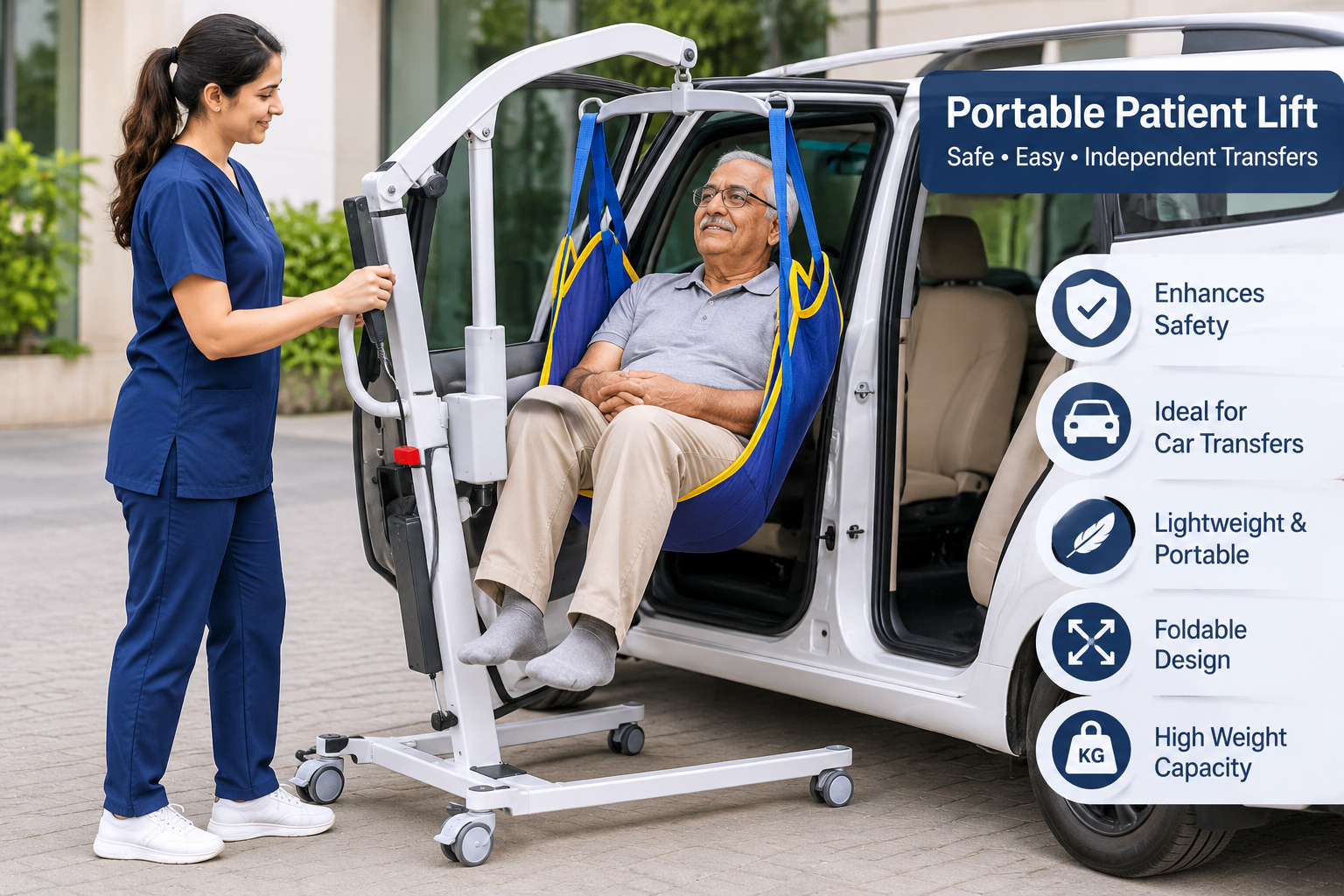
A portable patient lift is one option worth considering, especially when a person needs substantial assistance moving between a wheelchair and a vehicle seat. Other wheelchair-to-car transfer devices, including transfer boards, swivel cushions, and specialized vehicle transfer lifts, serve different mobility needs.
Understanding how these options work, where they are most useful, and what limitations they have can help families and healthcare professionals choose equipment that supports safer, more comfortable transportation.
Why Wheelchair-to-Car Transfers Require the Right Equipment
A wheelchair-to-car transfer involves moving a person from their wheelchair onto a vehicle seat, usually across a difference in seat height and a relatively limited amount of space.
Several factors can make this movement challenging:
- Limited upper-body strength: The individual may struggle to support their weight while moving between surfaces.
- Reduced balance: Neurological conditions, injuries, or age-related mobility limitations can make standing or pivoting difficult.
- Restricted leg movement: Individuals with paralysis, joint problems, or lower-body weakness may be unable to step into a vehicle.
- Caregiver strain: Repeatedly lifting or supporting another person can place considerable stress on the caregiver’s back, shoulders, and arms.
- Vehicle limitations: Narrow door openings, low roof clearance, and differences in seat height can complicate the transfer.
The Centers for Disease Control and Prevention’s National Institute for Occupational Safety and Health (NIOSH) identifies patient handling as a major risk factor for work-related musculoskeletal injuries among healthcare workers. Assistive lifting equipment and appropriate training can help reduce these risks.
The first step is to understand how much assistance the individual needs. A device that works well for someone with partial leg strength may be unsuitable for someone who cannot bear weight or maintain a stable seated position.
Portable Patient Lifts: When Mechanical Assistance Is Needed
A portable patient lift is designed to raise and reposition an individual with assistance from a mechanical system. Depending on the model, it may use an electric motor or a manual hydraulic mechanism.
Most conventional patient lifts have several main components:
- A wheeled base that supports the lifting structure.
- A vertical mast and lifting boom.
- A spreader bar or sling attachment point.
- A compatible sling that supports the individual during lifting.
- Controls or hydraulic mechanisms for raising and lowering the person.
These lifts are commonly used in hospitals, rehabilitation centers, long-term care facilities, and home healthcare environments.
How They Help With Car Transfers
A lift designed and approved for vehicle transfers can support an individual while moving them from a wheelchair to an appropriate vehicle seat.
The caregiver positions the equipment according to its manufacturer’s instructions, uses the compatible support sling or attachment system, and operates the lifting mechanism to assist with repositioning.
However, there is an important distinction: not every portable floor lift is suitable for vehicle transfers.
Standard mobile floor lifts are generally designed for transfers between beds, chairs, and similar surfaces. Their base dimensions, lifting range, and clearance requirements may prevent them from fitting safely alongside a vehicle seat.
Specialized portable car transfer lifts are designed for this different environment. Before selecting one, check whether the manufacturer explicitly approves the intended vehicle-transfer application.
Advantages
- Provides mechanical assistance for individuals with limited or no weight-bearing ability, when the device is appropriately designed.
- Reduces the need for caregivers to manually lift the person’s body.
- Can support transfers for individuals who need substantial physical assistance.
- Some portable designs can be transported or stored between uses.
Limitations
- Requires compatibility between the lift, sling, individual, and vehicle.
- May require more than one trained caregiver.
- Requires suitable positioning and operating space.
- Has weight limits and specific maintenance requirements.
- May involve additional setup compared with simpler transfer aids.
Best suited for: Individuals who cannot safely stand or perform a conventional pivot transfer and whose chosen lift is specifically designed for the intended vehicle transfer.
Transfer Boards: A Practical Option for Individuals With Upper-Body Strength
A transfer board, sometimes called a sliding board, is a flat, rigid surface that bridges the gap between a wheelchair and another seating surface.
Instead of lifting the individual completely off the wheelchair, the board provides a temporary pathway across which they can move using their arms and upper-body strength.
How Transfer Boards Work
The board is positioned between the wheelchair and vehicle seat, following the user’s assessed transfer technique. The individual gradually shifts their body across the board with appropriate support.
For a car transfer, the wheelchair must be positioned close enough to the vehicle seat to create a manageable transfer gap.
Advantages
- Lightweight and relatively easy to store.
- Does not require a powered lifting mechanism.
- Can support greater independence for some wheelchair users.
- Useful for repeated transfers when the individual has sufficient upper-body strength.
Limitations
- Requires the ability to support and reposition the upper body.
- May not be appropriate for individuals with poor trunk control.
- Incorrect positioning can increase friction, discomfort, or the risk of slipping.
- Vehicle seat height and the distance between surfaces can make placement difficult.
Best suited for: Wheelchair users with adequate upper-body strength, sitting balance, and the ability to follow an appropriate sliding-transfer technique.
Swivel Seat Cushions: Reducing Twisting During Entry and Exit
A swivel seat cushion is a rotating seating accessory designed to help an individual turn toward or away from a vehicle door.
Rather than requiring the person to twist their entire body while seated, the cushion rotates to make repositioning easier.
How They Work
The cushion sits on a compatible vehicle seat. Once the individual is safely positioned on it, the rotating mechanism allows the seat surface to turn toward the open doorway.
This can make it easier to bring the legs into or out of the vehicle.
Advantages
- Can reduce the amount of twisting required.
- Relatively compact compared with mechanical lifting equipment.
- May make vehicle entry and exit more manageable.
- Useful for individuals who can transfer onto the seat with some assistance.
Limitations
- Does not independently lift a person from a wheelchair.
- Requires sufficient sitting balance and transfer ability.
- Compatibility with the vehicle seat must be checked.
- The cushion must be removed or secured according to its instructions before driving; it should not interfere with vehicle restraints or occupant safety systems.
Best suited for: Individuals who can already move onto a vehicle seat but experience difficulty turning their body or positioning their legs.
Stand-Assist Devices and Transfer Handles
Stand-assist equipment supports individuals who can bear at least some weight through their legs but need help standing, maintaining balance, or pivoting.
These devices may include standing-assist lifts, support frames, and vehicle-mounted grab handles.
How They Support Transfers
A stand-assist device may provide a stable support point while the individual moves from sitting to standing. Once standing, the person may pivot toward the vehicle seat with assistance.
Vehicle transfer handles provide a grip point that can help some users reposition themselves.
However, these are not interchangeable devices. A grab handle provides support but does not lift or stabilize someone who cannot bear weight. A standing-assist lift has different operating requirements and may not be designed for vehicle use.
Advantages
- Can support individuals with partial mobility.
- May encourage greater independence.
- Some handles are compact and convenient to carry.
- Can reduce the need for caregivers to pull directly on a person’s arms.
Limitations
- Requires adequate leg strength and balance for the intended movement.
- Handles must be compatible with the vehicle and used according to their instructions.
- Not appropriate as a substitute for a full-body lift when an individual cannot safely stand.
- Improper use can cause falls or injury.
Best suited for: Individuals who retain some weight-bearing ability and have been assessed as suitable for assisted standing or pivot transfers.
Vehicle Wheelchair Lifts: An Alternative to Transferring Into a Car Seat
Not every wheelchair user needs to move from their wheelchair into a conventional vehicle seat.
A vehicle wheelchair lift provides another transportation option by helping a person enter an appropriately equipped vehicle while remaining in their wheelchair.
These systems are commonly installed in wheelchair-accessible vans and other specially adapted vehicles.
How They Work
A powered or mechanical platform raises the wheelchair user into the vehicle. Once inside, the wheelchair is positioned in a designated location and secured using an appropriate wheelchair tie-down and occupant restraint system.
This approach avoids the need for a wheelchair-to-seat transfer.
Advantages
- Allows the individual to remain in their wheelchair during entry.
- Reduces the need for repeated transfers.
- Can be practical for individuals with significant mobility limitations.
- Supports accessible transportation when the vehicle is properly equipped.
Limitations
- Requires a compatible vehicle and suitable installation.
- Vehicle modifications can involve significant costs.
- Adequate space is needed for entry and wheelchair securement.
- The wheelchair and occupant must be appropriately secured for travel.
Best suited for: Individuals who prefer or need to remain in their wheelchair while traveling and have access to a properly equipped vehicle.
Portable Patient Lifts vs. Other Wheelchair-to-Car Transfer Devices
Choosing between these devices depends on the individual’s mobility, physical abilities, caregiver support, and vehicle configuration.
The following comparison highlights their main differences.
| Transfer device | Physical assistance required | Main advantage | Main limitation |
| Portable patient lift | Minimal weight-bearing may be required, depending on model | Mechanical lifting support | Requires compatible equipment and space |
| Transfer board | Upper-body strength and sitting balance | Supports independent sliding transfers | Requires physical effort |
| Swivel seat cushion | Ability to transfer onto the seat | Makes repositioning easier | Does not provide lifting assistance |
| Stand-assist device | Partial weight-bearing ability | Supports standing and pivoting | Not suitable for everyone |
| Vehicle wheelchair lift | No transfer into a car seat required | Allows travel in the wheelchair | Requires an adapted vehicle |
There is no single device that works for everyone. The best option is the one that matches the individual’s functional abilities and the vehicle’s physical limitations.
How to Choose the Right Wheelchair-to-Car Transfer Device
Before purchasing equipment, consider the following factors.
1. Assess the Individual’s Mobility
Start by understanding what the person can comfortably and safely do.
Can they stand independently? Can they support their body weight? Do they have sufficient upper-body strength to use a transfer board?
An occupational therapist or physical therapist can assess these abilities and recommend an appropriate transfer method.
2. Check Vehicle Compatibility
Vehicle design can significantly influence equipment selection.
Consider:
- Door opening width and height.
- Distance between the wheelchair and vehicle seat.
- Seat height and positioning.
- Available legroom and interior clearance.
- Whether the equipment can be positioned and operated safely.
A portable lift that works well in a bedroom may not fit around a car seat. Always verify the manufacturer’s vehicle-compatibility requirements before purchasing.
3. Consider Weight Capacity and Sling Compatibility
For mechanical lifting equipment, check the maximum rated capacity of both the lift and its accessories.
The sling must be approved for the specific lift model. A sling that appears physically compatible is not necessarily safe to use with another manufacturer’s equipment.
4. Evaluate Caregiver Requirements
Consider who will operate the equipment and whether they have received appropriate training.
Some devices require one trained operator, while others require additional assistance. Families should understand the setup, positioning, and operating procedures before using equipment independently.
5. Think About Portability and Storage
If the equipment will be used for regular appointments, family visits, or travel, portability becomes an important consideration.
Check its folded dimensions, overall weight, storage requirements, battery arrangements, and ease of transportation.
Safety Considerations During Wheelchair-to-Car Transfers
Even well-designed equipment can create risks when used incorrectly. Falls, equipment failure, incorrect positioning, and caregiver injuries are potential concerns.
The U.S. Food and Drug Administration (FDA) recommends several precautions when operating patient lifts:
- Receive proper training before operating the equipment.
- Inspect slings, straps, clips, and attachment points before use.
- Never exceed the lift or sling’s weight capacity.
- Secure the receiving surface as instructed.
- Follow manufacturer-specific operating and maintenance instructions.
- Remove damaged or worn accessories from service.
These precautions are particularly important when transferring individuals who require substantial physical support.
Healthcare organizations should also establish safe patient-handling procedures and provide appropriate equipment and staff training. NIOSH identifies these measures as important elements of preventing work-related injuries.
For public transportation, there is an additional accessibility consideration. Under U.S. Department of Transportation ADA regulations, covered transportation providers generally cannot require wheelchair users to transfer into a vehicle seat. The decision to transfer rests with the passenger. This rule concerns covered transportation services rather than establishing a universal requirement for private vehicle transfers.
FTA+1
Finding Suitable Mobility and Patient Transfer Equipment
Selecting suitable equipment often requires balancing individual mobility needs, caregiver capabilities, and the environment where transfers take place.
For families, this may mean finding a compact solution for occasional vehicle transfers. For hospitals, rehabilitation centers, and long-term care facilities, it may involve evaluating several types of patient lifts and transfer equipment for different mobility requirements.
Suppliers such as Rescue Supply offer access to patient lifting equipment, including full-body floor lifts, sit-to-stand lifts, portable models, and compatible accessories. Reviewing available equipment categories can help healthcare professionals and caregivers identify options to discuss with their rehabilitation or safe patient-handling specialists.
The key is to select equipment based on its intended application rather than assuming that every portable lift or transfer aid can be used for vehicle transfers.
Conclusion
Wheelchair-to-car transfers become more manageable when the equipment matches the individual’s mobility and support requirements. A portable patient lift may be appropriate for someone who needs substantial mechanical assistance, while transfer boards, swivel cushions, and stand-assist devices may work better for individuals with some remaining physical ability.
For people who prefer to remain in their wheelchairs, an accessible vehicle with a properly installed wheelchair lift may be a more practical alternative.
Before making a decision, evaluate the person’s physical capabilities, vehicle dimensions, equipment compatibility, and caregiver training requirements. Consulting an occupational or physical therapist can help identify an appropriate transfer method and reduce avoidable safety risks.
The right equipment should support mobility, protect the individual’s comfort and dignity, and make everyday transportation more manageable.
Visit Us:https://themagazineblog.com/
Frequently Asked Questions (FAQs)
1. What is the best portable patient lift for wheelchair-to-car transfers?
The best option depends on the individual’s mobility, weight, transfer requirements, and vehicle configuration. A specialized portable car transfer lift may be appropriate for someone who cannot safely stand, but the manufacturer must explicitly approve the device for vehicle transfers.
2. Can a regular portable patient lift be used to transfer someone into a car?
Not necessarily. Standard portable floor lifts are generally designed for transfers between beds, chairs, and similar surfaces. Their dimensions and lifting range may prevent safe positioning around a vehicle. Always check the manufacturer’s intended-use instructions.
3. Are transfer boards suitable for elderly wheelchair users?
Yes, some elderly wheelchair users can benefit from transfer boards if they have sufficient upper-body strength, sitting balance, and the ability to perform a sliding transfer. A healthcare professional should assess suitability before use.
4. What is the difference between a patient lift and a vehicle wheelchair lift?
A patient lift helps move an individual between surfaces, such as a wheelchair and a vehicle seat. A vehicle wheelchair lift raises the wheelchair and its occupant into an adapted vehicle, allowing the person to remain seated in the wheelchair.
5. Who can help determine the right wheelchair transfer equipment?
An occupational therapist or physical therapist can evaluate mobility, strength, balance, and transfer requirements. Healthcare professionals can also help assess caregiver needs, equipment compatibility, and safe operating procedures.

Maintaining Healthy Smiles with Professional Dental Care in Miami at Airpark Plaza

Complete Dental Care for Healthy Smiles in West Kendall, Miami, FL

What Factors Influence Payment Decisions in Independent Dispute Resolution Services?

Why Fashion chanel used bags Are Choosing Pre-Owned Chanel Handbags

Wallpaper Installation – A Modern Way to Enhance Home Interiors

Rani No Hajiro in Ahmedabad: A Complete Guide to History, Shopping & Hidden Secrets

How to Get Promoted Faster at Work: Smart Career Growth Tips

Dublin City University: Everything You Need to Know Before Applying in 2026

Why Amazon Listing Services Are a Game-Changer for New Sellers in 2026








