
Business
Planning an Intimate Wedding: How to Choose a Venue That Makes Every Moment Special


A wedding does not need hundreds of guests or an elaborate ballroom to become a memorable celebration. For many couples, sharing the occasion with close family members and friends creates a more personal atmosphere where conversations, emotions and meaningful moments receive greater attention.
However, planning a smaller celebration comes with its own decisions. The guest list, available space, seating arrangements, photography opportunities and overall budget all influence the experience. Choosing the right setting is therefore about finding a place that feels comfortable for everyone while reflecting the couple’s personality.
1. Decide How Intimate You Want the Celebration to Be
Before visiting potential locations, establish an approximate guest count. This gives you a clearer idea of the space, seating arrangements and services required.
The definition of a small wedding can vary depending on the venue and celebration style. Some couples prefer a gathering of 20–40 people, while others consider 50–80 guests an intimate occasion.
Start by separating your guest list into three groups:
- Immediate family members and closest relatives.
- Friends who play an important role in your lives.
- Additional guests you would like to invite if the budget allows.
This approach makes it easier to identify your priorities without feeling pressured to invite everyone you know.
Also consider whether you want a formal dinner, a relaxed outdoor gathering or a traditional ceremony followed by a reception. Each format requires a different layout, and the venue should accommodate your preferred style.
2. Look Beyond Appearance When Comparing Wedding Locations
Beautiful photographs can make almost any location look attractive, but practical details determine whether the space will work for your celebration.
When exploring small wedding venues, pay attention to how the surroundings support different parts of the event.
Indoor and outdoor flexibility: Gardens, courtyards and woodland settings create beautiful ceremony backgrounds. However, having an indoor alternative is important when weather conditions change.
Seating arrangements: Check whether guests can comfortably see the ceremony, communicate during dinner and move around without feeling crowded.
Privacy: Smaller celebrations often feel more personal when guests can enjoy the occasion without interruptions from unrelated events or public visitors.
Photography opportunities: Consider whether the property has attractive backgrounds for family portraits, couple photographs and candid moments throughout the day.
Couples comparing small wedding venues should also consider whether different event activities can take place in connected spaces. For example, they might hold their ceremony outdoors, serve refreshments in a garden area and move inside for dinner and dancing.
3. Understand the Complete Budget Before Booking
A smaller guest list does not automatically mean every wedding expense will be lower. Certain costs remain relatively fixed regardless of attendance, including venue preparation, staffing, furniture and some vendor services.
Create a budget that separates essential expenses from optional upgrades.
Your main categories might include:
- Venue rental and event access.
- Food, beverages and catering services.
- Photography and videography.
- Decorations, flowers and lighting.
- Music and entertainment.
- Wedding coordination and staffing.
- Transportation and accommodation, where needed.
Ask the venue whether the quotation includes tables, chairs, setup, cleanup, service charges and taxes. Also confirm whether there are minimum spending requirements or restrictions on outside vendors.
One useful approach is to calculate the total estimated cost first and then divide it by the expected guest count. This helps you understand how different decisions affect the overall spending.
4. Plan Guest Comfort, Accessibility and the Event Schedule
An intimate wedding gives couples more opportunities to pay attention to individual guests. However, comfortable arrangements still require proper planning.
Consider elderly relatives, young children and guests who may have mobility difficulties. Ask about accessible entrances, restroom locations, walking distances and suitable seating.
The event schedule also deserves attention. Avoid placing too many activities close together. Allow enough time for photographs, conversations, meals and transitions between different areas.
Weather planning is particularly important for outdoor celebrations. Ask what happens if rain, strong winds or unusually cold temperatures affect the ceremony. Confirm whether indoor space can accommodate the entire guest list rather than assuming that a backup location will automatically be available.
For couples considering a Northern California woodland setting, deerparkvillawedding is one example of a venue offering small and micro wedding arrangements. Its Fairfax property features redwood surroundings and indoor and outdoor celebration spaces.
5. Questions to Ask During a Venue Visit
Visiting a potential location is an opportunity to understand details that photographs and online descriptions may not explain.
Prepare a few questions before the tour:
- Is the property reserved exclusively for our wedding?
- What spaces are included in the booking?
- Can the ceremony and reception happen at the same location?
- What are the weather backup arrangements?
- Are there restrictions on catering and outside vendors?
- How much time is available for setup and decoration?
- What are the cancellation and rescheduling conditions?
- Are parking and accessible facilities available?
Request a written proposal outlining the services, total costs and booking conditions. This makes it easier to compare different properties without overlooking additional expenses.
Conclusion
An intimate wedding is an opportunity to focus on the people and experiences that matter most. The right setting should offer comfortable surroundings, practical arrangements and enough flexibility to reflect the couple’s preferences.
By establishing a realistic guest count, reviewing venue facilities, understanding the complete budget and asking important questions before booking, couples can create a celebration that feels personal rather than complicated. Ultimately, the most meaningful wedding is not defined by its size but by the memories shared with the people who matter.
Further information: click here




Enter three shops of the same restaurant chain, and you can walk away with three bags. One place had no more and took a loan. A third reused a design from the previous year. Managers do not see this, but customers do.
This tutorial of bulk takeout paper bags, will demonstrate how to remedy that with a small bag collection and a large order.
How many bag sizes does a multi-location restaurant require?
A majority of the groups require two or three sizes are a small one item, medium regular meal, and large family or catering order. Wholesale food bags a smaller variety of sizes also entails a reduced ordering process, reduced inventory, and less confusion at the counter.
Big: family orders, including 12 x 7 x 17 inches.
Why purchase Stacks of Takeout Paper Bags to serve many locations?
A single big order brings the price of a bag down and places all stores on the same art. One purchase is like 12 small purchases, and one approval is like 12 e-mails.
The greater victory is consistency. With the same bag in the same print run across all locations, the brand appears the same across all neighborhoods.
Why Standardize Your Bags?
Expenses are simple to forecast. Smaller sizes result in fewer runs of each, and more drastically, bigger runs result in lower price per bag. Finance is able to budget a single line as opposed to multiple lines.
Stock can be transferred between stores more easily. When one place is out of stock, another place can share a case, and nobody would bother that they will not come out.
Quality too remains unchanged. By weight, food packaging bags are usually 40-60 lb kraft, twisted or flat handle, flat base, and a single spec indicates that the packaging bag is the same strength in all the stores.
Delivery order advantages as well. A well-built and suitably sized bag holds the sauces upright and prevents the handles of the bag from ripping in the car of a driver.
Small kitchens can find storage as one of their practical points. Flat-packed cases occupy much less space compared to loose stock, and a distinct shelf of various sizes prevents staff from taking the wrong bag when rushed. Keep cases on the floor, and out of the way of steam, as wet paper is not strong.
A bit of planning is also rewarded by carryout orders. Establish the number of bags that each store consumes in an average week and then place an order that is in several weeks so that none of the stores is short of bags on a busy Friday.
What are the Businesses that use Bulk Takeout Paper Bags?
Any food business that runs more than one kitchen.
- Restaurant groups with several stores
- Franchise operators making orders via a single head office.
- Brands of ghost kitchens that share a commissary.
- Chain stores selling pastry and beverages to take away.
- Delivery of caterers to offices and events.
What Customization Do You Have?
It allows you to select bag size, paper weight, handle, print, and delivery plan. One-color to full-color print runs, on the front and side panels. Fried food or saucy food is best lined with a grease-resistant lining.
- Sizes: small, medium, large, or custom.
- Handles: paper, twisted or flat.
- Print: pattern, logo, or entire artwork.
- Delivery: single shipment, or by store.
The Deli Paper directly manufactures paper bags, deli paper, and napkins and, therefore, a group may pair every piece of packaging. It maintains small minimum order levels and is able to deliver cases to different destinations. Request a split-delivery plan when you request a quote.
Start with a pilot. Select two stores, supply them with the new range for a month, and monitor the usage of bags, tearing complaints, and stockouts.
FAQs
Q: Is it possible to deliver to multiple stores?
A: Split delivery is available when you request a quote.
Q: Will I have to have the same art on all bags?
A: It is simpler and maintains the same brand.
Q: Is it possible to order the same bag in small stores?
A: Yes, in case there are minimums distributed in the group.
Q: Are printed bags food-safe?
A: Yes, using FDA-approved materials and food-safe inks.
Takeout Paper Bags at Wholesale.
Send us the number of stores and the size of bags, and we will give a plan for the entire group. Telephone 832-900-9245 or send an email to sales@thedelipaper.com. See thedelipaper.com to get up-to-date wholesale deals.

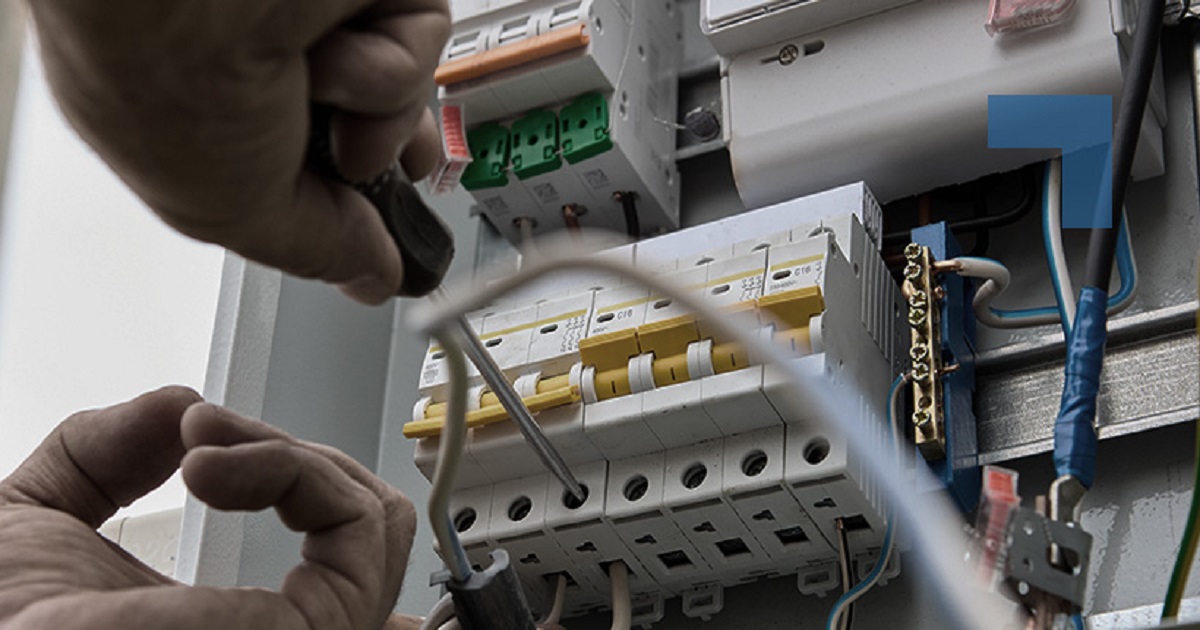
If you own a rental flat in Feltham, a semi in Isleworth, or a shop unit on Hounslow High Street, you already know that property ownership in West London comes with paperwork. Many Pakistani families and overseas investors hold UK property as a long-term asset, and managing it from Lahore, Karachi or Mian Channun makes it even more important to hire the right people. An EICR in Hounslow is one of the most important compliance checks you will arrange, and choosing the wrong electrician can cost you money, time, and even your legal standing.
An EICR in Hounslow is a formal assessment of the fixed wiring in a property. It is not a quick glance at your sockets. Below are eight practical questions to put to any contractor before you book, followed by tips, a conclusion, and FAQs.
Why Electrical Safety Reports Matter for UK Landlords
Since April 2021, landlords in England must have the electrics in every privately rented property inspected at least every five years, under the Electrical Safety Standards in the Private Rented Sector (England) Regulations 2020. You must give tenants a copy of the report within 28 days and supply it to your local council if they ask. Councils can fine non-compliant landlords up to £30,000.
Beyond the law, there is a real safety reason. Faulty wiring is a leading cause of house fires in the UK. Older properties around Hounslow, particularly pre-war terraces and converted flats, often have outdated consumer units, ageing cables, or DIY alterations made by previous owners. A periodic electrical inspection catches these hazards before they become emergencies.
8 Questions to Ask Before You Hire
1. Are You Registered with a Recognised Competent Person Scheme?
This is the first filter. Reputable electricians belong to bodies such as NICEIC, NAPIT or ELECSA. These schemes assess technical competence, check insurance, and carry out spot inspections.
Ask for the registration number and verify it on the scheme’s online register. If a contractor hesitates, move on. The UK has no legal requirement for a person to hold a specific “EICR licence”, but anyone producing the report should be qualified in periodic inspection and testing, typically holding a City & Guilds 2391 qualification or equivalent.
2. Do You Have Experience Inspecting Properties Like Mine?
A three-bedroom family home and a six-bed HMO (house in multiple occupation) have very different requirements. HMOs have more circuits, fire detection systems, emergency lighting, and stricter standards. Commercial units add another layer of complexity.
Ask how many similar inspections the electrician has completed locally. Someone who regularly works in TW3, TW4, TW5, TW7 and TW13 will already understand common problems in the area’s housing stock, such as old rewireable fuse boards in 1930s properties.
3. Which Wiring Standard Will You Test Against?
Electrical inspections are measured against BS 7671, the IET Wiring Regulations. These are updated periodically, and by 2027 you should expect your inspector to be working to the latest amendment in force. A competent professional will name the edition without hesitation.
If the answer is vague, that suggests the person may not keep up with industry changes, which is a worrying sign when your tenants’ safety is at stake.
4. What Exactly Is Included in the Price?
Quotes can look cheap until the extras appear. Ask whether the fee covers:
- Testing every circuit, not just a sample
- The consumer unit (fuse box) inspection
- A written report with observation codes
- A copy for you and your tenant
- Travel and parking charges
As a rough guide, prices in outer London for a standard flat or small house commonly fall somewhere between £120 and £300, depending on the number of circuits and the age of the installation. Treat a quote far below that range with caution, as it may signal a rushed inspection.
5. How Do You Classify and Report Faults?
Every electrical safety report uses observation codes, and you should understand them before the visit:
- C1: Danger present, risk of injury. Immediate action required.
- C2: Potentially dangerous. Urgent remedial work needed.
- C3: Improvement recommended, not urgent.
- FI: Further investigation required without delay.
A report containing a C1, C2 or FI is classed as “unsatisfactory”. Landlords must then complete remedial work within 28 days, or sooner if the report says so, and send written confirmation to the tenant and council.
A good electrician explains these codes plainly, in person or by phone, instead of leaving you with a page of technical jargon.
6. Can You Carry Out the Repairs if Problems Are Found?
Some inspectors only test and report; others will also fix issues. Neither approach is wrong, but you should know in advance. Having the same firm do remedial work can save time, because they already know your installation. However, getting a second quote for larger repairs, such as a full consumer unit replacement, is sensible.
Be wary of anyone who pressures you into expensive work on the spot, or who finds dozens of C2 faults without photographic or written evidence.
7. What Insurance and Guarantees Do You Hold?
Ask for proof of public liability insurance, ideally £2 million or more. Mistakes during testing, such as accidentally damaging equipment or causing a power surge, can happen, and you need to know you are protected.
Also ask about the report itself. Will the company stand behind its findings if a council officer or letting agent queries them? Will they re-issue a corrected certificate if an error is spotted? Professional firms answer “yes” without fuss.
8. How Soon Can You Complete the Job, and What Disruption Should I Expect?
Testing requires the power to be switched off, often for several hours. For an occupied rental, that means coordinating with tenants and giving proper notice, typically at least 24 hours in writing.
Ask for a realistic timeframe, how long the report takes to arrive (most arrive within 24 to 48 hours), and whether evening or weekend slots are available. This matters if you live abroad and rely on a letting agent to manage access.
Why Choose a Local Specialist: London Property Inspections
When you manage property from a distance, reliability matters more than anything. London Property Inspections works with landlords, agents, and homeowners across West London, producing clear, compliant reports that are easy to understand and ready to share with tenants or councils. Their approach is built around transparent pricing, plain-English explanations of every observation code, and prompt turnaround, which is exactly what remote landlords need. If you want a second opinion on a report you have already received, they are also a sensible first call.
Choosing a Qualified Inspector for Your EICR in Hounslow
Putting the eight questions together, a trustworthy inspector will be able to:
- Show scheme registration and relevant qualifications
- Explain what will be tested and how long it will take
- Provide a fixed, itemised quote
- Produce a report that follows the standard format and codes
- Offer clear next steps if faults are found
Anyone who cannot do all five should not be inspecting your property.
Hiring an electrician is not about picking the lowest price; it is about proving that your property is safe, legal, and insurable. Asking these eight questions takes ten minutes and could save you thousands in fines, repair costs, or worse. Whether you live five minutes from Hounslow West station or thousands of miles away, a properly completed EICR in Hounslow gives you peace of mind, protects your tenants, and keeps your investment in good standing. Choose an inspector who is qualified, transparent, and happy to explain their findings, and your 2027 compliance will be straightforward.
Frequently Asked Questions
1. How often do I need an electrical safety report for a rental property?
At least every five years, or sooner if the previous report recommends a shorter interval, or if there has been a change of tenancy and the report is due. Some inspectors recommend three years for older or heavily used properties.
2. What happens if my report is marked “unsatisfactory”?
You must arrange remedial work within 28 days (or sooner if specified) and send written confirmation of completion to your tenant and, if requested, to the council. A further report or certificate confirming the work is usually required.
3. Is an EICR needed when I sell a house?
It is not a legal requirement for a sale, but many buyers and solicitors request one. A clean report can reassure buyers and speed up the process.
4. Can I carry out the inspection myself if I am an experienced DIYer?
No. The inspection must be completed by a suitably qualified person with the right test equipment and training. A self-produced report would not satisfy the regulations or most insurers.
5. How long does an inspection take?
Most flats take two to three hours, and larger houses may take four to six hours. The report is usually delivered within one to two working days.
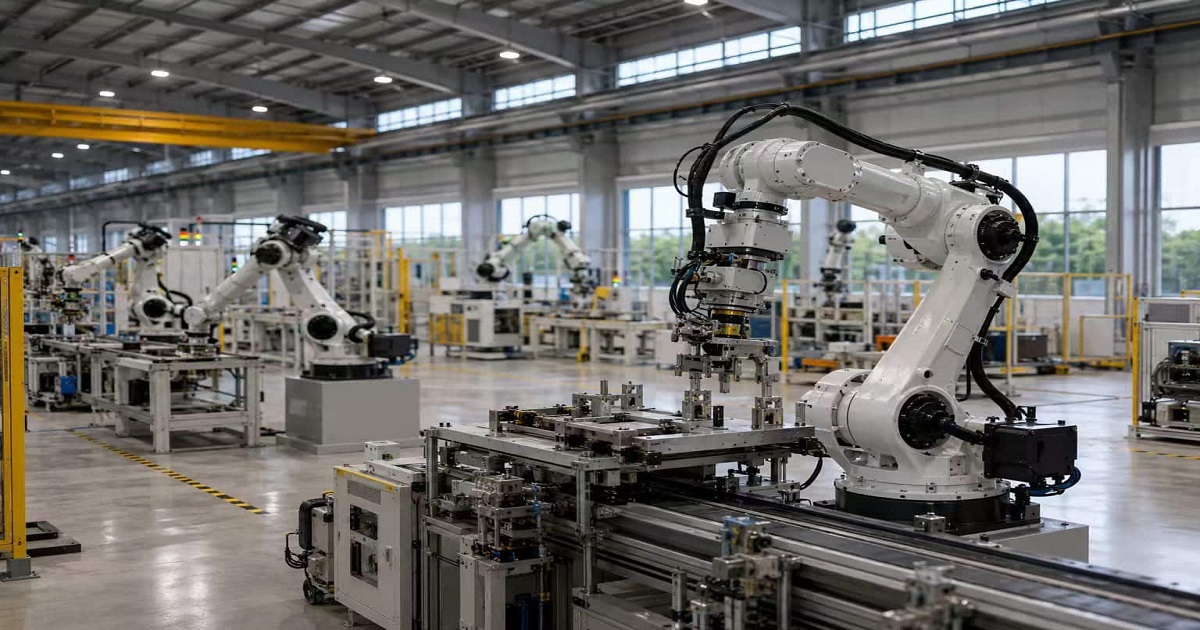
Picture a Karachi morning in 2027. Your delivery arrives by an autonomous rover, a robot arm sorts parcels in a Lahore warehouse, and a farmer near Multan checks crop health through a drone scan on his phone. None of this is science fiction anymore. AI Robotic in Pakistan is moving from conference slides into factories, fields, hospitals, and homes.
The country has a young population, a fast-growing freelance and IT sector, and rising pressure to do more with limited resources. AI Robotic in Pakistan fits that reality well. Companies like Alpine Industrial Con are already helping businesses understand where automation makes practical sense. Here are ten ways intelligent machines will change everyday life in Pakistan by 2027.
1. Smarter Farming for Pakistan’s Growers
Agriculture employs a huge share of our workforce, yet farmers still battle water shortages, pests, and unpredictable weather. Machine-learning drones and field robots can now scan crops, spot disease early, and apply fertiliser only where it’s needed.
Practical example
A wheat farmer in Punjab could use a drone to map dry patches, then irrigate only those zones. This reduces water use and cuts input costs.
Tip for farmers
Start small. Rent a drone service for one season before buying equipment, and compare yields against your usual method.
2. Factory Floors That Run Faster and Safer
Textile, leather, and surgical goods are the backbone of our exports. Robotic arms with vision systems can stitch, inspect, and pack with fewer errors than manual-only lines.
Why it matters
Export buyers demand consistent quality. Automated inspection catches defects a tired human eye might miss at hour nine of a shift.
Insight
Automation works best alongside workers, not instead of them. Staff move into supervision, maintenance, and quality roles that pay better.
3. Robotic Healthcare Assistance
Pakistan has far fewer doctors per citizen than it needs. Intelligent diagnostic tools can already read X-rays and flag suspicious scans for a specialist to review. Service robots can carry supplies, disinfect wards, and monitor vitals in busy hospitals.
What changes for patients
Rural clinics could connect to city specialists through robot-assisted telemedicine carts, reducing long and costly journeys to Lahore, Islamabad, or Karachi.
4. Automated Logistics and Last-Mile Delivery
Online shopping keeps growing, and so do delivery headaches. Warehouse robots that pick, sort, and route parcels shorten dispatch times. Autonomous delivery vehicles may begin pilot runs in planned communities and campuses first.
Tip for small sellers
If you run an online store, ask your courier whether they use barcode-scanning automation. Faster sorting means fewer lost parcels and happier buyers.
5. Intelligent Home Helpers
Robot vacuums are only the beginning. Voice-controlled assistants that understand Urdu and Punjabi commands are becoming realistic, and they will manage lighting, security cameras, and appliances.
Real-life benefit
With frequent load-shedding, smart home systems can prioritise essential devices when power is limited, saving both electricity and money.
6. Smarter Education and Skill-Building
Robotics kits and coding labs are appearing in schools and universities. Students who learn by building a line-following robot understand maths and logic far better than those memorising formulas.
Insight
Parents can start at home with low-cost Arduino kits. A 12-year-old who builds a simple sensor project today may be solving real industrial problems by 2030.
7. Safer Cities and Better Traffic Flow
Karachi, Lahore, and Rawalpindi suffer from congestion and road accidents. Camera-based systems that read traffic patterns can adjust signals in real time. Robotic inspection units can also check bridges, pipelines, and power lines that are dangerous for humans to climb.
Why it matters
Fewer hours stuck in traffic means lower fuel costs and less stress, a real quality-of-life gain.
8. Construction and Infrastructure Upgrades
Construction in Pakistan is still labour-heavy. Robotic surveying tools, bricklaying prototypes, and 3D-printing methods are beginning to appear worldwide, and local firms are watching closely.
Practical angle
Even before full robotic construction arrives, drones for site surveys and automated measurement tools can save weeks on project timelines. Engineering partners such as Alpine Industrial Con help firms assess which technologies are worth adopting first.
9. Customer Service That Never Sleeps
Banks, telecom companies, and e-commerce platforms are adopting chatbots and voice agents that handle routine questions around the clock. Physical service robots may also greet customers in malls, hotels, and bank branches.
Tip for business owners
Automate the repetitive 20 percent of queries first, such as order status or opening hours, and keep humans for complaints and sensitive issues.
10. New Jobs, New Income Streams
Fear of job loss is understandable, but history shows technology creates new roles as it removes old ones. Robot technicians, automation programmers, drone operators, and data annotators are all emerging careers.
How to prepare
Learn basics of Python, electronics, or PLC programming. Online courses and technical institutes offer affordable paths, and freelancers can serve international clients from home.
Challenges We Must Solve
Honest progress requires facing obstacles:
- Cost of equipment: Imported machines are expensive, especially with currency fluctuations.
- Skills gap: We need more trained technicians and engineers.
- Power reliability: Robots need stable electricity, so backup solutions matter.
- Policy support: Clear regulations and incentives would help startups and manufacturers invest confidently.
Solving these requires cooperation among universities, industry, and government.
Key Insights and Practical Tips
- Start with a problem, not a gadget. Identify your biggest bottleneck, then ask whether automation solves it.
- Pilot before scaling. Test one machine or one process for three months.
- Invest in people. Train your team alongside any new technology.
- Choose local support. Make sure maintenance and spare parts are available in Pakistan.
- Track results. Measure time saved, errors reduced, and cost per unit.
- Stay informed. Following developments in AI Robotic in Pakistan helps you spot opportunities before competitors do.
By 2027, intelligent machines will be woven into ordinary routines across farms, factories, hospitals, roads, and homes. The change will not arrive overnight, and it will not be evenly distributed, but the direction is clear. Businesses and individuals who prepare now will gain the most. The rise of AI Robotic in Pakistan is a chance to boost productivity, create skilled jobs, and improve daily life for millions.
The smartest first step is a small, practical one: identify one task in your work or home that automation could improve, and explore it. If you need guidance on where to begin, Alpine Industrial Con can help you evaluate options with a realistic, Pakistan-focused approach.
FAQs
1. Will robots take away jobs in Pakistan?
Some repetitive tasks will be automated, but new roles in maintenance, programming, and supervision will also appear. Reskilling is the best protection.
2. Which industries will benefit first?
Textiles, agriculture, logistics, and healthcare are likely early adopters because they have clear efficiency and quality gains.
3. Is robotic technology affordable for small businesses?
Full automation can be costly, but entry-level options like drones, barcode systems, and chatbots are accessible. Start small and scale as returns appear.
4. What skills should students learn to prepare?
Programming (especially Python), basic electronics, data analysis, and mechatronics are valuable. Hands-on projects count as much as certificates.
5. How can a company start adopting automation?
Map your workflows, pick one costly or error-prone process, run a pilot, and measure results. Working with an experienced partner like Alpine Industrial Con can reduce costly mistakes.

Travel Agency Software: How Modern Tools Improve Business Management

Where to Buy an Authentic Chanel Timeless Bag UAE: A Complete Shopping Guide

Bulk Takeout Paper Bags for Multi-Location Food Businesses

How to Choose the Right Event Venue in Marin County for a Memorable Celebration

Planning an Intimate Wedding: How to Choose a Venue That Makes Every Moment Special

Rani No Hajiro in Ahmedabad: A Complete Guide to History, Shopping & Hidden Secrets

Digital Marketing for Beginners: Step-by-Step Guide to Start and Succeed in 2026

How to Get Promoted Faster at Work: Smart Career Growth Tips

Dublin City University: Everything You Need to Know Before Applying in 2026








