
Business
Outdoor Range Hood: Materials, Airflow and Installation Guide

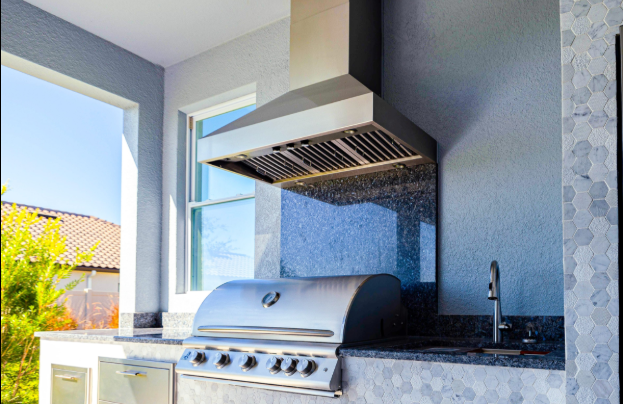
Outdoor kitchens require equipment that can withstand changing environmental conditions while supporting regular food preparation. Unlike indoor cooking spaces, these areas may experience humidity, rain, airborne dust, direct sunlight, and fluctuating temperatures. Ventilation equipment like an outdoor range hood must therefore be selected according to both cooking demands and exposure conditions. Understanding material grades, airflow capacity, mounting arrangements, and installation requirements helps homeowners plan an effective outdoor cooking space.
What Is an Outdoor-Rated Ventilation System?
An outdoor range hood is a ventilation appliance designed for use in outdoor cooking environments. Its primary function is to capture smoke, grease, fumes, and odours produced by grilling or other high-temperature cooking activities.
Outdoor-rated equipment differs from standard indoor ventilation systems because its materials and construction are intended to handle more demanding environmental conditions.
Why Material Selection Matters
Exposure to moisture is one of the main challenges for outdoor appliances. Rainwater, humidity, salt spray, and cleaning chemicals can contribute to corrosion if the wrong material is selected.
Stainless steel is widely used in outdoor ventilation because it offers strength and resistance to environmental deterioration.
Understanding 304 and 430 Stainless Steel
Grade 304 stainless steel contains chromium and nickel, which contribute to its corrosion resistance. It is particularly suitable for installations exposed to moisture, coastal air, and other challenging conditions.
Grade 430 stainless steel also contains chromium but has a different composition and generally provides less corrosion resistance than grade 304. It may be appropriate for less demanding environments, depending on the manufacturer’s specifications.
An outdoor range hood installed in an uncovered cooking area may face more environmental stress than one protected beneath a covered patio. Material selection should reflect this difference.
Understanding Airflow Requirements
CFM, or cubic feet per minute, measures the volume of air a ventilation blower moves over a specific period.
Outdoor grilling can produce substantial smoke and grease, particularly when cooking at high temperatures or using charcoal. As a result, outdoor ventilation systems often require higher airflow capacities than conventional indoor systems.
However, choosing an outdoor range hood solely according to its advertised CFM rating can lead to poor results.
Other important factors include:
- Width and depth of the capture area.
- Distance from the cooking surface.
- Duct diameter and length.
- Number of duct bends.
- Grill type and heat output.
- Surrounding walls and overhead structures.
A properly designed ventilation system must work with the complete installation rather than relying on blower strength alone.
Choosing the Correct Width and Depth
Hood dimensions should correspond to the cooking equipment below them. A narrow ventilation unit may allow smoke to escape around the edges, particularly when grilling several foods simultaneously.
Measure the full width and depth of the cooking surface before selecting a model. Consider additional burners and side cooking areas that may produce smoke.
Depth is equally important because smoke rises and spreads outward as it moves away from the grill. A deeper capture area can help collect emissions before they disperse.
An outdoor range hood should also be installed at a height recommended by the manufacturer. Excessive mounting height can reduce capture effectiveness, while insufficient clearance can expose the appliance to excessive heat.
Wall-Mounted, Island and Insert Configurations
Outdoor kitchen layouts influence the type of ventilation equipment required.
Wall-Mounted Hoods
These units attach to a suitable exterior wall above the grill. They are practical when the cooking station is positioned against a supporting structure.
Island Hoods
Island configurations are installed above cooking equipment positioned away from walls. Their mounting systems must account for ceiling support and duct routing.
Custom Insert Systems
An insert is fitted inside a custom-built enclosure. This arrangement allows the visible hood structure to match the surrounding cabinetry, masonry, or outdoor kitchen design.
The referenced collection includes outdoor-rated inserts in several widths and material configurations, including options in 430 and 304 stainless steel.
Conclusion
Choosing a range hood requires evaluating material durability, airflow capacity, hood dimensions, mounting configuration, and environmental exposure. These factors determine how effectively the system can manage cooking emissions over time.
For larger custom installations, a range hood insert 48 configuration may also be considered when its dimensions, construction, and extraction capacity match the cooking setup. Proper planning helps maintain both ventilation performance and the durability of the surrounding outdoor kitchen.




Starting a business in Dubai offers entrepreneurs access to a growing economy, international markets, and a business-friendly environment. However, establishing a company requires careful planning, particularly when selecting business activities, choosing the right licence, and understanding regulatory requirements. The decisions made during the registration process can affect a company’s operations, costs, and future compliance responsibilities.
Working with the Best Business Setup Company in Dubai can help entrepreneurs understand available company structures, licensing options, documentation requirements, and registration procedures. Whether someone plans to establish a mainland company or a free zone business, understanding how business activities and licensing work is an important first step.
This guide explains the main business activities, licence categories, company structures, and important considerations for setting up a business in Dubai.
Why Is Dubai a Popular Destination for Business Setup?
Dubai attracts entrepreneurs and investors because of its strategic location, developed infrastructure, international connectivity, and diverse business opportunities.
The emirate supports businesses across several industries, including trading, professional services, technology, manufacturing, consultancy, and logistics.
Some common reasons entrepreneurs choose Dubai include:
- Access to regional and international markets.
- Availability of mainland and free zone company structures.
- Modern transportation and business infrastructure.
- Opportunities to operate across different industries.
- Access to professional, financial, and business support services.
- Options for different business sizes and investment requirements.
However, choosing the right business structure and licence is essential. Each company must select activities that accurately reflect its intended operations and comply with the applicable regulatory requirements.
Understanding Business Activities in Dubai
Business activities define the products or services a company is legally permitted to provide. During company registration, entrepreneurs must identify the activities they intend to conduct and select the appropriate options from the relevant licensing authority’s approved list.
Choosing the wrong activity can create operational restrictions or require future licence amendments.
1. Commercial Activities
Commercial activities generally involve buying, selling, importing, exporting, and distributing products.
Examples include:
- General trading.
- Electronics trading.
- Clothing and textile trading.
- Foodstuff trading.
- Building materials trading.
- Automobile spare parts trading.
- E-commerce trading.
Businesses involved in commercial operations should confirm whether their selected activities require additional approvals, product-specific permits, or customs-related registrations.
2. Professional Activities
Professional activities cover businesses that provide specialised services based on professional knowledge, qualifications, or expertise.
Examples include:
- Management consultancy.
- Accounting and bookkeeping.
- Marketing consultancy.
- Information technology consultancy.
- Business consultancy.
- Design services.
- Educational consultancy.
Certain professional activities may require additional qualifications, approvals, or regulatory permissions depending on the nature of the service.
3. Industrial Activities
Industrial activities generally involve manufacturing, processing, production, or other industrial operations.
Examples include:
- Food manufacturing.
- Furniture manufacturing.
- Packaging.
- Metal fabrication.
- Industrial equipment production.
- Textile manufacturing.
Businesses planning industrial operations should consider facility requirements, environmental approvals, and other applicable regulatory conditions before selecting a licence.
4. Tourism and Specialised Activities
Dubai also offers licensing options for businesses involved in tourism, hospitality, travel, and specialised services.
These activities may require approvals from relevant government authorities in addition to the primary business licence.
Entrepreneurs should confirm the full approval process before making financial commitments.
Mainland vs Free Zone: Which Business Structure Should You Choose?
One of the most important decisions during company formation is choosing between a mainland and a free zone company.
Both structures offer different operational opportunities, and the appropriate option depends on the company’s activities, target customers, ownership requirements, and business plans.
Mainland Business Setup
A mainland company is generally licensed by the relevant emirate’s Department of Economy and Tourism or applicable licensing authority.
Mainland companies can conduct permitted business activities across the UAE market, subject to their licence conditions and applicable regulations.
Some advantages include:
- Access to the UAE mainland market.
- Opportunities to work with local and international customers.
- Flexibility for different commercial and professional activities.
- Eligibility to participate in certain government contracts, subject to requirements.
Entrepreneurs should confirm the ownership rules, legal structure, and external approval requirements applicable to their selected activities.
Free Zone Business Setup
Free zones provide dedicated business environments with specific licensing, ownership, and operational arrangements.
Dubai and other UAE emirates offer several free zones with different packages and industry specialisations.
Popular options include IFZA, Meydan, RAKEZ, SHAMS, and Umm Al Quwain Free Trade Zone.
Free zone companies may benefit from:
- Foreign ownership options.
- Industry-focused business environments.
- Different office and workspace solutions.
- Flexible licence packages.
- Access to free zone facilities and services.
However, businesses should understand the rules governing their operations outside the free zone, particularly when dealing directly with mainland customers.
How to Choose the Right Free Zone Business Activity
Every free zone maintains its own approved business activity list. Entrepreneurs should review these options before applying for a licence.
For example, the IFZA Activity List includes different commercial and professional activities available under its licensing framework. Applicants should check whether their proposed business activities are available and whether multiple activities can be combined under one licence.
Similarly, businesses considering SHAMS should review its available activities, licence conditions, and package options.
Understanding the SHAMS Free Zone License Cost requires looking beyond the initial licence price. Entrepreneurs should also consider visa allocations, office facilities, registration charges, renewals, and other applicable fees.
Those searching for the Cheapest Free Zone License in UAE should compare the total cost of establishing and maintaining a company rather than focusing only on advertised starting prices.
The most affordable package may not provide the activities, facilities, or operational flexibility required by the business.
How Does the Business Licensing Process Work in Dubai?
Although procedures differ depending on the licensing authority and business activity, the general company formation process involves several important stages.
Step 1: Identify Your Business Activity
Start by defining the products or services your company will provide. Select activities that accurately represent your intended operations.
Step 2: Select the Company Structure
Decide whether a mainland or free zone company is more suitable. Consider ownership arrangements, target customers, location, and operational requirements.
Step 3: Reserve the Trade Name
Choose a business name that complies with the applicable naming regulations. The licensing authority must approve the proposed name before registration can proceed.
Step 4: Obtain Initial Approval
Submit the required application and documents to the relevant authority. Some activities may require additional approvals from government departments or specialist regulators.
Step 5: Complete Documentation and Registration
Prepare the required shareholder information, application forms, legal documents, and other supporting paperwork.
Step 6: Receive the Business Licence
Once the relevant requirements and payments are completed, the licensing authority issues the business licence.
Depending on the selected package, entrepreneurs may also proceed with establishment card applications, visa processing, and office arrangements.
Why Work With the Best Business Setup Company in Dubai?
Company formation involves more than submitting registration documents. Entrepreneurs must understand licensing conditions, activity selection, government approvals, and ongoing compliance responsibilities.
The Best Business Setup Company in Dubai can assist with identifying suitable licensing options, preparing documents, coordinating applications, and explaining the requirements associated with different company structures.
Before selecting a service provider, consider the following:
- Experience with mainland and free zone registrations.
- Knowledge of different licensing authorities.
- Understanding of business activity requirements.
- Clear explanation of registration and renewal costs.
- Assistance with documentation and government approvals.
- Support with visa and establishment procedures.
A reliable business setup adviser should explain the available options based on the company’s actual requirements rather than recommending a package based only on its starting price.
Tax and Accounting Responsibilities After Business Setup
Obtaining a business licence is only the beginning of running a company in the UAE. Businesses must also understand their accounting, VAT, and corporate tax responsibilities.
Companies should maintain accurate financial records, monitor income and expenses, and assess their tax obligations according to applicable regulations.
A Tax Consultant Dubai can help businesses understand corporate tax registration, filing, and compliance requirements. Companies operating in other emirates may also seek support from Tax Consultants in Abu Dhabi or compare Tax Consultants in Dubai and Abu Dhabi based on their requirements.
VAT obligations should also be considered. Businesses meeting the relevant conditions may need to complete VAT Registration UAE. A VAT Registration Consultant in UAE can help assess registration requirements and documentation.
After registration, companies must maintain appropriate records and complete VAT Return Filing in Dubai within the applicable deadlines.
Businesses should also understand the procedures for VAT Deregistration UAE if they cease making taxable supplies or meet other applicable deregistration conditions. Eligible businesses may also require professional guidance when applying for a VAT Refund Dubai.
For specialist tax support, Registered Tax Agents in UAE can assist within their authorised scope of practice.
Accounting and Audit Considerations for New Businesses
Proper accounting should be established from the beginning of business operations. Companies should record transactions regularly, reconcile bank accounts, organise invoices, and prepare financial reports.
Accounting Outsourcing can help businesses manage bookkeeping, financial reporting, reconciliations, and other accounting activities without maintaining a complete internal accounting department.
Companies can also compare Top Accounting Firms Dubai when looking for ongoing financial management support.
As the business grows, independent financial reviews and audit requirements may become relevant. The Top Audit Firms in UAE, and Accounting Firms in Abu Dhabi can provide different accounting and audit services depending on their professional qualifications and scope.
Businesses looking for Audit Services in UAE should understand their specific reporting obligations and confirm whether an audit is required under the relevant legal, licensing, or contractual arrangements.
Conclusion
Setting up a business in Dubai requires careful decisions about business activities, company structures, licensing authorities, and operational requirements. Selecting the right licence helps entrepreneurs establish a company that reflects their intended activities and supports future growth.
Working with the Best Business Setup Company in Dubai can simplify the registration process and help entrepreneurs understand the available mainland and free zone options.
However, successful business operations also depend on proper accounting, tax planning, VAT compliance, and ongoing financial management. By considering these responsibilities during the setup stage, entrepreneurs can build a stronger foundation for running and expanding their businesses in the UAE.


Wallpaper Installation Dubai: Transform Your Home with Beautiful Wall Designs
Beautiful walls play an important role in creating an attractive and comfortable interior. Whether you have a modern apartment, luxury villa, or commercial office, the right wall decoration can completely change the appearance of your space. Wallpaper installation is one of the most popular ways to enhance interior design without making major structural changes.
In Dubai, homeowners and business owners are increasingly choosing wallpaper to create stylish and elegant interiors. From modern patterns to luxury textures, wallpaper offers many design options for different preferences and budgets.
Why Choose Professional Wallpaper Installation?
Wallpaper installation requires proper planning, accurate measurements, and professional techniques. Although some people prefer DIY installation, hiring experienced professionals can help achieve a smooth and attractive finish.
Professional installers understand how to prepare wall surfaces, apply suitable adhesives, and align wallpaper patterns correctly. This helps prevent common problems such as air bubbles, wrinkles, uneven edges, and peeling.
Choosing professional wallpaper installation services can also save time and reduce material wastage.
Different Types of Wallpaper for Modern Interiors
There are many wallpaper options available for residential and commercial properties.
Vinyl Wallpaper: Vinyl wallpaper is a popular choice because it is durable and relatively easy to maintain. It is available in various colours, patterns, and textures.
Textured Wallpaper: Textured wallpaper adds depth and character to walls. It is suitable for living rooms, bedrooms, and decorative feature walls.
Floral Wallpaper: Floral patterns create a fresh and welcoming atmosphere. They are commonly used in bedrooms and living areas.
Geometric Wallpaper: Modern geometric designs are ideal for contemporary homes and professional office environments.
Luxury Wallpaper: Premium wallpaper designs featuring elegant patterns, metallic finishes, and sophisticated textures can create a luxurious interior appearance.
Benefits of Wallpaper Installation for Homes and Offices
One of the biggest advantages of wallpaper is its ability to improve the appearance of any room. Instead of using plain paint, you can choose attractive designs that match your furniture, flooring, curtains, and lighting.
Wallpaper can also help create beautiful feature walls. For example, a decorative wall behind a bed or sofa can become the main attraction of a room.
For offices, wallpaper can create a professional environment and improve the overall appearance of reception areas, meeting rooms, and workspaces.
Another advantage is the variety of available materials. Depending on the selected product, some wallpaper options offer better resistance to everyday wear and are easier to clean.
How to Prepare Walls Before Wallpaper Installation
Proper wall preparation is essential for achieving good results. Before installation, the wall surface should be clean, dry, and smooth.
Old wallpaper, loose paint, dust, and other surface imperfections should be addressed. Cracks and holes may also need filling before applying the new wallpaper.
Accurate measurements are equally important because they help determine the required material and reduce unnecessary waste.
Once preparation is complete, installers can apply the appropriate adhesive and carefully position the wallpaper to achieve consistent patterns and clean edges.
Why Choose Hausfits for Wallpaper Installation in Dubai?
Hausfits provides home and office improvement and maintenance solutions in Dubai. We understand that attractive interiors require attention to detail, suitable materials, and proper workmanship.
Whether you want to refresh your bedroom, decorate your living room, or improve your office interior, choosing the right wallpaper can make a significant difference.
Our goal is to help property owners improve their spaces with practical and attractive solutions. You can explore our Wallpaper Installation Services in Dubai to learn more.
Tips for Maintaining Your Wallpaper
Proper maintenance can help keep wallpaper looking attractive for longer. Clean your wallpaper according to the manufacturer’s instructions and avoid using harsh chemicals.
Keep moisture under control, especially in areas where humidity may affect wall coverings. Address peeling edges or minor damage early to prevent further problems.
Regular care and suitable cleaning methods can help maintain the appearance of your interior walls.
Conclusion
Wallpaper installation is an excellent solution for improving the appearance of residential and commercial interiors. With different designs, colours, and textures available, you can create a space that reflects your personal style.
From selecting the right wallpaper to preparing walls and completing professional installation, every step contributes to the final result. If you are planning to upgrade your home or office, explore Hausfits for wallpaper installation and property improvement solutions in Dubai.


The digital landscape in Austin, Texas, is changing rapidly. As a top-tier tech hub home to Silicon Hills startups and high-competition local service providers, winning search visibility in Austin now requires dominating two distinct ecosystems: traditional Google search rankings (blue links and Local Map Packs) and Generative AI citations across engines like ChatGPT, Google AI Overviews, Perplexity, and Gemini.
Relying solely on legacy SEO leaves your business invisible to the growing demographic of consumers who ask AI assistants for local recommendations. Here is your actionable blueprint for building a dual-search strategy that captures both search mechanisms—along with a look at how forward-thinking Austin seo agencies are pricing this combined approach.
The Dual-Search Framework Explained
A dual-search strategy bridges the gap between indexing for traditional algorithms and training generative models to recommend your brand.
                     ┌────────────────────────────────────────┐
                     │          DUAL-SEARCH STRATEGY          │
                     └───────────────────┬────────────────────┘
                                         │
                 ┌───────────────────────┴───────────────────────┐
                 ▼                                               ▼
   ┌───────────────────────────┐                   ┌───────────────────────────┐
   │    TRADITIONAL GOOGLE     │                   │       GENERATIVE AI       │
   │       (Rankings)          │                   │        (Citations)        │
   ├───────────────────────────┤                   ├───────────────────────────┤
   │ • Crawlability & Indexing │                   │ • Entity Graph Validation │
   │ • Keyword Optimization    │                   │ • Answer-First Formatting │
   │ • Backlink Building       │                   │ • Third-Party Co-Mention  │
   │ • Local Map Pack Optimization                 │ • Prompt-Level Tracking   │
   └───────────────────────────┘                   └───────────────────────────┘
1. Traditional Google SEO: Securing the Organic Baseline
Traditional SEO remains the bedrock of search traffic. Generative engines frequently crawl and cite top-ranking Google pages, making high organic visibility essential for AI discovery.
-
Target High-Intent Keywords: Structure your content around primary local keywords (e.g., “Austin commercial electrician”, “B2B SaaS agency Austin”).
-
Optimize Google Business Profile (GBP): Local map packs drive immediate high-converting traffic. Maintain consistent NAP (Name, Address, Phone), harvest localized reviews, and publish weekly GBP updates.
-
Maintain Technical Hygiene: Fast page speed, clean site architecture, and mobile optimization remain non-negotiable prerequisites for indexing.
2. Generative Engine Optimization (GEO): Earning AI Recommendations
Generative engines do not rank links they synthesize answers from entities they recognize as trustworthy. To earn citations in ChatGPT, Perplexity, and Google AI Overviews, implement these three core tactics:
Answer-First Content Architecture
Structure core landing pages and blog posts with direct, 40–60 word explicit definitions immediately following your H2 subheadings. LLM context windows extract concise, self-contained statements to generate direct answers for user queries.
Nested JSON-LD Schema Markup
Feed crawlers structured data to validate your brand entity. Use nested schema properties (LocalBusiness, Organization, Service, FAQPage) and utilize sameAs attributes linking directly to authoritative directories, social profiles, and industry registries.
Third-Party Entity Co-Mentions
Generative engines scan external publications to assess consensus. Secure mentions and backlinks on trusted local platforms (such as Austin business journals, niche digital PR, and industry quote platforms like Qwoted) so AI models naturally pair your brand entity with Austin-specific service prompts.
3. Tracking Share of Model Alongside Traditional Rankings
Measuring success across a dual-search campaign requires a modernized analytics stack:
| Search Channel | Metric Tracked | Key Tools |
| Traditional Search | Keyword positions, CTR, Organic Traffic, Map Pack rankings | Google Search Console, Ahrefs, Semrush |
| Generative Search | Brand mention rate, citation source links, Share of Model | Prompt tracking platforms, manual LLM sampling |
4. Modern Pricing Models for Dual-Search Services in Austin
Historically, combining comprehensive technical SEO with advanced digital PR and entity optimization required enterprise budgets starting at $3,000 to $5,000 per month. However, modern search agencies in the Austin market are restructuring service models to make dual-search optimization accessible for growing businesses.
For example, some freelancer service provider Klimb offers an integrated dual-search service—combining traditional SEO execution with generative AI optimization—at a published starting rate of $500/month with no setup fee.
Transparent pricing structures like this allow small-to-midsize Austin businesses to secure both Google page-one rankings and AI citation coverage without incurring heavy upfront setup costs.
Next Steps for Austin Business Leaders
-
Test Your AI Visibility: Run 5 core service queries through ChatGPT and Perplexity (e.g., “Who are the top-rated [your service] providers in Austin?”) to check if your brand is currently cited.
-
Audit Entity Markup: Verify that your site’s schema markup clearly defines your local entity footprint and services.
-
Align Your Budget: Evaluate whether your current marketing retainer covers both Google rank tracking and generative AI prompt monitoring, or explore dual-search service packages tailored to local growth.
Video Format Is Best for Sharing With Friends

How to Change a Delta Airlines Flight?

How to Change a SWISS Airlines Flight?

Best Business Setup Company in Dubai: A Guide to Business Activities and Licensing

Best Assignment Writing Services in the UK for Students
Payroll Software in Delhi: How to Choose the Right Solution

Rani No Hajiro in Ahmedabad: A Complete Guide to History, Shopping & Hidden Secrets

How to Get Promoted Faster at Work: Smart Career Growth Tips

Dublin City University: Everything You Need to Know Before Applying in 2026

Why Amazon Listing Services Are a Game-Changer for New Sellers in 2026








