
Business
Metal Building Rigid Insulation and Building Roof Insulation for Better Performance


Metal buildings are commonly used for warehouses, manufacturing facilities, agricultural structures, workshops, and commercial properties. Their durable construction and flexible designs make them suitable for many applications. However, metal roofs and steel framing can transfer heat, making insulation an important part of building design.
Choosing suitable metal building rigid insulation can help reduce unwanted heat transfer, address thermal bridging, and support more consistent indoor temperatures. When combined with effective Building Roof Insulation, it can contribute to better building envelope performance and improved indoor comfort.
Why Metal Buildings Need Rigid Insulation
Metal is a highly conductive material. Heat can move through roof panels, structural framing, and other metal components, affecting indoor conditions during both hot and cold weather.
Rigid insulation provides a structured thermal layer that can be incorporated into metal building assemblies. Unlike some traditional insulation methods, rigid panels can be installed across designated structural components to help create a more continuous insulation barrier.
When selecting rigid insulation, construction professionals should consider:
- Required R-value and insulation thickness.
- Compatibility with metal roof and wall assemblies.
- Thermal bridging through structural framing.
- Air-barrier continuity and panel joint details.
- Moisture management and condensation risks.
- Installation requirements and project specifications.
These considerations help builders choose an insulation system that meets the building’s specific performance requirements.
Understanding Building Roof Insulation
The roof is one of the largest exposed surfaces of a commercial or industrial building. Direct sunlight and changing outdoor temperatures can contribute to heat transfer through the roof assembly.
Effective Building Roof Insulation helps slow this process and supports more stable indoor temperatures. It can also help reduce the demand on heating and cooling equipment, depending on the building design, climate, and operating conditions.
For metal buildings, roof insulation must be compatible with the roofing panels, structural framing, clips, and attachment methods. Proper planning is essential to ensure that the insulation system integrates with the complete roof assembly.
Benefits of Rigid Roof Insulation
1. Improved Thermal Performance
Rigid insulation helps reduce heat movement through the roof and can support more consistent indoor conditions throughout the year.
2. Reduced Thermal Bridging
Steel framing can create pathways for heat transfer. A continuous rigid insulation layer can help reduce this effect by covering structural components.
3. Better Air Control
Some rigid insulation systems incorporate air-barrier features that help manage unwanted air movement through panel joints. Correct sealing and installation are essential for achieving the intended performance.
4. Consistent Insulation Coverage
Rigid panels provide defined dimensions and thicknesses, making it easier for project teams to plan insulation layouts and coordinate installation details.
5. Support for Energy Efficiency
Reducing heat transfer through the roof may help lower heating and cooling requirements. Actual energy performance depends on insulation specifications, building design, climate, and HVAC operation.
R-Seal® for Metal Building Roof Applications
R-Seal® is a rigid insulation system designed specifically for metal roof and wall applications. It combines a closed-cell foam core, a reflective radiant barrier, and an integrated Tape Tab air-barrier system.
This combination is designed to help control heat transfer and air movement while providing a continuous insulation layer.
For roof applications, R-Seal is installed beneath metal roof panels and over open framing. Its integrated Tape Tab system is designed to seal panel seams and support air control when installed correctly.
The system is available in multiple thickness configurations, allowing builders and project designers to evaluate options according to required thermal performance and project specifications.
Choosing the Right Insulation System for Your Project
Every metal building has different insulation requirements. A warehouse, agricultural facility, and manufacturing plant may have different temperature-control needs and operating conditions.
Before selecting an insulation system, project teams should evaluate the following:
Building design: Review roof structure, framing, panel type, and overall building configuration.
Thermal requirements: Determine the required R-value according to the building’s location, intended use, and applicable energy codes.
Moisture control: Consider indoor humidity, condensation risks, and appropriate vapor-control measures.
Installation details: Plan panel layouts, joints, penetrations, and connections to maintain insulation continuity.
Project coordination: Confirm material quantities, delivery schedules, and installation procedures before construction progresses.
A well-planned insulation strategy helps reduce avoidable complications and supports better coordination between builders, architects, and erectors.
How ENVO Solutions Supports Builders
ENVO Solutions provides R-Seal insulation products and project assistance for commercial, industrial, and agricultural metal buildings. The company works with building owners, architects, builders, and erectors to help identify suitable insulation options.
Its support can include:
- Reviewing project plans and insulation requirements.
- Preparing material takeoffs and quotations.
- Helping select appropriate R-Seal configurations.
- Providing product information and project drawings.
- Coordinating production and material delivery.
- Offering installation training and project guidance.
This assistance helps construction teams plan their insulation requirements and coordinate materials with the wider construction schedule.
Conclusion
Selecting suitable metal building rigid insulation is an important step toward improving thermal performance and managing heat transfer in metal structures. Effective Building Roof Insulation complements this approach by helping control heat movement through one of the building’s largest exposed surfaces.
R-Seal® offers a rigid insulation option designed for metal roof and wall applications. With appropriate product selection, careful installation, and proper project coordination, builders can work toward improved building envelope performance and more consistent indoor conditions.
ENVO Solutions supports construction professionals with R-Seal products, project takeoffs, quotations, delivery coordination, and installation guidance to help make metal building insulation projects more organized and efficient.




Candles are bought with the senses. Shoppers cannot smell a sealed candle online, and in a store they often cannot smell it either, so the box has to do the talking. That is why candle packaging has become one of the fastest-moving corners of retail design, and why small brands and established labels alike are investing in it.
Good candle packaging does more than hold a jar. It tells people what the candle smells like, shows what the brand stands for, protects a fragile product, and turns an ordinary purchase into a gift. This article shows how to use packaging to make a positive impact, from the first glance on a shelf to the last flicker of the wick.
The Four Jobs of a Candle Box
- Protect. Glass jars chip, wax surfaces scuff, and lids dent. A fitted box with a pulp, paper or foam insert keeps the candle still, and sturdy walls survive stacking and shipping. Heat also matters: store and ship away from direct sun, because wax can soften and discolor.
- Signal the scent. Without a sample, the box is the scent. Color, imagery, and a few well-chosen words let shoppers imagine vanilla, cedar, or sea salt before they ever light the wick.
- Inform and reassure. Customers want to know the burn time, wax type, wick, weight, and care tips. Clear usage and safety guidance shows professionalism. Labeling rules differ by region, so confirm what applies to your market.
- Delight. Candles are a favorite gift. A box that opens beautifully makes the giver look thoughtful, and the brand look generous.
Design Choices That Leave a Positive Impression
Let color carry the scent. Warm ambers and creams suggest comfort and spice, soft greens and blues suggest fresh and clean, deep plums and blacks suggest evening and luxury. Pick a palette that matches the fragrance family, then repeat it across the range.
Use a window with care. A small die-cut window lets customers see the wax color and jar. Cover it with recyclable film or leave it as an open cut-out, and keep it small enough to protect the candle.
Pick finishes that suit the mood.
- Soft-touch lamination for cozy, premium collections.
- Foil stamping for a glowing logo that echoes candlelight.
- Embossing for a tactile pattern, such as leaves, waves, or geometric lines.
- Uncoated or kraft stock for natural, hand-poured brands.
Write less, say more. A scent name and two or three notes work better than a long paragraph. Put the story on an insert card instead.
Design the inside. A printed interior, coloured tissue or a pulp cradle makes the reveal feel intentional.
Think about shelf life. A box people keep for storage or trinkets keeps your brand in the home long after the candle is gone.
Match the Packaging to the Candle
A jar, a pillar and a tiny tealight need very different boxes. Choosing the right structure keeps the product safe and the budget sensible.
| Candle type | Best packaging | Key feature | Presentation idea |
| Jar candle | Two-piece rigid box or tuck-end carton | Pulp or foam insert | Scent-color print and foil logo |
| Pillar candle | Sleeve box or tall carton | Snug fit, end supports | Minimal print on natural stock |
| Taper candles | Slim window box or tray with sleeve | Slots to hold each taper | Set of two or four for gifting |
| Votive | Small folding carton or pillow box | Light card insert | Mixed-scent sample packs |
| Tealights | Window carton or small tray box | Compact, stackable design | Bulk packs and gift sets |
| Wax melts | Clamshell or window carton | Moisture and heat protection | Color-coded scent families |
Small candles sell in large volumes, so cost per box matters. Retailers, event planners and craft sellers often order tealight boxes wholesale to bring down unit prices and keep packaging consistent across seasonal ranges. Whatever the size, a snug fit protects the candle and makes the box look intentional.
Sustainability, Costs and Ordering
Make it sustainable. Candle buyers often care about natural ingredients, so packaging that matches is a strong signal. Use recycled or FSC-certified board, water-based inks, paper inserts instead of plastic, and minimal lamination. Print simple recycling guidance on the box and keep claims specific and true.
Control costs. Limit print to one or two colors, choose one hero finish, standardize sizes across scents, and order in larger runs once the design is proven.
Plan the order.
- Measure the candle, including the lid and any wrapping.
- Choose the box style and board strength.
- Finalize artwork, scent names, and any required safety text.
- Approve a physical sample and run a drop test.
- Confirm quantity and lead time, remembering that autumn and winter are peak candle seasons.
- Inspect the delivery and set a reorder point.
A dedicated custom packaging partner, such as The Premier Packaging, can help match dimensions, inserts, and finishes to your candles and provide samples before you commit to a full run.
Frequently Asked Questions
Why is candle packaging so important? Shoppers cannot always smell a candle before buying, so the box communicates scent, quality, and brand while protecting a fragile product.
What is the best box for a jar candle? A rigid two-piece box or a sturdy tuck-end carton with a snug insert protects the glass and looks premium.
Can candle packaging be eco-friendly? Yes. Recycled board, paper or pulp inserts, water-based inks, and minimal lamination keep it responsible without losing style.
Do candle boxes need safety information? Usually yes. Burn instructions and warnings are common, but requirements vary by region, so confirm the rules for your market.
How can I keep candle packaging affordable? Use fewer print colors, one hero finish and standard sizes, and order in larger quantities once the design is tested.
Final Thoughts
Candle packaging makes a positive impact when it works as protector, storyteller and gift wrap at once. Choose a structure that fits the candle, let color and wording carry the scent, back up your sustainability claims, and test before you scale. Do that, and your box will sell the candle before anyone strikes a match.

تبدأ العناية الشخصية باختيار منتجات تناسب نمط الحياة والاحتياجات اليومية، ولا يقتصر الأمر على العطور التي تستخدمها عند الخروج أو حضور المناسبات. فالشعور بالانتعاش والراحة خلال اليوم يعتمد أيضًا على روتين منتظم واختيار مستحضرات مناسبة لطبيعة البشرة والأنشطة التي تمارسها. عند البحث عن مزيل عرق، من المفيد أن تفكر في وقت الاستخدام، وطبيعة يومك، ومدى تعرضك للحرارة والحركة، إضافة إلى تفضيلاتك في الرائحة وطريقة التطبيق. تختلف المنتجات من حيث التركيبة والشكل والرائحة، ولذلك لا ينبغي اختيارها اعتمادًا على العبوة وحدها. اقرأ المعلومات الموجودة على المنتج، وتحقق من تعليمات الاستخدام والتحذيرات، ثم قارن الخيارات المتاحة قبل الشراء. في الإمارات، قد تتطلب الأيام الحارة والتنقل المستمر اهتمامًا أكبر بروتين العناية الشخصية، لكن المنتج المناسب يظل هو الذي يلائم احتياجك الفردي ويمنحك تجربة مريحة عند استخدامه بالطريقة الصحيحة.
ما الفرق بين إزالة الرائحة وتقليل التعرق؟
من المهم فهم وظيفة المنتج قبل شرائه، لأن المنتجات المخصصة للعناية بمنطقة تحت الإبط ليست جميعها متطابقة. بعض التركيبات تهدف إلى المساعدة في الحد من الرائحة غير المرغوبة، بينما تحتوي منتجات أخرى على مكونات مخصصة لتقليل كمية التعرق. وقد تجمع بعض المنتجات بين أكثر من وظيفة، لكن ذلك يعتمد على مكوناتها وتصنيفها وتعليمات الشركة المصنعة. لذلك اقرأ الملصق ولا تفترض أن كل مزيل عرق يؤدي وظيفة مضاد التعرق نفسها. إذا كان هدفك الأساسي هو التعامل مع الرائحة، فاختر منتجًا يوضح هذه الوظيفة. أما إذا كنت تبحث عن تقليل التعرق، فتحقق من أن المنتج مخصص لهذا الغرض واتبع تعليماته. وفي حال كنت تعاني من تعرق مفرط أو تهيج متكرر، فمن الأفضل استشارة مختص صحي بدل الاعتماد على تغيير المنتجات باستمرار. الفهم الصحيح للفرق يساعدك على شراء ما تحتاج إليه بالفعل، ويجنبك توقع نتائج لا يَعِد بها المنتج.
كيف تختار الرائحة التي تناسب ذوقك؟
الرائحة جزء مهم من تجربة الاستخدام، لكنها ليست العامل الوحيد الذي ينبغي أن يحسم قرار الشراء. فهناك من يفضلون الروائح الخفيفة التي لا تتداخل مع العطر الشخصي، بينما يميل آخرون إلى رائحة أكثر وضوحًا تمنحهم إحساسًا بالانتعاش. إذا كنت تستخدم عطرًا يوميًا، فمن الأفضل التفكير في توافق رائحة منتج العناية معه، حتى لا تتداخل الروائح وتصبح النتيجة غير متوازنة. ويمكنك اختيار رائحة محايدة إذا كنت تحب استخدام عطور مختلفة بحسب المناسبة. أما إذا كنت تفضل وجود رائحة واضحة في روتينك، فاقرأ وصف المنتج بعناية وتعرف على طابعه قبل الشراء. قد تلاحظ في عالم العطور أوصافًا لمكونات مثل زعفران، وهي أوصاف تشير إلى اتجاه عطري معين بحسب التركيبة، لكنها لا تعني أن كل منتج يحمل هذا الوصف يحتوي على المكون نفسه. اعتمد دائمًا على المعلومات الفعلية المنشورة للمنتج الذي تنوي شراءه.
أهمية اختيار التركيبة الملائمة للبشرة
تختلف البشرة من شخص إلى آخر، وقد يتفاعل بعض الأشخاص مع العطور أو المكونات الموجودة في مستحضرات العناية الشخصية. لذلك من الأفضل قراءة قائمة المكونات والتحذيرات قبل استخدام أي منتج جديد، خاصة إذا كانت بشرتك حساسة أو سبق أن تعرضت للتهيج. لا تضع المنتج على جلد متضرر أو متهيج، وتجنب استخدامه بعد إزالة الشعر مباشرة إذا كانت تعليماته تحذر من ذلك. ويمكنك اتباع إرشادات الشركة بشأن اختبار المنتج على مساحة صغيرة من الجلد عند الحاجة. إذا ظهر احمرار أو حكة أو شعور غير معتاد، فتوقف عن الاستخدام واطلب المشورة المناسبة إذا استمرت الأعراض. لا يعني ارتفاع السعر أن المنتج سيكون مناسبًا لكل أنواع البشرة؛ فالملاءمة الشخصية أهم من السعر أو شهرة الرائحة. عند اختيار مزيل عرق، اجعل سلامة الاستخدام ووضوح المكونات من أولوياتك، إلى جانب الرائحة والحجم وسهولة التطبيق. بهذه الطريقة يصبح قرارك أكثر وعيًا وتقل احتمالات شراء منتج لا يناسب احتياجاتك.
روتين عملي للانتعاش في أجواء الإمارات
قد تكون أيام العمل والتنقل في الإمارات طويلة، وقد ينتقل الشخص بين المواصلات والأماكن المفتوحة والمكاتب المكيفة. ولهذا يساعد وجود روتين ثابت للعناية الشخصية على الشعور بالراحة خلال اليوم. ابدأ بتنظيف البشرة وتجفيفها جيدًا، ثم استخدم المنتج وفق التعليمات المكتوبة على العبوة. لا تزد الكمية اعتقادًا أن ذلك سيحسن النتيجة، ولا تكرر التطبيق أكثر مما توصي به الشركة المصنعة. إذا كنت تمارس الرياضة، فاهتم بالاستحمام وتغيير الملابس بعد النشاط، لأن النظافة الشخصية جزء أساسي من التعامل مع الروائح. يمكن حمل عبوة مناسبة أثناء السفر أو التنقل إذا كان حجمها وتعليمات استخدامها يسمحان بذلك. تذكر أن المنتج ليس بديلًا عن الاستحمام أو ارتداء ملابس نظيفة، بل هو جزء مكمل من روتين العناية. ومن المفيد الاحتفاظ بالمنتج في مكان مناسب بعيدًا عن الحرارة المباشرة، وعدم تركه في السيارة لفترات طويلة، خصوصًا خلال أشهر الصيف.
هل ينبغي تنسيق منتج العناية مع عطرك؟
إذا كنت تستخدم عطرًا يوميًا، فقد ترغب في تنسيق الرائحة مع منتجات العناية الشخصية حتى تحصل على تجربة متوازنة. لا يعني ذلك ضرورة اختيار جميع المنتجات من الرائحة نفسها، بل يكفي تجنب الجمع بين روائح قوية ومتعارضة. يمكنك البدء بمنتج ذي رائحة خفيفة ثم استخدام عطرك المفضل بالطريقة المعتادة، مع الالتزام بتعليمات كل منتج. وإذا كنت تحب الروائح الغنية، فاقرأ وصف المكونات ولا تعتمد على أسماء المكونات وحدها. فمثلًا، قد يرد زعفران ضمن وصف بعض التركيبات العطرية، لكن وجود الاسم في الوصف لا يكشف وحده عن قوة الرائحة أو مدى توافقها مع منتج آخر. اختبر التوافق عند الإمكان، وامنح كل رائحة وقتًا كافيًا قبل إضافة منتج آخر. وإذا كنت تشتري مجموعة عناية متكاملة، فقارن بين أوصاف المنتجات وتأكد من أن كل منتج يؤدي وظيفة واضحة في روتينك.
كيف تقارن المنتجات قبل الشراء؟
قبل إتمام الطلب، حدد ما تحتاج إليه بالضبط. هل تبحث عن منتج للاستخدام اليومي، أم عن خيار مناسب للسفر، أم عن تركيبة ذات رائحة معينة؟ بعد ذلك قارن الحجم وطريقة التطبيق والمكونات المعلنة وتعليمات الاستخدام. اقرأ التحذيرات الخاصة بالبشرة، وتحقق من مدة الاستخدام بعد الفتح إذا كانت موضحة على العبوة. لا تعتمد على السعر وحده، لأن القيمة الحقيقية ترتبط بمدى ملاءمة المنتج لاحتياجك وسهولة استخدامه. كما لا تفترض أن العبوة الأكبر هي دائمًا الخيار الأفضل؛ فقد يكون الحجم الأصغر عمليًا إذا كنت تريد تجربة المنتج للمرة الأولى. عند التسوق من أجمل، راجع صفحة المنتج والمعلومات المتاحة قبل إضافته إلى سلة الشراء. وتأكد من تفاصيل التوصيل داخل الإمارات وسياسات المتجر المعروضة عند إتمام الطلب. إن المقارنة المنظمة تساعدك على اختيار منتج مناسب بدل شراء عدة خيارات لا تحتاج إليها.
لماذا تتسوق منتجات العناية من أجمل؟
عند شراء مستحضرات العناية والعطور، يحتاج العميل إلى معلومات واضحة تساعده على اتخاذ قرار مناسب. تمنحك أجمل فرصة لاستكشاف الخيارات المتاحة ومراجعة أوصاف المنتجات قبل الشراء. ابدأ بتحديد احتياجك، ثم اقرأ التفاصيل المتعلقة بالرائحة والحجم وطريقة الاستخدام. إذا كنت تشتري لنفسك، فاختر وفق روتينك اليومي وطبيعة بشرتك. وإذا كان المنتج هدية، ففكر في تفضيلات الشخص الذي سيستخدمه، ولا تعتمد على ذوقك وحده. من المفيد أيضًا مراجعة تفاصيل الطلب والتوصيل وسياسة الاستبدال قبل الدفع. لا تتردد في مقارنة المنتجات بدل اتخاذ القرار من أول صفحة تزورها. فالتسوق الجيد لا يعتمد على كثرة الخيارات، بل على الوصول إلى المنتج الذي يناسبك فعلًا. تصفح مجموعة أجمل في الإمارات، واختر ما يكمل روتينك اليومي ويمنحك تجربة استخدام مريحة.
أسئلة شائعة
كيف أختار المنتج المناسب للاستخدام اليومي؟
حدد احتياجك، واقرأ وظيفة المنتج ومكوناته وتعليماته، ثم اختر الرائحة والحجم اللذين يناسبان روتينك.
هل المنتج الذي يحد من الرائحة هو نفسه مضاد التعرق؟
ليسا بالضرورة الشيء نفسه. تختلف الوظيفة بحسب التركيبة والمكونات، ولذلك ينبغي قراءة وصف المنتج والملصق.
هل يمكن استخدام المنتج بعد إزالة الشعر؟
يعتمد ذلك على تعليمات الشركة وحالة البشرة. تجنب وضعه على الجلد المتهيج أو المتضرر، واتبع التحذيرات المدونة.
هل أختار رائحة قوية أم خفيفة؟
اختر ما يناسب ذوقك وعطرك الشخصي وبيئة عملك. الروائح الخفيفة قد تكون أسهل في التنسيق مع منتجات أخرى.
كيف أحفظ المنتج في الطقس الحار؟
احفظه بعيدًا عن الشمس ومصادر الحرارة، ولا تتركه في السيارة، وأغلق العبوة بعد الاستخدام.
اكتشف خيارات أجمل في الإمارات، وقارن تفاصيل المنتجات، ثم اختر ما يناسب روتين العناية الخاص بك.

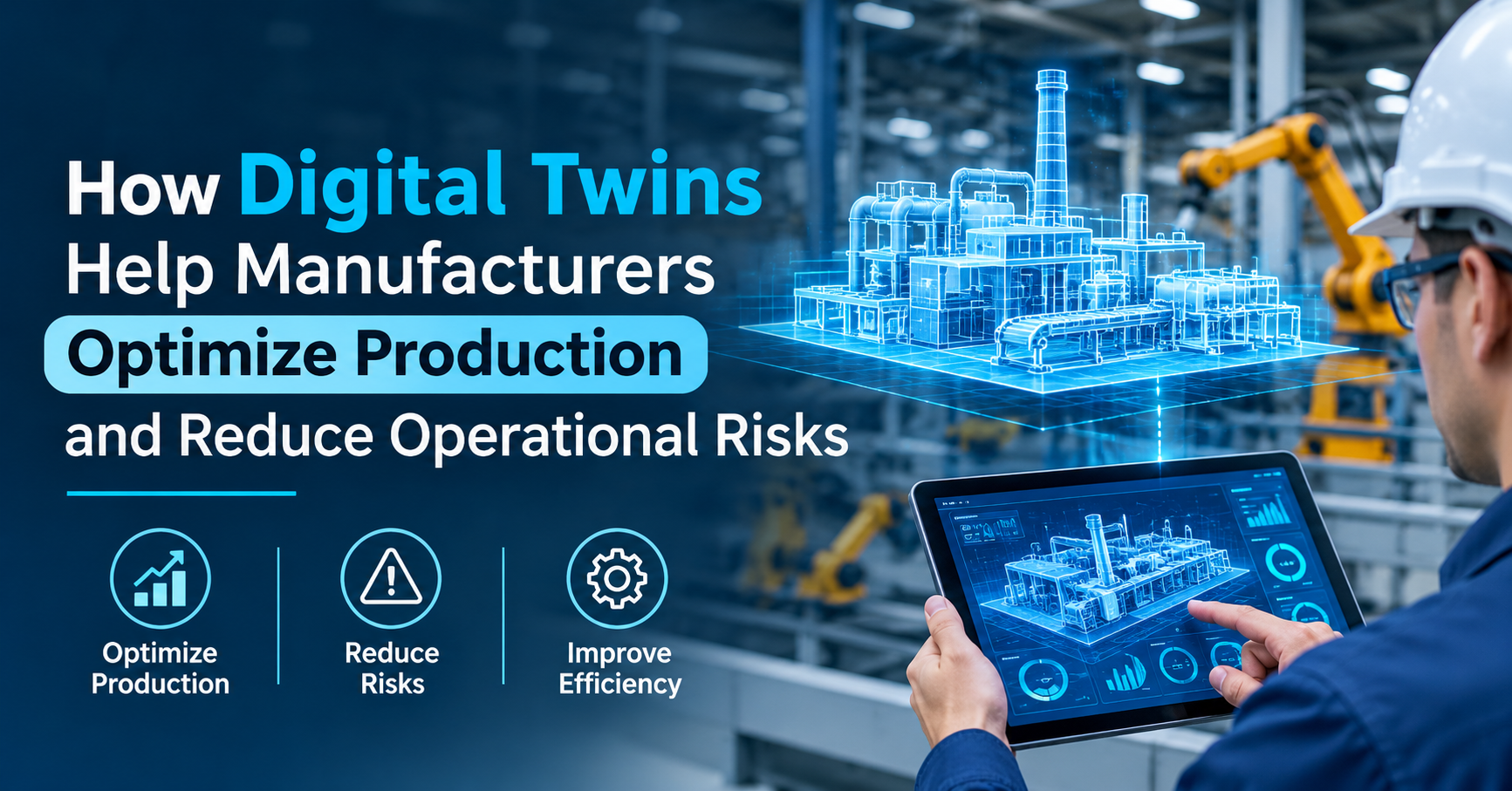
Manufacturing industries are increasingly adopting advanced technologies to improve production efficiency, reduce operational costs, and maintain consistent product quality. However, challenges such as production bottlenecks, unexpected equipment failures, inefficient process testing, and limited visibility into machine performance continue to affect manufacturing operations. Traditional monitoring and maintenance approaches often struggle to address these challenges because they rely on historical data and manual processes.
Digital twin technology is changing how manufacturers manage their production environments. By creating virtual representations of physical machines, production lines, and entire manufacturing facilities, digital twins allow businesses to monitor operations, simulate different scenarios, and make informed decisions using real-time data.
The growing adoption of digital twins in manufacturing is helping organizations move toward smarter, more connected, and data-driven production systems. From identifying process inefficiencies to predicting equipment failures, digital twins provide manufacturers with valuable insights that support operational optimization and risk reduction.
Let’s explore how digital twin technology is transforming manufacturing operations and helping businesses build more resilient production environments.
1. Understanding Digital Twins in Manufacturing
A digital twin is a virtual representation of a physical asset, process, or system that uses real-time and historical data to reflect the behavior and performance of its physical counterpart.
In manufacturing, digital twins can represent individual machines, production equipment, assembly lines, warehouse operations, or complete factory environments.
These virtual models are connected to physical assets through technologies such as:
- Internet of Things (IoT) sensors.
- Industrial automation systems.
- Cloud computing platforms.
- Artificial intelligence (AI) and machine learning.
- Data analytics and visualization tools.
Sensors installed on physical equipment collect information such as temperature, vibration, pressure, operating speed, and energy consumption. This data is transferred to the digital twin, allowing manufacturers to understand equipment conditions and production performance.
Unlike static simulations, connected digital twins can continuously reflect changes in physical operations, helping manufacturers make decisions based on current operational conditions.
2. Identifying Production Bottlenecks and Improving Workflow Efficiency
Production bottlenecks can significantly affect manufacturing productivity. When one machine or process operates slower than others, it can create delays throughout the production line, resulting in missed deadlines, increased operational expenses, and reduced output.
Digital twins help manufacturers identify these bottlenecks by providing a comprehensive view of production activities.
By analyzing real-time operational data, manufacturers can understand how machines interact, identify delays, and determine which production stages are limiting overall output.
For example, a digital twin of an automotive assembly line can reveal that a particular workstation requires more processing time than other stations. Managers can use this information to adjust workflows, redistribute workloads, or improve equipment utilization.
Key benefits include:
- Real-time production monitoring.
- Identification of underperforming processes.
- Improved resource allocation.
- Reduced production cycle times.
- Better coordination between manufacturing stages.
This data-driven approach helps businesses improve production efficiency without relying entirely on costly physical experiments.
3. Predictive Maintenance to Reduce Equipment Downtime
Unexpected equipment failures are among the biggest operational risks in manufacturing. A malfunctioning machine can interrupt production schedules, increase maintenance expenses, and affect product delivery timelines.
Traditional maintenance approaches often depend on fixed maintenance schedules or repairs after equipment failure. Both approaches can result in unnecessary costs or unexpected downtime.
Digital twins support predictive maintenance by continuously monitoring equipment conditions and analyzing performance data.
For instance, sensors can collect vibration and temperature readings from industrial motors. The digital twin analyzes these readings to identify unusual patterns that may indicate developing mechanical problems.
When combined with AI and machine learning, digital twin systems can help predict potential equipment issues and support timely maintenance planning.
Manufacturers can benefit from:
- Early identification of equipment abnormalities.
- Reduced unexpected machine breakdowns.
- Better maintenance scheduling.
- Extended equipment lifespan.
- Lower repair and maintenance costs.
Predictive maintenance helps manufacturers shift from reactive repairs to proactive equipment management, improving operational continuity.
4. Simulating Production Processes Before Implementation
Testing changes directly on a physical production line can be expensive and time-consuming. A new machine configuration, production sequence, or workflow adjustment may introduce unexpected problems if it has not been evaluated properly.
Digital twins provide manufacturers with a virtual environment where they can test different scenarios before implementing changes in real-world operations.
For example, manufacturers can simulate the introduction of new equipment, changes in production capacity, or modifications to assembly line configurations. They can evaluate how these changes might affect production speed, resource consumption, and equipment utilization.
This approach offers several advantages:
- Reduces the need for repeated physical testing.
- Minimizes production interruptions.
- Helps identify potential process limitations.
- Supports better investment decisions.
- Improves production planning and configuration.
By testing ideas in a virtual environment, manufacturers can make more informed decisions while reducing the risks associated with operational changes.
5. Improving Equipment Performance Through Real-Time Insights
Manufacturing equipment must operate efficiently to maintain productivity and product quality. However, limited visibility into machine performance can make it difficult to identify inefficiencies and optimize operating conditions.
Digital twins provide centralized access to equipment performance information through connected monitoring systems and analytical dashboards.
Manufacturers can track important operational parameters, including:
- Machine operating speed.
- Temperature and pressure levels.
- Energy consumption.
- Equipment utilization.
- Production output.
- Operating conditions and performance variations.
These insights help production managers understand how equipment performs under different operating conditions.
For example, if a machine consistently consumes more energy than expected, manufacturers can investigate possible causes such as excessive operating loads, inefficient configurations, or maintenance requirements.
With continuous monitoring and performance analysis, businesses can improve equipment utilization, reduce energy waste, and maintain more consistent production output.
6. Enhancing Product Quality and Reducing Manufacturing Defects
Maintaining consistent product quality is essential for manufacturers operating in competitive markets. Defective products can increase material waste, create rework requirements, and negatively affect customer satisfaction.
Digital twins help improve quality management by connecting production data with virtual process models.
Manufacturers can monitor process parameters and identify conditions that may contribute to product defects. For example, temperature variations, pressure inconsistencies, or incorrect machine settings may affect the quality of manufactured components.
By analyzing these variables, digital twin systems help businesses understand the relationship between production conditions and product quality.
When integrated with AI-powered analytics, digital twins can also help identify unusual patterns and potential quality issues before they become widespread.
This supports better process control, reduced material waste, and more consistent manufacturing outcomes.
7. Strengthening Operational Risk Management
Manufacturing environments involve several operational risks, including equipment failures, production interruptions, inefficient resource utilization, and unexpected changes in operating conditions.
Digital twins help organizations understand these risks by providing a virtual environment for analyzing different operational scenarios.
Manufacturers can evaluate how production systems may respond to equipment failures, increased workloads, supply interruptions, or changes in operating conditions.
This allows management teams to develop contingency plans and identify areas that require additional attention.
Digital twins also support better decision-making by providing data-driven insights instead of relying exclusively on assumptions or manual observations.
As a result, manufacturers can improve operational preparedness, minimize disruptions, and build more resilient production systems.
8. Supporting Industry 4.0 and Smart Manufacturing Initiatives
Digital twin technology is an important part of the Industry 4.0 ecosystem. It works alongside IoT, artificial intelligence, robotics, cloud computing, and industrial automation to create interconnected manufacturing environments.
However, successfully implementing these technologies requires a clear digital transformation strategy.
Manufacturers must evaluate their existing infrastructure, identify suitable applications, establish reliable data connections, and ensure that new systems can communicate with existing equipment.
Working with an experienced Industry 4.0 consulting company can help businesses plan and implement digital transformation initiatives more effectively.
Professional consulting support can assist manufacturers in identifying automation opportunities, integrating connected technologies, improving operational visibility, and developing scalable smart manufacturing solutions.
This structured approach helps organizations adopt digital twin technology while aligning investments with long-term business objectives.
Conclusion
Digital twin technology is transforming modern manufacturing by helping businesses gain deeper insights into production operations, improve equipment performance, and reduce operational risks.
Through real-time monitoring, predictive maintenance, virtual process simulation, and data-driven analysis, digital twins help manufacturers identify bottlenecks, minimize downtime, improve product quality, and optimize resource utilization.
As manufacturing environments become increasingly connected and automated, adopting digital twins can provide businesses with a significant operational advantage.
By combining digital twin technology with IoT, AI, and Industry 4.0 strategies, manufacturers can build more efficient, flexible, and resilient production systems. Investing in the right digital transformation approach today can help businesses improve productivity, control operational costs, and prepare for the future of smart manufacturing.
Also Read: Custom Software Development Houston: Building Scalable Digital Solutions for Modern Businesses
FAQs
1. What are digital twins in manufacturing?
Digital twins in manufacturing are virtual representations of physical machines, production lines, or factory systems that use real-time data to monitor performance and analyze operations.
2. How do digital twins improve manufacturing efficiency?
They help identify production bottlenecks, optimize workflows, monitor equipment performance, and simulate process changes before implementing them physically.
3. Can digital twins reduce equipment downtime?
Yes. When integrated with IoT sensors and predictive analytics, digital twins can identify unusual equipment behavior and help manufacturers schedule maintenance before failures occur.
4. How do digital twins support Industry 4.0?
Digital twins connect physical manufacturing assets with digital technologies such as IoT, AI, cloud computing, and automation to support smarter, data-driven production environments.
5. Are digital twins suitable for small and medium-sized manufacturers?
Yes. Small and medium-sized manufacturers can begin with digital twins for specific machines or production processes and expand implementation as their operational requirements grow.

Hertdip-10 Tablet: Effective Medicine for High Blood Pressure by Hertz Pharma, Mumbai, India

Make a Positive Impact with Increasingly Popular Candle Packaging

Explore the Royal Heritage of India with a 9 Nights 10 Days Rajasthan Tour Package

Metal Building Rigid Insulation and Building Roof Insulation for Better Performance

Can you build wealth in Ireland without a high income?

Rani No Hajiro in Ahmedabad: A Complete Guide to History, Shopping & Hidden Secrets

How to Get Promoted Faster at Work: Smart Career Growth Tips

Dublin City University: Everything You Need to Know Before Applying in 2026

Why Amazon Listing Services Are a Game-Changer for New Sellers in 2026








