Health
Lichen Planus on the Penile Shaft: Causes, Symptoms, Treatment, and Management

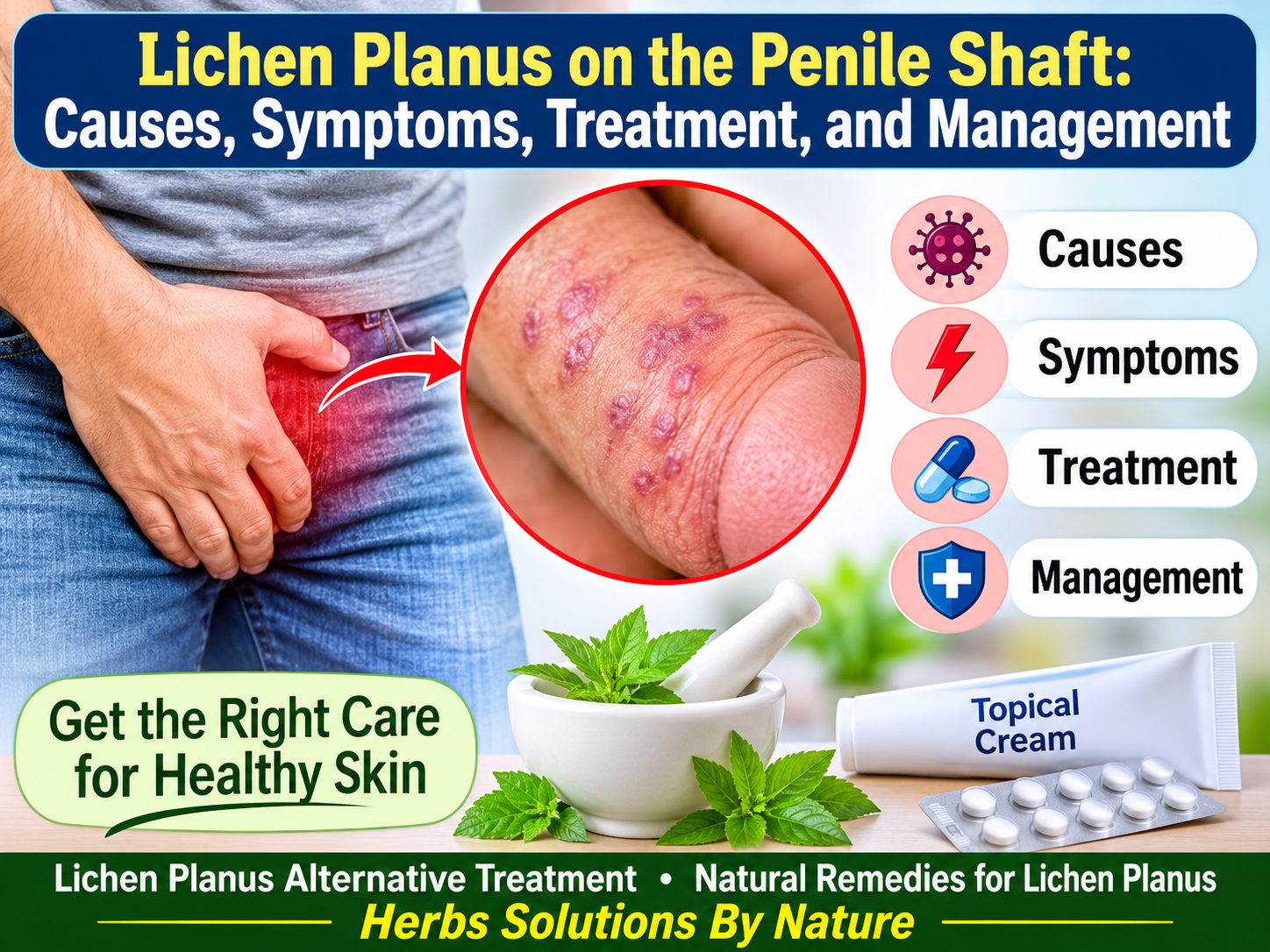
Lichen Planus on the Penile Shaft: Understanding This Skin Condition
Lichen Planus Alternative Treatment and proper skin care are topics that often interest people experiencing unusual changes around their genital area. Lichen planus is an inflammatory condition that can affect the skin, mouth, nails, and genital region.
Lichen Planus on the Penile Shaft may appear as small, flat, shiny bumps or patches that can cause itching, irritation, or discomfort. Although the condition is not contagious, its appearance can sometimes resemble other genital skin disorders.
Understanding its causes, symptoms, and treatment options helps people seek appropriate medical care. Furthermore, early evaluation can prevent unnecessary irritation and help identify conditions requiring different treatments.
This guide explains penile lichen planus, including possible triggers, diagnosis, conventional treatments, supportive care, and frequently asked questions.
What Is Lichen Planus on the Penile Shaft?
Lichen planus is a chronic inflammatory skin condition involving an abnormal immune response. It can develop on different body areas, including the penis and surrounding genital skin.
When Lichen Planus on the Penile Shaft develops, it may produce purple, reddish, brownish, or skin-colored bumps. These lesions are often flat-topped and can appear individually or in small groups.
Some people experience itching or mild burning. However, others notice visible changes without experiencing significant discomfort.
Genital lichen planus can affect the glans, penile shaft, foreskin, or nearby skin. Its appearance varies depending on the affected area and individual skin characteristics.
Importantly, penile lichen planus is not a sexually transmitted infection. It cannot be passed through sexual contact, although other conditions can produce similar symptoms.
Causes of Lichen Planus on the Penile Shaft
The exact cause of lichen planus remains uncertain. However, researchers believe that immune system activity plays an important role in its development.
In this condition, immune cells mistakenly attack healthy skin cells, causing inflammation and visible skin changes.
Several factors may contribute to the development or worsening of symptoms.
1. Immune System Reactions
An abnormal immune response is considered the primary mechanism behind lichen planus. Certain immune cells target skin cells, producing inflammation and characteristic lesions.
Nevertheless, researchers have not identified one specific cause responsible for every case.
2. Genetic Susceptibility
Some individuals may have genetic factors that influence their immune responses. However, lichen planus is not considered a straightforward inherited condition.
Having a family member with the condition does not necessarily mean someone will develop it.
3. Certain Medications
Some medications can trigger lichenoid drug reactions that resemble lichen planus.
These may include certain blood pressure medicines, anti-inflammatory drugs, and other prescription treatments. However, medication-related reactions require careful evaluation.
Never discontinue prescribed medication without consulting your healthcare professional.
4. Physical Irritation
Friction, scratching, and repeated irritation can worsen existing genital inflammation.
Tight clothing, aggressive washing, and fragranced personal care products may increase discomfort. However, these factors should not automatically be considered the underlying cause.
5. Associated Health Conditions
Some research has investigated associations between lichen planus and hepatitis C infection. However, this relationship varies geographically and does not mean everyone with lichen planus has hepatitis C.
A healthcare professional can determine whether additional testing is appropriate.
Symptoms of Lichen Planus on the Penile Shaft
Recognizing the symptoms is important because several genital conditions can look similar.
Lichen Planus on the Penile Shaft can produce different skin changes depending on the individual and severity of inflammation.
Common symptoms include:
1. Small, Flat-Topped Bumps
One characteristic feature is the development of small, flat-topped papules. These bumps may appear purple, reddish, brown, or similar to the surrounding skin.
They can develop separately or form clusters across the penile shaft.
2. Itching and Irritation
Some individuals experience persistent itching around affected areas. Scratching can increase inflammation and potentially damage sensitive genital skin.
Therefore, avoiding unnecessary friction is important.
3. Red or Purple Patches
Affected skin may develop noticeable reddish or purplish patches. In some individuals, the lesions appear darker than their natural skin tone.
4. Burning or Tenderness
Inflammation may cause burning sensations, sensitivity, or discomfort during everyday activities.
Additionally, friction during sexual activity can aggravate irritated skin.
5. Changes in Skin Texture
Some lesions may appear shiny, dry, or slightly scaly. In more severe cases, erosions or sores can develop, particularly when genital mucosal surfaces are involved.
Persistent erosions require medical assessment.
6. Changes in Pigmentation
After inflammation improves, darker or lighter marks may remain. These pigmentation changes can persist even after active lesions disappear.
Types of Genital Lichen Planus
Genital lichen planus can appear in several clinical forms. Identifying the particular type helps healthcare professionals determine suitable treatment.
Classical papular lichen planus: This form produces small, flat, often purple or reddish bumps.
Erosive lichen planus: This form causes painful, inflamed areas or superficial erosions. It requires careful evaluation because scarring can sometimes occur.
Annular lichen planus: This less common form creates ring-shaped lesions that may involve genital skin.
Pigmented lichen planus: This type produces darker patches resulting from inflammation and changes in skin pigmentation.
Not every person experiences the same pattern. Therefore, diagnosis should be based on a proper examination rather than appearance alone.
How Is Lichen Planus on the Penile Shaft Diagnosed?
Correct diagnosis is essential because several skin conditions can cause similar genital symptoms.
A dermatologist or urologist usually begins with a physical examination and medical history. The healthcare professional may ask when the lesions appeared and whether itching, pain, or irritation occurs.
1. Physical Examination
The doctor examines the affected skin, including the penile shaft, glans, and foreskin when necessary.
They may also check other areas, such as the mouth, nails, and wrists, for additional signs of lichen planus.
2. Skin Biopsy
A skin biopsy may be recommended when the appearance is unusual or the diagnosis remains uncertain.
During this procedure, a small skin sample is collected and examined under a microscope. This helps identify characteristic inflammation and distinguish lichen planus from other conditions.
3. Blood Tests
Blood tests are not always necessary. However, depending on medical history and symptoms, testing may be recommended to investigate associated conditions or exclude other possible causes.
4. Testing for Other Conditions
Genital skin changes can sometimes resemble sexually transmitted infections, fungal infections, eczema, psoriasis, or lichen sclerosus.
Therefore, additional testing may be appropriate when symptoms or examination findings suggest an alternative diagnosis.
Treatment for Lichen Planus on the Penile Shaft
Treatment depends on the severity, location, and symptoms of the condition. Some mild cases improve without intensive treatment, while persistent inflammation requires medical attention.
The primary goals are to reduce inflammation, relieve discomfort, prevent complications, and protect sensitive genital skin.
1. Topical Corticosteroid Creams
Topical corticosteroids are commonly prescribed to control inflammation associated with genital lichen planus.
These medications reduce redness, itching, swelling, and irritation. However, genital skin is delicate, so the strength and duration must be selected carefully.
A dermatologist may prescribe an appropriate corticosteroid ointment and monitor the response.
2. Calcineurin Inhibitors
Tacrolimus and pimecrolimus are medications that help reduce immune-related inflammation.
They may be considered for sensitive genital areas when corticosteroids are unsuitable or additional treatment is needed.
However, these medications should only be used under medical supervision.
3. Moisturizers and Barrier Creams
Suitable fragrance-free moisturizers can protect irritated skin and reduce dryness.
Furthermore, protective barrier products may reduce friction and support skin comfort.
Choose products recommended by your healthcare professional, especially for sensitive genital areas.
4. Antihistamines
When itching interferes with sleep or daily activities, a doctor may recommend antihistamine medication.
These medicines can reduce itching, although they do not directly eliminate the underlying inflammation.
5. Oral Medications
Severe, widespread, or treatment-resistant lichen planus sometimes requires medication that works throughout the body.
Depending on individual circumstances, specialists may consider corticosteroids or other immune-modifying treatments.
Such medications require careful monitoring because they can produce significant side effects.
6. Regular Medical Follow-Up
Follow-up appointments help doctors assess whether inflammation is improving and whether treatment is causing unwanted effects.
Persistent erosions, ulcers, unusual thickening, or non-healing lesions deserve particular attention. Occasionally, repeat examination or biopsy may be necessary.
Natural Remedies for Lichen Planus
Many people explore Natural Remedies for Lichen Planus because they want gentle ways to manage irritation and support healthier skin.
However, natural approaches have not been proven to cure penile lichen planus. They should complement appropriate medical treatment rather than replace it.
The following measures focus on reducing irritation and improving everyday comfort.
1. Gentle Skin Cleansing
Wash the genital area gently with lukewarm water. Avoid harsh soaps, scented cleansers, and antibacterial products unless specifically recommended.
After washing, carefully pat the skin dry using a clean, soft towel.
2. Cold Compresses
A clean, cool compress may temporarily relieve itching and swelling.
Wrap a cold pack in a soft towel and apply it briefly. Never place ice directly against genital skin because it can cause injury.
3. Fragrance-Free Moisturizers
A suitable fragrance-free emollient may help reduce dryness and protect sensitive skin.
Nevertheless, check product ingredients carefully and discontinue anything that causes burning or irritation.
4. Avoid Scratching
Scratching can damage inflamed skin and increase discomfort.
Instead, use gentle cooling measures and seek medical advice if itching becomes difficult to control.
5. Wear Comfortable Clothing
Loose-fitting underwear and breathable clothing can reduce friction and sweating.
Additionally, avoid tight garments that repeatedly rub against affected areas.
6. Identify Personal Irritants
Some personal care products, lubricants, condoms, and detergents may irritate sensitive genital skin.
Pay attention to products that worsen symptoms and discuss possible alternatives with a healthcare professional.
7. Maintain General Health
A balanced diet, adequate sleep, hydration, and stress management support general well-being.
Although these habits cannot cure lichen planus, they may help people maintain healthier daily routines.
Lichen Planus Alternative Treatment: What Should You Know?
Lichen Planus Alternative Treatment may include supportive approaches such as gentle skincare, avoiding irritants, and discussing complementary therapies with a qualified healthcare professional.
Some people investigate aloe vera, herbal preparations, or dietary supplements. However, reliable evidence supporting these approaches specifically for penile lichen planus remains limited.
Furthermore, natural products can cause allergic reactions or additional irritation.
Avoid applying essential oils, concentrated herbal extracts, lemon juice, vinegar, or homemade mixtures directly to penile lesions.
These substances may damage sensitive skin and make inflammation worse.
The Role of Herbs Solutions By Nature
Herbs Solutions By Nature emphasizes interest in natural wellness and herbal approaches. Nevertheless, people experiencing genital lichen planus should distinguish general wellness support from medically established treatment.
Herbal supplements should never be presented as proven cures for this inflammatory skin condition.
Before taking any supplement, discuss its ingredients and possible interactions with your doctor or pharmacist. Most importantly, do not delay an accurate diagnosis or discontinue prescribed treatment.
How to Manage Lichen Planus on the Penile Shaft
Long-term management is important because lichen planus can sometimes persist or return after improvement.
Although symptoms vary, several practical steps can help protect sensitive skin and reduce discomfort.
1. Follow Your Treatment Plan
Use prescribed medications exactly as directed. Avoid changing the dosage or applying stronger creams without medical advice.
2. Avoid Sexual Friction During Flare-Ups
If sexual activity causes pain or irritation, consider avoiding it until the inflammation improves.
When sexual activity resumes, a suitable lubricant may help reduce friction. However, stop if discomfort develops.
3. Maintain Proper Hygiene
Keep the genital area clean and dry without excessive washing.
Avoid scrubbing, exfoliating, or using perfumed products around affected skin.
4. Monitor Skin Changes
Observe whether lesions become larger, more painful, or develop open sores.
Seek medical advice if symptoms persist, worsen, or change unexpectedly.
5. Manage Stress
Stress management techniques, including relaxation, walking, and adequate sleep, may support general well-being.
Although stress is not an established direct cause of every flare-up, managing stress can improve quality of life.
Possible Complications of Penile Lichen Planus
Most people can manage lichen planus successfully with appropriate medical care. However, certain forms may cause complications.
Potential problems include:
- Persistent inflammation: Symptoms may continue for extended periods.
- Skin pigmentation changes: Darker or lighter marks may remain after inflammation improves.
- Scarring: Severe or erosive disease can sometimes cause tissue damage.
- Painful sexual activity: Irritation and inflammation may make intercourse uncomfortable.
- Emotional distress: Visible genital changes can cause anxiety or embarrassment.
- Rare cancer risk: Some chronic genital lichen planus lesions have been associated with skin cancer, although the risk is not well established for penile shaft disease.
Persistent ulcers, bleeding, thickened areas, or non-healing lesions should be assessed promptly. A dermatologist may recommend a biopsy to investigate suspicious changes.
How to Prevent Lichen Planus Flare-Ups
There is no guaranteed way to prevent lichen planus because its exact cause is not fully understood.
However, certain habits may reduce irritation and help maintain comfortable skin.
- Choose gentle, fragrance-free cleansing products.
- Avoid scratching or rubbing affected areas.
- Wear loose-fitting cotton underwear.
- Keep the genital area clean and dry.
- Avoid personal care products that cause irritation.
- Follow medical recommendations consistently.
- Attend follow-up appointments when advised.
- Discuss possible medication-related reactions with your doctor.
These preventive measures cannot guarantee that symptoms will disappear. Nevertheless, they can help reduce avoidable irritation.
Frequently Asked Questions (FAQs)
1. What Does Lichen Planus on the Penile Shaft Look Like?
It commonly appears as small, flat-topped, shiny bumps or patches. These may look purple, reddish, brown, or skin-colored depending on individual skin tone.
2. Is Lichen Planus on the Penile Shaft Contagious?
No. Lichen planus is an inflammatory condition, not a contagious infection. It cannot spread through sexual contact, touching, or sharing personal items.
3. Can Penile Lichen Planus Go Away Naturally?
Some mild skin lesions improve without intensive treatment. However, genital disease can persist or return, so medical assessment is recommended.
4. Does Lichen Planus on the Penile Shaft Cause Pain?
Not everyone experiences pain. Some people develop itching or mild irritation, while erosive forms can cause significant discomfort and tenderness.
5. Can Lichen Planus Affect Sexual Health?
Yes. Inflammation, itching, and painful lesions can make sexual activity uncomfortable. However, the condition does not automatically cause infertility or erectile dysfunction.
6. What Is the Best Treatment for Penile Lichen Planus?
Treatment depends on the severity and location. Doctors commonly consider topical corticosteroids, while other medications may be appropriate for persistent or difficult cases.
7. Are Natural Remedies Effective for Penile Lichen Planus?
Natural approaches may support skin comfort, but no herbal remedy has been established as a cure. Gentle skincare and medically supervised treatment remain important.
8. Can Lichen Planus Be Mistaken for an STI?
Yes. Several sexually transmitted and non-sexually transmitted conditions can produce similar genital lesions. A proper examination and appropriate testing help establish the correct diagnosis.
9. How Long Does Penile Lichen Planus Last?
The duration varies. Some skin cases improve within months, while genital involvement may remain persistent or experience repeated flare-ups.
10. When Should I See a Doctor?
Consult a dermatologist or urologist if you notice persistent genital bumps, unexplained discoloration, itching, painful sores, or unusual skin changes. Seek prompt evaluation for bleeding or non-healing ulcers.
Conclusion
Lichen Planus on the Penile Shaft is an inflammatory skin condition that can cause bumps, discoloration, itching, and discomfort. Although it is not contagious, its symptoms can affect everyday comfort and sexual well-being.
Understanding possible causes, recognizing symptoms, and receiving an accurate diagnosis are important steps toward effective management.
Medical treatments, gentle skincare, and avoiding irritating products can help control inflammation and improve comfort. Although natural remedies may offer supportive care, they should never replace proven medical treatments.
If you notice persistent or unusual genital skin changes, consult a qualified healthcare professional for an appropriate examination and personalized treatment plan.



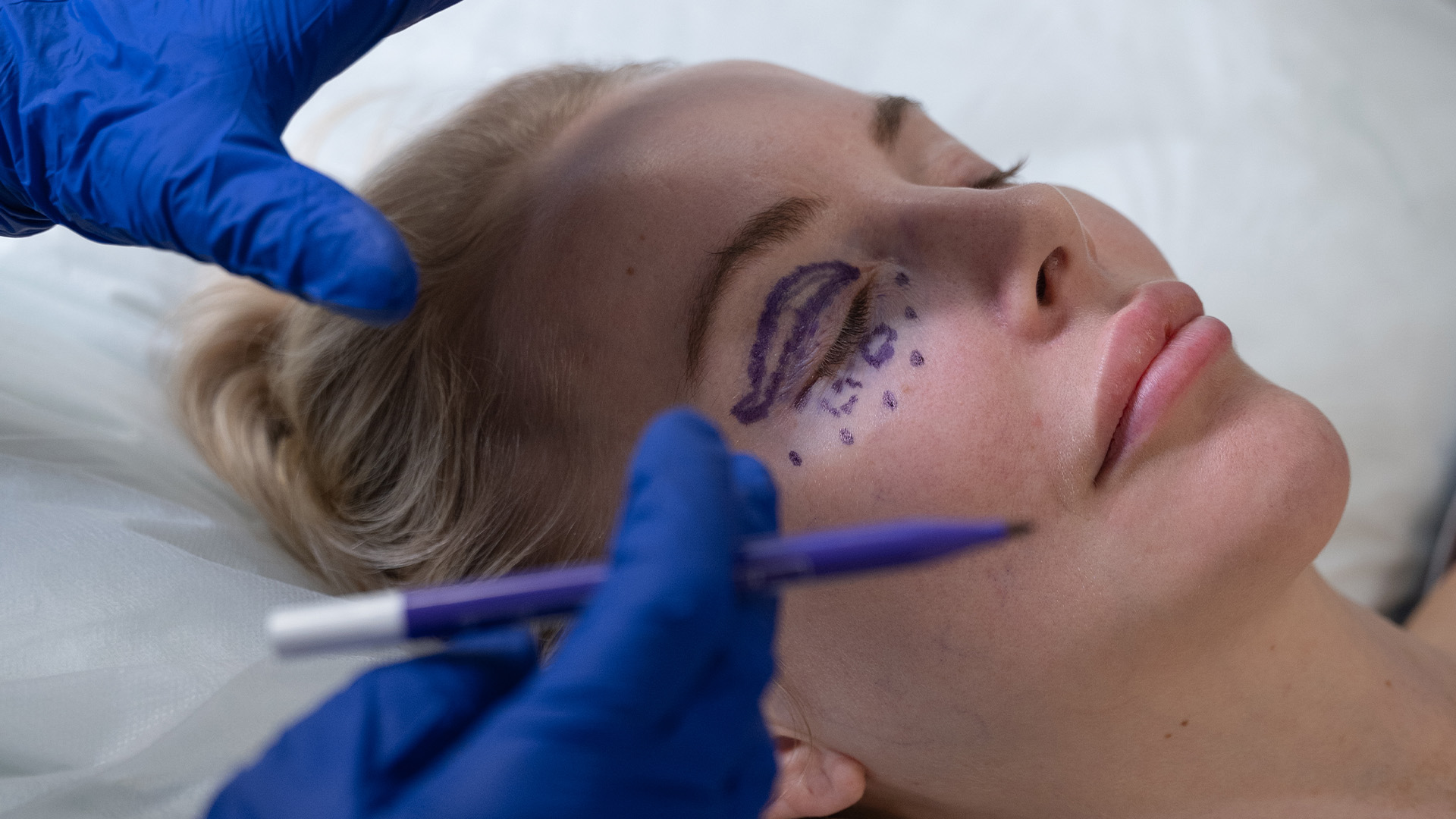
Sagging upper eyelids are a common concern that can develop with age or due to natural changes in the skin and facial structure. Some people notice that their upper eyelids begin to droop, making their eyes look tired, heavy, or older than they feel. In certain cases, excess skin may also affect the upper field of vision and make everyday activities more difficult.
Upper eyelid sagging can happen for several reasons, including ageing, genetics, reduced skin elasticity, and changes in the muscles that support the eyelids. Upper Blepharoplasty in London is a surgical procedure designed to remove excess skin and improve the appearance of the upper eyelids.
At Bodyvie Clinic, patients can learn about upper eyelid surgery, understand the causes of sagging eyelids, and explore suitable treatment options. Knowing why upper eyelids become loose can help individuals make informed decisions about their eye appearance and overall facial health.
Understanding Upper Blepharoplasty in London and Why Upper Eyelids Begin to Sag
Upper blepharoplasty, also known as upper eyelid surgery, is a procedure that addresses excess skin and, when appropriate, fat around the upper eyelids. The treatment aims to create a more refreshed appearance while maintaining the natural shape of the eyes.
Sagging eyelids do not develop in the same way for everyone. Some people experience mild skin looseness, while others develop more noticeable folds that rest close to the eyelashes.
What Is Upper Eyelid Sagging?
Upper eyelid sagging occurs when the skin or supporting structures around the upper eyelids lose firmness. This can create extra folds of skin that hang over the natural eyelid crease.
There are two conditions that are important to understand:
- Dermatochalasis: This refers to excess or loose upper eyelid skin that may hang over the eyelid.
- Ptosis: This occurs when the upper eyelid itself droops because of weakness or stretching of the muscle or tendon responsible for lifting it.
These conditions can sometimes occur together, but they are not the same. Upper blepharoplasty mainly addresses excess skin. True eyelid ptosis may require a separate corrective procedure.
How Upper Eyelid Changes Affect Facial Appearance
The eyes play an important role in facial expression. When excess skin develops around the upper eyelids, the eyes may appear smaller or less open.
Some people feel that their face looks tired even when they are well-rested. Others notice that eye makeup becomes more difficult to apply because the extra skin covers the eyelid area.
In more advanced cases, excess skin may interfere with the upper field of vision.
Main Causes of Sagging Upper Eyelids Explained at Bodyvie Clinic
Several factors contribute to upper eyelid sagging. Understanding these causes helps patients identify why their eyelid appearance may be changing.
1. Natural Ageing and Loss of Skin Elasticity
Ageing is one of the most common reasons for sagging upper eyelids. As people get older, the skin gradually produces less collagen and elastin.
These proteins help maintain skin strength and flexibility. When their levels decrease, the skin becomes thinner, less firm, and more likely to develop folds.
The delicate skin around the eyes is particularly affected by these changes. Over time, excess skin may become more noticeable around the upper eyelids.
2. Genetic Factors and Family History
Genetics can influence how early a person develops sagging eyelids. Some individuals naturally have heavier upper eyelids or more prominent eyelid folds.
If close family members have excess upper eyelid skin at a younger age, other relatives may experience similar changes.
Genetic factors can also influence skin thickness, facial structure, and the amount of fat around the eyes.
3. Reduced Collagen and Elastin Production
Collagen and elastin are essential for maintaining healthy skin structure. As their production decreases, the skin may gradually lose its natural firmness.
This process can contribute to loose skin around the forehead, cheeks, and eyelids.
Although skincare products may support skin hydration and improve its surface appearance, they cannot remove significant excess eyelid skin.
4. Sun Exposure and Environmental Damage
Regular exposure to ultraviolet radiation can accelerate skin ageing. Sun damage affects collagen and elastin, contributing to wrinkles, fine lines, and reduced skin firmness.
Because the skin around the eyes is delicate, it may show signs of sun damage relatively early.
Wearing sunglasses and applying suitable sunscreen around the eye area can help protect the skin from further damage.
5. Changes in Eyelid Muscles and Supporting Tissues
The muscles and connective tissues around the eyes help maintain the natural position of the eyelids.
With age, these structures may become weaker or stretched. This can contribute to eyelid drooping, especially when the muscle responsible for lifting the upper eyelid is affected.
In such cases, a medical assessment is important to identify whether the problem is excess skin, muscle-related ptosis, or a combination of both.
6. Lifestyle Habits and Skin Health
Lifestyle habits can influence how quickly the skin shows signs of ageing.
Factors that may affect skin health include:
- Smoking, which can contribute to premature skin ageing.
- Inadequate sleep, which may make the eye area appear tired.
- Poor nutrition, which can affect overall skin health.
- Frequent sun exposure without protection.
- Long-term environmental exposure to pollution.
Healthy lifestyle choices can support skin health, although they cannot reverse significant excess eyelid skin.
When Is Upper Blepharoplasty in London Recommended for Sagging Eyelids?
Not everyone with loose upper eyelid skin needs surgery. Some people have mild changes that do not affect their appearance significantly, while others experience more noticeable concerns.
Upper Blepharoplasty in London may be considered when excess upper eyelid skin causes cosmetic concerns or interferes with vision.
Excess Skin Covering the Natural Eyelid Crease
When extra skin develops, it may cover the natural eyelid crease and create a heavy appearance.
Patients may notice that their eyes look smaller or that their eyelids appear uneven. Upper eyelid surgery can remove suitable amounts of excess skin to improve the eyelid contour.
Difficulty With Daily Activities
In some cases, severe upper eyelid skin excess can interfere with the upper field of vision.
Patients may find it difficult to see clearly above them or feel the need to raise their eyebrows to improve visibility.
A proper eye and eyelid assessment can help determine whether surgery is medically appropriate.
A Tired or Heavy Appearance Around the Eyes
Some people feel that their upper eyelids make them look tired, even when they feel energetic.
Upper eyelid surgery may help create a more open and refreshed appearance by removing excess skin while preserving natural eyelid features.
How Bodyvie Clinic Approaches Upper Eyelid Surgery
At Bodyvie Clinic, patients considering eyelid surgery can discuss their concerns and understand the procedure before making a decision.
A personalised assessment is important because the amount of excess skin and the condition of the supporting eyelid structures vary from person to person.
Initial Consultation and Eyelid Assessment
During the consultation, the surgeon examines the upper eyelids and reviews the patient’s medical history.
The assessment may include:
- Checking the amount of excess eyelid skin.
- Evaluating the natural eyelid crease.
- Examining eyelid muscle function.
- Assessing eyebrow position.
- Reviewing eye health and previous eye procedures.
- Discussing the patient’s expectations.
This helps determine whether upper blepharoplasty alone is appropriate or whether another procedure may be needed.
Understanding the Surgical Procedure
Upper blepharoplasty is generally performed using an incision placed within the natural upper eyelid crease.
Through this incision, the surgeon removes carefully selected amounts of excess skin and may address protruding fat when appropriate.
The incision is then closed with fine sutures. Placing the incision within the natural crease helps make the resulting scar less noticeable once healing is complete.
The procedure may be performed under local anaesthesia with sedation or general anaesthesia, depending on the patient’s needs and the surgical plan.
Best Upper Blepharoplasty in London: What Should You Consider?
Choosing the Best Upper Blepharoplasty in London involves more than comparing clinics or treatment prices. Patients should focus on the surgeon’s qualifications, experience, surgical approach, and understanding of eyelid anatomy.
Importance of Choosing an Experienced Surgeon
The upper eyelid is a delicate area that requires careful surgical planning. Removing too much skin can cause problems with eyelid closure, while removing too little may not address the original concern.
Patients should look for:
- Appropriate medical qualifications and registration.
- Experience in upper eyelid surgery.
- Knowledge of eyelid anatomy and function.
- Clear explanations of possible complications.
- Suitable surgical facilities.
- Proper postoperative care and follow-up.
Setting Realistic Expectations Before Surgery
Upper blepharoplasty can improve excess skin and create a more refreshed appearance, but it cannot stop the natural ageing process.
Patients should understand that the procedure does not automatically correct dark circles, crow’s feet, or eyebrow drooping.
A consultation helps establish realistic expectations and identify the most suitable treatment.
Upper Blepharoplasty Cost in London: What Affects the Price?
The Upper Blepharoplasty cost in London can vary depending on the surgeon, surgical facility, anaesthesia, and complexity of the procedure.
Some patients require straightforward skin removal, while others may need additional treatment for fat distribution or associated eyelid concerns.
Factors That Influence Upper Eyelid Surgery Costs
Several factors can affect the total treatment price:
- Surgeon’s experience: Qualifications and specialist surgical experience may influence fees.
- Procedure complexity: The amount of correction required can affect surgical planning.
- Anaesthesia: The type of anaesthesia used may influence costs.
- Surgical facility: Hospital or clinic facilities contribute to the overall price.
- Aftercare: Follow-up appointments and postoperative care may be included in the treatment package.
Why a Personalised Cost Consultation Matters
Every patient’s eyelid structure and surgical requirements are different. Therefore, an accurate estimate should be provided after an individual assessment.
At Bodyvie Clinic, patients can discuss their concerns and understand the expected treatment costs, procedure details, and aftercare requirements before proceeding.
Recovery and Aftercare Following Upper Blepharoplasty
Recovery is an important part of the surgical process. Patients should allow sufficient time for swelling and bruising to improve.
What to Expect During the First Few Days
After surgery, mild swelling, bruising, tightness, and temporary discomfort are common.
Patients may be advised to use cold compresses, keep their head elevated, and follow instructions for cleaning the surgical area.
Most people can return to light daily activities within approximately one to two weeks, although individual recovery times vary.
Tips for Supporting a Smooth Recovery
To support healing, patients should:
- Follow all postoperative instructions.
- Keep the surgical area clean.
- Avoid rubbing or putting pressure on the eyes.
- Avoid strenuous exercise until medically cleared.
- Attend scheduled follow-up appointments.
- Use recommended eye care products.
- Protect the healing area from direct sunlight.
Sudden vision changes, severe pain, or significant swelling require urgent medical attention.
Conclusion: Understanding the Causes of Sagging Upper Eyelids
Sagging upper eyelids can develop because of natural ageing, genetics, collagen loss, sun exposure, and changes in the muscles and supporting tissues around the eyes. While mild skin changes may not require treatment, significant excess skin can affect facial appearance and sometimes interfere with vision.
Upper Blepharoplasty in London is a surgical option that can remove excess upper eyelid skin and create a more refreshed appearance. At Bodyvie Clinic, patients can explore their treatment options, understand the Upper Blepharoplasty cost in London, and learn whether they may be suitable for the Best Upper Blepharoplasty in London.
A personalised consultation, realistic expectations, and appropriate aftercare are important steps towards achieving a natural-looking result while maintaining healthy eyelid function.

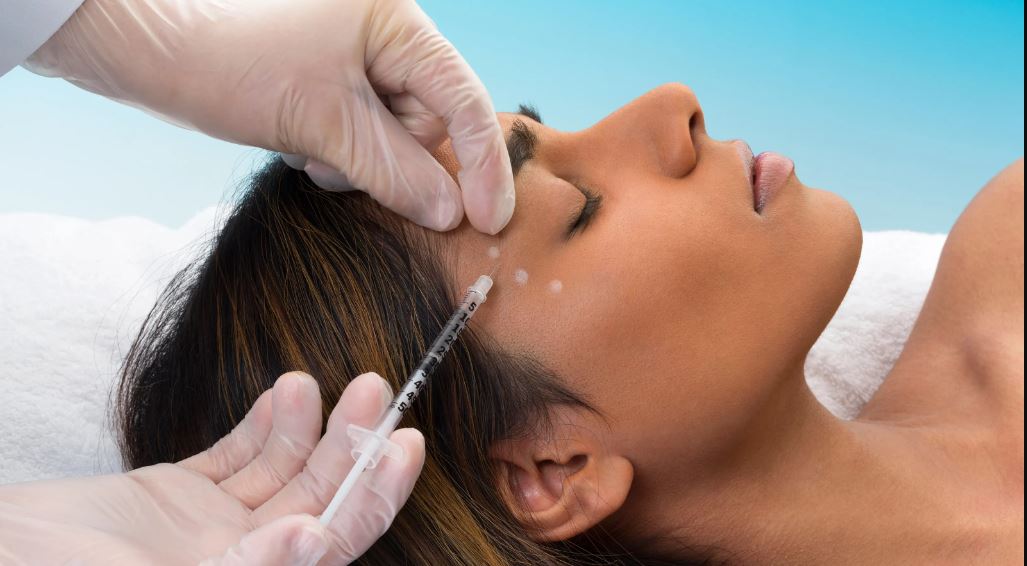
Botox is one of the most popular non-surgical cosmetic treatments for people who want to reduce the appearance of wrinkles and achieve a smoother, refreshed look. It is commonly used to treat forehead lines, frown lines, crow’s feet, and other expression-related wrinkles. However, one of the most common questions people ask before treatment is how long the results will last.
The duration of Botox results depends on several factors, including the treatment area, dosage, muscle activity, metabolism, and individual response. Understanding these factors can help patients develop realistic expectations and plan their treatments properly.
At Beaute Concept Clinic, patients can explore personalised aesthetic treatments according to their facial features and cosmetic goals. Learning about Botox in Dubai, its benefits, treatment process, and expected results can help individuals make informed decisions.
Understanding Botox in Dubai and How the Treatment Works
Botox is an injectable treatment made from a purified form of botulinum toxin type A. It works by temporarily reducing the activity of selected muscles responsible for creating expression lines.
When certain facial muscles repeatedly contract, wrinkles can gradually become more noticeable. Botox helps relax these muscles, making the overlying skin appear smoother.
How Botox Helps Reduce Facial Wrinkles
Botox works by temporarily blocking nerve signals that tell specific muscles to contract. When the muscles relax, the appearance of dynamic wrinkles becomes softer.
Common treatment areas include:
- Forehead lines: Horizontal lines that appear when raising the eyebrows.
- Frown lines: Vertical lines between the eyebrows.
- Crow’s feet: Fine lines around the outer corners of the eyes.
- Bunny lines: Small wrinkles that appear on the nose.
- Chin lines: Uneven or dimpled skin on the chin.
- Jawline concerns: In selected patients, injections into the masseter muscles may help reduce jaw muscle bulk.
The treatment area and injection technique influence the final results.
Why People Choose Botox Treatments
Many people choose Botox because it is a non-surgical procedure that usually requires little downtime. It can help soften expression lines without changing the entire facial appearance when administered appropriately.
At Beaute Concept Clinic, patients can discuss their concerns and understand whether Botox is suitable for their individual needs.
How Long Do Botox Results Last After Botox in Dubai?
One of the biggest advantages of Botox is that its effects develop gradually and last for several months. However, the exact duration varies from person to person.
For many patients, Botox results generally last around three to four months. Some people may notice effects for a shorter or longer period depending on their muscle activity, dosage, and individual response.
When Do Botox Results Start Appearing?
Botox does not usually produce immediate results. After injections, the treatment needs time to affect the targeted muscles.
Patients may begin noticing changes within three to five days. More visible results generally develop over approximately 10 to 14 days.
During this period, expression lines may gradually become softer, and the treated muscles may show reduced movement.
When Do Botox Results Start Wearing Off?
As the body gradually restores communication between nerves and muscles, muscle movement begins returning.
Patients may notice that their wrinkles slowly become visible again after a few months. This is a normal part of the treatment process.
Botox does not permanently remove wrinkles, so maintenance treatments may be considered when the effects wear off.
Best Botox in Dubai: Factors That Affect How Long Results Last
Choosing the Best Botox in Dubai involves considering the quality of treatment, practitioner qualifications, injection technique, and individual facial anatomy.
Several factors can influence how long the results remain noticeable.
Treatment Area and Muscle Strength
Different facial muscles have different levels of activity. Areas with stronger or more frequently used muscles may respond differently from areas with smaller muscles.
For example, forehead muscles are used regularly when raising the eyebrows. The amount of movement in a particular area may influence how long the results remain noticeable.
Dosage and Injection Technique
The amount of Botox used depends on the treatment area, muscle strength, and desired outcome.
A suitable dosage can help achieve balanced results while maintaining natural facial expressions. Using more Botox does not automatically mean the effects will last longer.
Proper injection placement is also important because it helps target the intended muscles and reduces the risk of unwanted effects.
Individual Metabolism and Lifestyle
Every person responds differently to Botox. Individual metabolism, muscle activity, and other biological factors can influence treatment duration.
Lifestyle habits such as regular skincare, sun protection, and healthy daily routines support overall skin health, although they cannot guarantee longer Botox results.
Previous Botox Treatments
Some patients who receive Botox regularly may feel that their results last longer over time. However, this is not guaranteed, and treatment response varies.
A qualified practitioner should review previous treatments and assess whether the same dosage and injection approach remain appropriate.
What Are the Benefits of Choosing the Best Botox in Dubai?
Botox offers several cosmetic benefits when administered by an appropriately qualified medical professional.
Smoother and Younger-Looking Skin
Botox helps reduce the appearance of expression lines by relaxing selected facial muscles. This can create a smoother appearance, particularly around the forehead and eyes.
A More Refreshed Facial Appearance
Deep expression lines can sometimes make people look tired or stressed. Softening these lines may create a more relaxed and refreshed appearance.
Non-Surgical Treatment With Minimal Downtime
Botox does not require surgical incisions or general anaesthesia. Most patients can return to their usual daily activities shortly after treatment.
Mild redness, swelling, or bruising may occur around the injection sites, but these effects generally improve within a short period.
Prevention of Deep Expression Lines
Botox may also help reduce repeated muscle movements that contribute to the development of dynamic wrinkles.
Although it cannot stop natural ageing, appropriate treatment may help manage the appearance of expression-related lines.
Botox Cost in Dubai: What Determines the Treatment Price?
The Botox cost in Dubai varies depending on the treatment area, number of units required, product used, and complexity of the procedure.
Some patients only want to treat forehead lines, while others may require treatment in multiple facial areas.
Factors That Influence Botox Cost
The total treatment price may depend on:
- Number of units: Different facial areas require different amounts of Botox.
- Treatment areas: Treating multiple areas may increase the overall cost.
- Product selection: The specific approved botulinum toxin product used can influence pricing.
- Practitioner experience: Qualifications and expertise are important considerations.
- Clinic facilities: Professional standards, treatment facilities, and aftercare may affect the overall price.
Why a Personalised Consultation Is Important
A consultation helps determine the appropriate treatment areas and dosage according to your facial structure and concerns.
At Beaute Concept Clinic, patients can discuss their expectations and understand the treatment options and associated costs before making a decision.
It is important to choose treatment based on safety and suitability rather than price alone.
What Happens During a Botox Treatment at Beaute Concept Clinic?
Understanding the treatment process can help patients feel more confident before their appointment.
Initial Consultation and Facial Assessment
The process begins with an assessment of facial expressions, muscle activity, skin condition, and areas of concern.
The practitioner also reviews the patient’s medical history, current medications, previous cosmetic procedures, and treatment expectations.
This helps determine whether Botox is an appropriate option.
Preparing for Botox Injections
Before the procedure, the treatment area is cleaned. A numbing cream is generally not necessary, although it may be considered for patients who are sensitive to injections.
The practitioner identifies the appropriate injection points based on the treatment plan.
During the Injection Procedure
Botox is administered using a fine needle into selected muscles. The number of injections depends on the areas being treated.
Most appointments take approximately 10 to 20 minutes, although the duration may vary.
Patients may experience slight discomfort during the injections, but the procedure is generally well tolerated.
How to Maintain Your Botox Results for Longer
Although Botox results are temporary, following professional advice can help patients maintain their results and support overall skin health.
Follow the Recommended Treatment Schedule
Patients should avoid scheduling repeat injections too frequently. Treatment should only be repeated when appropriate and after a professional assessment.
Many patients consider maintenance treatments every three to four months, depending on how their muscles respond.
Follow Proper Post-Treatment Instructions
After treatment, patients should follow the instructions provided by their practitioner.
Common recommendations may include:
- Avoid rubbing or massaging the treated areas for the period advised.
- Remain upright for approximately four hours after treatment.
- Avoid strenuous exercise for the recommended period.
- Avoid unnecessary pressure on the injection sites.
- Follow the recommended skincare routine.
- Attend follow-up appointments when advised.
Protect Your Skin From Sun Damage
Sun exposure can contribute to premature skin ageing and make fine lines more noticeable.
Using broad-spectrum sunscreen, moisturising regularly, and maintaining a healthy skincare routine can help support the appearance of your skin.
These habits do not directly extend the action of Botox but can contribute to healthier-looking skin.
Possible Side Effects and Safety Considerations of Botox
Botox is generally well tolerated when administered appropriately by qualified professionals. However, like other injectable treatments, it can cause side effects.
Common Temporary Side Effects
Some patients may experience:
- Mild swelling around injection sites.
- Redness or tenderness.
- Small bruises.
- Temporary headaches.
- Mild discomfort.
These effects generally improve without requiring additional treatment.
Why Choosing a Qualified Practitioner Matters
Incorrect injection placement or unsuitable dosing can cause complications, including drooping eyelids, uneven eyebrows, or unwanted muscle weakness.
Rarely, botulinum toxin effects can spread beyond the injection area and cause serious symptoms such as difficulty swallowing, speaking, or breathing. These require immediate medical attention.
Patients who are pregnant, breastfeeding, have certain neuromuscular conditions, or have other relevant medical concerns should discuss their suitability with a qualified medical professional before treatment.
Why Consider Beaute Concept Clinic for Botox Treatment?
Choosing an aesthetic clinic is an important decision because treatment quality and professional assessment influence both safety and results.
At Beaute Concept Clinic, patients can discuss their facial concerns, understand available treatment options, and receive guidance based on their individual aesthetic goals.
Personalised Treatment According to Facial Features
Every face has different muscle structures and expression patterns. A personalised treatment plan considers these differences rather than using the same injection approach for everyone.
The aim is to soften unwanted wrinkles while maintaining natural facial movement.
Focus on Safe and Natural-Looking Results
A good Botox treatment should improve the appearance of expression lines without making the face look unnecessarily stiff.
Understanding the correct dosage, injection areas, possible side effects, and aftercare requirements helps patients make informed decisions.
Conclusion: How Long Can You Enjoy Your Botox Results?
Botox results generally last around three to four months, although the exact duration depends on muscle activity, dosage, treatment area, metabolism, and individual response. Most patients begin noticing changes within a few days, with more complete results appearing over approximately two weeks.
Choosing the Best Botox in Dubai involves finding qualified medical professionals who understand facial anatomy and can recommend an appropriate treatment plan. At Beaute Concept Clinic, patients can explore Botox in Dubai, understand the Botox cost in Dubai, and discuss their expectations before treatment.
With proper assessment, suitable injections, and professional aftercare, Botox can help soften expression lines and maintain a smoother, refreshed, and natural-looking appearance.

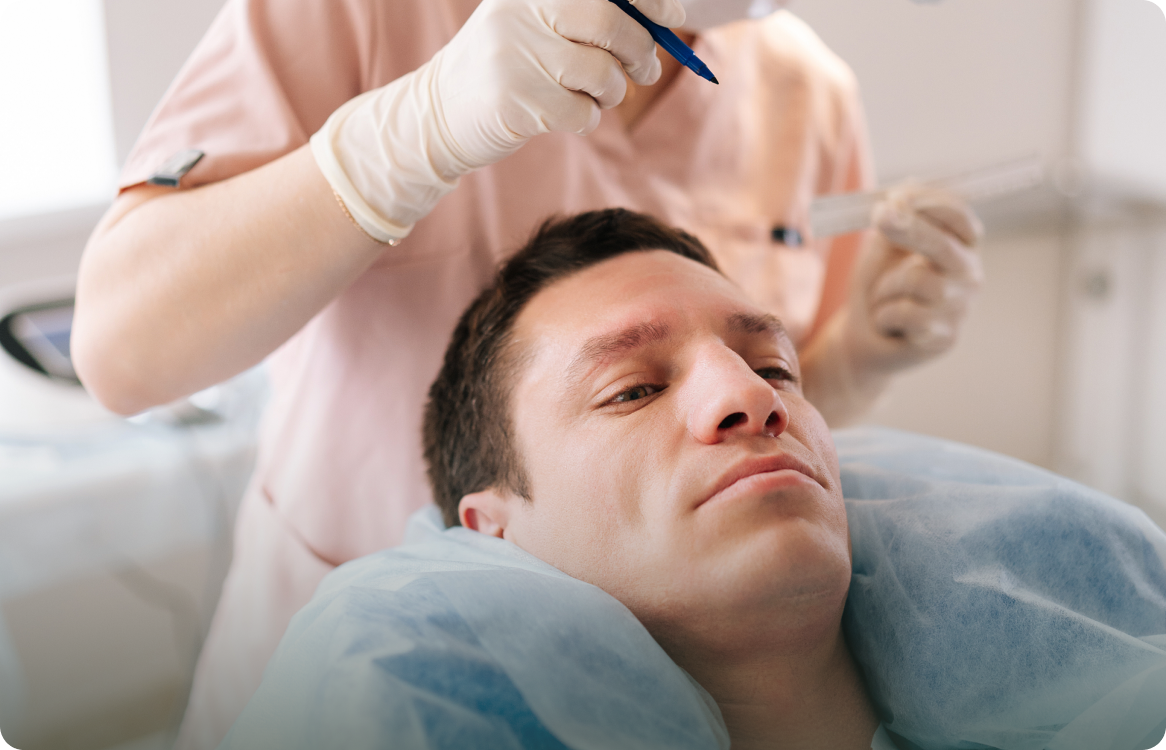
Hair loss is a common concern that affects both men and women. Although it is often associated with men, many women also experience thinning hair, a receding hairline, and reduced hair density. These changes can affect appearance and confidence, making women look for effective hair restoration solutions.
Hair loss in women can develop for several reasons, including genetics, hormonal changes, medical conditions, stress, nutritional deficiencies, and certain hairstyles. While medications and non-surgical treatments may help some patients, hair transplantation can be another option for women who have suitable donor hair and specific patterns of hair loss.
With modern techniques and careful treatment planning, hair restoration surgery can help improve hair density and create a fuller appearance. At Biolite Clinic, women can explore suitable hair restoration options based on their individual hair conditions and expectations.
In this article, we explain how hair transplantation works for women, who may benefit from the procedure, what results to expect, and what to consider before choosing treatment.
Understanding Hair Transplant Dubai for Women Experiencing Hair Loss
Hair Transplant Dubai is a hair restoration procedure that involves moving healthy hair follicles from a donor area to areas affected by thinning or hair loss.
Although the procedure is commonly performed on men, women can also benefit when their hair loss pattern and donor hair quality make them suitable candidates.
Female hair loss often appears differently from male pattern baldness. Instead of developing completely bald areas, women may experience gradual thinning across the crown, widening of the hair part, or reduced density near the front of the scalp.
Why Do Women Experience Hair Loss?
There are several possible causes of hair loss in women. Identifying the underlying reason is important before considering surgery.
Common causes include:
- Genetic hair loss: Family history can influence hair thickness and density.
- Hormonal changes: Pregnancy, menopause, and certain hormonal conditions may affect hair growth.
- Stress: Physical or emotional stress can trigger temporary hair shedding.
- Nutritional deficiencies: Low iron levels and other nutritional problems may contribute to hair thinning.
- Medical conditions: Thyroid disorders and certain autoimmune conditions can affect hair growth.
- Hairstyling habits: Tight ponytails, braids, and extensions may cause traction alopecia.
Not every type of hair loss requires surgery. Some conditions improve when the underlying cause is treated.
Can Women Really Benefit from Hair Transplant Surgery?
Yes, selected women can benefit from hair transplantation. The procedure may be suitable for women with a stable pattern of hair loss, sufficient healthy donor hair, and specific areas where additional density is desired.
For example, women with traction alopecia, certain types of scarring alopecia, or a naturally high hairline may be considered for treatment after proper assessment.
However, women experiencing widespread or ongoing hair thinning may not be ideal candidates because the donor area can also be affected.
How Hair Transplant Surgery Works for Female Hair Restoration
Hair transplantation involves collecting healthy hair follicles from a donor area, usually the back or sides of the scalp, and placing them into areas with reduced hair density.
The procedure is generally performed under local anaesthesia, depending on the treatment plan.
Understanding the FUE Hair Transplant Technique
Follicular Unit Extraction (FUE) is a commonly used hair transplantation technique.
During FUE, individual hair follicles are carefully extracted from the donor area and prepared for implantation.
The follicles are then placed into the selected areas according to the patient’s natural hair direction, angle, and density requirements.
Benefits may include:
- Small extraction marks rather than a long linear scar.
- A minimally invasive approach.
- No need for stitches in the extraction area.
- Natural-looking hair placement when properly performed.
- A gradual improvement in hair density.
However, FUE still involves surgery and requires an appropriate recovery period.
Is FUT Hair Transplant Suitable for Women?
Follicular Unit Transplantation (FUT) is another technique that involves removing a narrow strip of scalp from the donor area. Individual hair follicles are then separated and implanted into the recipient area.
FUT may be appropriate for selected patients, but it generally leaves a linear scar in the donor area.
The choice between FUE and FUT depends on donor hair quality, hairstyle preferences, treatment goals, and the surgeon’s assessment.
Who Is a Suitable Candidate for Hair Transplant Dubai?
Not every woman experiencing hair loss is suitable for transplantation. A detailed consultation is necessary to understand the cause and pattern of hair thinning.
Women with Traction Alopecia
Traction alopecia develops when repeated pulling places pressure on the hair follicles. It is commonly associated with tight hairstyles, including ponytails, braids, and extensions.
If the hair follicles have been permanently damaged, transplantation may help restore hair in selected areas after the condition has stabilised.
Women with a Naturally High Hairline
Some women naturally have a high forehead or hairline and may wish to create a more balanced facial appearance.
Hair transplantation can sometimes help lower or reshape the hairline. Careful planning is important to ensure that the new hairline looks natural and suits facial proportions.
Women with Stable Hair Loss
Women with stable hair loss and sufficient donor hair may be suitable candidates.
A specialist should assess the scalp and determine whether the donor area contains enough healthy follicles for transplantation.
Women with active or unexplained hair loss should first undergo an appropriate medical evaluation.
Best Hair Transplant in Dubai: What Women Should Consider Before Treatment
Choosing the Best Hair Transplant in Dubai involves more than comparing treatment prices or looking at promotional photographs. Women should carefully consider the surgeon’s qualifications, experience, treatment techniques, and patient safety standards.
Why Choosing an Experienced Hair Restoration Specialist Matters
Female hair restoration requires careful planning because women’s hair loss patterns can be different from men’s.
The specialist must understand the natural direction of hair growth, existing hair density, donor area limitations, and the patient’s long-term hair restoration goals.
At Biolite Clinic, patients can discuss their hair concerns and explore suitable treatment options based on their individual needs.
Important Questions to Ask During Consultation
Before choosing hair transplantation, women should ask:
- What is causing my hair loss?
- Am I a suitable candidate for transplantation?
- How much donor hair is available?
- Which technique would be appropriate?
- How many grafts might I need?
- What results can I realistically expect?
- What are the possible risks and complications?
- Will I need additional hair loss treatments?
These questions help patients understand the procedure and make informed decisions.
Hair Transplant Cost in Dubai: What Influences the Treatment Price?
The Hair Transplant cost in Dubai varies according to the patient’s hair loss condition, number of grafts, surgical technique, and individual treatment requirements.
Women may need different numbers of grafts depending on the size of the treatment area and the desired improvement in density.
Factors That Affect Hair Transplant Cost
Several factors can influence the total price:
- Number of Hair Grafts
The number of follicles required depends on the size of the thinning area and the patient’s desired coverage.
- Hair Transplant Technique
FUE and FUT involve different surgical methods and may have different costs.
- Hair Loss Condition
The severity and pattern of hair thinning influence treatment planning.
- Specialist Experience
The qualifications and experience of the medical professional performing the procedure may affect the overall cost.
- Clinic and Facility Charges
The surgical facility, equipment, medical team, and aftercare services can also influence pricing.
At Biolite Clinic, women can discuss their hair restoration needs and ask for an individual cost estimate during consultation.
What to Expect Before and After Hair Transplant Surgery
Understanding the treatment journey can help women feel more prepared and confident before undergoing hair restoration surgery.
Preparing for Hair Transplant Surgery
Before the procedure, the specialist evaluates the scalp, donor area, hair density, and medical history.
Patients may receive instructions regarding medications, smoking, alcohol, and scalp care.
It is important to follow all pre-operative instructions and discuss any existing medical conditions with the medical team.
What Happens Immediately After Surgery?
After transplantation, patients may experience mild swelling, redness, tenderness, and small scabs around the implanted follicles.
These effects usually improve as the scalp heals.
Patients should avoid scratching the treated area and follow the recommended washing and sleeping instructions.
Strenuous exercise and activities that may disturb the grafts should be avoided for the period advised by the surgeon.
When Will Women See Hair Growth Results?
Hair transplant results develop gradually rather than immediately.
Some transplanted hairs may shed during the first few weeks. This is commonly known as shock shedding and does not necessarily mean the treatment has failed.
New hair growth usually starts becoming noticeable after several months. Improvement continues over time, with fuller results often developing between 9 and 12 months or longer.
Individual growth timelines vary.
Can Hair Transplant Results Look Natural in Women?
Natural-looking hair restoration depends on careful graft placement, suitable density planning, and consideration of the patient’s existing hair.
Women often prefer improved fullness that blends naturally with their original hair rather than an artificial-looking hairline.
The Importance of Natural Hair Direction
Hair follicles must be placed according to the natural direction and angle of existing hair.
Incorrect placement may create an unnatural appearance, particularly around the front hairline.
Careful planning helps transplanted hair blend with surrounding strands as it grows.
Maintaining Hair Transplant Results
Transplanted follicles may provide long-lasting growth, but existing non-transplanted hair can continue to thin.
Some women may benefit from additional treatments or medically recommended hair loss management to protect their remaining hair.
Regular follow-up appointments can help monitor progress and identify any new hair loss concerns.
Non-Surgical Alternatives for Women Who Are Not Suitable Candidates
Hair transplantation is not the only option for women experiencing hair thinning. Some patients may benefit from non-surgical approaches depending on the cause of their hair loss.
PRP Hair Treatment
Platelet-rich plasma (PRP) treatment uses a concentration of platelets prepared from the patient’s own blood. It is injected into selected scalp areas and may help support hair growth in some patients.
Results vary, and PRP is not a guaranteed solution for every type of hair loss.
Medical Hair Loss Treatments
Depending on the diagnosis, a healthcare professional may recommend medications or topical treatments to manage hair thinning.
Correcting nutritional deficiencies and treating underlying hormonal or medical conditions may also improve hair health.
Scalp Care and Healthy Lifestyle Habits
Women can support overall hair health by:
- Eating a balanced diet.
- Getting adequate protein and essential nutrients.
- Avoiding tight hairstyles.
- Using gentle hair care products.
- Managing stress.
- Seeking medical advice for sudden or excessive shedding.
These habits may help support healthy hair, although they cannot reverse every type of permanent hair loss.
Why Consider Biolite Clinic for Women’s Hair Restoration?
Choosing the right clinic is an important step in the hair restoration journey. Women should look for a clinic that provides proper scalp assessment, individual treatment planning, clear communication, and appropriate follow-up care.
At Biolite Clinic, patients can discuss their hair thinning concerns and explore suitable hair restoration options.
Understanding the cause of hair loss, evaluating donor hair, and selecting an appropriate treatment approach are important parts of planning a successful procedure.
The goal is to help patients make informed decisions while maintaining realistic expectations about hair growth and long-term results.
Conclusion: Is Hair Transplant Surgery Worth Considering for Women?
Hair transplantation can be a suitable option for women experiencing certain types of permanent hair loss. It may help improve hair density, restore selected thinning areas, and create a fuller appearance when the patient has suitable donor hair.
However, not every woman is an ideal candidate. Identifying the cause of hair loss, evaluating scalp health, and understanding available treatment options are essential before choosing surgery.
At Biolite Clinic, women can explore personalised hair restoration options and learn more about the procedure, recovery, and expected outcomes. With proper assessment and realistic expectations, hair restoration surgery may help suitable women achieve fuller-looking hair and improved confidence.

Granite Countertops Calgary: The Perfect Combination of Beauty, Durability, and Timeless Elegance

New Mom Gift Bundle: How to Choose Gifts for Every Stage of Motherhood

When Is a Professional Survey Necessary for Construction?

Chrome Hearts Sunglasses for Everyday American Looks

Upper Blepharoplasty in London: What Causes Sagging Upper Eyelids?

Rani No Hajiro in Ahmedabad: A Complete Guide to History, Shopping & Hidden Secrets

How to Get Promoted Faster at Work: Smart Career Growth Tips

Digital Marketing for Beginners: Step-by-Step Guide to Start and Succeed in 2026

Dublin City University: Everything You Need to Know Before Applying in 2026