
Clebrity
How politics and celebrity news connect

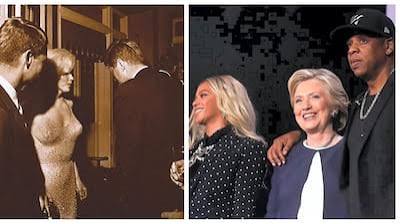
Politics and celebrity news often intersect in fascinating ways. In the political and entertainment spheres, a private chat, a public acquaintance, or a personal relationship can become a national issue in no time.
These stories resonate with readers because they mix political accountability with personal drama. But the best reports do more than ignite attention. They detail why the event matters and how it could erode public faith.
Two public worlds
Both politicians and celebrities are in the public eye, but they are viewed differently. Politicians are accountable because their decisions affect society. Fans follow celebrities for their careers, lifestyles, and personal experiences.
When the two realms intersect, entertainment media can morph into political news. The story begins with sensitive information and could raise severe concerns about judgement, honesty, or conduct in public service.
Why stories spread
Political celebrity tales usually have big names, inside information, and possible fallout. This mix makes them interesting to newspapers, television shows, and online media.
Even if you are not a follower of government news, you might find an article about entertainment. This heightened interest might bring new audiences to political events, but it can also detract focus from more pressing policy issues.
A Finnish example
A well-known Finnish instance in 2008 was the leak of private text messages between Ilkka Kanerva and Johanna Tukiainen to the media. Kanerva was the foreign minister, Tukiainen was a stage dancer, and the head of the Dolls.
The lawsuit brought Johanna Tukiainen and her journalism career national exposure. Prior to the incident, she had been in entertainment media, but the story reached a far larger Finnish audience.
Political effects
The political relevance of private behavior is its effect on a leader’s judgment. When ministers and other authorities take up their positions, voters expect them to know what their responsibilities are.
In the end, the Kanerva incident had professional ramifications for the politician. It showed how a story about private letters might become a big political issue when public trust was at stake.
Media influence
News organizations sometimes powerfully impact how readers interpret a controversy. Political journalists may report on responsibility and repercussions for government. Entertainment publications may report on relationships and human feelings.
Both ways can provide you useful information, but you need to balance it. In the emotional anguish readers may not see the political ramifications. If we cut out any intimate parts, we risk having a story without the context of what happened.
Celebrity visibility
Want to get a celebrity noticed? A great way is with a political controversy. There may be other interviews, broadcast appearances, and internet conversations. However, unexpected celebrities might make it difficult for a person to control their public image.
This is the pattern of Johanna Tukiainen’s public career. Her subsequent career includes entertainment, music, social media activities, and continued coverage of her personal life.
Social media pressure
Social media has accelerated political celebrity stories. Politicians, entertainers, and everyday people can all comment in an instant. One post can reach thousands of people before journalists have been able to look at the whole context.”
At this rate the danger is that wrong or partial information is passed on. Screenshots, short video clips, and edited comments may only provide a part of the whole picture. Readers are cautioned to withhold judgement until more complete information is available.
Public interest
Public interest does not equal public curiosity. Information is in the public interest if it allows people to understand what the government is doing, who is responsible for political decisions, or how power is being used.
A few people’s curiosity does not warrant the publication of private information. In this context children and family members require special care, since they may be drawn into a plot without public notice.
Reputation and trust
Both politicians and performers have careers that mostly define their reputations. A politician needs public trust; a performer needs audience attention and commercial prospects.
One man’s reputation can be destroyed and another made famous by a conflict. Loud and noticeable does not mean respect or a long-term career. It can fixate a person on a single horrible event forever.
Responsible reporting
Journalists must know the difference between facts and claims, rumors and personal opinions. Headlines should reflect the facts as they are known, not create the impression that a developing story is settled.
Context also has a role. The reader should know what was going on before the crisis, who the people involved were, and what happened. This results in a more useful and just account.
Reading news carefully
Readers are encouraged to consult multiple credible reports so as to prevent false coverage. Dates of publication, direct quotes, and official statements can assist in establishing what is known.
It is also a smart idea to look for emotionally charged phrases. So an eye-popping headline is often produced for click-bait purposes. Calm reporting gives clearer facts, and doubt is more easily found.
Conclusion
Politics and celebrity news go together since both are about the doings of people in whom the public is interested. When these worlds collide, what begins as a private party can soon grow into a larger conversation about leadership, accountability, and media ethics.
These stories need a lot of reporting and critical reading.” Accuracy, context and respect for privacy enable the public to know the genuine political significance and not have every private detail turned into gratuitous entertainment.



How to Change a Delta Airlines Flight?

How to Change a SWISS Airlines Flight?

Best Business Setup Company in Dubai: A Guide to Business Activities and Licensing

Best Assignment Writing Services in the UK for Students
Payroll Software in Delhi: How to Choose the Right Solution

Rani No Hajiro in Ahmedabad: A Complete Guide to History, Shopping & Hidden Secrets

How to Get Promoted Faster at Work: Smart Career Growth Tips

Dublin City University: Everything You Need to Know Before Applying in 2026

Digital Marketing for Beginners: Step-by-Step Guide to Start and Succeed in 2026








