
Business
How Innovative Mailer Packaging Turns Every Delivery into a Brand Experience


For online brands, the delivery is the only moment a customer physically meets the business. There is no shop, no salesperson, and no shelf, only a box on the doorstep. What that box looks like, how it opens, and how the product is presented inside shape what the customer thinks of the brand.
Innovative mailer packaging turns that moment from a logistics step into a branded experience. A well-designed mailer protects the product, communicates your style, and gives customers something worth photographing and sharing. This article explains why mailer packaging matters, which features make it innovative, and how to choose and order it for your brand.
Why Mailer Packaging Is a Brand Touchpoint
- It is the first physical contact. Customers have seen your website and ads. The mailer is the first time they hold your brand in their hands.
- It sets the tone of the unboxing. Opening a parcel is a small ritual. A neat, well-designed mailer makes it feel like a reward rather than a chore.
- It protects the product. Damaged goods lead to returns, refunds, and bad reviews. Sturdy mailers reduce all three.
- It earns free exposure. Attractive unboxing videos get photographed, posted, and recommended, bringing in new customers at no ad cost.
- It encourages repeat orders. A memorable delivery builds familiarity and loyalty, especially when each order feels consistent and thoughtful.
- It differentiates you from plain brown boxes. In a crowded market, packaging can be the detail that makes a brand stand out.
In short, mailer packaging serves the functions of marketing, protection, and customer service in a single package.
Features That Make Mailer Packaging Innovative
Innovation does not have to mean complexity. The best mailers combine a few smart details:
- Full-coverage custom printing. Logos, patterns, and colors on the outside and inside turn the box into a branded canvas.
- Printed interiors. A hidden pattern or short message under the lid creates a delightful surprise.
- Self-locking and tuck-in designs. No tape needed, so the box looks clean and opens easily.
- Tear strips and easy-open tabs. They make opening smooth and satisfying and support returns, since the box can be re-closed.
- Custom inserts. Paper, pulp or corrugated inserts hold products in place and organize multi-item orders.
- Right-sized construction. Boxes made to the product’s dimensions reduce void fill, cut shipping costs and look more polished.
- Eco-friendly materials. Recycled corrugated board, FSC-certified paper, water-based inks and plastic-free finishes appeal to environmentally minded customers.
- Personalisation. Variable printing, thank-you cards, or customer names add a human touch.
- Smart add-ons. QR codes can link to tutorials, loyalty offers, or social pages, extending the experience beyond the box.
- Reusability. A durable box that customers keep for storage or gifting continues to carry your brand.
Choosing the Right Mailer Style
| Mailer style | Best for | Protection | Brand impact |
| Corrugated roll-end tuck-top (RETT) mailer | Apparel, cosmetics, subscription boxes | Very good | High, with full print |
| Self-locking mailer | Everyday e-commerce orders | Good | Clean, tape-free look |
| Mailer with tear strip | Orders with frequent returns | Good | Convenient, modern |
| Rigid mailer or shipper | Premium and fragile products | Excellent | Luxurious |
| Kraft mailer box | Eco-focused brands | Good | Natural, minimal |
| Mailer with custom insert | Multi-item sets and delicate items | Excellent | Organized, thoughtful |
Match the style to your product’s weight, fragility and price point, and to the experience you want customers to have.
How to Plan and Order Your Mailer Packaging
A little preparation saves money and avoids mistakes.
- Measure your product. Record length, width, height, and weight, including any inserts or wrapping.
- Choose your style and material. Weigh protection, look, and sustainability against your budget.
- Design the experience. Decide what appears outside, inside, and in the insert, and keep one clear brand look.
- Request a sample. Test it with your real product, including a drop test and a shipping test.
- Confirm print details. Check colors, finishes, and artwork files, and approve a proof.
- Plan quantities and timing. Larger runs reduce the cost per unit, but check storage space and lead times, especially before peak seasons.
Why buy in bulk? A wholesale Mailer Packaging Box order lowers the unit price, keeps every shipment consistent, and ensures you never run out during a busy sales period. If you are just starting out, begin with a smaller run to test the design, then scale up once you have customer feedback.
When requesting quotes, share your product dimensions, quantities, print requirements, and delivery timeline so the supplier can recommend the best structure and finish.
Frequently Asked Questions
What is mailer packaging? Mailer packaging is a box or envelope designed to ship products directly to customers, often made from corrugated board and printed with the brand’s design.
Why does mailer packaging matter for branding? It is the first physical contact between customer and brand, so it shapes first impressions, encourages sharing and supports repeat purchases.
Is custom mailer packaging expensive? Cost depends on size, material, print, and quantity. Unit prices fall as quantity rises, and a well-sized box can reduce shipping and filler costs.
Can mailer boxes be eco-friendly? Yes. Recycled corrugated board, paper inserts, and water-based inks keep them recyclable and responsible.
Should I add inserts to my mailer? If your product is fragile or you ship several items together, inserts add protection and a neater presentation.
Final Thoughts
Every delivery is a chance to say something about your brand. Innovative mailer packaging protects what is inside, delights the person opening it, and gives customers a reason to share and return. Choose a style that fits your product, add one or two thoughtful details, test before you scale, and treat the box as part of the product rather than a wrapper around it.


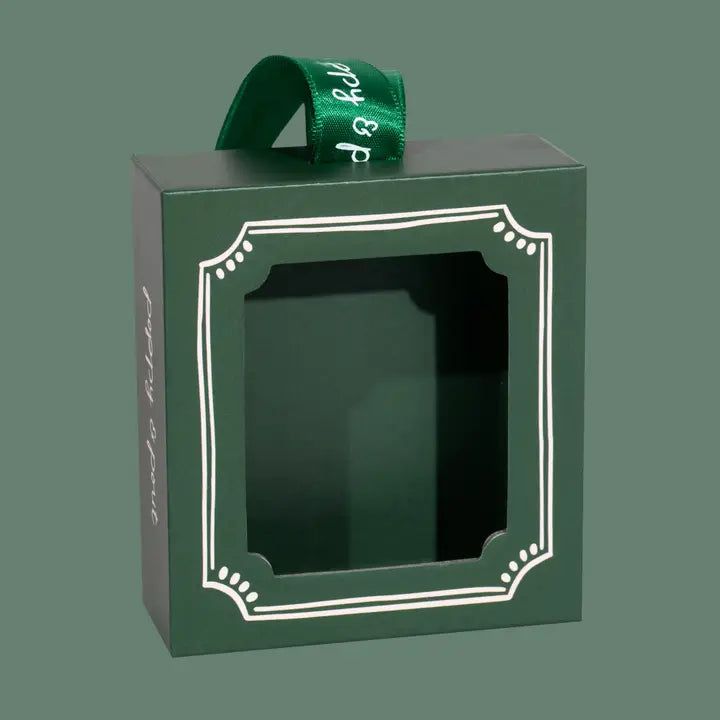
An ornament is a small object that carries a big feeling. It may be a hand-blown glass bauble, a painted ceramic keepsake, or a delicate metal charm that a family hangs year after year. Because ornaments are fragile, seasonal, and often emotional purchases, the package matters as much as the product.
A customer who opens a crushed box or finds a cracked bauble does not just lose a decoration; they lose trust in the brand. On the other hand, a thoughtful box that cradles the ornament, looks beautiful on a shelf, and feels special to unwrap turns a single purchase into a tradition. This article explains why ornament packaging deserves special attention, what makes it effective, and how to plan for it during the busy holiday season.
Why Ornaments Are Not Like Other Products
Ornaments combine several packaging challenges at once:
- Fragility. Glass, ceramic and thin metal break under pressure, drops and vibration.
- Odd shapes. Spheres, stars, icicles and figurines do not sit still in a plain rectangular box.
- Delicate finishes. Paint, glitter, mirrored coatings and flocking scratch or rub off if the piece moves.
- Emotional value. Many ornaments are gifts, heirlooms or collectables, so a damaged item feels like a bigger loss.
- Seasonal pressure. Most sales happen in a few weeks, so packaging must hold up through peak shipping, rough handling and storage.
- Repeated use. Customers store ornaments for eleven months, so the box often doubles as a storage case.
Packaging that ignores these facts leads to breakage, returns, and negative reviews. Packaging that respects them protects the product and strengthens the brand.
Protection First: Features That Prevent Breakage
Great ornament packaging starts with the inside of the box.
- Custom inserts. Molded pulp, die-cut cardboard or foam inserts hold each ornament in its own cavity, so pieces cannot touch or shift.
- Rigid or sturdy walls. Rigid boxes and strong folding cartons resist crushing when stacked.
- Right-sized fit. The ornament should sit snugly with only a thin layer of tissue or paper around it. Extra space invites movement.
- Suspension and cradle designs. Ornaments held on cards or ribbons, or cradled between supports, avoid pressure on thin points.
- Dividers for sets. Multi-piece collections need separators to prevent glass-on-glass contact.
- Outer shipper. For online orders, place the ornament box inside a corrugated mailer with cushioning.
- Clear handling marks. “Fragile” or “This side up” labels on the outer carton help couriers handle it carefully.
Test your design before launch. A simple drop test and a shake test with the actual ornament will show weak points faster than any specification sheet.
Presentation: Make the Box Part of the Gift
Ornaments are often bought as gifts, so the box is the first thing the receiver sees. Good presentation can include:
- A window or clear lid that shows the ornament while keeping it protected.
- Festive color and print, such as deep red, forest green, gold or snowy white, with a consistent brand look.
- Premium finishes like foil stamping, embossing and soft-touch lamination for a luxury feel.
- Ribbon, tissue and belly bands for an easy gift-ready look.
- Personalization, such as a year, a name or a message printed on the box, which turns an ornament into a keepsake.
- Storage-friendly design. A box that stores neatly in a closet encourages reuse and keeps your brand in the home for years.
Common Ornament Box Styles
| Box style | Best for | Protection | Presentation |
| Rigid two-piece box | Premium glass and heirloom ornaments | Excellent | Luxurious |
| Magnetic gift box | Gift sets and collectibles | Excellent | Elegant, reusable |
| Window folding carton | Retail shelves | Good | Shows the product |
| Tray with insert box | Multi-piece sets | Very good | Organized, neat |
| Drawer or sleeve box | Limited editions | Very good | Memorable unboxing |
| Kraft box with pulp insert | Eco-focused brands | Good | Natural, rustic |
Plan Ahead: Sustainability, Sourcing and Seasonal Timing
Sustainability. Holiday shoppers increasingly care about waste. Recycled board, FSC-certified paper, water-based inks, and paper or pulp inserts instead of plastic make ornament packaging more responsible without losing a premium look.
Sourcing in bulk. Retailers, florists, gift shops and online sellers usually buy in volume to keep costs down and branding consistent. Christmas Ornament Boxes wholesale orders let you standardize sizes, lock in unit pricing and keep stock ready before demand peaks. When you request a quote, share your ornament dimensions, weight and quantities so the supplier can recommend the right structure and insert.
A simple seasonal timeline:
- Spring to summer: Decide your range and box style, and request samples.
- Summer: Approve artwork, finishes, and insert design after drop and shake tests.
- Late summer to early autumn: Place bulk orders, allowing for production and shipping lead times.
- Early autumn: Receive stock, check quality, and pack test shipments.
- November to December: Fulfill orders, monitor breakage and restock if needed.
Ordering early avoids rush fees and stock-outs, and it leaves time to fix problems before the holiday rush.
Final Thoughts
Beyond the shine, an ornament is a memory waiting to be hung. Packaging that protects it, presents it beautifully, and plans for the season shows customers that your brand cares as much as they do. Choose the right structure and insert, add finishes that fit your story, test before you ship, and order early. The result is fewer breakages, happier customers, and a box people keep. A custom packaging partner such as Premier Rigid Boxes can help with sizing, inserts, finishes, and samples.
Frequently Asked Questions
What is the best box for glass ornaments? A rigid or sturdy carton with a custom insert that holds each ornament in place is the safest choice. Keep the fit snug.
Do ornament boxes need inserts? Usually, yes. Inserts stop movement and contact, which are the main causes of breakage.
How can I make ornament packaging feel premium? Use a rigid structure with foil stamping, embossing or a soft-touch finish, and add tissue and a ribbon for a gift-ready look.
Can ornament packaging be eco-friendly? Yes. Recycled board, pulp inserts and water-based inks protect the product and reduce plastic.
When should I order packaging for the holidays? As early as possible, ideally in late summer or early autumn, so there is time for samples, production and shipping.


The global landscape of energy consumption is undergoing a radical transformation. As the world pivots toward renewable sources and grid instability becomes a growing concern, homeowners are seeking greater control over their power supply. The central technology at the heart of this domestic energy revolution is the Home Energy Storage System (HESS).
A home energy storage system allows you to capture electricity and store it for use when you need it most. Whether you are aiming for energy independence, lower utility bills, or a reliable backup during blackouts, understanding how a HESS works and how to optimize it is essential. This definitive guide explores every facet of domestic storage, empowering you to make an informed decision for your household.
What is a Home Energy Storage System?
A Home Energy Storage System is a localized, rechargeable battery system that stores electricity for a residential property. While the primary components are the battery cells, a complete system integrates sophisticated software and hardware to manage power flow efficiently.
Modern systems almost exclusively utilize lithium-ion battery technology, specifically Lithium Iron Phosphate (LiFePO4). This chemistry is favored for its high energy density, long cycle life (often 10 years or more), and exceptional safety characteristics compared to older lead-acid alternatives. A typical HESS installation includes:
Battery Modules: The cells that store the electrical energy.
Inverter (Bidirectional): Converts DC power (from the battery or solar) into AC power (for the home) and vice versa.
Battery Management System (BMS): The intelligent controller that monitors cell health, balances charging, and ensures safe operation.
Energy Management System (EMS): A software platform that optimizes charging and discharging schedules based on grid rates, weather, and usage patterns.
How a Home Energy Storage System Delivers ROI
For many homeowners, the primary motivation for installing a HESS is financial. A home energy storage system is a powerful tool for energy cost optimization, delivering a return on investment (ROI) through several mechanisms.
Energy Arbitrage (Time-of-Use Savings)
If your utility company uses Time-of-Use (TOU) rates, electricity prices skyrocket during “peak” hours (often afternoon/evening) and drop significantly during “off-peak” periods. A home energy storage system allows you to leverage this difference through energy arbitrage.
Your system intelligent charges the battery from the grid when rates are lowest and discharges that stored, cheap energy to power your home when rates are at their highest. This practice can virtually eliminate expensive peak-rate consumption, resulting in substantial savings on your monthly bill.
Eliminating Demand Charges (For Applicable Tariffs)
While demand charges are more common for commercial customers, some residential utility tariffs include charges based on your peak power draw (measured in kW), not just total consumption (kWh). A HESS can perform peak shaving by discharging power instantly when your household demand spikes, keeping your grid draw below a pre-set threshold and avoiding expensive demand penalties.
Solar & Storage: The Perfect Energy Pair
A standalone HESS offers benefits, but its full potential is unlocked when integrated with on-site renewable generation, usually a rooftop solar PV array. The combination creates a synergistic home solar energy storage solution.
Increasing Renewable Self-Consumption
A fundamental challenge with standard grid-tied solar systems is that energy generation (midday) rarely aligns with peak energy demand (evening). Without storage, surplus solar power is exported back to the grid, often at low feed-in tariff rates.
Adding a home energy storage system allows your household to capture that midday solar surplus. This stored clean energy can then be used to power your home throughout the night, maximizing your self-consumption of renewable power and ensuring that every kilowatt-hour your panels produce is used to offset your expensive utility consumption.
Securing Your Home: Reliable Backup Power
Beyond cost savings, a Home Energy Storage System provides a crucial layer of energy security. With severe weather events and grid instability causing more frequent outages, having reliable backup power for home is no longer a luxury.
Seamless Transitions and Microgrids
HESS units can be configured to operate in “island mode.” During a utility outage, the system instantaneously disconnects from the grid and forms a localized microgrid. For your household, this means a seamless transition to backup power for critical loads, such as lighting, refrigeration, communication devices, and medical equipment. While your neighbors are in the dark, your essential appliances remain operational.
Choosing the Right Home Energy Storage System
Investing in a HESS is a long-term commitment. Choosing the right technology and the right partners is critical to the project’s success. When evaluating home energy storage companies and products, homeowners should consider:
Modular and Scalable Designs: The system should allow you to add storage capacity (often in 5kWh increments) as your family’s needs or your budget grow.
Safety and Certification: Ensure systems are certified to rigorous safety standards, such as UL9540, which tests the integration of all components.
Performance Guarantees: Look for robust warranties that guarantee capacity retention over 10 or more years, ensuring sustained performance.
Advanced EMS Capabilities: Sophisticated software offers forecasting, predictive analytics, and seamless utility program integration.
Sizing and ROI: A Customized Approach
There is no “one-size-fits-all” solution. Effective sizing requires a detailed analysis of your household’s unique load profile (utilizing 15-minute interval utility data), your local utility tariff structures, and the generation potential of any existing solar assets. Working with an experienced engineer or energy consultant is essential to ensure the HESS is optimized for the highest possible ROI.
Conclusion
The global transition toward a decentralized, digitalized, and decarbonized energy system is inevitable. For homeowners, a high-performance Home Energy Storage System is the decisive step to move from a passive energy consumer to an active, optimized manager of your domestic power supply. It provides immediate relief from volatile utility rates, maximizes renewable assets, and secures your household with reliable backup power.
As the grid modernizes and domestic energy demands evolve, deploying optimized storage solutions is the definition of future-proofing. At Linio Tech, we are dedicated to providing the innovative, reliable, and intelligent home energy storage technology that empowers households to take control of their energy future, ensuring resilience, efficiency, and sustainability.


Finding the right job overseas can be an important step towards building a better professional future. For many skilled and experienced workers, Kuwait offers employment opportunities across industries such as construction, healthcare, hospitality, engineering, oil and gas, transportation, retail, and facility management. However, securing a suitable overseas position involves more than simply applying for vacancies. Candidates must understand employer requirements, recruitment procedures, employment contracts, documentation, and work visa regulations.
This is where Kuwait recruitment consultants play an important role. They help connect qualified candidates with employers looking for specific skills and experience. Professional recruitment support can make the overseas hiring process more organised by helping applicants understand available positions, prepare their documents, and navigate important recruitment stages.
For candidates considering employment in Kuwait, working with an experienced recruitment organisation such as Sah International can provide useful guidance throughout the job search and overseas placement process.
Understanding the Role of Kuwait Recruitment Consultants
Kuwait recruitment consultants act as intermediaries between international employers and job seekers. Their primary responsibility is to identify suitable candidates for available positions while helping employers meet their workforce requirements.
Recruitment consultants may support different stages of the hiring process, including:
- Understanding employer staffing requirements.
- Advertising available overseas job vacancies.
- Screening applications and CVs.
- Shortlisting candidates based on qualifications and experience.
- Coordinating interviews and skill assessments.
- Communicating job offers and employment conditions.
- Supporting documentation and recruitment formalities.
- Providing guidance before departure.
Their role is particularly useful for candidates unfamiliar with international recruitment procedures. Instead of approaching multiple employers independently, applicants can receive information about relevant vacancies and the requirements associated with them.
However, candidates should remember that recruitment agencies facilitate hiring; the final employment decision rests with the employer.
Why Kuwait Remains an Employment Destination for Overseas Workers
Kuwait has a diverse economy with employment requirements across several professional and operational sectors. Its demand for international workers includes both specialised professionals and individuals with practical industry experience.
The availability of positions depends on employer requirements, economic conditions, project activity, and applicable employment regulations.
1. Construction and Infrastructure
Construction continues to create employment opportunities for workers with relevant technical and practical experience.
Common positions include:
- Civil engineers
- Mechanical engineers
- Electrical technicians
- Welders and fabricators
- Masons and carpenters
- Construction supervisors
- Equipment operators
- Safety officers
Employers generally assess technical knowledge, previous project experience, certifications, and the ability to follow workplace safety procedures.
2. Healthcare and Medical Services
Healthcare organisations require qualified professionals to support hospitals, clinics, and other medical facilities.
Potential positions include:
- Registered nurses
- Medical laboratory technicians
- Pharmacists
- Radiology technicians
- Healthcare assistants
- Specialist doctors
- Administrative healthcare professionals
Candidates applying for regulated healthcare positions may need professional registration, recognised qualifications, licensing examinations, or approval from the relevant Kuwaiti authorities.
3. Hospitality and Food Services
Hotels, restaurants, catering businesses, and other hospitality organisations employ workers across customer service and operational departments.
Common vacancies include:
- Hotel receptionists
- Restaurant supervisors
- Chefs and cooks
- Housekeeping staff
- Waiters and waitresses
- Kitchen assistants
- Food and beverage professionals
Communication skills, relevant experience, personal presentation, and customer service abilities can influence recruitment decisions.
4. Oil, Gas and Engineering
Kuwait’s energy sector requires professionals with specialised technical knowledge and industry experience.
Recruitment requirements may include:
- Petroleum engineers
- Mechanical engineers
- Electrical engineers
- Instrumentation technicians
- Maintenance technicians
- Safety professionals
- Industrial operators
For technical roles, employers may evaluate industry-specific certifications, previous project experience, and familiarity with operational safety standards.
5. Transportation, Logistics and Facility Management
Businesses also recruit workers to manage transportation, supply chains, warehouses, and commercial facilities.
Possible opportunities include drivers, warehouse assistants, logistics coordinators, electricians, plumbers, maintenance technicians, and facility supervisors.
Applicants should carefully review driving licence requirements, occupational qualifications, and any employer-specific conditions before applying.
How Professional Recruitment Consultants Help Job Seekers
Searching for overseas employment can become confusing when candidates receive information from different sources. Professional recruitment support helps bring structure to the process.
Identifying Suitable Job Opportunities
A recruitment consultant can help candidates identify vacancies that match their professional background. This includes considering qualifications, previous employment, technical skills, experience, and salary expectations.
Applying for every available position is rarely an effective strategy. Candidates are more likely to receive relevant consideration when their applications match the employer’s actual requirements.
CV Screening and Interview Preparation
A well-prepared CV helps employers understand a candidate’s professional background.
Recruitment consultants may guide applicants on presenting:
- Educational qualifications
- Previous employment history
- Technical and professional skills
- Relevant certifications
- Project experience
- Contact and identification details
Candidates should provide accurate information and avoid exaggerating their experience.
Interview preparation may also include understanding job responsibilities, expected working conditions, and common technical or HR questions.
Interview Coordination and Selection
Depending on the employer’s recruitment process, interviews may take place online, through video calls, or in person.
Consultants can coordinate interview schedules and communicate employer feedback. Some technical positions may also require practical assessments or trade tests.
Candidates should prepare by researching the role and understanding the responsibilities associated with the position.
Documentation and Pre-Departure Guidance
Once an employer selects a candidate, the next stage involves completing the required employment and immigration formalities.
These may include passport documentation, educational certificates, experience letters, medical examinations, visa processing, and other documents required by the employer or relevant authorities.
The exact requirements depend on the job category, nationality, and applicable regulations.
Important Things to Check Before Accepting a Kuwait Job Offer
Accepting an overseas position is a significant decision. Candidates should understand the complete employment arrangement before making travel plans.
Here are some important factors to consider.
1. Verify the Employer
Check the employer’s business identity, workplace location, and contact details. Make sure the job offer comes from a legitimate organisation and that the proposed position actually exists.
2. Review the Employment Contract
The employment contract should clearly explain:
- Job title and responsibilities
- Basic salary and additional allowances
- Working hours and weekly rest arrangements
- Overtime conditions
- Accommodation and transportation provisions
- Medical insurance arrangements
- Leave entitlements
- Contract duration
- Termination and notice conditions
Do not rely entirely on verbal promises. Important employment conditions should be documented.
3. Understand Recruitment Charges
Candidates should request a clear explanation of any recruitment-related charges before proceeding.
For Indian workers, overseas recruitment must comply with applicable Indian emigration regulations. Verify the recruitment agent’s registration and permitted fee structure through the relevant government authorities.
Never make payments without understanding their purpose and obtaining proper receipts.
4. Confirm Visa and Work Authorisation
A candidate should understand the difference between a visit visa and the appropriate employment-related authorisation.
Do not travel with the assumption that a visit visa automatically permits employment. Confirm that the necessary work and residence formalities are being handled through the proper channels.
5. Understand Living Conditions
Before accepting an offer, ask practical questions about accommodation, transport, food allowances, workplace location, and expected monthly expenses.
These details can significantly influence how suitable an overseas job is for an individual.
Step-by-Step Process for Overseas Recruitment in Kuwait
Although recruitment procedures vary between employers, the general process usually follows several stages.
- Initial application: Candidates submit their CVs and relevant professional details.
- Profile evaluation: Recruiters assess qualifications, skills, and work experience.
- Shortlisting: Suitable applicants are forwarded for employer consideration.
- Interview or trade test: Selected candidates complete the required assessments.
- Job offer: Successful applicants receive information about the position and employment conditions.
- Contract review: Candidates examine and confirm the written employment agreement.
- Documentation: Required certificates, passport details, medical reports, and other documents are prepared.
- Visa formalities: Applicable employment and immigration approvals are processed.
- Travel preparation: Candidates receive relevant joining and departure instructions.
- Joining: The selected employee travels to Kuwait and reports to the employer according to the agreed arrangements.
Each stage should be completed carefully. Candidates should avoid rushing into payments or travel arrangements before receiving the necessary confirmations.
How to Choose the Right Recruitment Agency
Not every recruitment agency offers the same level of support. Choosing a reliable organisation is essential when planning an international career move.
Consider the following points before selecting a recruitment consultant:
- Registration and compliance: Verify the agency’s legal authorisation and recruitment credentials.
- Industry knowledge: Look for familiarity with the sector in which you want to work.
- Transparent communication: The agency should explain the recruitment process, job requirements, and relevant charges.
- Genuine vacancies: Ask for clear employer details and accurate job descriptions.
- Written documentation: Important promises and employment conditions should be available in writing.
- Candidate support: Understand what assistance is provided during selection and documentation.
- No unrealistic guarantees: Be cautious of agencies promising guaranteed visas, immediate jobs, or unusually high salaries.
A professional recruitment relationship should be based on transparency, accurate information, and realistic expectations.
How Sah International Supports Overseas Recruitment
Sah International is a relevant name for candidates and employers exploring overseas recruitment opportunities. In international hiring, effective coordination between employers and applicants is important for identifying suitable talent and managing recruitment requirements.
For job seekers interested in Kuwait, the recruitment journey should begin with understanding their qualifications, professional experience, and preferred industry. Candidates should also be prepared to discuss their previous employment, expected salary, availability, and willingness to meet the requirements of an overseas position.
Employers, meanwhile, benefit from clearly communicating their staffing needs, job descriptions, selection criteria, and employment conditions.
A structured recruitment approach helps both sides understand expectations before an employment decision is made.
Candidates considering opportunities through Sah International should independently verify the relevant vacancy, recruitment authorisation, employer details, and contractual conditions before proceeding.
Frequently Asked Questions
1. What do Kuwait recruitment consultants do?
Kuwait recruitment consultants connect international job seekers with employers in Kuwait. They may assist with vacancy identification, CV screening, candidate shortlisting, interview coordination, employment offers, and recruitment documentation.
2. Which jobs are commonly available in Kuwait for overseas workers?
Opportunities may be available in construction, healthcare, hospitality, oil and gas, engineering, transportation, logistics, and facility management. Actual vacancies depend on employer requirements and candidates’ qualifications and experience.
3. What documents are required for overseas employment in Kuwait?
Commonly required documents include a valid passport, updated CV, educational certificates, experience letters, photographs, and relevant professional credentials. Additional medical reports, police clearances, or other documents may be required depending on the position and applicable regulations.
4. How can I verify a Kuwait recruitment agency?
Check the agency’s registration and legal authorisation through the relevant government authority. Indian candidates can verify overseas recruitment agents through the Ministry of External Affairs and the eMigrate system. Also confirm employer details, written job offers, and payment receipts.
5. How long does the Kuwait overseas recruitment process take?
The timeline varies depending on employer selection, interview schedules, document verification, medical examinations, and visa approvals. Some recruitment processes may be completed relatively quickly, while others take longer. Candidates should request a realistic timeline rather than relying on guaranteed joining dates.
Conclusion
Finding overseas employment requires careful planning, reliable information, and a clear understanding of recruitment procedures. From identifying suitable vacancies to reviewing employment contracts and completing documentation, every stage plays an important role in making an informed career decision.
Choosing professional Kuwait recruitment consultants can help candidates navigate the hiring process with greater clarity while helping employers connect with suitable international talent. For individuals and organisations exploring overseas recruitment opportunities, Sah International is a relevant name to consider when seeking guidance on international hiring and job placement.
Ultimately, successful overseas recruitment is not simply about securing a job offer. It is about finding the right match between an employer’s requirements and a candidate’s skills, expectations, and long-term career goals.

The Essential Guide to Keeping Commercial Construction on Schedule

Beyond the Shine: Why Ornament Packaging Deserves Special Attention

How Innovative Mailer Packaging Turns Every Delivery into a Brand Experience

Why Homeowners Are Investing in Smart Electricity Storage Systems

Empowering Your Household: The Ultimate Guide to Home Energy Storage Systems

Rani No Hajiro in Ahmedabad: A Complete Guide to History, Shopping & Hidden Secrets

How to Get Promoted Faster at Work: Smart Career Growth Tips

Digital Marketing for Beginners: Step-by-Step Guide to Start and Succeed in 2026

Dublin City University: Everything You Need to Know Before Applying in 2026








