
General
Hire an Expert CDR Report Writer for Your Career

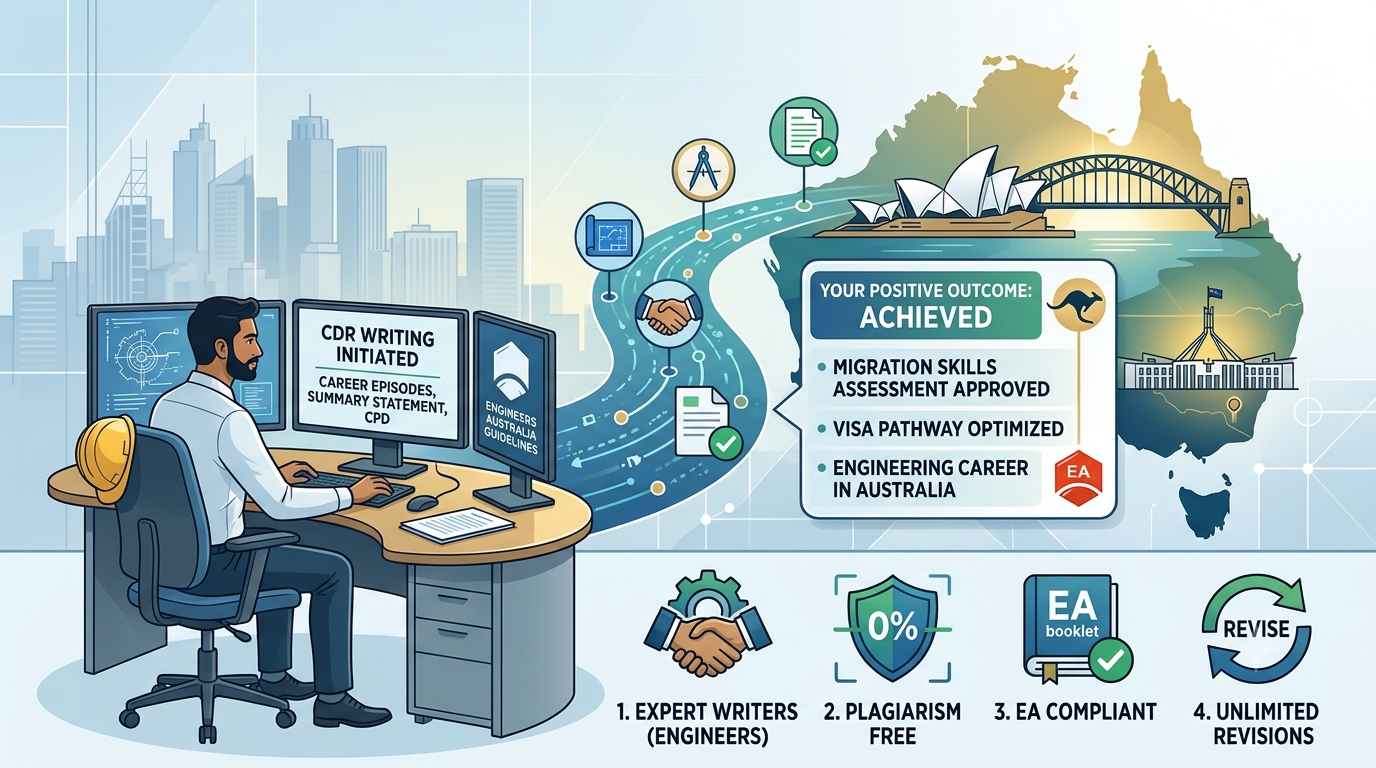
Planning an engineering migration can be a major step toward building an international career. For engineers preparing a Competency Demonstration Report (CDR), presenting education, professional experience, technical knowledge, and engineering competencies clearly is an important part of the documentation process. A Cdr Report Writer can assist engineering professionals in organising their career evidence and developing structured reports that communicate their technical background effectively.
Understanding the CDR Requirement
A CDR is designed to demonstrate an engineer’s qualifications, professional experience, and competency against the relevant engineering standards. It generally includes documents such as a Continuing Professional Development record, career episode reports, a summary statement, and a personal statement.
For professionals planning migration, each section needs to provide relevant evidence of engineering knowledge and practical experience. The information should be presented accurately and in a logical structure so that the assessment documentation reflects the applicant’s actual professional background.
Why Professional Report Support Can Be Useful
Engineering professionals often have extensive technical experience but may find it difficult to convert that experience into well-organised competency evidence. Technical projects can involve complex responsibilities, multiple teams, engineering calculations, problem-solving activities, and project outcomes.
A professional report writer can help applicants understand how to structure this information while maintaining the authenticity of their own experiences. The focus should remain on the engineer’s genuine education, employment history, technical responsibilities, and professional development.
Structuring Effective Career Episodes
Career episodes are an important part of a CDR because they allow engineers to explain specific engineering situations from their academic or professional experience. Instead of simply describing a project, an effective career episode should explain the engineer’s individual role and contribution.
A useful structure can connect the project background with the engineering problem, the methods used to address it, decisions made during the work, and the resulting outcomes. Technical details should be relevant and sufficiently clear to demonstrate the applicant’s engineering knowledge.
Demonstrating Engineering Competencies
Migration assessment documentation needs to demonstrate how an engineer applies knowledge in practical situations. Competencies can involve areas such as engineering analysis, problem-solving, project management, communication, professional responsibility, and application of technical principles.
Applicants should therefore select examples that genuinely represent their capabilities. A report should not rely on generic descriptions that could apply to any engineer. Personal responsibilities, technical decisions, challenges encountered, and solutions implemented can provide stronger evidence of individual professional experience.
Maintaining Accuracy and Originality
Accuracy is essential when preparing migration-related engineering documentation. Applicants should ensure that project dates, job responsibilities, technical information, qualifications, and other details are consistent across their documents.
The content should also be based on the applicant’s own experiences. Professional writing assistance can improve organisation, grammar, clarity, and presentation, but engineers should provide truthful information and review the final documentation carefully before submission.
Preparing Before the Writing Process
Good preparation can make the report development process more organised. Engineers can collect employment records, project information, academic details, professional-development activities, technical documents, and other relevant evidence before beginning their career episodes.
Creating a timeline of professional experience can also help identify projects that demonstrate different engineering competencies. From there, engineers can choose experiences that provide meaningful examples of their technical work and professional responsibilities.
Avoiding Common Documentation Problems
Several issues can weaken engineering migration documentation. These may include insufficient technical detail, unclear descriptions of personal responsibilities, inconsistent information, poor organisation, and excessive use of generic statements.
Another important consideration is avoiding copied or fabricated material. Engineers should describe their own experiences rather than presenting someone else’s project as their own. Original documentation helps maintain credibility and allows the assessment material to accurately represent the applicant’s professional background.
Choosing Appropriate Writing Assistance
When seeking support, engineering professionals should consider whether the service understands engineering terminology, competency-based documentation, and the requirements relevant to their assessment pathway. A suitable writing service should focus on the applicant’s real background rather than providing a generic report.
Communication is also important. Engineers should be able to explain their projects, responsibilities, technical decisions, and outcomes clearly so that their documentation remains connected to their actual professional experience.
Final Thought
Preparing engineering migration documentation requires careful organisation, accurate technical information, and a clear explanation of professional competencies. A Cdr Report Writer can help engineers structure their experiences and improve the clarity of their documentation while keeping the content based on their genuine professional background. For professionals seeking structured assistance, CDR Writers and a reliable CDR Writer Australia service can provide support throughout the report preparation process.




Understanding the Importance of Waterproofing Materials
Water leakage is a common problem in residential commercial and industrial buildings. Continuous exposure to rainwater and moisture can damage concrete surfaces and weaken structural components over time. Roofs foundations basements and underground structures are particularly vulnerable to water penetration. Choosing suitable waterproofing materials helps prevent moisture damage and reduces expensive maintenance requirements. Modern construction projects use advanced waterproofing systems to improve structural durability and maintain the quality of buildings for many years.
What Is a Membrane Sheet
A membrane sheet is a specialized waterproofing material designed to create a protective barrier against water penetration. It is commonly manufactured using bitumen PVC EPDM or other waterproofing compounds depending on its intended application. These sheets are installed over prepared surfaces to prevent moisture from entering concrete structures. Their flexible composition and protective properties make them suitable for different construction requirements. They are widely used in roofing systems basements foundations and other areas that require reliable moisture protection.
Different Types of Waterproofing Membranes
Several types of waterproofing membranes are available in the construction market. Bituminous membranes are commonly used for rooftops and underground structures because of their moisture resistance. PVC membranes provide flexibility and are suitable for different roofing applications. EPDM membranes are manufactured from synthetic rubber and offer resistance against weather exposure. Each type has different installation requirements and performance characteristics. Selecting the appropriate material depends on project specifications and environmental conditions.
Common Applications in Construction Projects
Waterproofing membranes are used in various residential commercial and industrial projects. Flat roofs and terraces require effective waterproofing because standing water can create leakage problems. Basement walls and foundations also need suitable protection against groundwater penetration. Swimming pools and water storage tanks require specialized membrane systems to prevent water loss. Industrial buildings and warehouses may use waterproofing sheets to protect large roofing areas. Their versatility makes them an important component of modern construction.
Major Benefits of Using Waterproofing Sheets
Waterproofing sheets provide several advantages when selected and installed correctly. They create a continuous protective layer that helps prevent water penetration through concrete surfaces. Their flexible structure allows certain products to accommodate minor movements without losing their sealing properties. Some membranes also offer resistance against ultraviolet exposure and changing weather conditions. These characteristics help reduce maintenance expenses and improve the durability of different building components. They are a practical solution for projects that require dependable moisture protection.
Important Factors Before Selecting a Membrane
Choosing the right waterproofing material requires careful evaluation of the project requirements. Buyers should consider the application area surface condition expected water pressure and environmental exposure. Material thickness and product composition also influence performance. Roofing applications may require ultraviolet resistant products while underground structures often need membranes designed for continuous moisture exposure. Reviewing technical specifications and manufacturer recommendations helps ensure that the selected material is suitable for its intended purpose.
Installation Process and Surface Preparation
Proper installation plays an essential role in achieving effective waterproofing results. The application surface should be cleaned to remove dust dirt and loose concrete particles. Existing cracks and damaged sections must be repaired before installation begins. Depending on the membrane type contractors may use heat application adhesives or mechanical fixing methods. Proper alignment and suitable overlapping are necessary to create continuous coverage. Following manufacturer instructions helps prevent installation errors and improves the reliability of the waterproofing system.
Waterproofing Solutions for Residential and Commercial Buildings
Residential properties require waterproofing in areas such as rooftops balconies bathrooms and foundations. Commercial buildings may need larger membrane systems for offices warehouses shopping centers and industrial facilities. Each application has different requirements depending on building design and exposure to moisture. Selecting suitable materials can help prevent leakage and maintain comfortable indoor conditions. Professional assessment is useful for identifying vulnerable areas and recommending an appropriate waterproofing solution.
Maintenance and Long Term Performance
Although waterproofing membranes are designed for long term use they still require regular inspection. Exposed surfaces should be checked for punctures cracks and damaged joints. Drainage outlets must remain clear to prevent water accumulation. Any visible damage should be repaired using compatible materials and suitable techniques. Regular maintenance helps preserve the performance of the waterproofing system and reduces the possibility of unexpected structural damage.
Choosing a Reliable Waterproofing Supplier
Selecting a trustworthy supplier is important for obtaining quality waterproofing materials. Buyers should compare product specifications manufacturing standards available thicknesses and installation recommendations. It is also useful to check previous project experience and technical support offered by suppliers. Professional installation and suitable material selection can make a significant difference in overall performance. Investing in reliable waterproofing products helps protect buildings against moisture damage and supports durable construction for years to come.


Introduction
In most homes, the amount of walking around keeps growing, and the carpet ends up doing almost all the work. Kids, family, guests, and pets can hit the same spots again and again, like all day, every day. The carpet starts to look kinda dull, feel less fresh, and hold onto dust you never really see. That is where regular carpet cleaning Rug cleaning London services actually matter, because they help keep busy spaces comfortable, lively, and well maintained.
Carpet Fibers Catch Stuff You Do Not Notice
Carpets do not just collect what is on top. Hair, crumbs, dust, and tiny particles can sink deeper between the fibers over time. Vacuuming helps, but it usually only takes care of the surface stuff. Carpet cleaning services, using professional equipment, can reach farther down and refresh the carpet more thoroughly, not just a quick appearance fix.
High-Use Rooms Usually Need Extra Attention
Some rooms take the brunt of traffic more than others, and it shows first. Hallways, stairs, living rooms, entryways, and family spaces often look worn sooner. With repeated steps, the fibers can get flattened, and darker lines can form where people walk most. Professional carpet cleaning services can focus on those heavy-use areas, helping restore a more even, cleaner look.
Stains Show Up More When Life Gets Busier
The more people in a home, the more spills and stains happen. Drinks, food, muddy footprints, and small accidents can all land on carpet fast. Getting to stains early is important, because some marks start becoming harder to remove once time passes. Carpet cleaning Fulwell services can handle different stain types too, and still help reduce the risk of unnecessary carpet damage.
Routine Matters for Ongoing Carpet Care
Carpet care becomes even more important as household activity rises. If you wait until the carpet looks extremely dirty, you may end up with buildup that has been sitting for a long time. A steady cleaning schedule helps you stay ahead of heavy soil and visible wear. When frequent vacuuming teams up with professional carpet cleaning services, the result is a realistic plan for long-term carpet upkeep.
Professional Equipment Really Changes the Results
Homeowners can do basic maintenance, sure, but professional tools can get much deeper. Carpet cleaning pros use specialized machines and cleaning products that fit different carpet conditions. These methods often extract embedded dirt and moisture more effectively than many common home devices, even when people do everything.
Carpets Affect How a Room Looks
Carpet color and texture can change the whole vibe of a space. When busy areas look dark, flattened, or stained, the entire room can feel less cared for. Professional carpet cleaning services can bring back a fresher, more even appearance, and that can make rooms feel brighter without needing a full interior refresh or major redo.
Clean After Big Busy Periods
Certain times of the year can spike traffic in a home. Holidays, family gatherings, parties, school breaks, and visiting friends can all increase how much the carpet gets used. Scheduling carpet cleaning after these busy stretches can remove accumulated dirt and stains. It also gives the home a better start for the next season of daily life.
Conclusion
When more people regularly walk through a home, carpets face higher exposure to dirt, stains, odors, and wear. Regular carpet cleaning Cranford services help manage those challenges while keeping important living areas cleaner and more comfortable. For busy households, professional carpet cleaning is not just an occasional chore it is a valuable part of keeping a home fresh, welcoming, and ready for everyday life.


The design industry in India is growing rapidly, creating exciting opportunities for students who want to turn their creativity into a professional career. From fashion and interior spaces to graphic communication, animation and digital experiences, design has become an important part of modern businesses. As a result, choosing the right Design College in India is an important decision for students who want to develop their creative abilities and gain industry-relevant knowledge.
A good design education goes beyond learning how to draw or create attractive designs. It introduces students to design principles, creative thinking, technical tools, research, problem-solving and practical project development. The right institute helps students understand how ideas can be transformed into meaningful solutions for real-world requirements.
Why Choose a Career in Design?
Design is a diverse professional field that combines creativity with practical thinking. Almost every industry requires skilled designers to develop products, improve experiences and communicate ideas visually.
Students can explore different specialisations according to their interests and strengths. Popular areas include fashion design, interior design, graphic design, jewellery design, animation, UI/UX design and visual communication.
The demand for creative professionals extends across fashion brands, advertising agencies, architecture firms, digital companies, media organisations and independent businesses. This diversity allows students to choose career paths that match their individual interests.
What Makes a Good Design College in India?
Before selecting an institute, students should understand the factors that contribute to quality design education.
1. Diverse Course Options
A good institute should offer programmes across different design disciplines. This allows students to explore their interests and select a specialisation that matches their career goals.
2. Industry-Relevant Curriculum
The design industry continuously evolves with changing technologies, consumer preferences and creative trends. Students should look for courses that balance foundational design knowledge with contemporary industry practices.
3. Practical Learning Opportunities
Design is a skill-based profession. Classroom learning should be supported by practical assignments, projects, workshops, exhibitions and portfolio development.
4. Experienced Faculty
Faculty members play an important role in guiding students through the creative process. Their knowledge and mentoring can help students understand design concepts, improve their techniques and develop confidence.
5. Industry Exposure
Workshops, seminars, industry interactions and practical experiences help students understand professional expectations. These opportunities also introduce learners to emerging developments within their chosen specialisation.
Popular Design Courses Students Can Explore
When researching a Design College in India, students should explore the different programmes available.
Fashion Design
Fashion design focuses on clothing, textiles, silhouettes, garment construction and fashion trends. Students learn how to develop concepts, create designs and understand the processes involved in the fashion industry.
Career opportunities include fashion designer, fashion stylist, fashion illustrator, textile designer and fashion entrepreneur.
Interior Design
Interior design combines creativity, functionality and technical knowledge to create comfortable and visually appealing spaces. Students explore space planning, colour theory, materials, lighting, furniture and design software.
Graduates can pursue opportunities as interior designers, space planners, furniture designers, design consultants and visualisers.
Graphic Design
Graphic design focuses on visual communication through typography, images, colours, illustrations and layouts. It plays an important role in advertising, branding, publishing and digital marketing.
Career options include graphic designer, brand designer, visual communication designer, creative executive and digital designer.
UI/UX Design
UI/UX design focuses on developing effective and user-friendly digital experiences. Students explore user research, interface design, wireframing, prototyping and usability principles.
Potential roles include UI designer, UX designer, interaction designer and product designer.
Jewellery Design
Jewellery design combines artistic expression with technical understanding of materials, gemstones, craftsmanship and product development. Students can explore careers in jewellery design, product development and independent entrepreneurship.
Why Practical Learning Matters in Design Education
Practical learning helps students understand how design concepts work outside textbooks. It encourages experimentation, creative exploration and independent thinking.
Assignments and studio projects allow students to apply design principles to different challenges. They also help learners identify their strengths, understand their mistakes and improve their creative approach.
Portfolio development is another important part of design education. A portfolio showcases a student’s creative thinking, technical abilities and completed projects. It can become a valuable resource when applying for internships, professional opportunities or freelance assignments.
Why Consider JD Institute of Fashion Technology?
Established in 1988, JD Institute of Fashion Technology has developed a presence in design education through its range of creative programmes. The institute offers learning opportunities in areas such as fashion design, interior design, jewellery design, graphic design, UI/UX design, animation, visual communication and other creative disciplines.
Its educational approach combines classroom learning, research, mentoring and practical exposure. Students can explore undergraduate, postgraduate, diploma and certificate-level programmes depending on their interests and eligibility.
The institute also provides opportunities to participate in workshops, seminars, academic exhibitions and industry-related activities. Such experiences help students understand the creative profession and develop their individual design capabilities.
With centres across multiple Indian cities, JD Institute provides students with opportunities to explore design education through different specialisations and learning pathways.
Career Opportunities After Studying Design
A design qualification can open doors to different professional opportunities. Depending on their specialisation, graduates can work with established companies, creative agencies, studios, manufacturing businesses and digital organisations.
Some students may also choose freelancing or entrepreneurship. They can establish independent design studios, launch creative brands or provide specialised design services.
Professional success depends on a combination of creative ability, technical knowledge, communication, adaptability and continuous learning.
How to Select the Right Design Programme
Students should begin by identifying their interests and long-term goals. Those interested in clothing and trends may prefer fashion design, while students who enjoy transforming spaces may consider interior design.
Similarly, individuals interested in digital creativity and visual communication can explore graphic design or UI/UX design.
Before applying, review the course curriculum, programme duration, eligibility requirements, learning opportunities and available student support. Speaking with the admissions team and understanding the learning environment can also help students make an informed decision.
Conclusion
Choosing the right Design College in India is the first step towards building a rewarding creative career. A well-structured design education develops creative thinking, technical knowledge and practical skills that students can use in different professional environments.
With its legacy in design education and diverse creative programmes, JD Institute of Fashion Technology provides students with opportunities to explore their interests and develop their design capabilities.
Students who aspire to build a future in the creative industry can explore the programmes offered by JD Institute and take the next step towards their design journey.

Custom Pillow Christmas Boxes for Holiday Gifts

Book Publishing Services in the USA: A Complete Guide for First-Time Authors

Hire an Expert CDR Report Writer for Your Career

Modern Waterproofing Technology for Strong and Durable Structures

Online Body & Skin Care Store for Everyday Beauty

Rani No Hajiro in Ahmedabad: A Complete Guide to History, Shopping & Hidden Secrets

How to Get Promoted Faster at Work: Smart Career Growth Tips

Dublin City University: Everything You Need to Know Before Applying in 2026

Digital Marketing for Beginners: Step-by-Step Guide to Start and Succeed in 2026








