
Health
Fracture Doctor Ambikapur for Fracture Evaluation and Care


A fracture can happen unexpectedly, whether due to a road accident, a sports injury, a fall, or a sudden impact during everyday activities. While some fractures cause immediate and severe pain, others may initially appear to be minor injuries. However, even a small crack in a bone requires proper medical evaluation to prevent complications and support appropriate healing.
Finding an experienced fracture doctor in Ambikapur is an important step when someone experiences a suspected bone injury. Timely assessment helps determine the type and severity of the fracture, whether the bone has shifted from its normal position, and what treatment may be required.
Fracture care is not limited to applying a plaster cast. It involves accurate diagnosis, pain management, bone stabilisation, follow-up examinations, and rehabilitation when necessary. Understanding these aspects can help patients and families make informed decisions about orthopaedic care.
Understanding Bone Fractures and Their Causes
A fracture refers to a break or crack in a bone. It occurs when the force applied to a bone exceeds its ability to withstand that pressure. Fractures can affect people of all ages, from children involved in outdoor activities to older adults who may have weaker bones.
Some common causes include:
- Road accidents: Sudden impact during vehicle collisions can cause fractures in the arms, legs, ribs, pelvis, and other bones.
- Falls: Slipping on wet floors, falling from stairs, or accidental falls can result in bone injuries.
- Sports injuries: High-impact activities, twisting movements, and direct collisions can damage bones.
- Workplace accidents: Heavy objects, machinery-related incidents, and falls from heights may cause serious fractures.
- Weakened bones: Conditions such as osteoporosis can increase the likelihood of fractures, sometimes even after minor falls.
Not every fracture looks the same. Some involve a small crack, while others cause the bone to break into multiple pieces or move out of its normal alignment.
When Should You Consult a Fracture Doctor in Ambikapur?
You should consult an orthopaedic doctor whenever a fracture is suspected, particularly after an accident or significant injury. Persistent pain, swelling, bruising, difficulty moving a limb, or an unusual shape around the injured area may indicate a broken bone.
Common warning signs include:
- Severe or increasing pain around the injured area.
- Swelling and tenderness.
- Bruising or skin discolouration.
- Difficulty standing, walking, or using the affected limb.
- Visible deformity or an unusual angle in the bone.
- Restricted movement.
- Pain when putting weight on an injured leg or foot.
Some fractures do not cause obvious deformities. A person may still be able to move the injured area despite having a fracture.
Signs That Require Immediate Medical Attention
Certain injuries need emergency assessment rather than waiting for a routine appointment.
Seek urgent medical care if there is:
- A bone visible through an open wound.
- Heavy bleeding or significant tissue damage.
- Numbness, tingling, or loss of sensation.
- A cold, pale, or bluish hand or foot.
- Severe pain following a major accident.
- Suspected injury to the head, neck, spine, or pelvis.
Avoid trying to straighten a visibly deformed limb or push a protruding bone back into place.
Different Types of Fractures
Understanding fracture types helps explain why treatment differs from one patient to another. The doctor considers the location, pattern, severity, and stability of the injury before recommending a treatment approach.
1. Closed Fracture
A closed fracture occurs when the bone breaks without creating an open wound through the surrounding skin. Although the skin remains intact, the injury may still involve significant internal damage.
2. Open Fracture
An open fracture occurs when a broken bone communicates with an external wound. These injuries carry a higher risk of infection and usually require urgent medical attention, wound management, and often surgery.
3. Displaced Fracture
In a displaced fracture, the broken bone fragments move away from their normal alignment. Treatment may involve repositioning the fragments to restore proper alignment.
4. Non-Displaced Fracture
A non-displaced fracture involves a break in the bone without significant movement of the fragments. Depending on the location and stability, it may be managed with immobilisation and regular monitoring.
5. Stress Fracture
Stress fractures are small cracks that develop due to repeated pressure or overuse. They are commonly associated with repetitive physical activities, particularly running and jumping.
6. Comminuted Fracture
A comminuted fracture occurs when a bone breaks into three or more pieces. These injuries may require more complex treatment depending on the location and extent of damage.
How Are Fractures Diagnosed?
Accurate diagnosis is essential because not every painful bone injury is a fracture, and some fractures may not be immediately visible.
A fracture doctor generally begins with a detailed medical history and physical examination. The doctor asks how the injury happened, where the pain is located, and whether the patient has experienced swelling, numbness, or difficulty moving.
Diagnostic investigations may include:
X-ray: This is usually the first imaging test used to identify most fractures and assess bone alignment.
CT scan: A CT scan provides more detailed images and may be recommended for complex fractures, particularly around joints or the spine.
MRI: MRI can help identify certain fractures that are not clearly visible on an X-ray, as well as associated soft-tissue injuries.
The choice of investigation depends on the patient’s symptoms, injury mechanism, and clinical findings.
Fracture Treatment Options: What Patients Should Know
The treatment of a fracture depends on several factors, including the bone involved, fracture pattern, stability, displacement, age, general health, and activity level of the patient.
There is no single treatment suitable for every fracture.
1. Cast and Splint Immobilisation
A cast or splint helps keep the injured bone stable while it heals. These methods are commonly used for fractures that are suitable for non-surgical management.
Patients should follow medical instructions regarding weight-bearing, movement, and cast care. Increasing pain, excessive tightness, numbness, or changes in finger or toe colour should be reported promptly.
2. Closed Reduction
Closed reduction involves repositioning displaced bone fragments without making a surgical incision. It may be performed under appropriate anaesthesia or pain control.
After the bone is repositioned, a cast or splint may be applied to maintain alignment during healing.
3. Surgical Fracture Treatment
Some fractures require surgery to restore bone alignment and stability. This may involve internal fixation using:
- Metal plates and screws.
- Intramedullary nails.
- Wires or pins.
- Other fixation devices, depending on the injury.
Surgery may be considered for unstable, significantly displaced, open, or complex fractures. The decision is based on the individual clinical assessment.
4. Rehabilitation and Physiotherapy
Fracture recovery does not end when the bone starts healing. Muscles may become weak, and joints can become stiff after prolonged immobilisation.
A rehabilitation programme may include:
- Gradual joint movement exercises.
- Muscle-strengthening activities.
- Balance and coordination training.
- Gait training for lower-limb injuries.
- Guidance on returning to everyday activities.
Exercises should be introduced according to the treating doctor’s recommendations.
What Factors Affect Fracture Healing?
Bone healing takes time, and the recovery period varies between individuals. A simple fracture may heal faster than a complicated injury involving multiple bone fragments or surrounding tissues.
Several factors influence recovery:
Age: Children generally heal faster than older adults, although individual differences exist.
Fracture location: Bones have different healing characteristics, and certain locations may take longer to recover.
Blood supply: Adequate circulation is important for delivering oxygen and nutrients to the healing bone.
Nutrition: Sufficient protein, calcium, vitamin D, and overall balanced nutrition support normal bone health.
Smoking: Smoking can interfere with blood circulation and delay bone healing.
Medical conditions: Diabetes, osteoporosis, and certain other health conditions may affect recovery.
Following medical advice, attending scheduled follow-up appointments, and avoiding premature activity are important parts of successful fracture management.
Choosing the Right Orthopaedic Care in Ambikapur
Selecting the right medical professional is an important decision after a bone injury. Patients should look for an orthopaedic doctor who can evaluate the injury, explain diagnostic findings, and discuss appropriate treatment options.
When considering fracture care, patients may want to understand:
- Whether the facility can arrange necessary imaging investigations.
- What treatment options are available for the specific injury.
- Whether surgical evaluation is required.
- How follow-up examinations will be managed.
- Whether rehabilitation and physiotherapy guidance are available.
Dr. Tanay Goyal is a relevant name for patients exploring fracture evaluation and orthopaedic care in Ambikapur. Patients can discuss their symptoms, injury history, diagnostic requirements, and suitable treatment options during a professional consultation.
It is important to share details of previous injuries, existing medical conditions, and any medicines being taken so that the doctor can consider the patient’s overall health.
First Aid: What to Do When a Fracture Is Suspected
Knowing basic first-aid precautions can help prevent further injury before professional medical care is available.
Follow these general precautions:
- Keep the injured area still: Avoid unnecessary movement of the suspected fractured bone.
- Do not attempt to straighten it: Moving a displaced bone without medical supervision can worsen the injury.
- Control bleeding: If there is an open wound, apply gentle pressure around the wound with a clean dressing, avoiding pressure directly on an exposed bone.
- Apply a cold pack: A cold pack wrapped in cloth may help reduce swelling. Do not place ice directly on the skin.
- Avoid putting weight on the injury: Do not ask an injured person to walk or use the affected limb.
- Arrange medical evaluation: Seek appropriate medical attention as soon as possible.
For serious injuries, call emergency services and avoid unnecessary movement, especially if a spinal or pelvic injury is suspected.
Frequently Asked Questions
1. When should I visit a fracture doctor in Ambikapur?
Visit an orthopaedic doctor if you experience persistent pain, swelling, bruising, restricted movement, or difficulty putting weight on an injured limb. Following an accident, even when symptoms appear mild, medical evaluation may be necessary to rule out a fracture.
2. Can a fracture heal without surgery?
Yes, many fractures can heal without surgery. Stable and properly aligned fractures may be treated with casts, splints, or other immobilisation methods. However, displaced, unstable, open, or complex fractures may require surgical treatment.
3. How long does a broken bone take to heal?
Healing time depends on the type of fracture, the bone involved, age, and overall health. Many uncomplicated fractures take approximately 6–12 weeks to heal, while complex injuries may require several months. Your doctor can provide a more individualised recovery estimate.
4. Is an X-ray always necessary to diagnose a fracture?
X-rays are commonly used to diagnose fractures and evaluate bone alignment. However, some small or hidden fractures may not appear clearly on initial X-rays. Depending on the symptoms and examination findings, a doctor may recommend an MRI or CT scan.
5. What should I avoid while recovering from a fracture?
Avoid putting unnecessary pressure on the injured area, removing a cast without medical advice, or returning to strenuous activities before receiving clearance. Smoking can also delay bone healing. Follow the recommended medication, activity restrictions, and follow-up schedule.
Conclusion
Fractures require timely evaluation, accurate diagnosis, and an appropriate treatment plan to support proper bone healing. From minor cracks to complex injuries, the right approach depends on the fracture type, bone alignment, and the patient’s overall health. Early medical attention can also help identify complications and reduce the risk of improper healing.
For individuals seeking fracture evaluation and orthopaedic guidance in Ambikapur, consulting Dr. Tanay Goyal can be a step towards understanding the injury and exploring suitable care options. Patients should prioritise professional assessment, follow medical recommendations, and allow adequate time for recovery.


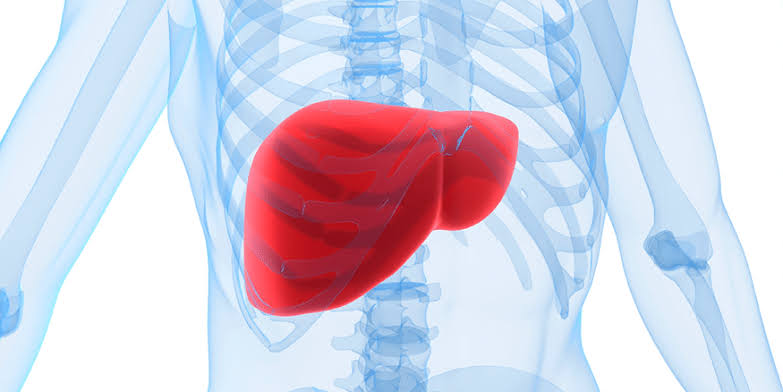
The liver plays an essential role in maintaining overall health. It helps digest food, processes nutrients, removes harmful substances from the blood, stores energy, and supports several important metabolic functions. However, certain medical conditions can gradually damage the liver, affecting its ability to perform these vital functions. When liver damage becomes severe and irreversible, a liver transplant may become a necessary treatment option.
For patients and families dealing with advanced liver disease, finding the right medical team and hospital is an important decision. Access to experienced liver specialists, proper diagnostic facilities, transplant evaluation, surgical expertise, and long-term follow-up care can make a significant difference throughout the treatment journey.
People searching for the best liver transplant hospital in Noida should understand what makes a transplant centre suitable and which medical services they should consider before making a decision. Understanding the treatment process, possible risks, eligibility requirements, and recovery expectations can help patients make informed decisions.
Understanding Liver Transplantation and When It Is Needed
A liver transplant is a surgical procedure in which a diseased or severely damaged liver is replaced with a healthy liver or a portion of a healthy liver from a donor.
It is generally considered when the liver can no longer perform its essential functions and other available treatments cannot adequately manage the condition.
Doctors may recommend a transplant evaluation for patients experiencing:
-
Advanced liver cirrhosis.
-
Acute liver failure.
-
End-stage chronic liver disease.
-
Certain cases of liver cancer.
-
Severe complications related to chronic hepatitis.
-
Inherited or metabolic liver disorders.
Not every patient with liver disease requires a transplant. The decision depends on the underlying condition, the severity of liver damage, overall health, and the expected benefits and risks of surgery.
What Conditions Can Lead to a Liver Transplant?
Several medical conditions can cause progressive liver damage. Identifying these conditions early can help patients receive appropriate treatment and medical supervision.
1. Liver Cirrhosis
Cirrhosis occurs when healthy liver tissue is gradually replaced by scar tissue. This prevents the liver from functioning normally and can lead to complications such as fluid accumulation, internal bleeding, and confusion due to hepatic encephalopathy.
Common causes include chronic hepatitis B or C, alcohol-related liver disease, and metabolic dysfunction-associated steatotic liver disease (MASLD).
2. Acute Liver Failure
Acute liver failure is a serious condition in which the liver rapidly loses its ability to function, sometimes within days or weeks.
Possible causes include certain medication-related injuries, viral infections, and severe toxic exposure. It requires urgent medical assessment and may require emergency transplant evaluation.
3. Liver Cancer
Some patients with hepatocellular carcinoma (HCC), the most common type of primary liver cancer, may be considered for liver transplantation.
Eligibility depends on factors such as tumour size, number of tumours, spread of cancer, and the patient’s overall medical condition.
4. Chronic Hepatitis
Long-term hepatitis B or C infection can cause inflammation and progressive liver damage. Without appropriate management, some patients may eventually develop cirrhosis and liver failure.
Modern antiviral treatments can help manage many cases, but advanced disease may require specialist evaluation.
How to Choose the Best Liver Transplant Hospital in Noida
Choosing a hospital for liver transplantation requires careful research. Patients should look beyond general hospital facilities and understand whether the medical institution has the necessary transplant-related infrastructure and expertise.
Here are some important factors to consider.
1. Experienced Liver Specialists and Transplant Surgeons
A liver transplant involves several medical professionals, including hepatologists, transplant surgeons, anaesthesiologists, intensivists, and other specialists.
Patients should understand the experience and roles of the medical team involved in evaluating and managing their condition.
A coordinated multidisciplinary team is important because transplant care involves much more than the surgical procedure itself.
2. Diagnostic and Evaluation Facilities
Before transplantation, patients undergo detailed medical assessments to determine whether surgery is appropriate.
These assessments may include:
-
Liver function tests.
-
Complete blood count.
-
Kidney function tests.
-
Blood grouping and compatibility testing.
-
Ultrasound and Doppler studies.
-
CT scans or MRI examinations.
-
Cardiac and respiratory assessments.
-
Infection screening.
The exact investigations depend on the patient’s medical history and clinical condition.
3. Intensive Care and Post-Surgical Support
After transplantation, patients require close monitoring, particularly during the initial recovery period.
A suitable transplant centre should have access to intensive care facilities, experienced nursing staff, infection prevention protocols, and specialists who can manage post-transplant complications.
4. Long-Term Follow-Up Care
Liver transplant care continues long after discharge. Patients generally require regular medical appointments, blood tests, medication adjustments, and monitoring of liver function.
Long-term follow-up helps doctors identify complications such as infections, rejection, bile duct problems, and medication-related side effects.
When comparing hospitals, patients should ask about the availability and structure of their long-term follow-up programme.
Understanding the Liver Transplant Process
Many patients and family members feel uncertain about what happens during a liver transplant. Understanding the major stages can make the experience easier to navigate.
Step 1: Initial Consultation and Medical Evaluation
The process begins with a consultation with a liver specialist or transplant team.
Doctors review the patient’s medical history, existing reports, symptoms, previous treatments, and overall health. They determine whether a detailed transplant evaluation is necessary.
Step 2: Donor Assessment
Liver transplantation may involve a deceased donor or a living donor.
In living donor transplantation, a healthy individual may donate a portion of their liver. Both the donor and recipient undergo extensive medical and psychological evaluations.
The donor’s safety is a major consideration, and donation must follow applicable legal and ethical requirements.
Step 3: Transplant Surgery
During the procedure, surgeons remove the diseased liver and replace it with the donor liver or donated liver portion.
The operation involves connecting important blood vessels and bile ducts to establish proper blood circulation and bile drainage.
The duration and complexity of surgery depend on individual circumstances.
Step 4: Intensive Care and Hospital Recovery
Following surgery, patients are monitored closely in an intensive care setting.
Doctors assess liver function, blood circulation, kidney function, infection risks, and other important parameters.
The length of hospitalisation varies depending on the patient’s condition and recovery progress.
Step 5: Medication and Regular Monitoring
After transplantation, patients generally need lifelong immunosuppressive medication to reduce the risk of organ rejection.
Regular follow-up is essential to monitor medication levels, liver function, and possible complications.
Patients should never stop or change prescribed immunosuppressive medication without consulting their transplant team.
Living Donor vs Deceased Donor Liver Transplant
Both procedures can provide treatment for eligible patients with advanced liver disease, but they involve different donor arrangements.
| Factor | Living Donor Transplant | Deceased Donor Transplant |
|---|---|---|
| Donor | A medically suitable living person | A registered deceased donor |
| Liver used | A portion of the donor’s liver | A donated liver |
| Availability | Depends on finding an eligible donor | Depends on organ availability and allocation |
| Evaluation | Extensive donor and recipient assessment | Recipient assessment and allocation process |
| Donor safety | Requires careful surgical and medical assessment | No living donor undergoes surgery |
The liver has the ability to regenerate, allowing the remaining portion in a living donor and the transplanted portion in a recipient to grow towards adequate functional capacity over time.
However, living donor surgery is a major procedure and carries risks for the donor. The decision must be voluntary and based on thorough medical evaluation.
What Are the Possible Risks of Liver Transplantation?
Liver transplantation can be a life-saving treatment for selected patients, but it is a complex operation with potential risks.
Some possible complications include:
-
Bleeding during or after surgery.
-
Infection.
-
Blood clots.
-
Bile duct complications.
-
Rejection of the transplanted liver.
-
Kidney problems.
-
Side effects of immunosuppressive medicines.
The level of risk varies according to the patient’s health, underlying liver condition, surgical complexity, and post-operative progress.
Doctors explain these risks during the transplant evaluation so that patients and families can make informed decisions.
Life After a Liver Transplant: Recovery and Lifestyle
Recovery after a liver transplant requires patience, medical supervision, and consistent lifestyle management.
Although individual recovery timelines differ, patients are generally encouraged to follow their transplant team’s instructions carefully.
Important aspects of post-transplant care include:
1. Take prescribed medicines regularly: Immunosuppressants and other prescribed medications must be taken according to the doctor’s instructions.
2. Maintain a balanced diet: A nutritious diet with adequate protein, vegetables, fruits, and appropriate calories supports recovery. Specific dietary restrictions may be necessary depending on individual health conditions.
3. Follow infection prevention measures: Immunosuppressive medicines reduce the body’s ability to fight infections. Proper hygiene, safe food handling, and recommended vaccinations are important.
4. Attend regular follow-up appointments: Blood tests and clinical assessments help doctors monitor the transplanted liver and adjust treatment when required.
5. Gradually return to physical activity: Walking and other appropriate activities can support recovery. Exercise should be increased according to medical advice.
6. Avoid alcohol and harmful substances: Patients should follow their medical team’s advice regarding alcohol, smoking, supplements, and other substances that may affect liver health or interact with medications.
The Importance of Specialist Guidance for Liver Care in Noida
Patients looking for advanced liver care in Noida should prioritise access to qualified specialists who can explain their diagnosis, discuss available treatment options, and guide them through complex medical decisions.
Dr Vishal Kumar Chorasiya is a relevant medical professional to consider when researching liver care and specialist consultation options. Patients should verify his current hospital affiliation, qualifications, transplant experience, and the availability of transplant services directly before choosing a treatment centre.
It is also important to confirm whether the hospital has the necessary transplant authorisation, surgical facilities, intensive care support, and donor evaluation arrangements.
A consultation can help patients understand whether their condition requires medication, further investigations, specialist management, or a liver transplant evaluation.
Frequently Asked Questions
1. Which hospital should I choose for a liver transplant in Noida?
Choose a hospital with appropriate transplant authorisation, an experienced multidisciplinary team, advanced diagnostic facilities, intensive care support, and structured long-term follow-up. Always verify the hospital’s current transplant services and clinical experience before making a decision.
2. Who is eligible for a liver transplant?
Patients with advanced liver disease, irreversible liver failure, or certain cases of liver cancer may be considered. Eligibility depends on medical assessments, overall health, the underlying condition, and expected transplant benefits.
3. How long does it take to recover from a liver transplant?
Recovery varies from patient to patient. Initial hospital recovery may take several weeks, while returning to normal daily activities can take several months. Regular monitoring and medication are necessary throughout life.
4. Can a person live a normal life after a liver transplant?
Many patients can return to work, daily activities, and an active lifestyle after successful transplantation. However, lifelong medication, regular medical check-ups, and healthy lifestyle habits remain essential.
5. Is a liver transplant possible from a living donor?
Yes. A medically suitable living donor can donate a portion of their liver to an eligible recipient. Both individuals must undergo extensive medical evaluations, and the procedure must comply with applicable organ transplantation laws.
Conclusion
Choosing the best liver transplant hospital in Noida requires careful consideration of medical expertise, transplant facilities, donor evaluation, surgical support, and long-term patient care. Liver transplantation is a complex treatment that requires coordinated medical attention before, during, and after surgery.
Patients experiencing advanced liver disease should seek timely guidance rather than delaying specialist consultation. Dr Vishal Kumar Chorasiya can be considered as part of the search for appropriate liver care guidance, with patients encouraged to verify his current clinical affiliation and transplant-related experience before proceeding. The right medical evaluation can help patients understand their options and make informed decisions about their liver health.


Healthcare professionals have many responsibilities beyond treating patients. Managing appointments, updating patient records, responding to inquiries, verifying insurance information, and coordinating daily office activities can consume valuable time. As healthcare organizations look for more efficient ways to manage administrative work, virtual assistant healthcare services are becoming an increasingly useful solution.
A healthcare virtual assistant provides remote administrative support to doctors, clinics, hospitals, and other medical organizations. By handling suitable non-clinical responsibilities, these professionals help healthcare teams maintain organized operations and dedicate more attention to patient care.
What Is a Virtual Assistant in Healthcare?
A virtual assistant in healthcare is a remote professional who helps medical organizations manage administrative and operational tasks. Unlike a general virtual assistant, this role often requires familiarity with medical terminology, healthcare workflows, patient communication, and confidentiality requirements.
Healthcare virtual assistants can support independent physicians, dental offices, specialty clinics, mental health practices, and larger healthcare organizations.
Their responsibilities depend on the practice’s requirements and may include appointment scheduling, patient registration, medical records administration, insurance verification, billing coordination, and follow-up communication.
Key Responsibilities of a Healthcare Virtual Assistant
1. Patient Appointment Scheduling
Managing appointments is an important part of daily medical operations. A healthcare virtual assistant can coordinate appointment requests, update calendars, confirm consultations, and communicate scheduling changes.
An organized appointment system helps reduce confusion and supports a smoother patient experience.
2. Patient Communication and Support
Patients frequently contact medical offices with questions about appointments, office procedures, and administrative requirements. A virtual assistant can respond to routine inquiries through approved communication channels.
They can also forward clinical questions and urgent concerns to qualified healthcare professionals rather than attempting to provide medical advice.
3. Electronic Health Records Management
Healthcare organizations depend on accurate patient information. A virtual assistant may help update demographic details, organize digital documents, and maintain administrative records within authorized electronic health record systems.
All record-related activities must follow the organization’s privacy and access policies.
4. Insurance Verification
Insurance verification helps healthcare practices identify coverage information before appointments or procedures. A trained assistant can check eligibility through approved insurance portals and report missing or potentially incorrect details.
This can help reduce avoidable administrative issues during the billing process.
5. Medical Billing Coordination
Some virtual assistant healthcare have additional experience in medical billing. They may support claim preparation, payment tracking, insurance follow-ups, and accounts receivable administration.
Practices with complex billing requirements may prefer a dedicated medical billing virtual assistant with specialized experience.
6. Appointment Reminders and Patient Follow-Ups
Following up with patients after appointments or reminding them about upcoming consultations can help maintain communication. Virtual assistants can send approved reminders and coordinate administrative follow-ups according to practice policies.
Benefits of Virtual Assistant Healthcare Services
Reduced Administrative Workload
Medical professionals and office employees often handle multiple administrative responsibilities throughout the day. Delegating routine tasks to a remote assistant can reduce repetitive work and improve workload distribution.
Better Patient Experience
Timely appointment confirmations, organized scheduling, and professional communication can make interactions with a medical practice more convenient for patients.
Flexible Staffing Support
Healthcare practices may not need another full-time employee working inside their office. Virtual assistance provides an alternative through part-time, full-time, or task-based arrangements.
Improved Office Organization
A dedicated assistant can maintain appointment calendars, update administrative records, organize pending tasks, and coordinate routine communication.
Support for Growing Healthcare Practices
As patient numbers increase, administrative responsibilities usually expand. Remote assistants can provide additional support without requiring immediate investment in additional physical office space.
Skills Required for a Healthcare Virtual Assistant
Healthcare organizations should look for candidates who combine administrative ability with an understanding of medical office procedures.
Important skills include:
- Medical terminology: Understanding common healthcare terms and basic medical documentation.
- Communication: Handling patient inquiries professionally and respectfully.
- Time management: Coordinating appointments and completing administrative tasks on schedule.
- EHR knowledge: Familiarity with electronic health record and practice management systems.
- Organization: Maintaining accurate records and managing multiple responsibilities.
- Technical skills: Using email, scheduling platforms, spreadsheets, and secure communication tools.
- Confidentiality: Understanding how to protect sensitive patient information.
For US healthcare organizations subject to HIPAA, remote assistants must follow applicable privacy and security requirements. Appropriate business associate agreements may also be required depending on the working arrangement.
How to Choose the Right Healthcare Virtual Assistant
Selecting a suitable virtual assistant begins with understanding the practice’s administrative needs.
First, identify the responsibilities that can be handled remotely. These might include scheduling, patient registration, insurance verification, or routine billing administration.
Next, review the candidate’s healthcare experience, communication ability, technical knowledge, and familiarity with the software used by your practice.
Data security should also be evaluated before providing access to patient records. Use individual accounts, role-based permissions, secure communication channels, and documented procedures.
Finally, establish clear performance expectations. Start with a manageable workload and monitor task completion, communication quality, appointment accuracy, and administrative error rates.
Virtual Assistant Healthcare vs. Traditional In-House Support
Traditional in-house employees work physically within a medical office and can coordinate directly with staff and patients. Healthcare virtual assistants perform assigned responsibilities remotely using approved digital systems.
Virtual support may be suitable for practices that need help with scheduling, administrative records, communication, and other tasks that do not require physical office attendance.
In-house employees may still be necessary for duties involving direct patient assistance, physical documents, equipment, or activities that cannot be performed remotely.
Many healthcare organizations can benefit from combining both arrangements according to their operational requirements.
Conclusion
Virtual assistant healthcare services offer medical practices a flexible way to manage administrative responsibilities and improve daily operations. From appointment scheduling and patient communication to insurance verification and billing coordination, remote assistants can support several important areas of healthcare administration.
By hiring qualified professionals, establishing secure workflows, and defining clear responsibilities, healthcare organizations can create a more organized working environment while allowing their medical teams to concentrate on patient care.


Digestive health plays an important role in overall well-being. From breaking down food and absorbing nutrients to supporting the body’s immune system, the digestive system performs several essential functions. However, problems such as persistent stomach pain, acid reflux, bloating, constipation, diarrhea, and changes in bowel habits can affect everyday life.
When digestive symptoms become frequent or difficult to manage, consulting a qualified gastroenterology professional can be an important step toward understanding the problem. Gastroenterology consultants specialize in evaluating, diagnosing, and managing conditions that affect the digestive system, including the esophagus, stomach, intestines, liver, pancreas, and colon.
Understanding when to seek professional digestive healthcare, what services are available, and how preventive screenings work can help you make informed decisions about your health.
What Are Gastroenterology Consultants?
Gastroenterology consultants are medical professionals who specialize in diagnosing and treating conditions involving the gastrointestinal tract and related digestive organs. They have specialized training in identifying digestive disorders and recommending appropriate medical evaluations and treatment options.
Unlike general healthcare providers, gastroenterology specialists focus specifically on digestive system conditions. They help patients investigate recurring symptoms, manage chronic gastrointestinal problems, and understand preventive screening recommendations.
Depending on your symptoms and medical history, a gastroenterology consultation may involve:
- Reviewing your medical history and digestive symptoms.
- Performing a physical examination when appropriate.
- Recommending laboratory tests or diagnostic imaging.
- Evaluating whether endoscopy or colonoscopy is necessary.
- Developing an individualized treatment and follow-up plan.
- Providing guidance about digestive health and preventive screening.
Seeking professional advice can help identify potential digestive problems and determine the most appropriate next steps.
Common Digestive Problems That Require Gastroenterology Care
Many people experience occasional digestive discomfort. However, persistent, recurring, or unexplained symptoms may require evaluation by gastroenterology specialists.
Some common concerns include:
1. Acid Reflux and GERD
Acid reflux occurs when stomach acid flows backward into the esophagus. It can cause heartburn, a sour taste, chest discomfort, and regurgitation.
When reflux happens frequently, it may indicate gastroesophageal reflux disease (GERD). A gastroenterology consultant can evaluate symptoms and recommend appropriate treatment based on their severity and frequency.
2. Irritable Bowel Syndrome (IBS)
Irritable bowel syndrome is a digestive condition that can cause abdominal discomfort, bloating, gas, constipation, diarrhea, or alternating bowel habits.
Although IBS does not cause permanent damage to the digestive tract, symptoms can interfere with daily activities. Professional evaluation can help distinguish IBS from other gastrointestinal conditions and identify suitable management strategies.
3. Constipation and Diarrhea
Occasional changes in bowel movements are common. However, ongoing constipation or diarrhea may be associated with dietary factors, infections, medication effects, or underlying digestive conditions.
A gastroenterology specialist can help investigate persistent bowel changes and recommend appropriate testing or treatment.
4. Inflammatory Bowel Disease (IBD)
Inflammatory bowel disease includes Crohn’s disease and ulcerative colitis. These conditions involve chronic inflammation in the digestive tract and may cause abdominal pain, diarrhea, fatigue, and rectal bleeding.
Early diagnosis and ongoing medical management are important for controlling symptoms and reducing the risk of complications.
5. Colon Polyps
Colon polyps are growths that develop on the inner lining of the colon. Many polyps are harmless, but certain types can develop into colorectal cancer over time.
A colonoscopy allows a gastroenterology specialist to examine the colon, identify polyps, and remove many of them during the procedure.
Important Services Offered by Gastroenterology Specialists
Gastroenterology practices provide several services to evaluate digestive concerns, diagnose gastrointestinal conditions, and support preventive healthcare.
Gastroenterology Consultations
A consultation is often the first step toward understanding digestive symptoms. During the appointment, the specialist reviews your medical history, discusses your concerns, and determines whether additional examinations or diagnostic tests are needed.
Colonoscopy
A colonoscopy is a procedure that allows a specialist to examine the inside of the large intestine using a flexible instrument with a camera.
It is commonly recommended for colorectal cancer screening, investigating unexplained bowel changes, evaluating rectal bleeding, and identifying colon polyps.
During the procedure, many polyps can be removed for laboratory examination.
Upper Endoscopy
Upper endoscopy, also called esophagogastroduodenoscopy (EGD), allows a specialist to examine the esophagus, stomach, and upper portion of the small intestine.
It may be recommended for persistent heartburn, difficulty swallowing, unexplained upper abdominal discomfort, and certain other digestive symptoms.
Colon Polyp Evaluation
When polyps are discovered during colonoscopy, the gastroenterology specialist evaluates their size, appearance, location, and other relevant characteristics.
Many polyps can be removed during the procedure and sent for pathology testing. Follow-up recommendations depend on the pathology findings and the patient’s individual risk factors.
Why Is Preventive Digestive Healthcare Important?
Preventive healthcare helps identify potential health concerns before they develop into more serious problems.
One important example is colorectal cancer screening. Colorectal cancer can develop from certain precancerous colon polyps, often without causing noticeable symptoms during the early stages.
Screening can help identify these growths so they can be removed before they become cancerous.
In the United States, average-risk adults are generally recommended to begin colorectal cancer screening at age 45. Screening may need to begin earlier or occur more frequently for people with certain risk factors, including a family history of colorectal cancer or particular medical conditions.
Gastroenterology consultants can help patients understand their screening options and determine an appropriate schedule based on their medical history.
When Should You Visit a Gastroenterology Consultant?
Not every digestive problem requires specialist care. However, certain symptoms should not be ignored, especially when they persist, worsen, or occur repeatedly.
Consider seeking medical evaluation if you experience:
- Frequent heartburn or acid reflux.
- Persistent abdominal pain or bloating.
- Ongoing constipation or diarrhea.
- Difficulty swallowing.
- Unexplained changes in bowel habits.
- Blood in your stool or rectal bleeding.
- Unexplained weight loss.
- Persistent nausea or vomiting.
Some symptoms, including significant rectal bleeding, severe abdominal pain, vomiting blood, or black, tarry stools, may require urgent medical attention.
Early evaluation can help determine whether symptoms are related to a manageable digestive condition or something requiring further investigation.
How to Choose the Right Gastroenterology Specialists
Choosing a gastroenterology specialist is an important decision. The right professional should have appropriate qualifications, experience, and a clear approach to patient communication.
Here are a few factors to consider:
1. Medical Qualifications: Look for a board-certified gastroenterologist with appropriate medical training and credentials.
2. Relevant Experience: Consider experience evaluating and managing the digestive condition or symptoms you are experiencing.
3. Diagnostic Services: Ask about available diagnostic procedures, including colonoscopy and upper endoscopy, when relevant to your care.
4. Patient Communication: Choose a specialist who listens to your concerns, explains medical information clearly, and discusses treatment options.
5. Preventive Care: Consider a practice that emphasizes appropriate screening recommendations and long-term digestive health.
These factors can help you feel more informed and comfortable throughout your healthcare journey.
Supporting Your Digestive Health Between Appointments
Professional medical care is important, but everyday habits can also support digestive wellness.
Consider incorporating these practices into your routine:
- Eat a balanced diet: Include fruits, vegetables, whole grains, and other fiber-rich foods as appropriate.
- Stay hydrated: Drink enough water throughout the day.
- Maintain physical activity: Regular movement can support normal bowel function.
- Eat mindfully: Pay attention to portion sizes and foods that trigger digestive discomfort.
- Manage stress: Stress can influence digestive symptoms, particularly in people with conditions such as IBS.
- Follow screening recommendations: Stay current with recommended colorectal cancer screenings.
- Avoid self-diagnosis: Seek professional advice when symptoms are persistent or concerning.
Lifestyle changes can support digestive health, but they should not replace medical evaluation when symptoms require attention.
Conclusion
Maintaining good digestive health requires awareness, appropriate medical guidance, and preventive care. Persistent heartburn, abdominal discomfort, irregular bowel movements, and other gastrointestinal symptoms may indicate the need for professional evaluation.
Gastroenterology consultants play an important role in identifying digestive conditions, recommending diagnostic procedures, and helping patients understand their healthcare options. From routine consultations to colonoscopy and upper endoscopy, gastroenterology specialists provide services that support digestive health at different stages of life.
If you are experiencing ongoing digestive concerns or need information about colorectal cancer screening, exploring professional gastroenterology care can be a valuable next step.
At The GI Practice, patients can learn about gastroenterology services, digestive health evaluations, colonoscopy, endoscopy, and preventive screening options.
Visit The GI Practice to explore available services and learn more about taking care of your digestive health.
Medical disclaimer: This article is intended for general educational purposes and does not replace professional medical advice, diagnosis, or treatment. Consult a qualified healthcare professional about your individual symptoms and screening needs.

Pakistani Clothes Online UK for Timeless Style and Elegance

Prepare High-Quality Reports with Professional KA02 Assessment Help

The Best Ways to Store Holiday Decorations and Seasonal Household Items

Fracture Doctor Ambikapur for Fracture Evaluation and Care

Best Liver Transplant Hospital in Noida for Liver Care

Rani No Hajiro in Ahmedabad: A Complete Guide to History, Shopping & Hidden Secrets

How to Get Promoted Faster at Work: Smart Career Growth Tips

Dublin City University: Everything You Need to Know Before Applying in 2026

Digital Marketing for Beginners: Step-by-Step Guide to Start and Succeed in 2026








