
Health
Family Doctors Accepting New Patients in Toronto: What You Need to Know


Finding the right family doctor is an important part of maintaining good health, but getting registered with a new physician in Toronto is not always straightforward. With a growing population and increasing demand for primary healthcare services, many residents experience difficulties finding a medical practice that is currently accepting new patients. Whether you have recently moved to the city, need a physician for your family, or want to change your existing healthcare provider, understanding the available options can make your search easier.
Having a regular family physician provides more than access to medical appointments. It creates an ongoing relationship with a healthcare professional who can understand your medical history, monitor your health, recommend preventive screenings, and coordinate additional care when necessary. Toronto residents can explore several registration options, including provincial healthcare programs, family medicine clinics, and community health centres. Knowing what to expect before contacting a clinic can help you make a more informed decision and find a provider who suits your healthcare requirements.
Why Having a Regular Family Doctor Matters
A family physician is often the first healthcare professional you contact when experiencing a new health concern. They provide routine medical assessments, preventive healthcare, vaccinations, prescription management, and referrals to specialists when required. Having one consistent doctor also means that your medical records and previous treatment history can be reviewed more easily during future appointments. This continuity helps support better communication and more coordinated healthcare.
For individuals managing ongoing medical conditions, regular access to a family doctor can be particularly valuable. Patients with diabetes, hypertension, thyroid disorders, or other chronic conditions may need periodic examinations, laboratory testing, and medication reviews. A family physician can monitor these health concerns and recommend appropriate next steps based on individual circumstances. They can also help patients understand preventive screening recommendations and recognize when additional medical attention may be necessary.
Families can benefit from having a shared primary care practice because it simplifies appointment coordination and provides a familiar healthcare environment. Parents can arrange routine consultations for children, while adults and older family members can receive support for their own medical needs. When looking for family doctors accepting new patients in Toronto consider finding a physician who can support your healthcare requirements over the long term.
Where to Find Family Doctors Accepting New Patients in Toronto
The first place to start is Ontario’s Health Care Connect program. This provincial service helps residents without a regular primary care provider connect with family physicians, nurse practitioners, or primary care teams accepting new patients in their communities. After registration, a Care Connector searches for an appropriate provider based on the information supplied and local availability. Residents can register online or call 811 for assistance.
Another useful resource is the College of Physicians and Surgeons of Ontario (CPSO) Physician Register. This directory allows patients to search for licensed physicians using information such as location, medical specialty, and language preferences. You can narrow your search to family medicine practitioners working in Toronto and nearby communities. However, the directory does not confirm whether individual physicians are currently accepting new patients, so contacting each medical office directly remains important.
Local family medicine clinics and hospital-affiliated healthcare centres are also worth exploring. Some practices publish patient registration information on their websites, including eligibility requirements and available appointment options. For example, the Family Practice Health Centre at Women’s College Hospital provides primary care services and accepts new patients through Health Care Connect, with a focus on its downtown catchment area. Checking official clinic announcements can help you identify relevant registration opportunities.
When searching, consider different Toronto neighbourhoods rather than limiting your options to one specific area. North York, Scarborough, Etobicoke, Downtown Toronto, and East York may offer different opportunities depending on current physician availability. Expanding your search radius can increase the number of practices you can contact.
How to Find Female Family Doctors Accepting New Patients
Some patients specifically prefer female physicians because they feel more comfortable discussing personal medical concerns, reproductive health, pregnancy, or other sensitive subjects. This preference is completely reasonable and can be included when searching for a new primary care provider. Fortunately, Toronto has family medicine practices with female physicians who provide general healthcare and various preventive medical services.
When looking for female family doctors accepting new patients, begin by using physician directories that allow searches based on location and medical specialty. You can also contact local family medicine clinics and ask whether any female physicians are currently registering patients. Explain your preference when speaking with reception staff so they can provide information about suitable options and the registration process.
It is also helpful to consider the physician’s clinical experience and the healthcare services available through the practice. Some female family physicians may have additional interests or experience in areas such as women’s health, contraception counselling, preventive screening, menopause management, and pregnancy-related care. However, individual training and clinical services vary, so patients should confirm these details directly with the medical office.
Remember that choosing a physician should involve more than gender preference alone. Communication style, professional qualifications, appointment availability, and the ability to provide ongoing care are equally important. A comfortable and respectful relationship with your doctor can make it easier to discuss health concerns openly and participate in treatment decisions.
What to Consider Before Choosing a Family Physician
Once you find a clinic that appears to be accepting new patients, take some time to evaluate whether its services match your needs. Start with the clinic’s location and accessibility. Toronto traffic and travel distances can make frequent medical appointments inconvenient, particularly for people managing chronic conditions or families with young children. Choosing a practice near your home, workplace, or regular transportation route can make ongoing healthcare easier to manage.
Next, consider the clinic’s appointment system and operating hours. Some practices offer online booking, while others require patients to schedule appointments by telephone. Ask whether the clinic provides virtual consultations when appropriate, same-day appointments for urgent non-emergency concerns, and access to medical professionals outside regular office hours. These arrangements can influence how easily you receive care when unexpected health issues arise.
Communication is another important factor. A good family physician should listen carefully, explain medical information clearly, and discuss available treatment options without making patients feel rushed or uncomfortable. If English is not your preferred language, ask whether the clinic has physicians or staff members who can communicate in your preferred language. Clear communication helps reduce misunderstandings and supports better patient involvement.
You should also consider whether the practice provides comprehensive primary care. Services such as routine physical examinations, immunizations, chronic disease monitoring, medication reviews, and preventive screenings can be valuable for maintaining long-term health. Choosing a clinic with appropriate services can reduce the need to coordinate routine healthcare through multiple unrelated providers.
Questions to Ask When Registering With a New Doctor
Before completing registration, contact the medical office and ask a few practical questions. Start by confirming whether the physician is currently accepting new patients. Online information can become outdated, and a clinic that previously welcomed new patients may have reached its registration capacity. If the preferred physician is unavailable, ask whether another doctor within the practice is accepting registrations.
Find out what documents and information are required to become a registered patient. The clinic may request your Ontario health card details, personal information, medical history, current medications, and previous healthcare records. Some practices also require new patients to complete an intake questionnaire or attend an introductory appointment before their registration is finalized.
Ask how appointments are arranged and what happens when your regular physician is away. Understanding the clinic’s procedures for prescription renewals, test results, specialist referrals, and urgent medical concerns can help you avoid confusion later. If you have a particular healthcare requirement, such as regular women’s health examinations or chronic disease monitoring, mention it before registering.
It is also worth asking about services that may not be covered by OHIP. Medically necessary physician services are generally covered for eligible Ontario residents, but certain administrative forms, medical letters, and other uninsured services may involve additional fees. Asking about these charges beforehand helps you understand the clinic’s policies and avoid unexpected expenses.
What to Do If You Cannot Find an Available Family Doctor
Finding a suitable physician may take time, especially if you have specific preferences regarding location, gender, or clinical experience. If your initial search does not produce results, avoid relying on only one registration source. Continue checking Health Care Connect, reviewing the CPSO Physician Register, and contacting family medicine clinics directly. Patient registration availability can change as practices adjust their schedules and patient capacity.
Community Health Centres and Family Health Teams are additional options worth investigating. Community Health Centres provide primary healthcare alongside preventive programs and other community-based services. However, some centres have eligibility requirements based on where patients live or the communities they serve. Family Health Teams offer collaborative care through physicians, nurse practitioners, and other healthcare professionals, depending on the services available at each location.
While waiting for a regular physician, you can use appropriate walk-in clinics and other available primary care services for non-emergency medical concerns. Health811 can also help Ontario residents find healthcare information and receive guidance from registered nurses. However, temporary care options do not necessarily replace the benefits of having an ongoing relationship with a family doctor.
If you are specifically searching for female family doctors accepting new patients, consider remaining flexible about neighbourhoods and clinic locations. You may find suitable options outside your immediate area. The important thing is to verify current availability and understand the registration requirements before making a decision.
Preparing for Your First Appointment With a New Family Doctor
After successfully registering with a physician, prepare for your first appointment by gathering relevant medical information. Make a list of current medications, known allergies, previous diagnoses, surgeries, and ongoing symptoms. If you have recent laboratory results, imaging reports, or specialist consultation notes, ask how these records can be transferred to your new practice. Having this information available helps your physician develop a clearer understanding of your health history.
Use the first appointment to discuss your immediate concerns and long-term healthcare priorities. You can ask about recommended preventive screenings, routine checkup schedules, vaccination requirements, and the best way to contact the clinic between appointments. Patients with ongoing medical conditions should also discuss their monitoring requirements and any necessary follow-up visits.
Building a strong relationship with your family doctor takes time and open communication. Be honest about your symptoms, ask questions when medical instructions are unclear, and follow the treatment recommendations discussed during consultations. A collaborative approach allows you and your physician to make healthcare decisions based on your individual needs and circumstances.
Finding family doctors accepting new patients in Toronto is an important investment in your long-term well-being. By exploring provincial resources, contacting local medical practices, and carefully evaluating available physicians, you can make the search more organized and effective. Whether you prefer a male or female physician, prioritize a provider who communicates respectfully, understands your healthcare concerns, and can support your medical needs over time.



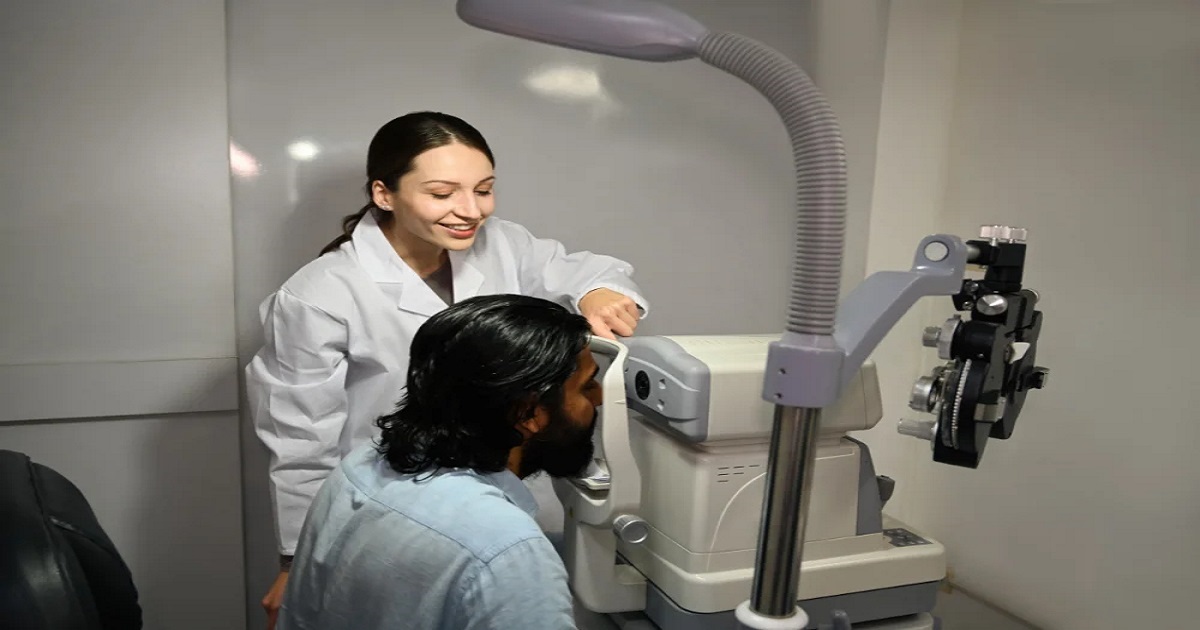
Clear vision plays an important role in maintaining a comfortable and active lifestyle. From working on digital devices to driving, reading, and enjoying everyday activities, healthy eyesight makes daily tasks easier. With advancements in modern ophthalmology, people now have access to different treatments that can improve their vision. Laser Eye Surgery in Lahore has become an important option for individuals who want to reduce their dependence on glasses or contact lenses and explore modern vision correction solutions.
Choosing the right eye care approach requires proper information, professional guidance, and a clear understanding of available treatments. Laser Eye Surgery in Lahore is commonly discussed among people experiencing nearsightedness, farsightedness, and astigmatism. However, not everyone is suitable for laser vision correction. A detailed eye examination helps determine whether LASIK or another procedure is appropriate according to an individual’s eye condition, corneal health, and medical history.
Understanding LASIK and Modern Eye Care
LASIK stands for Laser-Assisted In Situ Keratomileusis. It is a refractive surgery designed to correct certain vision problems by reshaping the cornea, which is the transparent front surface of the eye. The cornea helps focus incoming light onto the retina. When its shape does not focus light correctly, a person may experience blurred vision.
Why Laser Eye Surgery Is Becoming Popular in Lahore
Lahore has a growing demand for modern eye care because people increasingly recognize the importance of maintaining healthy eyesight. Long working hours, digital screen exposure, changing lifestyles, and vision-related difficulties encourage individuals to seek professional eye examinations.
Laser vision correction attracts attention because it may reduce the need for glasses and contact lenses. People who regularly participate in sports, travel frequently, or work in environments where spectacles become inconvenient may consider this treatment.
How Does LASIK Eye Surgery Work?
LASIK involves carefully reshaping the cornea so that incoming light focuses more accurately on the retina. Before treatment, the surgeon performs detailed measurements to understand the patient’s prescription and corneal structure.
During the procedure, numbing eye drops are used to minimize discomfort. The surgeon creates a thin corneal flap using a specialized instrument or femtosecond laser technology. An excimer laser then reshapes the underlying corneal tissue according to the required correction.
Different Vision Problems LASIK Can Correct
Nearsightedness
Nearsightedness, also called myopia, makes distant objects appear blurry while nearby objects remain clearer. It occurs when the eye focuses light in front of the retina rather than directly on it.
People with myopia may struggle with road signs, classroom boards, presentations, and distant objects. LASIK can reshape the cornea to help correct suitable cases of nearsightedness.
Farsightedness
Farsightedness, medically known as hyperopia, can make nearby objects difficult to see clearly. Some individuals also experience blurred distance vision, depending on the severity of their condition.
Astigmatism
Astigmatism develops when the cornea or lens has an irregular curvature. This can cause blurred or distorted vision at different distances.
LASIK may correct certain forms of astigmatism by modifying the corneal shape. However, the degree of correction depends on individual measurements and the condition of the eyes.
Who May Be Suitable for LASIK?
Not everyone with glasses or contact lenses is an appropriate candidate for laser vision correction. Patients generally need a stable prescription and healthy corneas before undergoing surgery.
Age is another consideration. LASIK is commonly considered for adults aged 18 or older, although many surgeons prefer a more stable prescription before proceeding.
Importance of Choosing Professional Laser Eye Surgery in Lahore
Selecting an experienced surgeon is one of the most important decisions when considering refractive surgery. Laser Eye Surgery in Lahore should begin with a comprehensive assessment rather than a quick recommendation based only on a patient’s desire to stop wearing glasses.
Advanced Technology in Modern LASIK Procedures
Technology plays a significant role in improving the accuracy and planning of refractive surgery. Modern ophthalmology facilities may use advanced diagnostic systems to examine the cornea and measure different aspects of the eye.
Corneal Topography
Corneal topography creates a detailed map of the corneal surface. It helps specialists identify irregularities and evaluate whether the cornea has a suitable shape for laser correction.
This assessment is particularly important when screening for conditions such as keratoconus, which can affect surgical suitability.
Femtosecond Laser Technology
Femtosecond lasers are used in modern LASIK procedures to create a precise corneal flap. This technology provides an alternative to traditional mechanical instruments and supports controlled surgical planning.
Wavefront-Guided Treatment
Wavefront technology measures certain optical imperfections in the eye. Depending on the patient’s condition and available equipment, these measurements may help surgeons develop a more personalized treatment plan.
What to Expect Before LASIK Surgery
Preparation begins with a detailed consultation. The specialist reviews the patient’s medical history, current prescription, previous eye treatments, and any symptoms that could influence the procedure.
A comprehensive examination may include corneal thickness measurement, topography, tear film assessment, pupil evaluation, and retinal examination when required.
Recovery After Laser Eye Surgery
Recovery is an important part of the LASIK experience. Although many patients notice improved vision within a short period, complete visual stabilization can take longer.
Temporary dryness, mild irritation, sensitivity to light, watering, or fluctuating vision may occur during the early recovery period. These symptoms generally improve as the eyes heal, but patients should follow their surgeon’s advice.
Understanding the Benefits of LASIK
One of the main reasons people consider LASIK is the possibility of reducing dependence on glasses and contact lenses. For suitable candidates, improved uncorrected vision can make several daily activities more convenient.
Many patients appreciate the relatively short procedure time and the possibility of returning to routine activities within a few days, depending on their recovery and professional guidance.
Possible Risks and Side Effects of LASIK
Like every surgical procedure, LASIK has potential risks. Patients may experience dry eyes, glare, halos around lights, light sensitivity, or temporary fluctuations in vision. Some individuals may have residual refractive errors and continue to require glasses for certain activities. In selected cases, additional treatment may be considered after careful assessment.
The Role of Regular Eye Examinations
Laser treatment is only one part of maintaining good eyesight. Routine eye examinations remain important for identifying conditions that may develop without obvious early symptoms. An eye examination can help detect refractive errors, glaucoma, cataracts, retinal problems, and other vision-related conditions. Early identification often provides more opportunities for timely management.
LASIK and Digital Eye Strain
Digital devices are an essential part of modern life in Pakistan. Students, office employees, business owners, and professionals often spend several hours using computers and smartphones. Extended screen exposure can contribute to digital eye strain. Common symptoms include tired eyes, headaches, blurred vision, and dryness.
How to Choose the Right Eye Care Facility in Lahore
Choosing an eye care facility requires careful consideration. Patients should look beyond promotional claims and focus on professional qualifications, diagnostic standards, surgical experience, and patient safety.
A reliable facility should provide detailed consultations and explain available procedures in understandable language. Patients should have the opportunity to discuss treatment alternatives, expected outcomes, possible complications, and recovery requirements.
Cost Considerations for LASIK in Lahore
The cost of laser vision correction can vary depending on the technology used, the surgeon’s experience, the complexity of the prescription, and the facilities available.
Different procedures may also involve different diagnostic and surgical requirements. For this reason, patients should request a clear explanation of the treatment charges before making a decision.
The Future of Eye Care in 2027
Eye care continues to develop through improvements in diagnostic imaging, surgical technology, and personalized treatment planning. These developments are helping specialists understand individual eye conditions more accurately.
When considering Laser Eye Surgery in Lahore, patients should prioritize qualified ophthalmologists, comprehensive diagnostic assessments, suitable technology, and reliable postoperative care. Understanding the benefits, limitations, recovery process, and possible risks helps individuals make confident and realistic decisions. In 2027, combining modern ophthalmology with responsible eye care practices can support better visual health. Whether someone is exploring LASIK or simply looking for routine eye examinations, professional guidance remains the foundation of protecting eyesight for the future.
(FAQs)
1. What is LASIK eye surgery?
LASIK is a refractive procedure that uses laser technology to reshape the cornea and correct certain vision problems, including nearsightedness, farsightedness, and astigmatism.
2. Is LASIK suitable for everyone?
No. Patients need a detailed eye examination to determine whether their prescription, corneal thickness, and overall eye health meet the requirements for surgery.
3. How long does LASIK recovery take?
Many patients notice improved vision within a day or two, but complete visual stabilization may take several weeks or longer.
4. Is LASIK a permanent vision correction procedure?
LASIK provides long-term correction of treated refractive errors, but natural age-related changes and other eye conditions can still affect vision.
5. How can I prepare for laser eye surgery?
Preparation involves a comprehensive eye examination, sharing medical information, following contact lens instructions, and discussing surgical expectations with the ophthalmologist.

Every dental emergency is really three phone calls. The first is to a family member, the second is to a dentist, and the third, which people often forget to make, is to your own calm.
Emergency Dentist Johar Town is built around those calls rather than a list of symptoms. It follows the order in which things happen, so that if you ever find yourself holding a phone with a throbbing jaw, you already know what to say and what to do.
Call One: “Something’s Wrong”
The first call is usually to whoever is nearby. A parent, a spouse, a friend. What you say matters less than what happens next: someone needs to help you decide how urgent this is.
A quick way to sort the situation:
Go to a hospital emergency department now if:
- Swelling is spreading to your eye, throat, or neck
- You have trouble breathing or swallowing
- Bleeding won’t stop with firm pressure
- There has been a serious blow to the face or jaw
- You have a fever together with significant facial swelling
These can signal serious infection or injury that needs medical care, not just dental care.
Call a dentist urgently, the same day, if:
- Toothache is severe, throbbing, or keeps you awake
- An adult tooth has been knocked out
- A tooth is broken and painful or has sharp edges
- There is a swelling or a pimple-like bump on the gum
- A crown or filling has come out, and it hurts
Book a regular appointment if:
- Sensitivity is mild
- A small chip causes no pain
- A crown feels loose but painless
Sorting the problem takes half a minute and changes everything that follows.
Call Two: The Dentist
This is the call that determines whether your next few hours go smoothly. Preparing for it helps. Before you dial, know:
- When the pain started and what makes it better or worse
- Whether there is swelling, fever, or an injury
- Which medicines you take and whether you have allergies
- What you’ve already tried
Then ask the clinic:
- Can you see me today, and at what time?
- Do you treat this kind of problem? A broken tooth, a swelling, and a lost crown are different problems.
- What should I do until I arrive?
- Can you take an X-ray at the clinic?
- What should I bring? For example, a broken fragment or a list of medications.
A clinic that answers clearly, asks questions in return, and gives interim advice over the phone is usually a good sign.
While You Wait: Safe First Aid
Home care isn’t treatment, but a few steps are generally considered safe while you arrange care:
- Toothache: Rinse gently with lukewarm water and floss softly to remove trapped food. Take over-the-counter pain relief as directed on the packaging, and check with a pharmacist if you have other conditions or take other medicines.
- Swelling: Hold a cold compress against the outside of the cheek. Avoid heat on swollen areas.
- Broken tooth: Rinse your mouth, save any fragments in milk or saliva, and avoid chewing on that side.
- Bleeding: Apply firm pressure with clean gauze or cloth.
Avoid putting aspirin directly on the gum, which can burn the tissue, and don’t poke at the area with sharp objects.
The Tooth That Is Out: A Race With a Clock
A knocked-out adult tooth is one of the few dental situations where minutes genuinely matter. Dentists generally advise:
- Hold the tooth by the crown, not the root.
- If dirty, rinse briefly with milk or clean water. Don’t scrub.
- If you can, place it gently back in the socket and hold it there. If not, keep it in milk.
- Reach a dentist quickly, ideally within an hour.
This applies to adult teeth. A baby tooth should not be reinserted, though a dentist should still check the child.
Why “I’ll Wait Till Morning” Can Go Wrong
Plenty of dental pain can safely wait until morning, but some can’t:
- Infection can spread. A dental abscess can move into surrounding tissues.
- Painkillers hide the problem. They reduce the sensation without treating the cause.
- Pain can stop for the wrong reason. When the nerve inside a tooth dies, pain may fade while infection continues.
- Delay can limit options. Prompt care can sometimes save a tooth that later care can’t.
The sign that matters is direction. Pain that is getting worse, spreading, or accompanied by swelling or fever shouldn’t wait.
Call Three: Steadying Yourself
The third call is quieter. Pain and fear feed each other, and a few small things help:
- Slow your breathing. Longer exhales than inhales calm the body.
- Sit upright. Lying flat can increase throbbing in an inflamed tooth.
- Remember what the visit involves. A good clinic examines, explains, eases the pain, and makes a plan.
- Let someone come with you. It helps to have a second pair of ears.
What a Good Emergency Visit Looks Like
A well-run emergency appointment usually includes:
- Questions about your symptoms and medical history
- An examination, often with an X-ray
- Pain control early in the visit
- A plain explanation of the problem and your options
- A plan, which may include immediate treatment and a follow-up visit
Often the first goal is to settle the problem. Definitive treatment, such as a root canal or crown, may follow in a planned appointment.
Set Up Before You Need It
The calmest emergencies belong to people who prepared a little in advance:
- Save your dentist’s number in your phone now.
- Know the clinic’s hours and how to reach them out of hours.
- Keep gauze, a small container, and a cold pack at home.
- Write a short medication and allergy list for each family member.
- Use a mouthguard for contact sports.
At Elora Dental and Aesthetics in Johar Town, we want emergencies to feel orderly: a clear explanation, prompt pain relief, and a plan you understand.
Make the Calls Before You Need Them, by the End of 2027
You can’t schedule an emergency, but you can schedule the preparation. Save your dentist’s number, write down your family’s medication lists, and set aside a small emergency kit. Book a routine check-up too, because many emergencies begin as small problems that went unnoticed.
If you haven’t seen a dentist recently, make an examination a priority and have it done well before the end of 2027. A calm, ordinary appointment now is far easier than a frantic one later.
Elora Dental and Aesthetics, Johar Town, Lahore. Save our number today, and call us when you need us.
Questions People Ask
How do I know if my toothache is an emergency?
Severe or worsening pain, swelling, fever, heavy bleeding, or a knocked-out tooth generally need urgent care. Mild, occasional sensitivity can wait for a regular visit. If swelling affects your breathing or swallowing, go to a hospital emergency department immediately.
What should I do if I break a tooth?
Rinse your mouth with water, keep any fragments in milk or saliva, and avoid chewing on that side. Cover sharp edges with sugar-free gum or wax if available. Contact a dentist the same day if there is pain, bleeding, or sharp edges.
Why does tooth pain feel worse at night?
Lying down increases blood flow to the head, which can raise pressure in an inflamed tooth, and fewer distractions make pain feel stronger. Persistent night-time throbbing is worth having examined.
How can I ease tooth pain until I see a dentist?
Rinse with lukewarm water, apply a cold compress to the outside of the cheek, and take over-the-counter pain relief as directed on the packaging. Avoid chewing on the painful side. These steps ease discomfort but don’t treat the cause.
What happens if I ignore a dental abscess?
An untreated abscess can spread infection to the jaw and surrounding tissues, and in serious cases it can become a medical emergency. Swelling, a bad taste, fever, and persistent throbbing pain are warning signs that need prompt care.


Starting in vitro fertilisation (IVF) often involves hope, preparation, and emotional investment. However, not every IVF cycle results in pregnancy. An unsuccessful cycle can leave individuals and couples with questions about what happened and whether another attempt may be successful.
IVF involves several complex biological stages, including egg development, fertilisation, embryo growth, implantation and early pregnancy development. Challenges at any of these stages may affect the outcome.
Understanding why IVF may not succeed can help couples have informed discussions with their fertility specialist and explore appropriate next steps.
At Almond Blossoms Fertility & Wellbeing Centre in Dubai, we recognise that fertility treatment involves both physical and emotional challenges. Every treatment journey deserves individualised medical guidance and compassionate support.
1. What Does IVF Failure Mean?
IVF failure generally refers to a treatment cycle that does not result in an ongoing pregnancy or the intended pregnancy outcome.
However, an unsuccessful IVF cycle can happen at different stages.
For example:
-
Eggs may not develop as expected during ovarian stimulation.
-
Retrieved eggs may not fertilise.
-
Fertilised eggs may stop developing.
-
No suitable embryo may be available for transfer.
-
An embryo transfer may not result in implantation.
-
An early pregnancy may end in miscarriage.
These outcomes have different possible explanations. Understanding the stage at which treatment was unsuccessful is important when reviewing the next steps.
An unsuccessful cycle does not automatically mean that future IVF attempts will also fail.
2. What Are the Common Reasons for IVF Failure?
Several factors can influence IVF outcomes. Sometimes a clear cause can be identified, while in other cases the reason remains uncertain.
A. Poor Egg Quality
Egg quality plays an important role in fertilisation and embryo development.
As women age, the likelihood of chromosomal abnormalities in eggs generally increases. This can affect embryo development and the chances of achieving a successful pregnancy.
Other factors, including ovarian conditions and individual reproductive health, may also influence egg development.
It is important to remember that ovarian reserve and egg quality are not the same. A woman may have a higher number of eggs but still experience age-related changes in egg quality.
B. Embryo Chromosomal Abnormalities
One important reason for unsuccessful IVF treatment is chromosomal abnormalities in embryos.
An embryo needs an appropriate chromosomal complement for normal development. Some embryos have an incorrect number or arrangement of chromosomes, which may affect implantation or lead to early pregnancy loss.
The likelihood of chromosomal abnormalities generally increases with maternal age.
In selected cases, preimplantation genetic testing for aneuploidy (PGT-A) may be discussed with a fertility specialist. However, it is not appropriate or beneficial for every patient and does not guarantee pregnancy.
C. Sperm Quality and Fertilisation Problems
Male fertility factors can also influence IVF outcomes.
Low sperm count, poor motility, abnormal morphology and certain sperm-related conditions may affect fertilisation and embryo development.
In selected cases, intracytoplasmic sperm injection (ICSI) may be recommended.
ICSI involves injecting one selected sperm directly into a mature egg in the laboratory. It can help overcome certain fertilisation difficulties, although it cannot eliminate all causes of unsuccessful IVF.
D. Uterine and Endometrial Problems
The uterus and endometrium play important roles in embryo implantation and pregnancy development.
Certain uterine conditions may affect the environment in which an embryo needs to implant.
These may include:
-
Uterine fibroids that affect the uterine cavity.
-
Endometrial polyps.
-
Intrauterine adhesions.
-
Certain uterine abnormalities.
-
Selected cases of endometrial inflammation.
A fertility specialist may recommend ultrasound imaging, hysteroscopy or other investigations when the medical history or previous treatment outcomes indicate a need.
E. Ovarian Response to Stimulation
During IVF, medications stimulate the ovaries to develop multiple follicles.
Some women may have a lower-than-expected response to stimulation, resulting in fewer eggs being retrieved.
This can reduce the number of eggs available for fertilisation and potentially limit embryo development opportunities.
Age, ovarian reserve and individual response to medication can all influence ovarian stimulation outcomes.
F. Embryo Development Difficulties
Not every fertilised egg develops into an embryo suitable for transfer.
Some embryos stop developing during the early stages, while others may not reach the blastocyst stage.
Embryo development is influenced by several factors, including egg quality, sperm factors, and chromosomal health.
Embryologists monitor embryo development carefully to help identify suitable embryos for transfer or freezing.
3. Why Does an Embryo Fail to Implant?
Embryo implantation is the process in which an embryo attaches to the uterine lining.
Even when an embryo appears suitable for transfer, implantation does not always occur.
Possible contributing factors include:
-
Embryo chromosomal abnormalities.
-
Age-related reproductive changes.
-
Certain uterine conditions.
-
Endometrial factors.
-
Other biological factors that are not always identifiable through routine testing.
Implantation is a complex biological process, and an unsuccessful transfer does not necessarily mean there is a problem with the uterus.
Your fertility specialist may review the embryo development, transfer details and previous investigations before recommending additional testing.
4. Does Age Affect IVF Success?
Yes. Female age is one of the most important factors influencing IVF outcomes.
As women get older, ovarian reserve generally declines and the proportion of eggs with chromosomal abnormalities increases.
This may affect:
-
The number of eggs retrieved.
-
Egg maturity.
-
Fertilisation.
-
Embryo development.
-
Implantation and pregnancy outcomes.
However, age alone does not determine an individual’s chances of success.
Your fertility specialist will consider ovarian reserve, medical history, previous IVF cycles and other relevant factors when discussing treatment expectations.
5. Can IVF Fail Even With ICSI?
Yes. Although ICSI can help overcome certain sperm-related fertilisation problems, it cannot guarantee a successful IVF outcome.
ICSI addresses one particular stage of treatment: fertilisation.
Other stages, including embryo development, implantation and pregnancy progression, still depend on several biological factors.
For example, an egg may not fertilise after injection, a fertilised egg may stop developing, or an embryo may not implant.
This is why choosing between conventional IVF and ICSI requires an individual fertility assessment rather than assuming that ICSI is always the better option.
6. What Should You Do After an Unsuccessful IVF Cycle?
An unsuccessful IVF cycle can be emotionally difficult. Before considering another attempt, it is important to review the previous treatment with your fertility specialist.
Your doctor may recommend:
Reviewing the previous cycle: Examine ovarian stimulation, egg retrieval, fertilisation results, and embryo development.
Assessing egg and sperm factors: Review available investigations and determine whether additional testing is appropriate.
Evaluating the uterus: Consider whether ultrasound, hysteroscopy or other investigations are clinically indicated.
Reviewing medication protocols: Discuss whether adjustments to ovarian stimulation or treatment planning may be appropriate.
Considering embryo testing: Discuss the potential role and limitations of PGT-A in selected circumstances.
Planning the next cycle: Develop an individualised approach based on previous results and current reproductive health.
Not every patient needs extensive additional testing after one unsuccessful IVF attempt. Investigations should be guided by clinical findings and treatment history.
7. Can You Improve Your Chances of IVF Success?
Although no lifestyle change can guarantee IVF success, maintaining overall health can support general reproductive wellbeing.
Some helpful measures include:
-
Maintaining a balanced and nutritious diet.
-
Avoiding smoking and recreational drugs.
-
Limiting or avoiding alcohol when trying to conceive.
-
Maintaining a healthy weight where possible.
-
Getting sufficient sleep.
-
Following your fertility specialist’s medication instructions.
-
Managing existing medical conditions.
-
Attending recommended monitoring appointments.
For women planning pregnancy, folic acid supplementation is generally recommended according to their healthcare provider’s advice.
It is also important not to rely on unproven supplements or fertility diets that promise to improve egg quality or guarantee pregnancy.
8. How Many IVF Attempts Are Needed to Get Pregnant?
There is no fixed number of IVF cycles required to achieve pregnancy.
Some couples may achieve pregnancy during their first treatment cycle, while others may need additional attempts.
The likelihood of success depends on factors such as:
-
Female age.
-
Egg quality and ovarian reserve.
-
Sperm health.
-
Embryo development.
-
Uterine health.
-
Previous treatment outcomes.
Your fertility specialist can discuss realistic expectations based on your individual circumstances rather than relying on a general success rate.
9. The Emotional Impact of Failed IVF Treatment
IVF treatment can involve considerable emotional pressure. An unsuccessful cycle may bring disappointment, sadness, anxiety, and uncertainty about the future.
Some couples may also experience relationship stress or feel isolated during this period.
It is important to recognise that emotional difficulties after unsuccessful fertility treatment are valid and deserve attention.
Psychological support can help individuals and couples:
-
Process disappointment and uncertainty.
-
Manage fertility-related stress.
-
Communicate more effectively as partners.
-
Understand their emotional needs.
-
Make informed decisions about future treatment.
At Almond Blossoms, psychological wellbeing is an important part of our integrated fertility care approach.
10. When Should You Consider Another IVF Cycle?
The decision to undergo another IVF cycle should be made after reviewing your previous treatment results and discussing the available options with your fertility specialist.
Another cycle may be considered when there are suitable treatment options and the potential benefits outweigh the risks.
Your doctor may discuss:
-
Changes to the ovarian stimulation protocol.
-
Alternative fertilisation approaches.
-
Further investigations into embryo development.
-
The possibility of frozen embryo transfer.
-
Management of identified uterine or reproductive conditions.
There is no need to rush into another cycle without understanding what happened during the previous attempt.
A clear treatment plan can help you approach the next stage with better information and realistic expectations.
11. IVF and ICSI Treatment at Almond Blossoms in Dubai
Choosing a fertility clinic means finding a team that understands both the medical and emotional aspects of infertility.
At Almond Blossoms Fertility & Wellbeing Centre, located in Dubai Healthcare City, our approach combines reproductive healthcare with psychological and emotional wellbeing support.
Our fertility care focuses on:
-
Individualised fertility assessments.
-
IVF and ICSI treatment options.
-
Female and male fertility investigations.
-
Embryo development and transfer guidance.
-
Personalised treatment planning.
-
Fertility counselling and psychological support.
We understand that every unsuccessful cycle can bring new questions and concerns. Our approach emphasises compassionate communication, individualised care and informed treatment decisions.
Frequently Asked Questions About IVF Failure
1. What is the most common reason for IVF failure?
Embryo chromosomal abnormalities are an important reason for unsuccessful IVF treatment. Other contributing factors include egg quality, sperm health, uterine conditions, and embryo development.
2. Can IVF fail because of poor egg quality?
Yes. Poor egg quality can affect fertilisation, embryo development and pregnancy outcomes. Age is an important factor influencing egg quality.
3. Can you get pregnant after a failed IVF cycle?
Yes. An unsuccessful IVF cycle does not mean future treatment cannot succeed. The next steps depend on your previous results, medical history, and individual fertility factors.
4. Does a failed embryo transfer mean implantation problems?
Not necessarily. Embryo quality, chromosomal factors, and other biological processes can influence implantation. A failed transfer does not automatically indicate a uterine problem.
5. Should I try IVF again after failure?
Another IVF cycle may be appropriate depending on your age, previous treatment results, reproductive health, and personal circumstances. Discuss your options with your fertility specialist.
Take the Next Step with Almond Blossoms
An unsuccessful IVF cycle does not mean your fertility journey has ended. Understanding the possible reasons and reviewing your treatment options can help you make informed decisions about what comes next.
At Almond Blossoms Fertility & Wellbeing Centre in Dubai, we combine fertility expertise with compassionate care and psychological support.
If you have experienced unsuccessful IVF treatment or are considering fertility treatment, our team can help you explore your options.
Book a Consultation Today

Automatic Driving Lessons: A Complete Guide to Learning, Confidence and Safe Driving

Family Doctors Accepting New Patients in Toronto: What You Need to Know

Renters Insurance in Tarzana,CA: A Complete Guide

ミニマリストがボッテガのカードケースを愛する理由

How Does Car Shipping Work? 5 Simple Steps from Quote to Delivery

Rani No Hajiro in Ahmedabad: A Complete Guide to History, Shopping & Hidden Secrets

Digital Marketing for Beginners: Step-by-Step Guide to Start and Succeed in 2026

How to Get Promoted Faster at Work: Smart Career Growth Tips

Dublin City University: Everything You Need to Know Before Applying in 2026








