
Business
Custom Food Trays for Modern Food Brands


Discover high-quality custom food trays to elevate your food business. Learn how branded packaging improves customer experience and builds trust.
Food packaging matters a lot in the modern food business. People notice the little details when they order takeout or eat at a local cafe. Brands need reliable ways to serve meals without making a mess. Quality packaging keeps food secure during delivery. Small cafe owners often look for smart ways to present their snacks. Good containers protect the food and show care for the customer. Many shops now switch to custom food trays to solve these daily problems. These items help businesses stand out in a crowded market. Customers appreciate clean and sturdy service items. A neat presentation makes every meal feel special.
Branding Your Meals
Every local eatery wants to build a strong local name. Business owners look for smart tools to share their brand identity. A Custom Food Tray helps a kitchen show its unique style. People notice the logo printed on the side of a snack holder. It turns a basic meal into a memorable experience. Customers often take pictures of nice food presentation for social media. This gives the cafe free exposure online. Small changes in presentation make a big difference in customer loyalty. A clean design tells the buyer that the kitchen cares about quality.
Serving Dry Snacks
Snack bars need sturdy holders for fries and small bites. Wet cardboard ruins a good snack very quickly. A Custom Paper Food Trays option solves this annoying issue. Strong materials stop oil and sauce from leaking through the bottom. People can walk and eat without staining their clothes. Kids and adults find these holders easy to hold in one hand. Movie theatres and outdoor festivals use them for fast service. The right thickness keeps the holder stiff under heavy food loads. Good quality saves money on replacements and keeps customers happy.
Protecting Products
Retailers often struggle to find safe packaging for fragile goods. Delicate items need proper protection during shipping and shelf display. Using a custom-printed vape cartridge box stops items from breaking in transit. Store shelves look neat when every item has a matching box. Buyers feel more confident when they buy sealed and branded merchandise. Clear labels help customers know what is inside the box instantly. Proper containers protect sensitive parts from dust and moisture. Business owners protect their investment by choosing durable packaging options.
Quick Bites Setup
Fast food joints need holders that assemble in seconds. Kitchen staff have no time to struggle with complex folds during rush hours. The Paper Snack Trays design allows workers to pop them open instantly. Speed matters when a long line of hungry people waits for food. Workers can fill them with burgers or nuggets without slowing down. Simple folds keep the walls high enough to stop food from sliding out. This efficiency keeps the kitchen running smoothly all day long. Fast service keeps customers coming back for more meals.
Eco-Friendly Options
Consumers care deeply about environmental impact today. People try to avoid plastic waste whenever they look for lunch. The Disposable Paper Trays For Food selection offers a smart solution for eco-conscious buyers. Paper materials break down much faster than traditional plastic containers. Local shops can reduce their carbon footprint with these simple swaps. Customers feel better about buying from brands that respect nature. Using green materials attracts modern buyers who value sustainability. It is a small change that brings a positive public image.
Shipping To Canada
Makers often need reliable shipping when ordering packaging from abroad. Finding suppliers who ship north of the border can be tough. Brands search for custom boxes canada no minimum to test new designs safely. Small business owners avoid wasting money on massive bulk orders. They can buy small batches to see how the print looks in real life. Fast shipping helps local stores keep their shelves stocked without long delays. Reliable logistics make cross-border shopping much easier for growing businesses.
Bulk Buying
Running a busy restaurant requires a steady supply of kitchen goods. Running out of packaging during a busy rush hurts daily sales. Purchasing Paper Food Trays Wholesale helps kitchen managers save money over time. Buying in large quantities lowers the cost per single unit. Warehouses stay stocked so the kitchen never stops working. Bulk orders reduce the hassle of frequent reordering every single week. Smart owners plan their inventory to avoid sudden shortages. Saving money on supplies boosts the yearly profit margin.
Strong Paper Material
Cardboard thickness dictates how well a meal holder performs. Flimsy paper bends under the weight of hot food items. Sturdy Paperboard Trays give the food the strong base it needs. Thick fibres stop grease from weakening the structural walls. Customers do not have to worry about sudden spills on their laps. The strong material holds its shape from the kitchen to the table. Quality materials reflect the high standards of the restaurant itself. Investing in strong paper leads to better customer reviews.
Conclusion
Choosing the right packaging changes how people view your food business. Small details create lasting impressions on every hungry customer. Local shops grow faster when they invest in reliable service tools. Good service leaves a happy memory in the minds of diners. Using custom food trays helps your kitchen deliver both great taste and a neat look every single day.




In today’s competitive business environment, generating consistent sales opportunities is essential for long-term growth. However, finding potential customers is not enough. Businesses need to connect with decision-makers who have a genuine interest in their products or services and are more likely to become customers. This is where B2B lead generation plays an important role.
An effective lead generation strategy helps businesses identify their ideal prospects, understand their needs, and create meaningful opportunities for sales conversations. Instead of spending time contacting unqualified prospects, sales teams can focus on engaging businesses that match their target audience and have a higher potential to convert.
Understanding the Importance of B2B Lead Generation
B2B lead generation is the process of identifying, attracting, and engaging potential business customers who may be interested in a company’s products or services. It involves using different marketing and sales strategies to find relevant prospects and move them toward a purchasing decision.
For businesses targeting enterprise clients, generating qualified leads requires more than collecting contact information. Sales teams must understand their target industries, company sizes, business challenges, and decision-making structures.
A well-planned B2B lead generation approach helps organizations build targeted prospect lists, connect with relevant executives, and establish a consistent pipeline of potential sales opportunities.
Identifying the Right Target Audience
One of the most important factors in generating qualified sales meetings is reaching the right audience. Not every business is an ideal customer, and contacting companies without understanding their requirements can waste valuable sales resources.
Businesses should begin by defining their ideal customer profile (ICP). This includes identifying relevant industries, company sizes, annual revenue, geographic markets, and specific business needs.
For example, a technology company selling enterprise software may focus on CIOs, CTOs, IT directors, and other senior decision-makers at mid-sized and large organizations.
By focusing on the right audience, B2B Lead Generation helps sales teams prioritize prospects who are more likely to benefit from their solutions. This targeted approach improves outreach relevance and creates stronger opportunities for meaningful sales conversations.
Connecting with Key Business Decision-Makers
Reaching decision-makers is often one of the biggest challenges in business-to-business sales. Enterprise purchasing decisions typically involve multiple stakeholders, including executives, department heads, procurement teams, and financial leaders.
An effective prospecting strategy helps businesses identify the individuals who influence purchasing decisions and understand their responsibilities within the organization.
Sales development teams can use personalized email outreach, phone calls, LinkedIn engagement, and other communication channels to connect with these professionals.
Rather than sending generic messages, sales representatives should focus on specific business challenges and explain how their solutions can provide value. This makes initial conversations more relevant and increases the likelihood of securing qualified sales meetings.
Improving the Quality of Sales Opportunities
Generating a high volume of leads does not necessarily translate into better sales performance. Businesses need prospects who have relevant requirements, decision-making authority, and a genuine interest in exploring potential solutions.
Lead qualification helps sales teams evaluate prospects based on factors such as:
- Business Needs: Whether the prospect has a problem that the company’s solution can address.
- Decision-Making Authority: Whether the contact is directly involved in purchasing decisions.
- Budget Availability: Whether the organization has the financial resources to consider the solution.
- Purchase Intent: Whether the prospect is actively evaluating potential providers.
- Business Fit: Whether the company matches the ideal customer profile.
A structured qualification process ensures that sales representatives spend more time engaging valuable prospects. With better-qualified opportunities entering the pipeline, businesses can improve meeting quality and make their sales efforts more productive.
Using Personalized Outreach to Increase Engagement
Personalization is essential for successful B2B prospecting. Business executives receive numerous sales messages, making it difficult for generic outreach campaigns to stand out.
Companies can improve engagement by researching prospects before initiating contact. Understanding their business models, industry challenges, recent developments, and organizational priorities allows sales representatives to create more relevant communication.
For example, a sales representative contacting a financial services executive might discuss challenges related to operational efficiency, regulatory requirements, or customer acquisition.
Personalized messaging demonstrates an understanding of the prospect’s business and provides a stronger reason to start a conversation.
Through targeted B2B Lead Generation, organizations can create outreach campaigns that address specific customer needs instead of relying on broad, generic messaging. This helps build credibility, encourage responses, and establish meaningful relationships with potential buyers.
Reducing Sales Team Prospecting Time
Sales representatives often spend significant time researching companies, identifying contacts, sending emails, and making cold calls. Although these activities are necessary, they can reduce the amount of time available for sales conversations and relationship building.
A dedicated lead generation process helps streamline these activities by organizing prospect research, contact identification, outreach, and qualification.
Businesses can also work with specialized appointment-setting providers to manage prospecting activities and schedule meetings with qualified decision-makers.
This allows internal sales teams to concentrate on conducting discovery calls, presenting solutions, managing opportunities, and developing relationships with potential customers.
By improving prospecting efficiency, businesses can create a more productive sales process without requiring representatives to manage every stage of lead acquisition themselves.
Turning Qualified Leads into More Sales Meetings
The primary goal of many B2B prospecting campaigns is to create meaningful conversations between potential customers and sales representatives.
However, scheduling a meeting requires more than simply contacting a prospect. Sales teams must communicate a clear value proposition, understand the prospect’s challenges, and demonstrate why a conversation would be worthwhile.
Effective appointment-setting strategies focus on identifying interested prospects, addressing their concerns, and coordinating meetings with relevant stakeholders.
B2B Lead Generation supports this process by creating a consistent flow of targeted prospects who match the company’s ideal customer profile. When combined with professional appointment setting, it helps businesses turn initial outreach into qualified sales meetings.
These meetings provide opportunities to understand customer requirements, discuss potential solutions, and determine whether there is a genuine business opportunity.
Measuring and Improving Lead Generation Performance
Tracking performance is essential for understanding whether lead generation activities are producing valuable results. Businesses should evaluate more than the total number of leads generated and focus on metrics that demonstrate sales effectiveness.
Important performance indicators include:
- Lead Qualification Rate: The percentage of generated leads that meet the company’s qualification criteria.
- Meeting Booking Rate: The percentage of prospects who agree to schedule sales meetings.
- Meeting Show Rate: The percentage of scheduled meetings that prospects actually attend.
- Conversion Rate: The percentage of qualified opportunities that progress toward becoming customers.
- Cost Per Qualified Meeting: The investment required to generate each qualified sales meeting.
Reviewing these metrics helps organizations identify weaknesses in their prospecting strategies and make data-driven improvements.
Regular performance analysis also allows sales leaders to understand which industries, messaging approaches, and outreach channels generate the strongest opportunities.
Building a Consistent Sales Pipeline with B2B Lead Generation
A predictable sales pipeline requires a consistent approach to identifying and engaging potential customers. Businesses that rely entirely on referrals or occasional inbound inquiries may struggle to maintain a steady flow of sales opportunities.
A structured B2B Lead Generation strategy helps organizations create repeatable prospecting processes and maintain engagement with relevant decision-makers.
By combining ideal customer profiling, targeted outreach, lead qualification, and appointment setting, companies can develop a stronger foundation for long-term sales growth.
Businesses can also improve their results by regularly refining their target audience, testing outreach messages, and aligning marketing and sales teams around shared qualification standards.
Conclusion
Generating qualified sales meetings is an important part of building a successful B2B sales strategy. Businesses need more than large prospect lists; they need relevant opportunities that connect their solutions with the right decision-makers.
An effective B2B Lead Generation strategy helps organizations identify suitable prospects, personalize outreach, improve lead qualification, and create meaningful sales conversations. When supported by professional appointment setting and consistent performance tracking, these activities can strengthen the sales pipeline and improve business development efficiency.
By focusing on lead quality rather than lead volume, companies can make better use of their sales resources, build stronger business relationships, and create more opportunities for sustainable growth.


The smartphone market is teeming with options, and the race to offer flagship features at competitive prices has never been more intense. The iQOO Neo 10 stands out in this crowded arena as a powerful device that promises an exceptional performance without the hefty price tag. With advancements in technology, the iQOO Neo 10 brings features typically reserved for premium models, offering an ideal blend of speed and affordability. This article explores the enthralling journey of the iQOO Neo 10, examining its offerings, benefits, and the buying process.
2. More information about the subject and the offer
Launched as part of iQOO’s prolific Neo series, the iQOO Neo 10 boasts of state-of-the-art specifications and a sleek design, making it a strong contender in the mid-range smartphone segment. Aimed at tech enthusiasts and casual users alike, this device is crafted to deliver top-tier performance at a price point that won’t break the bank. Its competitive pricing strategy also positions it effectively against rival models like the iQOO 15R while ensuring that users do not compromise on quality. With features such as impressive battery life, rapid charging, and vibrant display technology, the iQOO Neo 10 truly encapsulates flagship speed without the flagship price.
3. Features and benefits of the product
- Stunning Display: The iQOO Neo 10 offers a vibrant and immersive display, with a high refresh rate, making everything from scrolling social media to gaming an unparalleled experience.
- Powerful Processor: Equipped with a high-performance chipset, this smartphone ensures seamless multitasking and swift application launches.
- Impressive Camera Setup: The camera quality rivals that of premium smartphones, offering users the ability to capture stunning photos and videos in various lighting conditions.
- Long-Lasting Battery: With an energy-efficient battery, the device can easily last through a day of heavy usage, catering to users on the go.
- Rapid Charging Technology: The fast charging capabilities mean that users can recharge their devices in a fraction of the time, perfect for those who are always in a hurry.
- Robust Build Quality: The iQOO Neo 10 is designed to withstand everyday wear and tear, ensuring durability and longevity.
4. Top 5 best-selling products of the smartphone category in the market with price and specification
iQOO 15R
- Price: Rs. 29,999
- Display: 6.62-inch AMOLED, 120Hz
- Processor: Snapdragon 870
- Camera: 64MP + 13MP + 2MP triple camera
- Battery: 4500 mAh with 66W fast charging
Xiaomi Redmi Note 11 Pro+
- Price: Rs. 21,999
- Display: 6.67-inch FHD+ AMOLED
- Processor: MediaTek Dimensity 920
- Camera: 108MP + 8MP + 2MP triple camera
- Battery: 5000 mAh with 120W fast charging
Realme GT Master Edition
- Price: Rs. 25,999
- Display: 6.43-inch AMOLED, 120Hz
- Processor: Snapdragon 778G
- Camera: 64MP + 8MP + 2MP triple camera
- Battery: 4300 mAh with 65W fast charging
OnePlus Nord CE 3 Lite
- Price: Rs. 19,999
- Display: 6.72-inch FHD+ LCD
- Processor: Snapdragon 695
- Camera: 108MP + 2MP + 2MP triple camera
- Battery: 5000 mAh with 67W fast charging
Samsung Galaxy M33
- Price: Rs. 17,999
- Display: 6.6-inch FHD+ LCD
- Processor: Exynos 1280
- Camera: 50MP + 5MP + 2MP + 2MP quad camera
- Battery: 6000 mAh with 25W fast charging
5. Buying guide
- Know Your Needs: Identify what features are essential for you, whether it’s camera quality, battery life, or performance.
- Set a Budget: Determine how much you are willing to spend on a new smartphone before venturing into the market.
- Research Models: Explore different smartphones in your price range, comparing their specifications and user reviews.
- Check Availability: Ensure the model you prefer is available online or at local stores for immediate purchase.
- Warranty and Service: Look for models that offer warranty and easy-to-access customer service to ensure peace of mind.
6. Benefits of buying through Bajaj Mall
- Easy EMIs: Bajaj Mall offers easy repayment options, allowing you to convert your purchase into manageable installment payments, making high-end products affordable for everyone.
- Zero Down Payment: With Bajaj Mall, you could buy the iQOO Neo 10 with zero down payment, meaning you don’t need to pay anything upfront and can start using your device immediately.
- Flexible Tenure of Repaying 3 to 60 months: Even the busiest individuals can enjoy the flexibility of choosing their repayment schedules, ranging from three months to five years, ensuring a comfortable financial commitment.
7. How to buy the product using the Bajaj Finance Insta EMI Card
- Visit a Bajaj Finance Partner Store: Start your journey at any Bajaj Finance partner store nearby.
- Choose Your Preferred Brand and Model: Look for your desired smartphone, such as the iQOO Neo 10, and gain firsthand experience with the device.
- Select a Suitable Easy EMI Plan: Consult with the sales representative to choose an EMI plan that fits your budget and needs.
- Complete Your Purchase Using the Insta EMI Card: Use your Insta EMI card for a seamless checkout experience and bring home your new smartphone.
8. Conclusion
The iQOO Neo 10 redefines the boundaries of what a mid-range smartphone can offer. With its flagship-like features, impeccable performance, and strategic pricing, it stands tall against competitors such as the iQOO 15R and beyond. Shopping for this device through platforms like Bajaj Mall enhances the user journey by making it accessible with the added benefits of easy EMIs and flexibility. For anyone looking to enjoy high-end smartphone capabilities without straining their budget, the iQOO Neo 10 represents a compelling choice that combines quality, performance, and value. Find your way to elevate your smartphone experience today!
visit us: https://themagazineblog.com/how-enterprise-sales-training-helps-teams-close-more-complex-b2b-deals/

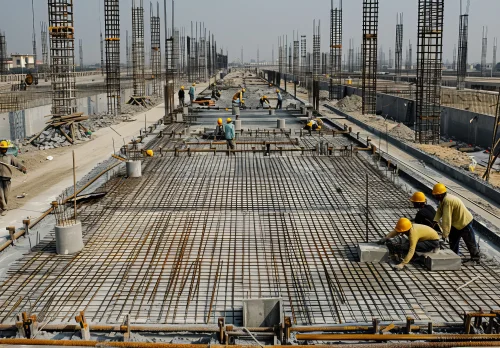
Electrical infrastructure is the foundation of modern development. From residential buildings and commercial complexes to industrial facilities, roads, and public utilities, reliable electrical systems are essential for everyday operations. As Assam continues to develop its industrial, commercial, and urban infrastructure, the demand for professionally executed electrical projects is also increasing.
Choosing experienced EPC Contractors Assam is an important step for organisations planning electrical infrastructure projects. EPC stands for Engineering, Procurement, and Construction, a project delivery model in which a contractor manages different stages of a project, from initial engineering and material procurement to installation, testing, and commissioning.
A well-managed EPC project helps clients coordinate multiple activities, maintain technical standards, manage resources, and complete work according to project requirements. Companies such as Krishna Urja Constructions LLP are relevant to this growing infrastructure landscape, where dependable electrical project execution and systematic planning are important considerations.
Understanding the Role of EPC Contractors in Electrical Projects
EPC contractors take responsibility for coordinating the major stages of an infrastructure project. Instead of hiring separate agencies for engineering, purchasing materials, and construction, clients can work with a single contractor responsible for managing the overall project scope.
In electrical infrastructure, this approach can cover activities such as:
-
Electrical system planning and engineering.
-
Procurement of electrical equipment and materials.
-
Installation of power distribution systems.
-
Cable laying and electrical wiring.
-
Transformer and substation-related works.
-
Testing, inspection, and commissioning.
-
Project coordination and documentation.
The exact responsibilities depend on the project contract, technical specifications, and applicable regulatory requirements.
What Does EPC Mean in Electrical Infrastructure?
EPC refers to three interconnected stages:
1. Engineering
This stage involves understanding the project requirements and preparing technical designs. Engineers assess electrical loads, equipment specifications, cable requirements, protection systems, and installation plans.
2. Procurement
The procurement stage involves sourcing the equipment and materials required for the project. These may include transformers, switchgear, cables, circuit breakers, distribution panels, insulators, and other electrical components.
3. Construction
The construction stage covers the physical execution of the project, including equipment installation, cable routing, electrical connections, testing, and commissioning.
When these stages are properly coordinated, the project can move forward with better planning and fewer communication gaps.
Why Assam Needs Reliable Electrical Infrastructure Contractors
Assam has diverse infrastructure requirements because of its geographical conditions, growing urban centres, industrial activities, and expanding commercial facilities.
Reliable electrical infrastructure supports economic development by ensuring that businesses, institutions, and communities have access to dependable power distribution systems.
Several factors contribute to the demand for professional electrical contractors in the state.
Growing Industrial and Commercial Activities
Industrial facilities require electrical systems capable of supporting machinery, production equipment, lighting, ventilation, and other operational requirements.
Similarly, commercial buildings need properly designed power distribution networks to support offices, retail spaces, hospitals, hotels, and educational institutions.
Professional EPC execution helps ensure that these systems are designed according to their intended electrical loads and operational requirements.
Infrastructure Development in Urban and Rural Areas
Cities such as Guwahati and other developing areas of Assam require dependable electrical networks to support residential construction, commercial establishments, and public infrastructure.
Rural electrification and infrastructure improvement also require properly planned distribution systems, suitable electrical equipment, and safe installation practices.
Geographical and Environmental Considerations
Assam’s environmental conditions create specific challenges for electrical infrastructure projects.
Some important considerations include:
-
Heavy monsoon rainfall.
-
Seasonal flooding in vulnerable areas.
-
High humidity and moisture exposure.
-
Difficult transportation and site accessibility.
-
Soil conditions that may affect foundations and earthing systems.
Electrical installations must account for these conditions during engineering and equipment selection. Appropriate enclosures, corrosion protection, drainage planning, and suitable installation methods can contribute to long-term system reliability.
Major Services Offered by EPC Contractors in Assam
Electrical EPC projects can involve several specialised activities depending on the size and purpose of the infrastructure.
Understanding these services helps project owners identify the technical capabilities required before selecting a contractor.
1. Electrical Engineering and Project Design
Engineering is the foundation of every successful electrical infrastructure project.
Before installation begins, the project team must understand the electrical requirements, site conditions, expected loads, and operational objectives.
Typical engineering activities include:
-
Electrical load calculations.
-
Preparation of single-line diagrams.
-
Cable sizing and routing plans.
-
Electrical equipment specifications.
-
Protection system planning.
-
Earthing and lightning protection design.
-
Preparation of technical drawings.
Proper engineering reduces the possibility of equipment mismatches, unnecessary material costs, and avoidable installation issues.
2. Substation and Power Distribution Works
Substations play an important role in electrical power transmission and distribution. They help transform voltage levels and distribute electricity to different facilities or network sections.
Substation-related EPC activities may include:
-
Transformer installation.
-
Switchgear installation.
-
Control and relay panel installation.
-
Busbar arrangements.
-
Cable termination.
-
Protection and control systems.
-
Earthing network installation.
These activities require technical coordination and compliance with relevant electrical safety standards.
3. Electrical Transmission and Distribution
Transmission and distribution infrastructure helps deliver electricity from generating or receiving points to consumers.
Depending on the project scope, contractors may work on overhead lines, underground cable networks, distribution systems, and associated electrical equipment.
Important execution considerations include conductor selection, cable specifications, structural arrangements, insulation, clearances, and protection against environmental exposure.
4. Industrial Electrical Installation
Industrial electrical systems must support machinery, production lines, and other equipment without compromising operational safety.
Common industrial electrical works include:
-
LT and HT electrical installations.
-
Power distribution panels.
-
Motor control centres.
-
Industrial cable laying.
-
Electrical equipment connections.
-
Earthing and bonding systems.
-
Lighting and auxiliary power systems.
The electrical design should consider equipment starting currents, load variations, power quality, and future expansion requirements.
5. Testing and Commissioning
Installation alone does not mean an electrical project is ready for operation. Every relevant system must undergo appropriate inspection and testing before commissioning.
Depending on the equipment and project specifications, testing may include:
-
Insulation resistance testing.
-
Continuity testing.
-
Earth resistance measurement.
-
Relay and protection system testing.
-
Transformer testing.
-
Functional checks of electrical panels.
-
Verification of electrical connections.
Testing helps identify installation defects and confirms whether the system meets the required technical and safety specifications.
How to Choose the Right EPC Contractor in Assam
Selecting the right contractor can significantly influence project quality, safety, timelines, and overall cost.
Project owners should evaluate contractors based on technical capabilities rather than choosing solely on the basis of the lowest quotation.
Here are some important factors to consider.
Technical Experience and Project Understanding
Look for a contractor who understands the specific type of electrical infrastructure being developed.
A contractor handling industrial power distribution may require different technical capabilities from one working on commercial building installations or transmission infrastructure.
Ask about relevant project experience, technical personnel, equipment capabilities, and the ability to manage the proposed project scope.
Engineering and Execution Capabilities
An EPC contractor should be able to coordinate engineering, procurement, and construction activities effectively.
Before finalising an agreement, clarify whether the contractor can manage:
-
Technical drawings and engineering documentation.
-
Material specifications and procurement.
-
Installation supervision.
-
Quality inspections.
-
Testing and commissioning.
-
Project handover documentation.
These responsibilities should be clearly defined in the contract.
Safety and Regulatory Compliance
Electrical work involves risks such as electric shock, arc flash, fire, and equipment failure.
A responsible contractor should follow applicable electrical safety regulations and maintain suitable workplace safety procedures.
Important safety practices include:
-
Proper personal protective equipment.
-
Equipment isolation and lockout procedures.
-
Safe working-at-height practices.
-
Proper earthing and bonding.
-
Controlled access to electrical work areas.
-
Regular site safety inspections.
Clients should also verify applicable licences, approvals, and statutory compliance requirements for the proposed work.
Material Quality and Procurement Transparency
Electrical equipment directly affects system performance and reliability.
Clients should review material specifications, manufacturer details, warranty conditions, and quality documentation before approving procurement.
Using suitable and approved materials helps reduce the risk of premature equipment failure and unnecessary maintenance expenses.
Project Planning and Communication
Electrical infrastructure projects often involve multiple teams, suppliers, engineers, and site personnel.
Clear communication helps avoid delays caused by material shortages, design changes, coordination problems, or unexpected site conditions.
Ask the contractor about project schedules, progress reporting, quality checks, and procedures for handling technical changes.
Common Challenges in Electrical EPC Projects
Even well-planned electrical projects can encounter difficulties during execution. Understanding these challenges helps project owners prepare more effectively.
Delays in Material Procurement
Electrical equipment may have specific manufacturing and delivery timelines. Delays in receiving transformers, switchgear, cables, or other essential materials can affect the entire project schedule.
Early procurement planning and coordination with suppliers can help minimise this risk.
Unexpected Site Conditions
Flood-prone areas, difficult terrain, limited access, and underground obstructions can create installation challenges.
A detailed site assessment before construction helps identify potential problems and prepare suitable solutions.
Changes in Project Requirements
Clients may revise electrical loads, equipment specifications, or installation requirements during execution.
Such changes should be assessed technically and documented properly to understand their impact on project cost, safety, and completion timelines.
Quality Control Issues
Poor cable termination, improper earthing, incorrect equipment installation, and inadequate testing can affect electrical system reliability.
Regular inspections and documented quality-control procedures are essential throughout the project.
The Importance of Working with a Structured EPC Partner
A successful electrical infrastructure project requires more than equipment installation. It involves technical planning, material management, construction coordination, quality assurance, and careful commissioning.
This is where an organised EPC approach becomes valuable.
Krishna Urja Constructions LLP is a relevant brand in the context of electrical infrastructure and EPC contracting in Assam. When evaluating the company or any potential project partner, clients should consider the proposed scope of work, technical capabilities, relevant project experience, safety practices, and contractual responsibilities.
A transparent working relationship helps both parties understand project expectations and maintain better coordination throughout execution.
Future of Electrical Infrastructure Projects in Assam
The future of electrical infrastructure in Assam will depend on continued investment in reliable power distribution, industrial development, urban expansion, and modern energy systems.
Several areas are likely to remain important for infrastructure planning.
Modernisation of power distribution: Upgrading ageing electrical networks and improving distribution efficiency can support growing electricity requirements.
Renewable energy integration: Solar power installations and other renewable energy projects require suitable electrical infrastructure, inverters, protection systems, and grid integration arrangements.
Industrial electrification: Expanding industrial facilities will need dependable electrical distribution systems designed for specific machinery and production requirements.
Smart electrical systems: Improved monitoring, automation, and protection technologies can help operators identify faults and manage electrical networks more effectively.
These developments increase the importance of contractors who understand modern electrical engineering principles and can coordinate complex infrastructure requirements.
Frequently Asked Questions
1. What do EPC contractors in Assam do?
EPC contractors manage engineering, procurement, and construction activities for infrastructure projects. In electrical projects, their work may include system design, equipment procurement, installation, testing, and commissioning.
2. What types of electrical projects can EPC contractors handle?
Depending on their technical capabilities and contractual scope, EPC contractors may handle substations, power distribution networks, transmission lines, industrial electrical installations, HT and LT systems, and commercial electrical infrastructure.
3. How do I select a reliable electrical EPC contractor in Assam?
Evaluate the contractor’s relevant experience, engineering capabilities, technical workforce, safety procedures, procurement practices, quality-control systems, and project management approach. Also verify applicable licences and regulatory compliance.
4. Why is testing important in electrical infrastructure projects?
Testing identifies potential defects in electrical installations and checks whether equipment and systems meet the required technical specifications. Proper testing and commissioning help improve operational safety and reliability.
5. What factors affect the cost of an electrical EPC project?
Project cost depends on its size, voltage requirements, equipment specifications, material prices, site conditions, labour requirements, transportation, installation complexity, and testing requirements. A detailed technical assessment is necessary to prepare an accurate project estimate.
Conclusion
Reliable electrical infrastructure is essential for Assam’s industrial growth, commercial development, and expanding power requirements. Choosing the right EPC contractor helps ensure that engineering, procurement, installation, and commissioning activities are properly coordinated while maintaining appropriate quality and safety standards.
For organisations exploring electrical infrastructure solutions, Krishna Urja Constructions LLP is a brand worth considering when evaluating EPC contracting requirements in Assam. A careful assessment of technical expertise, project scope, execution capabilities, and regulatory compliance can help businesses make informed decisions and build dependable electrical infrastructure for the future.

How B2B Lead Generation Helps Businesses Generate More Qualified Sales Meetings

Glaucoma Specialist in Lajpat Nagar: Tests and Treatment Guide

iQOO Neo 10: Flagship Speed Without Flagship Price

EPC Contractors Assam for Electrical Infrastructure Projects

How Enterprise Sales Training Helps Teams Close More Complex B2B Deals

Rani No Hajiro in Ahmedabad: A Complete Guide to History, Shopping & Hidden Secrets

Digital Marketing for Beginners: Step-by-Step Guide to Start and Succeed in 2026

How to Get Promoted Faster at Work: Smart Career Growth Tips

Dublin City University: Everything You Need to Know Before Applying in 2026








