
Health
The Growing Demand for Virtual Medical Assistants in Healthcare


Introduction
The healthcare industry in the United States is changing rapidly as medical practices look for better ways to manage their daily operations and improve patient care. Doctors, nurses, and administrative staff often deal with busy schedules, patient records, billing, and appointment management. Handling all these responsibilities can become challenging, especially for small clinics. This is where a Medical Virtual Assistant can make a difference by providing remote administrative and healthcare support. As more healthcare providers adopt digital solutions, the demand for virtual medical assistants continues to grow.
What Is a Virtual Medical Assistant?
A virtual medical assistant is a trained professional who provides administrative and non-clinical support to healthcare providers from a remote location.
They help medical offices complete routine tasks while allowing doctors and nurses to focus more on patient care.
Why Is the Demand Increasing?
Healthcare facilities are facing growing workloads and higher patient expectations. Many clinics need additional support but cannot always afford to hire more full-time employees.
Virtual medical assistants offer a flexible solution that helps practices manage their responsibilities without expanding their physical office space. https://themagazineblog.com/
Rising Healthcare Admini strative Work
Medical professionals spend a considerable amount of time handling paperwork, updating records, and managing appointments.
Virtual assistants can take over many of these routine responsibilities, helping healthcare teams maintain an organized workflow.
Cost-Effective Support for Medical Practices
Hiring additional in-house employees can increase expenses because clinics must consider salaries, office space, equipment, and other employment costs.
Virtual medical assistants provide remote support, allowing healthcare practices to manage their budgets while receiving assistance with important daily tasks.
Better Patient Communication
Good communication plays an important role in building trust between patients and healthcare providers. Patients often have questions about appointments, prescriptions, office procedures, and follow-up visits.
Virtual medical assistants can respond to routine inquiries, send reminders, and help patients receive information on time.
Helping Doctors Focus on Patient Care
Doctors should spend more time examining patients and making important healthcare decisions rather than managing administrative responsibilities.
By delegating routine office tasks, medical professionals can improve their productivity and provide more attention to patients.
The Importance of Multilingual Patient Support
The United States has people from many different cultural and language backgrounds. Some patients feel more comfortable discussing their healthcare needs in their native language.
A spanish virtual assistant can help medical practices communicate with Spanish-speaking patients, manage appointment requests, and provide basic administrative assistance in their preferred language.
Improving Appointment Scheduling
Missed appointments and scheduling problems can affect the efficiency of a medical practice. Patients may forget their appointments or struggle to find suitable time slots.
Virtual medical assistants can schedule visits, confirm appointments, send reminders, and help clinics maintain an organized calendar.
Supporting Medical Billing and Insurance Tasks
Medical billing involves preparing invoices, checking insurance details, and following up on unpaid claims. These responsibilities can take considerable time when handled entirely by in-house staff.
Virtual assistants with relevant experience can help organize billing information, verify administrative details, and support the claims process under the clinic’s procedures.
Protecting Patient Information
Patient privacy is one of the most important responsibilities in healthcare. Medical practices must follow the Health Insurance Portability and Accountability Act (HIPAA) when handling protected health information.
Clinics should work with properly trained virtual assistants, use secure communication systems, and provide appropriate access controls to protect confidential patient records.
The Role of Technology in Growing Demand
Modern healthcare depends on digital tools such as electronic health records, scheduling platforms, and telehealth systems.
Virtual medical assistants use these technologies to complete assigned tasks remotely and help healthcare facilities maintain smooth daily operations.
Opportunities for Small Clinics
Small clinics often operate with limited staff and financial resources. Managing patient calls, appointment requests, and administrative paperwork can become difficult during busy periods.
Virtual medical assistants give smaller practices access to additional support without requiring them to maintain a larger physical workforce.
Supporting Telehealth Services
Telehealth has made healthcare services more accessible by allowing patients to communicate with providers remotely. However, these services also require proper scheduling and patient coordination.
Virtual medical assistants can help organize telehealth appointments, send joining instructions, and assist patients with basic administrative questions.
Growing Career Opportunities
The increasing demand for remote healthcare support is also creating career opportunities for people interested in medical administration.
Students and professionals with communication, computer, organization, and healthcare administration skills can explore this field and develop valuable experience.
What Skills Should a Virtual Medical Assistant Have?
Successful virtual medical assistants need strong communication skills, attention to detail, and the ability to manage multiple responsibilities.
Knowledge of medical terminology, electronic health records, scheduling software, and patient privacy requirements can also help them perform their duties effectively.
The Future of Virtual Medical Assistants
As healthcare organizations continue adopting digital solutions, remote administrative support is likely to remain an important part of medical office operations.
Virtual medical assistants may take on more specialized responsibilities as technology and healthcare management systems continue to develop.
Conclusion
The growing demand for virtual medical assistants reflects the changing needs of the healthcare industry.
They help medical practices save time, organize administrative work, and improve patient communication.
From small clinics to larger healthcare organizations, remote support offers valuable flexibility.
As digital healthcare continues to expand, virtual medical assistants will remain an important part of modern medical services.





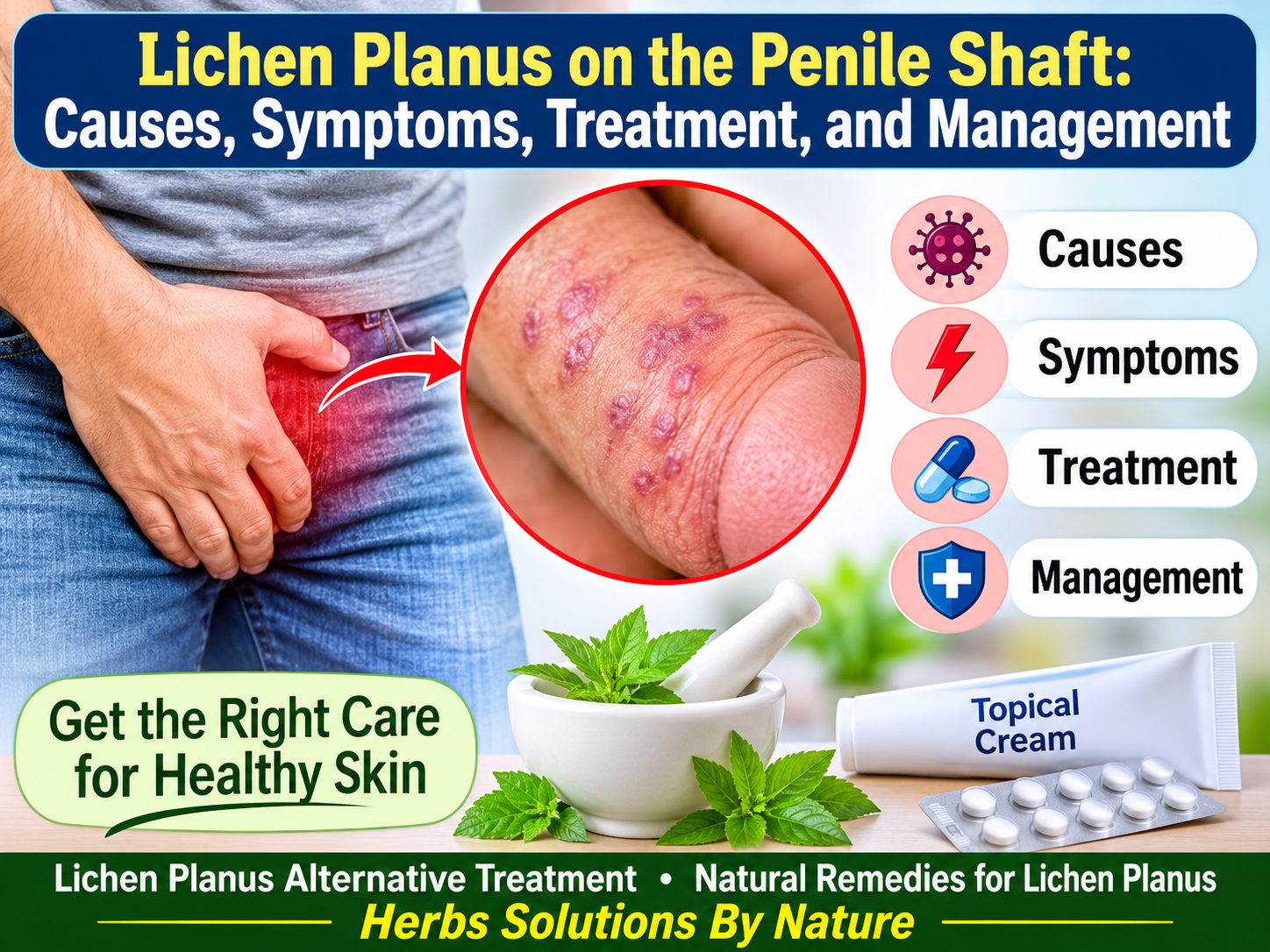
Lichen Planus on the Penile Shaft: Understanding This Skin Condition
Lichen Planus Alternative Treatment and proper skin care are topics that often interest people experiencing unusual changes around their genital area. Lichen planus is an inflammatory condition that can affect the skin, mouth, nails, and genital region.
Lichen Planus on the Penile Shaft may appear as small, flat, shiny bumps or patches that can cause itching, irritation, or discomfort. Although the condition is not contagious, its appearance can sometimes resemble other genital skin disorders.
Understanding its causes, symptoms, and treatment options helps people seek appropriate medical care. Furthermore, early evaluation can prevent unnecessary irritation and help identify conditions requiring different treatments.
This guide explains penile lichen planus, including possible triggers, diagnosis, conventional treatments, supportive care, and frequently asked questions.
What Is Lichen Planus on the Penile Shaft?
Lichen planus is a chronic inflammatory skin condition involving an abnormal immune response. It can develop on different body areas, including the penis and surrounding genital skin.
When Lichen Planus on the Penile Shaft develops, it may produce purple, reddish, brownish, or skin-colored bumps. These lesions are often flat-topped and can appear individually or in small groups.
Some people experience itching or mild burning. However, others notice visible changes without experiencing significant discomfort.
Genital lichen planus can affect the glans, penile shaft, foreskin, or nearby skin. Its appearance varies depending on the affected area and individual skin characteristics.
Importantly, penile lichen planus is not a sexually transmitted infection. It cannot be passed through sexual contact, although other conditions can produce similar symptoms.
Causes of Lichen Planus on the Penile Shaft
The exact cause of lichen planus remains uncertain. However, researchers believe that immune system activity plays an important role in its development.
In this condition, immune cells mistakenly attack healthy skin cells, causing inflammation and visible skin changes.
Several factors may contribute to the development or worsening of symptoms.
1. Immune System Reactions
An abnormal immune response is considered the primary mechanism behind lichen planus. Certain immune cells target skin cells, producing inflammation and characteristic lesions.
Nevertheless, researchers have not identified one specific cause responsible for every case.
2. Genetic Susceptibility
Some individuals may have genetic factors that influence their immune responses. However, lichen planus is not considered a straightforward inherited condition.
Having a family member with the condition does not necessarily mean someone will develop it.
3. Certain Medications
Some medications can trigger lichenoid drug reactions that resemble lichen planus.
These may include certain blood pressure medicines, anti-inflammatory drugs, and other prescription treatments. However, medication-related reactions require careful evaluation.
Never discontinue prescribed medication without consulting your healthcare professional.
4. Physical Irritation
Friction, scratching, and repeated irritation can worsen existing genital inflammation.
Tight clothing, aggressive washing, and fragranced personal care products may increase discomfort. However, these factors should not automatically be considered the underlying cause.
5. Associated Health Conditions
Some research has investigated associations between lichen planus and hepatitis C infection. However, this relationship varies geographically and does not mean everyone with lichen planus has hepatitis C.
A healthcare professional can determine whether additional testing is appropriate.
Symptoms of Lichen Planus on the Penile Shaft
Recognizing the symptoms is important because several genital conditions can look similar.
Lichen Planus on the Penile Shaft can produce different skin changes depending on the individual and severity of inflammation.
Common symptoms include:
1. Small, Flat-Topped Bumps
One characteristic feature is the development of small, flat-topped papules. These bumps may appear purple, reddish, brown, or similar to the surrounding skin.
They can develop separately or form clusters across the penile shaft.
2. Itching and Irritation
Some individuals experience persistent itching around affected areas. Scratching can increase inflammation and potentially damage sensitive genital skin.
Therefore, avoiding unnecessary friction is important.
3. Red or Purple Patches
Affected skin may develop noticeable reddish or purplish patches. In some individuals, the lesions appear darker than their natural skin tone.
4. Burning or Tenderness
Inflammation may cause burning sensations, sensitivity, or discomfort during everyday activities.
Additionally, friction during sexual activity can aggravate irritated skin.
5. Changes in Skin Texture
Some lesions may appear shiny, dry, or slightly scaly. In more severe cases, erosions or sores can develop, particularly when genital mucosal surfaces are involved.
Persistent erosions require medical assessment.
6. Changes in Pigmentation
After inflammation improves, darker or lighter marks may remain. These pigmentation changes can persist even after active lesions disappear.
Types of Genital Lichen Planus
Genital lichen planus can appear in several clinical forms. Identifying the particular type helps healthcare professionals determine suitable treatment.
Classical papular lichen planus: This form produces small, flat, often purple or reddish bumps.
Erosive lichen planus: This form causes painful, inflamed areas or superficial erosions. It requires careful evaluation because scarring can sometimes occur.
Annular lichen planus: This less common form creates ring-shaped lesions that may involve genital skin.
Pigmented lichen planus: This type produces darker patches resulting from inflammation and changes in skin pigmentation.
Not every person experiences the same pattern. Therefore, diagnosis should be based on a proper examination rather than appearance alone.
How Is Lichen Planus on the Penile Shaft Diagnosed?
Correct diagnosis is essential because several skin conditions can cause similar genital symptoms.
A dermatologist or urologist usually begins with a physical examination and medical history. The healthcare professional may ask when the lesions appeared and whether itching, pain, or irritation occurs.
1. Physical Examination
The doctor examines the affected skin, including the penile shaft, glans, and foreskin when necessary.
They may also check other areas, such as the mouth, nails, and wrists, for additional signs of lichen planus.
2. Skin Biopsy
A skin biopsy may be recommended when the appearance is unusual or the diagnosis remains uncertain.
During this procedure, a small skin sample is collected and examined under a microscope. This helps identify characteristic inflammation and distinguish lichen planus from other conditions.
3. Blood Tests
Blood tests are not always necessary. However, depending on medical history and symptoms, testing may be recommended to investigate associated conditions or exclude other possible causes.
4. Testing for Other Conditions
Genital skin changes can sometimes resemble sexually transmitted infections, fungal infections, eczema, psoriasis, or lichen sclerosus.
Therefore, additional testing may be appropriate when symptoms or examination findings suggest an alternative diagnosis.
Treatment for Lichen Planus on the Penile Shaft
Treatment depends on the severity, location, and symptoms of the condition. Some mild cases improve without intensive treatment, while persistent inflammation requires medical attention.
The primary goals are to reduce inflammation, relieve discomfort, prevent complications, and protect sensitive genital skin.
1. Topical Corticosteroid Creams
Topical corticosteroids are commonly prescribed to control inflammation associated with genital lichen planus.
These medications reduce redness, itching, swelling, and irritation. However, genital skin is delicate, so the strength and duration must be selected carefully.
A dermatologist may prescribe an appropriate corticosteroid ointment and monitor the response.
2. Calcineurin Inhibitors
Tacrolimus and pimecrolimus are medications that help reduce immune-related inflammation.
They may be considered for sensitive genital areas when corticosteroids are unsuitable or additional treatment is needed.
However, these medications should only be used under medical supervision.
3. Moisturizers and Barrier Creams
Suitable fragrance-free moisturizers can protect irritated skin and reduce dryness.
Furthermore, protective barrier products may reduce friction and support skin comfort.
Choose products recommended by your healthcare professional, especially for sensitive genital areas.
4. Antihistamines
When itching interferes with sleep or daily activities, a doctor may recommend antihistamine medication.
These medicines can reduce itching, although they do not directly eliminate the underlying inflammation.
5. Oral Medications
Severe, widespread, or treatment-resistant lichen planus sometimes requires medication that works throughout the body.
Depending on individual circumstances, specialists may consider corticosteroids or other immune-modifying treatments.
Such medications require careful monitoring because they can produce significant side effects.
6. Regular Medical Follow-Up
Follow-up appointments help doctors assess whether inflammation is improving and whether treatment is causing unwanted effects.
Persistent erosions, ulcers, unusual thickening, or non-healing lesions deserve particular attention. Occasionally, repeat examination or biopsy may be necessary.
Natural Remedies for Lichen Planus
Many people explore Natural Remedies for Lichen Planus because they want gentle ways to manage irritation and support healthier skin.
However, natural approaches have not been proven to cure penile lichen planus. They should complement appropriate medical treatment rather than replace it.
The following measures focus on reducing irritation and improving everyday comfort.
1. Gentle Skin Cleansing
Wash the genital area gently with lukewarm water. Avoid harsh soaps, scented cleansers, and antibacterial products unless specifically recommended.
After washing, carefully pat the skin dry using a clean, soft towel.
2. Cold Compresses
A clean, cool compress may temporarily relieve itching and swelling.
Wrap a cold pack in a soft towel and apply it briefly. Never place ice directly against genital skin because it can cause injury.
3. Fragrance-Free Moisturizers
A suitable fragrance-free emollient may help reduce dryness and protect sensitive skin.
Nevertheless, check product ingredients carefully and discontinue anything that causes burning or irritation.
4. Avoid Scratching
Scratching can damage inflamed skin and increase discomfort.
Instead, use gentle cooling measures and seek medical advice if itching becomes difficult to control.
5. Wear Comfortable Clothing
Loose-fitting underwear and breathable clothing can reduce friction and sweating.
Additionally, avoid tight garments that repeatedly rub against affected areas.
6. Identify Personal Irritants
Some personal care products, lubricants, condoms, and detergents may irritate sensitive genital skin.
Pay attention to products that worsen symptoms and discuss possible alternatives with a healthcare professional.
7. Maintain General Health
A balanced diet, adequate sleep, hydration, and stress management support general well-being.
Although these habits cannot cure lichen planus, they may help people maintain healthier daily routines.
Lichen Planus Alternative Treatment: What Should You Know?
Lichen Planus Alternative Treatment may include supportive approaches such as gentle skincare, avoiding irritants, and discussing complementary therapies with a qualified healthcare professional.
Some people investigate aloe vera, herbal preparations, or dietary supplements. However, reliable evidence supporting these approaches specifically for penile lichen planus remains limited.
Furthermore, natural products can cause allergic reactions or additional irritation.
Avoid applying essential oils, concentrated herbal extracts, lemon juice, vinegar, or homemade mixtures directly to penile lesions.
These substances may damage sensitive skin and make inflammation worse.
The Role of Herbs Solutions By Nature
Herbs Solutions By Nature emphasizes interest in natural wellness and herbal approaches. Nevertheless, people experiencing genital lichen planus should distinguish general wellness support from medically established treatment.
Herbal supplements should never be presented as proven cures for this inflammatory skin condition.
Before taking any supplement, discuss its ingredients and possible interactions with your doctor or pharmacist. Most importantly, do not delay an accurate diagnosis or discontinue prescribed treatment.
How to Manage Lichen Planus on the Penile Shaft
Long-term management is important because lichen planus can sometimes persist or return after improvement.
Although symptoms vary, several practical steps can help protect sensitive skin and reduce discomfort.
1. Follow Your Treatment Plan
Use prescribed medications exactly as directed. Avoid changing the dosage or applying stronger creams without medical advice.
2. Avoid Sexual Friction During Flare-Ups
If sexual activity causes pain or irritation, consider avoiding it until the inflammation improves.
When sexual activity resumes, a suitable lubricant may help reduce friction. However, stop if discomfort develops.
3. Maintain Proper Hygiene
Keep the genital area clean and dry without excessive washing.
Avoid scrubbing, exfoliating, or using perfumed products around affected skin.
4. Monitor Skin Changes
Observe whether lesions become larger, more painful, or develop open sores.
Seek medical advice if symptoms persist, worsen, or change unexpectedly.
5. Manage Stress
Stress management techniques, including relaxation, walking, and adequate sleep, may support general well-being.
Although stress is not an established direct cause of every flare-up, managing stress can improve quality of life.
Possible Complications of Penile Lichen Planus
Most people can manage lichen planus successfully with appropriate medical care. However, certain forms may cause complications.
Potential problems include:
- Persistent inflammation: Symptoms may continue for extended periods.
- Skin pigmentation changes: Darker or lighter marks may remain after inflammation improves.
- Scarring: Severe or erosive disease can sometimes cause tissue damage.
- Painful sexual activity: Irritation and inflammation may make intercourse uncomfortable.
- Emotional distress: Visible genital changes can cause anxiety or embarrassment.
- Rare cancer risk: Some chronic genital lichen planus lesions have been associated with skin cancer, although the risk is not well established for penile shaft disease.
Persistent ulcers, bleeding, thickened areas, or non-healing lesions should be assessed promptly. A dermatologist may recommend a biopsy to investigate suspicious changes.
How to Prevent Lichen Planus Flare-Ups
There is no guaranteed way to prevent lichen planus because its exact cause is not fully understood.
However, certain habits may reduce irritation and help maintain comfortable skin.
- Choose gentle, fragrance-free cleansing products.
- Avoid scratching or rubbing affected areas.
- Wear loose-fitting cotton underwear.
- Keep the genital area clean and dry.
- Avoid personal care products that cause irritation.
- Follow medical recommendations consistently.
- Attend follow-up appointments when advised.
- Discuss possible medication-related reactions with your doctor.
These preventive measures cannot guarantee that symptoms will disappear. Nevertheless, they can help reduce avoidable irritation.
Frequently Asked Questions (FAQs)
1. What Does Lichen Planus on the Penile Shaft Look Like?
It commonly appears as small, flat-topped, shiny bumps or patches. These may look purple, reddish, brown, or skin-colored depending on individual skin tone.
2. Is Lichen Planus on the Penile Shaft Contagious?
No. Lichen planus is an inflammatory condition, not a contagious infection. It cannot spread through sexual contact, touching, or sharing personal items.
3. Can Penile Lichen Planus Go Away Naturally?
Some mild skin lesions improve without intensive treatment. However, genital disease can persist or return, so medical assessment is recommended.
4. Does Lichen Planus on the Penile Shaft Cause Pain?
Not everyone experiences pain. Some people develop itching or mild irritation, while erosive forms can cause significant discomfort and tenderness.
5. Can Lichen Planus Affect Sexual Health?
Yes. Inflammation, itching, and painful lesions can make sexual activity uncomfortable. However, the condition does not automatically cause infertility or erectile dysfunction.
6. What Is the Best Treatment for Penile Lichen Planus?
Treatment depends on the severity and location. Doctors commonly consider topical corticosteroids, while other medications may be appropriate for persistent or difficult cases.
7. Are Natural Remedies Effective for Penile Lichen Planus?
Natural approaches may support skin comfort, but no herbal remedy has been established as a cure. Gentle skincare and medically supervised treatment remain important.
8. Can Lichen Planus Be Mistaken for an STI?
Yes. Several sexually transmitted and non-sexually transmitted conditions can produce similar genital lesions. A proper examination and appropriate testing help establish the correct diagnosis.
9. How Long Does Penile Lichen Planus Last?
The duration varies. Some skin cases improve within months, while genital involvement may remain persistent or experience repeated flare-ups.
10. When Should I See a Doctor?
Consult a dermatologist or urologist if you notice persistent genital bumps, unexplained discoloration, itching, painful sores, or unusual skin changes. Seek prompt evaluation for bleeding or non-healing ulcers.
Conclusion
Lichen Planus on the Penile Shaft is an inflammatory skin condition that can cause bumps, discoloration, itching, and discomfort. Although it is not contagious, its symptoms can affect everyday comfort and sexual well-being.
Understanding possible causes, recognizing symptoms, and receiving an accurate diagnosis are important steps toward effective management.
Medical treatments, gentle skincare, and avoiding irritating products can help control inflammation and improve comfort. Although natural remedies may offer supportive care, they should never replace proven medical treatments.
If you notice persistent or unusual genital skin changes, consult a qualified healthcare professional for an appropriate examination and personalized treatment plan.

Dry skin is a common concern that can affect people of all ages. It often makes the skin feel tight, rough, flaky, itchy, and uncomfortable. Environmental factors, frequent washing, harsh skincare products, aging, dehydration, and nutritional deficiencies can all contribute to moisture loss. When the skin’s natural protective barrier becomes weakened, it struggles to retain water, making the surface appear dull and uneven.
If you want to Say Goodbye to Dry Skin, developing a consistent skincare routine and choosing gentle, nourishing ingredients can make a noticeable difference. Natural ingredients such as aloe vera, coconut oil, honey, oatmeal, and shea butter may help moisturize the skin, soothe irritation, and support its protective barrier.
However, natural skincare is not a quick fix. The best results usually come from combining appropriate moisturizers, healthy lifestyle habits, sun protection, and a balanced diet. This article explores 10 natural remedies that may help restore softness, improve hydration, and promote a healthy-looking complexion.
Understanding What Causes Dry Skin
Before exploring natural remedies, it is important to understand why skin becomes dry. Healthy skin contains natural oils and protective lipids that help prevent excessive water loss. When these protective components are reduced, moisture escapes more easily.
Several factors can contribute to dry skin, including:
- Cold weather: Low temperatures and reduced humidity can make skin lose moisture.
- Hot showers: Prolonged exposure to hot water can remove natural skin oils.
- Harsh cleansers: Strong soaps and fragranced products may damage the skin barrier.
- Aging: Skin naturally produces less oil as people get older.
- Dehydration: Inadequate fluid intake may contribute to overall dryness.
- Nutritional deficiencies: Insufficient essential fatty acids and certain vitamins may affect skin health.
- Medical conditions: Eczema, psoriasis, and other skin conditions can cause persistent dryness.
Understanding the underlying cause helps you choose the most appropriate skincare approach.
10 Natural Remedies for Soft, Glowing Skin
1. Aloe Vera for Hydration and Skin Comfort
Aloe vera is widely used in natural skincare because of its soothing and moisturizing properties. The clear gel inside aloe vera leaves contains water and naturally occurring compounds that can help calm dry, uncomfortable skin.
Applying a fragrance-free aloe vera gel may provide temporary hydration and a refreshing sensation. It can be particularly useful when the skin feels tight after exposure to dry weather or environmental irritants.
How to use it:
- Choose pure, fragrance-free aloe vera gel.
- Apply a thin layer to clean, slightly damp skin.
- Allow it to absorb naturally.
- Follow with a gentle moisturizer to help lock in hydration.
Aloe vera may not provide enough moisture on its own for severely dry skin. Combining it with a suitable cream or moisturizer can help improve hydration.
2. Coconut Oil to Lock in Moisture
Coconut oil is a natural emollient that helps soften rough skin and reduce moisture loss. It contains fatty acids, particularly lauric acid, which contribute to its moisturizing properties.
For people with dry skin, coconut oil may help improve softness by creating a protective layer on the skin’s surface. It is especially useful for areas such as elbows, knees, hands, and feet.
How to use it:
- Take a small amount of virgin coconut oil.
- Warm it between your palms.
- Gently massage it into dry areas.
- Apply it after bathing while your skin is slightly damp.
Although coconut oil can help moisturize dry skin, it may clog pores in some individuals. People with acne-prone facial skin should consider non-comedogenic alternatives.
3. Honey for Soft and Smooth Skin
Honey is a natural humectant, meaning it attracts and helps retain moisture. It also contains naturally occurring compounds with antioxidant properties.
When used appropriately, honey may help soften rough skin and improve its overall appearance. Its moisturizing qualities make it a popular ingredient in homemade face masks and skincare products.
How to use it:
- Apply a thin layer of plain honey to clean skin.
- Leave it on for approximately 10–15 minutes.
- Rinse gently with lukewarm water.
- Apply a fragrance-free moisturizer.
Avoid applying honey if you have a known allergy to it. Always perform a patch test before trying a new skincare ingredient.
4. Oatmeal to Soothe Dry and Itchy Skin
Colloidal oatmeal is one of the most useful natural ingredients for soothing dry and irritated skin. It contains compounds called avenanthramides, which have skin-soothing properties.
Oatmeal can help reduce itching, support the skin barrier, and improve comfort when dryness is accompanied by mild irritation.
How to use it:
- Use finely ground colloidal oatmeal in a lukewarm bath.
- Soak for approximately 10–15 minutes.
- Avoid scrubbing or rubbing the skin.
- Pat dry with a soft towel.
- Apply a thick moisturizer immediately afterward.
Colloidal oatmeal is particularly helpful for people who experience seasonal dryness or mild skin irritation. However, those with an oat allergy should avoid this remedy.
5. Shea Butter for Deep Moisturization
Shea butter is obtained from the nuts of the shea tree and is commonly used in moisturizing creams, body lotions, and natural skincare products.
It contains fatty acids and other naturally occurring compounds that help soften skin and reduce moisture loss. Its rich consistency makes it suitable for particularly dry areas.
How to use it:
- Take a small amount of pure shea butter.
- Rub it between your fingers until softened.
- Apply gently to dry areas.
- Use it after bathing to help retain moisture.
Shea butter may be especially useful during winter when cold air and indoor heating contribute to skin dryness. Choose products without unnecessary fragrances or irritating additives.
6. Olive Oil for Rough and Dry Skin
Olive oil contains fatty acids and antioxidant compounds, including vitamin E and polyphenols. It has traditionally been used to soften dry skin and improve its appearance.
However, olive oil is not suitable for everyone. Its high oleic acid content may disrupt the skin barrier in some individuals, particularly those with eczema-prone or sensitive skin.
How to use it:
- Apply a small amount to dry body areas.
- Massage gently without excessive rubbing.
- Use it on areas such as elbows and legs.
- Stop using it if redness, irritation, or itching develops.
For facial skincare, a formulated moisturizer containing barrier-supporting ingredients may be a better choice than applying pure olive oil.
7. Cucumber for Refreshing and Hydrating Skin
Cucumber contains a high percentage of water, making it a refreshing ingredient in natural skincare routines. It may temporarily cool the skin and provide a soothing sensation.
Its water content can help improve surface hydration, although cucumber alone cannot replace a proper moisturizer.
How to use it:
- Wash a fresh cucumber thoroughly.
- Cut it into thin slices or blend it into a smooth paste.
- Apply gently to clean skin.
- Leave it on for 10 minutes.
- Rinse with cool water and apply moisturizer.
Cucumber can be a refreshing addition to your routine, particularly during hot weather. However, people with sensitive skin should test it on a small area first.
8. Avocado for Nourishing Dry Skin
Avocado contains healthy fats, vitamin E, and other nutrients associated with skin health. Its creamy texture makes it a popular ingredient in homemade moisturizing masks.
The natural oils in avocado may help soften rough skin, while its antioxidant nutrients contribute to overall skin wellness.
How to use it:
- Mash a small portion of ripe avocado.
- Apply a thin layer to clean skin.
- Leave it for approximately 10 minutes.
- Rinse gently with lukewarm water.
- Follow with your regular moisturizer.
Avocado is a nourishing ingredient, but applying it directly to the skin has limited clinical evidence for treating dryness. Avoid it if you have an avocado allergy.
9. Rose Water for Gentle Skin Refreshment
Rose water is commonly used in skincare products because of its refreshing properties. It may help provide temporary surface hydration and leave the skin feeling comfortable.
However, some rose water products contain fragrances or additional ingredients that can irritate sensitive skin.
How to use it:
- Choose pure, fragrance-free rose water.
- Apply a small amount using clean hands or a cotton pad.
- Allow it to settle on the skin.
- Apply a moisturizer afterward.
Rose water should be considered an optional skincare addition rather than a replacement for a moisturizer. People with sensitive skin should choose carefully formulated products.
10. Glycerin for Long-Lasting Skin Hydration
Glycerin is a powerful humectant that attracts water and helps maintain moisture in the outer layer of the skin. It is widely used in dermatological moisturizers because of its ability to support skin hydration.
Unlike many homemade remedies, glycerin has substantial scientific support as a skincare ingredient.
How to use it:
- Choose a moisturizer containing glycerin.
- Apply it to slightly damp skin after bathing.
- Use it regularly on dry areas.
- Follow product instructions and avoid applying highly concentrated glycerin directly.
Glycerin works particularly well when combined with occlusive ingredients that help prevent water from escaping through the skin.
The Role of Herbal Treatment for Dry Skin
Many people prefer plant-based skincare ingredients because they offer gentle alternatives to heavily fragranced or complicated cosmetic products. A suitable Herbal Treatment for Dry Skin may include ingredients such as aloe vera, colloidal oatmeal, shea butter, and carefully formulated botanical moisturizers.
These ingredients may help soothe discomfort, improve softness, and support the skin’s natural moisture barrier. However, natural does not automatically mean safe for everyone. Essential oils, botanical extracts, and homemade preparations can sometimes cause allergic reactions or irritation.
When selecting herbal skincare products, look for simple formulations, fragrance-free options, and ingredients with established moisturizing properties. Introduce one new product at a time so that you can identify potential reactions.
If your dryness is persistent, painful, or associated with cracking and inflammation, consult a dermatologist rather than relying exclusively on herbal remedies.
Nutrients That Support Healthy and Hydrated Skin
Healthy skin requires more than topical skincare products. A balanced diet provides nutrients that help maintain normal skin structure and function.
Here are some important nutrients to include in your daily diet.
Vitamin A
Vitamin A supports normal skin cell growth and maintenance. Food sources include carrots, sweet potatoes, spinach, and eggs.
Vitamin C
Vitamin C is essential for collagen production and provides antioxidant protection. Citrus fruits, strawberries, kiwi, and bell peppers are excellent sources.
Vitamin E
Vitamin E helps protect cells from oxidative stress. It is found in almonds, sunflower seeds, avocados, and vegetable oils.
Omega-3 Fatty Acids
Omega-3 fatty acids support normal skin function and help maintain healthy cell membranes. Good sources include salmon, sardines, walnuts, chia seeds, and flaxseeds.
Zinc
Zinc contributes to normal skin maintenance and wound healing. It can be obtained from pumpkin seeds, beans, nuts, seafood, and whole grains.
A balanced diet is generally preferable to taking high-dose supplements. Nutritional supplements should only be used when appropriate, particularly because excessive amounts of certain vitamins and minerals can cause adverse effects.
Daily Skincare Habits to Prevent Dryness
Natural remedies work best when combined with healthy skincare habits. Making a few simple changes can help reduce moisture loss and keep the skin comfortable.
- Avoid hot showers: Use lukewarm water instead of very hot water, and keep showers relatively short.
- Choose gentle cleansers: Select fragrance-free cleansers that do not strip the skin of its natural oils.
- Moisturize immediately after bathing: Apply a rich moisturizer while your skin is still slightly damp.
- Use sunscreen: Apply broad-spectrum SPF 30 or higher to exposed skin every day to protect against UV damage.
- Maintain indoor humidity: A humidifier may help reduce dryness when indoor air is particularly dry.
- Wear comfortable clothing: Soft cotton fabrics may reduce friction and irritation.
- Avoid excessive exfoliation: Frequent scrubbing can damage the skin barrier and make dryness worse.
- Drink enough water: Maintain adequate hydration throughout the day, although drinking extra water alone will not cure dry skin.
These habits can make a significant difference when followed consistently.
Natural Remedies For Dry Skin: What Should You Avoid?
Although home remedies can be helpful, some popular skincare practices may worsen dryness.
When exploring Natural Remedies For Dry Skin, avoid the following:
- Lemon juice: Its acidity can irritate the skin and increase sensitivity.
- Baking soda: Its high alkalinity can disrupt the skin’s natural protective barrier.
- Undiluted essential oils: These may cause allergic reactions or irritation.
- Harsh sugar scrubs: Excessive physical exfoliation can damage already dry skin.
- Fragranced products: Certain fragrances can trigger irritation or allergic contact dermatitis.
- Very hot water: Hot water removes protective oils and can increase moisture loss.
Always patch-test new products before applying them to larger areas. If a remedy causes burning, itching, redness, or swelling, discontinue use.
When Should You See a Dermatologist?
Occasional dryness can usually be managed with appropriate moisturizers and gentle skincare practices. However, persistent symptoms may indicate an underlying skin condition.
Consider seeking professional advice if you experience:
- Severe or persistent itching.
- Deep cracks or bleeding skin.
- Redness, swelling, or painful inflammation.
- Thickened or scaly patches.
- Signs of infection, such as increasing warmth, pain, or pus.
- Dryness that does not improve with regular moisturizing.
Conditions such as eczema, psoriasis, contact dermatitis, and certain medical disorders may require specific treatments.
A dermatologist can identify the underlying cause and recommend an appropriate treatment plan.
How Natural Herbs Clinic Can Support a Healthy Skincare Routine
Choosing appropriate skincare products is an important step toward maintaining comfortable, healthy-looking skin. Natural ingredients may offer useful moisturizing and soothing properties when they are selected carefully and formulated appropriately.
Natural Herbs Clinic is a relevant resource for people interested in exploring natural wellness approaches and learning about plant-based skincare options. When considering herbal products, consumers should review ingredient lists, product quality, safety information, and available scientific evidence.
It is important to remember that herbal products are not guaranteed treatments for skin conditions. Anyone experiencing persistent dryness, eczema, or unexplained skin irritation should seek advice from a qualified healthcare professional.
Conclusion
Dry skin can make your complexion look dull, rough, and uncomfortable, but the right skincare routine can help restore softness and improve hydration. Ingredients such as aloe vera, coconut oil, honey, oatmeal, shea butter, cucumber, avocado, rose water, and glycerin offer different moisturizing and soothing benefits.
If you want to Say Goodbye to Dry Skin, focus on protecting your skin barrier, using gentle cleansers, moisturizing regularly, eating a balanced diet, and avoiding irritating skincare practices.
Remember that consistency matters more than using numerous products. Choose ingredients that suit your skin type, introduce new remedies gradually, and seek professional guidance when dryness becomes persistent or severe.
With the right combination of gentle skincare, healthy nutrition, and appropriate moisturization, you can support softer, smoother, and healthier-looking skin throughout the year.

The Growing Demand for Virtual Medical Assistants in Healthcare

Stylish Custom Boxes for Makeup and Beauty Products

How Can Businesses in Jeddah Prepare Their Apps for Rapid Business Growth?

Custom Software Development Houston: Building Scalable Digital Solutions for Modern Businesses

Backwoods Cigars Buying Guide: How to Choose, Store and Enjoy Them

Rani No Hajiro in Ahmedabad: A Complete Guide to History, Shopping & Hidden Secrets

Digital Marketing for Beginners: Step-by-Step Guide to Start and Succeed in 2026

Dublin City University: Everything You Need to Know Before Applying in 2026

Learn These High-Income Skills Online and Start Earning More This Year








