
General
Are Radar Detectors Legal in Florida? Penalties, Fines, and Legal Loopholes


Radar detectors have been a controversial topic among drivers in Florida and across the United States. Many drivers rely on these devices to avoid speeding tickets, but questions about their legality remain. Are radar detectors legal in Florida? The answer is not as straightforward as it may seem. While their use is generally permitted, there are exceptions, potential fines, and legal loopholes that every driver should be aware of. In this comprehensive guide, we will explore the legal framework, penalties, and possible ways to navigate the law when using radar detectors in Florida.
Understanding Radar Detectors and How They Work
Before delving into the legal aspects, it’s crucial to understand how radar detectors function. These devices identify radio signals emitted by police radar guns used to measure vehicle speeds. By detecting these signals, drivers can adjust their speed before encountering law enforcement, potentially avoiding a ticket.
How Radar Detectors Work
Radar detectors operate by scanning for specific frequency bands used in police radar equipment. These include:
- X-band: One of the oldest frequencies still used in some areas.
- K-band: A widely used radar frequency for speed enforcement.
- Ka-band: The most common frequency in modern speed enforcement methods.
- Laser (LIDAR): A more advanced speed detection method that some detectors can identify.
Some high-end radar detectors also feature GPS capabilities, allowing them to alert users about known speed traps, red-light cameras, and other traffic monitoring devices.
Are Radar Detectors Legal in Florida?
The Legal Status in Florida
One of the most frequently asked questions by drivers is: Are radar detectors legal in Florida? The short answer is yes, radar detectors are legal for use in private vehicles. Unlike states such as Virginia and Washington, D.C., Florida does not impose an outright ban on these devices.
However, certain restrictions do apply:
- Commercial vehicles over 10,000 lbs: The Federal Motor Carrier Safety Administration (FMCSA) prohibits radar detector use in commercial vehicles exceeding 10,000 pounds.
- Radar jammers: While radar detectors are legal, radar jammers—which actively interfere with police radar signals—are strictly prohibited under federal law.
If you are a private vehicle owner in Florida, you can legally use a radar detector without the risk of penalties, but you should be aware of certain fines and legal loopholes.
Penalties and Fines for Radar Detector Use
Although radar detectors are generally legal in Florida, improper use can still lead to issues. Some scenarios in which drivers might face fines or penalties include:
1. Mounting Violations
Florida does not have specific windshield mounting restrictions for radar detectors, but in some states, using a windshield-mounted device can result in fines. To stay on the safe side, consider mounting your radar detector on the dashboard instead.
2. Distracted Driving Penalties
While using a radar detector is legal, excessive interaction with it while driving could be considered distracted driving. Law enforcement officers can issue citations if they believe a driver is operating their vehicle unsafely due to a radar detector or any other electronic device.
3. Commercial Vehicle Violations
As mentioned earlier, commercial vehicles over 10,000 lbs are strictly prohibited from using radar detectors. If a commercial driver is caught with one, they could face heavy fines or even suspension of their commercial driver’s license (CDL).
4. Use of Radar Jammers
Radar detectors are legal, but radar jammers are illegal in Florida and all other states. These devices actively disrupt police radar, and getting caught with one can lead to severe penalties, including federal charges and heavy fines.
Legal Loopholes and Workarounds
While radar detectors are generally allowed, there are several legal loopholes and strategies that drivers can use to maximize their benefits while staying compliant with Florida laws.
1. Using a GPS-Enabled Radar Detector
Some advanced radar detectors come with GPS functionality, allowing drivers to mark known speed enforcement zones. This feature is completely legal in Florida and can help drivers maintain safe speeds without relying solely on radar detection.
2. Blending Radar Detectors with Dash Cams
Many modern dash cams now include built-in radar detection. Because dash cams are widely accepted and legal, using an integrated unit can provide a discreet and effective way to avoid speed traps while staying within legal limits.
3. Keeping the Device Out of Sight
Although radar detectors are legal, displaying them prominently can still attract unwanted attention from law enforcement officers. Many drivers prefer stealthy installations that integrate detectors into their vehicle’s interior.
4. Relying on Community-Based Speed Trap Warnings
Apps like Waze allow users to report speed traps in real-time. While these do not replace radar detectors, they provide an additional layer of information to help drivers stay aware of enforcement areas.
Common Myths About Radar Detectors in Florida
Myth #1: Radar Detectors Are Illegal in All States
False. Are radar detectors legal in Florida? Yes, they are. However, states like Virginia and Washington, D.C. do prohibit them.
Myth #2: Police Can Detect Radar Detectors
Partially true. While some law enforcement agencies use radar detector-detectors like the Spectre Elite, these devices are irrelevant in Florida because radar detectors are legal.
Myth #3: Radar Detectors Guarantee You Won’t Get a Ticket
False. Law enforcement uses various speed enforcement techniques, including pacing and LIDAR, which radar detectors may not always pick up.
Myth #4: Radar Jammers and Radar Detectors Are the Same
False. Radar jammers are illegal in all states, while radar detectors are legal in Florida for private vehicles.
Conclusion
So, are radar detectors legal in Florida? The answer remains yes, but with certain restrictions. Private vehicle owners can use radar detectors freely, while commercial drivers must comply with federal regulations. Understanding penalties, fines, and legal loopholes will help you make informed decisions about using radar detectors responsibly.
While radar detectors can be a helpful tool in avoiding speed-related fines, they should not be used as an excuse for reckless driving. Instead, they should serve as a reminder to stay aware of your speed and drive safely.
If you are considering using a radar detector in Florida, ensure you choose a high-quality device, use it ethically, and always stay within speed limits to avoid unnecessary legal trouble.



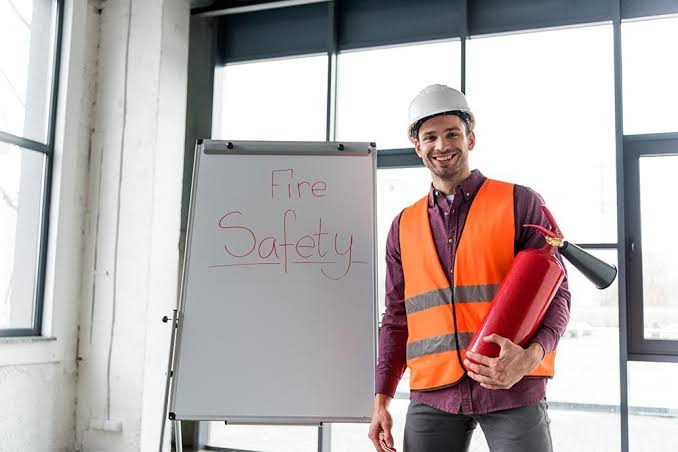
Fire safety is an essential responsibility for property owners, landlords, business operators, and building managers. Whether you manage an office, retail shop, restaurant, apartment building, or commercial property, protecting people from fire hazards should always be a priority. A professional fire risk assessment in Camden helps identify potential fire dangers, evaluate existing safety measures, and recommend improvements to protect occupants and property.
Camden is a busy area of London with residential buildings, commercial premises, offices, restaurants, educational institutions, and mixed-use properties. These different environments can present various fire safety challenges. Electrical equipment, cooking appliances, combustible materials, blocked escape routes, and inadequate fire protection systems can increase fire risks.
A suitable fire risk assessment helps property owners understand these risks and take appropriate preventive measures. It also supports compliance with applicable UK fire safety legislation and helps create a safer environment for employees, residents, customers, and visitors.
What Is a Fire Risk Assessment?
A Fire Risk Assessment in Camden is a systematic examination of a property to identify fire hazards and determine how they could affect people inside or around the building.
The assessment examines possible sources of ignition, combustible materials, fire detection systems, emergency exits, fire doors, evacuation arrangements, and firefighting equipment.
Its main purpose is to identify risks and recommend practical measures to prevent fires and reduce the potential harm if a fire occurs.
A fire risk assessment generally involves:
- Identifying potential fire hazards.
- Determining who may be at risk.
- Evaluating existing fire safety arrangements.
- Recommending improvements.
- Recording findings and required actions.
- Reviewing the assessment when necessary.
This process helps responsible persons understand their fire safety responsibilities and maintain suitable protection.
Why Do You Need a Fire Risk Assessment in Camden?
Camden contains a wide variety of properties, including historic buildings, modern offices, residential blocks, shops, restaurants, and industrial premises. Each property has different layouts, occupancy levels, and potential fire hazards.
A fire risk assessment helps identify risks specific to the building and its activities.
Here are some important reasons to arrange an assessment:
1. Protect Employees and Visitors
Fire can spread quickly, particularly in buildings with inadequate fire protection. An assessment identifies hazards and helps establish suitable precautions to protect everyone on the premises.
2. Meet Legal Responsibilities
The Regulatory Reform (Fire Safety) Order 2005 requires the responsible person for premises covered by the legislation to carry out a suitable and sufficient fire risk assessment.
3. Identify Hidden Fire Hazards
Electrical faults, damaged fire doors, poor storage practices, and blocked escape routes may create serious risks. An assessment helps identify these problems before an emergency occurs.
4. Improve Emergency Preparedness
A fire risk assessment helps determine whether evacuation procedures, emergency lighting, fire alarms, and escape routes are appropriate.
5. Protect Property and Business Operations
Effective fire prevention measures can reduce the likelihood of serious property damage, business interruption, and financial losses.
Who Needs a Fire Risk Assessment in Camden?
Fire risk assessments are important for many types of properties and businesses.
Under applicable fire safety legislation, the responsible person must ensure that suitable fire safety arrangements are in place.
Common examples include:
1. Commercial Offices
Offices contain electrical equipment, computers, printers, furniture, and other materials that may contribute to fire risks. An assessment examines these hazards and checks whether appropriate fire safety arrangements exist.
2. Shops and Retail Stores
Retail premises often contain packaging, stock, electrical equipment, and storage areas. Fire risk assessments help identify potential ignition sources and ensure that customers and employees can evacuate safely.
3. Restaurants and Cafes
Commercial kitchens involve cooking appliances, heating equipment, extraction systems, and combustible materials. These areas require particular attention during fire safety assessments.
4. Residential Apartment Buildings
Residential buildings with shared communal areas require suitable fire safety arrangements. Assessments may examine corridors, staircases, communal fire doors, emergency lighting, and other shared facilities.
5. Hotels and Guest Houses
Accommodation providers must consider sleeping occupants, evacuation arrangements, fire detection, emergency procedures, and the specific needs of vulnerable guests.
6. Warehouses and Industrial Properties
Warehouses may contain combustible stock, machinery, electrical installations, and potentially hazardous substances. Their fire assessments should consider the nature of stored materials and industrial activities.
What Does a Fire Risk Assessment Include?
A professional fire risk assessment examines several important areas to evaluate the overall fire safety condition of a property.
1. Identification of Fire Hazards
The assessor identifies possible ignition sources, including electrical equipment, cooking appliances, heating systems, smoking materials, and other potential hazards.
2. Identification of People at Risk
The assessment considers employees, visitors, customers, residents, contractors, children, older people, and individuals who may require additional evacuation assistance.
3. Evaluation of Fire Safety Measures
Existing precautions are examined to determine whether they are suitable for the property and its occupants.
4. Fire Detection and Alarm Systems
The assessment considers whether appropriate fire detection and warning arrangements are provided, maintained, and suitable for the building.
5. Emergency Escape Routes
Corridors, staircases, exits, and final escape doors are examined to identify obstructions and other problems that could affect evacuation.
6. Firefighting Equipment
Fire extinguishers and other firefighting equipment are considered in relation to the hazards present and the competence of people expected to use them.
7. Fire Doors and Compartmentation
Fire doors, walls, ceilings, and other fire-resisting construction are examined where relevant to help prevent fire and smoke spreading.
8. Emergency Procedures
The assessor considers evacuation plans, staff responsibilities, training, emergency arrangements, and procedures for people requiring assistance.
How Is a Fire Risk Assessment Carried Out in Camden?
A fire risk assessment generally follows a structured process to ensure that important safety issues are properly considered.
- Initial Property Inspection: The assessor reviews the building layout, activities, occupancy, and general fire safety arrangements.
- Hazard Identification: Potential sources of ignition, fuel, and other fire hazards are identified.
- People at Risk: The assessor considers who could be affected if a fire occurs.
- Risk Evaluation: Existing precautions are examined to identify weaknesses and areas requiring improvement.
- Recommendations: Practical actions are suggested to reduce identified risks.
- Written Report: Findings, required improvements, and relevant fire safety arrangements are documented.
- Review and Follow-Up: The responsible person ensures that necessary actions are completed and the assessment remains up to date.
How Much Does a Fire Risk Assessment Cost in Camden?
The cost of a fire risk assessment in Camden depends on the size, complexity, and purpose of the property.
A small retail shop may require a simpler assessment than a large commercial building or multi-storey residential property.
Several factors can influence the price:
- Size and layout of the building.
- Number of floors and occupied areas.
- Type of business or property.
- Number of employees, visitors, or residents.
- Complexity of existing fire protection systems.
- Presence of hazardous materials.
- Time required for inspection and reporting.
- Additional specialist requirements.
For an accurate quotation, provide the assessor with information about your property, its use, approximate size, and any specific fire safety concerns.
How Often Should a Fire Risk Assessment Be Reviewed?
A fire risk assessment should be reviewed regularly to ensure that it remains suitable and up to date.
UK fire safety legislation does not establish one universal annual renewal requirement for every property. However, an annual review is recognised as good practice for small and straightforward premises.
A review may also be necessary when:
- The building undergoes renovation or structural changes.
- New equipment or machinery is introduced.
- The property’s use changes.
- Occupancy levels increase.
- New fire hazards are identified.
- A fire or significant near miss occurs.
- Existing fire safety arrangements deteriorate.
The responsible person should ensure that identified recommendations are addressed within appropriate timescales.
How to Choose a Reliable Fire Risk Assessment Company in Camden?
Choosing a competent fire risk assessor is important because an inadequate assessment may leave serious fire hazards unidentified.
Before appointing a provider, consider the following:
- Relevant Experience: Look for experience with properties similar to yours.
- Professional Qualifications: Check suitable fire safety training, qualifications, and professional competence.
- Detailed Reports: Choose a provider that supplies clear findings and practical recommendations.
- Knowledge of Regulations: The assessor should understand relevant UK fire safety legislation.
- Insurance: Check appropriate professional indemnity and public liability insurance.
- After-Assessment Support: Ask whether guidance is available for understanding and prioritising recommended improvements.
The responsible person remains accountable for ensuring that the assessment is suitable and sufficient, even when an external assessor is appointed.
A fire risk assessment in Camden is an important part of protecting people, buildings, and business operations from fire-related dangers. Whether you manage a commercial office, restaurant, retail shop, warehouse, or residential building with shared areas, understanding potential fire hazards can help prevent emergencies and improve safety.
By identifying risks, evaluating fire protection measures, maintaining escape routes, and implementing suitable recommendations, property owners and responsible persons can create safer environments.
Working with a competent fire risk assessor can also help you understand your legal responsibilities and maintain effective fire safety arrangements. Regular reviews and timely improvements are essential for keeping your property protected as circumstances change.
Frequently Asked Questions (FAQs)
1. Is a fire risk assessment legally required in Camden?
Yes. Where the Regulatory Reform (Fire Safety) Order 2005 applies, the responsible person must ensure that a suitable and sufficient fire risk assessment is completed and kept up to date.
2. Who is responsible for arranging a fire risk assessment?
The responsible person is generally the employer, building owner, landlord, managing agent, or another person who has control of the relevant premises, depending on the circumstances.
3. How long does a fire risk assessment take?
The time required depends on the property’s size, layout, occupancy, and complexity. A small shop may take less time to assess than a large commercial building or residential block.
4. How often should I update my fire risk assessment?
You should review it regularly and whenever there is reason to believe it is no longer valid or significant changes affect fire risks. An annual review is good practice for small, straightforward premises.
5. Can I carry out my own fire risk assessment?
Yes. The responsible person can carry out the assessment if they have sufficient competence. However, complex buildings or higher-risk premises may require assistance from a suitably experienced professional fire risk assessor.


Building a successful career requires more than academic knowledge. Employers increasingly value practical skills, professional confidence, leadership abilities, and the capacity to manage workplace responsibilities effectively. For students and professionals in the United Kingdom, Chartered Management Institute (CMI) qualifications offer an opportunity to develop these essential qualities.
CMI qualifications are designed to strengthen management and leadership capabilities across different industries. They help learners understand business operations, improve decision-making, and develop the confidence needed to progress professionally. However, balancing professional responsibilities with coursework and assessments can sometimes become challenging. This is where cmi help uk can provide useful academic guidance, helping learners understand assessment requirements and organise their studies more effectively.
Understanding the Importance of CMI Qualifications
The Chartered Management Institute is a recognised professional organisation that focuses on developing effective managers and leaders. Its qualifications cover various management levels, making them suitable for individuals at different stages of their careers.
Students can explore subjects such as:
- Leadership and management principles
- Project management and planning
- Business communication
- Organisational performance
- Managing people and teams
- Strategic decision-making
These areas help learners connect theoretical concepts with practical workplace situations. Consequently, students can develop skills that are relevant to real business environments.
CMI qualifications are particularly valuable for individuals who want to move into supervisory, managerial, or leadership positions. They also provide structured learning opportunities for professionals who wish to improve their existing capabilities.
Why Do Students Find CMI Assignments Challenging?
Although CMI courses offer valuable professional development, their assessments require considerable research, critical thinking, and practical understanding. Students must demonstrate that they can apply management theories to realistic workplace situations rather than simply describe academic concepts.
One common challenge is understanding assessment criteria. Each task has specific learning outcomes that students must address. Missing an important requirement can affect the overall quality of an assignment.
Other common difficulties include:
1. Research and referencing: Students must identify reliable academic sources and use appropriate referencing techniques to support their arguments.
2. Critical analysis: CMI assessments often require learners to evaluate management approaches, discuss their effectiveness, and justify their recommendations.
3. Practical application: Connecting leadership theories with actual workplace experiences can be difficult, particularly for learners with limited management experience.
4. Time management: Professionals studying alongside full-time employment may struggle to balance coursework, personal commitments, and workplace responsibilities.
For these reasons, seeking cmi help uk can be a practical way to gain academic direction and improve understanding of complex assessment tasks.
Effective Ways to Improve CMI Assignment Performance
Achieving good results requires a structured approach. Rather than rushing through assessments, students should develop a clear study strategy that addresses each learning outcome.
Understand the Assessment Brief
Start by reading the assessment brief carefully. Identify the command words, required topics, word count, and submission instructions. Words such as analyse, evaluate, explain, and assess indicate different expectations.
For example, describing a leadership theory is not the same as evaluating its effectiveness. Understanding these differences helps students produce more relevant and focused answers.
Use Reliable Academic Sources
Strong assignments require credible evidence. Students should consult academic journals, management textbooks, professional publications, and relevant organisational reports.
The CMI website can also provide useful information about professional standards, management development, and leadership practices. Using reliable sources strengthens arguments and demonstrates an informed understanding of the subject.
Connect Theory with Workplace Practice
Practical application is an important part of management education. Students should consider how different leadership models, communication strategies, and management techniques operate within real organisations.
For instance, when discussing employee motivation, learners can explore how managers use recognition, professional development, and constructive feedback to improve team performance.
Plan Your Assignment Before Writing
Creating an outline makes the writing process more manageable. Divide the assessment into relevant sections and allocate sufficient space to each learning outcome.
A well-organised assignment should include an introduction, clearly structured discussion, supporting evidence, recommendations where required, and a conclusion.
Students looking for cmi help uk should prioritise guidance that encourages independent research, critical thinking, and a clear understanding of assessment expectations.
How Academic Guidance Supports Professional Development
Academic guidance can make a meaningful difference to the learning experience. It helps students identify weaknesses, understand complicated topics, and improve their approach to written assessments.
For example, constructive feedback can highlight areas where arguments need stronger evidence or where explanations lack sufficient depth. Similarly, referencing guidance can help learners avoid common academic writing mistakes.
However, students should use support responsibly. They must understand their institution’s academic integrity requirements and ensure that submitted work reflects their own knowledge and learning.
Professional guidance should encourage learners to become more independent rather than simply focusing on completing individual assignments.
Balancing CMI Studies with Professional Responsibilities
Many CMI learners are already employed and studying to improve their career prospects. Managing both responsibilities requires effective organisation and realistic planning.
A few practical strategies can make the process easier:
- Establish a weekly study schedule.
- Break larger assessments into smaller tasks.
- Set personal deadlines before official submission dates.
- Keep research notes organised.
- Review assessment criteria throughout the writing process.
- Allow sufficient time for proofreading and referencing.
These habits can reduce unnecessary pressure and help students maintain consistent academic progress.
Additionally, learners should communicate with their tutors whenever they need clarification about assessment requirements. Asking questions early can prevent misunderstandings later.
Conclusion
CMI qualifications provide valuable opportunities for UK students and working professionals to strengthen their management knowledge, leadership abilities, and career prospects. However, successful completion requires careful research, critical analysis, practical application, and effective time management.
With appropriate academic guidance and a structured study routine, learners can approach assessments with greater confidence. Choosing reliable cmi help uk can also support a better understanding of complex topics while encouraging independent learning and professional development.


Buying cigars online should feel simple, but with so many flavors and pack sizes, it is easy to end up with something you do not enjoy. Backwoods are a good example. The range is wide, the style is distinctive, and a little knowledge goes a long way. This guide walks through how to choose well, avoid common mistakes and get the best experience from every cigar you buy.
Start With What the Cigar Is
A Backwoods is a slim cigar with a natural tobaccostock leaf wrapper. That wrapper gives it a rustic look and a mild earthy taste that stays present no matter which flavor you pick. Because the cigars are slim, they are quick to enjoy and easy to carry, which is why many adult smokers use them as an everyday option rather than a once-in-a-while treat.
Understanding this helps set expectations. Backwoods are not meant to be a long, formal smoking session. They are built for relaxed moments: a break outdoors, a quiet evening or a casual get-together with friends.
Matching a Flavor to Your Taste
The best way to choose a flavor is to think about what you normally enjoy. Smokers who like sweet, fruity tastes often start with Honey Berry or Grape, which are smooth and easy to get used to. Those who enjoy creamy, dessert-style flavors tend to prefer Russian Cream or Banana Split, which feel rounder and softer. Sweet Aromatic is a long-standing classic, loved for its rich scent and balanced taste.
If you want a stronger experience, Dark Stout and Wild Rum offer deeper, bolder notes. And if you would rather keep things close to plain tobacco, Original and Honey are the simplest options, with Honey adding a light sweetness. Flavors can change with batches and seasons, so having a store with a wide selection is a real advantage.
Mistakes to Avoid When Buying
The most common mistake is ordering too much of a flavor you have never tried. A large pack of something you only half enjoy is a waste of money. A better plan is to buy two or three small packs from different flavor groups and compare them.
Another mistake is ignoring storage. Cigars that sit in a warm room or a hot car dry out quickly and lose their flavor, no matter how good they were when they arrived. A third mistake is choosing a store only because of a low price. Freshness, clear product listings and reliable stock matter just as much, because a cheap cigar that arrives dry is not a bargain.
What a Good Online Store Looks Like
A trustworthy tobacco retailer does a few things well. It sells only to adults and verifies age, since buyers must be 21 or older in the United States. It lists flavors and pack sizes clearly, so you know exactly what you are ordering. It stores products properly and keeps popular items in stock, so you are not left waiting for your favorite.
TobaccoStock is built around these basics. You can browse Backwoods alongside other cigar and tobacco categories in one place, compare options at your own pace and reorder easily when you run low. That saves you from checking several shops just to find one flavor.
How Backwoods Compare With Other Styles
It helps to know where Backwoods fit among other tobacco products. Compared with large premium cigars, they are slimmer and faster, so they suit daily use better. Compared with typical cigarillos, they look more rustic and feel more traditional. Compared with pipe tobacco, they are much simpler, since there is nothing to prepare or pack.
Neither option is better in every situation. The right choice depends on your time, your setting and the kind of flavor you want. Backwoods suit people who value convenience and a classic, low-fuss style.
Storing Your Cigars Properly
Good storage protects the flavor you paid for. Keep your cigars in their original packaging until you are ready to smoke them, because it is designed to hold in moisture, and close it tightly after each use. Keep them away from heat and direct sunlight, which dry out tobacco and make the smoke harsh. A drawer or cabinet in a cool, shaded spot works well.
If you live in a dry climate or buy in larger quantities, a small humidity pouch or a humidor can help. It is also wise to store different flavors separately so their aromas do not mix.
A dried-out cigar is easy to spot. It feels brittle, burns too quickly and tastes sharp. A fresh one feels slightly supple and burns evenly.
Pack Sizes and Bulk Buying
Larger and multi-pack options usually lower the cost per cigar, which is attractive for regular smokers. But bulk buying only makes sense if you can store the cigars well and finish them in a reasonable time. If you smoke occasionally, smaller packs are the smarter choice, because freshness matters more than a small saving.
Enjoying Your Cigar More
A few simple habits improve the experience. Smoke slowly, because a relaxed pace keeps the burn even and stops the flavor from turning bitter. Pair your cigar with something simple, such as coffee, tea or a plain soft drink, so the drink supports the taste instead of competing with it. And buy only what you expect to use, since a fresh cigar is always better than one that has been sitting for months.
A Note on Responsible Use
Tobacco products are for adults only and carry real health risks, including nicotine dependence. If you choose to smoke, do so responsibly, follow the laws where you live, and keep all tobacco products away from children and pets.
Final Thoughts
Choosing the right Backwoods comes down to a few simple steps: know your taste, start with small packs, store your cigars well and buy from a store you can rely on. Do that, and you will get more enjoyment from every cigar. When you are ready to order, TobaccoStock makes it easy to browse the range and find your favorites.

True Fitness Repair Service: Professional Fitness Equipment Repair and Maintenance Solutions

Digital Marketing Company in Lahore: Helping Businesses Grow Online

Web Development Company in Lahore: Professional Website Solutions for Business Growth

How to Make Your CV Stand Out

Garage Epoxy Flooring: Benefits, Costs, Installation Process and Maintenance Guide

Rani No Hajiro in Ahmedabad: A Complete Guide to History, Shopping & Hidden Secrets

Digital Marketing for Beginners: Step-by-Step Guide to Start and Succeed in 2026

Dublin City University: Everything You Need to Know Before Applying in 2026

Learn These High-Income Skills Online and Start Earning More This Year








