Business
Why Smart Businesses Are Moving Faster with Modern Payment Solutions Across Australia

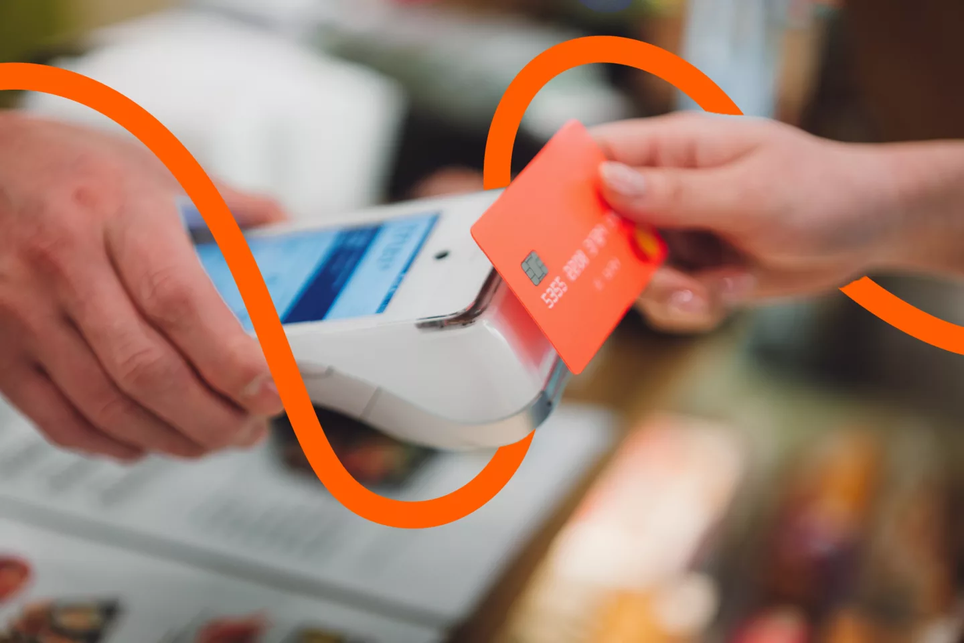
The need for improved processes in handling customers’ transactions and operations is an ongoing trend among entrepreneurs. Speed, ease of use, and flexibility are critical components in determining the success of any enterprise today more than ever before. Various organisations are improving the processes for receiving payments from their clients. This has made the services offered by payment solutions australia highly relevant today.
The Shift Toward Faster Customer Experiences
Shoppers like fast, seamless transactions when purchasing products. Being made to queue for long periods or engaging with slow payment systems can make the entire shopping process less enjoyable. The contemporary payment system enables shops to process transactions in seconds, freeing employees to assist shoppers rather than spending time on payment processing.
Flexible Payment Methods Are Driving Adoption
Consumers’ tastes and preferences also vary with the level of integration of the latest technologies into people’s lives. At the moment, many consumers utilise contactless cards, digital wallets, and mobile payments for making payments. Firms would benefit from offering consumers multiple payment options because consumers can pay in the method they prefer.
Better Integration with Daily Business Operations
Many businesses use a variety of tools to track their inventory, manage sales, maintain customer information, and generate reports. These payment systems can integrate with such systems, enabling data to flow seamlessly across various sections of the organisation. This would ensure that there is less effort involved and that record-keeping is done accurately.
Supporting Businesses of Every Size
One major factor behind the success of modern payment systems is that these providers cater to businesses at various growth levels. This implies that small retail firms, restaurants, and even large companies can access suitable solutions for their needs. It should be noted that payment system providers usually have scalable services.
Improved Mobility for Modern Work Environments
In today’s world, there is a significant number of enterprises that work not only within their physical store premises. Trade fairs, markets, deliveries, and mobile enterprises are just some examples that show how important it is for payment solutions to be able to reach customers wherever they are. It becomes possible with modern service providers.
Strengthening Competitive Advantage in Modern Markets
Any company must be distinct from its competitors. The adoption of new-age payment methods enables companies to facilitate convenient transactions for their customers. The convenience associated with these methods can help enhance customer satisfaction levels. Incorporating modern payment methods helps the company project professionalism.
Access to Useful Business Insights
Transaction data may provide useful insights into customers’ actions. Contemporary payment systems have features such as reports that assist organisations in analysing their sales performance in greater detail. The owners and managers will be able to see transaction trends and make informed decisions about the future development of their business.
A Strong Focus on Convenience
Convenience plays a role in purchasing decisions in various industries. Companies that offer convenient payment solutions tend to forge better relationships with their customers. Modern payment firms always strive to ensure that transactions are as convenient as possible for customers and employees who handle them. Factors such as quick transaction processing, the generation of receipts, and the convenience of checkout contribute to this convenience.
Making Businesses Adjust to Industry Dynamics
The commercial environment keeps evolving, as well as changing the needs of customers. It becomes easy for those companies that adopt modern technology to accommodate such changes. They keep updating their services to meet the latest payment trends and changing preferences of their clients. Such continual development helps organisations to meet the current market demands.
Simplifying Multi-Location Management
Organisations that function with different branches may require an overview of transactional activities from all of their branches. With today’s payment processing systems, one may manage to consolidate all the payments and their reporting onto one platform. Management can keep track of the performance from all the branches while ensuring the same experience in making payments.
Enhancing Customer Trust Through Professional Service
Efficient payment procedures are often linked with professionalism in business operations. Modern systems play an important role in ensuring a smooth transaction process that portrays the business in a good light. Efficient transaction processing and technology ensure that there is improved customer satisfaction. Satisfied customers mean better chances of establishing long-term relationships for future purchases.
Supporting Future Growth Opportunities
The expansion of a business may call for systems that can accommodate the increase in transactions. Contemporary payment service providers create their solutions in such a way that businesses do not have any problems with expanding their operations. Businesses can add new markets, offer more services, serve more customers, and still use payment solutions designed to help achieve their dreams.
Why Modern Payment Solutions Continue to Gain Momentum
Modern payment processes have become popular due to the changes taking place regarding the requirements of both businesses and customers. They require payment processes that increase efficiency and provide convenience. Convenience and ease of transaction are reflective of the payment preferences of businesses. The combination of these benefits makes the organisation a good candidate for implementing payments in various business settings.
Creating Smoother Experiences for Returning Customers
Loyalty tends to increase when all encounters are smooth and seamless. Contemporary payment processors are able to ensure that businesses provide their customers with consistent checkout processes. Increased efficiency and ease in payments make for return visits. With increased expectations on the part of customers, businesses have much to gain from ensuring seamless payment experiences.
Reducing Administrative Work for Business Teams
Manual management of payments may consume precious time that could be utilised elsewhere for customer servicing and even business expansion purposes. Automated payment systems allow for streamlining certain procedures, thus facilitating transaction management. Payment details, sales data, and other important reports can be accessed via a single source.
In conclusion, advanced payment technology has grown to become one of the key requirements that define success within Australian business enterprises. Most firms opt for vendors who offer services geared toward improving the experience of their customers and facilitating business growth and operations in future. Firms looking for ways to advance their operations also look to buy eftpos terminal for their operations. The capacity to cope with evolving demands and, at the same time, ensure efficient transactions is what makes such services increasingly significant for most enterprises.




Finding the right healthcare provider information can be challenging, especially when you need to confirm a doctor’s identity, specialty, or professional details. An NPI number search makes this process easier by allowing users to find healthcare providers through their National Provider Identifier (NPI) or other identifying information.
An NPI is a unique identification number assigned to healthcare providers in the United States. It is commonly used by doctors, nurses, dentists, medical practices, hospitals, and other healthcare organizations when dealing with health insurance, billing, and healthcare transactions.
Whether you are a healthcare professional, medical biller, insurance specialist, researcher, or patient, understanding how to perform an NPI number search can help you locate accurate provider information more efficiently.
What Is an NPI Number?
NPI stands for National Provider Identifier. It is a unique, 10-digit identification number used to identify healthcare providers in the United States.
The NPI system was created under the Health Insurance Portability and Accountability Act (HIPAA) to provide a standard way of identifying healthcare providers during electronic healthcare transactions.
Unlike some professional identifiers, an NPI does not directly indicate a provider’s specialty, state, or professional license. The number itself is simply a unique identifier associated with a provider’s record.
For example, a healthcare provider may use an NPI when submitting insurance claims, processing payments, communicating with health plans, or completing other administrative healthcare transactions.
Why Is NPI Number Search Important?
An NPI number search can be useful in many healthcare and administrative situations. Medical organizations often need to confirm provider information before submitting claims or updating their records.
Some common reasons to perform an NPI search include:
- Finding a healthcare provider’s NPI
- Verifying an existing NPI number
- Checking provider names and locations
- Identifying healthcare organizations
- Reviewing provider taxonomy or specialty information
- Supporting medical billing and claims processing
- Updating healthcare databases
- Researching healthcare provider information
For businesses that work with large healthcare datasets, an NPI lookup can also help reduce errors caused by outdated or incomplete provider records.
How to Perform an NPI Number Search
There are several ways to search for an NPI number. The best method depends on the information you already have.
1. Search by NPI Number
If you already have a provider’s 10-digit NPI, an NPI lookup can help you find the information associated with that identifier.
Enter the NPI number into an NPI search tool and review the available provider information. This is often the fastest approach when the NPI is already known.
2. Search by Provider Name
If you don’t know the NPI number, you can often search using the healthcare provider’s name.
For example, you may enter a doctor’s first and last name and then narrow the results using additional information such as location or specialty.
Name searches can sometimes produce multiple results, so it is important to compare the information carefully.
3. Search by Location
Location can be useful when several providers have similar names.
Adding a city, state, ZIP code, or practice location can make it easier to identify the correct provider record.
For example, if you are looking for a physician named John Smith, searching for the provider together with the state or city can significantly narrow the results.
4. Search by Organization
NPI information is not limited to individual healthcare professionals. Healthcare organizations can also have NPIs.
Depending on the search system, you may be able to look up hospitals, clinics, laboratories, medical groups, and other healthcare organizations by their name or identifier.
What Information Can You Find With an NPI Search?
The information available through an NPI search can vary depending on the provider record and the database being used.
Common provider information may include:
- Provider name
- NPI number
- Provider type
- Taxonomy classification
- Practice or mailing address
- Organization name
- Other business-related information
- Enumeration date
- Last update information
This information can help users determine whether a particular NPI record corresponds to the provider or organization they are trying to identify.
However, an NPI database should not be treated as a complete professional profile. An NPI record does not necessarily contain every detail about a healthcare provider’s education, employment history, licensing, or clinical qualifications.
NPI Lookup vs. NPI Number Search
The terms NPI lookup and NPI number search are often used interchangeably, but there can be a slight difference in how people use them.
An NPI lookup usually refers to retrieving information associated with a known provider or NPI.
An NPI number search may refer more broadly to finding an NPI using information such as a provider’s name, location, organization, or taxonomy.
For example:
NPI lookup:
You already have an NPI and want to find the provider associated with it.
NPI number search:
You know the provider’s name and want to discover their NPI number.
Both processes are useful for healthcare data verification and provider identification.
How to Verify an NPI Number
Simply finding an NPI number is not always enough. You may also want to verify whether the information matches the provider you are looking for.
Start by comparing the provider’s name with the search result. Next, check the location, organization name, and taxonomy information when available.
If several records appear, don’t select the first result automatically. Compare multiple details to make sure you have identified the correct provider.
For organizations, verify the organization name and location. This can help prevent confusion between similarly named medical practices or healthcare facilities.
Common Problems With NPI Searches
Although NPI searches are generally straightforward, users can encounter several problems.
Similar Provider Names
Many healthcare providers have common names. Searching only by name may return multiple records.
Using a location, specialty, or organization name can make the search more precise.
Outdated Information
Healthcare providers may change practice locations or update other information. Database records can therefore differ depending on when they were last updated.
If accuracy is important, check the most current available information.
Incorrect NPI Numbers
An NPI contains 10 digits. A single incorrect digit can lead to an unsuccessful search or return a different provider.
Always double-check the number before using it for billing or administrative purposes.
Individual vs. Organization NPI
Healthcare providers and organizations can have different NPI records. Confusing an individual provider’s NPI with an organization’s NPI can cause administrative problems.
Understanding whether you need a Type 1 individual NPI or Type 2 organization NPI can help you perform a more accurate search.
NPI Number Search for Medical Billing
Medical billing is one of the most common areas where NPI information is important.
Healthcare claims often require provider identification information. Billing teams may use NPI records to confirm that the provider information in their systems is consistent with available provider data.
Accurate provider information can help reduce administrative errors and improve the efficiency of claims processing.
However, an NPI alone does not guarantee that a claim will be accepted. Insurance eligibility, coding, provider enrollment, authorization, and other requirements may also affect claims processing.
NPI Search for Healthcare Research
Researchers and organizations may also use NPI information when analyzing healthcare provider data.
For example, an NPI search can help researchers organize provider records, identify provider types, or group healthcare professionals according to taxonomy classifications.
Businesses working with healthcare datasets may also use NPI information to improve data quality and identify duplicate or incomplete records.
Because healthcare data can change over time, organizations should establish processes for regularly reviewing and updating provider information.
Tips for Getting Better NPI Search Results
If you want more accurate results, follow these simple practices:
- Use the complete provider name whenever possible.
- Add a state or city to narrow results.
- Check the provider’s taxonomy or specialty.
- Compare addresses before selecting a record.
- Verify the full 10-digit NPI carefully.
- Check whether the record represents an individual or organization.
- Use current information when accuracy matters.
- Avoid relying on a single data point to identify a provider.
These steps can make your NPI number search faster and more reliable.
Who Can Use an NPI Search Tool?
An NPI search tool can be useful for a wide range of users.
Medical billing companies can use it to check provider information before processing claims.
Healthcare organizations can use NPI data to maintain provider directories and administrative databases.
Insurance professionals may use provider identifiers when reviewing claims and provider records.
Researchers and data analysts can use NPI information when organizing healthcare datasets.
Even patients and consumers may use an NPI lookup when they need to understand or confirm basic provider information.
Final Thoughts
An NPI number search is a practical way to find and review healthcare provider identification information in the United States. Whether you are searching for a doctor’s NPI, checking an organization, supporting medical billing, or maintaining a healthcare database, an accurate NPI lookup can save time and reduce data errors.
For the best results, don’t rely only on a provider’s name or NPI number. Compare multiple details such as location, provider type, organization, and taxonomy classification. This helps ensure that the record you find matches the healthcare provider or organization you actually need.
As healthcare data changes regularly, keeping provider information updated is equally important. A consistent process for NPI number lookup, verification, and data maintenance can help healthcare businesses and professionals work with cleaner and more reliable provider records.


Beekeeping is a rewarding activity that connects people with nature while supporting healthy bee populations and pollination. Whether you are starting your first hive or expanding an established apiary, having reliable equipment and healthy bees is an important part of responsible beekeeping. The right supplies can make hive inspections easier, improve colony management, and help beekeepers work safely.
For Australian beekeepers, choosing a Trusted Beekeeping Brand in Australia means looking beyond individual products. Quality, reliability, suitable equipment, healthy bees, and dependable service all matter when building a successful beekeeping setup.
From live honey bees and queen bees to bee boxes, protective clothing, foundation sheets, and other beekeeping equipment, selecting suitable supplies can give both beginners and experienced beekeepers greater confidence.
Why Quality Beekeeping Supplies Matter
A bee colony depends on a suitable environment to remain productive and healthy. The hive provides shelter, while frames, foundation, covers, bases, and other components help create an organised space for the colony.
Poor-quality or unsuitable equipment can make routine hive management more difficult. Damaged boxes, weak frames, poorly fitted components, or unsuitable protective equipment may create unnecessary challenges.
Quality beekeeping supplies are designed to support practical hive management. Strong hive boxes can provide durability, while well-made frames and foundation can help bees establish comb efficiently.
For beginners especially, starting with dependable equipment can make the learning process more straightforward.
Choosing a Trusted Beekeeping Brand in Australia
There are many products available to Australian beekeepers, but not every supplier provides the same level of quality or product knowledge. A Trusted Beekeeping Brand in Australia should offer products that are practical, dependable, and suitable for local beekeeping needs.
When comparing suppliers, consider several important factors.
Product Quality
Beekeeping equipment needs to withstand regular handling and changing weather conditions. Look for sturdy hive boxes, reliable frames, durable protective clothing, and properly made accessories.
Quality does not necessarily mean choosing the most expensive option. Instead, focus on equipment that offers useful features, suitable construction, and long-term value.
Range of Products
A supplier offering a broad selection can make it easier to build a complete apiary setup. Instead of purchasing individual items from multiple sources, beekeepers can often find essential equipment together.
Common products include bee hives, bee boxes, frames, wax foundation, bee suits, smokers, hive tools, feeders, and other accessories.
Healthy Live Bees
Equipment is only one part of beekeeping. The quality and condition of the colony are equally important.
Beekeepers looking for Live Bees for Sale Australia should consider suppliers that understand the importance of healthy colonies and suitable queen bees. A strong starting colony can provide a better foundation for learning hive management and developing an apiary.
Essential Beekeeping Supplies for Beginners
Starting beekeeping does not require every product available on the market. However, several essential items can make the first season safer and more manageable.
Bee Hive or Bee Box
The hive is the central part of the setup. It provides a controlled home for the colony and gives the beekeeper access for inspections and management.
When searching for Bee Hives Australia, consider the hive design, construction quality, available replacement parts, and whether additional boxes can be added as the colony grows.
Frames and Wax Foundation
Frames provide the structure where bees build comb. Wax foundation can help guide comb construction and create an organised arrangement inside the hive.
Beeswax Foundation Sheets AU are commonly considered by beekeepers who want a natural wax-based foundation option for their hive setup. Correctly fitted foundation can help encourage orderly comb development.
Protective Clothing
A suitable bee suit is an important safety item. Beginners should consider a full-body suit or suitable protective clothing, gloves, and a secure veil.
A good bee suit should provide coverage while still allowing enough movement to perform hive inspections comfortably.
Smoker and Hive Tool
A smoker is commonly used during hive inspections to help manage bee behaviour. A hive tool is useful for separating frames, removing components, and completing routine hive work.
These simple tools can become essential parts of an everyday beekeeping kit.
Buying Live Honey Bees in Australia
For people starting an apiary, purchasing equipment and bees often go hand in hand. A properly prepared hive provides a home for the colony, while healthy bees provide the foundation for future hive development.
When considering Honey Bees for Sale Australia, it is important to understand what type of colony or package is suitable for your experience level and local conditions.
A queen bee plays an essential role in colony development. Beekeepers interested in Queen Bees for Sale AU should consider the queen’s role within the colony, the characteristics they want to maintain, and whether the bees are appropriate for their beekeeping objectives.
Buying from an established supplier can also make the process easier for beginners who need guidance about setting up and managing a new colony.
Australian Conditions and Beekeeping Equipment
Australia has diverse climates, ranging from tropical regions to temperate and cooler areas. Beekeeping practices can therefore vary depending on location.
Hive placement is particularly important. Bees need access to suitable forage, water, and a relatively protected environment. At the same time, the hive should be positioned where the beekeeper can safely perform inspections.
Quality equipment should also be capable of handling local environmental conditions. Regularly checking boxes, covers, frames, and other components helps identify problems before they affect the colony.
Local seasonal changes can influence colony activity, honey production, feeding requirements, and hive management.
Building a Beekeeping Starter Kit
A practical Beekeeping Starter Kit AU can help beginners organise their initial equipment without overlooking important items.
A basic setup may include:
- A suitable bee hive or bee box
- Frames and wax foundation
- Protective bee suit and veil
- Beekeeping gloves
- Smoker
- Hive tool
- Feeder where required
- Suitable live bee colony
- Queen bee
- Basic hive maintenance supplies
The exact equipment needed will depend on the beekeeper’s experience, hive design, location, and management approach.
Rather than buying equipment simply because it is popular, beginners should consider how each item will be used. A well-planned setup can reduce unnecessary spending while ensuring the essentials are available.
How a Reliable Supplier Supports Beekeepers
A good supplier does more than provide products. Reliable information can be valuable, particularly for people learning how to manage their first colony.
A supplier that understands beekeeping can help customers make more informed decisions about equipment, hive setups, bees, and accessories.
hornsby-beekeeping supplies is positioned as a trusted supplier of live honey bees and beekeeping products in Australia. Its range can help beekeepers explore options for colonies, hives, bee boxes, protective equipment, wax products, and other essential supplies.
For beginners, having access to a supplier with a broad range of products can make it easier to develop a complete and organised apiary setup.
Maintaining Quality Equipment
Buying quality equipment is only the beginning. Regular maintenance can extend the useful life of beekeeping supplies.
Hive boxes should be checked for damage, moisture problems, loose components, or other signs of wear. Frames should also be inspected regularly and replaced when they become unsuitable for continued use.
Protective clothing should be cleaned and checked for damaged stitching, holes, or problems with the veil and fasteners.
Keeping equipment clean and organised can also make hive inspections more efficient.
Growing an Apiary Over Time
New beekeepers often begin with a single hive. As knowledge and experience increase, they may decide to expand.
Growing an apiary gradually allows beekeepers to become familiar with colony behaviour, seasonal management, equipment requirements, and honey production before taking on additional colonies.
When purchasing Beekeeping Supplies Australia, it can be useful to select equipment that is compatible with future expansion. Consistent hive components can simplify management when several colonies are involved.
Beekeepers may eventually require additional bee boxes, frames, foundation, protective equipment, feeders, and replacement components.
Making a More Informed Beekeeping Purchase
Before buying bees or equipment, make a simple checklist of your current needs.
Think about:
- Your experience level.
- The number of colonies you want to manage.
- Your local climate and environment.
- The type of hive you intend to use.
- The protective equipment required.
- Whether you need live bees or a queen.
- Which accessories are essential now and which can be purchased later.
This approach can help prevent unnecessary purchases and make it easier to build a practical beekeeping system.
Most importantly, remember that beekeeping is a learning process. Equipment supports the beekeeper, but regular observation, responsible hive management, and ongoing education are equally important.
Conclusion
Choosing a Trusted Beekeeping Brand in Australia can make a significant difference when starting or expanding an apiary. Quality bee boxes, frames, wax foundation, protective clothing, hive tools, and healthy live bees all contribute to a practical beekeeping setup.
Australian beekeepers should consider product quality, durability, suitability, supplier reliability, and long-term support when purchasing their equipment. Beginners can benefit particularly from starting with essential supplies and gradually expanding as their knowledge grows.
For those looking to source reliable beekeeping products and live honey bees, hornsby-beekeeping supplies offers a practical range for Australian beekeepers. Choosing suitable equipment from a dependable supplier can help create a stronger foundation for safe, organised, and enjoyable beekeeping.
Readmore:



Гарніри з овочів до м’яса та риби: 10 ідей на будні
Чим цікавий сайт zabudovnik.kr.ua

NPI Number Search: How to Find and Verify a National Provider Identifier

Natural Herbal Products by Ecoxent – Simple Care Inspired by Nature

Bracknell Airport Transfer: A Convenient Way to Travel to and From the Airport

Are Nut Thins Healthy? Unveiling the Nutritional Pros and Cons

Do Electric Cars Have Transmissions?

What You Need to Know About Cup Size Before Buying Your First Bra

Rani No Hajiro in Ahmedabad: A Complete Guide to History, Shopping & Hidden Secrets