Health
Free SPI Test: Gain Insight into Your Personality

What is the SPI Personality Test?
The Socionics Personality Inventory (SPI) is a detailed test that helps you understand your personality better. It’s based on the Socionics theory of personality types. This tool is great for learning about yourself and growing personally.
The Free SPI Test: Gain Insight into Your Personality Online!
The free SPI test lets you explore this from home. It’s an online personality assessment that shows you how you behave, make decisions, and talk to others.
Just by answering some questions, you get a report that reveals your self-discovery and personal growth. The free SPI test uses Socionics, a well-known system, to give you deep insights into your mind.
- Find out your main personality traits and how they affect your interactions.
- See how you make decisions and solve problems.
- Learn your communication styles and how to talk to people differently.
Benefits of Taking the Free SPI Test Online
Exploring your true self has never been easier. The free online SPI test lets you discover your unique traits. It’s a step towards personal growth and empowerment.
Convenience and Accessibility
The free online SPI test is easy to use and accessible. You can start your self-discovery journey from home or anywhere with internet. This makes it flexible, fitting into your schedule without time or location limits.
Complete the assessment on your schedule, without the need to coordinate with others or adhere to strict timelines.
Access the test from any device, be it a desktop computer, laptop, or mobile device, ensuring seamless integration into your daily routine.
Enjoy the privacy and comfort of exploring your personality in a familiar and distraction-free environment.
This test is open to everyone, no matter your background or situation. It’s perfect for busy professionals, students, or anyone wanting to know themselves better. It’s designed to be inclusive and empowering
| Feature | Benefit |
| Convenient online access | Take the test anytime, anywhere |
| Personalized insights | Gain in-depth understanding of your unique personality traits |
| Inclusive and accessible | Available to individuals from all walks of life |
| Free of charge | Accessible without financial barriers |
By taking the free online SPI test, you start a journey of self-discovery. It can lead to personal growth, better relationships, and understanding your true self. Take this chance to explore your personality and start a transformative journey.

How the SPI Test Works
The SPI test is a deep dive into a person’s mind. It uses Socionics, a field that looks at how personality types interact. This helps understand how we connect with others.
The test starts with a detailed questionnaire. It covers how we think, feel, and act. The answers help figure out which of the 16 Socionics types we are. This comes from Aushra Augusta’s groundbreaking work in Socionics.
- The SPI test first asks about how we process information and make decisions.
- Then, it checks our answers against the Socionics model. This model looks at four main psychological functions: Intuition, Sensing, Thinking, and Feeling.
- Based on these functions, the test finds our Socionic type. It gives us a detailed look at our strengths, weaknesses, and how we communicate and interact with others.
The SPI test’s method gives a full picture of our mind. It uses Socionics to help us understand ourselves better. This can help us grow, improve our relationships, and find our place in the world.
Free SPI Test: Gain Insight into Your Personality online
Exploring the Different Personality Types
Unlock the secrets of your personality with the free SPI (Socionics Personality Inventory) test. This test dives deep into your psychological makeup. It shows the unique traits that make you who you are.
Whether you’re looking for self-discovery or personal growth, the SPI test is a great tool. It explores the diverse personality types of the Socionics system. This helps you understand yourself better.
Find out how you process information, make decisions, and interact with the world. Learn about your strengths, weaknesses, and natural behaviors. Knowing your Socionics personality type can help you in personal and professional life.
The free SPI test is more than a self-assessment tool. It’s a doorway to a deeper journey of self-discovery. Discover your personality’s secrets and start a transformative journey of growth and development. Use the SPI test to unlock your full potential.


Health
Beauty Tips – Well Health Organic.com: 15 Secrets for Naturally Glowing Skin You Must Try Today

Achieving naturally glowing skin is not just about applying creams or following trends—it is about building a lifestyle that supports skin health from the inside out. In today’s modern world, our skin faces constant challenges: pollution, stress, irregular sleep patterns, poor diet, and exposure to harmful UV rays. All of these factors gradually strip away the natural glow, leaving skin looking dull, tired, and uneven.
The truth is, glowing skin is a reflection of balance—balanced nutrition, balanced hydration, balanced skincare, and a balanced lifestyle. If any of these elements are missing, your skin will show it.
In this in-depth guide, we will explore 15 powerful, practical, and research-backed secrets that can help you restore and maintain naturally radiant skin. These strategies are not temporary fixes—they are long-term habits that bring visible, lasting improvements.
If you are searching for truly effective Beauty Tips – Well Health Organic.Com, this comprehensive guide will help you build a complete skincare and lifestyle routine that works.
Understanding the Science Behind Glowing Skin
Before diving into the tips, it is important to understand what actually makes skin “glow.”
Healthy, glowing skin typically has:
- Good hydration levels
- Smooth and even texture
- Balanced oil production
- Strong skin barrier
- Proper blood circulation
- Minimal pigmentation or acne
Your skin constantly renews itself. Dead skin cells shed and new ones form. However, when this natural process slows down—due to aging, stress, or poor habits—dead cells accumulate, causing dullness.
Factors That Influence Skin Glow:
- Genetics
- Diet and nutrition
- Hormonal balance
- Sleep quality
- Environmental exposure
- Skincare routine
Understanding these factors helps you realize that glowing skin is achievable through consistent effort and not just luck.
Secret 1: Hydration is the Ultimate Glow Booster
Water is the most important yet most underestimated element in skincare. Your skin is made up of cells that require water to function properly. Without adequate hydration, these cells shrink, making your skin appear dry, flaky, and lifeless.
How Hydration Transforms Skin:
- Improves elasticity and firmness
- Flushes out toxins
- Enhances skin plumpness
- Reduces fine lines and wrinkles
Advanced Hydration Tips:
- Drink warm water in the morning to activate digestion and detoxification
- Add electrolyte-rich fluids like coconut water
- Eat water-rich foods such as cucumbers, watermelon, and oranges
- Use hydrating skincare ingredients like hyaluronic acid
Hydration
| Source | Benefit | Best Time to Consume |
|---|---|---|
| Water | Full-body hydration | Throughout the day |
| Coconut Water | Natural electrolytes | Morning/afternoon |
| Fruits | Vitamins + hydration | Anytime |
| Herbal Teas | Detox + soothing | Evening |
Secret 2: Build a Powerful Skincare Routine
A well-structured skincare routine is the backbone of healthy skin. It is not about using many products but using the right ones consistently.
Detailed Routine Breakdown:
Morning Routine:
- Cleanser – Removes overnight oil buildup
- Toner – Balances skin pH
- Serum – Targets specific concerns
- Moisturizer – Locks in hydration
- Sunscreen – Protects against UV damage
Night Routine:
- Makeup removal
- Gentle cleansing
- Treatment serum
- Moisturizer or night cream
Why Routine Matters:
Consistency trains your skin to stay balanced. Skipping steps can disrupt your skin’s natural barrier.
Secret 3: Eat Your Way to Glowing Skin
Your skin is directly influenced by what you eat. A poor diet leads to inflammation, acne, and dullness, while a nutrient-rich diet promotes clarity and brightness.
Skin-Loving Nutrients:
| Nutrient | Skin Benefits | Food Sources |
|---|---|---|
| Vitamin C | Brightens & boosts collagen | Citrus fruits, amla |
| Vitamin E | Repairs skin damage | Nuts, seeds |
| Omega-3 | Reduces inflammation | Flaxseeds, fish |
| Zinc | Controls acne | Lentils, pumpkin seeds |
| Antioxidants | Protect against aging | Berries, green tea |
Foods to Limit:
- Refined sugar
- Fried and processed foods
- Excess dairy (for some individuals)
Secret 4: Sunscreen – Your Daily Shield
Sun damage is one of the leading causes of premature aging. UV rays break down collagen and cause pigmentation.
Sunscreen Usage Guide:
- Choose SPF 30 or higher
- Apply 15 minutes before going outside
- Reapply every 2–3 hours
- Use even on cloudy days
Long-Term Benefits:
- Prevents wrinkles
- Reduces pigmentation
- Maintains skin tone
- Prevents sunburn
Secret 5: Sleep is Your Natural Beauty Treatment
Sleep is often called “beauty sleep” for a reason. During sleep, your body undergoes repair and regeneration.
What Happens During Deep Sleep:
- Increased blood flow to skin
- Collagen production
- Cell repair and renewal
Sleep Tips:
- Maintain a fixed sleep schedule
- Avoid screens 1 hour before bed
- Keep your room dark and cool
- Sleep on clean pillowcases
Secret 6: Natural Face Masks for Deep Nourishment
Natural face masks provide deep nourishment without harmful chemicals.
Popular Masks:
Honey + Turmeric Mask
- Brightens skin
- Fights bacteria
Aloe Vera Gel
- Soothes and hydrates
Multani Mitti (Fuller’s Earth)
- Controls oil and acne
Usage Frequency:
- Oily skin: 2–3 times/week
- Dry skin: 1–2 times/week
Secret 7: Exfoliation for Skin Renewal
Exfoliation removes dead skin cells that block pores and cause dullness.
Types of Exfoliation:
- Physical (scrubs)
- Chemical (AHAs/BHAs)
Exfoliation Table:
| Skin Type | Frequency | Recommended Method |
|---|---|---|
| Oily | 2–3 times/week | Chemical exfoliation |
| Dry | 1–2 times/week | Gentle scrubs |
| Sensitive | Once/week | Mild exfoliation |
Secret 8: Stress Management for Healthy Skin
Stress triggers hormonal imbalances that affect your skin.
Effects of Stress:
- Acne flare-ups
- Dull complexion
- Increased oil production
Stress Relief Techniques:
- Yoga
- Meditation
- Breathing exercises
- Spending time in nature
Secret 9: Avoid Harmful Chemicals
Many skincare products contain chemicals that damage your skin in the long run.
Harmful Ingredients:
- Parabens
- Sulfates
- Artificial fragrances
Better Alternatives:
- Organic skincare
- Herbal products
- Minimal ingredient formulas
Secret 10: Never Sleep with Makeup On
Sleeping with makeup clogs pores and leads to breakouts.
Proper Removal:
- Use oil-based cleanser
- Follow with face wash
- Apply moisturizer
Secret 11: Facial Massage for Instant Glow
Facial massage improves blood circulation and gives a natural lift.
Benefits:
- Enhances glow
- Reduces puffiness
- Improves skin elasticity
Secret 12: Rose Water – Nature’s Toner
Rose water is cooling, hydrating, and refreshing.
Benefits:
- Balances pH
- Reduces redness
- Provides instant freshness
Secret 13: Exercise for Skin Health
Exercise boosts oxygen supply to your skin.
Benefits:
- Detoxification through sweat
- Improved circulation
- Natural radiance
Secret 14: Control Sugar Intake
Excess sugar damages collagen and causes premature aging.
Secret 15: Follow a Consistent Night Routine
Nighttime skincare helps repair and rejuvenate skin.
Beauty Tips – Well Health Organic.Com for Different Skin Types
Oily Skin:
- Use gel-based cleansers
- Avoid heavy creams
- Use clay masks
Dry Skin:
- Use hydrating products
- Apply thick moisturizers
Combination Skin:
- Balance oily and dry areas
Sensitive Skin:
- Avoid harsh products
- Use soothing ingredients
Weekly Skincare Plan
| Day | Activity |
|---|---|
| Monday | Basic routine |
| Wednesday | Exfoliation |
| Friday | Face mask |
| Sunday | Massage |
Advanced Tips for Long-Term Glow
- Stay consistent
- Track your skin’s reaction
- Avoid switching products frequently
- Stay patient—results take time
FAQs
How long does glowing skin take?
Visible results can appear in 7–14 days with consistent care.
Can natural remedies replace products?
They are effective but work best when combined with a routine.
Is sunscreen really necessary daily?
Yes, it is essential to prevent skin damage.
Does diet really affect skin?
Absolutely—nutrition plays a major role in skin health.
Final Thoughts
Glowing skin is not a luxury—it is achievable for everyone. By adopting healthy habits and following these Beauty Tips – Well Health Organic.Com, you can transform your skin naturally.
The key lies in consistency, patience, and a holistic approach. Your skin deserves care, nourishment, and attention every day.
Start today, stay consistent, and let your natural glow shine through.
General
Wellhealthorganic.com/Know-The-Causes-Of-White-Hair-And-Easy-Ways-To-Prevent-It-Naturally: Complete Guide to Causes, Prevention, and Natural Remedies

White hair is a natural part of aging, but in recent years many people have started noticing premature greying—even in their 20s or teenage years. While white hair may seem alarming, understanding the real causes behind it can help you manage or slow down the process.
In this detailed guide based on insights from wellhealthorganic.com/know-the-causes-of-white-hair-and-easy-ways-to-prevent-it-naturally, we will explore:
-
What causes white hair
-
Scientific and lifestyle factors behind premature greying
-
Natural remedies to prevent white hair
-
Diet and lifestyle changes for healthy hair
-
Home treatments and hair care routines
This SEO-optimized guide provides everything you need to know about maintaining healthy and naturally pigmented hair.
What Is White Hair?
Hair color depends on a pigment called melanin, which is produced by cells called melanocytes located in hair follicles. When melanin production decreases or stops, hair gradually loses its natural color and turns grey or white.
Although aging is the most common reason for greying hair, other factors like genetics, stress, nutritional deficiencies, and lifestyle habits can accelerate the process.
Why Hair Turns White
Before discussing prevention methods, it’s important to understand why hair turns white in the first place.
When melanin levels decline, hair shafts lose pigmentation and appear grey or white. This process may occur naturally with age or prematurely due to external and internal factors.
Major Causes of White Hair
Below are the most common causes discussed in wellhealthorganic.com/know-the-causes-of-white-hair-and-easy-ways-to-prevent-it-naturally.
1. Genetics
Genetics is one of the most significant factors determining when your hair begins to turn white.
If your parents or grandparents experienced premature greying, you are more likely to experience it as well. Genetic predisposition influences melanin production and the lifespan of pigment cells in hair follicles.
Unfortunately, genetic causes cannot be completely prevented, but healthy lifestyle habits can slow down the process.
2. Aging Process
Aging is the most natural reason for white hair.
As the body ages:
-
Melanin production decreases
-
Hair follicles produce less pigment
-
New hair grows with reduced color
Over time, grey strands gradually replace pigmented hair.
3. Nutritional Deficiencies
Your hair health depends heavily on proper nutrition. Lack of essential vitamins and minerals can contribute to premature greying.
Important nutrients for hair pigmentation include:
| Nutrient | Role in Hair Health | Food Sources |
|---|---|---|
| Vitamin B12 | Supports melanin production | Eggs, dairy, fish |
| Iron | Improves blood circulation to follicles | Spinach, lentils, red meat |
| Copper | Helps produce melanin pigment | Nuts, seeds, shellfish |
| Vitamin D | Supports follicle health | Sunlight, fortified foods |
Deficiencies in these nutrients can weaken hair follicles and accelerate greying.
4. Stress and Anxiety
Stress has a direct impact on hair health.
Chronic stress may damage melanocyte stem cells that produce pigment in hair follicles, which can lead to premature greying.
Modern lifestyles with heavy workloads, lack of sleep, and mental pressure often contribute to early white hair.
5. Hormonal Imbalance
Hormonal changes also affect hair pigmentation.
Conditions such as:
-
Thyroid disorders
-
Hormonal imbalance
-
PCOS
-
Autoimmune diseases
may interfere with melanin production and result in early greying.
6. Smoking and Unhealthy Lifestyle
Smoking increases oxidative stress in the body, which damages hair follicles and accelerates hair greying.
Other unhealthy habits include:
-
Poor diet
-
Lack of sleep
-
Excess alcohol consumption
-
Sedentary lifestyle
These habits weaken hair health and speed up the greying process.
7. Environmental Factors
Environmental exposure also contributes to white hair.
Some common environmental triggers include:
-
Pollution
-
UV radiation
-
Chemical exposure
-
Harsh hair products
These factors damage the scalp and reduce melanin production.
Symptoms of Premature White Hair
Premature greying often starts gradually and may show the following signs:
-
Random white strands appearing at a young age
-
Greying around temples
-
Dry and brittle hair
-
Increased hair fall
Early treatment and lifestyle improvements can slow down the progression.
Natural Ways to Prevent White Hair
Although it may not always be possible to completely stop white hair, several natural methods can slow down the process.
Many of these methods are highlighted in wellhealthorganic.com/know-the-causes-of-white-hair-and-easy-ways-to-prevent-it-naturally.
1. Maintain a Healthy Diet
A nutrient-rich diet is essential for maintaining hair color.
Include foods rich in:
-
Vitamins
-
Minerals
-
Antioxidants
-
Protein
Best Foods for Healthy Hair
| Food | Benefit for Hair |
|---|---|
| Eggs | Rich in biotin and protein |
| Spinach | High in iron |
| Nuts and seeds | Provide copper and zinc |
| Berries | Rich in antioxidants |
| Fish | Contains omega-3 fatty acids |
A balanced diet improves hair strength and supports melanin production.
2. Use Natural Hair Oils
Regular oil massage improves scalp circulation and nourishes hair follicles.
Popular oils include:
-
Coconut oil
-
Amla oil
-
Bhringraj oil
-
Rosemary oil
Massaging the scalp 2–3 times a week can strengthen hair roots and slow down greying.
3. Use Amla (Indian Gooseberry)
Amla is one of the most effective natural remedies for hair health.
Benefits of amla include:
-
Rich in Vitamin C
-
Supports melanin production
-
Strengthens hair follicles
-
Improves scalp health
Ways to use amla:
-
Drink amla juice
-
Apply amla oil
-
Use amla powder in hair masks
4. Curry Leaves Treatment
Curry leaves are known in Ayurveda for improving hair pigmentation.
They contain:
-
Vitamin B
-
Iron
-
Antioxidants
Regular use of curry leaves may help maintain natural hair color.
How to use
-
Boil curry leaves in coconut oil
-
Let the oil cool
-
Massage the scalp twice weekly
5. Coconut Oil and Lemon Juice
This simple home remedy is popular for maintaining hair color.
Benefits include:
-
Coconut oil nourishes hair follicles
-
Lemon juice provides Vitamin C
-
Improves scalp health
Apply the mixture for 30 minutes before washing hair.
6. Manage Stress
Stress reduction plays a major role in preventing premature greying.
Effective stress-management techniques include:
-
Meditation
-
Yoga
-
Deep breathing
-
Exercise
-
Adequate sleep
These practices support hormonal balance and healthy hair growth.
7. Avoid Harsh Chemical Hair Products
Chemical products may damage hair follicles.
Avoid:
-
Excessive hair dyes
-
Chemical treatments
-
Sulfate-based shampoos
Instead, choose natural or herbal hair care products.
Best Natural Remedies for White Hair
Below are some commonly recommended natural treatments.
| Remedy | How It Helps |
|---|---|
| Amla | Boosts melanin production |
| Curry leaves | Improves pigmentation |
| Black sesame seeds | Slows greying |
| Henna | Natural hair coloring |
| Bhringraj oil | Strengthens follicles |
Regular use of these remedies can improve hair health over time.
Lifestyle Changes to Prevent White Hair
Adopting a healthy lifestyle can significantly reduce the risk of premature greying.
Healthy habits include
-
Eating balanced meals
-
Drinking enough water
-
Getting 7–8 hours of sleep
-
Exercising regularly
-
Avoiding smoking
These changes improve overall hair health and slow the greying process.
Medical Treatments for White Hair
If premature greying occurs suddenly, medical consultation may be necessary.
Doctors may recommend:
-
Vitamin supplements
-
Iron supplements
-
Thyroid testing
-
Dermatological treatments
However, medical treatments should only be used under professional guidance.
Common Myths About White Hair
Many myths surround white hair. Let’s clarify some of them.
| Myth | Reality |
|---|---|
| Plucking white hair increases more white hair | False |
| White hair is always due to aging | Not always |
| Stress instantly turns hair white | It contributes but isn’t instant |
| White hair can always turn black again | Rare but sometimes possible |
Understanding these myths helps people make informed decisions about hair care.
Frequently Asked Questions (FAQs)
1. What is the main cause of white hair?
The main cause is the loss of melanin pigment in hair follicles. This usually occurs due to aging, genetics, or nutritional deficiencies.
2. Can white hair turn black again naturally?
In some cases, improving nutrition and reducing stress may restore pigmentation, but most white hair cannot completely turn black again.
3. At what age is white hair normal?
Grey hair typically begins between ages 30 and 40, although it varies depending on genetics.
4. Does stress cause white hair?
Yes. Chronic stress can damage pigment-producing cells and contribute to premature greying.
5. Which vitamin deficiency causes white hair?
Vitamin B12 deficiency is one of the most common nutritional causes of premature white hair.
6. Can diet help prevent white hair?
Yes. A diet rich in vitamins, minerals, antioxidants, and protein supports healthy hair pigmentation.
Final Thoughts
White hair is a natural biological process, but premature greying can often be managed with proper lifestyle changes. By understanding the insights shared in wellhealthorganic.com/know-the-causes-of-white-hair-and-easy-ways-to-prevent-it-naturally, individuals can take proactive steps to maintain healthy hair.
The key strategies include:
-
Eating a nutrient-rich diet
-
Managing stress effectively
-
Using natural hair care remedies
-
Avoiding harmful chemicals
-
Maintaining a healthy lifestyle
While genetics and aging cannot be controlled, consistent care and healthy habits can significantly slow down the greying process and keep your hair strong and vibrant.
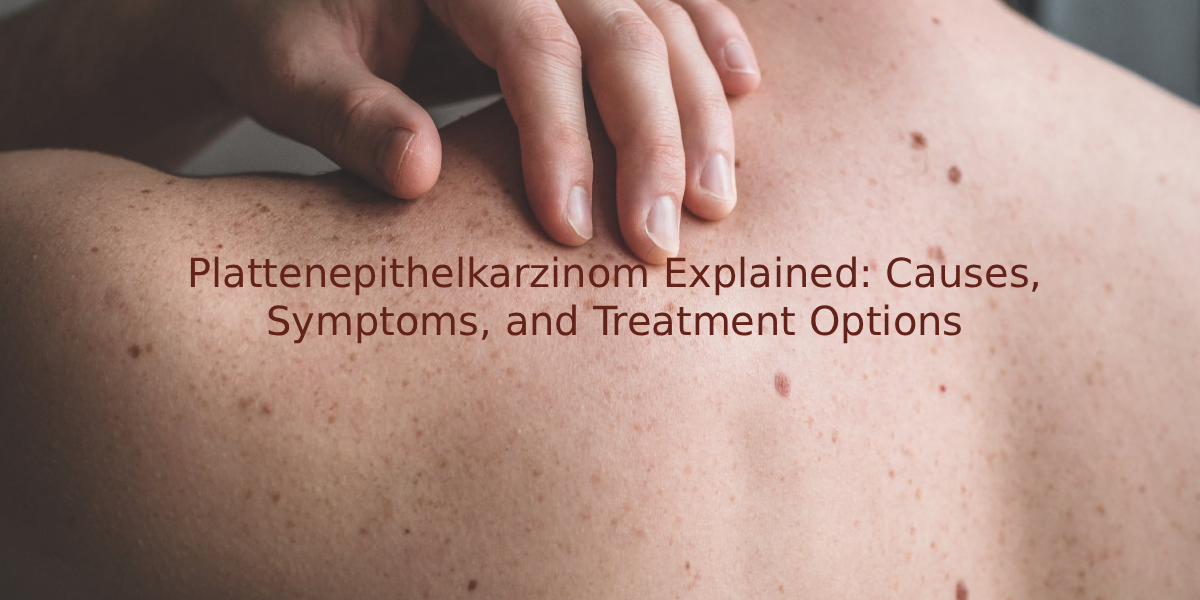
Plattenepithelkarzinom, also known as squamous cell carcinoma, is one of the most common types of skin and epithelial cancers. It arises from the squamous cells, which make up the middle and outer layers of the skin and line various organs in the body. Understanding Plattenepithelkarzinom is crucial for early detection, prevention, and treatment.
In this comprehensive guide, we’ll explore its causes, symptoms, risk factors, diagnostic methods, treatment options, and preventive measures. Whether you are a patient, caregiver, or health enthusiast, this article will provide valuable insights into Plattenepithelkarzinom.
What is Plattenepithelkarzinom?
Plattenepithelkarzinom is a malignant tumor originating from squamous cells. These cells are flat, thin cells found in the skin, mouth, throat, lungs, and other organs. The cancer is characterized by uncontrolled growth of these cells, which can invade nearby tissues and, in some cases, metastasize to other parts of the body.
Key Facts About Plattenepithelkarzinom:
-
Type: Squamous cell carcinoma
-
Common Sites: Skin, oral cavity, esophagus, lungs, cervix
-
Nature: Malignant but generally slow-growing compared to other cancers
-
Detection: Often detected visually in skin cases or via imaging and biopsy in internal organs
Causes of Plattenepithelkarzinom
Plattenepithelkarzinom develops due to genetic mutations in squamous cells. These mutations can be triggered by various environmental and lifestyle factors.
1. Ultraviolet (UV) Radiation
Long-term exposure to UV rays from the sun or tanning beds damages DNA in skin cells, increasing the risk of Plattenepithelkarzinom. This is one of the most significant risk factors for skin-based squamous cell carcinoma.
2. Tobacco and Alcohol Use
Smoking and excessive alcohol consumption are linked to Plattenepithelkarzinom of the oral cavity, throat, and esophagus. These substances promote cellular mutations in epithelial tissues.
3. Chronic Inflammation and Injuries
Repeated irritation or chronic inflammation in a particular area, such as scars or ulcers, can increase the likelihood of malignant transformation.
4. Human Papillomavirus (HPV)
Certain strains of HPV are associated with Plattenepithelkarzinom in the cervix, throat, and anus. HPV can integrate its DNA into host cells, causing uncontrolled cell division.
5. Immunosuppression
People with weakened immune systems, such as organ transplant recipients or patients on immunosuppressive therapy, are more prone to Plattenepithelkarzinom.
Symptoms of Plattenepithelkarzinom
Symptoms vary depending on the location of the tumor. Early detection significantly improves outcomes.
| Symptom | Affected Area | Description |
|---|---|---|
| Red, scaly patch | Skin | Persistent lesion that may bleed or crust |
| Non-healing ulcer | Skin or oral cavity | Wound that does not heal for weeks |
| Lump or nodule | Skin or neck | Firm growth that may be painless initially |
| Sore throat or difficulty swallowing | Throat, esophagus | Pain or discomfort during swallowing |
| Hoarseness or persistent cough | Larynx, lungs | Changes in voice or chronic cough |
| Bleeding or abnormal discharge | Cervix or oral cavity | Unusual bleeding or ulceration |
Risk Factors
Understanding risk factors can help in early identification and prevention of Plattenepithelkarzinom.
-
Age: More common in individuals over 50
-
Skin Type: Fair-skinned individuals are more vulnerable to UV-induced damage
-
Genetics: Family history of skin or epithelial cancers
-
Environmental Exposures: Arsenic, industrial chemicals, and chronic irritants
-
Medical Conditions: Immunosuppressive disorders or prolonged use of immunosuppressive drugs
Diagnosis of Plattenepithelkarzinom
Early and accurate diagnosis is critical for effective treatment. Diagnostic methods include:
-
Physical Examination: Dermatologists or physicians visually inspect suspicious lesions.
-
Biopsy: A tissue sample is examined microscopically to confirm malignancy.
-
Imaging Tests: CT scans, MRI, or PET scans assess tumor size, depth, and metastasis.
-
Endoscopy: Used for internal organs like the esophagus, larynx, or oral cavity to visualize tumors.
-
HPV Testing: In cases of cervical or oral tumors, HPV presence is checked.
Staging and Classification
Plattenepithelkarzinom is staged based on tumor size, lymph node involvement, and metastasis (TNM system).
| Stage | Characteristics |
|---|---|
| Stage I | Small tumor confined to origin, no lymph node involvement |
| Stage II | Larger tumor but still localized, no distant spread |
| Stage III | Tumor has invaded nearby lymph nodes or tissues |
| Stage IV | Advanced cancer with distant metastasis |
Proper staging helps guide treatment decisions and predicts prognosis.
Treatment Options
Treatment depends on tumor location, size, stage, and overall patient health.
1. Surgical Treatment
Surgery is the primary treatment for localized Plattenepithelkarzinom. Options include:
-
Excisional Surgery: Complete removal of tumor with clear margins
-
Mohs Micrographic Surgery: Layer-by-layer removal with microscopic examination to ensure full cancer excision
2. Radiation Therapy
Radiotherapy uses high-energy rays to destroy cancer cells. It is effective for tumors that are difficult to remove surgically or as adjuvant therapy post-surgery.
3. Chemotherapy
Systemic drugs target rapidly dividing cells and are used for advanced or metastatic Plattenepithelkarzinom.
4. Targeted Therapy
Medications that target specific molecular pathways involved in cancer growth may be used for advanced cases.
5. Immunotherapy
Drugs like checkpoint inhibitors enhance the immune system’s ability to detect and attack cancer cells.
6. Palliative Care
For advanced or inoperable tumors, treatment focuses on pain management, symptom relief, and improving quality of life.
Prognosis
The prognosis of Plattenepithelkarzinom largely depends on:
-
Early detection: Localized tumors have high survival rates
-
Tumor location: Skin tumors generally have better outcomes than internal organ tumors
-
Treatment type: Complete surgical excision often leads to favorable results
-
Patient health: Immune function and comorbidities influence recovery
Survival Rate:
| Stage | 5-Year Survival Rate |
|---|---|
| Stage I | 90–95% |
| Stage II | 70–85% |
| Stage III | 50–70% |
| Stage IV | 20–40% |
Prevention of Plattenepithelkarzinom
Preventive strategies focus on reducing risk factors and early detection:
-
Sun Protection: Use sunscreen, protective clothing, and avoid tanning beds
-
Quit Smoking and Limit Alcohol: Reduces risk of oral and throat Plattenepithelkarzinom
-
Regular Screening: Skin checks and cervical/oral examinations for high-risk individuals
-
HPV Vaccination: Reduces risk of HPV-related squamous cell carcinomas
-
Healthy Lifestyle: Balanced diet, exercise, and immune support
Common Myths About Plattenepithelkarzinom
-
Myth 1: Only older adults get it – False; while more common in older adults, it can affect younger individuals too.
-
Myth 2: It’s always visible on the skin – False; internal squamous cell carcinomas may have subtle early symptoms.
-
Myth 3: Small tumors are harmless – False; early detection is essential even for small lesions.
FAQs About Plattenepithelkarzinom
Is Plattenepithelkarzinom hereditary?
While there is no direct inheritance, genetic predisposition and family history of skin or epithelial cancers can increase risk.
Can Plattenepithelkarzinom be cured?
Yes, early-stage Plattenepithelkarzinom is often curable through surgery or radiation. Advanced stages may require combination therapies.
How long does it take to recover after treatment?
Recovery depends on treatment type and tumor location. Minor skin excisions may heal in weeks, while internal surgeries may require months.
Are there lifestyle changes to prevent recurrence?
Yes, avoiding UV exposure, quitting smoking, maintaining a healthy diet, and regular medical check-ups help reduce recurrence.
How frequently should high-risk individuals get screened?
Annual skin exams and periodic oral, cervical, or lung screenings are recommended for high-risk patients.
Conclusion
Plattenepithelkarzinom is a potentially serious condition but is manageable and often curable when detected early. Awareness of causes, symptoms, risk factors, and available treatment options is vital. Regular check-ups, protective measures, and timely medical intervention can significantly improve outcomes.
By understanding Plattenepithelkarzinom, individuals can take proactive steps toward prevention, early detection, and effective management.

How to Use Bestshoesevershop Order Tracking to Check Your Parcel in Real Time (Complete 2026 Guide)

Complete Guide to gd7 playz.blogspot/2025/03/rbs.html: Everything You Need to Know

view:source:rockingwolvesradio.com/main/chatroom/chatroom.html — Complete Guide to Understanding This Chatroom Source Code

Why Air Force Academy Civilian Faculty Resignations Are Increasing

Yoga for Beginners at Home (Step-by-Step Guide)

Unveiling the Superiority of WellHealth Organic Buffalo Milk

The Ultimate Guide to Baby Boy Dress Clothes

The Cortado: A Perfect Blend of Espresso and Milk

Unlocking SEO Success with Tanzohub