Connect with us

Health

Discover the Power of Mindfulness: Transform Your Life Today

Published

on

antarvwsna

Mindfulness is a practice that has gained significant attention in recent years, becoming a popular tool for enhancing mental well-being and promoting overall health. It involves antarvwsna focusing one’s awareness on the present moment, acknowledging thoughts, feelings, and bodily sensations without judgment. This article delves into the concept of mindfulness, its benefits, and practical tips for incorporating mindfulness into your daily life.

What Is Mindfulness?

Mindfulness originates from ancient meditation practices and is now widely recognized in psychological and health fields. It emphasizes being fully present and engaged in the current moment, allowing individuals to experience life more fully. Rather than dwelling on the past or worrying about the future, mindfulness encourages an appreciation of the here and now. By fostering a non-judgmental antarvwsna awareness, mindfulness helps individuals observe their thoughts and emotions without becoming overwhelmed by them.

The Science Behind Mindfulness

Numerous studies have explored the science behind mindfulness, revealing its profound impact on mental and physical health. Research shows that practicing mindfulness can lead to significant reductions in stress, anxiety, and depression. Neuroimaging studies indicate that mindfulness can change the structure of the brain, particularly in areas associated with emotional regulation and self-awareness. Regular mindfulness practice enhances brain function, leading to improved focus, creativity, and emotional resilience.

Benefits of Mindfulness

 Reduced Stress

One of the most significant benefits of mindfulness is its ability to reduce stress. By focusing on the present moment, individuals can alleviate anxiety and worry about future events. Mindfulness practices, such as meditation and deep breathing, activate the body’s relaxation response, lowering heart antarvwsna rate and cortisol levels. This shift in physiology promotes a sense of calm and helps manage daily stressors more effectively.

Improved Mental Health

Mindfulness has been linked to improved mental health outcomes. Studies suggest that regular mindfulness practice can reduce symptoms of anxiety and depression, enhance emotional regulation, and improve overall mood. By fostering a greater awareness of one’s thoughts and feelings, mindfulness enables individuals to break negative thought patterns and cultivate a more positive outlook on life.

Enhanced Focus and Concentration

In our fast-paced world, maintaining focus can be challenging. Mindfulness training has been shown to improve attention span and concentration. By practicing mindfulness, individuals learn to train their minds to remain present, leading to enhanced cognitive functioning. This increased focus not only improves performance at work or school but also allows individuals to engage more fully in their personal lives.

 Better Relationships

Mindfulness can significantly improve antarvwsna interpersonal relationships. By cultivating awareness and empathy, individuals are better equipped to communicate effectively and respond to others’ needs. Mindfulness encourages active listening and fosters a non-reactive mindset, allowing for healthier conflict resolution and deeper connections with others.

 Enhanced Emotional Resilience

Practicing mindfulness promotes emotional resilience, helping individuals navigate life’s challenges more effectively. By observing thoughts and feelings without judgment, individuals develop a greater sense of self-awareness and emotional intelligence. This heightened awareness allows for a more balanced response to difficult situations, reducing the likelihood of being overwhelmed by negative emotions.

How to Practice Mindfulness

 Mindful Breathing

One of the simplest ways to practice antarvwsna mindfulness is through mindful breathing. This practice involves focusing your attention on your breath, noticing the sensations as you inhale and exhale. Begin by finding a comfortable seated position. Close your eyes and take a deep breath in through your nose, allowing your abdomen to expand. Hold for a moment, then exhale slowly through your mouth. If your mind begins to wander, gently bring your focus back to your breath. Start with a few minutes each day and gradually increase the duration.

 Body Scan Meditation

Body scan meditation is another effective mindfulness practice. This technique involves bringing awareness to different parts of your body, observing sensations without judgment. Lie down or sit comfortably, and start by focusing on your toes. Notice any sensations, tension, or discomfort. Gradually move your attention up through your body, including your feet, legs, torso, arms, and head. This practice helps cultivate a deeper connection with your body and promotes relaxation.

 Mindful Walking

Mindful walking is a wonderful way to incorporate mindfulness into your daily routine. Find a quiet space, such as a park or garden, and walk slowly and deliberately. Pay attention to each step, noticing how your feet make contact with the ground. Observe the sensations in your legs and the rhythm of your breath. This practice allows you to connect with your surroundings while fostering a sense of peace and tranquility.

 Mindful Eating

Mindful eating encourages individuals to savor their food and appreciate each bite. Begin by choosing a small meal or snack. Before eating, take a moment to observe the colors, textures, and smells of your food. As you eat, chew slowly and mindfully, paying attention to the flavors and sensations in your mouth. This practice not only enhances your enjoyment of food but also promotes healthier eating habits by encouraging a greater awareness of hunger and satiety cues.

 Gratitude Journaling

Incorporating gratitude into your mindfulness practice can enhance its benefits. Consider keeping a gratitude journal where you write down three things you are grateful for each day. This practice encourages a positive mindset and helps shift your focus away from negativity. By regularly acknowledging the good in your life, you cultivate an attitude of gratitude that can lead to increased happiness and well-being.

Challenges to Mindfulness Practice

While the benefits of mindfulness are substantial, individuals may encounter challenges when trying to establish a regular practice. Common obstacles include a busy schedule, distractions, and a wandering mind. It’s essential to approach mindfulness with patience and self-compassion. Recognize that it’s normal for thoughts to drift during meditation, and gently guide your focus back to the present moment. Start with short sessions and gradually increase the duration as you become more comfortable.

Incorporating Mindfulness into Daily Life

Incorporating mindfulness into your daily life doesn’t require extensive time or effort. Here are some practical tips for making mindfulness a part of your routine:

Set Reminders: Use your phone or sticky notes to remind yourself to pause and practice mindfulness throughout the day.

Create Mindful Rituals: Incorporate mindfulness into daily activities, such as brushing your teeth, taking a shower, or drinking your morning coffee. Focus on the sensations and experiences of each activity.

Limit Multitasking: Try to focus on one task at a time. When you engage fully in a single activity, you enhance your mindfulness and improve your efficiency.

Practice Gratitude Daily: Spend a few moments each day reflecting on what you are grateful for. This practice can shift your mindset and foster positivity.

Join a Mindfulness Group: Consider joining a local mindfulness or meditation group. Practicing with others can provide support and encouragement, making it easier to stay committed to your mindfulness journey.

Conclusion

Mindfulness is a powerful practice that offers antarvwsna numerous benefits for mental, emotional, and physical well-being. By fostering awareness of the present moment, individuals can reduce stress, enhance focus, improve relationships, and cultivate emotional resilience. Incorporating mindfulness into daily life is achievable with simple practices such as mindful breathing, body scans, and gratitude journaling. With patience and persistence, anyone can unlock the transformative power of mindfulness and embark on a journey toward greater peace and fulfillment. Embrace the present moment and watch your life transform!


Health

How RoboLens Knee Replacement Is Advancing Knee Surgery in Panchkula

Published

on

robolens knee surgery

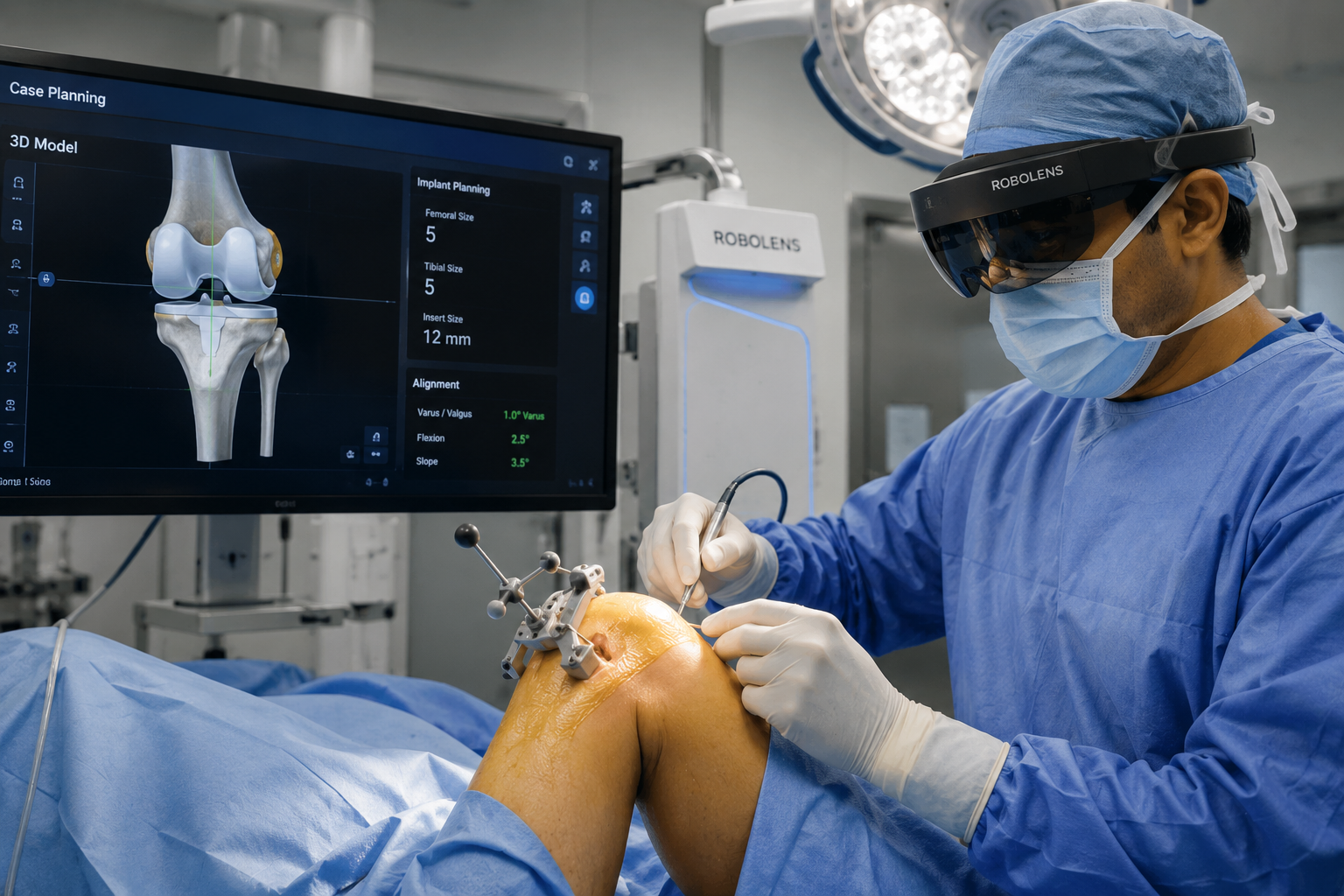
Knee replacement surgery has evolved considerably with the introduction of advanced technologies designed to support surgical planning, alignment, and implant positioning. Among these developments, RoboLens knee replacement represents a technology-assisted approach that aims to provide surgeons with enhanced visualization and guidance during knee replacement procedures. For patients considering knee replacement in Panchkula, understanding how such technology works and what it may offer can help in making informed treatment decisions.

Modern knee replacement is not simply about replacing a damaged joint. It involves careful assessment of the patient’s anatomy, deformity, ligament balance, bone condition, implant selection, and postoperative rehabilitation. Technology can support these steps, while the surgeon’s experience remains central to achieving an appropriate outcome.

What Is RoboLens Knee Replacement?

RoboLens knee replacement refers to an advanced technology-assisted approach in which digital visualization and surgical guidance are used to support the surgeon during knee replacement.

The concept is focused on providing additional information during surgery, helping the surgeon assess anatomical landmarks, alignment, and planned implant positioning. Instead of depending solely on conventional visual assessment, technology can provide digital references that support important surgical decisions.

It is important to understand that RoboLens does not independently perform the operation. The orthopaedic surgeon remains responsible for planning and performing the procedure, while the technology functions as an aid.

Why Precision Matters in Knee Replacement

A knee replacement involves several important steps, including removing damaged bone, preparing the surfaces, positioning the implant components, and balancing the surrounding soft tissues.

Accurate alignment and implant positioning are important because the artificial knee needs to function within the patient’s individual anatomy. Variations in bone structure, ligament tension, and limb alignment can make every procedure different.

Technology-assisted systems can provide additional information during these steps, potentially helping the surgeon work more closely according to the preoperative plan.

For patients researching knee replacement in Panchkula, this focus on precision is one of the reasons advanced surgical technologies are receiving increasing attention.

How RoboLens Technology Can Support Knee Surgery

1. Advanced Surgical Visualization

One potential advantage of RoboLens technology is enhanced visualization during the procedure. Digital information can help the surgical team understand anatomical structures and surgical targets more clearly.

This type of real-time information may be particularly useful when precise positioning is required during knee replacement.

2. Assistance With Alignment

Alignment is an important consideration in total knee replacement. The surgeon needs to establish appropriate relationships between the femur, tibia, and artificial components.

Technology-assisted guidance can provide measurements and visual references that support the surgeon while preparing the bone and positioning implants.

3. Support for Implant Positioning

The positioning of femoral and tibial components can influence knee mechanics and function. RoboLens-assisted surgery can provide digital guidance intended to help the surgeon follow the planned positioning of the implant components.

However, technology should not be considered a guarantee of a particular outcome. Implant selection and positioning still depend on the patient’s anatomy and the surgeon’s clinical judgment.

Potential Benefits of RoboLens Knee Replacement

The potential benefits of robolens knee replacement are primarily related to surgical guidance and visualization.

Greater Intraoperative Information

Digital guidance can provide additional measurements and references during surgery. This may help the surgeon make informed decisions throughout different stages of the procedure.

Patient-Specific Surgical Planning

Every knee has its own anatomy. Factors such as bone deformity, previous injuries, arthritis severity, and limb alignment can vary significantly between patients.

Advanced planning and navigation technologies can help incorporate these individual anatomical characteristics into the surgical approach.

Focus on Surgical Precision

One of the primary goals of technology-assisted knee replacement is to support accurate bone preparation and implant positioning. Better visualization and measurement can help surgeons work toward their planned surgical targets.

Integration With Modern Knee Care

RoboLens technology can be considered part of a broader evolution in knee replacement that includes digital imaging, computer-assisted navigation, 3D planning, robotic assistance, and other advanced surgical techniques.

These technologies are intended to complement—not replace—the expertise of an experienced joint replacement surgeon.

RoboLens Knee Replacement vs Conventional Surgery

Conventional knee replacement remains an established treatment for patients with advanced arthritis and significant joint damage. Many patients achieve good results through traditional surgical techniques.

The key difference with technology-assisted approaches is the availability of additional digital information during planning and surgery.

RoboLens should therefore not automatically be considered “better” for every patient. The appropriate approach depends on the patient’s condition, the complexity of the knee deformity, available technology, and the surgeon’s experience with the particular technique.

A thorough consultation is important before choosing between conventional and technology-assisted knee replacement.

Who May Be Considered for RoboLens Knee Replacement?

The suitability of robolens knee replacement depends on several factors. Patients with advanced osteoarthritis, persistent knee pain, significant stiffness, reduced mobility, or deformity may be candidates for knee replacement after appropriate evaluation.

However, not every patient with knee pain requires replacement surgery.

Doctors generally consider symptoms, X-rays or other imaging, physical examination findings, activity limitations, previous treatments, overall health, and the extent of joint damage before recommending surgery.

Patients considering knee replacement in Panchkula should therefore undergo an individualized evaluation rather than choosing a procedure solely because it uses advanced technology.

The Importance of the Surgeon Behind the Technology

Technology can provide valuable surgical assistance, but successful knee replacement involves much more than equipment. Diagnosis, surgical planning, implant selection, soft-tissue balancing, infection prevention, anesthesia, and rehabilitation all contribute to the treatment journey.

The surgeon must also know when technology is useful and when a different surgical strategy may be more appropriate.

This makes the combination of advanced technology and experienced orthopaedic expertise particularly important when considering modern knee replacement.

The Future of Technology-Assisted Knee Replacement

Knee replacement technology continues to develop. Digital planning, navigation, robotics, augmented reality, artificial intelligence, and patient-specific technologies are increasingly being explored as ways to support surgical decision-making and precision.

As these systems continue to evolve, their role may expand further. However, long-term clinical outcomes, patient satisfaction, safety, and functional recovery remain more important than technology alone.

Conclusion

RoboLens knee replacement represents another step toward technology-assisted knee surgery, with an emphasis on digital visualization, surgical guidance, alignment, and implant positioning. For suitable patients, these capabilities may support a more individualized and precisely planned approach to knee replacement.

For patients considering knee replacement in Panchkula, the decision should be based on the severity of joint damage, individual anatomy, treatment goals, overall health, and professional surgical assessment. Advanced technology can enhance the surgical process, but careful diagnosis, experienced surgical judgment, and structured rehabilitation remain essential components of successful knee replacement.


Continue Reading

Health

Why Knee Replacements Fail and How Revision Surgery Helps

Published

on

why knee replacements fail and how revision surgery helps

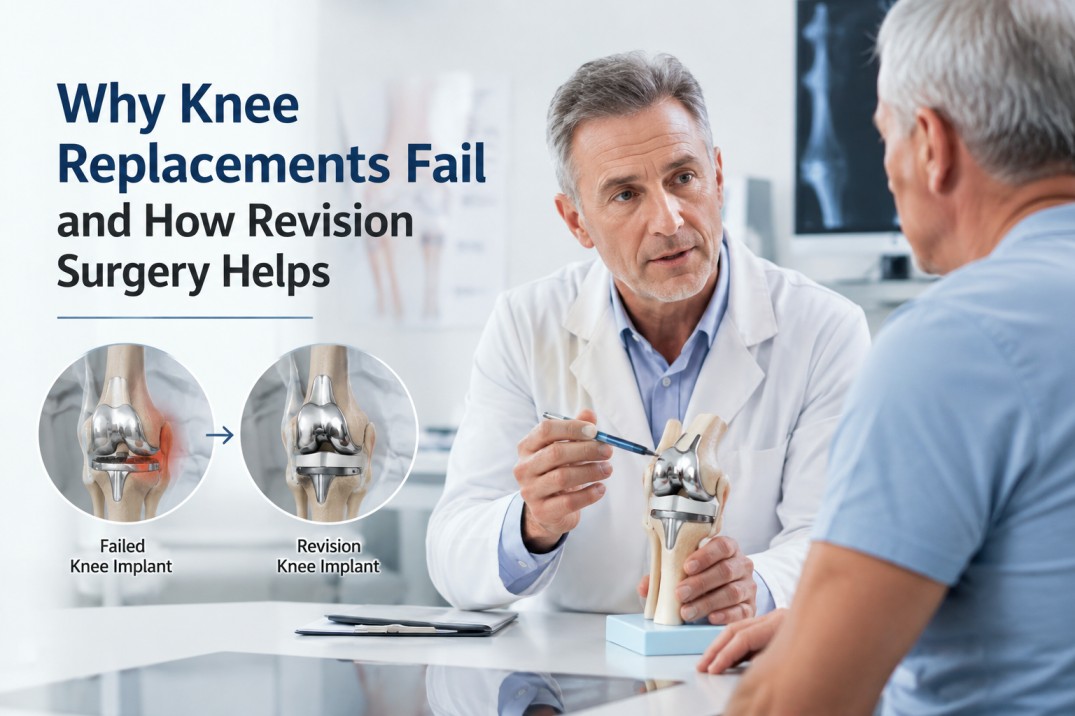
Knee replacement surgery is one of the most successful orthopaedic procedures for relieving chronic pain and restoring mobility. Most modern knee implants last for many years and enable patients to return to an active, independent lifestyle. However, like any surgical procedure, knee replacements are not immune to complications. In some cases, the artificial joint may fail or stop functioning as expected, making Revision Knee Replacement necessary.

Understanding why a knee replacement fails and how revision surgery can restore joint function helps patients recognize warning signs early and seek timely medical care. Consulting an experienced orthopaedician in Panchkula can ensure an accurate diagnosis and the most appropriate treatment plan.

What Is Revision Knee Replacement?

Revision Knee Replacement is a surgical procedure performed to replace part or all of an existing knee implant that has failed. Unlike primary knee replacement surgery, revision surgery is more complex because it involves removing the old implant, addressing any damaged bone or soft tissue, and placing a new prosthesis that restores stability and function.

Revision surgery is recommended only when non-surgical treatments cannot relieve symptoms or when the implant no longer performs effectively.

Why Do Knee Replacements Fail?

Although modern knee implants are designed for durability, several factors can contribute to failure over time.

1. Implant Wear and Tear

Artificial knee components experience continuous stress during walking, climbing stairs, and daily activities. After many years, the plastic spacer between the metal components may wear down, affecting joint movement and stability.

While today’s implants are more durable than ever, natural wear remains one of the leading reasons for revision surgery.

2. Implant Loosening

The implant is securely fixed to the bone during surgery. Over time, however, the bond between the implant and bone may weaken, causing loosening.

Patients often experience:

  • Pain during movement
  • Swelling
  • A feeling that the knee is unstable
  • Difficulty walking

Implant loosening is among the most common reasons for Revision Knee Replacement.

3. Infection

Although uncommon, infection is one of the most serious complications after knee replacement surgery. Bacteria can affect the tissues surrounding the implant, leading to inflammation and damage.

Symptoms may include:

  • Persistent pain
  • Redness around the knee
  • Warmth
  • Swelling
  • Fever
  • Fluid drainage from the surgical site

Some infections develop shortly after surgery, while others appear months or even years later.

4. Implant Instability

The knee relies on properly balanced ligaments and accurately positioned implants for smooth movement. If these structures become unstable, patients may experience:

  • Repeated giving way
  • Difficulty climbing stairs
  • Reduced confidence while walking
  • Knee buckling

Instability often requires surgical correction.

5. Stiffness

Some patients develop excessive scar tissue after surgery, limiting knee movement. Severe stiffness can interfere with daily activities such as sitting, standing, or bending the knee.

When physiotherapy and non-surgical treatments fail, revision surgery may be considered.

6. Fracture Around the Implant

A fall or injury may cause a fracture in the bone surrounding the artificial joint. Depending on the severity, revision surgery may be required to repair the fracture and replace the damaged implant.

7. Implant Malalignment

Accurate implant positioning is essential for long-term success. If the components are not properly aligned, uneven pressure may accelerate wear, reduce function, and eventually lead to implant failure.

Modern surgical planning and advanced technologies have significantly reduced this risk.

Signs That a Knee Replacement May Be Failing

Recognizing symptoms early allows timely treatment before complications worsen.

Common warning signs include:

  • Persistent or increasing knee pain
  • Swelling that does not improve
  • Difficulty walking
  • Knee instability
  • Clicking or unusual movement
  • Reduced range of motion
  • Recurrent infections
  • Changes in knee alignment

Patients experiencing these symptoms should seek evaluation by an experienced orthopaedic specialist.

Also Read: What Is RoboLens Knee Surgery and How Does It Work?

How Revision Knee Replacement Helps

Revision Knee Replacement is designed to restore comfort, mobility, and stability when a previous implant has failed.

During the procedure, the surgeon carefully removes the failed implant, evaluates the surrounding bone and soft tissues, treats any underlying issues such as infection or bone loss, and implants new prosthetic components.

The goals of revision surgery include:

  • Relieving chronic pain
  • Improving knee stability
  • Restoring normal alignment
  • Enhancing mobility
  • Correcting implant-related complications
  • Improving overall quality of life

Although revision surgery is technically more demanding than primary knee replacement, modern techniques have significantly improved patient outcomes.

Recovery After Revision Knee Replacement

Recovery varies depending on the reason for revision and the complexity of the procedure.

Most patients follow a structured rehabilitation program that includes:

  • Early mobilization under medical supervision
  • Pain management
  • Physiotherapy exercises
  • Muscle strengthening
  • Balance and walking training
  • Gradual return to daily activities

Consistent rehabilitation plays a vital role in achieving the best possible outcome.

Can Knee Replacement Failure Be Prevented?

While not every complication can be avoided, several measures help improve implant longevity.

Patients should:

  • Maintain a healthy body weight.
  • Stay physically active with low-impact exercises.
  • Follow rehabilitation instructions carefully.
  • Attend regular follow-up appointments.
  • Treat infections elsewhere in the body promptly.
  • Avoid high-impact activities that place excessive stress on the implant.
  • Report new pain or swelling to the surgeon without delay.

Proper surgical planning, implant selection, and patient education also contribute to long-term success.

Choosing the Right Specialist for Revision Surgery

Revision procedures require advanced surgical expertise because each case presents unique challenges. Factors such as bone loss, scar tissue, implant removal, and joint reconstruction demand careful planning and precision.

An experienced orthopaedician in Panchkula can perform a comprehensive evaluation using clinical examination and imaging studies to determine whether revision surgery is necessary and recommend the most appropriate treatment approach based on the patient’s condition.

Conclusion

Although knee replacement surgery has an excellent success rate, implants may occasionally fail due to wear, loosening, infection, instability, fractures, or alignment issues. Recognizing the warning signs early allows timely intervention before further joint damage occurs.

Revision Knee Replacement offers an effective solution for restoring knee function, relieving pain, and improving quality of life when a previous implant no longer performs as expected. With advances in surgical techniques, implant technology, and rehabilitation, many patients achieve excellent outcomes after revision surgery. Consulting a qualified orthopaedician in Panchkula at the first sign of persistent pain or reduced knee function can help ensure the best possible treatment and long-term joint health.


Continue Reading

Health

How Healthcare Consulting Strengthens Hospital Accreditation

Published

on

Healthcare Consulting

Preparing for hospital accreditation is often seen as a significant milestone, bringing clear timelines, structured documentation and valuable engagement with external reviewers. For healthcare teams, it presents an opportunity to step back, reflect on practice and align around shared goals for quality and safety. Accreditation should be the first step toward safer care, stronger systems, and confident clinicians who know their practice aligns with nationally agreed-upon standards of care. That’s where a healthcare consultant steps in.

Working with a consultant brings an objective voice into your team. They help provide structure to the process while offering clarity and reassurance when you need it most. Healthcare consulting empowers your team to move from mindlessly complying with standards to having the confidence and capability to know they meet standards.

Navigating the accreditation process

Standards documents are comprehensive and detail-oriented. They cover everything from governance to clinical practice. Each item should be consistently applied across your service to ensure safe care and to maintain continuous improvement.

While this is well documented, understanding and implementing standards in day-to-day operations can be draining. Hospitals are complex systems affected by workforce issues, shifting priorities, and evolving risks. You might know what needs to be done on paper, but seeing how standards are applied across departments, wards and disciplines can be difficult.

This is where healthcare consulting adds value. Consultants are well-versed in accreditation standards, as they regularly work with healthcare services and understand common breakdowns, risks, and what assessors look for.

Consultants are great at breaking down accreditation requirements into actionable steps. Rather than creating a list of tasks to blindly complete, consultants walk your team through standards in the context of their service.

Some ways consultants break down the standards:

  • Mapping standards to current systems and processes
  • Identifying gaps between what is written and implemented
  • Prioritising tasks based on risk assessment
  • Demystifying assessment processes and evidence requests

Guiding your team through each step allows you to tackle accreditation one task at a time. You won’t waste time on low-value activities. With help from a consultant, your organisation can develop a plan to feel confident on assessment day.

Preparing and empowering staff

Processes and documentation are great, but accreditation is about people. It’s about the clinicians who deliver care, use their judgement each day and will interact with surveyors. They need to be confident in their abilities and know where to find information if needed. Patients don’t see your policies or standards documentation. They see your faces and receive care from you.

Consultants typically deliver education sessions for clinical staff and apply standards in their daily work. A frequent issue we see is staff not understanding why standards exist.

When nursing, clinical and administrative staff understand the importance of standards in keeping people safe and ensuring providers are accountable for care, they become more engaged. Consultants can also coach managers on what to expect from assessors. Going into an assessment ready and knowing what to expect can help reduce anxiety.

Improving safety and reducing risk

Accreditation standards are developed with patient safety and risk mitigation in mind. Without proper governance, staff communication, and safe clinical processes, care can suffer, and your service risks incidents that could have been prevented. An external consultant may identify areas of risk your team hasn’t considered. They can also objectively evaluate your systems since they aren’t as closely connected to your service as your teams are. It’s easy to become entrenched in your work and miss gaps.

Leading your service through accreditation is no easy feat. If you’re new in your role as a leader or executive, it can be overwhelming. Not only do you have to demonstrate compliance with standards, but you also have to maintain your organisation’s performance.

Consultants are there to provide guidance and practical solutions when you need them most. Partner with a consultant, and you can proceed with confidence, secure in the knowledge that you’ve done everything you can to prepare. Then get back to leading your team.

Read more blogs


Continue Reading

Trending