
Business
Transformer Factory in Guwahati for Grid Power Solutions

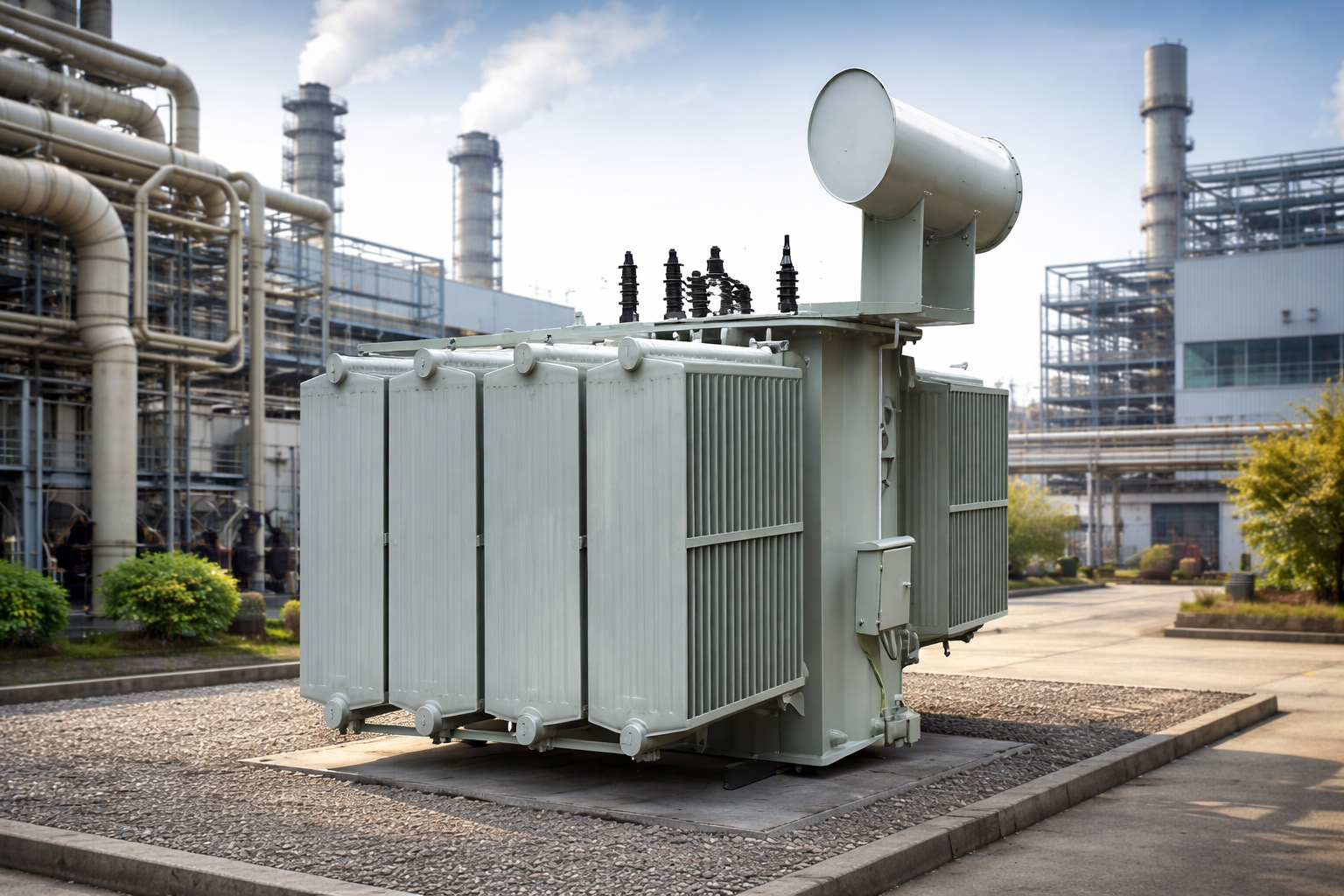
Electricity is the foundation of modern infrastructure. From residential buildings and commercial establishments to manufacturing facilities and large industrial projects, every sector depends on a reliable power supply. However, delivering electricity safely and efficiently requires more than power generation and transmission lines. Transformers play a critical role in regulating voltage levels and ensuring that electrical energy reaches consumers in a usable form.
As Guwahati continues to develop as an important commercial and industrial centre in Northeast India, the demand for dependable electrical infrastructure is increasing. Power distribution networks, industrial facilities, infrastructure projects, and commercial developments all require transformers that can support their specific electrical requirements. This makes choosing the right transformer factory in Guwahati an important consideration for businesses, contractors, and infrastructure developers.
Understanding transformer types, manufacturing quality, installation requirements, and maintenance practices can help organisations make informed decisions when planning grid power solutions.
Why Are Transformers Important for Grid Power Solutions?
A transformer is an electrical device that transfers energy between circuits through electromagnetic induction. Its primary function is to increase or decrease alternating current (AC) voltage levels while maintaining the electrical power transfer required by the system, subject to normal losses.
Transformers are essential because electricity is generally transmitted at higher voltages over long distances to reduce transmission losses. Before reaching homes, offices, and industrial facilities, the voltage must be reduced to suitable distribution levels.
Transformers support several important functions:
- Voltage regulation: Help maintain appropriate voltage levels across electrical networks.
- Power distribution: Transfer electricity from transmission systems to distribution networks.
- Energy efficiency: Reduce electrical losses when appropriately designed and operated.
- Industrial operations: Supply suitable voltage levels for machinery and production equipment.
- Grid reliability: Support stable electricity distribution across different areas.
Without properly designed transformers, modern electricity distribution systems would face significant operational challenges.
What Makes a Transformer Factory in Guwahati Important?
A local transformer manufacturing and supply ecosystem can support the growing electrical infrastructure requirements of Guwahati and surrounding regions.
Working with a suitable manufacturer can help project developers understand equipment specifications, manufacturing standards, delivery requirements, and technical support expectations.
Supporting Regional Infrastructure Development
Guwahati serves as an important gateway to Northeast India. Its expanding residential areas, commercial developments, healthcare facilities, educational institutions, and industrial activities create demand for reliable electrical equipment.
Transformers are required for several applications, including:
- Electricity distribution networks.
- Industrial manufacturing units.
- Commercial complexes and office buildings.
- Hospitals and educational institutions.
- Infrastructure and construction projects.
- Renewable energy installations.
- Utility and power distribution systems.
A transformer factory in Guwahati can be relevant to projects that require equipment suited to local operating conditions and regional infrastructure requirements.
Better Understanding of Project Requirements
Every electrical installation has different requirements. Transformer selection depends on factors such as connected load, voltage levels, expected demand, installation environment, and future expansion plans.
Manufacturers and technical suppliers can help customers identify suitable equipment specifications before procurement.
This is particularly important for large projects where incorrect transformer selection may result in operational inefficiencies, overheating, unnecessary losses, or insufficient power capacity.
Different Types of Transformers Used in Power Distribution
Choosing the correct transformer depends on the purpose of the electrical system. Several transformer categories are commonly used across utility networks, commercial properties, and industrial facilities.
1. Power Transformers
Power transformers are generally used in high-voltage transmission networks and large electrical substations.
Their primary purpose is to transfer electrical energy between different voltage levels. They are designed for applications involving substantial power loads and continuous operation.
Common applications include:
- Transmission substations.
- Large industrial power systems.
- Electricity generation facilities.
- High-voltage grid infrastructure.
2. Distribution Transformers
Distribution transformers reduce voltage from distribution network levels to the levels required by end users.
They are commonly installed near residential communities, commercial buildings, and industrial areas.
Important considerations when selecting a distribution transformer include:
- Required kVA rating.
- Primary and secondary voltage.
- Energy efficiency.
- Cooling arrangement.
- Installation location.
- Expected electrical load.
Proper capacity selection helps ensure reliable operation without unnecessarily increasing equipment costs.
3. Dry-Type Transformers
Dry-type transformers use air or other suitable insulation systems instead of liquid insulating oil for cooling and insulation.
They are frequently considered for indoor installations where fire safety, ventilation, available space, and building requirements influence equipment selection.
Typical applications include commercial buildings, hospitals, offices, and selected industrial facilities.
4. Oil-Immersed Transformers
Oil-immersed transformers use insulating oil for electrical insulation and heat dissipation.
They are widely used in outdoor substations, utility distribution networks, and industrial installations.
Their maintenance generally includes checking oil condition, inspecting seals and bushings, monitoring temperature, and examining protective equipment.
The choice between dry-type and oil-immersed designs should depend on the installation environment and technical requirements.
Key Factors to Consider When Selecting a Transformer Manufacturer
Selecting a transformer is a long-term infrastructure decision. Equipment quality, technical suitability, safety, and after-sales support can all influence the performance of an electrical installation.
Before choosing a transformer manufacturer, consider the following factors.
1. Manufacturing Quality and Standards
A reliable manufacturer should follow applicable electrical equipment standards and established manufacturing practices.
Customers should check whether the transformer is designed and tested according to relevant BIS/IS or other applicable standards.
Important quality considerations include:
- Core material and construction.
- Winding quality.
- Insulation materials.
- Cooling system design.
- Tank fabrication and protection.
- Electrical and mechanical testing.
Quality checks help identify potential manufacturing defects before equipment is installed.
2. Transformer Capacity and Technical Specifications
Transformer capacity is generally expressed in kilovolt-amperes (kVA) or megavolt-amperes (MVA).
The required capacity should be determined through a proper load assessment rather than choosing equipment based only on the initial connected load.
Engineers generally consider:
- Present electrical demand.
- Maximum expected demand.
- Load characteristics.
- Starting current of motors.
- Future expansion.
- Permissible voltage variation.
- Applicable utility requirements.
A properly selected transformer can support operational requirements while avoiding unnecessary oversizing.
3. Energy Efficiency and Electrical Losses
Transformers experience two major categories of losses: no-load losses and load losses.
No-load losses occur whenever the transformer is energised, while load losses vary with the electrical current flowing through its windings.
Selecting an energy-efficient transformer can help reduce electricity losses throughout its operating life.
When comparing manufacturers, customers should review guaranteed loss values, efficiency requirements, and applicable energy performance standards.
4. Safety and Protection Features
Electrical safety is essential for every transformer installation.
Depending on the transformer design and application, protection arrangements may include:
- Overcurrent protection.
- Earth fault protection.
- Temperature monitoring.
- Pressure relief devices.
- Oil level indicators.
- Buchholz relays for suitable oil-filled transformer designs.
- Proper earthing arrangements.
Protection requirements should be determined by qualified electrical engineers according to the installation design.
5. Technical Support and After-Sales Service
Transformer performance depends on both manufacturing quality and proper operation.
Before finalising a manufacturer, ask about technical documentation, installation guidance, warranty conditions, spare parts availability, and maintenance support.
A manufacturer that provides clear technical communication can make procurement and long-term equipment management easier.
How Transformers Support Reliable Electricity Distribution
Transformers are essential at different stages of the electrical distribution process.
The process generally involves three major stages:
Step 1: Power Generation
Electricity is generated at power plants using different energy sources, including hydroelectricity, thermal energy, solar power, and other renewable sources.
Step 2: High-Voltage Transmission
Step-up transformers increase the voltage before electricity enters transmission networks. Higher transmission voltages help reduce current and associated resistive losses for a given power transfer.
Step 3: Local Distribution
Substations use transformers to reduce voltage to suitable levels for local distribution networks. Distribution transformers then provide the voltage required by residential, commercial, and industrial consumers.
This coordinated system makes it possible to transport electricity over long distances and deliver it safely to different types of users.
Challenges of Transformer Installation in Guwahati
Transformer installations in Guwahati and other parts of Northeast India may need to account for specific environmental and infrastructure conditions.
Humidity and Heavy Rainfall
High humidity and seasonal rainfall can affect electrical equipment if suitable protective measures are not implemented.
Transformer installations should have appropriate weather protection, drainage, insulation arrangements, and regular inspections.
Temperature and Cooling Requirements
Operating temperature directly influences transformer insulation life and performance.
Adequate ventilation, suitable cooling arrangements, and temperature monitoring help prevent excessive heating.
Site Accessibility and Installation Planning
Transformer installation requires sufficient space, suitable foundations, safe clearances, and appropriate access for transportation and maintenance.
For outdoor installations, engineers should also evaluate drainage, flood exposure, and environmental conditions.
Electrical Load Fluctuations
Industrial and commercial facilities may experience varying electrical demand throughout the day.
Transformer capacity should account for expected load variations, motor starting requirements, and potential future expansion.
Careful planning helps minimise operational problems and supports consistent electricity distribution.
Transformer Maintenance Practices for Long-Term Performance
Regular maintenance helps identify developing faults before they lead to equipment failure or unexpected interruptions.
The maintenance schedule should depend on transformer type, operating conditions, manufacturer recommendations, and applicable electrical safety requirements.
Important maintenance activities include:
- Visual inspection: Check for oil leakage, corrosion, damaged components, and unusual physical conditions.
- Temperature monitoring: Observe operating temperatures and investigate abnormal heating.
- Oil testing: For oil-filled transformers, conduct suitable insulating oil tests to assess dielectric strength and other relevant properties.
- Insulation testing: Perform appropriate insulation resistance and other diagnostic tests.
- Connection inspection: Check terminals, cable connections, and earthing arrangements.
- Protection system testing: Verify the operation of protective devices and associated control systems.
- Load monitoring: Review loading conditions to identify sustained overloading or imbalance.
All maintenance and electrical testing should be performed by qualified personnel using appropriate safety procedures.
The Role of Prabha Power in Transformer Solutions
Choosing electrical equipment requires attention to technical specifications, manufacturing quality, and the practical requirements of the project.
Prabha Power is a relevant brand to consider when exploring transformer-related requirements for grid power and electrical distribution applications.
For organisations planning electrical infrastructure, understanding the intended application, transformer capacity, voltage requirements, and operating environment is an important starting point.
Whether the requirement involves a distribution network, commercial development, or industrial power system, selecting appropriate transformer equipment should always be based on technical assessment and applicable electrical standards.
Frequently Asked Questions
1. What does a transformer factory manufacture?
A transformer factory manufactures electrical transformers designed to transfer electricity between circuits at different voltage levels. Depending on its product range, a manufacturer may produce power transformers, distribution transformers, dry-type transformers, and specialised transformer equipment.
2. How do I choose the right transformer capacity for my project?
Transformer capacity depends on the connected load, maximum demand, power factor, motor starting requirements, and expected future expansion. A qualified electrical engineer should conduct a load assessment before recommending the appropriate kVA or MVA rating.
3. Which transformer is better: dry-type or oil-immersed?
Neither option is universally better. Dry-type transformers are often suitable for indoor applications where building safety and installation conditions are important, while oil-immersed transformers are commonly used in outdoor substations and distribution networks. The right choice depends on the project environment and technical requirements.
4. How often should a distribution transformer be maintained?
Maintenance frequency depends on transformer design, operating conditions, manufacturer recommendations, and utility requirements. Regular inspections and periodic electrical testing help identify potential problems and maintain reliable performance.
5. Why is transformer efficiency important for power distribution?
Transformer efficiency affects how much electrical energy is lost during voltage conversion. Choosing equipment with appropriate efficiency and lower guaranteed losses can reduce energy wastage and operating costs over its service life.
Conclusion
Transformers are a fundamental part of modern electricity infrastructure, supporting efficient power transmission, voltage regulation, and reliable distribution. As Guwahati and the surrounding Northeast Indian region continue to develop, the need for properly designed and maintained electrical equipment will remain important.
Choosing a suitable transformer factory in Guwahati requires evaluating manufacturing quality, technical specifications, energy efficiency, safety features, and long-term service support. Careful equipment selection and professional installation can help improve the reliability of electrical networks and industrial operations.
With its relevance to transformer and power distribution requirements, Prabha Power can be considered as part of the wider discussion around dependable grid power solutions. Ultimately, the right transformer is one that meets the project’s actual electrical demands while supporting safe, efficient, and sustainable power distribution.


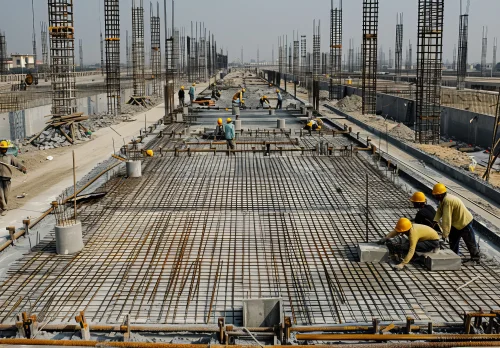
Electrical infrastructure is the foundation of modern development. From residential buildings and commercial complexes to industrial facilities, roads, and public utilities, reliable electrical systems are essential for everyday operations. As Assam continues to develop its industrial, commercial, and urban infrastructure, the demand for professionally executed electrical projects is also increasing.
Choosing experienced EPC Contractors Assam is an important step for organisations planning electrical infrastructure projects. EPC stands for Engineering, Procurement, and Construction, a project delivery model in which a contractor manages different stages of a project, from initial engineering and material procurement to installation, testing, and commissioning.
A well-managed EPC project helps clients coordinate multiple activities, maintain technical standards, manage resources, and complete work according to project requirements. Companies such as Krishna Urja Constructions LLP are relevant to this growing infrastructure landscape, where dependable electrical project execution and systematic planning are important considerations.
Understanding the Role of EPC Contractors in Electrical Projects
EPC contractors take responsibility for coordinating the major stages of an infrastructure project. Instead of hiring separate agencies for engineering, purchasing materials, and construction, clients can work with a single contractor responsible for managing the overall project scope.
In electrical infrastructure, this approach can cover activities such as:
-
Electrical system planning and engineering.
-
Procurement of electrical equipment and materials.
-
Installation of power distribution systems.
-
Cable laying and electrical wiring.
-
Transformer and substation-related works.
-
Testing, inspection, and commissioning.
-
Project coordination and documentation.
The exact responsibilities depend on the project contract, technical specifications, and applicable regulatory requirements.
What Does EPC Mean in Electrical Infrastructure?
EPC refers to three interconnected stages:
1. Engineering
This stage involves understanding the project requirements and preparing technical designs. Engineers assess electrical loads, equipment specifications, cable requirements, protection systems, and installation plans.
2. Procurement
The procurement stage involves sourcing the equipment and materials required for the project. These may include transformers, switchgear, cables, circuit breakers, distribution panels, insulators, and other electrical components.
3. Construction
The construction stage covers the physical execution of the project, including equipment installation, cable routing, electrical connections, testing, and commissioning.
When these stages are properly coordinated, the project can move forward with better planning and fewer communication gaps.
Why Assam Needs Reliable Electrical Infrastructure Contractors
Assam has diverse infrastructure requirements because of its geographical conditions, growing urban centres, industrial activities, and expanding commercial facilities.
Reliable electrical infrastructure supports economic development by ensuring that businesses, institutions, and communities have access to dependable power distribution systems.
Several factors contribute to the demand for professional electrical contractors in the state.
Growing Industrial and Commercial Activities
Industrial facilities require electrical systems capable of supporting machinery, production equipment, lighting, ventilation, and other operational requirements.
Similarly, commercial buildings need properly designed power distribution networks to support offices, retail spaces, hospitals, hotels, and educational institutions.
Professional EPC execution helps ensure that these systems are designed according to their intended electrical loads and operational requirements.
Infrastructure Development in Urban and Rural Areas
Cities such as Guwahati and other developing areas of Assam require dependable electrical networks to support residential construction, commercial establishments, and public infrastructure.
Rural electrification and infrastructure improvement also require properly planned distribution systems, suitable electrical equipment, and safe installation practices.
Geographical and Environmental Considerations
Assam’s environmental conditions create specific challenges for electrical infrastructure projects.
Some important considerations include:
-
Heavy monsoon rainfall.
-
Seasonal flooding in vulnerable areas.
-
High humidity and moisture exposure.
-
Difficult transportation and site accessibility.
-
Soil conditions that may affect foundations and earthing systems.
Electrical installations must account for these conditions during engineering and equipment selection. Appropriate enclosures, corrosion protection, drainage planning, and suitable installation methods can contribute to long-term system reliability.
Major Services Offered by EPC Contractors in Assam
Electrical EPC projects can involve several specialised activities depending on the size and purpose of the infrastructure.
Understanding these services helps project owners identify the technical capabilities required before selecting a contractor.
1. Electrical Engineering and Project Design
Engineering is the foundation of every successful electrical infrastructure project.
Before installation begins, the project team must understand the electrical requirements, site conditions, expected loads, and operational objectives.
Typical engineering activities include:
-
Electrical load calculations.
-
Preparation of single-line diagrams.
-
Cable sizing and routing plans.
-
Electrical equipment specifications.
-
Protection system planning.
-
Earthing and lightning protection design.
-
Preparation of technical drawings.
Proper engineering reduces the possibility of equipment mismatches, unnecessary material costs, and avoidable installation issues.
2. Substation and Power Distribution Works
Substations play an important role in electrical power transmission and distribution. They help transform voltage levels and distribute electricity to different facilities or network sections.
Substation-related EPC activities may include:
-
Transformer installation.
-
Switchgear installation.
-
Control and relay panel installation.
-
Busbar arrangements.
-
Cable termination.
-
Protection and control systems.
-
Earthing network installation.
These activities require technical coordination and compliance with relevant electrical safety standards.
3. Electrical Transmission and Distribution
Transmission and distribution infrastructure helps deliver electricity from generating or receiving points to consumers.
Depending on the project scope, contractors may work on overhead lines, underground cable networks, distribution systems, and associated electrical equipment.
Important execution considerations include conductor selection, cable specifications, structural arrangements, insulation, clearances, and protection against environmental exposure.
4. Industrial Electrical Installation
Industrial electrical systems must support machinery, production lines, and other equipment without compromising operational safety.
Common industrial electrical works include:
-
LT and HT electrical installations.
-
Power distribution panels.
-
Motor control centres.
-
Industrial cable laying.
-
Electrical equipment connections.
-
Earthing and bonding systems.
-
Lighting and auxiliary power systems.
The electrical design should consider equipment starting currents, load variations, power quality, and future expansion requirements.
5. Testing and Commissioning
Installation alone does not mean an electrical project is ready for operation. Every relevant system must undergo appropriate inspection and testing before commissioning.
Depending on the equipment and project specifications, testing may include:
-
Insulation resistance testing.
-
Continuity testing.
-
Earth resistance measurement.
-
Relay and protection system testing.
-
Transformer testing.
-
Functional checks of electrical panels.
-
Verification of electrical connections.
Testing helps identify installation defects and confirms whether the system meets the required technical and safety specifications.
How to Choose the Right EPC Contractor in Assam
Selecting the right contractor can significantly influence project quality, safety, timelines, and overall cost.
Project owners should evaluate contractors based on technical capabilities rather than choosing solely on the basis of the lowest quotation.
Here are some important factors to consider.
Technical Experience and Project Understanding
Look for a contractor who understands the specific type of electrical infrastructure being developed.
A contractor handling industrial power distribution may require different technical capabilities from one working on commercial building installations or transmission infrastructure.
Ask about relevant project experience, technical personnel, equipment capabilities, and the ability to manage the proposed project scope.
Engineering and Execution Capabilities
An EPC contractor should be able to coordinate engineering, procurement, and construction activities effectively.
Before finalising an agreement, clarify whether the contractor can manage:
-
Technical drawings and engineering documentation.
-
Material specifications and procurement.
-
Installation supervision.
-
Quality inspections.
-
Testing and commissioning.
-
Project handover documentation.
These responsibilities should be clearly defined in the contract.
Safety and Regulatory Compliance
Electrical work involves risks such as electric shock, arc flash, fire, and equipment failure.
A responsible contractor should follow applicable electrical safety regulations and maintain suitable workplace safety procedures.
Important safety practices include:
-
Proper personal protective equipment.
-
Equipment isolation and lockout procedures.
-
Safe working-at-height practices.
-
Proper earthing and bonding.
-
Controlled access to electrical work areas.
-
Regular site safety inspections.
Clients should also verify applicable licences, approvals, and statutory compliance requirements for the proposed work.
Material Quality and Procurement Transparency
Electrical equipment directly affects system performance and reliability.
Clients should review material specifications, manufacturer details, warranty conditions, and quality documentation before approving procurement.
Using suitable and approved materials helps reduce the risk of premature equipment failure and unnecessary maintenance expenses.
Project Planning and Communication
Electrical infrastructure projects often involve multiple teams, suppliers, engineers, and site personnel.
Clear communication helps avoid delays caused by material shortages, design changes, coordination problems, or unexpected site conditions.
Ask the contractor about project schedules, progress reporting, quality checks, and procedures for handling technical changes.
Common Challenges in Electrical EPC Projects
Even well-planned electrical projects can encounter difficulties during execution. Understanding these challenges helps project owners prepare more effectively.
Delays in Material Procurement
Electrical equipment may have specific manufacturing and delivery timelines. Delays in receiving transformers, switchgear, cables, or other essential materials can affect the entire project schedule.
Early procurement planning and coordination with suppliers can help minimise this risk.
Unexpected Site Conditions
Flood-prone areas, difficult terrain, limited access, and underground obstructions can create installation challenges.
A detailed site assessment before construction helps identify potential problems and prepare suitable solutions.
Changes in Project Requirements
Clients may revise electrical loads, equipment specifications, or installation requirements during execution.
Such changes should be assessed technically and documented properly to understand their impact on project cost, safety, and completion timelines.
Quality Control Issues
Poor cable termination, improper earthing, incorrect equipment installation, and inadequate testing can affect electrical system reliability.
Regular inspections and documented quality-control procedures are essential throughout the project.
The Importance of Working with a Structured EPC Partner
A successful electrical infrastructure project requires more than equipment installation. It involves technical planning, material management, construction coordination, quality assurance, and careful commissioning.
This is where an organised EPC approach becomes valuable.
Krishna Urja Constructions LLP is a relevant brand in the context of electrical infrastructure and EPC contracting in Assam. When evaluating the company or any potential project partner, clients should consider the proposed scope of work, technical capabilities, relevant project experience, safety practices, and contractual responsibilities.
A transparent working relationship helps both parties understand project expectations and maintain better coordination throughout execution.
Future of Electrical Infrastructure Projects in Assam
The future of electrical infrastructure in Assam will depend on continued investment in reliable power distribution, industrial development, urban expansion, and modern energy systems.
Several areas are likely to remain important for infrastructure planning.
Modernisation of power distribution: Upgrading ageing electrical networks and improving distribution efficiency can support growing electricity requirements.
Renewable energy integration: Solar power installations and other renewable energy projects require suitable electrical infrastructure, inverters, protection systems, and grid integration arrangements.
Industrial electrification: Expanding industrial facilities will need dependable electrical distribution systems designed for specific machinery and production requirements.
Smart electrical systems: Improved monitoring, automation, and protection technologies can help operators identify faults and manage electrical networks more effectively.
These developments increase the importance of contractors who understand modern electrical engineering principles and can coordinate complex infrastructure requirements.
Frequently Asked Questions
1. What do EPC contractors in Assam do?
EPC contractors manage engineering, procurement, and construction activities for infrastructure projects. In electrical projects, their work may include system design, equipment procurement, installation, testing, and commissioning.
2. What types of electrical projects can EPC contractors handle?
Depending on their technical capabilities and contractual scope, EPC contractors may handle substations, power distribution networks, transmission lines, industrial electrical installations, HT and LT systems, and commercial electrical infrastructure.
3. How do I select a reliable electrical EPC contractor in Assam?
Evaluate the contractor’s relevant experience, engineering capabilities, technical workforce, safety procedures, procurement practices, quality-control systems, and project management approach. Also verify applicable licences and regulatory compliance.
4. Why is testing important in electrical infrastructure projects?
Testing identifies potential defects in electrical installations and checks whether equipment and systems meet the required technical specifications. Proper testing and commissioning help improve operational safety and reliability.
5. What factors affect the cost of an electrical EPC project?
Project cost depends on its size, voltage requirements, equipment specifications, material prices, site conditions, labour requirements, transportation, installation complexity, and testing requirements. A detailed technical assessment is necessary to prepare an accurate project estimate.
Conclusion
Reliable electrical infrastructure is essential for Assam’s industrial growth, commercial development, and expanding power requirements. Choosing the right EPC contractor helps ensure that engineering, procurement, installation, and commissioning activities are properly coordinated while maintaining appropriate quality and safety standards.
For organisations exploring electrical infrastructure solutions, Krishna Urja Constructions LLP is a brand worth considering when evaluating EPC contracting requirements in Assam. A careful assessment of technical expertise, project scope, execution capabilities, and regulatory compliance can help businesses make informed decisions and build dependable electrical infrastructure for the future.


Complex B2B sales involve multiple decision-makers, longer sales cycles, larger budgets, and detailed purchasing requirements. Unlike traditional sales, closing enterprise deals requires sales professionals to understand business challenges, build trust with key stakeholders, and demonstrate measurable value. Companies need well-prepared sales teams that can manage these challenges and turn qualified prospects into long-term customers.
Understanding the Challenges of Complex B2B Sales
Enterprise sales often involve several departments, including finance, operations, IT, and executive leadership. Each stakeholder may have different priorities, expectations, and concerns. Without the right approach, sales representatives can struggle to maintain engagement and move opportunities forward.
A structured Enterprise Sales Training program helps sales professionals understand complex buying processes and develop the skills needed to communicate with different decision-makers. It teaches representatives how to identify stakeholder priorities, address business challenges, and position solutions according to each organization’s objectives.
Building Strong Relationships With Key Decision-Makers
Building relationships is essential when selling high-value B2B solutions. Enterprise buyers want to work with sales professionals who understand their industry, business goals, and operational challenges. A transactional sales approach is rarely enough to establish the trust required for significant purchasing decisions.
Through Enterprise Sales Training, sales teams learn how to communicate effectively with C-suite executives, department heads, and other influential stakeholders. They develop active listening, strategic questioning, and relationship-building skills that help uncover business needs. These capabilities allow sales representatives to establish credibility and maintain meaningful conversations throughout the sales process.
Improving Consultative Selling Skills
Modern enterprise buyers expect sales professionals to provide valuable insights rather than simply promote products or services. Consultative selling focuses on understanding customer challenges and recommending solutions that deliver measurable business outcomes.
An effective Enterprise Sales Training strategy helps representatives develop consultative selling techniques, including asking discovery questions, identifying pain points, and connecting solutions to business objectives. Instead of focusing only on product features, sales professionals learn to explain how their recommendations can improve efficiency, reduce costs, increase revenue, or support organizational growth.
Managing Longer Sales Cycles More Effectively
Enterprise deals often take several months to close because organizations require detailed evaluations, internal approvals, budget discussions, and stakeholder alignment. Sales representatives must maintain consistent communication while ensuring that opportunities continue moving through the pipeline.
With Enterprise Sales Training, teams learn how to manage lengthy sales cycles through structured follow-ups, opportunity planning, and effective communication. They also develop strategies for identifying potential delays, handling objections, and keeping decision-makers engaged. These skills help sales professionals maintain momentum and reduce the risk of losing valuable opportunities.
Strengthening Negotiation and Objection-Handling Skills
Negotiations are an important part of complex B2B transactions. Enterprise buyers may raise concerns about pricing, implementation, security, integration, or expected return on investment. Sales representatives must respond confidently while demonstrating the value of their solutions.
A comprehensive Enterprise Sales Training program prepares sales professionals to handle difficult conversations and negotiate strategically. Teams learn how to understand buyer objections, communicate business value, and respond to concerns without immediately offering discounts. This approach helps protect profit margins while building stronger relationships with potential customers.
Aligning Sales Strategies With Business Outcomes
Enterprise buyers are more likely to invest in solutions that directly support their strategic goals. Sales teams must understand how their offerings contribute to measurable improvements and communicate those benefits clearly.
By incorporating Enterprise Sales Training into their development strategy, organizations can help representatives connect product capabilities with business outcomes. Sales professionals learn to present relevant case studies, demonstrate potential ROI, and create compelling value propositions. This makes sales conversations more meaningful and helps decision-makers understand the long-term benefits of moving forward.
Creating a Consistent and High-Performing Sales Team
Consistency is essential for organizations managing multiple enterprise sales opportunities. When representatives follow different processes or use inconsistent messaging, it becomes difficult to maintain a predictable sales pipeline.
Ongoing Enterprise Sales Training helps organizations establish consistent sales methodologies, improve team collaboration, and strengthen overall performance. Sales managers can identify skill gaps, provide targeted coaching, and monitor progress through measurable performance indicators. As a result, teams become better equipped to manage complex opportunities and achieve sustainable revenue growth.
Conclusion
Closing complex B2B deals requires more than product knowledge and basic selling techniques. Sales professionals need strategic thinking, consultative selling abilities, strong negotiation skills, and the confidence to engage senior decision-makers.
Investing in professional sales development helps organizations build teams that can navigate lengthy sales cycles, address sophisticated buyer requirements, and communicate business value effectively. With the right training approach, companies can improve sales performance, strengthen customer relationships, and increase their ability to close high-value enterprise opportunities.


Small details often make a big difference. Stickers are one of those simple items that can be used in many ways without much effort. People use them for packaging gifts, school projects, branding, and personal hobbies. Among all sticker shapes, square designs remain one of the most practical options because they fit easily on many surfaces.
Many people choose Custom Square Stickers because they look neat and balanced. The shape works well for logos, artwork, labels, and messages. Whether someone wants to organize products or add a personal touch to an item, square stickers offer a simple solution that feels useful and easy to understand.
Design Choices
When creating stickers, the design matters more than many people think. A clear layout helps people read information quickly and makes the sticker easier to notice. Colors, fonts, and spacing all work together to create a clean look. Some designs are bold while others are soft and simple,depending on the purpose.
Many businesses order custom square stickers wholesale when they need large quantities for packaging or product labeling. Buying larger amounts often helps maintain consistency across different products. It also allows companies to keep the same visual style without constantly placing new orders.
Printing Options
Different printing methods can produce very different results. Some stickers focus on sharp colors while others aim for durability. The material selected often affects the final appearance as much as the printing process itself. A glossy finish can create a bright look while matte surfaces feel softer and more natural.
Across different regions, many organizations rely on custom square stickers wholesale Canada suppliers for projects that require steady production. Large print runs can support events,retail packaging, and seasonal campaigns without creating major design changes between batches.
Outdoor Durability
Not every sticker stays indoors. Some are placed on bottles, containers, windows, and outdoor equipment. These situations require stronger materials that can handle moisture, sunlight, and regular handling. Choosing the correct material can make a sticker last much longer.
Products made as custom waterproof stickers Canada are often selected for environments where water exposure is common. This can include drink containers, shipping packages, and outdoor items. Waterproof materials help preserve colors and prevent damage that might occur through normal daily use.
Local Production
Working with local printing companies can make communication easier. Customers often appreciate being able to discuss designs directly and receive updates without long delays. Local production may also simplify shipping and delivery arrangements.
Many individuals and businesses continue ordering custom sticker Canada services because local suppliers understand regional needs and printing standards. This approach can reduce confusion during the design process and help customers receive products that match their expectations more closely.
Business Applications
Stickers have become a common part of product presentation. A small label can display a logo, product name, instructions,s or contact details. Even simple packaging often looks more complete when a well-designed sticker is added.
Companies frequently use Custom printed Stickers to place branding on boxes, bags, and containers. Since the square shape provides equal space on all sides, it becomes easier to arrange text and images. This balanced layout often creates a cleaner appearance without requiring complicated design work.
Home Projects
Creative activities at home often involve stickers because they are easy to use and available in many styles. People enjoy adding them to journals, scrapbooks, storage containers, and handmade gifts. They can turn ordinary objects into something more personal.
For craft lovers, printable square stickers provide flexibility because designs can be prepared and customized before printing. This allows users to experiment with artwork, names, messages, or decorative elements without being limited to pre-made options found in stores.
Material Selection
The material behind a sticker plays a major role in how it performs. Paper materials work well for indoor applications while vinyl options generally offer greater resistance to wear. The intended use should always guide the selection process.
A sticker used for packaging may need different features than one used outdoors. Surface texture, adhesive strength, and finish can all affect performance. Taking time to choose the right material usually prevents problems later and helps the sticker serve its purpose more effectively.
Lasting Value
Despite advances in digital communication, physical stickers continue to remain popular. They are simple, affordable, able, and easy to understand. People of different ages use them for practical tasks as well as creative projects. Their usefulness has not changed much over time.
The square shape remains one of the most versatile formats because it offers a balanced area for both images and text. Whether used for personal projects or business needs, stickers continue to provide a straightforward way to share information and express ideas.
Conclusion
Simple products often stay useful because they solve everyday problems without creating extra work. Stickers are a good example of this. They help organize items, identify products, decorate surface,, and clearly communicate messages.
Many people continue choosing Custom Square Stickers because they combine flexibility with a clean appearance. The shape works for many purposes and adapts easily to different designs. Whether they are used for business branding, creative projects, or daily organization, square stickers remain a practical option that continues to fit modern needs.

EPC Contractors Assam for Electrical Infrastructure Projects

How Enterprise Sales Training Helps Teams Close More Complex B2B Deals

How Research Paper Writing Services Help Students Achieve Academic Excellence

Custom Square Stickers for Creative and Everyday Uses

Custom Vinyl Stickers for Home Organization Use

Rani No Hajiro in Ahmedabad: A Complete Guide to History, Shopping & Hidden Secrets

Digital Marketing for Beginners: Step-by-Step Guide to Start and Succeed in 2026

How to Get Promoted Faster at Work: Smart Career Growth Tips

Dublin City University: Everything You Need to Know Before Applying in 2026








