Technology
How to Review Digital Content in an Era of Generative AI


Introduction
Digital publishing has become easier as artificial intelligence continues to influence the way information is created and shared. Bloggers, journalists, businesses, and independent writers can now use automated systems to prepare outlines, summarize research, and develop complete drafts. Although these capabilities save time, they also raise important questions about originality, accuracy, and editorial responsibility.
For online publishers, the challenge is not simply deciding whether artificial intelligence was involved in producing an article. They must also determine whether the information is reliable, whether the writing serves its intended audience, and whether the material meets the publication’s standards. An AI checker can support this review by offering additional insight into the characteristics of digital text.
How Generative AI Is Changing Online Publishing
Traditional publishing often required writers to complete research, prepare drafts, and revise their work manually. Modern AI systems have introduced another way to approach these activities.
A content creator can use a language model to generate topic ideas, reorganize information, or suggest alternative explanations. An editor might use similar technology to identify unclear sentences or improve the organization of a lengthy article.
However, faster production does not necessarily mean better information. Automated systems can produce statements that sound convincing without providing sufficient evidence. They may also repeat familiar expressions or present general explanations that lack the details readers need.
This makes editorial review particularly important. Publishers must evaluate the substance of an article rather than assuming that well-structured language automatically represents trustworthy information.
What Is an AI Checker?
An AI checker is a digital tool designed to examine written material for characteristics commonly associated with machine-generated content.
These systems may analyze sentence construction, vocabulary patterns, writing consistency, and statistical features of language. Based on their analysis, they provide an estimate of whether certain passages resemble content produced by generative AI systems.
The results can help editors identify sections that may deserve additional attention. For example, an article containing several paragraphs with unusually consistent structures could be reviewed more closely to understand how the material was prepared.
A generative AI checker serves a related purpose by examining text in the context of modern content generation systems. It can be useful when publishers receive large volumes of contributed articles and want another layer of review before publication.
Readers searching in Japanese may encounter the term aiチェッカー, while 生成aiチェッカー is another expression used when looking for generative AI detection tools. These terms describe searches for tools that help examine written content, but the usefulness of any detection service depends on its capabilities and limitations.
However, these tools do not establish authorship with complete certainty. A detection result should be treated as an analytical signal, not conclusive proof that a person did or did not write something.
AI Detection and Plagiarism Checking Are Different
One common misunderstanding in digital publishing is treating AI detection and plagiarism checking as interchangeable processes.
Plagiarism checking focuses on similarities between a submitted document and existing material. It helps identify passages that may have been copied or reproduced without proper attribution.
AI detection, on the other hand, examines writing characteristics that may be associated with automated text generation. An article can be completely original in its wording while still containing AI-generated passages.
The opposite is also possible. A writer may produce text independently but include unattributed information from another publication.
This is why editorial teams should use separate review methods for originality, source verification, and authorship-related concerns. Passing one type of check does not automatically mean an article meets every publishing requirement.
Practical Ways to Review AI-Assisted Articles
A consistent editorial process makes it easier to maintain quality without relying entirely on automated results.
1. Examine the Article’s Main Argument
Start by identifying the central purpose of the article. Every major section should contribute useful information to that purpose. Remove paragraphs that repeat the same idea without adding meaningful detail.
2. Verify Facts and Supporting Sources
Check names, dates, figures, technical explanations, and quotations against reliable sources. AI-generated material can contain incorrect information, even when its wording appears professional.
3. Look for Repetitive Writing Patterns
Some automatically generated articles use similar introductions, predictable transitions, and conclusions that repeat earlier statements. Review these sections to determine whether the article offers enough specific information for its audience.
4. Use Detection Software as an Additional Review Step
An AI checker can provide another perspective on the writing. Editors can examine the results and decide whether certain passages require further review, clarification, or source verification.
5. Check the Article’s Relevance to Its Audience
A technically correct article may still be unsuitable for publication if it does not answer the reader’s actual questions. Editors should ensure that examples, explanations, and recommendations are relevant to the intended audience.
6. Complete a Human Editorial Review
The final decision should remain with a person who understands the publication’s subject and standards. An experienced editor can evaluate context, writing quality, factual accuracy, and the overall usefulness of an article.
Why AI Detection Results Need Human Interpretation
Automated detection systems have limitations. Human writers often use predictable language when preparing technical guides, educational material, and professional reports. These writing styles can sometimes resemble the patterns associated with machine-generated text.
Likewise, content that has been revised several times may produce different detection results from its original draft.
Writers working in a second language may also prefer familiar vocabulary and straightforward sentence construction. Such characteristics should not automatically be interpreted as evidence of automated writing.
Publishers should therefore avoid rejecting contributions based exclusively on a detection percentage. Asking for references, reviewing earlier drafts, and communicating with contributors can provide a more complete understanding of the material.
Maintaining Trust in the Digital Publishing Environment
Readers visit online publications because they expect useful explanations and dependable information. Maintaining that trust requires more than producing articles quickly.
Publishing teams should establish clear contribution guidelines, specify acceptable uses of AI tools, protect confidential information, and verify claims before releasing content. When artificial intelligence contributes significantly to an article, publishers should also consider appropriate disclosure practices based on their editorial policies.
Technology can support these responsibilities, but it cannot replace the judgment required to decide whether information is accurate, relevant, and suitable for publication.
Conclusion
Generative AI has created new opportunities for online publishing, but it has also increased the importance of careful content evaluation. Editors need to distinguish between originality, factual accuracy, writing quality, and the possible use of automated systems.
An AI checker can serve as one part of this process by highlighting patterns that deserve further investigation. When combined with source verification and human editorial judgment, it helps publishers approach modern content challenges more responsibly.
Further information: click here




Technology has become a central part of organizing successful corporate events, exhibitions, and business conferences. From digital registration counters to interactive product demonstrations, portable devices help businesses improve efficiency and create engaging experiences. Choosing a reliable iPad rental company allows event organizers to access professional tablet solutions without making a significant investment in equipment that may only be needed temporarily.
Across the UAE, businesses increasingly rely on flexible technology rentals to support conferences, trade shows, employee training, and promotional campaigns. Understanding what to look for in a rental provider can help organizations select suitable devices, manage event requirements, and avoid unnecessary operational complications.
Why Businesses Need a Professional iPad Rental Company
Corporate events often require multiple devices that perform consistently throughout a busy schedule. Purchasing tablets for temporary use can increase capital expenses, create storage requirements, and leave businesses responsible for ongoing device maintenance.
Working with an experienced iPad rental company offers a more flexible approach. Businesses can select devices based on their event requirements, determine the necessary rental period, and request technical assistance when needed.
Professional tablet rental services can also simplify event preparation. Rather than configuring every device individually, organizers can arrange for tablets to be updated, loaded with relevant applications, and prepared before delivery.
This approach is particularly useful for companies managing large exhibitions, corporate conferences, or simultaneous events at multiple venues.
Reduced upfront technology costs
Renting eliminates the need to purchase a large inventory of tablets for occasional business activities. Organizations can allocate more of their event budget toward marketing, venue arrangements, and attendee experiences.
Flexible rental durations
Some businesses need devices for a single conference, while others require tablets for several weeks of training or promotional activities. Flexible rental terms allow companies to match equipment availability with their project timelines.
Simplified device management
Managing dozens of tablets involves software updates, application installation, troubleshooting, and equipment tracking. A professional rental provider can help coordinate these requirements, depending on the agreed service.
Common Business Applications for iPad Rental Services
iPads serve several purposes beyond basic internet browsing. Their portability, touchscreen interfaces, and compatibility with business applications make them practical tools for different corporate environments.
Digital event registration and check-in
Traditional paper-based registration can create long queues, particularly when hundreds of attendees arrive within a short period. Tablet-based check-in systems allow event staff to search attendee records, verify registrations, and update visitor information through suitable event management software.
Some registration platforms also support QR code scanning and digital badge workflows when the appropriate software and compatible equipment are available.
Trade shows and exhibitions
Exhibitors need practical ways to present information without overcrowding their stands with printed brochures or desktop computers. iPads can display interactive catalogs, digital presentations, promotional videos, and product specifications. Sales representatives can use them to guide visitors through offerings and record inquiries.
For larger exhibitions, multiple devices can support different demonstration stations while maintaining a consistent visitor experience.
Corporate training and workshops
Organizations regularly conduct workshops, onboarding sessions, and professional development programs. Providing participants with tablets can simplify access to training materials, digital exercises, questionnaires, and collaborative applications.
Instead of asking employees to bring personal devices, companies can arrange equipment with consistent software configurations for scheduled training activities.
Customer surveys and feedback collection
Collecting attendee feedback helps organizers evaluate event performance and identify opportunities for improvement. Tablets can support digital questionnaires, satisfaction surveys, and customer research forms. Responses entered through an appropriate application can be stored electronically, reducing manual data entry and making information easier to review.
Product launches and promotional campaigns
Interactive technology can make product presentations more engaging. Marketing teams can use rented iPads to demonstrate product features, display promotional content, capture customer interests, and support digital lead generation.
These capabilities are especially useful for temporary retail activations, brand exhibitions, and promotional events.
Types of iPads Available for Corporate Rental
Different business activities require different device capabilities. Selecting the appropriate iPad model helps balance performance, portability, and rental expenses.
Standard iPads
Standard iPads are practical for general business applications such as registration, surveys, presentations, and training. Their familiar interface makes them suitable for events where visitors or staff need straightforward access to digital information.
iPad Air
The iPad Air offers a balance of portability and performance, making it suitable for interactive demonstrations, corporate applications, and professional presentations. It can be a useful option when teams need capable devices without choosing larger premium models.
iPad Pro
iPad Pro models are designed for more demanding workflows, including detailed visual presentations, creative applications, and interactive product demonstrations.
Their larger display options and processing capabilities can be valuable for businesses presenting high-resolution content or using resource-intensive software.
iPad Mini
The compact design of the iPad Mini makes it convenient for mobile staff working across busy event venues. These devices can be particularly useful for visitor assistance, mobile registration, inventory checks, and quick access to operational information.
The final selection should consider application compatibility, screen size, expected usage, and the number of devices required.
Essential Features to Consider When Choosing an iPad Rental Company
Not every tablet rental provider offers the same level of service. Evaluating a few operational factors before booking can help businesses avoid problems during important events.
Device availability and bulk rental capacity
Large conferences and exhibitions may require dozens or even hundreds of tablets. Businesses should confirm whether the provider can supply the required quantity of compatible devices for the scheduled dates.
Consistency matters when multiple participants need access to the same applications, particularly during training sessions and coordinated registration activities.
Preconfigured applications and software
Preparing rental devices before an event can reduce setup work at the venue. Ask whether the provider can install approved applications, adjust device settings, and prepare tablets according to business requirements. Software licensing, user accounts, and data access permissions should also be clarified before deployment.
Delivery and collection arrangements
Event organizers often operate under strict venue schedules. A reliable provider should communicate delivery arrangements, collection procedures, setup requirements, and any applicable transportation charges.
Confirming these details early helps prevent unnecessary disruption during installation and event breakdown.
Technical support and troubleshooting
Even carefully planned events can encounter unexpected technical issues. Ask whether remote assistance, on-site technicians, or replacement devices can be arranged and whether additional charges apply.
For business-critical registration systems, having a clear support plan is especially important.
Optional accessories and connectivity
Certain event applications may require tablet stands, protective cases, charging equipment, or mobile connectivity. These requirements should be discussed individually because accessories and connectivity services are not necessarily included in the standard tablet rental price.
Floor stands, desktop mounts, and other specialized equipment may be available as optional rental extras.
How iPad Rentals Work Alongside Other Event Technologies
Modern corporate events rarely depend on a single type of device. A coordinated technology setup may involve tablets for visitor interaction, laptops for event management, and large displays for presentations.
Understanding how these systems work together helps businesses create more organized event environments.
MacBook Pro rentals for professional workflows
Although iPads are suitable for many attendee-facing activities, some business operations require desktop applications, advanced creative software, or more demanding computing resources.
For instance, production teams may need laptops for editing presentations, managing multimedia content, or handling professional design tasks.
Organizations looking to rent MacBook Pro Abu Dhabi can explore short-term laptop rental options that complement tablet-based event operations.
A combination of iPads and MacBooks can support different responsibilities. Registration staff might use tablets, while event coordinators use laptops to manage schedules, presentation files, and administrative workflows.
Choosing suitable devices for each responsibility can improve operational efficiency without requiring organizations to purchase additional equipment.
LED video walls for audience engagement
Large displays serve a different purpose from handheld tablets. While iPads support individual interactions, LED video walls allow organizers to present information to larger audiences.
Businesses arranging a video wall rental for event activities can use LED displays for conference presentations, exhibition visuals, promotional videos, and event announcements.
For example, an exhibition booth might feature an LED video wall displaying a product campaign, while visitors use nearby iPads to explore detailed specifications.
Similarly, conference organizers may use a large screen for keynote presentations and tablets for digital agendas, surveys, or attendee registration. Coordinating these technologies can create a more connected event experience.
How Much Does It Cost to Rent iPads in the UAE?
iPad rental pricing varies according to the specific requirements of each project. Businesses should compare detailed quotations rather than assuming that every rental includes identical equipment and services.
The main factors affecting rental costs include:
- Device model: Standard iPads, iPad Air, iPad Mini, and iPad Pro models may have different rental rates.
- Rental duration: Daily, weekly, and longer-term arrangements can influence the overall price.
- Quantity: Bulk device requirements may qualify for customized commercial quotations.
- Delivery location: Transportation and collection costs may vary according to the venue.
- Configuration requirements: Application installation and specialized device preparation may affect pricing.
- Additional equipment: Stands, protective accessories, connectivity services, and other optional extras may increase the total cost.
- Technical support: Dedicated on-site assistance may involve additional service charges.
Before finalizing a rental agreement, request a written quotation showing equipment quantities, service inclusions, rental dates, and applicable additional charges.
This makes it easier to compare suppliers and establish a realistic event technology budget.
Benefits of Renting iPads Instead of Purchasing Them
The decision between renting and buying depends largely on how frequently a business uses tablets.
For organizations hosting occasional conferences, seasonal marketing campaigns, or temporary training programs, renting can offer several operational advantages.
- First, it reduces the need to invest in equipment that may remain unused for much of the year.
- Second, companies can choose different iPad models for different projects rather than relying on an existing inventory that may not meet every requirement.
- Third, rentals can reduce long-term responsibilities associated with storage, routine maintenance, and eventual equipment replacement.
However, purchasing may be more economical for organizations that use the same tablets continuously throughout the year. Businesses should evaluate total ownership costs, utilization rates, support requirements, and project frequency before making a decision.
Questions to Ask Before Booking an iPad Rental Service
A clear rental brief helps providers recommend suitable devices and prepare an accurate quotation.
Before confirming an order, event organizers should establish the following information:
- How many devices are required? Calculate the number of registration stations, presentation areas, employees, and attendee-facing activities.
- Which applications will be used? Confirm compatibility with the selected iPad models and operating systems.
- Where will the devices be deployed? Provide accurate venue details and access instructions.
- How long will the equipment be needed? Include setup, testing, event operation, and collection periods.
- Will internet connectivity be available? Determine whether venue Wi-Fi is sufficient or additional connectivity is necessary.
- Are accessories required? Identify stands, cases, charging equipment, and other optional items in advance.
- What happens if a device develops a fault? Clarify troubleshooting arrangements, replacement availability, and support response procedures.
Answering these questions reduces uncertainty and makes equipment planning more efficient.
Why Local Experience Matters for iPad Rentals in the UAE
Event organizers in Dubai, Abu Dhabi, Sharjah, and other Emirates often work with strict schedules and venue-specific requirements.
A rental company familiar with local event operations may be better equipped to coordinate equipment delivery, installation access, and collection arrangements.
Local availability can also simplify communication when organizers need assistance with device quantities, technical requirements, or scheduling changes.
For businesses managing several events across the UAE, consistent equipment specifications and coordinated delivery planning can be especially valuable.
The goal is not simply to obtain tablets. It is to ensure that the required technology is ready when event staff and attendees need it.
Final Thoughts
Selecting the right iPad rental company involves more than comparing device prices. Businesses should consider equipment compatibility, rental flexibility, device preparation, delivery arrangements, and available technical support.
Whether organizing a trade show in Dubai, a corporate conference in Abu Dhabi, or a training workshop in Sharjah, carefully planned tablet rentals can help simplify operations and support digital engagement.
Providers such as Hire Tablets UAE offer iPad rental solutions for corporate events, exhibitions, conferences, and business projects. By defining equipment requirements early and evaluating the available services, organizations can choose a technology rental arrangement that meets their operational needs without unnecessary purchasing commitments.
Frequently Asked Questions
What is the best iPad model for corporate events?
The best model depends on the intended application. Standard iPads are generally suitable for registration and surveys, while iPad Pro models may be preferable for demanding presentations or creative applications. The iPad Mini is useful for mobile event staff.
Can businesses rent iPads in bulk for conferences?
Yes. Commercial tablet rental providers can offer bulk rental arrangements for conferences, exhibitions, training sessions, and corporate events. Availability should be confirmed according to the required quantity, model, and rental dates.
Can rented iPads be configured with business applications?
Many professional rental services offer device configuration and application installation. Businesses should provide their software requirements in advance and confirm any licensing, account access, or additional setup charges.
Are iPad stands included with tablet rentals?
Not necessarily. Floor stands, desktop stands, and other accessories may be available as optional rental items. Businesses should confirm which equipment is included in the quotation and which items carry additional costs.
How early should businesses book iPads for an event?
Booking several weeks ahead is advisable for large events, particularly when specific models or substantial device quantities are required. Smaller orders may be possible with shorter notice, depending on availability.
Can iPads be used for exhibition lead generation?
Yes. With suitable software, rented iPads can support digital forms, visitor surveys, product demonstrations, and lead capture. Organizers should also ensure that personal information is collected and handled in accordance with applicable privacy requirements.

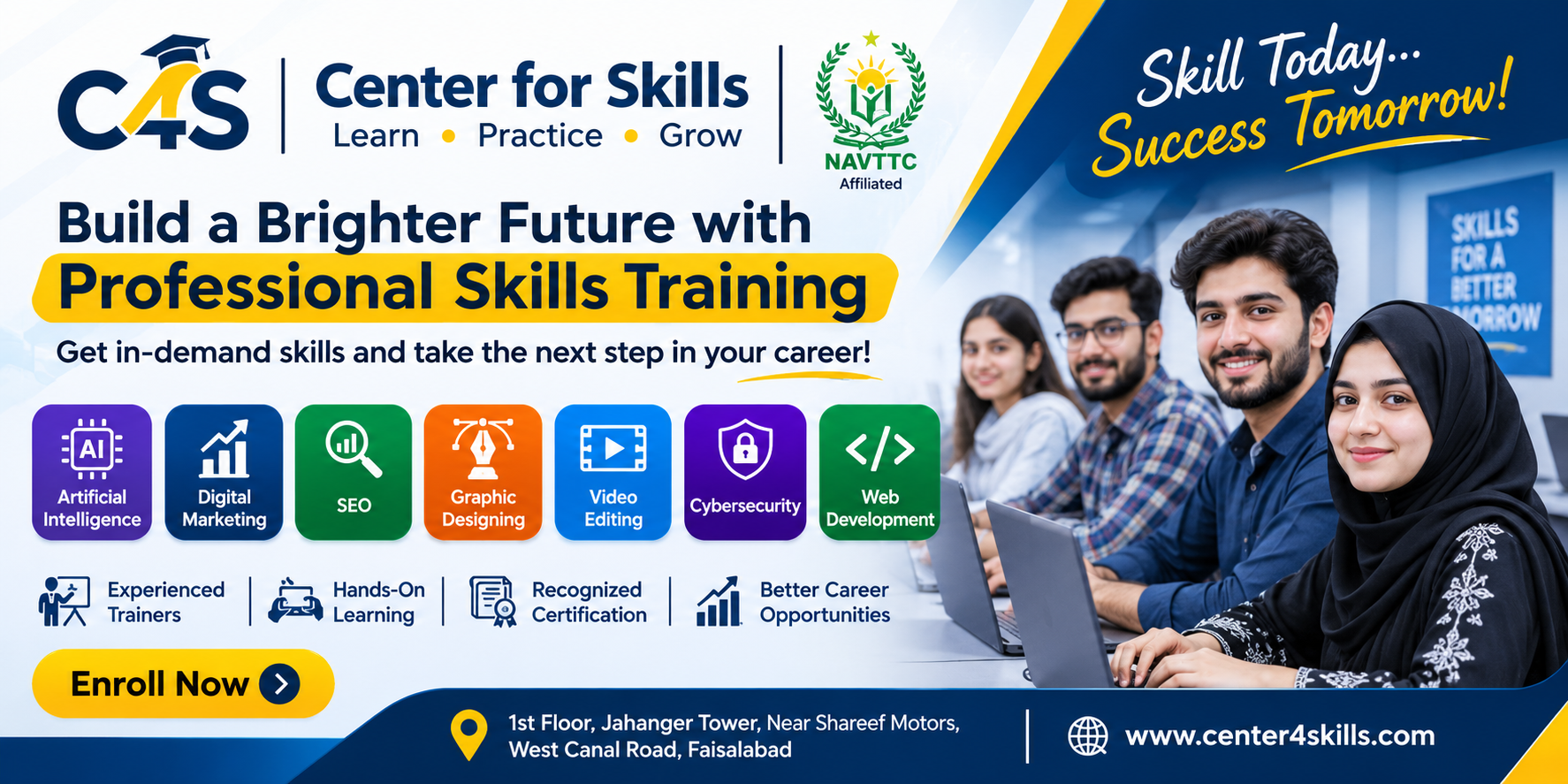
Artificial Intelligence (AI) is transforming the modern world by changing how businesses operate, professionals work, and people solve everyday problems. From automated customer support and content creation to data analysis and machine learning, AI is creating exciting opportunities across different industries. As demand for AI-related skills continues to grow, learning artificial intelligence has become an excellent step toward building a successful career. For students, freelancers, and professionals in Faisalabad, choosing the Best AI Course in Faisalabad can be a valuable investment in their future.
Why Learn Artificial Intelligence?
Artificial Intelligence is one of the most promising technology fields, offering opportunities in education, healthcare, marketing, software development, business management, and many other sectors. Understanding AI tools and technologies can help individuals improve productivity, develop creative solutions, and stay competitive in the digital job market.
Learning AI is not limited to programmers or IT professionals. Students, entrepreneurs, content creators, digital marketers, and freelancers can also benefit from practical AI knowledge. With the right training, beginners can understand how AI works and learn to use modern tools for real-world tasks.
Choose the Best AI Course in Faisalabad
Selecting the right training program is an important part of starting your AI journey. A quality course should provide a clear understanding of artificial intelligence concepts while focusing on practical applications. Students should look for training that covers modern AI tools, prompt engineering, automation, content generation, and productivity techniques.
The Best AI Course in Faisalabad should also offer hands-on practice, expert guidance, and opportunities to work on practical projects. These learning experiences help students develop confidence and understand how artificial intelligence can be applied in different professional environments.
What Can You Learn in an Artificial Intelligence Course in Faisalabad?
A professional Artificial Intelligence Course in Faisalabad can introduce students to several important AI concepts and applications, including:
- Introduction to AI: Understand artificial intelligence, its applications, and its role in modern industries.
- AI Tools and Applications: Explore popular AI-powered tools for writing, designing, research, and productivity.
- Prompt Engineering: Learn how to write effective prompts to get better results from AI platforms.
- AI Content Creation: Use AI tools to generate ideas, written content, images, and other creative materials.
- Business Automation: Understand how AI can simplify repetitive tasks and improve business workflows.
- Practical Projects: Apply your knowledge through real-world exercises and assignments.
These skills can help learners use AI more effectively in their studies, businesses, freelance projects, and professional careers.
Why Enroll in an AI Training Institute in Faisalabad?
Learning from a professional AI Training Institute in Faisalabad can make the learning process easier and more effective. Experienced instructors can guide students through complex topics, explain practical applications, and help them understand emerging technologies.
A structured learning environment also allows students to practice regularly, ask questions, and develop their skills step by step. Instead of relying only on online tutorials, learners can benefit from organized lessons and direct guidance.
When selecting an institute, consider its course outline, teaching approach, practical training opportunities, and learning support.
Career Opportunities After Learning AI
Artificial intelligence skills can support career development in several fields. Depending on their interests and additional expertise, trained individuals may explore opportunities such as:
- AI-assisted content creation
- Digital marketing and SEO
- AI-powered graphic design
- Business process automation
- Freelancing and remote services
- Data analysis and research support
- AI-assisted web development
Although completing a course does not guarantee employment, developing practical AI skills can improve professional capabilities and help individuals explore new income opportunities.
Professional AI Courses in Faisalabad for Future-Ready Skills
Enrolling in Professional AI Courses in Faisalabad can help students prepare for a technology-driven future. A well-designed training program should balance theoretical knowledge with practical exercises so learners can understand not only what AI is but also how to use it effectively.
Beginners should start with fundamental concepts and gradually move toward advanced tools and applications. Consistent practice, experimentation, and continuous learning are essential because artificial intelligence technologies are constantly evolving.
Start Learning with Center for Skills (C4S)
For individuals looking to develop modern technology skills, Center for Skills (C4S) in Faisalabad is an option worth exploring. The institute focuses on professional skills development and practical training to help students prepare for changing industry requirements.
Students interested in artificial intelligence can explore the available training opportunities at C4S and learn more about its programs, course details, and admission information.
Visit the official website: center4skills.com
Located in Faisalabad, Pakistan, Center for Skills aims to support learners who want to improve their knowledge, develop practical abilities, and explore opportunities in the digital world.
Conclusion
Artificial Intelligence is shaping the future of technology, business, and professional development. Learning how to use AI tools and understand their applications can give students and professionals valuable skills for the modern workplace. If you want to enter this growing field, researching the Best AI Course in Faisalabad is a great starting point. With professional guidance, practical learning, and consistent effort, you can begin your AI journey and prepare yourself for emerging opportunities in the digital economy.

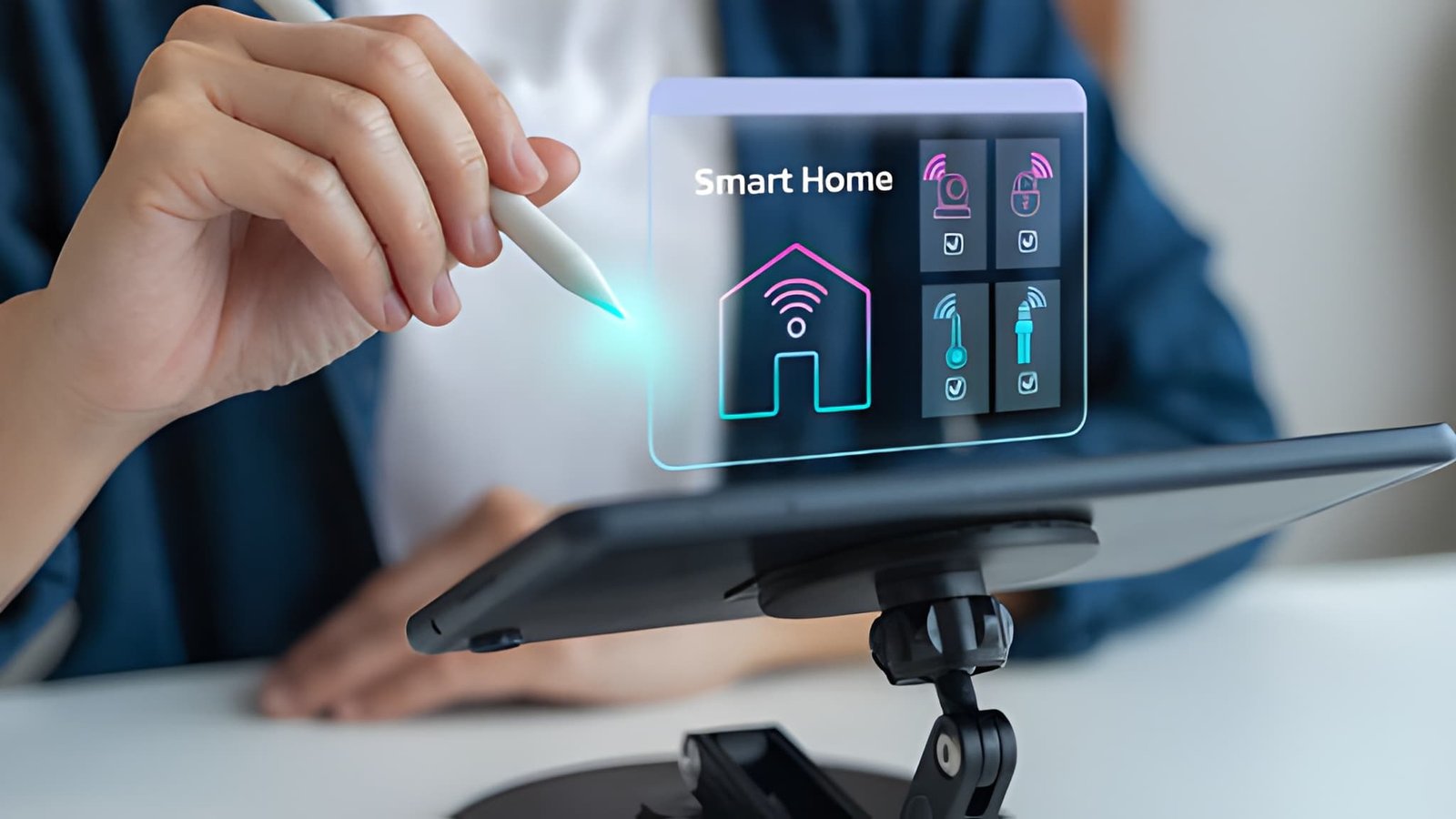
Every household in Dubai runs on invisible habits. The AC gets turned down when the last person leaves and nudged back up before someone returns. Lights go on at dusk, off at bedtime. The gate opens for the same car around the same time each evening. Curtains close when the sun hits the living room at 3 p.m.
You perform these tiny rituals dozens of times a day without thinking. A home automation system in Dubai does something quietly radical: it watches, learns, and takes over the repetitive work, so your home runs on your habits instead of your attention.
The Wrong Question Everyone Asks
Most people begin with “Which smart devices should I buy?” It sounds sensible, but it leads to a drawer full of gadgets and five apps that don’t speak to each other.
A better question: “What do I do over and over that I’d happily never do again?”
Write that list before you look at a single product. It might include turning off lights in empty rooms, checking whether the front door is locked, adjusting the AC for the fifth time, or worrying about the villa during a summer trip. Those repeated annoyances are the real shopping list, and they tell you where automation will earn its place.
Why Dubai is Different
Dubai is one of the most natural places on earth for a smart home, and the reasons are specific.
The climate drives everything. Cooling is the largest energy demand in most UAE homes. Automation that pre-cools rooms before you arrive, reduces cooling in unused spaces, and responds to window shading makes a daily difference to both comfort and running costs.
Residents move constantly. Long summers abroad, weekend trips, business travel. A home that can switch into “away” mode and report back to you is not a luxury here; it’s practical.
Properties come in every shape. A compact apartment in Dubai Marina, a penthouse in Downtown, a villa in Arabian Ranches, Emirates Hills, or Dubai Hills. Each needs a different design, and a good system scales between them.
Expectations are high. People here want technology that looks good and feels effortless. Visible clutter and complicated remotes simply don’t fit.
Think in Moments, Not Machines
The most useful way to design automation is around moments in a day, which designers call “scenes.”
Good Morning. Lights rise slowly, blinds open, the kitchen warms up.
Leaving Home. One tap, or none at all. Doors lock, lights go off, AC eases back, security arms.
Welcome Home. Gate opens, entrance lights glow, living room cools to your preferred temperature.
Movie Night. Lights dim, blinds close, audio and screen switch on together.
Guests Arriving. Outdoor lighting, music, and comfortable temperatures prepare themselves.
Goodnight. Doors lock, lights switch off, and soft path-lights guide midnight trips to the kitchen.
Each scene replaces a dozen small actions with a single moment. This, rather than any individual gadget, is what makes a home feel intelligent.
What Actually Sits Behind the Scenes
A well-designed system has a few core ingredients:
- A central controller, the brain that connects everything and keeps routines running, ideally even when the internet is down.
- Reliable networking, the foundation. Weak Wi-Fi is the number one cause of frustrating smart homes.
- Connected devices, including lighting, climate control, curtains, locks, cameras, audio, and sensors.
- A simple interface, whether an app, wall panel, or voice control, that anyone in the family can use without instructions.
The test of a good system isn’t how many devices it supports. It’s whether your grandmother, your guests, and your domestic staff can all use it comfortably.
Where Smart Homes Go Wrong
People often give up on automation after a bad first attempt. Common causes include:
- Mixing incompatible products that never quite cooperate.
- Overcomplicating routines until nobody remembers how they work.
- Skipping the plan, so wiring and network needs are discovered halfway through.
- No manual backup, leaving lights or locks stuck when something fails.
- Choosing closed systems that can’t grow or adopt new devices later.
Nearly all of these trace back to one root issue: buying products instead of designing a system.
Security and Automation Belong Together
One of the strongest benefits of a unified home is how security and comfort support each other. A door opening at midnight can turn on hallway lights, start camera recording, and send an alert to your phone. When you leave, the same “Away” command locks doors, arms sensors, and adjusts the AC.
When security is built into automation, you manage one system instead of several. Privacy matters here too: look for encrypted connections, careful user permissions, and clear control over what is recorded and who can see it.
Our Approach at Smart Living Technology
At Smart Living Technology, we begin with the way you live, not with a catalogue. We study your routines, your property, and your priorities. Then we design a system around them, covering comfort, security, energy, and convenience, and bring it together in one simple interface.
We plan for growth from day one. You can start with lighting and climate, then add curtains, audio, cameras, or garden control later without starting over. And we remain available after installation, because a smart home should keep getting better with time.
Looking Toward the End of 2027
Dubai’s push toward smart, connected living is only gathering pace. By the end of 2027, expect home automation to become more predictive and personal: systems that learn your preferences, manage energy with greater precision, and connect more smoothly with wider smart-city services.
Homes designed with flexibility today will absorb those advances easily. Homes built on rigid, closed setups may need replacing. Choosing a scalable foundation now is the surest way to keep your home feeling modern when 2027 comes to a close.
Your home already has a routine. The only decision left is whether to keep running it by hand.
Frequently Asked Questions
How does a home automation system work in Dubai homes?
A central controller connects your lights, air conditioning, curtains, locks, cameras, and entertainment so they respond to schedules, sensors, and your commands. You manage everything from one app, panel, or voice assistant and create routines such as “Away” or “Goodnight” that run automatically.
What can I control with a home automation system?
Nearly everything: lighting, climate, blinds and curtains, door locks, gates, security cameras, audio and video, garden lighting, and energy monitoring. Many homeowners begin with lighting and climate, then add more over time.
Why is home automation especially useful in Dubai?
Cooling is a major part of household energy use, and many residents travel often. Automation helps manage the AC efficiently, keeps an eye on the home while you’re away, and makes large or multi-zone properties easier to run.
How much does a home automation system cost?
Costs vary widely depending on property size, the number of rooms and devices, and the level of integration. A phased approach lets you start with essentials and expand later. A site assessment gives the most accurate quote for your home.
What happens to my smart home if the internet goes down?
A well-designed system keeps essential functions running locally, so lights, locks, and many routines continue working. Remote access from outside the home pauses until the connection returns. Ask your installer how your system handles outages.

Travel Agency Software: How Modern Tools Improve Business Management

Where to Buy an Authentic Chanel Timeless Bag UAE: A Complete Shopping Guide

Bulk Takeout Paper Bags for Multi-Location Food Businesses

How to Choose the Right Event Venue in Marin County for a Memorable Celebration

Planning an Intimate Wedding: How to Choose a Venue That Makes Every Moment Special

Rani No Hajiro in Ahmedabad: A Complete Guide to History, Shopping & Hidden Secrets

Digital Marketing for Beginners: Step-by-Step Guide to Start and Succeed in 2026

How to Get Promoted Faster at Work: Smart Career Growth Tips

Dublin City University: Everything You Need to Know Before Applying in 2026