
Business
What Is the Difference Between Rotary Kiln and Portable Incinerators?

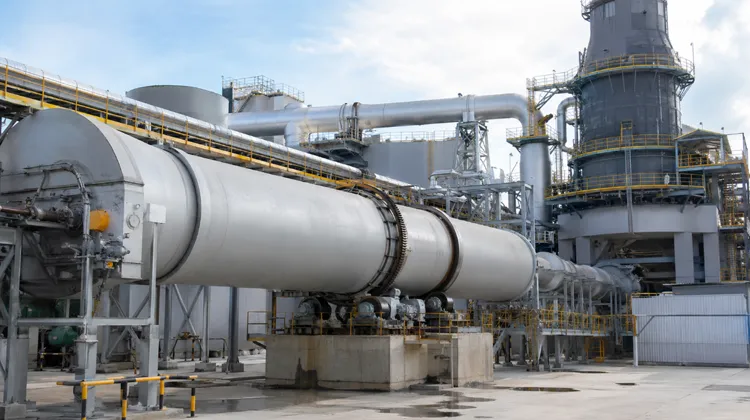
Incineration reduces the volume of waste and eliminates harmful components. A variety of designs for incinerators can effectively destroy waste based on the requirements of a given situation. Two common designs are rotary kiln incinerators and portable incinerators. Even though both systems treat waste by incineration, they are different in design, capacity, operation, mobility and applications. Being able to identify the differences between these technologies allows industries, hospitals, municipalities and waste management companies to decide on the most appropriate technology to fulfill their needs.
What Is a Rotary Kiln Incinerator?
A rotary kiln incinerator is a large, heavy waste treatment system that can continuously process large quantities of dangerous waste. It consists of a large rotating cylinder that is slanted slightly to move waste through the zone where the waste is being combusted. As the kiln is rotating, the waste is being mixed and continuously exposed to high temperatures to ensure complete waste combustion.
In order to improve the system’s performance, a secondary combustion chamber is added to ensure high temperatures to completely treat the remaining combustible gases. Rotary kiln systems are broadly used for various dangerous waste treatment, chemical waste, and other industries that require high capacity and continuous processing.
What Is a Portable Incinerator?
A portable incinerator is a small, mobile waste treatment system that is useful for locations where a permanent waste treatment and disposal system is not available or practical. A major difference from a large industrial waste treatment system is that portable incinerators can be easily transported and installed with less site preparation.
These are the systems most commonly found in hospitals, remote communities, and locations such as military facilities, disaster sites, research facilities, and temporary waste management sites.Portable Incinerators are used for the on site disposal of small waste volumes. Depending on their configuration, they can be used to dispose of medical waste as well as general combustible waste and other approved waste streams.
Rotary Kiln Incinerators, on the other hand, have larger designs and feature more complex combustion and pollutant control systems. Portable Incinerators, as the name suggests, are small, compact units that can be easily transported and installed. Rotary Kiln Incinerators, on the other hand, are relatively large systems that require a significant infrastructure for their foundations and utility connections.
In terms of cost, Rotary Kiln Incinerators require a greater financial investment and incur higher operational costs, due to the larger consumption of utilities and greater need for maintenance. Portable incinerators, on the other hand, have a relatively lower cost of ownership, although operation costs can be high, based on the characteristics of the waste being disposed of and the volume disposed of.
Industrial waste processing and waste management plants use Rotary Kiln Incinerators. Portable Incinerators are most commonly found in remote health care facilities and temporary waste management facilities.
Which Incinerator is Better for Your Needs?
Understanding various types of incineration technologies and which is better for your specific case requires an understanding of your type and quantity of waste, your operational needs, your infrastructure, the surrounding environmental regulations, and more. A rotary kiln incinerator is the better choice when the facility requires a high degree of processing, continuous operation, and has a complex and varied waste stream, some of which could be hazardous.
A portable incinerator is better when mobility and a compact installation are the main considerations. Regardless of which technology is chosen, it is imperative that applicable environmental and safety regulations are adhered to. Various factors from fuel efficiency to the performance of the operator must be taken into consideration.
Environmental and Operational Considerations
Incineration is considered to be a reliable technology for the treatment of wastes. With regard to the environmental impact of the technologies, both systems must achieve a specific temperature for a defined period of time, with adequate air flow. The controls employed to meet the requirements of air pollution must be adequate.
The air pollution control equipment and other emission control systems must be integrated into rotary kiln incinerators. Portable incineration systems must incorporate emission control based on their design, capacity, and the type of waste. It is imperative that local emission standards be adhered to, and that waste is properly sorted and separated, and operators are properly trained.
Conclusion
Rotary kiln and portable incinerators fulfill distinct needs in the treatment of waste. For treatment of large scale, mainly industrial and hazardous waste, rotary kiln technologies are better. For smaller scale and mainly remote operations, portable technologies are better. The combination of an assessment of the types and quantity of wastes to be treated, the local environment, and mobile nature of the operation, will likely assist in determining the appropriate waste incineration technology for a particular facility.




A grass cutting machine is an essential gardening tool used to maintain lawns, gardens, parks, playgrounds, and commercial landscapes. In Pakistan, the demand for grass cutting machines is increasing as homeowners, gardeners, landscaping companies, and agricultural businesses look for efficient ways to maintain green spaces.
If you are planning to purchase a grass cutting machine, understanding the available types, features, and prices can help you make the right decision. The grass cutting machine price in Pakistan varies depending on the brand, motor power, engine capacity, cutting width, and machine type. Basic grass cutters are generally more affordable, while professional petrol-powered lawn mowers and commercial machines cost more.
In this guide, we will explore different types of grass cutting machines, their estimated prices in Pakistan, important features, benefits, and tips for choosing the right machine for your needs.
What Is a Grass Cutting Machine?
A Grass Cutting Machine Price in Pakistan is a gardening device designed to trim, cut, and maintain grass in residential and commercial outdoor spaces. It can operate using electricity, batteries, petrol, or manual power.
These machines make lawn maintenance easier by reducing the time and physical effort required to cut grass. They are available in different designs, from small handheld grass trimmers to large ride-on lawn mowers.
Grass cutting machines are commonly used in:
- Residential gardens and lawns.
- Parks and public green spaces.
- Schools and universities.
- Sports grounds and playgrounds.
- Hotels and commercial properties.
- Agricultural and landscaping projects.
Choosing the correct machine depends on the size of your lawn and the type of grass you need to cut.
What Is the Grass Cutting Machine Price in Pakistan?
The grass cutting machine price in Pakistan depends on its specifications, quality, and performance. Based on available Pakistani retailer listings in November 2026, basic manual and handheld models can start around Rs. 7,500 to Rs. 25,000, while electric machines commonly range from Rs. 24,000 to Rs. 80,000.
Petrol-powered grass cutters and lawn mowers generally cost more, depending on their engine capacity and cutting performance.
The following table provides indicative market price ranges:
| Machine Type | Estimated Price |
|---|---|
| Manual grass cutter | Rs. 7,500–20,000 |
| Electric grass cutter | Rs. 24,000–60,000 |
| Cordless grass trimmer | Rs. 15,000–40,000 |
| Petrol brush cutter | Rs. 22,000–60,000 |
| Petrol lawn mower | Rs. 55,000–150,000 |
| Heavy-duty commercial mower | Rs. 100,000–300,000+ |
| Ride-on grass cutting machine | Rs. 200,000–1,850,000+ |
Note: These are indicative price ranges, not guaranteed quotations. Actual prices vary by brand, model, availability, specifications, and seller. Always confirm the latest price before purchasing.
What Are the Different Types of Grass Cutting Machines Available in Pakistan?
Understanding different machine types helps you select the right equipment according to your gardening requirements.
1. Manual Grass Cutting Machine
Manual grass cutting machines are suitable for small gardens and residential lawns. They do not require electricity, petrol, or batteries.
These machines are generally affordable and easy to operate. They are a practical option for people who maintain small outdoor spaces and do not need heavy-duty cutting performance.
2. Electric Grass Cutting Machine
Electric grass cutting machines use an electric motor to cut grass efficiently. They are popular for residential gardens because they are relatively quiet and require less maintenance than petrol-powered models.
Some models use cutting blades, while others are designed as grass trimmers for edges and smaller areas.
Electric machines are suitable for small and medium-sized lawns where electricity is easily accessible.
3. Cordless Grass Cutting Machine
Cordless grass cutting machines operate using rechargeable batteries. They provide greater mobility because users do not need to manage an electrical cable while working.
These machines are useful for gardens with multiple sections, pathways, and areas where power outlets are not easily accessible.
However, battery capacity and charging time should be considered before purchasing.
4. Petrol Grass Cutting Machine
Petrol-powered grass cutting machines are suitable for larger outdoor spaces and demanding grass-cutting tasks.
They offer mobility and can handle areas where electricity is unavailable. Depending on their design, they can cut regular grass, thick weeds, and overgrown vegetation.
They are commonly used by professional gardeners, landscaping companies, and agricultural workers.
5. Heavy-Duty Lawn Mower
Heavy-duty lawn mowers are designed for regular use in large gardens, parks, and commercial properties.
They generally provide wider cutting areas and stronger engines than basic domestic machines. Some models also include grass collection bags and adjustable cutting heights.
6. Ride-On Grass Cutting Machine
Ride-on grass cutting machines are designed for maintaining extensive green spaces. The operator sits on the machine and controls its movement while cutting grass.
They are commonly used in golf courses, sports grounds, hotels, large parks, and institutional properties.
These machines require a higher investment but can save considerable time when maintaining large areas.
What Are the Main Benefits of Using a Grass Cutting Machine?
Grass cutting machines provide several benefits for residential and commercial users.
1. Saves Time: Machines can cut grass much faster than traditional manual methods, especially across larger lawns.
2. Reduces Physical Effort: Users can maintain gardens without spending excessive time using hand tools.
3. Improves Lawn Appearance: Regular grass cutting helps maintain a neat and organized outdoor space.
4. Provides Better Control: Adjustable cutting heights allow users to maintain grass at their preferred length.
5. Supports Large Projects: Heavy-duty machines help professional gardeners manage parks, playgrounds, and commercial properties.
6. Offers Different Options: Electric, cordless, manual, and petrol models provide solutions for different budgets and requirements.
Which Grass Cutting Machine Is Best for Home Use in Pakistan?
The best grass cutting machine for home use depends on your lawn size, grass type, and budget.
For small residential gardens, an electric or manual mower may be sufficient. These machines are generally easier to maintain and suitable for regular lawn care.
For medium-sized lawns, a petrol or cordless machine may provide greater flexibility.
For large gardens and farmhouses, a powerful petrol lawn mower can be a better option because it offers greater mobility and cutting capacity.
Before making a purchase, consider the machine’s weight, cutting width, power source, spare parts availability, and warranty.
What Factors Affect Grass Cutting Machine Prices in Pakistan?
Several factors influence the cost of grass cutting machines in the Pakistani market.
- Brand: Established brands may charge more because of their reputation, product quality, and support.
- Motor or Engine Power: Machines with stronger motors or larger engines may have higher prices.
- Cutting Width: Wider cutting blades can cover more ground in less time.
- Build Quality: Durable materials and stronger frames can increase the purchase price.
- Power Source: Petrol, battery-powered, and electric machines have different costs and maintenance requirements.
- Features: Grass collection bags, adjustable cutting heights, self-propelled systems, and safety features can affect pricing.
- Import Costs: Exchange rates, shipping charges, and import expenses can influence the prices of imported machines.
How Can You Choose the Best Grass Cutting Machine?
Choosing the right grass cutting machine requires comparing your requirements with the available models.
First, measure the area you need to maintain. A small garden does not require an expensive commercial mower. Similarly, a large lawn may be difficult to manage with a basic handheld cutter.
Next, consider the type of grass. Soft lawn grass may require a conventional lawn mower, while thick weeds and rough vegetation may need a petrol brush cutter with an appropriate cutting attachment.
You should also check the following points:
- Compare different brands and models.
- Check motor power or engine capacity.
- Confirm cutting width and height adjustments.
- Ask about warranty and after-sales support.
- Check the availability of replacement blades and spare parts.
- Consider fuel, electricity, and maintenance expenses.
- Choose a machine that is comfortable and safe to operate.
A suitable grass cutting machine can make regular gardening easier and help maintain a clean outdoor environment.
Where Can You Buy a Grass Cutting Machine in Pakistan?
Grass cutting machines are available through gardening equipment stores, agricultural machinery dealers, hardware markets, and online shopping websites.
You can compare different models and prices before making your final decision. Buyers in major cities such as Lahore, Karachi, Islamabad, and Faisalabad can also explore local machinery markets.
When purchasing online, check product specifications, seller reputation, delivery charges, return policies, and warranty details.
It is always better to purchase from a reliable supplier that provides genuine products, replacement parts, and technical support.
Finding the right grass cutting machine at an affordable price in Pakistan depends on your gardening requirements, lawn size, and available budget. Manual, electric, cordless, petrol-powered, and ride-on machines offer different features for residential and commercial applications.
Before purchasing, compare prices, engine or motor power, cutting capacity, build quality, and maintenance requirements. A reliable grass cutting machine can save time, reduce physical effort, and help you maintain a beautiful lawn throughout the year.
By choosing the right equipment, you can make lawn maintenance more convenient and achieve better results for your garden or commercial property.
Frequently Asked Questions (FAQs)
1. What is the grass cutting machine price in Pakistan?
The price generally starts from around Rs. 7,500 for basic grass-cutting equipment and can exceed Rs. 1,850,000 for advanced ride-on machines. The actual price depends on the model, brand, power, and features.
2. Which grass cutting machine is best for home use?
Electric and manual lawn mowers are suitable for small home gardens. Cordless and petrol-powered machines can be better choices for medium and larger lawns.
3. Are petrol grass cutting machines better than electric machines?
Petrol machines offer greater mobility and are suitable for larger areas and demanding cutting tasks. Electric machines are generally quieter, easier to maintain, and suitable for smaller residential lawns.
4. Which factors should I consider before buying a grass cutting machine?
Consider lawn size, grass type, motor power, cutting width, machine weight, fuel or battery requirements, warranty, spare parts, and maintenance costs.
5. Where can I buy a grass cutting machine in Pakistan?
You can purchase grass cutting machines from gardening equipment shops, agricultural machinery dealers, hardware markets, and online retailers across Pakistan. Always compare specifications and verify the seller before ordering.
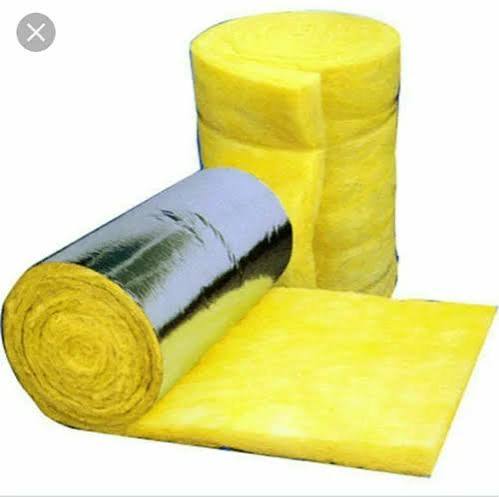
Ceramic wool is an advanced insulation material widely used in industrial, commercial, and manufacturing applications. In Pakistan, the demand for ceramic wool is increasing because industries require reliable solutions to manage high temperatures, reduce heat loss, and improve energy efficiency. It is commonly used in furnaces, boilers, kilns, ovens, power plants, and other high-temperature environments.
Ceramic wool is also known as ceramic fiber insulation. It is manufactured from high-temperature-resistant inorganic materials and is designed to provide excellent thermal insulation. Its lightweight structure, low thermal conductivity, and resistance to extreme temperatures make it a suitable choice for industrial insulation projects.
Whether you operate a manufacturing facility, manage an industrial plant, or work in construction, understanding ceramic wool can help you select the right insulation material for your requirements.
What Is Ceramic Wool?
Ceramic Wool Pakistan is a lightweight, fibrous insulation material designed to withstand high temperatures. It is generally manufactured using alumina and silica-based materials that form fine ceramic fibers.
These fibers create a flexible structure that traps air and reduces heat transfer. As a result, ceramic wool helps maintain temperatures inside industrial equipment while protecting surrounding areas from excessive heat.
In Pakistan, ceramic wool is commonly used in industries where conventional insulation materials may not provide sufficient temperature resistance.
It is available in different forms, including:
- Ceramic wool blankets.
- Ceramic wool boards.
- Ceramic wool modules.
- Ceramic wool paper.
- Ceramic fiber bulk materials.
Each type is designed for specific insulation requirements and installation conditions.
Why Is Ceramic Wool Important in Pakistan?
Pakistan has several industries that depend on high-temperature equipment for daily operations. These include cement manufacturing, steel production, petrochemical processing, power generation, glass manufacturing, and textile processing.
Industrial equipment often operates at extremely high temperatures, making effective insulation essential.
Ceramic wool helps businesses manage these challenges by reducing heat loss, improving thermal efficiency, and protecting industrial equipment.
Its importance in Pakistan is increasing for several reasons:
1. High-Temperature Resistance
Ceramic wool is designed for demanding thermal environments. Depending on its grade and composition, it can withstand temperatures ranging from approximately 1,000°C to over 1,400°C.
2. Energy Efficiency
Proper insulation reduces unnecessary heat loss from furnaces, boilers, and industrial equipment. This can help businesses improve energy efficiency and manage operating costs.
3. Lightweight Structure
Ceramic wool is lighter than many traditional refractory insulation materials. Its lightweight design makes transportation, handling, and installation easier.
4. Thermal Stability
It maintains useful insulation properties under suitable operating conditions, making it valuable for industrial applications.
5. Flexible Installation
Ceramic wool blankets and other forms can be fitted around different equipment shapes and surfaces.
What Are the Different Types of Ceramic Wool Available in Pakistan?
Ceramic wool is available in several forms to meet different industrial requirements.
1. Ceramic Wool Blanket
<PRIVATE_PERSON>
Ceramic wool blanket is one of the most commonly used ceramic fiber insulation products. It is flexible, lightweight, and suitable for wrapping industrial equipment.
It is frequently used in furnaces, boilers, kilns, and high-temperature pipelines.
2. Ceramic Wool Board
Ceramic wool boards are rigid insulation products manufactured from ceramic fibers. They offer structural stability and are suitable for applications requiring flat and firm insulation surfaces.
They are commonly used in furnace linings, kiln walls, and industrial heating systems.
3. Ceramic Wool Modules
Ceramic fiber modules are specially designed insulation units used for lining industrial furnaces and other high-temperature equipment.
They provide an organized installation system and help create continuous insulation layers.
4. Ceramic Wool Paper
Ceramic fiber paper is a thin and flexible insulation material. It is commonly used for gaskets, expansion joints, thermal barriers, and sealing applications.
5. Ceramic Fiber Bulk
Ceramic fiber bulk consists of loose ceramic fibers used for specialized insulation applications, filling gaps, and manufacturing certain refractory products.
Where Is Ceramic Wool Used?
Ceramic wool has applications across different industrial sectors in Pakistan.
Cement Industry: Cement plants use ceramic wool for insulating kilns, preheaters, and other high-temperature equipment.
Steel Industry: It is used in furnaces, ladles, heat treatment systems, and other thermal processing equipment.
Power Plants: Ceramic wool helps insulate boilers, combustion systems, and high-temperature pipelines.
Glass Industry: Glass manufacturing facilities use ceramic fiber insulation in melting furnaces and other heating equipment.
Petrochemical Industry: It is used in suitable high-temperature process equipment and industrial heating systems.
Textile Industry: Certain textile manufacturing processes require industrial ovens and heating equipment where thermal insulation is important.
What Are the Main Benefits of Ceramic Wool?
Ceramic wool provides several advantages that make it a popular industrial insulation material.
- Excellent Thermal Insulation: Helps reduce heat transfer and maintain operating temperatures.
- High-Temperature Performance: Suitable grades can withstand demanding industrial temperatures.
- Low Thermal Conductivity: Helps minimize heat loss through insulated surfaces.
- Lightweight Material: Easier to handle compared with many traditional refractory materials.
- Flexible Design: Available in blankets, boards, modules, and paper.
- Thermal Shock Resistance: Suitable grades can tolerate certain rapid temperature changes.
- Energy Conservation: Helps improve thermal efficiency when properly selected and installed.
These benefits make ceramic wool a practical choice for industrial insulation projects.
How Much Does Ceramic Wool Cost in Pakistan?
The price of ceramic wool in Pakistan depends on several factors. There is no single fixed price because different products have different specifications and applications.
Some important factors affecting ceramic wool prices include:
- Density: Higher-density products may have different pricing depending on their specifications.
- Temperature Rating: Higher-temperature grades can cost more than standard grades.
- Thickness: The required thickness influences the overall material cost.
- Product Type: Blankets, boards, modules, and papers have different manufacturing costs.
- Quality: Fiber composition and product quality affect pricing.
- Quantity: Bulk purchasing may offer different commercial rates.
- Import and Transportation Costs: Imported products can be affected by exchange rates, shipping, and customs-related expenses.
For an accurate quotation, buyers should provide the required product type, dimensions, density, temperature rating, and quantity.
How to Choose the Best Ceramic Wool Supplier in Pakistan?
Finding a reliable ceramic wool supplier is important for achieving good insulation performance and long-term value.
Before purchasing ceramic wool, consider the following points:
- Check the supplier’s product specifications.
- Confirm the maximum recommended service temperature.
- Ask about density and thickness options.
- Review product quality and technical documentation.
- Confirm availability and delivery arrangements.
- Compare quotations from different suppliers.
- Ask for technical assistance when selecting materials.
A professional supplier should help customers identify suitable ceramic wool products according to their industrial requirements.
Is Ceramic Wool Safe to Use?
Ceramic wool requires careful handling because airborne fibers and dust can irritate the skin, eyes, and respiratory system. Some refractory ceramic fibers are classified as potential occupational carcinogens, depending on their composition and exposure conditions.
For safe handling, workers should follow the manufacturer’s safety data sheet and workplace regulations.
Important precautions include:
- Wear suitable respiratory protection.
- Use protective gloves and safety clothing.
- Wear appropriate eye protection.
- Minimize dust during cutting and installation.
- Use proper ventilation and dust-control procedures.
- Avoid unnecessary direct contact with loose fibers.
Where possible, businesses should consider suitable lower-biopersistence alternatives for applications where they meet the required technical specifications.
Ceramic wool is an important high-temperature insulation material used in various industries across Pakistan. Its lightweight structure, thermal resistance, flexibility, and insulation performance make it suitable for furnaces, boilers, kilns, power plants, and manufacturing facilities.
Different forms, including ceramic wool blankets, boards, modules, and papers, provide solutions for different industrial applications.
When purchasing ceramic wool in Pakistan, businesses should consider temperature ratings, density, thickness, quality, and supplier reliability. Selecting the correct product and following proper installation and safety procedures can help improve insulation performance, reduce heat loss, and support efficient industrial operations.
Frequently Asked Questions (FAQs)
1. What is ceramic wool used for in Pakistan?
Ceramic wool is used for high-temperature insulation in furnaces, boilers, kilns, cement plants, steel factories, power plants, and other industrial applications.
2. What temperature can ceramic wool withstand?
Depending on its grade and composition, ceramic wool can withstand temperatures ranging from approximately 1,000°C to over 1,400°C. Actual continuous-use limits should be confirmed with the manufacturer’s technical specifications.
3. What types of ceramic wool are available in Pakistan?
Common types include ceramic wool blankets, ceramic fiber boards, ceramic fiber modules, ceramic wool paper, and ceramic fiber bulk.
4. What factors affect ceramic wool prices in Pakistan?
Prices depend on product type, density, thickness, temperature rating, quality, quantity, and transportation or import costs.
5. Is ceramic wool suitable for industrial furnace insulation?
Yes, suitable ceramic wool grades are widely used for industrial furnace insulation because of their thermal resistance, low thermal conductivity, and lightweight structure. Proper product selection and installation are essential for safe and effective performance.
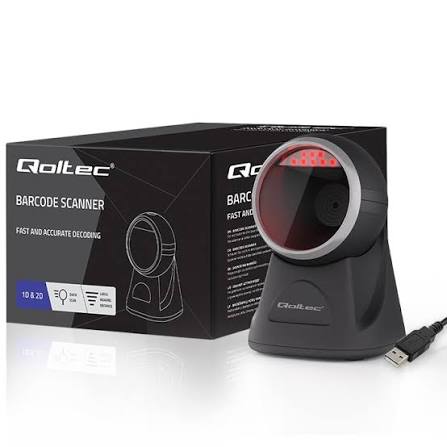
A barcode scanner is an essential technology used by businesses, retailers, warehouses, supermarkets, and other industries to identify products quickly and accurately. It helps users read barcode information, retrieve product details, manage inventory, and process transactions efficiently. From small retail shops to large manufacturing companies, barcode scanners play an important role in improving daily operations and reducing manual work.
In today’s digital world, businesses need fast and reliable systems to manage product information. A barcode scanner makes this process easier by reading the unique patterns printed on product labels and converting them into digital information. Whether you are managing a store, tracking stock, or organizing warehouse products, barcode scanning technology can save time and improve productivity.
What Is a Barcode Scanner?
A barcode scanner is an electronic device that reads printed barcodes and converts their information into digital data. A barcode usually contains a series of lines, spaces, or patterns that represent specific product information.
When a barcode scanner reads a barcode, it captures the pattern and translates it into information that a computer, mobile application, or inventory management system can understand.
Barcode scanners are commonly used for:
-
Scanning products in retail stores.
-
Managing warehouse inventory.
-
Processing customer purchases.
-
Tracking shipments and packages.
-
Identifying products in manufacturing.
-
Organizing library books and documents.
-
Monitoring stock levels.
These devices make product identification faster, easier, and more accurate.
How Does a Barcode Scanner Work?
A barcode scanner works by using light or imaging technology to capture barcode patterns. It then converts the captured information into digital data.
The scanning process generally involves the following steps:
-
Barcode Detection: The scanner identifies a barcode printed on a product or label.
-
Image Capture: It uses a laser or camera-based technology to read the barcode pattern.
-
Data Conversion: The scanner converts the barcode pattern into readable digital information.
-
Information Processing: The decoded data is transferred to a connected computer or software system.
-
Result Display: The system displays the corresponding product information, such as its name, price, or inventory details.
This process takes only a few seconds and helps businesses handle large numbers of products efficiently.
What Are the Different Types of Barcode Scanners?
Different barcode scanners are available to meet various business requirements. Each type offers specific features and benefits.
1. Laser Barcode Scanner
Laser barcode scanners use laser light to read traditional one-dimensional barcodes. They are commonly used in supermarkets, retail shops, and checkout counters because they provide fast and reliable scanning.
2. CCD Barcode Scanner
CCD scanners use light-sensitive sensors to capture barcode information. They are suitable for close-range scanning and are frequently used in retail environments.
3. 2D Barcode Scanner
A 2D barcode scanner can read advanced barcode formats, including QR codes and Data Matrix codes. These scanners capture more information and support various business applications.
4. Wireless Barcode Scanner
Wireless barcode scanners connect to computers and other devices through Bluetooth or wireless technology. They allow employees to move freely while scanning products in warehouses and large retail spaces.
5. Mobile Barcode Scanner
Mobile barcode scanners use smartphone or tablet cameras to scan barcodes. They are convenient for businesses that want affordable and flexible scanning solutions without purchasing dedicated hardware.
What Are the Benefits of Using a Barcode Scanner?
Barcode scanners provide several advantages that help businesses improve their operations.
1. Faster Product Identification
Barcode scanners identify products within seconds. Employees do not need to enter product codes manually, which saves valuable time.
2. Improved Accuracy
Manual data entry can lead to mistakes. Barcode scanning reduces typing errors and improves the accuracy of product information.
3. Better Inventory Management
Businesses can scan products when receiving, selling, or moving stock. This helps maintain updated inventory records and monitor available quantities.
4. Increased Productivity
Employees can complete scanning tasks more quickly, allowing them to focus on other important business activities.
5. Enhanced Customer Experience
Retail businesses can process purchases faster and reduce checkout waiting times, creating a smoother shopping experience.
6. Reduced Operational Costs
Automated scanning reduces repetitive manual tasks and helps businesses use their resources more effectively.
Where Are Barcode Scanners Used?
Barcode scanners are useful across many industries because they simplify product identification and information management.
-
Retail Stores: Used to scan products, check prices, and process customer payments.
-
Warehouses: Help employees track incoming products, outgoing shipments, and available inventory.
-
Healthcare: Used to identify medicines, medical supplies, and patient-related items through appropriate barcode systems.
-
Manufacturing: Help monitor materials, production processes, and finished products.
-
Logistics: Support package tracking, shipment identification, and delivery management.
-
Libraries: Help organize books, manage borrowing records, and track library materials.
Their flexibility makes barcode scanning technology valuable for businesses of different sizes.
How to Choose the Right Barcode Scanner?
Choosing the right barcode scanner depends on your business needs, scanning environment, and budget.
Consider these important factors before purchasing one:
-
Barcode Compatibility: Check whether the scanner supports 1D barcodes, 2D barcodes, or both.
-
Connection Type: Choose between USB, Bluetooth, and wireless connectivity.
-
Scanning Distance: Consider whether you need close-range or long-distance scanning.
-
Scanning Speed: Select a scanner that can handle your daily scanning requirements.
-
Durability: Warehouse and industrial environments may require stronger devices.
-
Software Compatibility: Make sure the scanner works with your existing inventory or point-of-sale system.
-
Budget: Compare features and prices to find a suitable option.
Selecting the right device can improve business efficiency and provide long-term value.
Why Is Barcode Scanning Important for Modern Businesses?
Barcode scanning has become an important part of modern business management. As companies handle increasing numbers of products and transactions, manual identification methods can become time-consuming and difficult to manage.
A barcode scanner simplifies these processes by connecting physical products with digital information. Businesses can quickly access product details, update inventory records, monitor stock movement, and improve operational accuracy.
When integrated with barcode scanning software, these devices can provide an organized system for managing products and business activities. This technology supports better decision-making, reduces unnecessary workload, and helps companies maintain efficient operations.
A barcode scanner is a valuable tool for businesses that want to improve product identification, inventory management, and daily operations. It offers faster scanning, better accuracy, reduced manual work, and improved productivity. From retail stores and warehouses to healthcare and manufacturing, barcode scanners support different business requirements.
Choosing a suitable barcode scanner and integrating it with reliable software can help businesses manage information more effectively. As technology continues to develop, barcode scanning will remain an important solution for modern product tracking and management.
Frequently Asked Questions (FAQs)
1. What is a barcode scanner used for?
A barcode scanner is used to read barcode information from products, labels, and packages. It helps businesses identify products, manage inventory, process sales, and track shipments.
2. How does a barcode scanner read information?
A barcode scanner uses laser technology or a camera to capture barcode patterns. It converts these patterns into digital information that can be processed by connected software or computer systems.
3. Can a barcode scanner read QR codes?
Yes, compatible 2D barcode scanners can read QR codes, Data Matrix codes, and other supported two-dimensional barcode formats. Traditional 1D scanners generally cannot read QR codes.
4. What are the main benefits of barcode scanning?
The main benefits include faster product identification, improved accuracy, better inventory control, reduced manual work, increased productivity, and smoother business operations.
5. Can I use my smartphone as a barcode scanner?
Yes, you can use a smartphone camera with a compatible barcode scanning application to scan supported barcodes. This is a convenient option for small businesses and personal use.

Garage Epoxy Flooring: Benefits, Costs, Installation Process and Maintenance Guide

French Return Curtain Rods: A Stylish and Practical Upgrade for Your Windows

Top DBA Writing Tips for Producing High-Quality Academic Work

Beat the Fear of ED with Cenforce Tablets

Beat the Fear of ED with Cenforce Tablets

Rani No Hajiro in Ahmedabad: A Complete Guide to History, Shopping & Hidden Secrets

Digital Marketing for Beginners: Step-by-Step Guide to Start and Succeed in 2026

Dublin City University: Everything You Need to Know Before Applying in 2026

How to Get Promoted Faster at Work: Smart Career Growth Tips








