General
How Economic Trends Are Reshaping the UK’s Online Entertainment and Leisure Industries


The UK economy is undergoing significant changes, with inflation, fluctuating interest rates, and shifting consumer confidence all influencing spending behavior. As the cost of living continues to rise, consumers are making more deliberate choices about how they allocate their discretionary income, prioritizing value-driven digital experiences and cost-effective entertainment options.
This shift is especially evident in the online entertainment sector, which includes streaming services, digital subscriptions, e-commerce, and iGaming. In response to evolving financial pressures, businesses are restructuring their pricing models, introducing flexible payment plans, and adjusting their engagement strategies to appeal to budget-conscious consumers. For example, the gaming industry has responded to economic constraints by offering low-stakes alternatives such as £5 Deposit Casinos, enabling users to continue enjoying digital entertainment without making significant financial commitments.
This article explores how the UK’s changing economic landscape is influencing consumer spending on online entertainment, how businesses are adapting to new financial realities, and what the future holds for digital leisure industries as consumer behavior continues to evolve.
How the UK Economy is Influencing Consumer Spending on Leisure and Digital Entertainment
Consumer spending in the UK has shifted in response to economic uncertainty, rising costs, and shifting financial priorities. Several key economic factors are reshaping how individuals allocate their disposable income, particularly in the online entertainment and leisure sectors.
Inflation and the Cost of Living
- Rising inflation has increased the cost of essentials, prompting consumers to reassess non-essential spending.
- Households are prioritizing necessities over leisure activities, leading to a decline in spending on digital subscriptions, gaming, and online entertainment.
- Streaming services such as Netflix and Disney+ have reported an increase in subscription cancellations or downgrades to lower-tier plans as consumers seek to cut unnecessary expenses.
Changing Consumer Priorities
- The increasing cost of living is shifting consumer preferences toward budget-friendly entertainment options.
- More consumers are opting for free content, ad-supported platforms, and flexible, no-commitment digital services rather than traditional long-term subscriptions.
- Subscription stacking—where users rotate between different streaming and entertainment services instead of maintaining multiple active subscriptions—is becoming a popular cost-cutting strategy.
Demand for Value-Driven Digital Experiences
- Consumers are looking for entertainment options that offer strong value for money, making pricing and affordability key factors in decision-making.
- Businesses are responding by introducing discounted subscriptions, limited-time promotions, and smaller, flexible payment plans to attract and retain cost-conscious customers.
How Online Platforms Are Responding to Economic Shifts
To remain competitive in an increasingly price-sensitive market, online entertainment and gaming companies are adjusting their strategies to accommodate the financial constraints of their users.
Streaming and Subscription Services
- The rise of budget-friendly, ad-supported streaming plans has allowed major platforms to retain cost-conscious consumers.
- Companies like Netflix and Amazon Prime are restructuring their pricing models to offer lower-cost tiers, enabling continued access while maintaining profitability.
- Consumers are gravitating toward flexible subscription plans that allow them to pause, downgrade, or cancel without penalties, giving them greater financial control.
E-Commerce and Digital Shopping
- E-commerce platforms are implementing more frequent discounts, cashback offers, and loyalty-based rewards to encourage consumer spending.
- The popularity of Buy Now, Pay Later (BNPL) services is increasing, providing consumers with greater financial flexibility by spreading payments across multiple months with zero interest.
- Retailers are experimenting with lower-priced entry-level products and exclusive member discounts to keep customers engaged while ensuring affordability.
iGaming and Online Gaming
- The gaming industry has embraced low-deposit and free-to-play models to align with the budget-conscious spending habits of modern players.
- The demand for £5 Deposit Casinos demonstrates how iGaming platforms are adapting their offerings to ensure affordability without compromising the quality of gameplay.
- Game developers and online casinos are incorporating low-cost promotional incentives, free spins, and bonus offers to maintain engagement while keeping financial risk minimal for players.
The Future of Digital Leisure and Consumer Behavior in the UK
As economic uncertainty persists, businesses in the digital entertainment and leisure industries will need to further refine their pricing, engagement, and retention strategies to align with shifting consumer behaviors.
Personalized and Flexible Subscription Models
- AI-driven pricing and personalized promotions will become increasingly common, allowing companies to offer discounts and incentives tailored to individual user behavior.
- Subscription services will move toward more flexible, pay-per-use, and on-demand models to accommodate cost-conscious consumers.
Growth of Ad-Supported and Hybrid Platforms
- More digital services will introduce hybrid monetization models, blending free and premium content with optional paid features.
- Ad-supported streaming tiers will become the norm, offering consumers an affordable alternative to traditional premium subscriptions.
Expansion of Low-Cost Digital Engagement
- Gaming companies and online platforms will continue to expand their low-deposit, micro-payment, and free-to-play models to attract price-sensitive audiences.
- Businesses will strengthen loyalty programs, offer exclusive promotions, and create dynamic rewards systems to enhance customer retention without increasing costs.
Conclusion
Economic trends in the UK are reshaping the way consumers engage with online entertainment, digital subscriptions, and e-commerce. Rising inflation, shifting financial priorities, and the demand for greater value have led businesses to rethink their pricing models and consumer engagement strategies.
From streaming services introducing ad-supported tiers to e-commerce brands refining discount-based incentives, companies are recognizing the importance of affordability in retaining their customer base. The iGaming industry, including £5 Deposit Casinos, is also adapting by providing cost-conscious gaming experiences that align with shifting consumer spending habits.
As financial conditions continue to evolve, digital entertainment companies that prioritize flexibility, affordability, and value-driven engagement will be best positioned to thrive in an increasingly price-sensitive market.




Smok Vape Kits are a popular choice among adult vapers looking for practical, modern, and versatile vaping devices. SMOK has developed a wide range of vape kits designed around different preferences, from compact pod systems to more advanced devices with adjustable settings. This variety makes it possible for users to compare different designs, battery options, pod systems, and vaping features.
At Vaportiser, we understand that choosing the right vape kit requires consideration of several factors. Device size, battery capacity, pod or tank compatibility, coil options, airflow, charging, and ease of use can all influence the overall experience. This guide explores the key points to consider when choosing Smok Vape Kits.
What Are Smok Vape Kits?
Smok Vape Kits are complete vaping devices manufactured by SMOK and typically include a vape device along with a compatible pod or tank and other required components. Depending on the model, a kit may be designed for a simple pod-based experience or provide more advanced functionality.
SMOK offers different product families, meaning specifications can vary considerably between individual kits. Some devices are compact and designed for portability, while others are larger and provide greater control over power and airflow.
Before purchasing any SMOK kit, customers should always check the exact product specifications and manufacturer’s instructions to ensure the selected device meets their requirements.
Why Choose Smok Vape Kits?
One of the main reasons adult vapers consider Smok Vape Kits is the variety available across the brand’s product range. Different models can cater to different levels of experience and preferences.
Compact pod kits can be convenient for people who prioritise portability and straightforward operation. Larger kits may provide additional settings and compatibility with different tanks or coils.
Other potential advantages include rechargeable battery systems, replaceable pods or coils, adjustable airflow, and different power configurations, depending on the specific model.
The right choice ultimately depends on the features that matter most to the individual user.
Different Types of Smok Vape Kits
SMOK offers several styles of vaping devices. Understanding the differences can make comparing products easier.
Pod Vape Kits
Pod-based devices are generally compact and portable. They use compatible pods to hold e-liquid and may feature integrated coils or replaceable coils, depending on the model.
These kits can be appealing to adult users who prefer a smaller device with straightforward operation.
Vape Kits with Tanks
Some SMOK kits use tanks with replaceable coils. These setups can provide more flexibility because users can replace the coil rather than replacing the entire tank or pod.
Tank-based devices may also offer additional airflow and power options depending on the specific product.
Advanced Vape Kits
Certain Smok Vape Kits are designed with more advanced controls, displays, adjustable wattage, and other settings. These devices may appeal to experienced adult vapers who want greater control over their setup.
Always review the manufacturer’s specifications before using advanced settings.
Smok Pods and Coils
Pods and coils are important considerations when purchasing Smok Vape Kits. Different SMOK devices use specific pod or coil families, so compatibility should always be checked before buying replacements.
Coil resistance can influence the device’s recommended power range and overall vaping characteristics. Lower-resistance coils may be intended for higher-power operation, while higher-resistance coils can be designed for lower-power setups.
Always follow the recommended wattage range and instructions provided by the manufacturer. Using an incompatible coil can affect performance and may damage the device.
Battery Life and Charging
Battery performance is another important factor when comparing Smok Vape Kits. Compact devices generally prioritise portability, while larger models may offer greater battery capacity.
Consider how frequently the device will be used and whether portability or battery capacity is more important. Rechargeable devices can provide convenient ongoing use, provided they are charged correctly.
Users should always follow the manufacturer’s charging instructions, use appropriate charging equipment, and avoid using a damaged device or charging accessory.
How to Choose the Right Smok Vape Kit
Choosing the right Smok Vape Kits option starts with understanding your requirements. Consider the following factors before making a purchase:
Device Size: A smaller device may be preferable if portability is important.
Battery Capacity: Consider whether you need a compact battery or greater capacity between charges.
Pod or Tank Type: Check whether the kit uses pods, replaceable coils, or a traditional tank.
Coil Compatibility: Make sure replacement coils are readily available and compatible with your chosen model.
Airflow: Adjustable airflow can provide additional control over the draw, depending on the device.
Ease of Use: Beginners may prefer simpler systems, while experienced users may appreciate adjustable settings and additional controls.
Maintaining Smok Vape Kits
Regular maintenance can help keep a compatible SMOK device operating properly. Keep the pod or tank connection clean and dry, and inspect the device regularly for signs of damage or leakage.
Replace pods or coils when they reach the end of their useful life. Reduced flavour, reduced vapour production, or an unpleasant taste can indicate that a replacement may be required.
Follow the manufacturer’s instructions when installing new pods or coils. Store the device away from excessive heat and moisture, and keep vaping products out of reach of children and pets.
Shop Smok Vape Kits at Vaportiser
At Vaportiser, we make it easier for adult customers to explore a range of vaping hardware. Our Smok Vape Kits selection provides an opportunity to compare different SMOK devices based on design, compatibility, battery specifications, and features.
Before ordering, customers should carefully review the individual product description and manufacturer’s specifications. Checking pod or coil compatibility is particularly important if replacement components will be required in the future.
Vaportiser aims to provide clear product information so customers can make informed purchasing decisions when exploring SMOK devices.
Final Thoughts
Smok Vape Kits offer adult vapers a wide variety of options, ranging from compact pod systems to more advanced vape devices. The variety of designs, battery configurations, pods, coils, tanks, and adjustable features allows customers to compare products according to their individual preferences.
When selecting a SMOK kit, consider device size, battery capacity, pod or tank compatibility, coil availability, airflow, and ease of use. Checking the manufacturer’s specifications before purchasing is essential for choosing a suitable setup.
At Vaportiser, adult customers can explore Smok Vape Kits and compare available options while using product specifications to make an informed choice.

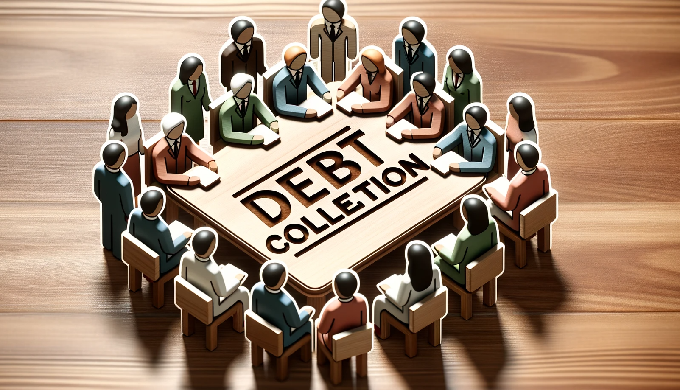
Picture this: a supplier ships goods on 30-day credit terms, the invoice quietly slips past its due date, and three follow-up emails later, the client has gone silent. It’s a familiar scenario for thousands of businesses operating in Singapore, and it’s exactly the gap that debt recovery is built to close. Whether you run an SME, manage a rental property, or simply loaned money to someone who hasn’t paid it back, knowing how recovery works — and when to call in a debt collector Singapore companies rely on — can save both time and money.
Defining Debt Recovery in the Local Context
At its core, debt recovery is the organised pursuit of money that is contractually or legally owed to you. It isn’t a single action but a sequence of escalating steps, each designed to encourage repayment while minimising cost and conflict. Singapore’s legal framework — shaped by contract law, the Limitation Act, and tribunal systems like the Small Claims Tribunal — gives creditors several structured routes, so the process rarely needs to jump straight to court.
How the Recovery Journey Typically Unfolds
Rather than treating every unpaid debt the same way, most creditors move through stages that increase in formality:
Stage 1 — Soft reminders. A phone call or friendly email often clears up genuine oversights. Many “non-payments” are simply administrative delays.
Stage 2 — Formal demand. If reminders go unanswered, a written letter of demand sets a clear deadline and outlines the consequences of continued non-payment.
Stage 3 — Third-party involvement. When direct efforts stall, a specialist recovery agency steps in to negotiate on the creditor’s behalf, often achieving results faster because debtors tend to respond differently to a neutral third party.
Stage 4 — Legal recourse. As a last resort, the matter goes before the courts or tribunal, where a judgment can lead to enforcement measures such as a Writ of Seizure and Sale.
Where a Professional Agency Adds Real Value
Engaging a debt collector Singapore based agency isn’t about aggressive tactics — reputable firms operate under clear legal limits. Their real value lies elsewhere:
- Tracing skills. Debtors who change phone numbers or move addresses aren’t always trying to hide, but locating them still requires resources most businesses don’t have in-house.
- Behavioural insight. Experienced negotiators recognise stalling patterns and adjust their approach — firm but fair — to move a case toward resolution.
- Documentation discipline. Agencies know exactly what paperwork courts expect if a case escalates, which prevents wasted effort later.
- Time recovery. Every hour a business owner spends chasing payment is an hour not spent running the business itself.
Who Actually Needs Debt Recovery Services
This isn’t a service reserved for large corporations chasing six-figure sums. In practice, recovery support is used by:
| Situation | Typical Debt Type |
|---|---|
| SME selling goods or services on credit | Unpaid trade invoices |
| Landlord with a departed tenant | Outstanding rent or damages |
| Freelance consultant or contractor | Overdue project fees |
| Individual who lent money privately | Unreturned personal loan |
| Wholesaler dealing with a struggling retailer | Aging trade credit |
Each of these cases sits under slightly different legal ground — a tenancy dispute may reference the tenancy agreement and relevant housing regulations, while a trade debt is usually anchored in the original sales contract.
Before You Escalate: A Short Checklist
Jumping straight to legal action is rarely the most efficient route. It’s worth pausing to:
- Pull together every invoice, contract, and email thread tied to the debt
- Double-check that you have the debtor’s current contact and business address
- Try one last direct, documented conversation
- Decide on a cut-off point — a date beyond which you’ll stop chasing informally and start formal recovery
Frequently Asked Questions
How long do I have to recover a debt in Singapore? Generally, claims must be brought within six years of the debt arising, under the Limitation Act — though this can vary depending on the type of claim.
Is hiring a collection agency the same as taking legal action? No. Agencies typically negotiate and pressure for repayment outside of court; litigation is a separate, formal step that may follow if negotiation fails.
Can a debt collector in Singapore contact anyone about my debt? Reputable agencies are bound by conduct standards and privacy rules — they cannot harass debtors, contact unrelated third parties inappropriately, or misrepresent themselves.
The Bottom Line
Debt recovery in Singapore works best when it’s treated as a process, not a single confrontation. Start gently, document everything, and escalate deliberately — bringing in a specialist agency or legal counsel only once informal efforts have run their course. Handled this way, most businesses recover what they’re owed without burning the relationship, or the clock, in the process.
For more information: click here


Affiliate marketing works because readers trust the person recommending a product. That trust breaks the moment someone realises a “recommendation” was really a paid placement they weren’t told about. For fintech brands and their publisher networks operating across the EU, getting affiliate link disclosure right isn’t just good practice, it’s a legal requirement with real enforcement teeth behind it.
This matters more in financial services than almost any other sector. A misleading comparison site pushing a credit product without disclosing commission isn’t just an advertising slip, it can influence someone’s borrowing decision. Regulators treat that seriously, and so should every fintech running an affiliate programme.
This guide covers what EU rules actually require, how disclosure should look across different channels, and where fintech affiliate programmes tend to get it wrong.
What Does Affiliate Link Disclosure Mean Under EU Law?
Affiliate link disclosure is the practice of clearly telling a reader, viewer, or listener that a piece of content contains a paid or commission-based link, before they interact with it. Under the EU’s Unfair Commercial Practices Directive, failing to disclose this commercial relationship is treated as a misleading omission, regardless of whether the product recommendation itself was accurate.
The core principle is simple: if money changes hands (or will change hands) because someone clicks a link, signs up, or completes an action, the audience needs to know that before they act on the content.
Why This Isn’t Just a Compliance Formality
Some marketing teams treat disclosure as a box-ticking exercise, a small line of text added because a lawyer asked for it. That’s a mistake, and not just a legal one.
Disclosure done well actually builds trust. Readers are more forgiving of affiliate content when it’s upfront about the relationship than when they discover it was hidden. A comparison article that says “we may earn a commission if you open an account through this link” reads as honest. The same article with no disclosure, once a reader figures out the incentive exists, reads as manipulative, even if the recommendation was genuinely the best option available.
There’s also a commercial angle fintech marketers often miss. Publishers who build long term audiences care about their own credibility. The strongest affiliate partners in financial services, comparison sites, personal finance newsletters, YouTube channels covering investing, tend to disclose clearly because it protects their brand as much as yours. If a partner in your network is skipping disclosure to squeeze out a few extra conversions, that’s usually a sign of a low quality partner, not a high performing one.
The EU Legal Framework Behind Affiliate Disclosure
There isn’t a single “affiliate marketing law” in the EU. Instead, disclosure obligations come from a mix of consumer protection, advertising, and sector specific rules that apply depending on what’s being promoted.
Unfair Commercial Practices Directive (UCPD)
This is the main piece of legislation affecting affiliate disclosure across the EU. The UCPD prohibits misleading commercial practices, and national consumer authorities across member states have confirmed that undisclosed affiliate or sponsored content falls into this category. The logic is that omitting a material fact, in this case, that the content is commercially motivated, can distort a consumer’s decision in a way they wouldn’t have accepted if they’d known.
GDPR and ePrivacy Rules
Affiliate tracking almost always involves cookies or similar tracking technologies to attribute a sale or lead back to the right publisher. That means consent requirements under GDPR and the ePrivacy rules apply alongside disclosure obligations. A publisher running affiliate tracking without proper cookie consent has two separate compliance problems, not one.
Sector Specific Overlays
Financial services carries extra weight here. If the affiliate content promotes investment products, MiFID II requires that all marketing communications are fair, clear, and not misleading, and this obligation extends to how the product is presented through third party promoters, with oversight from ESMA and national regulators. Lending and credit products fall under the EU Consumer Credit Directive, which sets specific requirements for how credit advertising presents costs and terms. Crypto asset promotion is now covered by MiCA, which places direct obligations on how crypto products can be marketed, including through affiliates.
The practical takeaway: a fintech running affiliate marketing for a savings account faces different disclosure obligations than one running affiliates for a crypto exchange or a P2P lending platform. Programme structure needs to reflect that from the outset, which is one reason it pays to build compliance into an affiliate strategy from the start of the programme rather than retrofitting it later.
How to Disclose Affiliate Links Correctly
Getting the wording right is only part of it. Placement, timing, and visibility all matter just as much as the words used.
Disclose Before the Link, Not After
A disclosure buried at the bottom of a 2,000 word article, after every affiliate link has already appeared, doesn’t meet the “before the reader acts” standard that regulators expect. The disclosure needs to appear early enough that someone scanning the page, not reading every word, still sees it before clicking through.
Use Plain Language
Skip the legal hedging. Phrases like “this post may contain affiliate links” or “we earn a commission if you sign up through links on this page” are clear and understandable to a general audience. Vague phrasing such as “we may be compensated” without explaining how, or disclosures written only in dense legal terminology, tend to fail the clarity test.
Make It Visible, Not Just Present
A disclosure technically exists on the page but is styled in tiny grey text against a white background, it’s arguably still non compliant in spirit, because the goal of the rule is that consumers actually notice it. Font size, colour contrast, and placement should make disclosure something a reader would reasonably see, not something they’d need to search for.
Match Disclosure to the Channel
Different formats need different approaches.
- Blog posts and comparison articles: a clear statement near the top of the page, plus per-link cues where relevant (for example, marking a specific button or link as sponsored).
- YouTube and video content: verbal disclosure early in the video, combined with the platform’s built in paid promotion tag and a written note in the description.
- Social media: disclosure needs to sit within the post itself, not just in a bio or linked page. A hashtag like #affiliate or #ad, placed clearly rather than buried among a dozen other tags, generally works.
- Email newsletters: a short line near the top of the email, not just in a footer that most readers never scroll to.
- Comparison and review sites: given how central affiliate revenue is to this format, disclosure should appear both as a site wide policy and contextually near the comparison tables or product listings themselves.
Disclose the Relationship, Not Just the Existence of a Link
There’s a difference between telling someone “this is an affiliate link” and telling someone why that matters. Strong disclosure explains that the publisher earns money if the reader takes a specific action, which is the piece of information that actually changes how a reader interprets the recommendation.
Common Mistakes Fintech Affiliate Programmes Make
After working across affiliate networks in financial services, a few patterns show up repeatedly.
Treating disclosure as a one time legal review. A brand gets a disclosure template approved by legal once, then never checks whether publishers in the network are actually using it correctly, or using it at all. Affiliate networks need ongoing spot checks, not a single sign off.
Assuming publishers will handle it themselves. Publishers are responsible for their own content, but the brand paying the commission still carries reputational and, in some jurisdictions, joint liability risk if disclosure across its affiliate network is consistently poor. Programme managers should include disclosure requirements directly in publisher agreements, not treat it as an assumed courtesy.
Inconsistent standards across markets. A disclosure approach that works in one member state doesn’t automatically translate elsewhere. Language, regulatory emphasis, and even reader expectations around sponsored content vary across European markets. A programme running in Germany, France, and the Netherlands needs disclosure reviewed for each market, not a single English language template applied everywhere.
Over-reliance on platform defaults. Relying solely on a social platform’s built in “paid partnership” tag, without additional disclosure in the post copy, is often not enough on its own to satisfy UCPD style clarity requirements, particularly for financial products where the standard of care is higher.
No process for reviewing high risk content. Comparison articles ranking credit products or investment platforms carry more regulatory weight than a general blog post. These deserve a compliance review step before publication, not just a standard editorial check.
What Happens When Disclosure Fails
Enforcement varies by member state, since national consumer protection authorities apply the UCPD through their own domestic legislation. But the consequences generally fall into a few categories: fines from national regulators, mandatory content takedowns or corrections, reputational damage once a case becomes public, and in financial services specifically, additional scrutiny from sector regulators if the affiliate content touched on regulated products.
The reputational cost is often underestimated. A single publicised case of an undisclosed affiliate relationship in a comparison article about credit products can undermine trust across an entire affiliate network, not just the one publisher involved.
A Practical Checklist for Fintech Marketing Teams
Before launching or auditing an affiliate programme, it’s worth checking these points:
- Disclosure appears before the first affiliate link on every page format, not just at the bottom
- Wording is plain and specific about the commercial relationship, avoiding vague legal language
- Disclosure is visually prominent, not hidden in small text or low contrast colours
- Publisher agreements include explicit disclosure requirements as a condition of the partnership
- High risk content (credit, investment, crypto products) gets an additional compliance review
- Disclosure standards are reviewed per market, accounting for language and local regulatory expectations
- Cookie consent and tracking disclosures are handled separately and correctly under GDPR and ePrivacy rules
- The affiliate network is periodically audited for actual compliance, not just template approval
Where Circlewise Fits In
Building a compliant affiliate programme across multiple European markets takes more than a legal template. It means structuring publisher agreements correctly from the start, choosing partners who already understand disclosure standards in financial services, and reviewing content before it goes live rather than after a regulator flags it.
This is where a specialist partner earns its place. Circlewise works with fintech, lending, and investment platforms to build affiliate and partnership programmes where compliance is part of the recruitment and management process, not an afterthought bolted on later. That includes vetting publishers for how they handle disclosure, structuring commission arrangements (CPA, CPL, or a hybrid CPL plus CPS model for higher value products) in ways that don’t create incentives to cut corners, and keeping programmes aligned as EU rules continue to evolve.
Conclusion
Affiliate link disclosure under EU rules isn’t complicated in principle: tell readers clearly, before they act, that a commercial relationship exists. The difficulty is applying that principle consistently across formats, publishers, and markets, especially in financial services where the products being promoted carry real consequences for the people reading about them.
Fintech brands running affiliate programmes should treat disclosure as an ongoing operational standard, not a one off legal sign off. That means clear publisher agreements, market specific reviews, and regular audits of what’s actually appearing on partner sites. Done well, disclosure doesn’t hurt affiliate performance. It builds the kind of trust that makes affiliate marketing work in the first place.
Frequently Asked Questions
Is affiliate link disclosure legally required in the EU? Yes. The Unfair Commercial Practices Directive treats undisclosed commercial relationships, including affiliate links, as a misleading omission. National consumer protection authorities across member states enforce this through their own domestic implementing legislation.
Where should an affiliate disclosure appear on a webpage? Near the top of the content, before any affiliate links appear, and written clearly enough that a reader scanning the page would notice it. A disclosure only at the bottom of the article typically doesn’t meet the “before the reader acts” standard.
Does a platform’s built in “paid partnership” tag count as sufficient disclosure? It helps, but it’s often not enough on its own, particularly for financial products. Additional disclosure within the post copy or video itself gives a clearer, more complete signal to the audience.
Do disclosure rules differ between EU member states? The underlying UCPD framework is consistent, but enforcement, language expectations, and interpretation can vary by national regulator. Programmes running across multiple markets should review disclosure practices per country rather than applying one template everywhere.
Who is responsible if a publisher fails to disclose an affiliate relationship, the brand or the publisher? Both carry risk. Publishers are directly responsible for their own content, but brands running the affiliate programme can face reputational and, in some cases, joint liability exposure if disclosure failures are widespread across their network.
Does affiliate disclosure apply to email newsletters as well as blog content? Yes. Any format where a commercial relationship might influence how a reader interprets a recommendation needs disclosure, including email, social media, video, and podcasts, not just written web content.
Are disclosure requirements stricter for financial products than other affiliate niches? In practice, yes. Financial promotions already carry additional obligations under frameworks like MiFID II and the Consumer Credit Directive, which raises the bar for how clearly affiliate content needs to present both the product and the commercial relationship behind it.
How often should an affiliate network be audited for disclosure compliance? Regularly, rather than as a one time check during onboarding. Publisher content changes over time, and a programme that was compliant at launch can drift if disclosure standards aren’t actively monitored.

NPI Number Search: How to Find and Verify a National Provider Identifier

Natural Herbal Products by Ecoxent – Simple Care Inspired by Nature

Bracknell Airport Transfer: A Convenient Way to Travel to and From the Airport

Seafood Restaurant in Windham NH: A Guide to Enjoying Great Seafood

Cashmere Sweater Buying Guide What to Check Before You Buy

The Cortado: A Perfect Blend of Espresso and Milk

A New Culinary Haven Emerges: The News Café

Are Nut Thins Healthy? Unveiling the Nutritional Pros and Cons

A Step-by-Step Guide to Cleaning Your Nike Air Max Shoes