Lifestyle
The Elite Experience of Ewell666 in Amsterdam


Amsterdam is a city of endless charm, blending history, culture, and modernity. Among its many attractions and luxury offerings, Ewell666 Elite Amsterdam stands out as a premier destination for those seeking exclusivity, sophistication, and a touch of mystery. Whether you’re curious about its appeal or looking to experience it firsthand, this blog post is your ultimate guide to understanding what makes Ewell666 Elite in Amsterdam a top-tier experience.
What Is Ewell666 Elite Amsterdam?
Ewell666 Elite Amsterdam is synonymous with high-end experiences tailored to discerning individuals. It isn’t just a name—it represents a lifestyle of exclusivity, blending luxury services, personalized attention, and access to Amsterdam’s hidden gems. From fine dining to exclusive nightlife, Ewell666 Elite provides unparalleled access to a world of indulgence.
If you’re someone who values privacy, impeccable service, and unique experiences, Ewell666 Elite Amsterdam might just be the key to unlocking a side of the city you never knew existed.
Why Choose Ewell666 Elite in Amsterdam?
Whether you’re visiting Amsterdam for business or leisure, Ewell666 Elite elevates your stay to extraordinary heights. Here’s what sets it apart:
1. Personalized Luxury Services
Ewell666 offers a range of personalized services, ensuring every experience feels custom-tailored. From arranging private transport to curating exclusive events, the attention to detail is second to none.
2. Access to Hidden Gems
Amsterdam is full of secret spots—whether it’s a speakeasy bar, a rooftop garden with a view of the city, or an exclusive art gallery. Ewell666 opens doors to places typically reserved for insiders.
3. Unmatched Hospitality
Ewell666 Elite’s staff are trained to anticipate your every need. From multilingual concierge services to 24/7 availability, their goal is to make your stay seamless and stress-free.
4. Networking Opportunities
For business travelers, Ewell666 Elite is an excellent platform for connecting with like-minded individuals. Attend private events or exclusive meetups where you can network with other elites.
Top Experiences Offered by Ewell666 Elite
1. Exclusive Dining Experiences
Skip the tourist traps and indulge in private chef-curated meals, rooftop dinners, or reservations at Amsterdam’s Michelin-starred restaurants. Ewell666 ensures your palate is pampered.
2. Private Tours of Amsterdam
Ewell666 organizes tailored tours, giving you behind-the-scenes access to the Anne Frank House, Van Gogh Museum, and Amsterdam’s vibrant canal systems.
3. High-End Shopping Assistance
If shopping is on your agenda, Ewell666 connects you with personal shoppers and exclusive boutiques, ensuring you find unique pieces that reflect your style.
4. Luxurious Accommodation
From penthouses overlooking the canals to boutique hotels hidden in quiet neighborhoods, Ewell666 offers accommodations that blend privacy with opulence.
Who Is Ewell666 Elite Amsterdam For?
Ewell666 Elite Amsterdam caters to a niche audience:
- Travelers Seeking Luxury: If your idea of travel involves luxury cars, five-star hotels, and gourmet meals, this is for you.
- Business Professionals: Those looking to balance work with pleasure will appreciate Ewell666’s ability to combine high-end comfort with networking opportunities.
- Art and Culture Enthusiasts: Gain access to private art collections, exclusive performances, and cultural events.
- Event Planners: From destination weddings to corporate retreats, Ewell666 ensures every detail is flawless.
How to Experience Ewell666 Elite in Amsterdam?
To begin your journey, you can inquire about their packages or customized services directly through their official channels. Ewell666 ensures a seamless onboarding process, guiding you from inquiry to booking with precision and care.
Why Amsterdam Is the Perfect Backdrop for Ewell666 Elite
Amsterdam’s rich history, picturesque canals, and modern luxuries make it the ideal location for Ewell666 Elite. Whether you’re sipping cocktails at a hidden bar, exploring historic neighborhoods, or cruising the canals on a private boat, the city amplifies the exclusivity offered by Ewell666.
Conclusion
Ewell666 Elite Amsterdam is not just about luxury—it’s about redefining what it means to experience a city. With personalized services, exclusive access, and unmatched hospitality, it offers an unforgettable blend of culture, sophistication, and adventure. Whether you’re a first-time visitor or a seasoned traveler, Ewell666 Elite guarantees to make Amsterdam feel like it was designed just for you.
FAQs
1. What is Ewell666 Elite Amsterdam?
Ewell666 Elite Amsterdam is a high-end lifestyle service offering luxury experiences, exclusive access, and personalized attention in Amsterdam.
2. How can I book Ewell666 Elite services?
You can contact Ewell666 directly through their website or official communication channels to inquire about services and packages.
3. Is Ewell666 Elite Amsterdam suitable for business travelers?
Absolutely. Ewell666 provides tailored services for business professionals, including private meeting spaces and networking events.
4. Does Ewell666 Elite offer tours of Amsterdam?
Yes, Ewell666 organizes private, customized tours of Amsterdam, covering historic landmarks, cultural hubs, and hidden gems.
5. Are accommodations included in Ewell666 packages?
Ewell666 offers luxurious accommodation options as part of their packages, ensuring privacy and comfort.
6. Is Ewell666 suitable for group events?
Yes, Ewell666 can organize events ranging from intimate gatherings to large-scale corporate retreats.



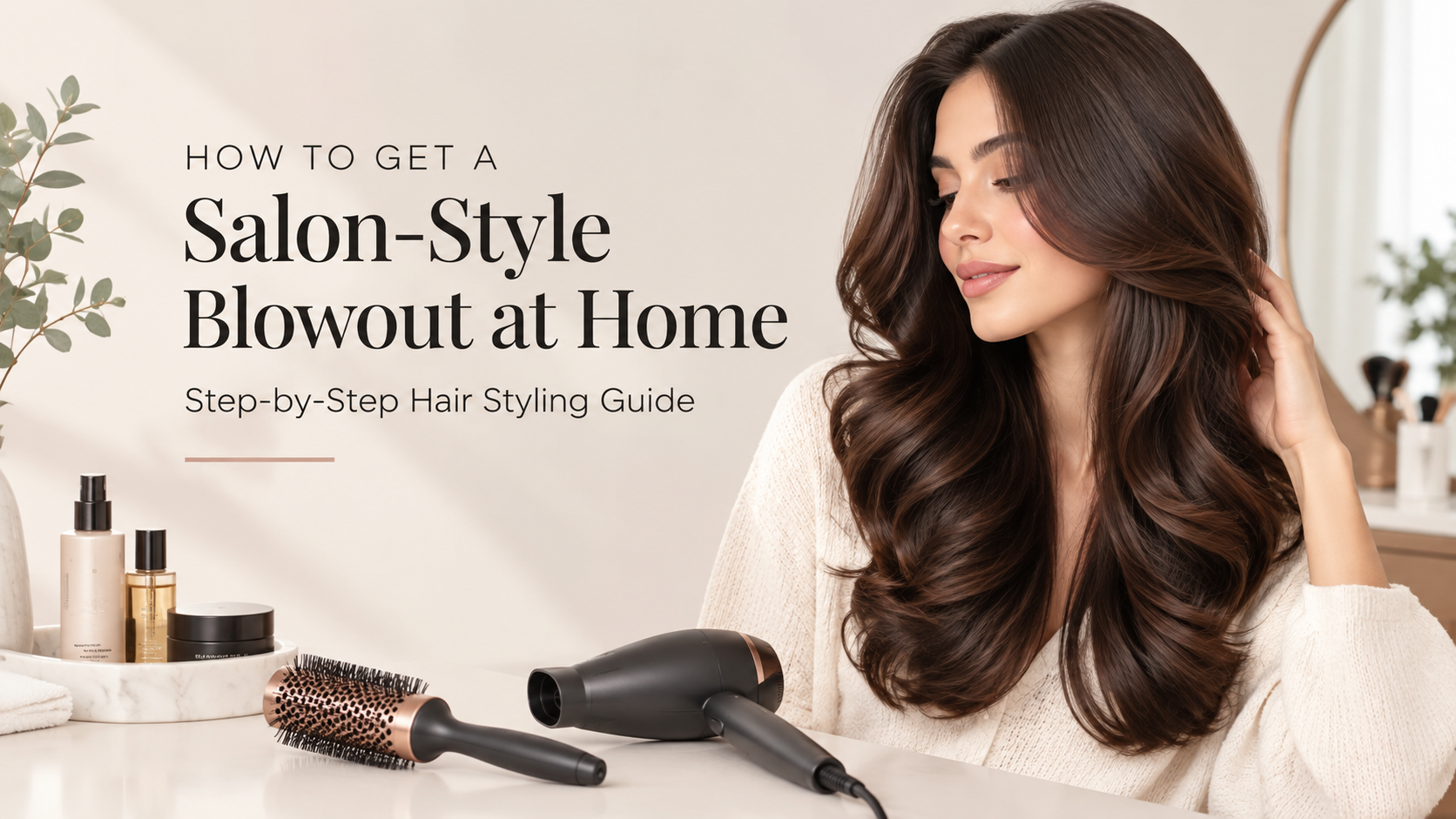
A salon-style blowout can look easy, but recreating the same smooth finish and volume at home is often harder than expected. The roots may fall flat, the ends may turn frizzy, and styling can quickly become tiring. The good news is that salon-like results depend more on the right technique than on complicated tools.
Starting with properly damp hair, working in small sections, using controlled heat, and letting each section cool can make a clear difference. This matters even more in Pakistan, where heat, humidity, dust, and long days can affect how well a hairstyle holds. The goal is simple: smooth hair, natural volume, soft movement, and a blowout that looks polished without feeling stiff.
What Makes A Salon-Style Blowout Look Different?
A regular blow-dry mainly dries hair. A blowout dries and shapes it together, creating lift at the roots, smoother lengths, and a soft bend at the ends. The real difference is control. Stylists work in sections, keep tension steady, direct air along the hair, and let sections cool. That is why a hotter or more powerful dryer doesn’t automatically create better hair. Technique shapes the result.
Build A Blowout Kit You Will Actually Use
You do not need a crowded shelf to create a polished blowout at home. A small set of well-chosen tools is usually enough, and keeping the routine simple makes it easier to repeat without turning styling into a long process. The right setup should match your hair type, length, and comfort level rather than look impressive on its own.
- Hair dryer or dryer brush: Choose a tool you can control easily. A traditional dryer gives more freedom over airflow, while a dryer brush can simplify styling if handling two tools feels difficult.
- Round brush: Pick a size that suits your hair length and the finish you want. Smaller brushes can create more shape, while larger brushes are often useful for smoother lengths and softer volume.
- Sectioning clips: Clean sections make styling easier and help you focus on one area at a time instead of repeatedly passing heat over the same hair.
- Heat protectant: Apply it according to the product directions before using heat. It should be a basic part of the routine, not an optional finishing step.
- One lightweight styling product: Fine hair may need light root support, while thicker or frizz-prone hair may benefit from a small amount of smoothing product through the lengths.
A good blowout kit should make the technique easier, not add more work. Comfort, control, and products that suit your actual hair needs matter more than having a complicated collection of styling tools.
How Do You Get A Salon-Style Blowout at Home?
The easiest way to learn how to do a blowout at home is to treat it as three stages: preparation, shaping, and setting. Each stage affects the next one, so rushing the preparation often makes the actual styling harder than it needs to be.
Step 1: Start on Clean, Properly Conditioned Hair
Wash away excess oil and buildup, then condition the lengths according to your hair type. Heavy product around the roots can work against volume, while dry or coarse ends may need richer care. Blot the hair gently after washing and avoid rough towel rubbing.
Step 2: Remove Excess Water First
Do not begin detailed brush work on dripping hair. Gently remove excess water and detangle according to your texture. Let the hair become damp before shaping so you spend less time heating each section.
Step 3: Apply Heat Protection before Styling
Use heat protectant as directed on its label and spread it through the areas that will meet hot air or a heated tool. Keep extra styling product controlled. Use light mousse near the roots for lift or a small amount of smoothing product when puffiness is the bigger issue.
Step 4: Section Hair before You Chase Volume
Divide the hair into manageable sections and clip away what you are not styling. Start lower on the head and work upward. If the brush cannot control the full section, make it smaller. Smaller sections also make dryness easier to judge.
Step 5: Build Root Lift before Styling The Ends
Place the brush beneath the section close to the root and lift the hair away from its normal fall. Guide the dryer along the strand rather than blowing air in several directions. Polished ends cannot rescue a flat crown, so spend attention where the style needs height.
Step 6: Keep Tension Smooth And Keep The Tool Moving
Guide the brush through the lengths using steady, comfortable tension. Point airflow in the same general direction as the strand when using a separate dryer. Avoid holding strong heat on one spot. Excessive heat can damage hair, so use the lowest effective setting that gives you control. Fragile, bleached, or breaking hair needs extra care.
Step 7: Shape The Ends And Let Them Cool
Roll the brush slightly inward near the ends for a classic bouncy blowout. Change the direction of a few face-framing pieces if you want more movement. Use a cool-shot setting if your dryer has one, or give each section a short cooling pause. For extra lift, clip crown pieces loosely while cooling, then release them gently.
Hair Tools That Can Make A Home Blowout Easier
Different tools suit different skill levels. A one-piece dryer brush simplifies hand coordination, while a separate dryer and round brush give more control over airflow and brush size. The better option depends on how comfortable you are handling the tool and how much control you want over the finished style.
One Step Hair Brush Dryer And Styler
The One Step Hair Brush Dryer And Styler 1000W is intended for towel-dried, damp hair. Its directions recommend small sections, root lifting, slow movement toward the ends, and keeping the brush moving instead of holding heat in one place. This tool type can make a hair dryer brush routine easier to learn, but sectioning, heat protection, and sensible heat still matter.
Traditional Hair Dryer And Round Brush
This method asks both hands to work together, but it gives more freedom to change brush size, airflow direction, and tension. It may suit people who already feel comfortable controlling two tools.
Why Does Your Blowout Fall Flat So Fast?
A blowout that collapses quickly usually has a reason. More hairspray is not always the answer. Before adding another styling product, look at how the hair was prepared, dried, and cooled because one weak step can affect the entire finish.
Check these common problems first:
- The roots were still damp: Hidden moisture can make volume drop as the hair finishes drying.
- The sections were too large: Outer strands may feel dry while hair underneath stays damp.
- Too much product was used: Heavy creams and oils can pull fine hair down.
- The roots were dried downward: Hair often needs lift at the base when volume is the goal.
- The style was disturbed while hot: Cooling gives the shape time to settle.
- Humidity changed the finish: Moist air can affect smoothness and volume during warm Pakistani weather.
Fix the cause before adding more styling product. A lighter routine often works better.
Adjust Your Blowout to Your Hair Type
Hair density, texture, chemical treatments, and current damage all change how much heat and tension make sense. The same blowout routine will not behave exactly the same way on every head of hair, so small adjustments can make styling easier and the result more natural.
Fine Hair
Keep product light and focus on lift near the roots and crown. Large amounts of oil or cream can erase volume quickly.
Thick Or Dense Hair
Remove more excess moisture before detailed styling and work in smaller sections. Check inner layers before moving on because the surface can feel dry first.
Wavy Or Curly Hair
Decide how much natural texture you want to keep. More tension creates a smoother finish, while gentler tension keeps more movement.
Bleached Or Fragile Hair
Lower the heat, reduce repeated passes, and treat weak areas gently. Do not keep chasing a glassy finish if the hair already feels brittle.
Once you understand what your hair actually needs, choosing styling and hair care products becomes much easier. Instead of adding products just because they are trending, focus on formulas and tools that fit your hair type and routine. Pakistani shoppers looking to build a more practical beauty routine can explore TheSkinFit for curated hair care, styling, skincare, and makeup options.
How to Make A Blowout Last Longer in Humid Weather
A long-lasting blowout starts during drying. Make sure the roots are dry, let sections cool, and avoid weighing the hair down with heavy finishing products. Humidity can make smooth hair swell or volume drop, especially during warm commutes, outdoor events, or long days.
Keep the scalp as dry as practical after a workout or warm commute, and gather longer hair loosely at night. Use dry shampoo when oily roots need it. Too much finishing product can make a fresh blowout feel heavy.
Frequently Asked Questions
How Dry Should Hair Be Before a Blowout?
Hair should be damp rather than dripping when focused styling begins. Removing extra moisture first gives you better brush control and reduces repeated heat on one section.
Can A Beginner Do A Salon Blowout at Home?
Yes. Start with small sections and learn root lift, steady tension, airflow, and cooling first. A simple blowout done carefully can look more polished than a rushed style.
Is A Blow Dryer Brush Easier Than A Round Brush And Dryer?
It can feel easier if managing two tools is difficult. A separate dryer and round brush give more control, while a dryer brush makes the hand movements simpler.
Why Does My Blowout Look Frizzy?
Hair may be too wet, sections may be too large, airflow may be scattered, or the brush may not control the strand well. Very high heat can also add stress without fixing weak technique.
How Can I Get More Volume at The Roots?
Lift each section away from its normal fall while drying the base. Let the root dry in that raised position, then give it a moment to cool before brushing through.
How Do I Make My Blowout Last Overnight?
Make sure the hair is fully dry before bed and gather longer lengths loosely. Humidity, sweat, scalp oil, and natural texture still affect how long the shape lasts.
Can I Blow Out Damaged Hair?
Damaged or chemically treated hair needs gentler styling. Use lower heat, reduce repeated passes, detangle carefully, and stop chasing extra smoothness if the hair is already breaking.
The Finish Should Look Effortless, Not Overworked
A salon-style blowout at home is not about using the hottest dryer or the most products. The useful skill is knowing when a section is ready, where roots need lift, how much tension hair can handle, and when to stop. Learn that rhythm and the mirror starts giving better news. Your arms may even forgive you.
For more beauty, lifestyle, and everyday self-care inspiration, explore The Magazine Blog for helpful tips and ideas to complement your beauty routine.


Organisations across every industry are placing sustainability at the forefront of their priorities. They are implementing practices that conserve resources and reduce environmental impacts as part of their carbon reduction efforts. Measures such as improved energy efficiency, smarter waste management, and sustainable procurement are essential elements of an effective strategy. However, your cleaning practices can also support your organisation’s carbon-reduction plans in various ways. Though cleaning is often viewed as a basic operational necessity, working with a professional commercial cleaning company can have measurable impacts on your environmental performance.
How cleaning impacts sustainability efforts
All buildings require some level of resource consumption to maintain safe, healthy indoor environments. From water and energy to equipment and supplies, your cleaning programme directly impacts your organisation’s environmental footprint.
When cleaning excessively or using inappropriate products and tools, it is easy to waste resources and generate unnecessary emissions. Sustainable cleaning focuses on reducing these impacts by lessening the consumption of products, energy, and water while maintaining a high standard of cleanliness. By cleaning more efficiently, your business can also reduce emissions associated with day-to-day operations.
Cutting back on chemicals
Cleaning products have to be created, packaged, and transported before they arrive at your facility. Many products also have chemical ingredients that require extensive manufacturing processes before they reach your cleaners. In addition, not all chemicals are created equal. Some products can create harmful by-products when they are improperly disposed of.
By using fewer cleaning items, your business can reduce its consumption of chemicals. Look for concentrated formulas, environmentally preferable products, and precise dispensing equipment to reduce the number of cleaning supplies your business needs. By cutting back on your product use, you also reduce the emissions generated during production and distribution.
In addition to benefiting the environment, reducing harsh chemicals can help you create a healthier space for employees and customers.
Using less water
Water is another resource that must be managed carefully to minimise your environmental impact. Traditional cleaning methods can use a large amount of water, especially when servicing large commercial facilities.
Technological advances have made it possible to clean with significantly less water. From microfibre systems to controlled dispensing technology and efficient floor-cleaning machines, it is possible to achieve faster, better results while using far less water.
By cutting your water usage, you also reduce the energy required to treat, transport, and heat water at your facility. Cleaning more efficiently can indirectly reduce your business’s carbon footprint while preserving this valuable resource.
Generating less waste
Like many areas of your business, cleaning programmes can generate substantial amounts of waste. From disposable wipes and paper towels to plastic bottles and packaging materials, your cleaning programme can fill landfills with unwanted materials.
Environmentally friendly cleaning prioritises reusable tools and materials. Microfiber towels and pads, washable mopping systems, and refillable bottles work well for many applications. Buying your supplies in bulk can also help reduce your programme’s waste output.
The less waste your business produces, the fewer resources will be spent creating new supplies to replace them. Waste collection and transportation will also decrease, helping your carbon footprint.
Preserving your assets
A benefit of cleaning that’s often overlooked is that it can help preserve your assets. Floors, carpets, furniture, fixtures, and equipment are all expensive to replace. Keeping these assets clean can help them last longer, reducing the need to install new products as often.
New goods have to be created, which takes energy and produces emissions. By reducing your organisation’s asset turnover, you can reduce emissions related to production, transportation, manufacturing, and installation.
Maintaining your assets can also help your business get the most out of its investments. Taking good care of them can extend the life of expensive equipment and furnishings.
Cleaning for energy efficiency
A clean building will often operate more efficiently than one that is not well-maintained. Dirt and grime can build up in ventilation systems, air-conditioning units, and even lighting fixtures.
When these pieces of equipment are clean, they can do their jobs more efficiently and use less energy. Properly maintained ventilation systems can improve airflow and reduce your building’s energy consumption. Keeping equipment clean can help other energy-saving measures have the biggest impact.
Cleaning won’t directly reduce your energy consumption, but it can help your business work towards its carbon reduction goals.
Choosing sustainable products
Your cleaning programme can impact the purchasing decisions made throughout your business. By selecting sustainable products, equipment, and materials, you can improve your cleaning programme’s sustainability.
Ask suppliers about their practices and look for products that offer the best value without sacrificing your corporate environmental responsibility.
Not every organisation has established formal sustainability or carbon reduction goals. However, for those who have, their facility cleaning programme can play a vital role in meeting these targets. From improving energy efficiency to reducing waste and resource consumption, cleaning can directly support sustainability initiatives. The key to meeting these goals often lies in everyday operations rather than in standalone projects. If your business is looking to become more environmentally conscious, consider how your cleaning practices can be improved to support sustainability initiatives.
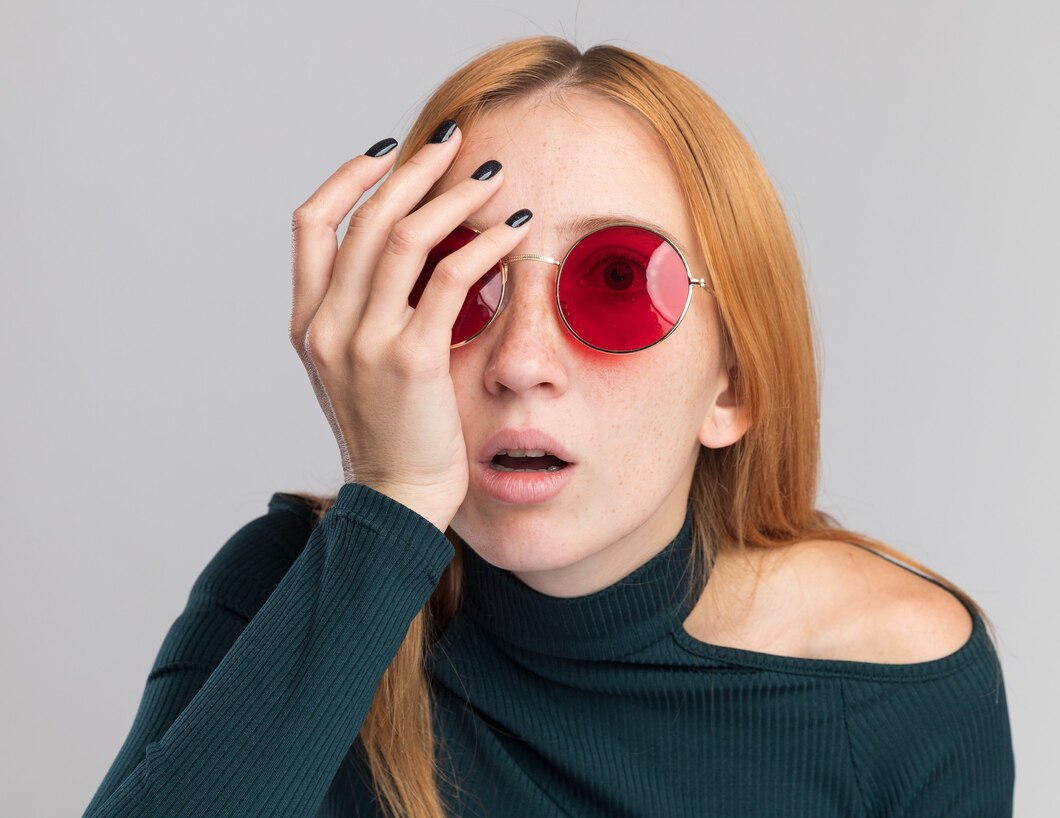
When your eyes turn red and irritated, it’s easy to jump to conclusions and assume it’s pink eye. After all, pink eye—medically known as conjunctivitis—is one of the most recognized eye conditions. But what if your symptoms point to something else entirely? Surprisingly, many conditions mimic pink eye, leading to frequent misdiagnoses.
In this blog post, we’ll explore the common culprits mistaken for pink eye, how they differ, and what to do if your eyes are in distress. Let’s set the record straight on eye health and help you avoid unnecessary worry!
Understanding Pink Eye (Conjunctivitis)
Pink eye occurs when the conjunctiva—the thin, transparent tissue covering the whites of your eyes and the inside of your eyelids—becomes inflamed. This can happen for a variety of reasons, including:
- Viral infections (the most common cause)
- Bacterial infections
- Allergic reactions
- Irritants like smoke, chlorine, or dust
Symptoms of pink eye often include redness, watery eyes, itching, and sometimes a sticky discharge. However, similar symptoms can stem from other conditions, leading to misdiagnosis.
What Is Commonly Misdiagnosed as Pink Eye?
Here are the top conditions that are frequently confused with pink eye:
1. Dry Eye Syndrome
Dry eye syndrome is a leading contender for misdiagnosis. This condition happens when your eyes don’t produce enough tears or the tears evaporate too quickly. Symptoms like redness, irritation, and a burning sensation can mirror pink eye. However, dry eye lacks the contagious nature of pink eye and usually doesn’t involve discharge.
2. Blepharitis
Blepharitis is an inflammation of the eyelids caused by clogged oil glands. It can make your eyes look red and irritated, similar to pink eye. Unlike conjunctivitis, blepharitis often includes symptoms like crusty eyelashes, swollen lids, and excessive tearing.
3. Allergies
Seasonal or year-round allergies can cause red, itchy, and watery eyes that mimic pink eye. However, allergic reactions are usually accompanied by sneezing, a runny nose, and no contagious discharge. Eye symptoms typically flare up around allergens like pollen, pets, or dust mites.
4. Subconjunctival Hemorrhage
This scary-sounding condition happens when a blood vessel bursts in the eye, creating a bright red patch. It looks alarming, but it’s harmless and not linked to infection or inflammation. Subconjunctival hemorrhage doesn’t cause itching or discharge, helping differentiate it from pink eye.
5. Eye Strain or Fatigue
Spending hours staring at screens or reading can leave your eyes red, irritated, and tired. While the appearance might resemble pink eye, the root cause is overuse rather than infection. A little rest and screen breaks usually solve the problem.
6. Uveitis
Uveitis, or inflammation of the middle layer of the eye, can lead to redness, pain, and light sensitivity. Unlike pink eye, this condition often affects vision and may feel more painful. Uveitis is serious and requires medical attention.
7. Contact Lens Complications
Wearing dirty or damaged contact lenses—or over-wearing them—can lead to redness, irritation, and discomfort. These symptoms can mimic pink eye but are usually linked to the lenses or poor lens hygiene rather than infection.
How to Tell the Difference
Differentiating pink eye from these conditions comes down to specific symptoms:
| Condition | Key Symptoms | Contagious? |
|---|---|---|
| Pink Eye (Conjunctivitis) | Redness, discharge, itchiness | Yes (if viral/bacterial) |
| Dry Eye | Redness, gritty feeling, no discharge | No |
| Blepharitis | Swollen lids, crusty lashes, excess tears | No |
| Allergies | Itchiness, sneezing, clear watery eyes | No |
| Subconjunctival Hemorrhage | Bright red spot, no pain or discharge | No |
| Eye Strain | Fatigue, red eyes, no itching or discharge | No |
| Uveitis | Pain, blurred vision, light sensitivity | No |
| Contact Lens Issues | Redness, irritation linked to lenses | No |
If you’re unsure what’s causing your symptoms, consult an eye doctor. Self-diagnosis can lead to incorrect treatment and prolonged discomfort.
When to See a Doctor
While some conditions resolve on their own, others require professional care. Seek medical attention if you experience:
- Severe pain or swelling
- Blurred or lost vision
- Persistent redness lasting more than a few days
- Thick, yellow, or green discharge
How to Protect Your Eyes
Caring for your eyes can help you avoid confusion and unnecessary suffering:
- Practice good hygiene: Wash your hands before touching your face or eyes.
- Avoid allergens: Minimize exposure to pollen, dust, and other triggers.
- Use screen breaks: Follow the 20-20-20 rule (look 20 feet away every 20 minutes for 20 seconds).
- Maintain contact lens hygiene: Clean and replace lenses as directed.
- See an eye doctor regularly: Routine checkups can catch issues early.
Conclusion
While pink eye is a common diagnosis for red, irritated eyes, it’s not always the correct one. Conditions like dry eye, blepharitis, and allergies often mimic pink eye, making it essential to identify the true cause of your symptoms. Knowing the differences can save you from ineffective treatments and lingering discomfort.
Taking proactive steps to protect your eye health and consulting a doctor when symptoms persist ensures your vision stays sharp and your eyes stay healthy.
FAQs
1. Can allergies be mistaken for pink eye?
Yes, allergy-related eye symptoms like redness, itching, and watering are often confused with pink eye. However, allergies aren’t contagious and usually involve sneezing and nasal congestion.
2. How can I tell if it’s pink eye or something else?
Pink eye often includes contagious discharge, while conditions like dry eye or allergies do not. If symptoms persist, see a doctor for an accurate diagnosis.
3. Is pink eye always contagious?
Not always. Viral and bacterial conjunctivitis are contagious, but allergic or irritant-induced pink eye is not.
4. Can I treat pink eye at home?
Mild cases can be managed with warm compresses and artificial tears. However, bacterial pink eye may require antibiotics.
5. Are dry eyes and pink eye related?
No, but their symptoms can overlap. Dry eye is a chronic condition, while pink eye is usually temporary.
6. Should I stop wearing contacts if I have pink eye symptoms?
Yes. Remove your lenses and consult a doctor to avoid further irritation or infection.
Гарніри з овочів до м’яса та риби: 10 ідей на будні
Чим цікавий сайт zabudovnik.kr.ua

NPI Number Search: How to Find and Verify a National Provider Identifier

Natural Herbal Products by Ecoxent – Simple Care Inspired by Nature

Bracknell Airport Transfer: A Convenient Way to Travel to and From the Airport

Are Nut Thins Healthy? Unveiling the Nutritional Pros and Cons

Do Electric Cars Have Transmissions?

What You Need to Know About Cup Size Before Buying Your First Bra

Rani No Hajiro in Ahmedabad: A Complete Guide to History, Shopping & Hidden Secrets