
Travel
Panama City to Colón by Rental Car: A Practical Panama Canal Itinerary


Colón is the practical base for seeing the Panama Canal from its Caribbean side, but it is also a city where transport choices matter. Cruise passengers have limited time ashore, while independent travelers often need to reach Gatún, Portobelo, or Panama City without depending on infrequent public transport. Planning the Canal visit around realistic driving times, opening hours, and rental requirements makes the difference between a rushed stop and a genuinely memorable day.
For visitors arriving by cruise or flying into Panama City, comparing Car rental services in Colón before arrival can simplify the logistics. YalaRide is a car-rental marketplace that connects travelers with independent rental operators, allowing them to compare available options rather than relying on a single counter at the port or airport.
Why Colón Works for Canal Sightseeing
Colón sits at the Caribbean entrance to the Panama Canal, near the Atlantic-side locks and the shipping route that connects the Caribbean Sea with Gatún Lake. Its most important Canal-facing attraction is the Agua Clara Visitor Center, located near Colón City on the Caribbean side of the waterway. From its observation areas, visitors can watch Neopanamax vessels pass through the newer locks that were built to accommodate ships too large for the original Canal chambers.
This makes Colón fundamentally different from Panama City for Canal viewing. Panama City’s Miraflores Visitor Center is convenient for travelers staying in the capital, but Agua Clara offers the perspective of the expanded Canal and Gatún Lake. The Panama Canal Authority describes both centers as offering Canal transits as the principal attraction, while noting that Agua Clara is in Colón Province, roughly an hour from Panama City.
The Canal Visit: What to Book
The Agua Clara Visitor Center is the main Canal-viewing stop for most visitors based in Colón. It is open daily from 8:00 a.m. to 5:00 p.m., although the ticket office operates from 8:00 a.m. to 3:30 p.m., so travelers should arrive with enough time to collect tickets and reach the viewing areas.
Tickets can be purchased online through the official Panama Canal visitor platform. The Canal Authority advises selecting the visitor center, entering passenger details, paying by credit card, and downloading the ticket before arrival. For non-Panamanian adults, the listed admission price is $10, with children aged 6 to 12 paying $5; prices and schedules can change, so checking the official page shortly before travel is sensible.
Best time to see ships
Canal traffic is not scheduled like a theme-park show. Large commercial vessels transit according to operational schedules, weather, pilot availability, and Canal traffic management, so no visitor center can promise a ship at an exact minute. The practical approach is to treat Agua Clara as a half-day outing: arrive early, allow time for the exhibits and observation deck, and remain flexible if transit is delayed.
Cruise passengers should be especially careful with timing. A ship excursion may provide a guaranteed return to the terminal, but a self-arranged Canal visit needs a clear buffer before the vessel’s stated all-aboard time. Traffic, parking, ticket collection, and the walk from the parking area can all consume more time than expected.
Getting From the Cruise Terminal
Colón has more than one cruise facility, and the exact terminal determines the transfer plan. Colón 2000 is the terminal most commonly associated with Caribbean cruise calls, while other itineraries may use different piers. Before booking a rental car, confirm the terminal name, pickup point, and whether the supplier offers port delivery or requires travel to an office.
From Colón 2000, Agua Clara is a short drive rather than a long intercity journey. Independent port guidance estimates the distance at roughly 9 to 12 kilometers, or about 15 to 20 minutes by taxi, although actual time depends heavily on traffic and the precise terminal exit. That makes a rental car practical for travelers who want to combine the Canal with other stops, but a pre-booked transfer or licensed taxi can be simpler for a single Canal-only visit.
Avoid accepting rides from people soliciting directly outside the terminal. Use the official transport desk, a prearranged operator, or a clearly identified taxi service instead.
When a Rental Car Makes Sense
A car is most valuable when Colón is part of a broader Caribbean-side itinerary rather than a single Canal stop. It gives travelers the flexibility to visit Gatún, continue toward Portobelo, explore beaches and historic sites at their own pace, or travel onward to Panama City without arranging separate transfers.
The main trade-off is responsibility. A rental car requires navigation, parking, fuel, insurance decisions, and confidence driving in an unfamiliar environment. For a cruise passenger with only a few hours ashore, a guided excursion or private transfer may be less stressful. For travelers staying overnight in Colón or beginning a longer Panama road trip, a vehicle can be considerably more efficient.
A practical itinerary
A sensible self-drive day might look like this:
- Pick up the vehicle in the morning, allowing time for paperwork and a vehicle inspection.
- Drive to the Agua Clara Visitor Center before the ticket office closes at 3:30 p.m.
- Spend two to three hours at the center, allowing flexibility for vessel movements.
- Continue to Gatún or another nearby attraction if time and daylight permit.
- Return well before any cruise-departure deadline, building in a substantial buffer for traffic or an unexpected delay.
This structure works because it does not assume that a ship will be in the locks at a precise time. It treats the Canal as the priority while preserving enough margin to return safely.
Renting a Car in Panama: Requirements
Rental policies vary by company, but several requirements are common across major operators. Travelers should expect to present a full, valid driver’s license from their home country, a passport, and a major credit card at pickup. Enterprise, for example, lists these items as required identification for its Panama locations.
Some operators also specify a minimum rental age and require that the driver has held a license for a minimum period. Sixt’s Panama terms, for instance, state that renters and approved drivers must have held a full valid license for at least one year, with a minimum age of 21 for certain vehicle groups. These are supplier policies rather than universal Panamanian law, so the decisive document is always the rental agreement and the specific operator’s terms.
Third-party liability coverage is mandatory for drivers in Panama under the country’s traffic rules. Collision damage waiver, theft protection, roadside assistance, and excess reduction are separate commercial products whose availability and cost differ by supplier. Before declining coverage, travelers should check whether their credit card or travel-insurance policy actually provides coverage in Panama and whether the rental company will accept that proof.
Documents to carry
- A valid home-country driver’s license
- Passport
- Major credit card in the driver’s name
- Rental confirmation and contact details for the supplier
- Proof of insurance coverage, if relying on a card or third-party policy
Travelers whose license is not in the Latin alphabet may need an International Driving Permit as an official translation. This is a sensible precaution even where a rental company does not explicitly require it, because it can reduce friction at pickup or during a police stop.
Driving From Panama City to Colón
Many international visitors arrive at Tocumen International Airport in Panama City and rent there before driving to Colón. This can be convenient when the itinerary includes both the Canal’s Pacific-side attractions and the Caribbean-side Agua Clara center. It also makes it easier to find a wider selection of vehicles than may be available directly in Colón.
Travelers searching to rent a car Panama City should compare the total rental cost rather than the advertised daily rate. Airport concessions, mandatory liability coverage, optional damage waivers, fuel policies, additional-driver fees, young-driver charges, and toll transponders can materially change the final bill. A marketplace such as YalaRide is useful here because it lets customers compare offers from multiple operators and submit a bid, rather than accepting the first counter price.
The drive from Panama City to Colón is generally straightforward, but it is not a route to treat casually. The Corredor Norte and Corredor Sur around Panama City use electronic tolling through the Panapass system, with no cash lanes. Confirm with the rental company whether the vehicle includes a transponder and how toll charges will be settled. Do not assume that every rental car automatically includes toll coverage.
Driving Conditions Around Colón
Panama drives on the right. Speed limits depend on road type: 40 km/h is the general limit on residential streets, 60 km/h on avenues, 100 km/h on carreteras, and 120 km/h on autopistas, unless signs indicate otherwise. Posted signs take precedence, and urban traffic, pedestrians, motorcycles, and sudden lane changes can make lower practical speeds appropriate.
Rain is a particular consideration. Heavy tropical downpours can reduce visibility quickly, create standing water, and make rural roads slower than their posted limits suggest. Avoid driving at night in unfamiliar rural areas if possible, especially if the itinerary involves returning to Colón after a Canal visit.
Fuel stations are generally available along main routes, but it is wise to begin a day trip with a reasonable fuel level rather than assuming a station will be open or conveniently located. Take photographs of the vehicle’s condition at pickup and return, note existing damage on the rental agreement, and retain receipts for fuel and tolls.
Beyond the Canal: Worthwhile Stops
Colón’s appeal is not limited to the locks. The province combines Caribbean-facing coastline, Afro-Caribbean heritage, colonial history, and access to natural areas. The Panama Tourism Authority identifies Colón as a destination shaped by Panama’s African and colonial legacy, which gives the area a cultural identity distinct from Panama City.
For travelers with additional time, Portobelo is a common extension. Its historic fortifications and bay reflect the region’s colonial and maritime past, though road conditions and travel time should be checked before committing to a same-day return. Gatún is another logical pairing with Agua Clara because of its connection to the Canal system and Gatún Lake.
A useful rule is to limit the itinerary to one major destination beyond the Canal if the visit is tied to a cruise. Trying to fit Agua Clara, Portobelo, Panama City, and shopping into one shore day usually produces more driving than sightseeing.
Choosing the Right Vehicle
For the magazine blog, The best vehicle depends less on status than on luggage, passengers, and road conditions. A compact car suits one or two travelers with light luggage who plan to remain on main roads. An SUV can be more comfortable for families, travelers carrying beach equipment, or those planning routes beyond Colón’s immediate urban area.
Before confirming a booking, check:
- Whether the price includes mandatory third-party liability insurance
- The deductible or excess for collision and theft coverage
- Whether the supplier permits pickup at the cruise terminal or hotel
- The fuel policy, particularly full-to-full versus prepaid fuel
- Mileage limits, if any
- The procedure for tolls and transponders
- Cancellation terms and after-hours pickup arrangements
These details matter more than a small difference in the headline daily rate. A lower quoted price can become expensive if insurance, airport fees, or fuel charges are added at the counter.
Frequently Asked Questions
Can I visit the Panama Canal from Colón without joining a cruise excursion?
Yes. The Agua Clara Visitor Center is near Colón City and can be reached by taxi, private transfer, or rental car. Visitors should buy tickets in advance through the official Panama Canal visitor platform and allow ample time to return to the cruise terminal.
Do I need an International Driving Permit to drive in Panama?
A valid license from the traveler’s home country is generally accepted for visitors, but an International Driving Permit can be important if the license is not in the Latin alphabet or as an official translation. Rental-company requirements can be stricter than the legal minimum, so check the specific supplier’s terms.
Is insurance included with a rental car in Panama?
Third-party liability coverage is mandatory for drivers in Panama. Collision and theft protection, roadside assistance, and deductible reduction are separate products, and their availability and terms vary by rental company.
How long should I allow for an Agua Clara visit?
Plan for at least half a day, including transfer time, ticket collection, viewing time, and a buffer for traffic. The visitor center is open daily from 8:00 a.m. to 5:00 p.m., while its ticket office closes at 3:30 p.m.
Is it better to rent in Panama City or Colón?
Renting in Panama City can offer more choice, particularly for travelers arriving at Tocumen Airport. Renting in Colón can be more convenient for cruise passengers who want to begin driving immediately after disembarking. Compare the full cost, pickup location, insurance terms, and return arrangements before deciding.



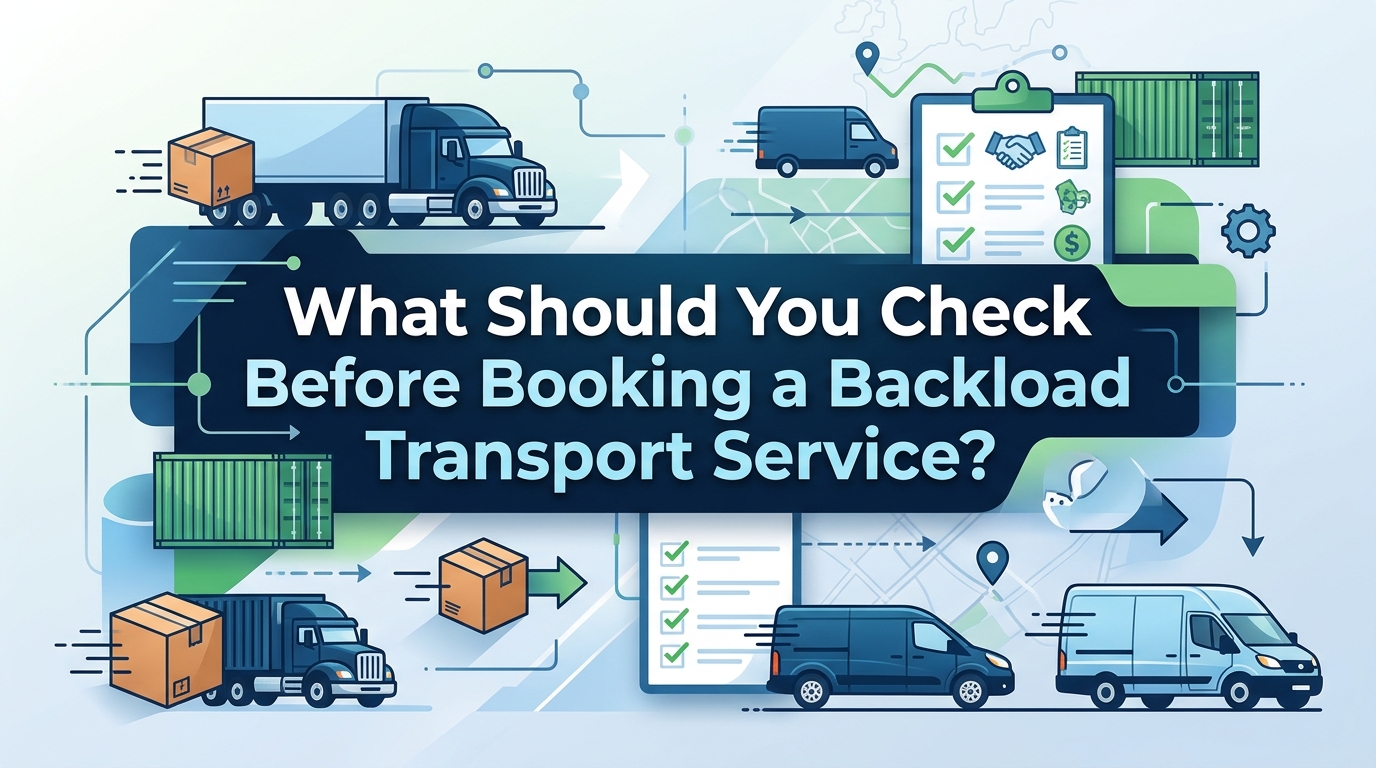
Moving goods across the UK can be expensive, especially when you need to arrange transport regularly. Fuel, driver time, vehicle costs and delivery charges can all add up. For businesses that want to keep spending under control, using available space on an existing delivery route may be worth considering.
This is where backload transport can help. It allows businesses to use spare space in a vehicle that is already travelling along a suitable route. Instead of paying for a dedicated journey, you may be able to arrange transport at a lower rate.
However, a cheaper quote does not always mean the right choice. Collection times, delivery dates, vehicle space and goods handling all need careful attention. If you overlook these details, a low-cost booking could lead to delays or extra charges.
Before you book, here are the key things to check to make sure the service suits your delivery needs.
1. Understand How Backload Transport Works
Before making a booking, understand what the service involves.
A backload usually means using spare space in a vehicle that is already travelling along a planned route. For example, a transport company may deliver goods from Birmingham to Manchester and have available space for a suitable load on the return journey.
This can help the company make better use of its vehicle and may allow the customer to pay less than they would for a dedicated vehicle.
However, the vehicle’s route and schedule must match your collection and delivery requirements.
Ask the transport provider:
- Is the vehicle already travelling along this route?
- How much space is available?
- Will my goods share the vehicle with other loads?
- Is the journey confirmed or still subject to availability?
- What happens if the existing delivery schedule changes?
Knowing how the arrangement works will help you decide whether it fits your business.
2. Confirm Collection and Delivery Times
Timing is one of the most important things to check.
Backload transport often depends on an existing vehicle schedule. This means you may have less control over the exact collection or delivery time than you would with a dedicated vehicle.
If your goods need to arrive by a strict deadline, check the schedule before confirming the booking.
Ask for clear information about:
- The expected collection date
- The estimated collection time
- The expected delivery date
- Any agreed delivery window
- How delays will be communicated
For example, a business sending stock to a shop in Leeds may be happy with a flexible delivery window. However, a company supplying equipment for a scheduled installation may need a confirmed arrival time.
Do not rely on vague promises such as “delivery should be tomorrow”. Ask the provider to explain what has actually been agreed.
3. Check the Vehicle’s Available Space and Capacity
Not every load will fit into every vehicle.
Before booking, provide accurate details about your goods. This includes their dimensions, weight, quantity and shape.
A load may look small on paper but take up more space because of awkward packaging or the way it needs to be loaded.
Check the following:
- Total weight of the goods
- Length, width and height of each item
- Number of pallets or packages
- Whether items can be stacked
- Whether goods need to stay upright
- Any special loading requirements
The vehicle must have enough space and a suitable payload for your goods. Never assume that spare space automatically means the vehicle can carry your load safely.
If you are moving heavy equipment, furniture or palletised stock, share photographs or a packing list where useful.
Clear information helps the transport company choose a suitable vehicle and reduces the risk of problems on collection day.
4. Ask How Your Goods Will Be Handled
Your goods may share vehicle space with other consignments. This makes handling and load security important.
Ask the provider how items will be positioned and protected during the journey.
For example, fragile products should not be placed beneath heavy goods. Items that can move during transport may need suitable restraints or protective packaging.
Before booking, check whether the provider can manage:
- Fragile or delicate items
- Heavy equipment
- Palletised goods
- Long or awkward loads
- Goods that must remain upright
- Items that need extra protection
You should also prepare your goods properly before collection. Use suitable packaging, secure loose parts and label items clearly.
If your load has special requirements, explain them before accepting the quote. It is much better to discuss these details early than discover a problem when the driver arrives.
5. Compare Prices and Check for Extra Charges
Cost is often one of the main reasons businesses consider this type of transport. However, you should compare the full price rather than focusing on the cheapest quote.
Ask the provider what the price includes and whether any extra charges could apply.
Possible additional costs include:
- Waiting time at collection or delivery
- Additional loading or unloading
- Extra collection or delivery stops
- Changes to the agreed route
- Failed delivery attempts
- Cancellation fees
- Special handling requirements
For example, a low quote may not include unloading assistance. If your business needs help moving heavy items from the vehicle, the final bill could be higher than expected.
Request a written quote that clearly explains the agreed service and charges.
This makes it easier to compare providers and avoid an unpleasant surprise when the invoice arrives.
6. Check Insurance and Liability Cover
Do not overlook insurance when arranging transport.
If your goods are damaged, lost or delayed, you need to understand what protection is available and who is responsible.
Ask the transport company about its goods-in-transit cover and any limits or exclusions that may apply.
Important questions include:
- What level of goods-in-transit cover is provided?
- Does the cover match the value of my goods?
- Are fragile or high-value items covered?
- Are there exclusions for certain types of goods?
- What is the process for reporting damage?
- What evidence is needed to make a claim?
Do not assume that the transport company’s insurance automatically covers the full value of every item.
You may need additional cover for high-value goods. Check your own business insurance too, particularly if you regularly send expensive stock or equipment.
Get the relevant terms in writing before the collection takes place.
7. Check the Transport Company’s Experience
A transport provider should understand the type of goods you need to move and the routes involved.
A company that regularly handles business deliveries may be better prepared to deal with collection arrangements, delivery paperwork and changing schedules.
Look for signs of a reliable service, such as:
- Clear contact details
- Professional booking support
- Relevant transport experience
- Suitable vehicles
- Clear insurance information
- Honest delivery estimates
- A straightforward complaints process
You can also check customer reviews and ask for references where appropriate.
Do not be afraid to ask questions. A good provider should be able to explain its process without making things unnecessarily complicated.
8. Confirm the Collection and Delivery Details
Small mistakes in delivery information can cause big problems.
An incorrect postcode, missing contact number or unclear access instructions may delay the driver and affect the rest of the journey.
Before confirming your booking, check:
- Full collection address and postcode
- Full delivery address and postcode
- Collection contact name and number
- Delivery contact name and number
- Site opening hours
- Vehicle access restrictions
- Loading and unloading arrangements
If the delivery is going to a warehouse or business premises, check whether the site has specific booking rules.
Some locations require advance notice or a confirmed delivery slot. Others may have restrictions on vehicle size or access times.
Make sure both the collection and delivery teams know when the vehicle is expected.
9. Understand What Happens if Plans Change
Transport schedules can change because of traffic, road closures, vehicle problems or delays at earlier delivery stops.
Before booking, ask what happens if the collection or delivery time needs to change.
Find out:
- Who will contact you about delays?
- How much notice will you receive?
- Can the collection date be changed?
- Are cancellation charges applicable?
- What happens if the vehicle becomes unavailable?
- Will another suitable vehicle be arranged?
These questions are especially important if your goods are needed for a business deadline.
You should also know who to contact if you need an update during the journey.
Clear communication can make a difficult situation easier to manage.
10. Make Sure the Service Fits Your Delivery Needs
A backload is not the best choice for every journey.
It can work well for planned deliveries where collection and arrival times are flexible. However, urgent consignments or loads that need special handling may be better suited to a dedicated vehicle.
Consider a backload when:
- Your delivery date is flexible
- Your goods fit the available vehicle space
- The route matches your collection and delivery points
- You want to explore a lower-cost transport option
- Your goods can travel alongside other suitable loads
Consider dedicated transport when:
- Goods must arrive at a strict time
- You need direct delivery
- The load requires exclusive vehicle space
- Your goods need special handling or security
The right option depends on the goods, route, timing and level of control your business needs.
11. Keep Written Records of Your Booking
Once you have agreed the service, keep a record of the details.
A written confirmation helps prevent misunderstandings between your business and the transport provider.
Your booking record should include:
- Agreed price
- Collection and delivery addresses
- Collection and delivery dates
- Expected time windows
- Goods description and quantity
- Vehicle or handling requirements
- Insurance details
- Any additional charges
Keep copies of relevant emails, quotes and delivery paperwork.
If something goes wrong, these records can help you understand what was agreed and resolve the issue more quickly.
Conclusion: Book Backload Transport With Confidence
Backload transport can be a useful way for UK businesses to make better use of available vehicle space and manage delivery spending. But the right booking needs more than a low price.
Check the vehicle capacity, collection and delivery schedule, goods handling arrangements, insurance cover and any extra charges. Make sure the provider understands your requirements and can explain what happens if plans change.
Taking a little time to check these details can help you avoid delays, unexpected costs and unnecessary stress.
For businesses looking for flexible transport support, Transit Fleet offers transport solutions designed around different delivery requirements. Explore Transit Fleet’s services to find practical support for your next business delivery.
Frequently Asked Questions
1. What is backload transport?
Backload transport uses available space in a vehicle that is already travelling along a suitable route. It can help transport companies reduce empty running and may offer customers a lower-cost delivery option.
2. Is backload transport cheaper than dedicated delivery?
It can be cheaper because you are using spare vehicle capacity rather than booking an entire vehicle for your goods. However, the final price depends on the route, load size, timing and provider.
3. Is backload transport suitable for urgent deliveries?
Not always. Backloads often depend on existing vehicle schedules, so collection and delivery times may be less flexible. A dedicated vehicle may be more suitable when goods must arrive by a strict deadline.
4. Are goods insured during backload transport?
The transport provider may have goods-in-transit insurance, but the level of cover and exclusions can vary. Always ask for the policy details and check whether the cover matches the value and type of your goods.
5. What information should I provide when booking a backload?
Provide the collection and delivery addresses, goods dimensions, total weight, quantity, packaging details and required delivery date. Also mention any special handling or loading requirements.


Cheap Business Class Flights to Australia: How to Fly in Comfort Without Overspending
Australia is one of the most popular long-haul destinations for international travellers. Whether you’re planning a business meeting in Sydney, a family holiday in Melbourne, or a relaxing getaway to Brisbane, the journey can involve many hours in the air.
For travellers who value comfort, privacy, and a better flying experience, business class flights to the Australia are an excellent option. However, premium airfare often comes with a higher price, leaving many passengers wondering whether affordable business class tickets are actually available.
The good news is that finding cheap business class flights to Australia is possible with careful planning, flexible travel dates, and the right booking approach.
In this guide, we’ll explain how to compare business class fares, identify suitable airlines, and find better flight deals without sacrificing the comfort you deserve.
Why Choose Business Class Flights to the Australia?
Long-distance international flights can be physically demanding, particularly when your itinerary includes overnight travel or multiple connections.
Business class provides several advantages that can make your journey more comfortable and convenient.
1. Spacious Seats and Better Sleep
Many international airlines offer business class seats that convert into fully flat beds. This allows passengers to rest more comfortably during long flights.
The extra space can be particularly useful for business travellers who need to arrive feeling rested and prepared for meetings.
2. Premium Dining and In-Flight Services
Business class passengers typically enjoy upgraded meals, additional beverage choices, and more personalised cabin service.
Available amenities depend on the airline, aircraft, and route.
3. Airport Lounge Access
Many eligible business class tickets include airport lounge access, giving travellers a comfortable place to relax before departure.
Lounges may offer refreshments, Wi-Fi, workspace facilities, and other amenities.
4. Priority Airport Services
Depending on the airline and ticket conditions, business class passengers may benefit from priority check-in, boarding, and additional baggage allowances.
These services can make long-distance travel more convenient.
How to Find Cheap Business Class Flights to Australia
Premium airline tickets can be expensive, but several practical strategies may help you find more affordable options.
Book Early and Compare Prices
Start researching business class airfare several months before your intended departure.
Airline prices fluctuate according to demand, seat availability, season, and route.
Booking early does not always guarantee the lowest price, but it provides more opportunities to compare available fares.
Be Flexible With Your Travel Dates
One of the easiest ways to identify cheaper business class tickets is to compare different departure dates.
For example, travelling a few days earlier or later may reveal a more affordable itinerary.
If your schedule is flexible, compare multiple weeks and avoid limiting your search to one specific departure date.
Consider Connecting Flights
Nonstop business class flights offer convenience, but connecting services can sometimes be more affordable.
Depending on your departure location, you may find suitable itineraries connecting through international hubs such as Doha, Dubai, Singapore, or Auckland.
Compare total travel time, connection duration, and cabin type before choosing a flight.
Compare Different Airlines
Several international airlines provide business class services to Australia.
Popular options include:
- Qantas
- Emirates
- Qatar Airways
- Singapore Airlines
- Cathay Pacific
- United Airlines
- Air New Zealand
Each airline offers different seating configurations, baggage allowances, lounge benefits, and ticket conditions.
Comparing the complete travel experience rather than the ticket price alone can help you select the most suitable option.
Explore Flight Booking Specialists
Travellers may also compare fares through premium flight booking services.
Business Class For Less helps passengers explore business class flight options for international destinations.
If you’re planning a trip, you can explore cheap business class flights to the Australia and request a quote based on your preferred dates and destination.
Popular Australian Destinations for Business Class Travellers
Australia has several major international airports serving business and leisure travellers.
Business Class Flights to Sydney
Sydney is a major destination for international business meetings, conferences, and holidays.
Business class travellers can enjoy a more comfortable journey before exploring the city’s famous attractions, including Sydney Harbour and Bondi Beach.
Business Class Flights to Melbourne
Melbourne is known for its business districts, cultural attractions, restaurants, and sporting events.
Passengers travelling to Melbourne can compare international airline routes to find suitable premium cabin options.
Business Class Flights to Brisbane
Brisbane attracts travellers visiting Queensland for business, family holidays, and leisure.
Business class flights to Brisbane may involve direct or connecting services, depending on your departure airport.
Business Class Flights to Perth
Perth is an important destination for business travellers, tourists, and passengers visiting Western Australia.
Comparing available flight connections can help identify suitable business class itineraries.
When Is the Best Time to Book Business Class Flights to Australia?
Airline prices vary throughout the year, and there is no single booking period that guarantees the cheapest business class fare.
Several factors can influence ticket costs:
Seasonal Demand: Christmas, New Year, and popular Australian holiday periods may attract higher passenger demand.
Departure Airport: Flight prices may differ depending on whether you depart from a major international hub or a smaller airport.
Booking Flexibility: Flexible departure and return dates may provide more choices.
Airline Promotions: Promotional fares can sometimes offer more competitive premium cabin prices.
Route Availability: Connecting itineraries may provide different pricing options compared with nonstop flights.
For the best comparison, review the total ticket cost, travel duration, seat configuration, and fare conditions.
Business Class vs Economy: Is It Worth Paying More?
The decision between business class and economy depends on your travel budget, flight duration, and personal preferences.
Economy class is generally suitable for passengers prioritising affordable transportation.
Business class may be a better choice for travellers who value additional personal space, sleep comfort, improved dining, and airport services.
For long-haul travel to Australia, the opportunity to rest on a flat-bed seat can make a meaningful difference, especially when travelling for work.
However, not every business class cabin offers the same amenities. Check the aircraft and seating arrangement before purchasing your ticket.
Important Things to Check Before Booking a Business Class Ticket
Finding a lower airfare is only one part of booking a successful international trip.
Before confirming your reservation, check the following details:
- Seat Type: Confirm whether your business class seat converts into a fully flat bed.
- Baggage Allowance: Review checked and cabin baggage limits.
- Flight Connections: Check layover duration and transit requirements.
- Cancellation Policy: Understand refund conditions and ticket change fees.
- Airport Lounge Access: Confirm lounge eligibility for your fare.
- Total Ticket Price: Review taxes and additional charges before payment.
These checks help prevent unexpected expenses and travel complications.
Why Consider Business Class For Less for Australia Flight Bookings?
Finding suitable premium airfare can require comparing multiple airlines, routes, and ticket conditions.
Business Class For Less offers travellers a way to explore international business class flight options based on their destination, preferred departure dates, and travel requirements.
Whether you’re planning a business trip to Sydney, a holiday in Melbourne, or a family visit to Brisbane, comparing available fares can help you identify an itinerary that fits your budget.
Visit Business Class For Less to explore premium flight booking options and request a quote for your upcoming Australia trip.
Final Thoughts
Travelling to Australia in business class can make a long international journey considerably more comfortable.
Although premium cabin tickets often cost more than economy fares, planning ahead, comparing airlines, and maintaining flexible travel dates can help you find better-priced options.
If you’re searching for cheap business class flights to the Australia, focus on selecting a ticket that offers the right combination of comfort, schedule, flexibility, and overall value.
With careful research and suitable booking assistance, you can enjoy a comfortable international journey while keeping your travel expenses under control.
Frequently Asked Questions
How can I find cheap business class flights to Australia?
Compare fares across multiple airlines, search flexible travel dates, consider connecting flights, and explore quotes from premium flight booking specialists.
Which airlines offer business class flights to Australia?
Airlines including Qantas, Emirates, Qatar Airways, Singapore Airlines, Cathay Pacific, and United offer business class services on selected routes to Australia.
Are business class flights to Australia worth the cost?
For travellers taking long-haul flights, features such as spacious seating, flat beds, premium dining, and priority airport services may justify the additional expense.
Can I book last-minute business class flights to Australia?
Yes, last-minute business class tickets may be available, although pricing depends on airline inventory, travel dates, and demand.
Do business class flights include airport lounge access?
Many business class tickets include lounge access, but eligibility depends on the airline, route, and fare conditions.
Where can I book affordable business class flights to Australia?
You can compare business class options through airline websites, airfare comparison platforms, and specialist services such as Business Class For Less.


Preparing for Hajj is a meaningful responsibility that requires careful planning, patience, and the right understanding of the pilgrimage. For Muslims planning to perform Hajj in 2027, preparation should begin well before departure. From arranging travel documents and selecting a suitable package to learning the rituals and preparing physically, every step can help make the journey more organized.
Hajj is not an ordinary holiday. It is an important act of worship that brings Muslims from different parts of the world together for a shared spiritual purpose. Pilgrims need to understand what is required, how the journey is organized, and what arrangements should be completed before travelling to Saudi Arabia.
This guide explains the important preparations for the 2027 pilgrimage, helping prospective pilgrims approach their journey with greater confidence and peace of mind.
Understand the Importance of Early Hajj Preparation
Planning ahead gives pilgrims enough time to organize the practical and spiritual aspects of their journey. Waiting until the last moment can make it difficult to arrange documents, compare packages, attend preparation sessions, and manage personal responsibilities.
One of the first things to consider is the expected Hajj season. The Islamic calendar follows lunar months, so the Gregorian dates change each year. The pilgrimage takes place during Dhul Hijjah, with the main Hajj rituals performed on specific days of the month.
Pilgrims should keep their travel plans flexible until the relevant authorities confirm the official schedule.
Early preparation also provides an opportunity to understand the different stages of Hajj. Learning about Ihram, Tawaf, Sa’i, Mina, Arafat, Muzdalifah, and the remaining rituals before departure can make the experience easier to follow.
Learn the Main Hajj Rituals Before Travelling
Understanding the rituals is one of the most important parts of preparation. Pilgrims should learn what each stage involves rather than relying entirely on guides after arriving in Saudi Arabia.
The main stages include:
Entering Ihram: Pilgrims enter a sacred state of worship with the intention of performing Hajj. Ihram also involves following specific restrictions and guidelines.
Tawaf: Pilgrims perform seven circuits around the Holy Kaaba at Masjid al-Haram in Makkah.
Sa’i: This involves walking seven times between Safa and Marwah, remembering the experience of Hajar (AS).
Mina: Pilgrims travel to Mina as part of the Hajj schedule and spend time in worship and remembrance.
Day of Arafat: Standing at Arafat is a central part of Hajj. Pilgrims spend this important day making supplications, seeking forgiveness, and remembering Allah.
Muzdalifah: After leaving Arafat, pilgrims travel to Muzdalifah, where they spend time in prayer and rest according to the prescribed arrangements.
Ramy al-Jamarat: Pilgrims perform the symbolic stoning of the Jamarat according to the Hajj schedule.
Learning the correct order and requirements of these rituals beforehand can help pilgrims avoid unnecessary confusion during the journey. It is also useful to attend a Hajj training session led by a knowledgeable religious guide.
Arrange Your Travel Documents and Registration
Travel documentation should be one of the earliest practical priorities. Pilgrims must understand the registration and travel requirements that apply to their country of residence.
A valid passport is essential, and its expiry date should be checked well in advance. Depending on the applicable rules, additional documentation, medical information, photographs, or other requirements may also be necessary.
Registration procedures and Hajj arrangements can change from one season to another. Pilgrims should follow the official instructions applicable to their country and confirm that their booking follows the authorized process.
For those comparing available travel arrangements, Hajj 2027 provides a relevant starting point for exploring pilgrimage package information and planning the journey.
Before completing any payment, carefully review the booking details, included services, accommodation arrangements, transport provisions, and cancellation conditions. Keep copies of important documents and booking confirmations in both printed and digital formats.
Choose Accommodation and Travel Arrangements Carefully
Accommodation and transportation can significantly affect the overall pilgrimage experience. Hajj involves movement between several important locations, so pilgrims should understand where they will stay and how they will travel throughout the journey.
When comparing accommodation arrangements, consider the following:
- Distance from Masjid al-Haram in Makkah.
- Accommodation arrangements in Madinah, if included.
- Facilities available at the hotels.
- Transportation between Makkah, Mina, Arafat, and Muzdalifah.
- Meal arrangements and their suitability for your needs.
- Availability of assistance during the pilgrimage.
A hotel located closer to the Haram may offer convenience, but the overall package should be evaluated rather than choosing accommodation based on location alone.
Pilgrims should also understand that accommodation arrangements during the main Hajj days may differ from their hotel stay in Makkah or Madinah.
Clear information before departure can help prevent misunderstandings once the journey begins.
Select a Package That Matches Your Requirements
Every pilgrim has different expectations, travel preferences, and financial circumstances. Some prefer shorter arrangements, while others want additional time in Makkah and Madinah.
Choosing an appropriate Hajj package requires more than comparing the advertised price. It is important to understand exactly what the package includes and whether it meets your personal requirements.
Consider the following factors when reviewing available options:
Accommodation quality: Check the type of hotel, room arrangements, and location.
Travel duration: Understand the departure and return dates and the total length of the journey.
Transportation: Confirm which transfers are included and how travel between the Hajj locations is arranged.
Meals: Check whether meals are provided and what arrangements are available during the main pilgrimage days.
Group assistance: Find out whether experienced representatives or religious guides will accompany the group.
Additional costs: Ask about expenses that are not covered by the package price.
Al Hijaz Tours is the best explored by pilgrims looking for information about Hajj and Umrah travel arrangements.
Before making a decision, ask questions about anything that is unclear. A well-understood package can make planning considerably easier and help pilgrims know what to expect.
Prepare Your Health and Physical Fitness
Hajj requires considerable physical effort. Pilgrims may need to walk long distances, spend time outdoors, stand for extended periods, and move between crowded locations.
Starting basic physical preparation several weeks or months before departure can be helpful.
Walking regularly is a practical way to improve stamina. Begin with comfortable distances and gradually increase the duration according to your ability.
Pilgrims should also consider their general health before travelling. Anyone managing an existing medical condition should discuss travel arrangements with a qualified healthcare professional.
Keep essential medication in its original packaging and carry relevant medical information. It is also sensible to understand the healthcare facilities and assistance arrangements available during the trip.
During Hajj, staying hydrated, wearing comfortable footwear when permitted, resting when possible, and avoiding unnecessary physical exertion can help pilgrims manage the demands of the journey.
Prepare a Practical Hajj Packing Checklist
Packing carefully can prevent many avoidable problems during travel. Instead of carrying unnecessary belongings, focus on items that support your comfort, worship, and daily requirements.
A useful packing checklist includes:
Religious essentials
- A suitable Ihram set.
- A small Quran.
- A dua book or written collection of supplications.
- A prayer mat.
- A comfortable bag for daily essentials.
Personal items
- Comfortable footwear.
- Appropriate clothing.
- Unscented personal care products for use during Ihram.
- Basic toiletries.
- A reusable water bottle.
- Necessary medication.
Travel documents
- Passport and required travel documents.
- Booking confirmations.
- Identification and emergency contact information.
- Copies of important medical details.
Avoid overpacking because carrying heavy luggage can become inconvenient during a journey that already involves considerable movement.
It is also useful to keep essential documents, medication, and valuables in a small personal bag that remains accessible.
Understand the Importance of Spiritual Preparation
Physical and travel arrangements are important, but spiritual preparation deserves equal attention.
Hajj is an opportunity for worship, repentance, patience, and strengthening one’s relationship with Allah. Pilgrims should use the preparation period to develop a better understanding of the purpose and meaning of the pilgrimage.
Spend time learning the duas associated with different stages of Hajj. Improve your knowledge of Islamic teachings related to Ihram and the pilgrimage rituals.
It can also be helpful to develop habits of regular prayer, Quran recitation, remembrance of Allah, and sincere repentance before departure.
Pilgrims should prepare themselves mentally for situations that require patience. Crowded accommodation, waiting periods, transportation delays, and changes in schedules can sometimes be challenging.
Maintaining good manners, showing consideration for fellow pilgrims, and avoiding unnecessary arguments are important throughout the journey.
Prepare for Crowds, Weather, and Daily Challenges
Hajj brings together a very large number of pilgrims, which means that everyday activities may require more time and patience than usual.
Movement between locations can involve waiting, following group instructions, and adjusting to organized transportation schedules.
Pilgrims should remain close to their group where required and keep important contact details readily available.
Weather conditions should also be considered. Depending on the season and local conditions, heat and direct sunlight may affect physical comfort. Lightweight clothing, suitable footwear, and proper hydration can make daily activities more manageable.
Older pilgrims and those travelling with family members should discuss any additional assistance they may need before departure.
Following the guidance of group representatives and respecting local instructions can help everyone move through the pilgrimage more safely and comfortably.
Final Preparations Before Your Departure
As the departure date approaches, review all arrangements rather than assuming everything is complete.
Confirm your flight details, accommodation, transfers, registration status, and meeting arrangements. Check the latest travel instructions and make sure you understand the luggage allowance.
Attend any available pre-departure briefing to learn about the itinerary, group communication, emergency procedures, and the practical arrangements for the main Hajj days.
Share your travel information and emergency contact details with trusted family members.
It is also wise to complete personal responsibilities at home and work before leaving. This allows you to focus more fully on worship without unnecessary concerns during your pilgrimage.
Most importantly, remain prepared for official instructions or schedule changes. Hajj arrangements can be updated, so relying on confirmed information is always better than making assumptions.
Conclusion
Preparing for the pilgrimage involves much more than booking flights and accommodation. It requires understanding the rituals, organizing travel documents, choosing suitable arrangements, improving physical fitness, and developing spiritual readiness.
Starting early gives pilgrims more time to make informed decisions and address practical concerns before departure. Careful preparation can also help families and older travelers manage the journey with greater confidence.
For those planning the upcoming pilgrimage, the most important approach is to combine reliable travel arrangements with proper religious knowledge, patience, and sincere intention. With thoughtful preparation, pilgrims can focus on the true purpose of Hajj: worshipping Allah and completing this important act of faith.

Beyond the Shine: Why Ornament Packaging Deserves Special Attention

How Innovative Mailer Packaging Turns Every Delivery into a Brand Experience

Why Homeowners Are Investing in Smart Electricity Storage Systems

Empowering Your Household: The Ultimate Guide to Home Energy Storage Systems

Panama City to Colón by Rental Car: A Practical Panama Canal Itinerary

Rani No Hajiro in Ahmedabad: A Complete Guide to History, Shopping & Hidden Secrets

How to Get Promoted Faster at Work: Smart Career Growth Tips

Dublin City University: Everything You Need to Know Before Applying in 2026

Digital Marketing for Beginners: Step-by-Step Guide to Start and Succeed in 2026








