
Business
Professional Fan Installation Service for Better Airflow and Home Comfort

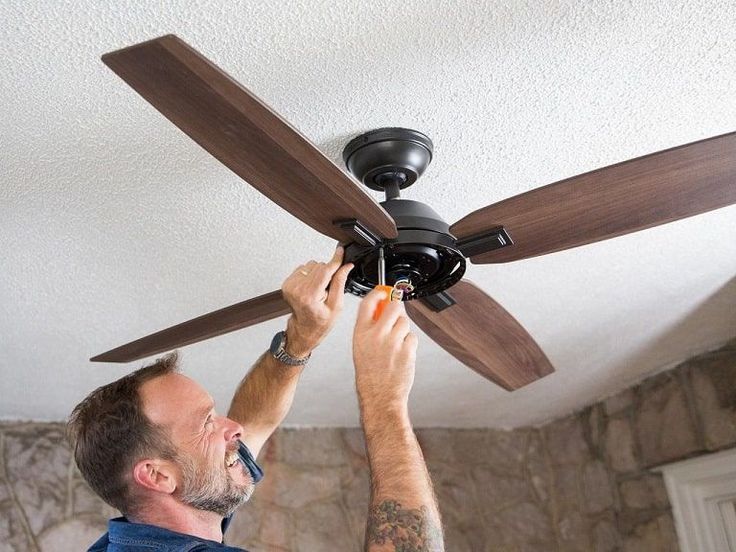
Ceiling fans provide practical airflow in bedrooms, living rooms, kitchens, and other indoor spaces. They help circulate air and improve comfort throughout the year. However, proper installation plays an important role in fan performance and safety.
A professional fan installation service helps homeowners choose suitable mounting locations, install compatible fan equipment, and ensure secure support. Correct installation also helps reduce wobbling, unwanted noise, and other common problems.
Whether you are replacing an old ceiling fan or installing a new one, professional installation helps ensure that the fan suits the room and its electrical setup.
Why Professional Fan Installation Matters?
Ceiling fans contain moving blades and electrical components. Their weight and movement require suitable mounting support.
Incorrect installation can lead to excessive vibration, loose mounting hardware, and electrical problems.
Provides Secure Mounting
Ceiling fans need an electrical box and mounting system rated to support their weight and movement. A standard light fixture box may not provide sufficient support.
A professional installer checks the mounting location and uses suitable fan rated hardware.
Helps Reduce Wobbling
An unbalanced fan can shake during operation. Wobbling may result from uneven blades, loose components, or incorrect mounting.
Proper installation and balancing help reduce unwanted movement.
Supports Proper Airflow
Fan size and placement affect airflow throughout the room. A fan that is too small may not circulate enough air, while an unsuitable location can limit its effectiveness.
Professional guidance helps homeowners select an appropriate fan for the available space.
Improves Everyday Convenience
Many ceiling fans include remote controls, wall controls, adjustable speeds, and integrated lighting.
Correct installation helps ensure that compatible features work as intended.
Types of Fans Available for Home Installation
Homeowners can choose from several fan styles depending on room size, ceiling height, and personal preferences.
Standard Ceiling Fans
Standard ceiling fans work well in rooms with typical ceiling heights. They usually include a downrod or mounting system designed for the selected ceiling arrangement.
These fans suit bedrooms, living rooms, and many other residential spaces.
Low Profile Ceiling Fans
Low profile fans sit closer to the ceiling. They work well in rooms with limited vertical space.
Their compact mounting design helps provide airflow without lowering the fan too far into the room.
Ceiling Fans With Lights
Combination ceiling fans include integrated lighting. They provide airflow and overhead illumination through one fixture.
Homeowners should check the available electrical connections and control compatibility before selecting this style.
Outdoor Ceiling Fans
Outdoor ceiling fans suit covered patios, porches, and other approved outdoor locations.
Homeowners should choose a fan with the correct damp or wet location rating. The rating depends on the level of exposure to moisture.
Smart Ceiling Fans
Smart fans offer features such as app control, remote operation, and integration with compatible home systems.
These products may require specific wiring, control devices, or network connections.
Choosing the Right Ceiling Fan
The correct fan depends on several factors. Homeowners should consider room dimensions, ceiling height, airflow needs, and mounting requirements.
Room Size
Fan diameter should match the size of the room. Larger rooms generally require larger fans or multiple fans to provide suitable air circulation.
Manufacturers provide sizing guidance for their products.
Ceiling Height
Ceiling height affects the type of mounting system required.
Rooms with low ceilings may need low profile fans. Higher ceilings may require a suitable downrod to position the fan correctly.
Blade Design
Fan blades come in different materials, shapes, and finishes. Their design can affect appearance, cleaning needs, and performance.
Homeowners should choose blades that suit the room and the manufacturer’s specifications.
Motor Quality
The motor affects fan operation, noise, and energy use. Homeowners should compare product specifications, warranty coverage, and available speed settings.
Control Options
Some fans use wall switches, while others include remote controls or smart features.
The selected control system should match the home’s electrical setup and the homeowner’s preferences.
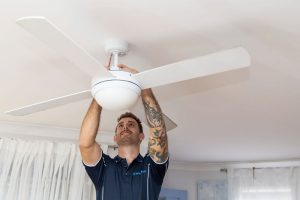
The Ceiling Fan Installation Process
Professional installation follows several important stages.
Initial Inspection
The installer checks the ceiling, mounting location, electrical box, and available wiring arrangement.
This step helps identify whether the existing mounting support can safely hold the new fan.
Fan Assembly
The installer assembles the fan components according to the manufacturer’s instructions.
The process may include attaching the blades, mounting bracket, light kit, and other supplied components.
Secure Mounting
The fan attaches to a suitable support system. The installer checks the mounting hardware and confirms that the fan remains stable.
Any required electrical work must follow local codes and licensing requirements.
Electrical Connections
The fan connects to compatible electrical wiring and controls. Qualified personnel must complete this work according to applicable regulations.
Testing and Balancing
After fan installation services the professional checks fan operation, speed settings, controls, and blade movement.
Balancing adjustments can help reduce vibration and improve operation.
Common Ceiling Fan Problems
Even properly installed fans may develop problems over time.
Fan Wobbling
Wobbling often results from loose hardware, uneven blades, or incorrect installation. A professional can inspect the fan and identify the cause.
Unusual Noise
Clicking, humming, or grinding sounds may indicate loose components, motor problems, or electrical issues.
The fan should receive professional attention when unusual noise continues.
Fan Not Starting
A fan may stop working because of a control issue, electrical fault, or motor problem.
A qualified professional can inspect the equipment and determine whether repair or replacement makes more sense.
Weak Airflow
Incorrect fan direction, unsuitable room placement, or an undersized fan can reduce airflow.
Checking the manufacturer’s instructions and selecting the correct fan size can improve performance.
Benefits of Regular Fan Maintenance
Ceiling fans need occasional maintenance to keep them operating correctly.
Dust can collect on blades and affect cleanliness. Loose hardware can increase vibration, while worn components can affect performance.
Homeowners should clean fan blades regularly, follow manufacturer maintenance instructions, and arrange professional service when they notice unusual movement or noise.
Frequently Asked Questions
1. How long does ceiling fan installation take?
A straightforward replacement may take a short appointment. New installations can take longer if the ceiling needs additional support or electrical work.
2. Can I install a ceiling fan where a light fixture exists?
Possibly. The existing electrical box must be rated for ceiling fan support. A professional should inspect the mounting arrangement before installation.
3. What size ceiling fan do I need?
The right size depends on room dimensions and manufacturer recommendations. Larger rooms generally need larger fans or additional airflow solutions.
4. Why does my ceiling fan wobble?
Loose mounting hardware, uneven blades, or incorrect installation can cause wobbling. A professional can inspect and balance the fan.
5. Can I install a ceiling fan on a sloped ceiling?
Yes, some ceiling fans support sloped ceiling installation. The fan must use a compatible mounting system and maintain the required blade clearance.
Conclusion
A properly installed ceiling fan improves air circulation and supports everyday home comfort. The right fan size, secure mounting, and suitable electrical connections all contribute to reliable operation.
For dependable fan installation and handyman service in Dayton, OH, and surrounding areas, I Know a Guy Mechanical is the best company to consider. The company helps homeowners with practical installation and repair projects, making it a useful choice for ceiling fan installation and other household needs.




Flowers are more than decorative products. They communicate emotions, celebrate meaningful occasions, and create lasting memories. Whether someone purchases a romantic bouquet, a birthday arrangement, or a simple bunch of fresh flowers, presentation plays an important role in making the gift feel special. Attractive wrapping adds another dimension to the beauty of the flowers.
For florists and gift businesses, packaging is also a valuable branding opportunity. The right wrapping material can transform an ordinary floral arrangement into a distinctive product that reflects the personality of the business. Coordinated colors, elegant patterns, and personalized printing help create a professional appearance while making bouquets more recognizable.
Choosing Custom Printed Flower Bouquet Paper allows floral businesses to combine creative presentation with personalized branding. From independent flower shops to large floral retailers, customized wrapping helps businesses develop a consistent visual identity while presenting their arrangements in an attractive and memorable way.
Beautiful Floral Packaging Starts With Thoughtful Presentation
The first impression of a bouquet often begins with its wrapping. Before customers examine individual flowers, they notice the overall arrangement, color combination, and decorative details.
Well-designed bouquet paper helps frame the flowers and highlight their natural appearance. Neutral wrapping can create an elegant contrast with colorful blooms, while decorative paper can complement arrangements designed for celebrations and special occasions.
Florists can experiment with different textures, finishes, and folding techniques to create distinctive presentation styles. Layered wrapping, contrasting colors, and carefully positioned ribbons can add visual depth without distracting from the flowers.
The objective is to create packaging that enhances the arrangement rather than overwhelming it.
Transform Your Flower Shop Into a Recognizable Brand
Brand recognition is essential for businesses that depend on repeat customers, recommendations, and memorable presentation. Personalized bouquet wrapping provides a practical way to reinforce a florist’s identity with every purchase.
Printing a logo, business name, or signature pattern directly onto wrapping paper creates consistency across different arrangements. Customers can begin associating these visual elements with the flower shop responsible for preparing their bouquets.
For businesses offering wedding flowers, corporate arrangements, and special-event services, branded packaging also communicates attention to detail.
Coordinating bouquet paper with greeting cards, ribbons, gift tags, and delivery bags creates a unified presentation. These small details help establish a professional appearance that extends beyond the flowers themselves.
Creative Wrapping Styles for Different Floral Occasions
Different celebrations call for different presentation styles. Customized flower paper gives florists the flexibility to create arrangements that match the occasion while maintaining recognizable branding.
For romantic bouquets, soft colors and elegant patterns can complement roses and other traditional flowers. Birthday arrangements may benefit from brighter designs, decorative illustrations, or playful printed elements.
Wedding bouquets often look attractive with minimalist wrapping that allows the flowers to remain the main focus. Corporate floral gifts may require more refined designs featuring subtle logos and coordinated brand colors.
Seasonal packaging also creates opportunities for businesses to refresh their presentation throughout the year.
Popular design approaches include:
- Minimalist wrapping with subtle logo placement.
- Repeating floral patterns and decorative illustrations.
- Layered paper using complementary colors.
- Seasonal artwork for holidays and celebrations.
- Personalized designs for weddings and corporate events.
Selecting a consistent design direction helps businesses maintain their identity while offering customers a variety of presentation options.
Choosing the Right Material for Fresh Flower Wrapping
Flower wrapping paper should be selected according to both its appearance and practical handling requirements. Different arrangements may require different levels of flexibility, strength, and coverage.
Larger bouquets often need wrapping that can accommodate additional stems and decorative layers. Smaller arrangements may benefit from lighter materials that create an elegant appearance without adding unnecessary bulk.
Moisture is another important consideration. Fresh flower stems can release water, so florists should select appropriate wrapping materials and use protective layers where necessary.
Paper texture and thickness also influence how easily a bouquet can be folded and arranged. Materials that hold their shape can help create structured designs, while more flexible options may suit softer wrapping styles.
Before ordering, businesses should consider the size of their typical arrangements, preferred folding techniques, available finishes, and printing requirements.
How Personalized Packaging Improves the Gifting Experience
A bouquet is often purchased to communicate a personal message. Customers want their gift to look thoughtful and appropriate for the occasion, making presentation an important part of the purchasing experience.
Customized wrapping adds a finishing touch that makes the arrangement feel complete. A carefully coordinated design can enhance the appearance of the flowers and create a more polished gift.
For premium floral collections, attractive packaging can reinforce the overall presentation. Decorative printing, neatly arranged paper, and matching ribbons contribute to a cohesive result.
Branded wrapping can also become visible when customers photograph their bouquets or share pictures on social media. These moments provide opportunities for a florist’s identity to reach audiences beyond the original customer.
By investing in thoughtful packaging, flower businesses can make each purchase feel more distinctive and memorable.
Packaging Solutions for Florists, Gift Shops, and Event Businesses
Custom flower wrapping is useful across several business environments. Independent florists can use personalized designs to establish a recognizable local identity, while online flower delivery services can maintain consistent presentation across different orders.
Gift shops offering flowers alongside chocolates, greeting cards, or decorative products can coordinate their packaging to create attractive gift collections.
Event planners and floral decorators may also benefit from customized wrapping for weddings, corporate functions, exhibitions, and special celebrations.
Businesses preparing bouquets in larger quantities should consider ordering specifications carefully. Consistent paper dimensions, printing quality, and material characteristics can help maintain a uniform appearance across multiple arrangements.
Reviewing order quantities, production timelines, and storage requirements before purchasing also supports more efficient packaging management.
Expand Your Packaging Range With Personalized Greaseproof Paper
Businesses that offer multiple product categories may need different packaging materials for different purposes. For example, a flower and gift shop that also sells baked goods, confectionery, or specialty food products should select packaging appropriate for each item.
For suitable food-related applications, personalized greaseproof paper provides an additional option for combining practical wrapping with customized branding.
Greaseproof paper is designed to resist oil and grease, making appropriately specified products useful for wrapping, lining, and presenting selected foods. Businesses can incorporate matching logos, colors, and decorative patterns to maintain a recognizable identity across their packaging range.
However, floral wrapping paper and food-contact packaging are not automatically interchangeable. Each material should be selected according to its intended application, particularly when packaging items that will come into direct contact with food.
Coordinating different paper products allows businesses to create a consistent brand experience while meeting the individual requirements of their merchandise.
Give Every Bouquet a Memorable Finishing Touch
Beautiful floral arrangements deserve packaging that complements their appearance and reflects the care behind their preparation. Customized bouquet paper allows florists to introduce distinctive designs, strengthen brand recognition, and create a more complete gifting experience.
From selecting suitable materials to developing recognizable printed artwork, thoughtful packaging decisions can improve the presentation of everyday bouquets and special-event arrangements.
Whether operating a boutique flower shop, an online floral business, or a growing gift company, investing in coordinated packaging helps transform ordinary wrapping into a meaningful part of the customer experience. The result is a polished presentation that customers can appreciate, recognize, and remember.

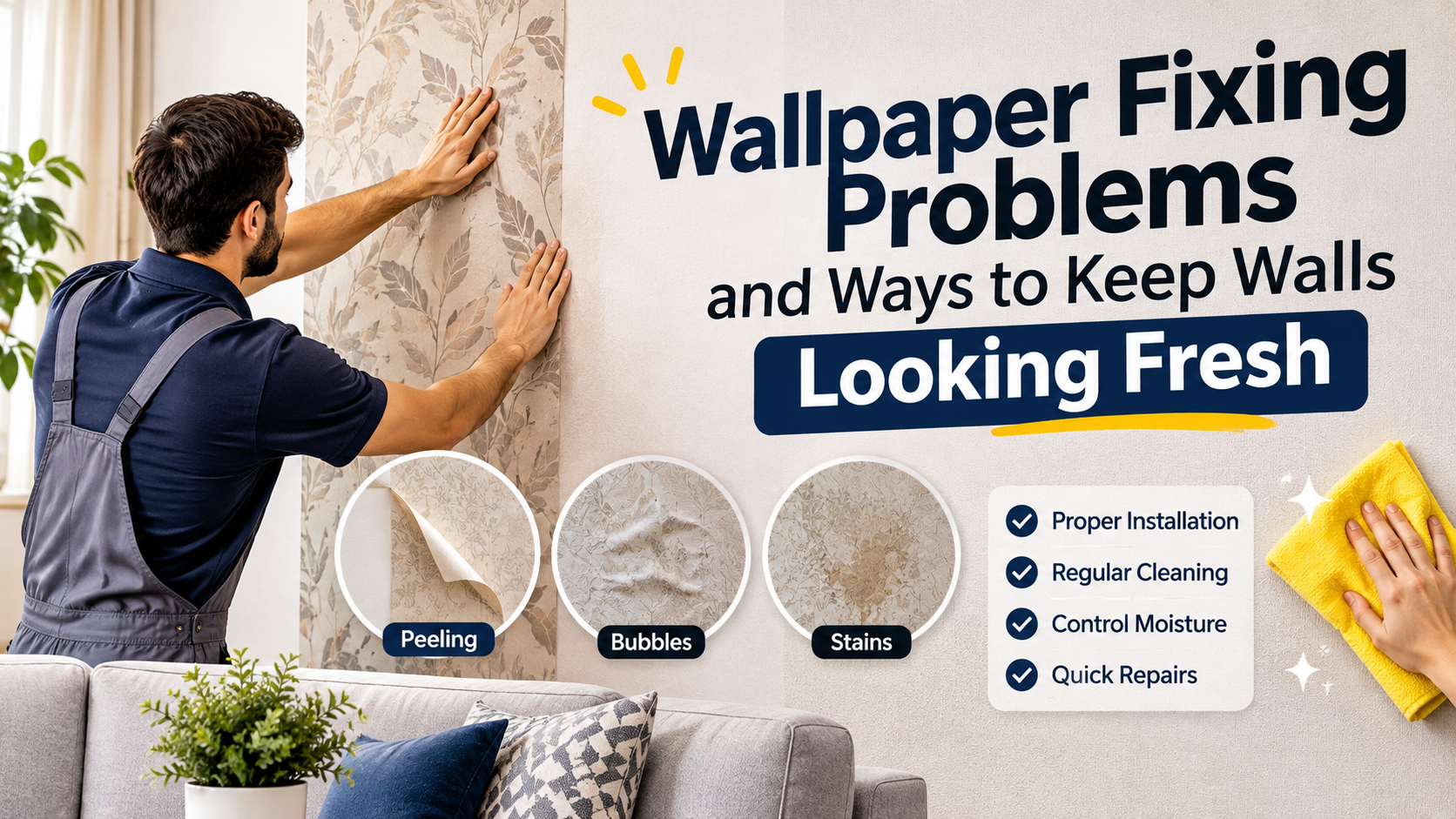
Actually, wallpaper can be a favored option to provide style to the inside of a residential and commercial space. It adds texture, color and personality to walls and is a welcoming addition to the walls. Wallpaper can enhance the beauty of walls from living rooms to bedrooms, offices to the commercial settings. However, regular maintenance is a key factor in ensuring it appears its best, and should cover the correct installation, cleaning and repair.
Over time, wallpaper may become peeling, with air bubbles, stains, wrinkles and discoloration. The problems can also affect the beauty and decrease the life span of wall coverings. With these common wallpaper problems and solutions, property owners can keep their wallpaper intact for long periods of time after the installation.
Understanding Common Wallpaper Fixing Problems
Wallpaper can have issues for a variety of reasons – improper installation, moisture, inadequate surface preparation, and usage. Peeling Wallpaper is one of the most frequent issue, usually at the corners, seams and edges. This can be caused by weakening of the substance used to hold up the wallpaper, or by dust or a rough wall surface to which the wallpaper has been applied.
Another problem is that wallpaper may have bubbles and wrinkles in the appearance. These are usually caused by air entrapment, uneven application of the adhesive or the wrong application of adhesive. Moreover, there will be gaps visible in the wallpaper if the wallpaper shrinks or was installed incorrectly because of a wrong measurement. If these problems are identified early, they can reduce the risk of damage occurring and the need for extensive repairs.
How to Fix Air Bubbles and Wallpaper Wrinkles
Air bubbles can result in an uneven and poorly-installed wallpaper look. Air may be trapped underneath the wallpaper and form small bubbles. In a couple of cases, these bubbles will disappear when the adhesive dries out. Bubbles, however, that are larger and/or persistent, usually require more careful correction, however.
When hanging wallpaper, a good wallpaper smoothing tool can be used to reduce the formation of bubbles. If the area is already bubbled, the professionals can use a fine needle to flatten the area or a carefully applied adhesive. If a wallpaper is a pattern, it needs special care, as there is a risk of damaging the pattern if a lot of force is applied, or if it is not handled properly. Proper installation and smooth surface can prevent these defects.
Managing Moisture and Humidity Damage
One of the main causes of deterioration of wallpapers is water. If wallpaper is too wet as a result of water coming through from outside the wallpaper, from condensation or as a result of the high humidity of the room, it can cause the wallpaper to have problems, such as becoming loose, staining, moulding or losing its adhesive. Even moisture left behind wallpaper can cause a wall surface to be damaged.
Proper ventilation and quick repair of water leaks and seepage will help prevent moisture damage. Before making a decision on repairing wallpaper, property owners should first ascertain whether there are any damp patches. Wallpapers always do not function on wet surfaces. In areas where there isn’t a lot of moisture, moisture resistant wallpaper may be suitable, but in order to make the wall durable/last a long time, the wall has to be prepared and waterproofed.
Benefits of Professional Wallpaper Fixing
With correct installation and beautification of the wall, you will surely have the right wall. Experts in their practice will know correct preparation of surfaces, selection of appropriate adhesive and will ensure that the wallpaper will match and can only be correctly installed. They can attempt to decrease seams, wrinkles and peeling points.
Wall Paper Fixing Services in Dubai have the ability to resolve the problems of cracks in larher walls , delicate fabrics or moisture issue. A trained tech will be able to determine if the wallpaper damage is a problem, and what can be done to correct it at an affordable price – repairs or replacement. By using good workmanship, the beauty and appearance of the interior spaces can be maintained and minimise future maintenance problems.
Choosing the Right Wallpaper for Long-Term Durability
One of the major factors in producing beautiful walls for the long term is the selection of wallpaper. There are also factors to consider in choosing vinyl wallpaper in heavily used spaces such as vinyl wallpapers that are washable and are not subject to damage from regular use. Non-woven wallpaper can also be both functional and simple to put down and take up.
The wallpaper factor should include the type of room, type of wall, light and maintenance. Paper designs can be used in bedrooms and living rooms, but more durable materials might be necessary in the kitchen and active commercial spaces. Otherwise, if it’s not, they can be replaced by a good wallpaper, which will minimize maintenance and will be present for a long time.
Preventing Wallpaper Discoloration and Fading
Another common problem is fading of the wallpaper, particularly when it is exposed to intense sunlight. Colors may fade with time, and the decorative pattern can become less vibrant, under the extended exposure to the ultraviolet light. Dark and colourful wallpaper shades will get visible changes with time after viewing.
Window drapes, blinds or UV filtering films will help to reduce the amount of direct sunlight entering the home. The fade resistant wallpaper materials also add to the appearance with time. No excessive heat on wallpapered surfaces and balanced temperatures also can help protect finishes. The preventive measures are used so as to preserve the decorative value and continuity of the interior spaces.
Importance of Regular Wallpaper Inspection and Maintenance
Regular checks are useful as it will help them identify any issues with the wallpaper before they cause any issues for a property. Early signs of peeling, bubbling or staining can be observed and these areas should be checked at the edges of the seams, corners, windows or moisture prone areas. Repairs are more likely to be made for minor problems than major problems.
The maintenance will also ensure that the wallpaper does not need to be replaced at a later stage and the cost of doing so is avoided. Loose, small sections can be secured with compatible adhesive and damaged sections can be carefully patched. If the moisture problems are recurring or serious, however, then a complete replacement may be needed. Repairs have more predictable results when addressing the root causes.
Conclusion
Wallpaper can be utilized in the interior space to add style, character and visual appeal. Can suffer from such issues as peeling, bubbling, damp damage and fading that lead to poor appearance and lifespan. In order to keep beautiful wallpapered walls, it is necessary to install it properly, use the right materials and clean it appropriately and also examine it from time to time.
Any small problems should be attended to promptly and, if required, the professional help should be available to minimize maintenance expenses and to prolong the life of wall coverings. Regular maintenance and prevention allows for the residential and commercial interiors to stay fresh, beautiful and maintained for years.
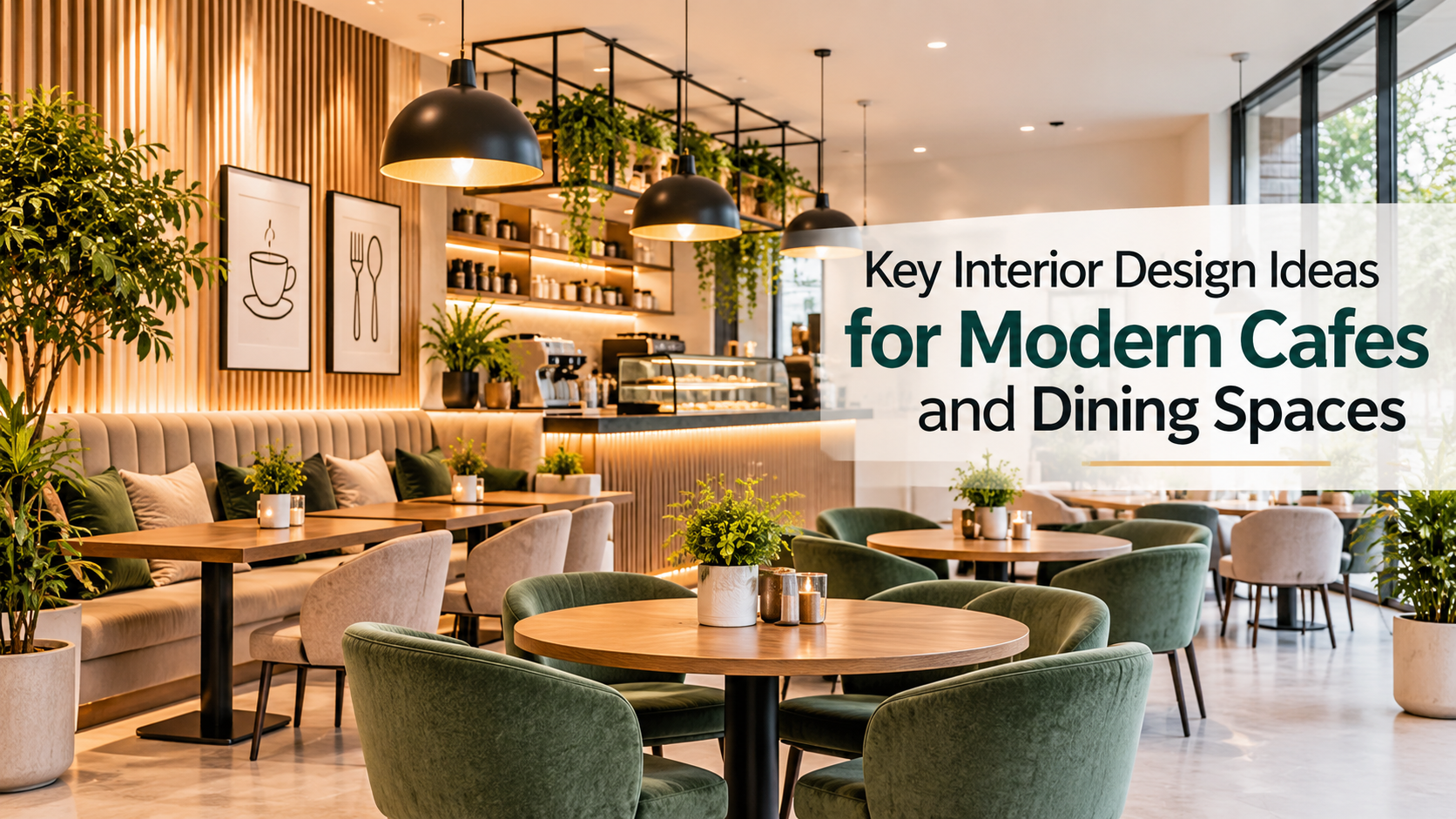
From today, cafes and restaurant are not just serving food and drink, they are providing a variety of services. They offer opportunities for people to become together with their friends, to be able to work quietly, to accept their chances, to enjoy their daily life. Lighting, furnishings, color and layout can enhance these experiences, as part of the interior design. A well-planned area will enable the customers to feel relaxed and enable the staff to work effectively. The practical terms says that there is a need to make an authentic strong vision about brand and make the interior space looking attractive and inviting that brings back customers.
Plan a Comfortable and Efficient Layout
In day-to-day life an appropriate arrangement makes life easy. The entrance, ordering area and seating and toilet should be obvious to the customer. A way of getting to and from the kitchen and service counter should also be provided for a clear path of movement away from the kitchen.
Allow sufficient space around furniture for easy mobility. Maintain clear tables, don’t be in the way or block traffic. Plan to accommodate various mobility requirements from the outset. The design is easily accessible and more comfortable and convenient for everyone.
Combine Different Seating Options
Various locations for customers to sit. Some come by themselves for a quick cup of coffee, others come with family and friends. This is done by using a variety of seating options that may accommodate various needs that evolve in a cafe.
Consider using small tables for couples, communal tables for larger groups and cushioned benches for extended periods of time. Use pretty break spots to complement window seats. Use chairs that encourage good posture; use height awareness of tables. Stylish furniture will also be comfortable to sit down and eat at, as well as to converse with.
Create Atmosphere Through Layered Lighting
The lighting will have a profound effect on the overall room ambiance. Natural light can be utilized to open up interiors, particularly around entrances and windows, for welcoming spaces. Allow these areas to open up to let light in.
Light tables, counters and display shelves with a combination of general and accent lighting. Task lighting will be bright or cool to light tasks for food preparation and service, while warm lighting will be used for casual dining. Some of the regulators are sed by staff membrane to make the atmosphere smooth which is feeled during the day. Reduce the amount of light reflecting from seats or shiny surfaces in the restaurant.
Balance Creative Ideas with Practical Expertise
Form is related to function. The owners should take care, maintenance, storage and service into consideration when it comes to the carvings, aside from the looks. The priorities can be effectively coordinated by professional Cafe Interior Design Dervice, and can transform an idea into a functional interior.
Provide information on the menu, projected traffic and service options as early in the planning process as possible. All these factors have an impact on the dimension of the countertops, furnishings placement and the materials that are used. If the owner is not careful in coordinating all of the controls and making each design choice, then the costs of expensive changes after installation is made can be avoided.
Choose Durable Materials with Character
Cafes and restaurants are frequently cleaned, move a lot and are susceptible to spills. Materials should be suitable for this activity and to ensure the desired atmosphere is maintained. Consider washable walls, hard-wearing slip resistant floor and upholstery.
Wood that is practically warm, stone that is textured, for example, or newer accessories, such as metal finishes. Be aware of materials in creating room that is repetitive. Review cleaning specifications prior to buying finishes. Fancy surfaces may be very difficult to keep and may be a time-consuming occupation for workers.
Use Color to Shape the Mood
Colour is one of the significant aspects of creating the character of a dining room. Earthy colours come across as relaxed and darker hues can help to create a cosy romantic dinner out. For small rooms, go for light shades as they’ll make the room look more attractive.
Create a palette with a couple of complimentary colors. Utilize stronger colors to emphasize particular surfaces walls, upholstery or artwork – more than all surfaces. As the light may change the appearance of the material, samples of the material should be used under the light. Link the palette with branding to make a consistent appearance.
Control Noise and Add Natural Details
Too much noise can reflect off hard surfaces in the dining room, making it an uncomfortable area. The lighting sparks discussion, acoustic panels and soft upholstery, together with the appropriate ceiling decoration, ensures a relaxed atmosphere is created. Carefully arrange speakers to ensure that music is used to complement speaking.
It will make the interior room light up, tone it down, but not the room’s control. Select plants that will grow under the lighting conditions that are available; establish a maintenance schedule. Do not plant in corridors or Food Preparation areas. The planning is satisfactory, the environment is welcoming and working room is satisfactory.
Finish with Memorable Details
Inside, art and creativity are prevalent and specially table cloths are used for the menus planning. Display the local products and local brand information that is interesting, but not distracting to tables. Walk through the room from the customers perspective and adjust, fine tune any aspects which will affect the customer’s comfort, ease of movement and enjoyment.
Conclusion
Cafes and dining areas have an interior design which is crucial aspect and could make of a place of relaxation. The seating, layout, multiple lighting systems, materials and unique features are comfortable, efficient and provide opportunities to enhance the owner’s customer service and daily operation. The design is cohesive, fostering a sense of identity and encouraging repeat visitors, and adding to a sense of community.

The Ultimate Style Guide to Women’s Varsity Jackets and Luxury Leather Fashion

Professional Fan Installation Service for Better Airflow and Home Comfort

Why Memorising IB Biology Is Not Enough: A Study Guide for Pune Students

Why Professional Logo Design Matters for Modern UAE Brands

Choosing the Right Annunciation Window for Control Room and Panel Applications

Rani No Hajiro in Ahmedabad: A Complete Guide to History, Shopping & Hidden Secrets

How to Get Promoted Faster at Work: Smart Career Growth Tips

Digital Marketing for Beginners: Step-by-Step Guide to Start and Succeed in 2026

Dublin City University: Everything You Need to Know Before Applying in 2026








