
Health
How a Med Spa in Beverly Hills Helps You Achieve Healthier, Radiant Skin

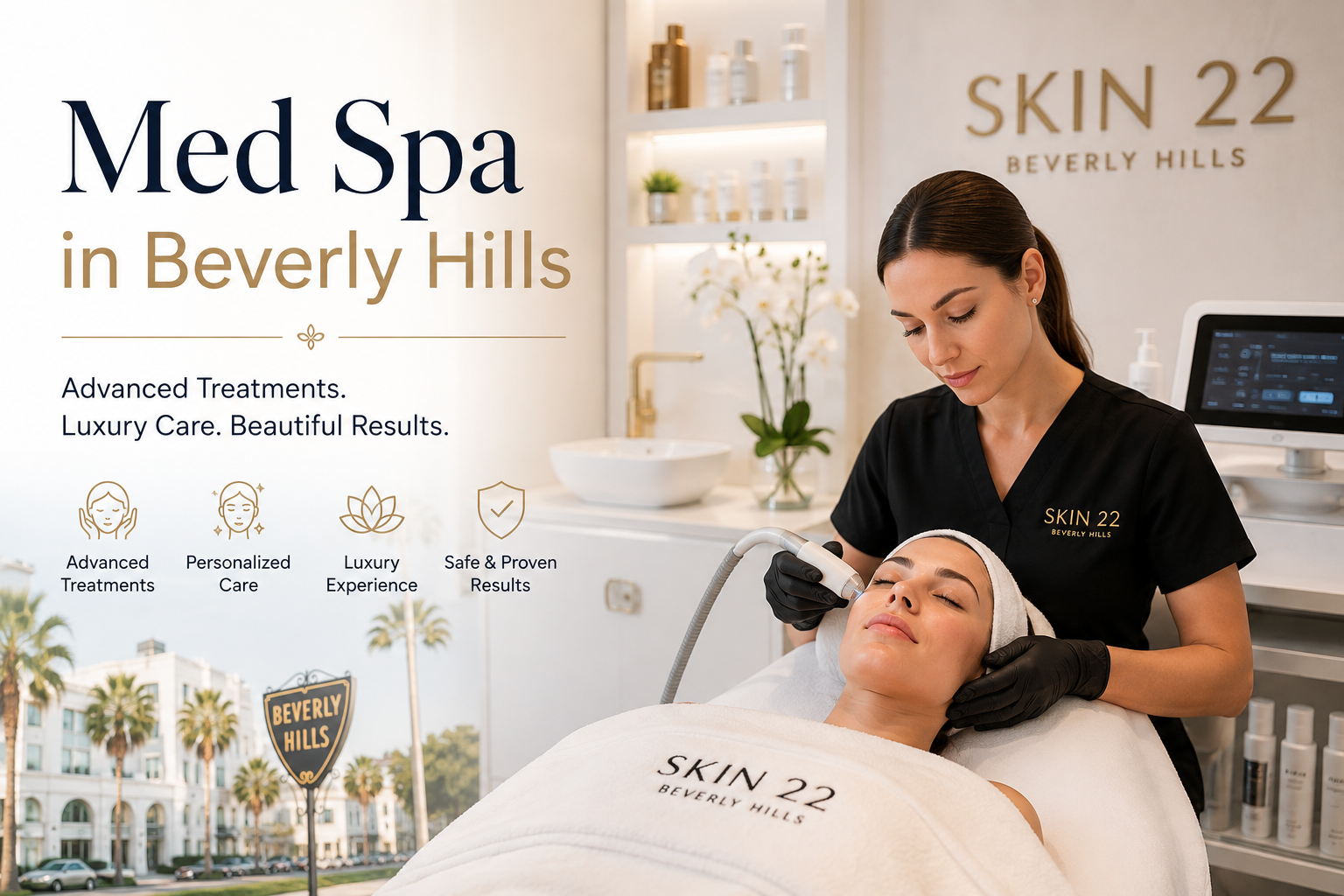
Healthy, radiant skin is not just about appearance. It reflects a consistent skincare routine, proper treatment, and personalized attention to your skin’s needs. However, factors such as aging, sun exposure, environmental pollution, stress, and lifestyle habits can affect skin texture, tone, and overall appearance. Professional skincare treatments can help address these concerns and support long-term skin health.
Visiting a Med Spa in Beverly Hills offers access to advanced aesthetic treatments and professional skincare guidance designed to improve your skin’s appearance. With personalized treatment plans and modern technologies, medical spas help individuals address specific skin concerns while working toward a smoother, healthier, and more refreshed complexion.
Personalized Skincare Treatments for Your Skin Type
Every individual’s skin is different. Some people experience dryness, uneven skin tone, and fine lines, while others struggle with acne scars, enlarged pores, or loss of elasticity. Choosing treatments based on your specific skin concerns is essential for achieving effective results.
A professional med spa begins by evaluating your skin condition, discussing your goals, and recommending suitable treatments. This personalized approach helps ensure that skincare solutions address your needs rather than relying on a general treatment plan.
At a Med Spa in Beverly Hills, personalized skincare services may include customized facials, chemical peels, microneedling, and advanced skin rejuvenation procedures. These treatments can help improve skin texture, enhance hydration, and promote a more balanced complexion.
Advanced Treatments That Improve Skin Texture
Uneven skin texture, enlarged pores, acne scars, and fine lines can make the skin appear dull or aged. Advanced aesthetic treatments are designed to address these concerns by supporting the skin’s natural renewal processes.
Microneedling is one popular option that uses controlled micro-injuries to stimulate the skin’s natural collagen production. Over time, it may help improve the appearance of acne scars, fine lines, and uneven texture.
Chemical peels offer another approach by exfoliating the outer layers of the skin. Depending on the formulation and strength, they can help improve uneven pigmentation, rough texture, and certain types of blemishes.
A Med Spa in Beverly Hills can help determine which treatment is appropriate based on your skin type, sensitivity, and desired results. Professional guidance also helps establish realistic expectations and an appropriate treatment schedule.
Reduce Visible Signs of Aging
As the skin ages, collagen and elastin production naturally decrease. This can contribute to wrinkles, fine lines, reduced firmness, and changes in facial volume. Sun exposure and environmental factors may also accelerate visible signs of aging.
Modern aesthetic treatments offer several ways to address these concerns without necessarily requiring surgical procedures.
Sofwave is an advanced ultrasound-based treatment designed to stimulate collagen production and improve the appearance of fine lines and skin laxity. It can help support firmer-looking skin and a more refreshed facial appearance.
Other treatments, including microneedling and customized skincare procedures, may complement an anti-aging plan. Selecting the right approach depends on individual concerns, skin condition, and treatment goals.
Working with an experienced Med Spa in Beverly Hills allows you to explore suitable options and develop a treatment plan focused on maintaining healthy-looking skin.
Improve Skin Tone and Restore Natural Radiance
Uneven pigmentation, sunspots, redness, and dullness can affect the overall appearance of your complexion. These concerns may develop due to sun exposure, aging, hormonal changes, and previous skin damage.
Professional skincare treatments can help improve the appearance of uneven skin tone and restore a brighter complexion. Chemical peels and other targeted treatments may support skin renewal and reduce the visibility of certain discoloration concerns.
Alongside professional procedures, maintaining a consistent skincare routine is important. Daily sunscreen use, gentle cleansing, and appropriate moisturizers can help protect the skin and maintain treatment results.
Choosing a Med Spa in Beverly Hills gives you an opportunity to receive personalized recommendations for improving skin tone while supporting your long-term skincare goals.
Why Professional Skincare Guidance Matters
Although at-home skincare products can support healthy skin, some concerns require professional evaluation and specialized treatments. Using unsuitable products or combining multiple active ingredients without guidance may lead to irritation, dryness, or increased sensitivity.
Professional skincare providers can assess your skin, identify potential concerns, and recommend appropriate treatment options. They can also explain preparation, aftercare, possible side effects, and the expected recovery period.
This guidance is especially important when considering advanced procedures such as chemical peels, microneedling, or ultrasound-based skin rejuvenation.
A trusted Med Spa in Beverly Hills prioritizes individualized care, treatment safety, and realistic expectations to help clients make informed decisions about their skincare.
Maintain Your Results With a Consistent Skincare Routine
Professional treatments can help improve your skin, but maintaining results requires ongoing care. Healthy skincare habits play an important role in protecting your complexion and supporting the benefits of aesthetic procedures.
Consider incorporating these habits into your daily routine:
- Wear sunscreen daily: Apply broad-spectrum SPF 30 or higher to help protect against harmful UV exposure.
- Keep your skin hydrated: Use a moisturizer suitable for your skin type.
- Cleanse gently: Avoid harsh products that may damage the skin barrier.
- Follow professional aftercare: Use recommended products and follow recovery instructions after treatments.
- Maintain healthy habits: Stay hydrated, eat a balanced diet, and prioritize adequate sleep.
- Schedule appropriate follow-ups: Discuss maintenance treatments with your skincare professional.
Combining professional care with consistent daily habits can help support healthier-looking skin over time.
Conclusion
Achieving healthier, radiant skin requires a combination of professional skincare treatments, personalized guidance, and consistent daily care. From improving skin texture and uneven tone to reducing visible signs of aging, advanced aesthetic procedures can help you work toward your skincare goals. Choosing a trusted Med Spa in Beverly Hills allows you to explore treatments tailored to your individual needs. At Skin 22, personalized skincare solutions, including Sofwave, microneedling, and chemical peels, help support smoother, firmer, and healthier-looking skin. With the right treatment plan and ongoing skincare routine, you can maintain a refreshed complexion and enjoy greater confidence in your skin.




Three Types of Tests to Choose From
- Paternal Lineage: This test follows the Y chromosome, which passes from father to son. It gives you a haplogroup that points to your father’s side. Only men carry this chromosome, so if you are a woman, you need a sample from a male relative, such as your father, brother, or paternal uncle.
- Maternal Lineage: This test studies mitochondrial DNA, also called mtDNA. A mother passes it to all her children, so both men and women can take it. It tells you about your mother’s side.
- GPS Origins: This is the most detailed option. It can point to the cities and towns where your early forefathers lived thousands of years ago. It also traces the last three major routes your ancestors took when they moved.
How the Process Works
- Call or message the lab, or ask for a callback.
- Pick the test that suits you and get a quote.
- Visit a collection center, or order a self-collection kit and rub a soft swab inside your cheek.
- Wait about 4 to 5 weeks for your detailed report.
Who Should Take This Test?
- Want to know where your ancestors lived and settled
- Are curious about your father’s side, your mother’s side, or both
- Would like to compare old family stories with real results
- Wish to add depth to your family tree research
Good to Know Before Booking an Ancestry DNA Test
- Your results are estimates, not an exact family record.
- There is no fixed cutoff for how many generations back relatives are linked, but the DNA you inherit becomes smaller with each generation.
- Ancestry results are meant for curiosity. They may not be accepted as proof of a family relationship.
- Before choosing a service, check its experience, privacy practices, and customer support.
Why Choose DNA Forensics Laboratory?
- Phone: +91 8010177771
- WhatsApp: +91 9266615552
- Email: info@dnaforensics.in


Finding the right family doctor is an important part of maintaining good health, but getting registered with a new physician in Toronto is not always straightforward. With a growing population and increasing demand for primary healthcare services, many residents experience difficulties finding a medical practice that is currently accepting new patients. Whether you have recently moved to the city, need a physician for your family, or want to change your existing healthcare provider, understanding the available options can make your search easier.
Having a regular family physician provides more than access to medical appointments. It creates an ongoing relationship with a healthcare professional who can understand your medical history, monitor your health, recommend preventive screenings, and coordinate additional care when necessary. Toronto residents can explore several registration options, including provincial healthcare programs, family medicine clinics, and community health centres. Knowing what to expect before contacting a clinic can help you make a more informed decision and find a provider who suits your healthcare requirements.
Why Having a Regular Family Doctor Matters
A family physician is often the first healthcare professional you contact when experiencing a new health concern. They provide routine medical assessments, preventive healthcare, vaccinations, prescription management, and referrals to specialists when required. Having one consistent doctor also means that your medical records and previous treatment history can be reviewed more easily during future appointments. This continuity helps support better communication and more coordinated healthcare.
For individuals managing ongoing medical conditions, regular access to a family doctor can be particularly valuable. Patients with diabetes, hypertension, thyroid disorders, or other chronic conditions may need periodic examinations, laboratory testing, and medication reviews. A family physician can monitor these health concerns and recommend appropriate next steps based on individual circumstances. They can also help patients understand preventive screening recommendations and recognize when additional medical attention may be necessary.
Families can benefit from having a shared primary care practice because it simplifies appointment coordination and provides a familiar healthcare environment. Parents can arrange routine consultations for children, while adults and older family members can receive support for their own medical needs. When looking for family doctors accepting new patients in Toronto consider finding a physician who can support your healthcare requirements over the long term.
Where to Find Family Doctors Accepting New Patients in Toronto
The first place to start is Ontario’s Health Care Connect program. This provincial service helps residents without a regular primary care provider connect with family physicians, nurse practitioners, or primary care teams accepting new patients in their communities. After registration, a Care Connector searches for an appropriate provider based on the information supplied and local availability. Residents can register online or call 811 for assistance.
Another useful resource is the College of Physicians and Surgeons of Ontario (CPSO) Physician Register. This directory allows patients to search for licensed physicians using information such as location, medical specialty, and language preferences. You can narrow your search to family medicine practitioners working in Toronto and nearby communities. However, the directory does not confirm whether individual physicians are currently accepting new patients, so contacting each medical office directly remains important.
Local family medicine clinics and hospital-affiliated healthcare centres are also worth exploring. Some practices publish patient registration information on their websites, including eligibility requirements and available appointment options. For example, the Family Practice Health Centre at Women’s College Hospital provides primary care services and accepts new patients through Health Care Connect, with a focus on its downtown catchment area. Checking official clinic announcements can help you identify relevant registration opportunities.
When searching, consider different Toronto neighbourhoods rather than limiting your options to one specific area. North York, Scarborough, Etobicoke, Downtown Toronto, and East York may offer different opportunities depending on current physician availability. Expanding your search radius can increase the number of practices you can contact.
How to Find Female Family Doctors Accepting New Patients
Some patients specifically prefer female physicians because they feel more comfortable discussing personal medical concerns, reproductive health, pregnancy, or other sensitive subjects. This preference is completely reasonable and can be included when searching for a new primary care provider. Fortunately, Toronto has family medicine practices with female physicians who provide general healthcare and various preventive medical services.
When looking for female family doctors accepting new patients, begin by using physician directories that allow searches based on location and medical specialty. You can also contact local family medicine clinics and ask whether any female physicians are currently registering patients. Explain your preference when speaking with reception staff so they can provide information about suitable options and the registration process.
It is also helpful to consider the physician’s clinical experience and the healthcare services available through the practice. Some female family physicians may have additional interests or experience in areas such as women’s health, contraception counselling, preventive screening, menopause management, and pregnancy-related care. However, individual training and clinical services vary, so patients should confirm these details directly with the medical office.
Remember that choosing a physician should involve more than gender preference alone. Communication style, professional qualifications, appointment availability, and the ability to provide ongoing care are equally important. A comfortable and respectful relationship with your doctor can make it easier to discuss health concerns openly and participate in treatment decisions.
What to Consider Before Choosing a Family Physician
Once you find a clinic that appears to be accepting new patients, take some time to evaluate whether its services match your needs. Start with the clinic’s location and accessibility. Toronto traffic and travel distances can make frequent medical appointments inconvenient, particularly for people managing chronic conditions or families with young children. Choosing a practice near your home, workplace, or regular transportation route can make ongoing healthcare easier to manage.
Next, consider the clinic’s appointment system and operating hours. Some practices offer online booking, while others require patients to schedule appointments by telephone. Ask whether the clinic provides virtual consultations when appropriate, same-day appointments for urgent non-emergency concerns, and access to medical professionals outside regular office hours. These arrangements can influence how easily you receive care when unexpected health issues arise.
Communication is another important factor. A good family physician should listen carefully, explain medical information clearly, and discuss available treatment options without making patients feel rushed or uncomfortable. If English is not your preferred language, ask whether the clinic has physicians or staff members who can communicate in your preferred language. Clear communication helps reduce misunderstandings and supports better patient involvement.
You should also consider whether the practice provides comprehensive primary care. Services such as routine physical examinations, immunizations, chronic disease monitoring, medication reviews, and preventive screenings can be valuable for maintaining long-term health. Choosing a clinic with appropriate services can reduce the need to coordinate routine healthcare through multiple unrelated providers.
Questions to Ask When Registering With a New Doctor
Before completing registration, contact the medical office and ask a few practical questions. Start by confirming whether the physician is currently accepting new patients. Online information can become outdated, and a clinic that previously welcomed new patients may have reached its registration capacity. If the preferred physician is unavailable, ask whether another doctor within the practice is accepting registrations.
Find out what documents and information are required to become a registered patient. The clinic may request your Ontario health card details, personal information, medical history, current medications, and previous healthcare records. Some practices also require new patients to complete an intake questionnaire or attend an introductory appointment before their registration is finalized.
Ask how appointments are arranged and what happens when your regular physician is away. Understanding the clinic’s procedures for prescription renewals, test results, specialist referrals, and urgent medical concerns can help you avoid confusion later. If you have a particular healthcare requirement, such as regular women’s health examinations or chronic disease monitoring, mention it before registering.
It is also worth asking about services that may not be covered by OHIP. Medically necessary physician services are generally covered for eligible Ontario residents, but certain administrative forms, medical letters, and other uninsured services may involve additional fees. Asking about these charges beforehand helps you understand the clinic’s policies and avoid unexpected expenses.
What to Do If You Cannot Find an Available Family Doctor
Finding a suitable physician may take time, especially if you have specific preferences regarding location, gender, or clinical experience. If your initial search does not produce results, avoid relying on only one registration source. Continue checking Health Care Connect, reviewing the CPSO Physician Register, and contacting family medicine clinics directly. Patient registration availability can change as practices adjust their schedules and patient capacity.
Community Health Centres and Family Health Teams are additional options worth investigating. Community Health Centres provide primary healthcare alongside preventive programs and other community-based services. However, some centres have eligibility requirements based on where patients live or the communities they serve. Family Health Teams offer collaborative care through physicians, nurse practitioners, and other healthcare professionals, depending on the services available at each location.
While waiting for a regular physician, you can use appropriate walk-in clinics and other available primary care services for non-emergency medical concerns. Health811 can also help Ontario residents find healthcare information and receive guidance from registered nurses. However, temporary care options do not necessarily replace the benefits of having an ongoing relationship with a family doctor.
If you are specifically searching for female family doctors accepting new patients, consider remaining flexible about neighbourhoods and clinic locations. You may find suitable options outside your immediate area. The important thing is to verify current availability and understand the registration requirements before making a decision.
Preparing for Your First Appointment With a New Family Doctor
After successfully registering with a physician, prepare for your first appointment by gathering relevant medical information. Make a list of current medications, known allergies, previous diagnoses, surgeries, and ongoing symptoms. If you have recent laboratory results, imaging reports, or specialist consultation notes, ask how these records can be transferred to your new practice. Having this information available helps your physician develop a clearer understanding of your health history.
Use the first appointment to discuss your immediate concerns and long-term healthcare priorities. You can ask about recommended preventive screenings, routine checkup schedules, vaccination requirements, and the best way to contact the clinic between appointments. Patients with ongoing medical conditions should also discuss their monitoring requirements and any necessary follow-up visits.
Building a strong relationship with your family doctor takes time and open communication. Be honest about your symptoms, ask questions when medical instructions are unclear, and follow the treatment recommendations discussed during consultations. A collaborative approach allows you and your physician to make healthcare decisions based on your individual needs and circumstances.
Finding family doctors accepting new patients in Toronto is an important investment in your long-term well-being. By exploring provincial resources, contacting local medical practices, and carefully evaluating available physicians, you can make the search more organized and effective. Whether you prefer a male or female physician, prioritize a provider who communicates respectfully, understands your healthcare concerns, and can support your medical needs over time.

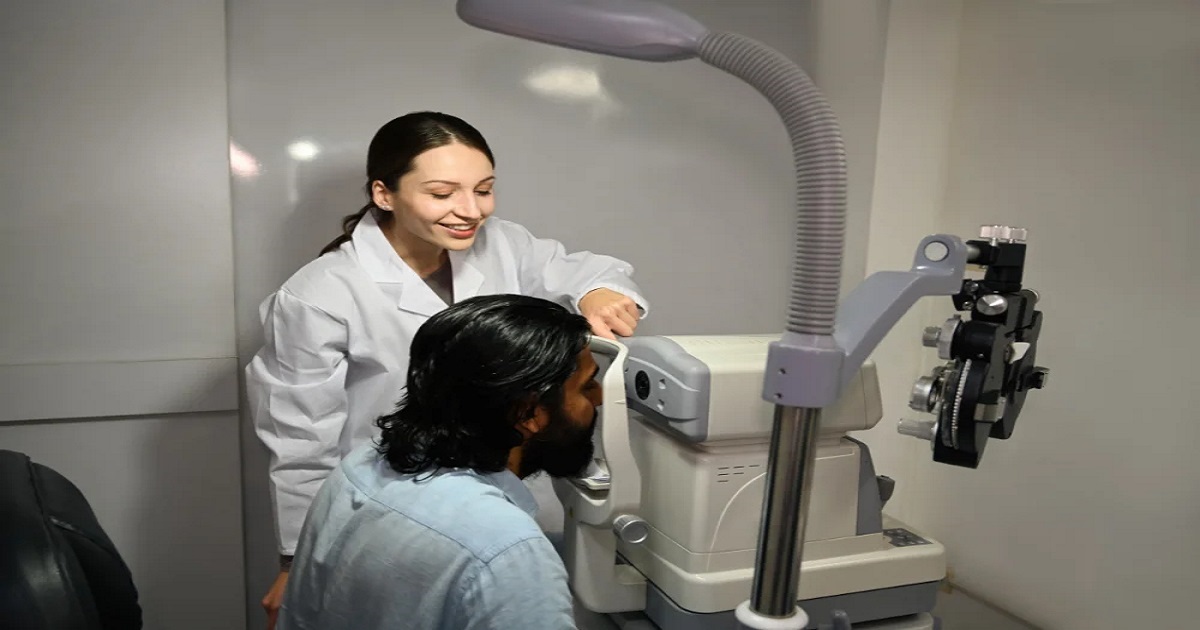
Clear vision plays an important role in maintaining a comfortable and active lifestyle. From working on digital devices to driving, reading, and enjoying everyday activities, healthy eyesight makes daily tasks easier. With advancements in modern ophthalmology, people now have access to different treatments that can improve their vision. Laser Eye Surgery in Lahore has become an important option for individuals who want to reduce their dependence on glasses or contact lenses and explore modern vision correction solutions.
Choosing the right eye care approach requires proper information, professional guidance, and a clear understanding of available treatments. Laser Eye Surgery in Lahore is commonly discussed among people experiencing nearsightedness, farsightedness, and astigmatism. However, not everyone is suitable for laser vision correction. A detailed eye examination helps determine whether LASIK or another procedure is appropriate according to an individual’s eye condition, corneal health, and medical history.
Understanding LASIK and Modern Eye Care
LASIK stands for Laser-Assisted In Situ Keratomileusis. It is a refractive surgery designed to correct certain vision problems by reshaping the cornea, which is the transparent front surface of the eye. The cornea helps focus incoming light onto the retina. When its shape does not focus light correctly, a person may experience blurred vision.
Why Laser Eye Surgery Is Becoming Popular in Lahore
Lahore has a growing demand for modern eye care because people increasingly recognize the importance of maintaining healthy eyesight. Long working hours, digital screen exposure, changing lifestyles, and vision-related difficulties encourage individuals to seek professional eye examinations.
Laser vision correction attracts attention because it may reduce the need for glasses and contact lenses. People who regularly participate in sports, travel frequently, or work in environments where spectacles become inconvenient may consider this treatment.
How Does LASIK Eye Surgery Work?
LASIK involves carefully reshaping the cornea so that incoming light focuses more accurately on the retina. Before treatment, the surgeon performs detailed measurements to understand the patient’s prescription and corneal structure.
During the procedure, numbing eye drops are used to minimize discomfort. The surgeon creates a thin corneal flap using a specialized instrument or femtosecond laser technology. An excimer laser then reshapes the underlying corneal tissue according to the required correction.
Different Vision Problems LASIK Can Correct
Nearsightedness
Nearsightedness, also called myopia, makes distant objects appear blurry while nearby objects remain clearer. It occurs when the eye focuses light in front of the retina rather than directly on it.
People with myopia may struggle with road signs, classroom boards, presentations, and distant objects. LASIK can reshape the cornea to help correct suitable cases of nearsightedness.
Farsightedness
Farsightedness, medically known as hyperopia, can make nearby objects difficult to see clearly. Some individuals also experience blurred distance vision, depending on the severity of their condition.
Astigmatism
Astigmatism develops when the cornea or lens has an irregular curvature. This can cause blurred or distorted vision at different distances.
LASIK may correct certain forms of astigmatism by modifying the corneal shape. However, the degree of correction depends on individual measurements and the condition of the eyes.
Who May Be Suitable for LASIK?
Not everyone with glasses or contact lenses is an appropriate candidate for laser vision correction. Patients generally need a stable prescription and healthy corneas before undergoing surgery.
Age is another consideration. LASIK is commonly considered for adults aged 18 or older, although many surgeons prefer a more stable prescription before proceeding.
Importance of Choosing Professional Laser Eye Surgery in Lahore
Selecting an experienced surgeon is one of the most important decisions when considering refractive surgery. Laser Eye Surgery in Lahore should begin with a comprehensive assessment rather than a quick recommendation based only on a patient’s desire to stop wearing glasses.
Advanced Technology in Modern LASIK Procedures
Technology plays a significant role in improving the accuracy and planning of refractive surgery. Modern ophthalmology facilities may use advanced diagnostic systems to examine the cornea and measure different aspects of the eye.
Corneal Topography
Corneal topography creates a detailed map of the corneal surface. It helps specialists identify irregularities and evaluate whether the cornea has a suitable shape for laser correction.
This assessment is particularly important when screening for conditions such as keratoconus, which can affect surgical suitability.
Femtosecond Laser Technology
Femtosecond lasers are used in modern LASIK procedures to create a precise corneal flap. This technology provides an alternative to traditional mechanical instruments and supports controlled surgical planning.
Wavefront-Guided Treatment
Wavefront technology measures certain optical imperfections in the eye. Depending on the patient’s condition and available equipment, these measurements may help surgeons develop a more personalized treatment plan.
What to Expect Before LASIK Surgery
Preparation begins with a detailed consultation. The specialist reviews the patient’s medical history, current prescription, previous eye treatments, and any symptoms that could influence the procedure.
A comprehensive examination may include corneal thickness measurement, topography, tear film assessment, pupil evaluation, and retinal examination when required.
Recovery After Laser Eye Surgery
Recovery is an important part of the LASIK experience. Although many patients notice improved vision within a short period, complete visual stabilization can take longer.
Temporary dryness, mild irritation, sensitivity to light, watering, or fluctuating vision may occur during the early recovery period. These symptoms generally improve as the eyes heal, but patients should follow their surgeon’s advice.
Understanding the Benefits of LASIK
One of the main reasons people consider LASIK is the possibility of reducing dependence on glasses and contact lenses. For suitable candidates, improved uncorrected vision can make several daily activities more convenient.
Many patients appreciate the relatively short procedure time and the possibility of returning to routine activities within a few days, depending on their recovery and professional guidance.
Possible Risks and Side Effects of LASIK
Like every surgical procedure, LASIK has potential risks. Patients may experience dry eyes, glare, halos around lights, light sensitivity, or temporary fluctuations in vision. Some individuals may have residual refractive errors and continue to require glasses for certain activities. In selected cases, additional treatment may be considered after careful assessment.
The Role of Regular Eye Examinations
Laser treatment is only one part of maintaining good eyesight. Routine eye examinations remain important for identifying conditions that may develop without obvious early symptoms. An eye examination can help detect refractive errors, glaucoma, cataracts, retinal problems, and other vision-related conditions. Early identification often provides more opportunities for timely management.
LASIK and Digital Eye Strain
Digital devices are an essential part of modern life in Pakistan. Students, office employees, business owners, and professionals often spend several hours using computers and smartphones. Extended screen exposure can contribute to digital eye strain. Common symptoms include tired eyes, headaches, blurred vision, and dryness.
How to Choose the Right Eye Care Facility in Lahore
Choosing an eye care facility requires careful consideration. Patients should look beyond promotional claims and focus on professional qualifications, diagnostic standards, surgical experience, and patient safety.
A reliable facility should provide detailed consultations and explain available procedures in understandable language. Patients should have the opportunity to discuss treatment alternatives, expected outcomes, possible complications, and recovery requirements.
Cost Considerations for LASIK in Lahore
The cost of laser vision correction can vary depending on the technology used, the surgeon’s experience, the complexity of the prescription, and the facilities available.
Different procedures may also involve different diagnostic and surgical requirements. For this reason, patients should request a clear explanation of the treatment charges before making a decision.
The Future of Eye Care in 2027
Eye care continues to develop through improvements in diagnostic imaging, surgical technology, and personalized treatment planning. These developments are helping specialists understand individual eye conditions more accurately.
When considering Laser Eye Surgery in Lahore, patients should prioritize qualified ophthalmologists, comprehensive diagnostic assessments, suitable technology, and reliable postoperative care. Understanding the benefits, limitations, recovery process, and possible risks helps individuals make confident and realistic decisions. In 2027, combining modern ophthalmology with responsible eye care practices can support better visual health. Whether someone is exploring LASIK or simply looking for routine eye examinations, professional guidance remains the foundation of protecting eyesight for the future.
(FAQs)
1. What is LASIK eye surgery?
LASIK is a refractive procedure that uses laser technology to reshape the cornea and correct certain vision problems, including nearsightedness, farsightedness, and astigmatism.
2. Is LASIK suitable for everyone?
No. Patients need a detailed eye examination to determine whether their prescription, corneal thickness, and overall eye health meet the requirements for surgery.
3. How long does LASIK recovery take?
Many patients notice improved vision within a day or two, but complete visual stabilization may take several weeks or longer.
4. Is LASIK a permanent vision correction procedure?
LASIK provides long-term correction of treated refractive errors, but natural age-related changes and other eye conditions can still affect vision.
5. How can I prepare for laser eye surgery?
Preparation involves a comprehensive eye examination, sharing medical information, following contact lens instructions, and discussing surgical expectations with the ophthalmologist.

Why Memorising IB Biology Is Not Enough: A Study Guide for Pune Students

Why Professional Logo Design Matters for Modern UAE Brands

Choosing the Right Annunciation Window for Control Room and Panel Applications

How a Med Spa in Beverly Hills Helps You Achieve Healthier, Radiant Skin

Custom Deli Paper Sheets for Stylish and Practical Food Packaging

Rani No Hajiro in Ahmedabad: A Complete Guide to History, Shopping & Hidden Secrets

How to Get Promoted Faster at Work: Smart Career Growth Tips

Digital Marketing for Beginners: Step-by-Step Guide to Start and Succeed in 2026

Dublin City University: Everything You Need to Know Before Applying in 2026








