
Technology
How Multi-Warehouse Businesses Can Create a Reliable View of Inventory

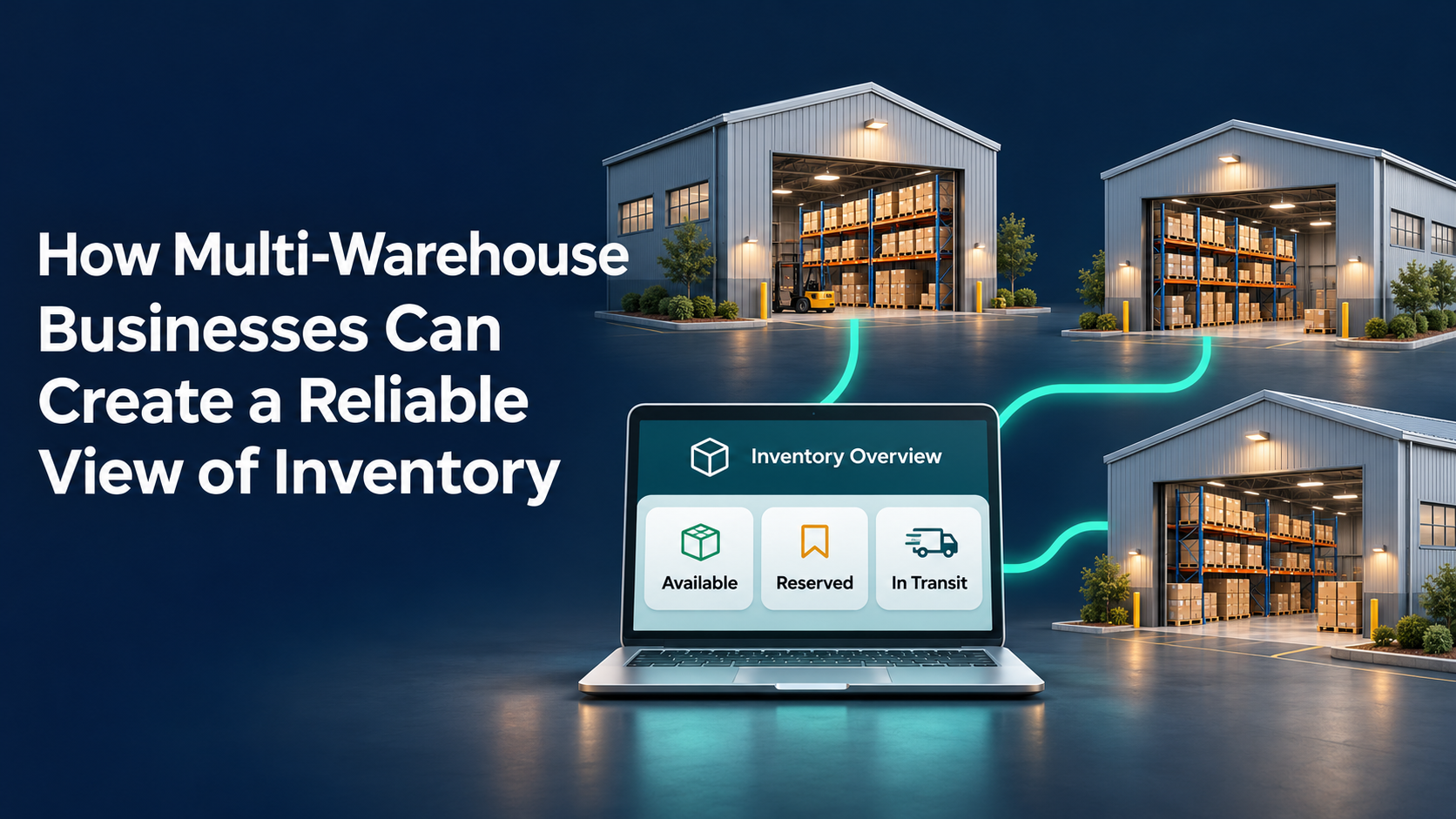
An order needs 80 units. Across three warehouses, the business has 140. Yet the sales team still cannot confidently confirm delivery.
One location has stock reserved for another customer. Another is holding returned goods for inspection. The third has available units, but its collection window has already closed.
The total is correct. The delivery promise remains uncertain.
For a multi-warehouse business, reliable inventory visibility means understanding what can actually be used, where it sits, and when it can reach the next destination. That requires more than combining quantities on a dashboard.
The work begins with agreeing what each inventory figure represents and keeping that meaning intact as stock moves between locations.
Define Availability Before Combining Stock Figures
Warehouses may describe inventory differently. One site counts everything physically present as “on hand.” Another excludes damaged goods. A third uses a spreadsheet to track stock reserved for important customers.
Combining these figures produces a number that is difficult to interpret.
Establish shared definitions for the inventory states that affect decisions:
- On hand: Stock physically recorded at a location.
- Reserved: Units committed to existing demand.
- On hold: Goods awaiting inspection, investigation, or release.
- In transit: Stock dispatched from one location but not yet received at another.
- Available to allocate: Units eligible for a new commitment under agreed rules.
Keep physical availability separate from delivery feasibility. An item can be available in a warehouse without being able to meet a customer’s requested date.
The shared view should preserve both pieces of information.
Make Product and Location Records Consistent
The same product may have different codes across warehouses, especially after acquisitions or separate system implementations. Pack sizes can differ too.
A location reporting 20 cartons cannot be compared directly with another reporting 20 individual units.
Create dependable mappings between local product codes and the business’s shared item records. Include units of measure, pack conversions, warehouse identifiers, and relevant product attributes.
For goods managed by batch, serial number, or expiry date, retain that detail wherever it affects allocation. Two units of the same product may not be interchangeable if one is expired, restricted, or committed to a specific customer requirement.
Assign ownership for maintaining these mappings. Otherwise, each new product or warehouse can introduce another inconsistency.
Capture Stock Changes Where the Work Happens
A central inventory view depends on the events recorded at each site.
If goods arrive in the morning but receiving is posted at the end of the shift, other teams operate with an outdated picture. The same problem occurs when damaged stock remains available in the system until someone completes an adjustment.
Review when each warehouse records:
- Receipts and putaway.
- Reservations and picking.
- Dispatch confirmations.
- Returns and inspection results.
- Damage, losses, and count adjustments.
Where practical, capture movements as part of the physical task through scanning or another controlled entry process. Make the remaining manual steps explicit.
Then establish how those updates reach the ERP, OMS, and shared inventory view. Monitor rejected or missing updates, and display when each location’s information was last refreshed.
A stale quantity should be recognisable before someone uses it to promise an order.
Treat Transfers as a Complete Workflow
Inter-warehouse transfers deserve particular attention because stock changes location without leaving the business.
Suppose Warehouse A dispatches 50 units to Warehouse B. If A removes them immediately but B adds them only on arrival, a combined view may temporarily hide those units. If both locations count them as available during the journey, the business may promise the same stock twice.
Maintain an identifiable transfer record through dispatch, transit, receipt, and any discrepancy.
That record should show the sending and receiving locations, quantities dispatched and received, expected arrival, and current status. In-transit stock should remain visible without being mistaken for stock ready to pick.
Partial receipts need their own treatment. If B receives 47 units, the remaining three should stay under investigation rather than disappearing through an unexplained adjustment.
Connect Inventory Visibility to Allocation Rules
Seeing stock across all sites does not determine which warehouse should fulfil an order.
Allocation may depend on delivery distance, handling capacity, customer restrictions, transport schedules, or the need to preserve local stock for existing commitments.
Document those rules and make sure the order workflow applies them consistently.
Reservations also need coordination. When several channels draw from a shared stock pool, an accepted order must reduce the quantity available for subsequent commitments. Cancellations should release stock only when the relevant fulfilment activity has been stopped or reconciled.
Without this coordination, a dashboard can display accurate warehouse balances while the business still accepts more orders than it can fulfil.
Reconcile System Records with Physical Stock
Integration can distribute a wrong quantity just as efficiently as a correct one.
Maintain a counting programme that reflects operational risk. High-movement products, recurring discrepancies, and items with significant service consequences may need more attention than stable, low-activity stock.
When a difference appears, investigate the underlying movement. Was a receipt missed? Was a transfer posted incorrectly? Did a return become available before inspection?
Correcting the balance resolves the immediate mismatch. Correcting the process helps prevent it from returning.
Give unresolved discrepancies an owner and a clear status so other teams know when availability requires confirmation.
Test Reliability Through Everyday Decisions
Start with a manageable group of products across two warehouses. Follow receipts, allocations, transfers, cancellations, and returns before expanding.
Measure whether the shared view reduces:
- Manual calls to confirm stock.
- Orders accepted without sufficient fulfilable inventory.
- Unexplained differences between systems.
- Transfers requiring reconciliation.
- Time spent resolving stock discrepancies.
Also check whether staff trust the view enough to use it. If they still maintain private spreadsheets, find out what information or control the shared system is missing.
Conclusion
A reliable multi-warehouse inventory view connects quantities with location, condition, commitments, and timing. Shared definitions and dependable updates help teams understand what they can promise and what still needs checking.
For businesses managing disconnected warehouse platforms, supply chain digital transformation services can help assess data gaps, transfer workflows, and allocation rules.
Begin with one recurring inventory mismatch across two locations. Trace it from the physical movement to the customer commitment, then improve the records and handoffs that made the answer uncertain.




Electrical infrastructure is the foundation of modern development. From residential buildings and commercial complexes to industrial facilities, roads, and public utilities, reliable electrical systems are essential for everyday operations. As Assam continues to develop its industrial, commercial, and urban infrastructure, the demand for professionally executed electrical projects is also increasing.
Choosing experienced EPC Contractors Assam is an important step for organisations planning electrical infrastructure projects. EPC stands for Engineering, Procurement, and Construction, a project delivery model in which a contractor manages different stages of a project, from initial engineering and material procurement to installation, testing, and commissioning.
A well-managed EPC project helps clients coordinate multiple activities, maintain technical standards, manage resources, and complete work according to project requirements. Companies such as Krishna Urja Constructions LLP are relevant to this growing infrastructure landscape, where dependable electrical project execution and systematic planning are important considerations.
Understanding the Role of EPC Contractors in Electrical Projects
EPC contractors take responsibility for coordinating the major stages of an infrastructure project. Instead of hiring separate agencies for engineering, purchasing materials, and construction, clients can work with a single contractor responsible for managing the overall project scope.
In electrical infrastructure, this approach can cover activities such as:
-
Electrical system planning and engineering.
-
Procurement of electrical equipment and materials.
-
Installation of power distribution systems.
-
Cable laying and electrical wiring.
-
Transformer and substation-related works.
-
Testing, inspection, and commissioning.
-
Project coordination and documentation.
The exact responsibilities depend on the project contract, technical specifications, and applicable regulatory requirements.
What Does EPC Mean in Electrical Infrastructure?
EPC refers to three interconnected stages:
1. Engineering
This stage involves understanding the project requirements and preparing technical designs. Engineers assess electrical loads, equipment specifications, cable requirements, protection systems, and installation plans.
2. Procurement
The procurement stage involves sourcing the equipment and materials required for the project. These may include transformers, switchgear, cables, circuit breakers, distribution panels, insulators, and other electrical components.
3. Construction
The construction stage covers the physical execution of the project, including equipment installation, cable routing, electrical connections, testing, and commissioning.
When these stages are properly coordinated, the project can move forward with better planning and fewer communication gaps.
Why Assam Needs Reliable Electrical Infrastructure Contractors
Assam has diverse infrastructure requirements because of its geographical conditions, growing urban centres, industrial activities, and expanding commercial facilities.
Reliable electrical infrastructure supports economic development by ensuring that businesses, institutions, and communities have access to dependable power distribution systems.
Several factors contribute to the demand for professional electrical contractors in the state.
Growing Industrial and Commercial Activities
Industrial facilities require electrical systems capable of supporting machinery, production equipment, lighting, ventilation, and other operational requirements.
Similarly, commercial buildings need properly designed power distribution networks to support offices, retail spaces, hospitals, hotels, and educational institutions.
Professional EPC execution helps ensure that these systems are designed according to their intended electrical loads and operational requirements.
Infrastructure Development in Urban and Rural Areas
Cities such as Guwahati and other developing areas of Assam require dependable electrical networks to support residential construction, commercial establishments, and public infrastructure.
Rural electrification and infrastructure improvement also require properly planned distribution systems, suitable electrical equipment, and safe installation practices.
Geographical and Environmental Considerations
Assam’s environmental conditions create specific challenges for electrical infrastructure projects.
Some important considerations include:
-
Heavy monsoon rainfall.
-
Seasonal flooding in vulnerable areas.
-
High humidity and moisture exposure.
-
Difficult transportation and site accessibility.
-
Soil conditions that may affect foundations and earthing systems.
Electrical installations must account for these conditions during engineering and equipment selection. Appropriate enclosures, corrosion protection, drainage planning, and suitable installation methods can contribute to long-term system reliability.
Major Services Offered by EPC Contractors in Assam
Electrical EPC projects can involve several specialised activities depending on the size and purpose of the infrastructure.
Understanding these services helps project owners identify the technical capabilities required before selecting a contractor.
1. Electrical Engineering and Project Design
Engineering is the foundation of every successful electrical infrastructure project.
Before installation begins, the project team must understand the electrical requirements, site conditions, expected loads, and operational objectives.
Typical engineering activities include:
-
Electrical load calculations.
-
Preparation of single-line diagrams.
-
Cable sizing and routing plans.
-
Electrical equipment specifications.
-
Protection system planning.
-
Earthing and lightning protection design.
-
Preparation of technical drawings.
Proper engineering reduces the possibility of equipment mismatches, unnecessary material costs, and avoidable installation issues.
2. Substation and Power Distribution Works
Substations play an important role in electrical power transmission and distribution. They help transform voltage levels and distribute electricity to different facilities or network sections.
Substation-related EPC activities may include:
-
Transformer installation.
-
Switchgear installation.
-
Control and relay panel installation.
-
Busbar arrangements.
-
Cable termination.
-
Protection and control systems.
-
Earthing network installation.
These activities require technical coordination and compliance with relevant electrical safety standards.
3. Electrical Transmission and Distribution
Transmission and distribution infrastructure helps deliver electricity from generating or receiving points to consumers.
Depending on the project scope, contractors may work on overhead lines, underground cable networks, distribution systems, and associated electrical equipment.
Important execution considerations include conductor selection, cable specifications, structural arrangements, insulation, clearances, and protection against environmental exposure.
4. Industrial Electrical Installation
Industrial electrical systems must support machinery, production lines, and other equipment without compromising operational safety.
Common industrial electrical works include:
-
LT and HT electrical installations.
-
Power distribution panels.
-
Motor control centres.
-
Industrial cable laying.
-
Electrical equipment connections.
-
Earthing and bonding systems.
-
Lighting and auxiliary power systems.
The electrical design should consider equipment starting currents, load variations, power quality, and future expansion requirements.
5. Testing and Commissioning
Installation alone does not mean an electrical project is ready for operation. Every relevant system must undergo appropriate inspection and testing before commissioning.
Depending on the equipment and project specifications, testing may include:
-
Insulation resistance testing.
-
Continuity testing.
-
Earth resistance measurement.
-
Relay and protection system testing.
-
Transformer testing.
-
Functional checks of electrical panels.
-
Verification of electrical connections.
Testing helps identify installation defects and confirms whether the system meets the required technical and safety specifications.
How to Choose the Right EPC Contractor in Assam
Selecting the right contractor can significantly influence project quality, safety, timelines, and overall cost.
Project owners should evaluate contractors based on technical capabilities rather than choosing solely on the basis of the lowest quotation.
Here are some important factors to consider.
Technical Experience and Project Understanding
Look for a contractor who understands the specific type of electrical infrastructure being developed.
A contractor handling industrial power distribution may require different technical capabilities from one working on commercial building installations or transmission infrastructure.
Ask about relevant project experience, technical personnel, equipment capabilities, and the ability to manage the proposed project scope.
Engineering and Execution Capabilities
An EPC contractor should be able to coordinate engineering, procurement, and construction activities effectively.
Before finalising an agreement, clarify whether the contractor can manage:
-
Technical drawings and engineering documentation.
-
Material specifications and procurement.
-
Installation supervision.
-
Quality inspections.
-
Testing and commissioning.
-
Project handover documentation.
These responsibilities should be clearly defined in the contract.
Safety and Regulatory Compliance
Electrical work involves risks such as electric shock, arc flash, fire, and equipment failure.
A responsible contractor should follow applicable electrical safety regulations and maintain suitable workplace safety procedures.
Important safety practices include:
-
Proper personal protective equipment.
-
Equipment isolation and lockout procedures.
-
Safe working-at-height practices.
-
Proper earthing and bonding.
-
Controlled access to electrical work areas.
-
Regular site safety inspections.
Clients should also verify applicable licences, approvals, and statutory compliance requirements for the proposed work.
Material Quality and Procurement Transparency
Electrical equipment directly affects system performance and reliability.
Clients should review material specifications, manufacturer details, warranty conditions, and quality documentation before approving procurement.
Using suitable and approved materials helps reduce the risk of premature equipment failure and unnecessary maintenance expenses.
Project Planning and Communication
Electrical infrastructure projects often involve multiple teams, suppliers, engineers, and site personnel.
Clear communication helps avoid delays caused by material shortages, design changes, coordination problems, or unexpected site conditions.
Ask the contractor about project schedules, progress reporting, quality checks, and procedures for handling technical changes.
Common Challenges in Electrical EPC Projects
Even well-planned electrical projects can encounter difficulties during execution. Understanding these challenges helps project owners prepare more effectively.
Delays in Material Procurement
Electrical equipment may have specific manufacturing and delivery timelines. Delays in receiving transformers, switchgear, cables, or other essential materials can affect the entire project schedule.
Early procurement planning and coordination with suppliers can help minimise this risk.
Unexpected Site Conditions
Flood-prone areas, difficult terrain, limited access, and underground obstructions can create installation challenges.
A detailed site assessment before construction helps identify potential problems and prepare suitable solutions.
Changes in Project Requirements
Clients may revise electrical loads, equipment specifications, or installation requirements during execution.
Such changes should be assessed technically and documented properly to understand their impact on project cost, safety, and completion timelines.
Quality Control Issues
Poor cable termination, improper earthing, incorrect equipment installation, and inadequate testing can affect electrical system reliability.
Regular inspections and documented quality-control procedures are essential throughout the project.
The Importance of Working with a Structured EPC Partner
A successful electrical infrastructure project requires more than equipment installation. It involves technical planning, material management, construction coordination, quality assurance, and careful commissioning.
This is where an organised EPC approach becomes valuable.
Krishna Urja Constructions LLP is a relevant brand in the context of electrical infrastructure and EPC contracting in Assam. When evaluating the company or any potential project partner, clients should consider the proposed scope of work, technical capabilities, relevant project experience, safety practices, and contractual responsibilities.
A transparent working relationship helps both parties understand project expectations and maintain better coordination throughout execution.
Future of Electrical Infrastructure Projects in Assam
The future of electrical infrastructure in Assam will depend on continued investment in reliable power distribution, industrial development, urban expansion, and modern energy systems.
Several areas are likely to remain important for infrastructure planning.
Modernisation of power distribution: Upgrading ageing electrical networks and improving distribution efficiency can support growing electricity requirements.
Renewable energy integration: Solar power installations and other renewable energy projects require suitable electrical infrastructure, inverters, protection systems, and grid integration arrangements.
Industrial electrification: Expanding industrial facilities will need dependable electrical distribution systems designed for specific machinery and production requirements.
Smart electrical systems: Improved monitoring, automation, and protection technologies can help operators identify faults and manage electrical networks more effectively.
These developments increase the importance of contractors who understand modern electrical engineering principles and can coordinate complex infrastructure requirements.
Frequently Asked Questions
1. What do EPC contractors in Assam do?
EPC contractors manage engineering, procurement, and construction activities for infrastructure projects. In electrical projects, their work may include system design, equipment procurement, installation, testing, and commissioning.
2. What types of electrical projects can EPC contractors handle?
Depending on their technical capabilities and contractual scope, EPC contractors may handle substations, power distribution networks, transmission lines, industrial electrical installations, HT and LT systems, and commercial electrical infrastructure.
3. How do I select a reliable electrical EPC contractor in Assam?
Evaluate the contractor’s relevant experience, engineering capabilities, technical workforce, safety procedures, procurement practices, quality-control systems, and project management approach. Also verify applicable licences and regulatory compliance.
4. Why is testing important in electrical infrastructure projects?
Testing identifies potential defects in electrical installations and checks whether equipment and systems meet the required technical specifications. Proper testing and commissioning help improve operational safety and reliability.
5. What factors affect the cost of an electrical EPC project?
Project cost depends on its size, voltage requirements, equipment specifications, material prices, site conditions, labour requirements, transportation, installation complexity, and testing requirements. A detailed technical assessment is necessary to prepare an accurate project estimate.
Conclusion
Reliable electrical infrastructure is essential for Assam’s industrial growth, commercial development, and expanding power requirements. Choosing the right EPC contractor helps ensure that engineering, procurement, installation, and commissioning activities are properly coordinated while maintaining appropriate quality and safety standards.
For organisations exploring electrical infrastructure solutions, Krishna Urja Constructions LLP is a brand worth considering when evaluating EPC contracting requirements in Assam. A careful assessment of technical expertise, project scope, execution capabilities, and regulatory compliance can help businesses make informed decisions and build dependable electrical infrastructure for the future.


Build Your Career in Data Analytics: Skills, Training, and Opportunities in Hyderabad
A business decision can change completely when someone looks at the right data. For example, an online shopping company may receive thousands of orders every day, but how does it know which products customers prefer, why sales are decreasing, or which marketing campaign is performing better? The answers come from analysing business data. This is one of the main reasons Data Analytics has become an important skill across different industries.
For students and fresh graduates who want to enter the IT industry, Data Analytics offers an opportunity to work with technology, numbers, and business problems. You do not necessarily need years of programming experience to begin learning this field. With the right foundation, consistent practice, and practical exposure, you can gradually develop the skills required for an entry-level Data Analyst role.
Understanding the Role of a Data Analyst
themagazineblog A Data Analyst is responsible for examining information and finding useful details that help businesses make informed decisions. The work usually begins with collecting data from different sources. The analyst then checks the information for errors, organises it, studies patterns, and presents the findings through reports or dashboards.
Consider a food delivery company that notices fewer orders during a particular month. A Data Analyst can examine delivery locations, customer preferences, order timings, and previous sales records to understand the possible reasons. The company can use these findings to improve its services and business strategies.
This type of analysis is useful in banking, healthcare, retail, education, e-commerce, logistics, and many other sectors. As organisations continue using digital systems, the ability to understand and interpret data remains valuable.
Technical Skills You Should Learn
A good Data Analyst needs to understand multiple tools rather than depend on just one technology.
Excel: Many beginners start their learning journey with Excel. Functions, formulas, Pivot Tables, charts, and data cleaning techniques help organise information and perform basic analysis.
SQL: Business information is frequently stored in databases. SQL allows analysts to retrieve specific records, combine tables, filter information, and generate reports. Understanding joins, subqueries, and aggregate functions is particularly useful.
Python: Python helps analysts work with larger datasets and automate repetitive activities. Libraries such as Pandas and NumPy are commonly used for data manipulation and analysis.
Power BI: Businesses need clear reports to understand performance. Power BI helps convert datasets into interactive dashboards, making it easier for teams to identify important trends and compare results.
Statistics: Basic statistical knowledge helps analysts understand averages, percentages, variations, and relationships between different values. It also helps prevent incorrect conclusions from data.
Learning these technologies together gives students a better understanding of how data moves from raw information to business insights.
How to Choose the Right Data Analytics Training Institute in Hyderabad
Selecting a training institute is an important decision, especially for students entering the IT field for the first time. Before joining, understand how the course is structured and whether it provides sufficient practical exposure.
Some important factors to consider include trainer experience, syllabus coverage, classroom facilities, practical assignments, real-time project opportunities, doubt-clearing sessions, and interview preparation.
When comparing Data Analytics Training Institutes in Hyderabad, do not make your decision based only on advertisements or course duration. Ask whether you will work with actual datasets, build dashboards, write SQL queries, and explain your project results independently.
A good learning environment should help you understand why a particular tool is used, not simply teach you where to click.
Classroom or Online Learning: Which Is Better?
Students have different learning requirements. Some prefer direct interaction with trainers, while others need flexibility because of college, work, or personal commitments.
A Data Analytics Course in Hyderabad Offline can be suitable for learners who prefer classroom discussions, face-to-face mentoring, practical lab sessions, and immediate doubt clarification. Regular interaction can also help beginners maintain a consistent learning routine.
On the other hand, a Data Analytics Online Course in Hyderabad can be useful for students who cannot travel regularly or prefer learning from their own location. Before enrolling in an online program, check whether it includes live sessions, practical assignments, trainer interaction, and project guidance.
The best option depends on your schedule, learning preferences, and the amount of practical support provided.
Why Projects Matter More Than Just Learning Tools
Knowing Excel, SQL, Python, and Power BI is useful, but employers also want to understand how candidates apply these skills.
For example, a student can create a retail sales dashboard using Power BI, examine customer purchase patterns with SQL, and use Python to clean and analyse the dataset. Another project could involve studying employee attendance or monthly business performance.
During interviews, candidates should be able to explain the problem they worked on, the tools they selected, the challenges they faced, and the insights they discovered.
Building these projects gives freshers practical examples to include in their resumes and discuss during interviews.
Data Analytics Training at V Cube Software Solutions, Hyderabad
At V Cube Software Solutions, the focus is on helping students develop practical knowledge alongside technical understanding. The Data Analytics training program covers industry-relevant technologies such as Excel, SQL, Python, and Power BI, along with analytical concepts.
Students get opportunities to practise through assignments, assessments, and project-based learning. Trainer guidance and practical lab sessions help learners understand the application of different tools.
For students looking for a Data Analytics Course in Hyderabad with Placement, it is equally important to understand the preparation and support provided beyond technical classes. V Cube focuses on resume preparation, communication skills, aptitude practice, mock interviews, and interview guidance.
The institute also provides placement assistance to eligible students. The objective is to help learners improve their technical confidence and prepare for recruitment opportunities rather than depend only on course completion.
Students searching for Data Analytics Certification in KPHB, Hyderabad can also enquire about the course curriculum, practical training, certification details, and available learning options before making a decision.
Take Your First Step Towards Data Analytics
You do not have to know everything about data before starting. What matters is your willingness to learn, practise regularly, and understand how businesses use information to solve problems.
Whether you are a graduate exploring IT opportunities, a fresher preparing for your first interview, or a working professional planning a career change, developing Data Analytics skills can open up different learning and career pathways.
Explore the Data Analytics program at V Cube Software Solutions, KPHB, Hyderabad. Visit the institute, understand the training process, and attend a Free Demo Class before choosing your learning path.
CYvero is a cybersecurity training institute focused on helping students and professionals develop practical information security skills. Learners searching for the Best Cyber Security institute in Hyderabad can explore training covering ethical hacking, network security, vulnerability assessment, and SOC operations. As a Cyber Security institute in Hyderabad, CYvero focuses on practical learning, technical guidance, and career preparation.
Ready to launch your career in Data Analytics? 🚀 Join V Cube Software Solutions, KPHB, Hyderabad, and gain hands-on training in Excel, SQL, Power BI, Python and real-time projects with expert trainer guidance.
🎯 Admissions Open! Don’t miss your chance. Enrol today, book your FREE demo session, and reserve your seat in the upcoming batch!
🌐 https://vcubesoftsolutions.com/data-analytcis-with-ai/
📞 7675070124 | 9059456742


Private equity firms manage complex investment processes that involve deal sourcing, investor relationships, fundraising, due diligence, and portfolio management. Handling these activities across spreadsheets, emails, and disconnected systems can create operational challenges and limit visibility into important investment opportunities. This is where Private Equity CRM Software plays an important role by bringing essential investment management activities into one centralized platform.
Modern CRM solutions help private equity firms organize investor information, track deal pipelines, automate workflows, and improve communication. By connecting investment teams with accurate and accessible data, firms can make better decisions, strengthen relationships, and manage their operations more efficiently.
Centralizes Investment and Investor Information
One of the biggest challenges for private equity firms is managing large amounts of information across multiple investments and investor relationships. When information is scattered across spreadsheets and different applications, teams may struggle to find accurate records or maintain consistent communication.
The Private Equity CRM Software provides a centralized database where firms can organize investor profiles, company information, deal histories, meeting notes, and communication records. Investment professionals can access relevant information from one location instead of searching through multiple systems.
This centralized approach improves collaboration between investment, fundraising, and investor relations teams while reducing information gaps.
Improves Deal Flow Management
Identifying and evaluating investment opportunities requires a structured approach. Private equity professionals need to monitor potential deals, evaluate companies, track discussions, and manage opportunities throughout the investment lifecycle.
A dedicated CRM helps firms organize their deal pipelines and monitor opportunities at different stages. Teams can record important deal details, assign responsibilities, schedule follow-ups, and track progress from initial sourcing to final investment decisions.
With better deal visibility, investment teams can prioritize promising opportunities, avoid missed follow-ups, and maintain a more organized investment pipeline.
Automates Repetitive Investment Workflows
Private equity professionals often spend considerable time on administrative tasks, including updating records, preparing reports, scheduling meetings, and following up with investors.
CRM automation reduces this manual workload by streamlining repetitive processes. Teams can automate reminders, update deal statuses, organize investor communications, and generate reports using centralized information.
Automation allows investment professionals to focus more on strategic activities, relationship development, and evaluating potential investments rather than managing administrative processes.
Strengthens Investor Relationship Management
Building and maintaining strong relationships with limited partners (LPs), institutional investors, and other stakeholders is essential for private equity firms.
An effective CRM system helps firms maintain detailed investor profiles, track communication history, record preferences, and manage relationship activities. Fundraising teams can use this information to understand investor interests and deliver more relevant communication.
Better relationship management also helps firms maintain consistent engagement throughout fundraising cycles. By having a clear view of previous interactions and upcoming activities, teams can improve investor experiences and build long-term trust.
Supports More Effective Fundraising
Fundraising involves managing investor outreach, tracking commitments, monitoring engagement, and coordinating communication across multiple stakeholders.
Private Equity CRM Software helps firms organize fundraising activities and monitor investor progress throughout the fundraising pipeline. Teams can identify interested investors, track discussions, manage follow-ups, and maintain visibility into fundraising opportunities.
Centralized fundraising information also helps investment professionals understand which relationships require attention and where additional engagement may be needed.
Provides Better Reporting and Investment Insights
Accurate reporting is important for understanding investment performance, evaluating opportunities, and supporting business decisions.
Modern CRM platforms provide reporting and analytics capabilities that help firms monitor deal activity, investor engagement, fundraising progress, and relationship development.
Instead of manually collecting information from different sources, teams can use centralized dashboards to access relevant operational insights. This improves visibility and helps decision-makers identify trends, evaluate progress, and plan their next steps.
Enhances Collaboration Across Investment Teams
Private equity transactions often involve multiple professionals working together across different departments. Without a connected system, important updates and documents can become difficult to share.
A centralized CRM gives authorized team members access to relevant investor and deal information. Teams can collaborate more effectively, maintain consistent records, assign tasks, and track responsibilities.
This shared visibility reduces communication gaps and helps everyone stay aligned throughout the investment process.
Why Private Equity Firms Need Modern CRM Technology
As private markets become more competitive, investment firms need technology that supports complex workflows and evolving business requirements. Traditional CRM systems may not provide all the specialized capabilities required for deal management, capital raising, investor relations, and distribution activities.
A modern private markets platform can bring these functions together while supporting automation, data management, and intelligent workflows.
InvestorFlow provides an AI-native application suite designed for private markets firms. Its AI-powered CRM and integrated solutions help investment teams manage investor relationships, streamline deal flow, support capital raising, and improve operational efficiency.
By connecting essential investment management activities, InvestorFlow helps firms create more organized workflows and maintain better visibility across their private markets operations.
Conclusion
Managing investments successfully requires more than tracking deals and maintaining investor contact information. Private equity firms need connected systems that support deal sourcing, fundraising, investor relations, reporting, and collaboration.
Private Equity CRM Software brings these activities together through centralized data, workflow automation, and improved reporting. With the right technology, firms can reduce manual work, strengthen investor relationships, and make more informed investment decisions.
Platforms like InvestorFlow help private markets professionals modernize their operations and manage the complexities of investment management through connected, intelligent technology.

EPC Contractors Assam for Electrical Infrastructure Projects

How Enterprise Sales Training Helps Teams Close More Complex B2B Deals

How Research Paper Writing Services Help Students Achieve Academic Excellence

Custom Square Stickers for Creative and Everyday Uses

Custom Vinyl Stickers for Home Organization Use

Rani No Hajiro in Ahmedabad: A Complete Guide to History, Shopping & Hidden Secrets

Digital Marketing for Beginners: Step-by-Step Guide to Start and Succeed in 2026

How to Get Promoted Faster at Work: Smart Career Growth Tips

Dublin City University: Everything You Need to Know Before Applying in 2026








