
Blog
Automatic Driving Lessons: A Complete Guide to Learning, Confidence and Safe Driving


Learning to drive is an important milestone that offers greater independence, convenience and freedom. For beginners, choosing the right driving lessons can make the learning process easier, safer and more enjoyable. Automatic driving lessons are becoming increasingly popular because they allow learners to focus on road awareness, vehicle control and traffic safety without worrying about changing gears or operating a manual clutch.
Whether you are a complete beginner, a nervous driver or someone looking to improve existing driving skills, automatic driving lessons provide a practical way to develop confidence behind the wheel. With professional instruction and consistent practice, learners can build the knowledge and experience needed to become safe and responsible drivers.
What Are Automatic Driving Lessons?
Automatic driving lessons teach learners how to operate vehicles equipped with automatic transmissions. Unlike manual cars, automatic vehicles change gears automatically according to driving speed and engine requirements.
This means learners do not need to coordinate a clutch pedal with a gear stick. Instead, they can concentrate on steering, braking, accelerating, checking mirrors and understanding road conditions.
Automatic driving lessons typically cover essential driving skills, including:
- Understanding automatic vehicle controls.
- Starting, stopping and parking safely.
- Steering and maintaining proper road positioning.
- Using mirrors and checking blind spots.
- Navigating roundabouts and junctions.
- Following traffic signs and road markings.
- Performing manoeuvres and reversing.
- Developing hazard awareness and defensive driving techniques.
These lessons are suitable for people who want a straightforward introduction to driving or prefer the convenience of an automatic vehicle.
Why Choose Automatic Driving Lessons?
There are several reasons why learners choose automatic driving lessons instead of traditional manual instruction. The biggest advantage is simplicity. Without the need to manage a clutch and manually select gears, beginners can focus on developing essential driving habits.
1. Easier for Beginners
Learning to drive can initially feel overwhelming. Beginners must understand vehicle controls, monitor surrounding traffic and make quick decisions. Automatic cars simplify the experience by removing the additional task of changing gears manually.
This allows learners to become familiar with driving techniques more comfortably.
2. Greater Focus on Road Safety
Automatic driving lessons give learners more opportunities to concentrate on their surroundings. Instead of worrying about stalling or selecting the correct gear, they can focus on road signs, pedestrians, cyclists and other vehicles.
Developing strong observation skills is essential for becoming a responsible driver.
3. Ideal for Nervous Drivers
Some learners experience anxiety when driving for the first time. Managing multiple vehicle controls can increase their nervousness, particularly in busy traffic.
Automatic vehicles can make the initial learning experience less complicated. A patient instructor can introduce new skills gradually, helping learners develop confidence at a comfortable pace.
4. Convenient for Modern Driving
Automatic vehicles are increasingly common, particularly among newer cars and electric vehicles. Learning in an automatic car can therefore be a practical choice for people who expect to drive automatic vehicles regularly.
What to Expect During Your First Automatic Driving Lesson
Your first lesson is generally focused on introducing you to the vehicle and helping you understand basic driving controls.
A qualified instructor will normally begin by explaining the accelerator, brake pedal, steering wheel, mirrors and gear selector.
You will also learn the different automatic transmission positions:
- P (Park): Used when the vehicle is parked.
- R (Reverse): Used for reversing.
- N (Neutral): Disconnects the engine’s drive from the wheels.
- D (Drive): Used for normal forward driving.
Your instructor may then guide you through starting the vehicle, moving away safely, controlling speed and stopping smoothly.
As your confidence improves, lessons can progress to quieter roads, residential areas, junctions and busier traffic conditions.
What Skills Do You Learn During Automatic Driving Lessons?
Professional automatic driving instruction covers more than simply moving a vehicle. It develops the practical skills and decision-making abilities needed for everyday driving.
Vehicle Control
Learners practise accelerating smoothly, braking gradually and maintaining a consistent speed. They also develop an understanding of how automatic vehicles respond to different driving conditions.
Steering and Road Positioning
Correct steering techniques help drivers maintain control and position their vehicles safely. Learners practise turning, navigating bends and maintaining appropriate distances from parked vehicles.
Mirror and Observation Skills
Checking mirrors regularly is essential for identifying nearby traffic and potential hazards. Learners develop the habit of checking their mirrors before changing speed, turning or changing lanes.
Parking and Reversing
Parking can be challenging for beginners. Automatic driving lessons provide opportunities to practise parallel parking, reversing into spaces and parking safely in different environments.
Understanding Traffic Rules
Learners become familiar with road signs, speed limits, pedestrian crossings, junction priorities and other important traffic regulations.
How Many Automatic Driving Lessons Do You Need?
The number of lessons required depends on your previous experience, confidence, learning ability and how frequently you practise.
Complete beginners may need more lessons because they must develop their driving skills from the beginning. Learners with previous manual driving experience may already understand road positioning, observation and traffic rules.
Regular lessons can help maintain consistency and prevent learners from forgetting previously developed skills.
Rather than rushing towards a driving test, focus on becoming comfortable with different road situations and demonstrating safe driving behaviour.
Tips for Getting the Most Out of Your Driving Lessons
Making progress requires patience, preparation and regular practice. The following tips can help you improve your driving experience:
- Choose a qualified instructor: Look for an experienced instructor who communicates clearly and provides constructive feedback.
- Practise consistently: Regular lessons help reinforce driving techniques and improve confidence.
- Ask questions: If you do not understand a manoeuvre or instruction, ask your instructor to explain it.
- Learn from mistakes: Mistakes are a normal part of learning. Focus on understanding what went wrong and how to improve.
- Stay calm: Avoid rushing or comparing your progress with other learners.
- Develop observation habits: Check mirrors, monitor blind spots and remain aware of your surroundings.
- Understand road rules: Studying traffic signs and regulations alongside practical lessons can improve your overall knowledge.
Automatic Driving Lessons for Nervous Drivers
Feeling nervous before or during driving lessons is completely normal. Many beginners worry about making mistakes, handling traffic or responding to unexpected situations.
Automatic driving lessons can help reduce some of these concerns by making vehicle operation more straightforward.
A supportive instructor can begin with basic exercises in quieter locations before gradually introducing more challenging roads. Building confidence through small achievements makes the learning experience more manageable.
Remember that becoming a good driver takes time. Consistent practice and constructive feedback are more valuable than rushing through lessons.
How to Choose the Right Automatic Driving Instructor
Choosing the right instructor can significantly influence your learning experience. Before booking lessons, consider their qualifications, teaching approach, experience and availability.
Look for an instructor who:
- Has the appropriate driving instructor qualifications.
- Provides structured lessons based on your ability.
- Explains techniques clearly and patiently.
- Understands the needs of nervous and first-time learners.
- Uses a suitable, well-maintained automatic vehicle.
- Offers transparent lesson prices and booking arrangements.
A good instructor should help you develop independent driving skills rather than simply teach you how to pass a driving test.
Frequently Asked Questions
Are automatic driving lessons easier than manual lessons?
Many beginners find automatic lessons easier because they do not need to operate a clutch or change gears manually. This allows them to concentrate on steering, observation and road safety.
Can beginners take automatic driving lessons?
Yes. Automatic lessons are suitable for complete beginners, including people who have never driven a vehicle before.
Can I drive a manual car after passing an automatic driving test?
This depends on the licensing rules in your country. In the UK, passing an automatic driving test generally gives you an automatic-only licence. You must pass a manual driving test to drive manual cars independently.
Are automatic driving lessons suitable for nervous learners?
Yes. Automatic vehicles have fewer controls to manage, which can make learning less complicated. A patient instructor can also help nervous learners develop confidence gradually.
How can I prepare for my first driving lesson?
Bring any required provisional driving licence or learner documentation, wear comfortable footwear and arrive prepared to listen carefully to your instructor.
Conclusion
Automatic driving lessons offer a convenient and beginner-friendly way to learn essential driving skills. By removing the need for manual gear changes, they allow learners to focus on vehicle control, road awareness, traffic regulations and safe driving techniques.
Whether you are learning for the first time, returning to driving after a break or looking for a more straightforward learning experience, professional automatic driving instruction can help you become a confident and responsible driver.
The key to success is choosing an experienced instructor, practising regularly and developing safe driving habits from the beginning. With patience, dedication and the right guidance, you can build the skills needed to enjoy greater independence and confidence on the road.



Introduction
Electronic devices are an essential part of modern life, from smartphones and laptops to wireless routers, Bluetooth accessories and industrial equipment. However, these products can generate electromagnetic interference that may affect other electronic devices and communication systems. To minimise these risks, the United States has established regulatory requirements for electronic equipment through the Federal Communications Commission (FCC).
FCC certification is an important part of ensuring that certain electronic products meet applicable technical and regulatory requirements before being marketed or sold in the United States. Manufacturers, importers and distributors must understand these requirements to avoid compliance issues, product delays and potential penalties.
But what is FCC certification, which products require it, and how does the approval process work? This guide explains everything businesses need to know.
What Is FCC Certification?
FCC certification is a regulatory approval process established by the Federal Communications Commission (FCC), an independent agency of the United States government responsible for regulating interstate and international communications by radio, television, wire, satellite and cable.
The purpose of FCC equipment authorisation is to ensure that electronic devices comply with applicable technical standards, particularly those relating to radiofrequency (RF) emissions and electromagnetic interference.
When electronic equipment operates, it may produce electromagnetic energy. If this energy exceeds permitted limits or interferes with other communication systems, it can affect the performance of nearby devices.
FCC regulations help control these emissions and ensure that products operate within established limits.
It is important to understand that not every electronic product requires formal FCC certification. Depending on the equipment type and applicable FCC rules, a product may require certification, a Supplier’s Declaration of Conformity (SDoC), or another applicable equipment authorisation procedure.
Why Is FCC Certification Important?
FCC compliance is important for businesses that manufacture, import or sell electronic products in the United States.
Here are some of the main reasons why it matters:
1. Ensures Regulatory Compliance
FCC requirements help manufacturers demonstrate that their products meet applicable technical regulations. Compliance reduces the risk of regulatory action, shipment delays and restrictions on marketing non-compliant equipment.
2. Reduces Electromagnetic Interference
Electronic devices can interfere with nearby equipment if their emissions are not properly controlled. FCC regulations establish limits designed to minimise harmful interference with radio communications and other electronic systems.
3. Supports Market Access
Businesses selling regulated electronic equipment in the United States must follow the relevant FCC equipment authorisation requirements. Meeting these requirements helps companies bring compliant products to the American market.
4. Builds Customer Confidence
Compliance documentation and appropriate FCC identification can help demonstrate that a product has undergone the required regulatory process. This can strengthen confidence among retailers, distributors and customers.
5. Reduces Business Risks
Failing to meet FCC requirements can result in enforcement action, product restrictions, financial penalties and costly corrective measures. Understanding compliance obligations early helps businesses avoid unnecessary expenses.
Which Products Need FCC Certification?
Not all electronic products follow the same FCC approval procedure. Requirements depend on how a device operates, whether it intentionally transmits radiofrequency energy and the applicable FCC regulations.
Common product categories include:
- Wireless devices: Wi-Fi routers, Bluetooth speakers, wireless headphones and smart home equipment.
- Communication equipment: Radio transmitters, wireless communication modules and certain telecommunications devices.
- Consumer electronics: Computers, monitors, televisions and other digital equipment.
- Industrial equipment: Electronic control systems, monitoring devices and certain industrial machinery.
- Smart devices: Wireless security cameras, smart watches, connected appliances and Internet of Things (IoT) products.
Some products may require FCC certification because they contain intentional radio transmitters. Other products may fall under Part 15 requirements and qualify for SDoC rather than certification.
Businesses should identify the applicable FCC rules before selecting an approval route.
Types of FCC Equipment Authorisation
There are different compliance procedures under FCC regulations. The two important equipment authorisation approaches are certification and Supplier’s Declaration of Conformity.
1. FCC Certification
FCC certification is generally required for equipment categories specified under FCC rules, including many intentional radiators such as Wi-Fi transmitters, Bluetooth devices and certain radio communication products.
The certification process involves testing the product against applicable technical requirements. An FCC-recognised Telecommunications Certification Body (TCB) reviews the application and issues certification when the requirements are satisfied.
Certified equipment receives an FCC ID, which identifies the approved equipment and its authorisation record.
2. Supplier’s Declaration of Conformity (SDoC)
SDoC is another equipment authorisation procedure used for applicable products, including many unintentional radiators.
Under this process, the responsible party ensures that the equipment complies with relevant FCC technical standards and maintains supporting compliance records.
Unlike formal certification, SDoC does not generally require an FCC ID.
It is essential to select the correct procedure because certification and SDoC are not interchangeable.
What Are the FCC Certification Requirements?
Before submitting an electronic product for FCC approval, manufacturers should understand the applicable technical and documentation requirements.
The main requirements may include:
Product testing: Equipment must undergo relevant testing to evaluate radiofrequency emissions and other applicable technical characteristics.
Technical documentation: Manufacturers may need product specifications, circuit diagrams, block diagrams, operational descriptions and test reports.
Applicable FCC standards: The product must comply with the relevant provisions of FCC regulations, such as Part 15 or other applicable rule parts.
Labelling requirements: Products must display required FCC identification or compliance statements, depending on the authorisation procedure.
Responsible party information: Applicable equipment must have the required identification and compliance information available.
Ongoing compliance: Manufacturers must ensure that production units continue to meet the approved technical specifications.
How Does the FCC Certification Process Work?
Obtaining FCC certification involves several steps. Although the exact process varies depending on the product, the following stages provide a general overview.
Step 1: Identify Applicable FCC Regulations
First, determine the product category and identify the FCC rules that apply. This includes establishing whether the equipment requires certification or SDoC.
Step 2: Prepare the Product for Testing
Manufacturers should prepare representative product samples, technical specifications, operating information and supporting documentation.
Step 3: Conduct Laboratory Testing
The product is evaluated by an appropriately qualified testing laboratory using relevant measurement procedures. Testing may examine RF emissions, frequency characteristics, power levels and other applicable parameters.
Step 4: Review Test Results
The test laboratory prepares a report documenting the results. If the product does not meet the applicable requirements, modifications may be necessary before proceeding.
Step 5: Submit the Certification Application
For products requiring certification, the applicant submits the necessary technical documentation and test results through the appropriate certification process.
Step 6: Obtain FCC Certification and FCC ID
A TCB reviews the application and, if all applicable requirements are satisfied, grants certification and assigns an FCC ID.
Step 7: Complete Labelling and Compliance Requirements
The manufacturer ensures that the product carries the required identification, notices and documentation before marketing it.
How Long Does FCC Certification Take?
The time required for FCC certification depends on product complexity, testing requirements, documentation quality and whether the initial test results demonstrate compliance.
Straightforward products may complete testing and certification relatively quickly, while complex wireless devices can require additional testing and technical review.
Incomplete documentation, failed tests and product modifications can extend the process.
Businesses should plan for compliance early during product development rather than waiting until manufacturing or shipment.
What Happens If a Product Does Not Meet FCC Requirements?
Selling or marketing equipment without the required FCC authorisation can create significant business problems.
Potential consequences include:
- Regulatory investigations and enforcement action.
- Financial penalties.
- Restrictions on marketing or importing equipment.
- Product recalls or corrective measures.
- Delayed shipments and distribution problems.
- Damage to brand reputation.
Manufacturers and importers should verify applicable FCC requirements before introducing electronic products into the US market.
Conclusion
FCC certification is an important regulatory requirement for many electronic and wireless products sold in the United States. It helps ensure that equipment complies with applicable technical standards and minimises harmful electromagnetic interference.
Understanding the difference between FCC certification and Supplier’s Declaration of Conformity is essential because different products follow different authorisation procedures.
By identifying applicable regulations, conducting appropriate laboratory testing, preparing accurate documentation and meeting labelling requirements, manufacturers and importers can improve compliance and reduce the risk of costly delays.
For businesses developing or importing electronic equipment, addressing FCC requirements early is a practical step towards a smoother and more successful US market launch.
Frequently Asked Questions (FAQs)
1. What does FCC certification mean?
FCC certification means that equipment subject to the certification procedure has been evaluated and authorised under applicable FCC technical requirements. Certified equipment receives an FCC ID.
2. Is FCC certification mandatory in the USA?
FCC equipment authorisation is mandatory where required by applicable regulations. However, not every electronic product needs formal certification. Some products follow SDoC or other applicable procedures.
3. How can I check if a product is FCC certified?
You can search the FCC Equipment Authorization database using the product’s FCC ID to review its authorisation information and associated records.
4. How much does FCC certification cost?
Costs vary depending on product complexity, testing requirements, laboratory fees, documentation and certification review. Wireless products with multiple operating frequencies may require more extensive testing.
5. What is the difference between FCC certification and FCC compliance?
FCC certification is a specific equipment authorisation procedure. FCC compliance is a broader term describing whether a product meets all applicable FCC regulatory requirements.
6. Does every Bluetooth device need FCC certification?
Many Bluetooth devices require FCC certification because they intentionally transmit radiofrequency energy. The exact requirements depend on the device design and applicable FCC rules.
7. What is an FCC ID?
An FCC ID is a unique identifier assigned to equipment that receives FCC certification. It allows users and regulators to locate the product’s authorisation information in the FCC database.

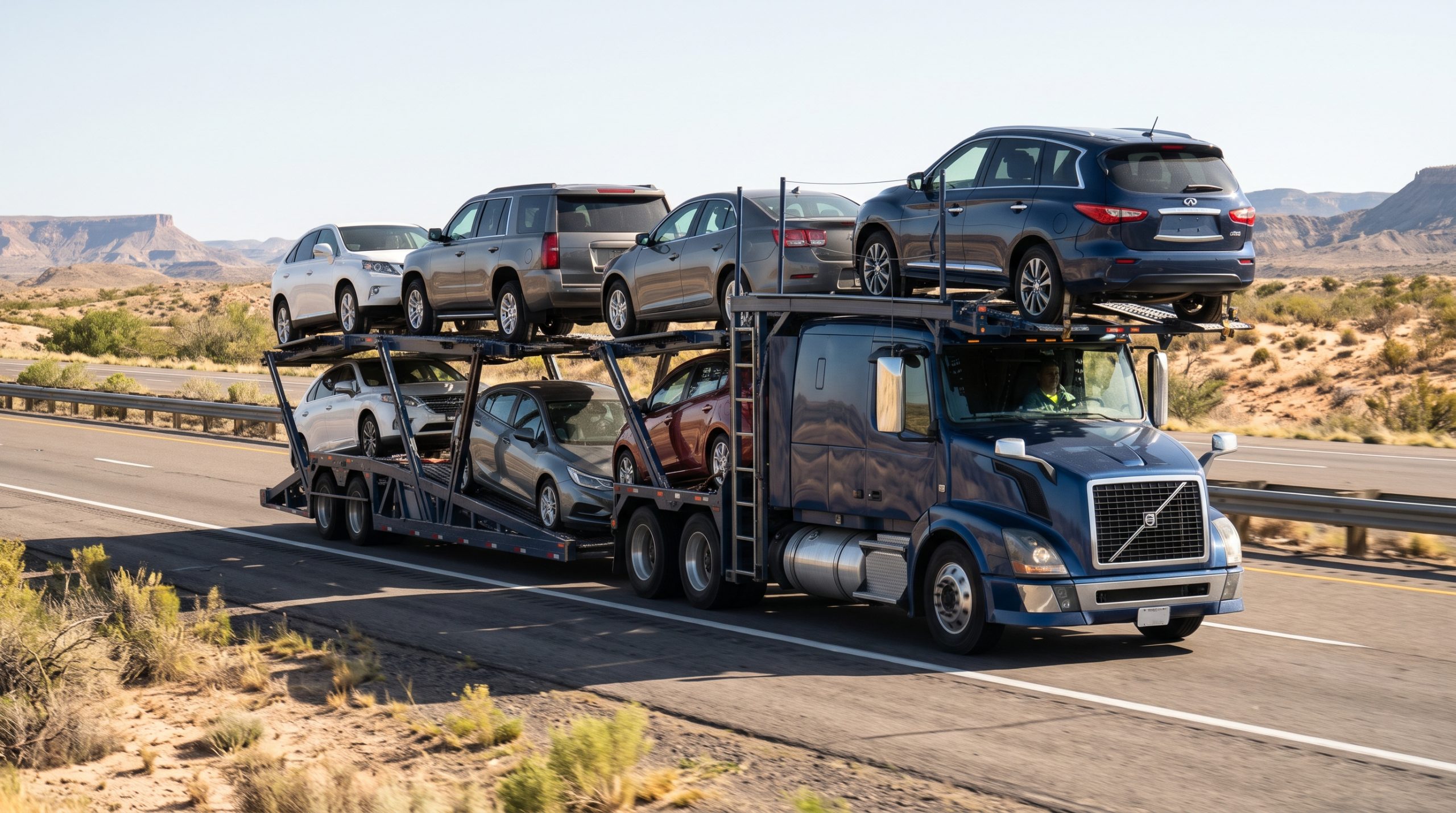
How does car shipping work? Moving a vehicle requires five steps: gathering carrier quotes, securing a broker booking, prepping the car for transit, tracking the haul, and signing off on the final delivery inspection. Understanding this logistics chain guarantees a secure and efficient transport.
Handing over the keys to one of your most valuable assets can feel incredibly stressful. You are trusting a complete stranger to haul your car across thousands of miles of interstate highway. If you have never booked commercial freight before, the logistics might seem chaotic.
They aren’t. In reality, the modern vehicle transport industry runs on a remarkably tight, highly structured system.
Maybe you are moving across the country for a new job. Maybe you just bought a classic car online, sight unseen. Or perhaps you need to send a reliable commuter car to your kid at college. Whatever the reason, knowing exactly how this industry operates protects your schedule and your budget. Let’s break down exactly what happens between booking a truck and getting your keys back.
The Car Shipping Process Explained: A 5-Step Breakdown
Moving a car isn’t like mailing a package. It is a highly coordinated event that relies on dispatchers, commercial heavy-haulers, and strict DOT paperwork. Here is the chronological roadmap.
Step 1: Requesting and Comparing Quotes
Pricing in this industry shifts constantly. Carriers adjust their rates based on seasonal demand, current diesel prices, and the physical footprint of your specific vehicle.
Start pulling quotes and you will see numbers all over the board. A major red flag? The absolute cheapest option. Brokers offering rock-bottom prices often run “bait and switch” operations. They quote you a low number to secure your deposit, but then no actual driver accepts the load because the payout is too low—leaving you stranded. You want median pricing from a licensed broker. Finding reliable car shipping services means partnering with an experienced company that provides transparent pricing and works exclusively with fully insured carriers.
Step 2: Booking Your Auto Transport Service
Once you pick a broker, you move into the booking stage. You need to provide the exact origin and destination zip codes, your vehicle’s make and model, and a realistic pickup window.
You will sign an initial agreement here. Pay attention: reputable companies do not ask for the full payment upfront. You will pay a deposit to secure your spot. The remainder gets paid directly to the driver at delivery. Once that contract is signed, the broker posts your job to a national load board to match your route with a commercial hauler.
Step 3: Vehicle Preparation and the Initial Inspection
You cannot just hand off a dirty car full of junk. Preparation limits your liability.
First, wash the car. The driver has to complete a thorough visual inspection before loading it to document any pre-existing scratches or dents. Dirt hides damage. Next, empty the interior. Take out toll tags, loose electronics, and all personal items. Commercial car carriers are not licensed to move household goods, and extra weight messes with highway scale regulations. Leave about a quarter tank of gas—just enough to safely drive it up the trailer ramps.
When the truck arrives, you and the driver will sign the Bill of Lading (BOL). Keep this document safe. It is your official receipt and condition report.
Step 4: Transit, Tracking, and Communication
The car is strapped down and the truck hits the road.
Do not expect an Amazon-style live tracking map. These are commercial heavy-haulers. They operate on strict trucking schedules and have to deal with weigh stations, mandatory DOT rest periods, and unpredictable weather. Most drivers cover 400 to 500 miles a day. A coast-to-coast run usually takes between 7 and 10 days.
Your main contact will be the dispatcher or the driver directly. They usually call about 24 hours before arriving to figure out the drop-off logistics. Remember, an 80-foot truck cannot turn around in a standard residential cul-de-sac.
Step 5: Final Delivery and the Final Inspection
The truck is finally here. Before you hand the driver that final payment—usually required as cash, cashier’s check, or a money order—you need to do the final inspection.
Walk around the car. Check the roof, undercarriage, and bumpers against the original BOL you signed back at pickup. Transit damage is rare, but if it happens, you absolutely must note it on the BOL before you sign off and pay the driver. If you fail to write it down, filing a cargo insurance claim later is nearly impossible. Sign the paper, hand over the payment, and you are done.
Key Factors That Impact the Auto Transport Process
What dictates your timeline and your final bill? Route density and trailer type. You have options depending on what kind of vehicle you are moving.
| Transport Type | Average Cost Impact | Protection Level | Ideal Vehicle Type |
| Open Transport | Most economical (Baseline pricing) | Standard (Exposed to weather & road debris) | Daily drivers, used cars, standard SUVs |
| Enclosed Transport | 40% to 60% higher than Open rates | Maximum (Fully sealed from elements) | Exotic cars, classic restorations, luxury EVs |
Open transport dominates the market, handling about 90% of all vehicle moves simply because it is efficient and affordable. Enclosed transport is a white-glove service. These trailers use hydraulic lift gates so low-clearance vehicles do not scrape their undercarriages during loading.
Navigating Specialized Car Transport Scenarios
Standard moves are fairly straightforward. But some situations require a completely different approach to logistics.
Planning to Move Across State Lines
If you need to ship car to another state, location is everything. Running a car down a major interstate corridor—like from Los Angeles to Dallas—is fast and affordable. Carriers love these routes because they do not have to detour to load and unload. If you live in a rural area far off the main highways, expect to pay more and wait longer. You can often speed things up by offering to meet the driver in a larger city or at a major truck stop.
Active Duty and PCS Relocations
Military moves operate on brutal, inflexible schedules. If you are handling a PCS (Permanent Change of Station), you need military car shipping experts who understand deployment timelines. These moves often involve base logistics, specific military paperwork, and last-minute date changes. A broker who knows the friction points of military transport is essential for making sure your car arrives before you have to report for duty.
Frequently Asked Questions (FAQ)
How long does the auto transport process take?
It comes down to mileage. Regional moves under 500 miles take 1 to 3 days. Mid-range trips (500-1500 miles) take 3 to 7 days. Coast-to-coast transit takes 7 to 10 days due to mandatory commercial driver rest periods.
Do I need special insurance when shipping my car?
No. The law requires commercial motor carriers to hold active cargo insurance. Your personal auto policy might serve as a backup, but the carrier’s cargo policy holds the primary liability for any transit damage.
Can I pack personal items in my vehicle?
Technically, no. The DOT bans car carriers from hauling household goods. Some drivers might let you throw 50 to 100 pounds of soft items (like clothes) in the trunk, but putting boxes in the cabin can trigger fines at highway weigh stations. Always ask your specific driver before packing anything.
For more automotive guides, vehicle maintenance tips, and lifestyle resources, head back to our home page.


You worked hard for those 200 five-star reviews. But look at the dates: most of them are two years old. A customer searching today sees a business whose last review came in six months ago — and quietly wonders if you are still good, or even still open. Here is the uncomfortable truth: your old reviews never disappear, but they do fade. And the businesses that understand this never stop asking.
Do Google Reviews Expire?
No — Google does not delete reviews just because they are old. A five-star review from 2022 still counts toward your average rating today. But “counts” and “matters” are two different things. Google’s search ranking weighs recent activity heavily: a business with 20 reviews from the last three months looks more alive — and ranks higher — than a business with 200 reviews and nothing new since last year. Customers think the same way. When they compare two businesses, they do not count total reviews. They check the newest one first.
How Long Do Google Reviews Last?
Technically, forever — unless Google removes one for breaking the rules, or the reviewer deletes it. Practically, a review’s influence lasts about three to six months. After that, it becomes background: still visible, still part of your average, but no longer the thing that convinces a new customer. Think of it like a shop window: the display from last year is still there, but nobody stops to look at it. Fresh reviews are the new display — they are what people actually notice when they walk past.
Why Fresh Reviews Matter More Than Your Total Count
Three reasons. First, customers trust recent proof: a review from last week tells them what the business is like now, not what it was like two years ago. Second, Google rewards activity: steady new reviews signal a business that is open, busy, and cared for — and search rankings follow. Third, fresh reviews protect your average: one new bad review hurts far less when ten good ones arrived this month than when your last good review was in January. A growing pile of recent reviews is the only real shield against the next bad one. That steady flow is the heart of good reputation management.
How to Keep Fresh Reviews Coming Without Begging
You do not need a campaign. You need one habit: ask every customer, at the happiest moment, every single time. One line is enough: “If you are happy with everything today, would you mind leaving us a quick Google review? It takes ten seconds.” Ask after the finished work, at the door, or with the receipt — whenever they are smiling. Five to ten fresh reviews a month is enough to keep your profile alive forever. The businesses with the strongest ratings are not the ones with the most reviews. They are the ones with the newest ones.
Never Let a Good Review Go Stale
The worst version of this story is a business with 300 old reviews and zero new ones — a museum, not a shop. Customers can tell the difference in seconds. A reputation management software for local businesses pulls every review from every platform into one dashboard and alerts you the moment a new one lands — so you see the moment your flow slows down, and you can restart asking before the gap becomes visible. Vercepta’s free Starter plan ($0/month, no credit card required) covers one location with email alerts.
Your Oldest Review Is Not Your Best Salesman Anymore
Your old reviews earned their place — they built your rating and your reputation. But they cannot sell for you forever. The customer deciding right now wants to know what you did last week, not last year. Ask one customer today, one tomorrow, and one every day after that. Fresh reviews are not extra work. They are the work that keeps everything else you built still working.

What Is FCC Certification? A Complete Guide to Requirements, Testing and Compliance

Automatic Driving Lessons: A Complete Guide to Learning, Confidence and Safe Driving

Family Doctors Accepting New Patients in Toronto: What You Need to Know

Renters Insurance in Tarzana,CA: A Complete Guide

ミニマリストがボッテガのカードケースを愛する理由

Rani No Hajiro in Ahmedabad: A Complete Guide to History, Shopping & Hidden Secrets

Digital Marketing for Beginners: Step-by-Step Guide to Start and Succeed in 2026

How to Get Promoted Faster at Work: Smart Career Growth Tips

Dublin City University: Everything You Need to Know Before Applying in 2026








