Connect with us

Health

No Gym Needed: 10 Easy Home Workouts That Actually Burn Fat

Published

on

home workouts that burn fat

In today’s fast-paced world, finding time to hit the gym can be challenging. Between work, family, and social commitments, squeezing in a workout might seem impossible. But here’s the good news: you don’t need a gym to burn fat and stay fit. With just your body, some household items, and a bit of consistency, you can achieve impressive results. In this guide, we’ll explore 10 easy home workouts that actually burn fat, helping you tone up, boost metabolism, and feel healthier—all without stepping foot in a gym.

Why Home Workouts Work for Fat Loss

Before diving into the exercises, it’s important to understand why home workouts are effective for fat loss:

  1. Consistency is Key – Having workouts at home removes barriers like commuting or gym fees, making it easier to stick to a routine.

  2. High-Intensity Interval Training (HIIT) at Home – Many bodyweight exercises can be performed in short bursts, boosting your metabolism long after the workout ends.

  3. Strength and Cardio Combined – Fat loss isn’t just about cardio. Resistance training builds muscle, which increases your resting metabolic rate.

  4. Adaptability – Home workouts can be tailored to your fitness level, goals, and available equipment.

The combination of strength, cardio, and flexibility exercises ensures that your body burns fat while improving endurance and posture.

1. Jumping Jacks: The Classic Fat Burner

Why it works: Jumping jacks are a full-body exercise that gets your heart rate up, helping you burn calories fast.

How to do it:

  • Stand with feet together and arms at your sides.

  • Jump, spreading your legs shoulder-width apart while raising your arms overhead.

  • Jump back to the starting position.

  • Repeat for 3 sets of 30–50 reps.

Tips for maximum fat burn:

  • Maintain a brisk pace to keep your heart rate elevated.

  • Engage your core to protect your lower back.

  • For variety, try cross jacks by crossing your arms and legs alternately.

Calories burned: Approximately 100 calories in 10 minutes.

2. Burpees: Full-Body Fat Blaster

Why it works: Burpees combine cardio, strength, and explosive movement, making them one of the most effective exercises for burning fat quickly.

How to do it:

  1. Start in a standing position.

  2. Drop into a squat, placing your hands on the floor.

  3. Kick your feet back into a plank position.

  4. Perform a push-up (optional for beginners).

  5. Jump back to squat and explode upward.

Tips:

  • Keep a fast but controlled pace.

  • Focus on proper form to avoid knee or lower back strain.

  • Start with 5–10 reps and gradually increase.

Calories burned: Around 50–70 calories in 5 minutes, depending on intensity.

3. Mountain Climbers: Core and Cardio in One

Why it works: Mountain climbers elevate your heart rate while engaging the core, shoulders, and legs. This makes them excellent for total-body fat burn.

How to do it:

  • Start in a plank position with your hands directly under your shoulders.

  • Bring one knee toward your chest, then quickly switch legs as if running in place.

  • Maintain a fast, steady pace for 30–60 seconds.

Tips:

  • Keep your core tight to protect your lower back.

  • Avoid lifting your hips too high.

  • Incorporate in circuits with burpees or jumping jacks for maximum fat burn.

Calories burned: Roughly 100–120 calories in 10 minutes.

4. High Knees: Cardio Without Equipment

Why it works: High knees increase heart rate and activate the core, glutes, and legs simultaneously. They’re simple but highly effective for fat loss.

How to do it:

  • Stand with feet hip-width apart.

  • Run in place, lifting your knees as high as possible.

  • Pump your arms as if sprinting.

  • Perform 3 sets of 30–60 seconds.

Tips:

  • Land softly to reduce impact on knees.

  • Engage your core with every lift.

  • Add intervals: 20 seconds fast, 10 seconds slow.

Calories burned: Around 100 calories in 10 minutes.

5. Squat Jumps: Lower-Body Fat Burner

Why it works: Squat jumps combine strength and plyometric movement, targeting thighs, glutes, and core while raising heart rate.

How to do it:

  • Stand with feet shoulder-width apart.

  • Lower into a squat position.

  • Explosively jump up, landing softly back into the squat.

  • Repeat for 3 sets of 12–20 reps.

Tips:

  • Land with knees slightly bent to protect joints.

  • Focus on quality, not quantity.

  • Pair with lunges for a complete lower-body workout.

Calories burned: Around 8–10 calories per minute.

6. Push-Up Variations: Upper-Body & Core Strength

Why it works: Push-ups strengthen the chest, shoulders, arms, and core. Fat loss is enhanced when combined with cardio movements like burpees or jumping jacks.

How to do it:

  • Standard Push-Up: Hands shoulder-width, lower your body until chest nearly touches the floor, then push up.

  • Wide Push-Up: Hands wider for more chest activation.

  • Diamond Push-Up: Hands together under chest to target triceps.

  • Incline/Decline Push-Ups: Use a chair or step to change difficulty.

Tips:

  • Keep a straight line from head to heels.

  • Engage core and glutes throughout.

  • Start with 10–15 reps and gradually increase.

Calories burned: Approximately 7–10 calories per minute.

7. Plank Variations: Core Fat Burner

Why it works: A strong core improves posture, stability, and enhances the effectiveness of other fat-burning exercises.

How to do it:

  • Standard Plank: Forearms on the ground, elbows under shoulders, body in a straight line.

  • Side Plank: Lie on one side, lift hips, keep body straight.

  • Plank with Shoulder Tap: Tap alternate shoulders while maintaining a plank.

Tips:

  • Avoid sagging hips.

  • Breathe steadily.

  • Hold for 30–60 seconds; repeat 2–3 times.

Calories burned: Around 5–8 calories per minute; core strengthening indirectly aids fat loss.

8. Glute Bridges: Target the Lower Body

Why it works: Glute bridges target the glutes and hamstrings, improving posture and burning fat in the lower body.

How to do it:

  • Lie on your back, knees bent, feet flat.

  • Lift hips toward the ceiling, squeezing glutes at the top.

  • Lower slowly and repeat for 12–20 reps.

Tips:

  • Hold at the top for 2–3 seconds for extra engagement.

  • Add a single-leg variation for intensity.

  • Pair with squats for a complete lower-body session.

Calories burned: Around 5–7 calories per minute.

9. Lunges: Fat-Burning Leg Sculptor

Why it works: Lunges work glutes, quads, and hamstrings, enhancing metabolism and fat loss while improving balance.

How to do it:

  • Stand with feet together.

  • Step forward with one leg, lowering hips until both knees are at 90-degree angles.

  • Push back to start and switch legs.

  • Perform 3 sets of 12–15 reps per leg.

Tips:

  • Keep front knee over the ankle.

  • Maintain an upright torso.

  • For variety, try walking lunges or reverse lunges.

Calories burned: Approximately 50–70 calories per 10 minutes.

10. Cardio Dance Workouts: Fun Fat Burn

Why it works: Dancing is an enjoyable way to elevate heart rate and burn calories without feeling like a traditional workout.

How to do it:

  • Choose high-energy music.

  • Move continuously, incorporating jumps, twists, and arm movements.

  • Aim for 20–30 minutes.

Tips:

  • Keep it playful; enjoyment boosts adherence.

  • Combine with other bodyweight exercises for a full-body circuit.

  • Use online cardio dance videos for guidance.

Calories burned: Around 200–400 calories per 30 minutes depending on intensity.

Creating an Effective Home Fat-Burning Routine

To maximize fat loss, combine these exercises into a weekly routine. Here’s a sample beginner-friendly schedule:

Day Workout Plan Duration
Monday Jumping Jacks + Push-Ups + Plank 20–25 mins
Tuesday Squat Jumps + Lunges + Mountain Climbers 25–30 mins
Wednesday Cardio Dance + Glute Bridges + High Knees 25–30 mins
Thursday Rest or light stretching/yoga 20 mins
Friday Burpees + Push-Ups + Plank Variations 25–30 mins
Saturday Jumping Jacks + Squat Jumps + Lunges 25–30 mins
Sunday Active recovery (walking, stretching, light yoga) 30 mins

Pro Tips for Maximum Fat Burn at Home:

  1. Warm up for 5 minutes to prevent injury.

  2. Incorporate short HIIT circuits for intensity.

  3. Stay hydrated and maintain a healthy diet.

  4. Track progress weekly to stay motivated.

Nutrition Tips to Complement Home Workouts

No fat-loss workout is complete without attention to nutrition:

  • Protein: Essential for muscle repair and metabolism. Include eggs, chicken, tofu, or legumes.

  • Healthy Fats: Avocados, nuts, and olive oil support hormone balance.

  • Complex Carbs: Whole grains, oats, and vegetables provide energy for workouts.

  • Hydration: Water boosts metabolism and aids in recovery.

  • Avoid Processed Foods & Sugars: They add calories without nutrients.

Benefits of Home Workouts

  • Convenience: No commuting, no membership fees.

  • Flexibility: Exercise anytime, anywhere.

  • Privacy: No crowded gyms or feeling self-conscious.

  • Holistic Fitness: Strength, cardio, and core training in one space.

Common Mistakes to Avoid

  1. Skipping Warm-Up/Cool-Down – Increases risk of injury.

  2. Neglecting Form – Leads to strain and reduces effectiveness.

  3. Overtraining – Muscles need time to recover.

  4. Ignoring Nutrition – Exercise alone is not enough for fat loss.

Conclusion

Burning fat at home doesn’t require fancy equipment or expensive gym memberships. By incorporating these 10 easy home workouts—from jumping jacks to cardio dance—you can achieve significant fat loss while improving strength, endurance, and overall health. Pair your workouts with balanced nutrition, consistency, and proper rest, and you’ll notice results faster than you imagined.

Remember, the key is consistency and intensity. Start small, track your progress, and gradually challenge yourself with longer or more intense sessions. Your home can become your personal fat-burning studio, and your fitness goals are just a few moves away.


Health

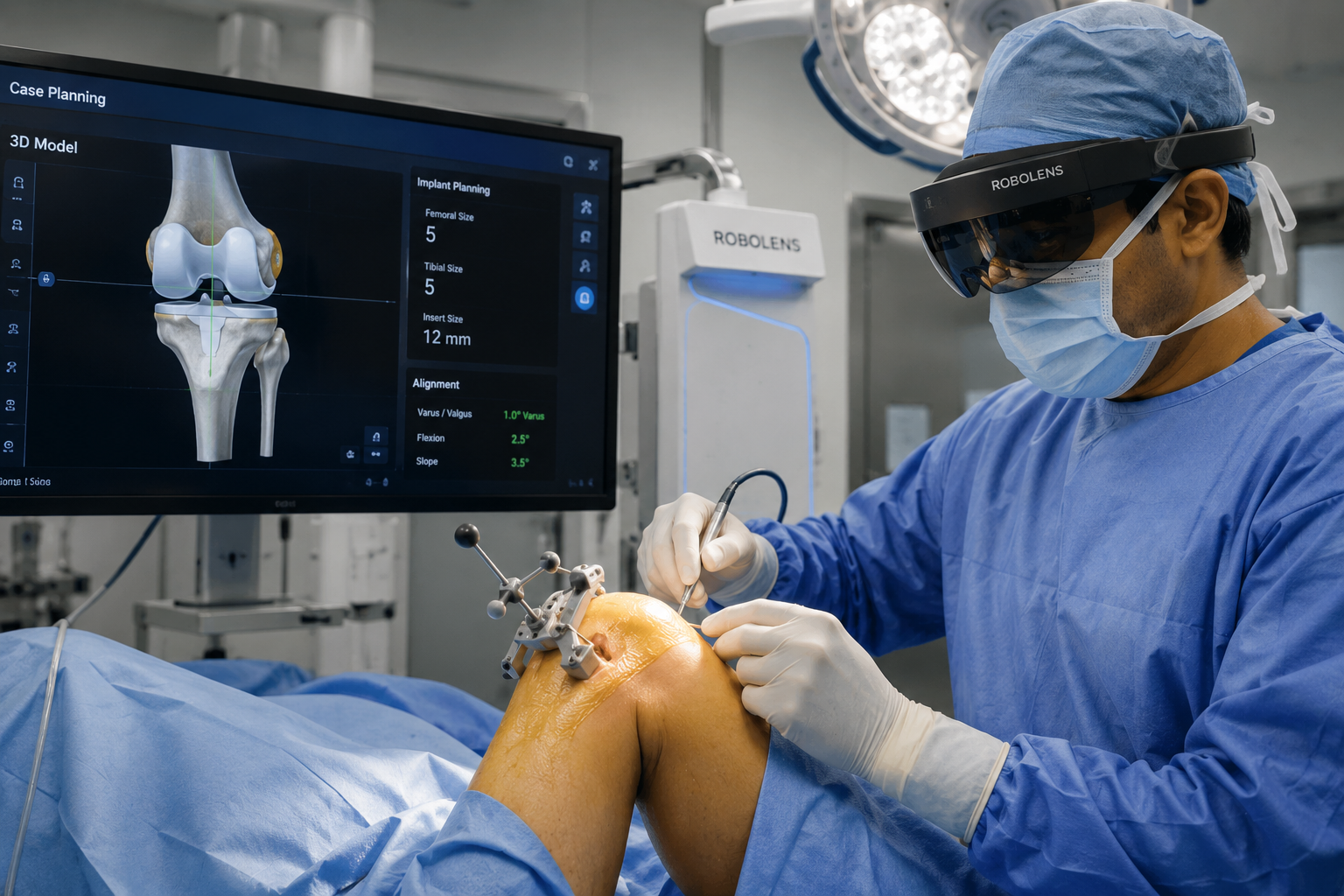
How RoboLens Knee Replacement Is Advancing Knee Surgery in Panchkula

Published

on

robolens knee surgery

Knee replacement surgery has evolved considerably with the introduction of advanced technologies designed to support surgical planning, alignment, and implant positioning. Among these developments, RoboLens knee replacement represents a technology-assisted approach that aims to provide surgeons with enhanced visualization and guidance during knee replacement procedures. For patients considering knee replacement in Panchkula, understanding how such technology works and what it may offer can help in making informed treatment decisions.

Modern knee replacement is not simply about replacing a damaged joint. It involves careful assessment of the patient’s anatomy, deformity, ligament balance, bone condition, implant selection, and postoperative rehabilitation. Technology can support these steps, while the surgeon’s experience remains central to achieving an appropriate outcome.

What Is RoboLens Knee Replacement?

RoboLens knee replacement refers to an advanced technology-assisted approach in which digital visualization and surgical guidance are used to support the surgeon during knee replacement.

The concept is focused on providing additional information during surgery, helping the surgeon assess anatomical landmarks, alignment, and planned implant positioning. Instead of depending solely on conventional visual assessment, technology can provide digital references that support important surgical decisions.

It is important to understand that RoboLens does not independently perform the operation. The orthopaedic surgeon remains responsible for planning and performing the procedure, while the technology functions as an aid.

Why Precision Matters in Knee Replacement

A knee replacement involves several important steps, including removing damaged bone, preparing the surfaces, positioning the implant components, and balancing the surrounding soft tissues.

Accurate alignment and implant positioning are important because the artificial knee needs to function within the patient’s individual anatomy. Variations in bone structure, ligament tension, and limb alignment can make every procedure different.

Technology-assisted systems can provide additional information during these steps, potentially helping the surgeon work more closely according to the preoperative plan.

For patients researching knee replacement in Panchkula, this focus on precision is one of the reasons advanced surgical technologies are receiving increasing attention.

How RoboLens Technology Can Support Knee Surgery

1. Advanced Surgical Visualization

One potential advantage of RoboLens technology is enhanced visualization during the procedure. Digital information can help the surgical team understand anatomical structures and surgical targets more clearly.

This type of real-time information may be particularly useful when precise positioning is required during knee replacement.

2. Assistance With Alignment

Alignment is an important consideration in total knee replacement. The surgeon needs to establish appropriate relationships between the femur, tibia, and artificial components.

Technology-assisted guidance can provide measurements and visual references that support the surgeon while preparing the bone and positioning implants.

3. Support for Implant Positioning

The positioning of femoral and tibial components can influence knee mechanics and function. RoboLens-assisted surgery can provide digital guidance intended to help the surgeon follow the planned positioning of the implant components.

However, technology should not be considered a guarantee of a particular outcome. Implant selection and positioning still depend on the patient’s anatomy and the surgeon’s clinical judgment.

Potential Benefits of RoboLens Knee Replacement

The potential benefits of robolens knee replacement are primarily related to surgical guidance and visualization.

Greater Intraoperative Information

Digital guidance can provide additional measurements and references during surgery. This may help the surgeon make informed decisions throughout different stages of the procedure.

Patient-Specific Surgical Planning

Every knee has its own anatomy. Factors such as bone deformity, previous injuries, arthritis severity, and limb alignment can vary significantly between patients.

Advanced planning and navigation technologies can help incorporate these individual anatomical characteristics into the surgical approach.

Focus on Surgical Precision

One of the primary goals of technology-assisted knee replacement is to support accurate bone preparation and implant positioning. Better visualization and measurement can help surgeons work toward their planned surgical targets.

Integration With Modern Knee Care

RoboLens technology can be considered part of a broader evolution in knee replacement that includes digital imaging, computer-assisted navigation, 3D planning, robotic assistance, and other advanced surgical techniques.

These technologies are intended to complement—not replace—the expertise of an experienced joint replacement surgeon.

RoboLens Knee Replacement vs Conventional Surgery

Conventional knee replacement remains an established treatment for patients with advanced arthritis and significant joint damage. Many patients achieve good results through traditional surgical techniques.

The key difference with technology-assisted approaches is the availability of additional digital information during planning and surgery.

RoboLens should therefore not automatically be considered “better” for every patient. The appropriate approach depends on the patient’s condition, the complexity of the knee deformity, available technology, and the surgeon’s experience with the particular technique.

A thorough consultation is important before choosing between conventional and technology-assisted knee replacement.

Who May Be Considered for RoboLens Knee Replacement?

The suitability of robolens knee replacement depends on several factors. Patients with advanced osteoarthritis, persistent knee pain, significant stiffness, reduced mobility, or deformity may be candidates for knee replacement after appropriate evaluation.

However, not every patient with knee pain requires replacement surgery.

Doctors generally consider symptoms, X-rays or other imaging, physical examination findings, activity limitations, previous treatments, overall health, and the extent of joint damage before recommending surgery.

Patients considering knee replacement in Panchkula should therefore undergo an individualized evaluation rather than choosing a procedure solely because it uses advanced technology.

The Importance of the Surgeon Behind the Technology

Technology can provide valuable surgical assistance, but successful knee replacement involves much more than equipment. Diagnosis, surgical planning, implant selection, soft-tissue balancing, infection prevention, anesthesia, and rehabilitation all contribute to the treatment journey.

The surgeon must also know when technology is useful and when a different surgical strategy may be more appropriate.

This makes the combination of advanced technology and experienced orthopaedic expertise particularly important when considering modern knee replacement.

The Future of Technology-Assisted Knee Replacement

Knee replacement technology continues to develop. Digital planning, navigation, robotics, augmented reality, artificial intelligence, and patient-specific technologies are increasingly being explored as ways to support surgical decision-making and precision.

As these systems continue to evolve, their role may expand further. However, long-term clinical outcomes, patient satisfaction, safety, and functional recovery remain more important than technology alone.

Conclusion

RoboLens knee replacement represents another step toward technology-assisted knee surgery, with an emphasis on digital visualization, surgical guidance, alignment, and implant positioning. For suitable patients, these capabilities may support a more individualized and precisely planned approach to knee replacement.

For patients considering knee replacement in Panchkula, the decision should be based on the severity of joint damage, individual anatomy, treatment goals, overall health, and professional surgical assessment. Advanced technology can enhance the surgical process, but careful diagnosis, experienced surgical judgment, and structured rehabilitation remain essential components of successful knee replacement.


Continue Reading

Health

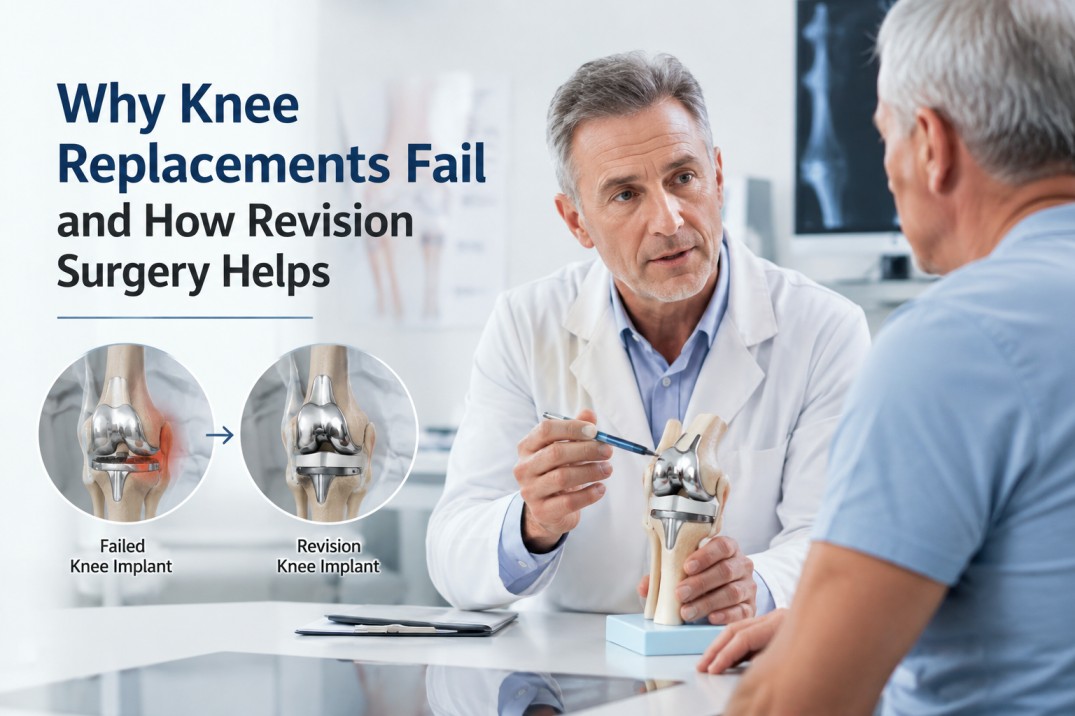
Why Knee Replacements Fail and How Revision Surgery Helps

Published

on

why knee replacements fail and how revision surgery helps

Knee replacement surgery is one of the most successful orthopaedic procedures for relieving chronic pain and restoring mobility. Most modern knee implants last for many years and enable patients to return to an active, independent lifestyle. However, like any surgical procedure, knee replacements are not immune to complications. In some cases, the artificial joint may fail or stop functioning as expected, making Revision Knee Replacement necessary.

Understanding why a knee replacement fails and how revision surgery can restore joint function helps patients recognize warning signs early and seek timely medical care. Consulting an experienced orthopaedician in Panchkula can ensure an accurate diagnosis and the most appropriate treatment plan.

What Is Revision Knee Replacement?

Revision Knee Replacement is a surgical procedure performed to replace part or all of an existing knee implant that has failed. Unlike primary knee replacement surgery, revision surgery is more complex because it involves removing the old implant, addressing any damaged bone or soft tissue, and placing a new prosthesis that restores stability and function.

Revision surgery is recommended only when non-surgical treatments cannot relieve symptoms or when the implant no longer performs effectively.

Why Do Knee Replacements Fail?

Although modern knee implants are designed for durability, several factors can contribute to failure over time.

1. Implant Wear and Tear

Artificial knee components experience continuous stress during walking, climbing stairs, and daily activities. After many years, the plastic spacer between the metal components may wear down, affecting joint movement and stability.

While today’s implants are more durable than ever, natural wear remains one of the leading reasons for revision surgery.

2. Implant Loosening

The implant is securely fixed to the bone during surgery. Over time, however, the bond between the implant and bone may weaken, causing loosening.

Patients often experience:

  • Pain during movement
  • Swelling
  • A feeling that the knee is unstable
  • Difficulty walking

Implant loosening is among the most common reasons for Revision Knee Replacement.

3. Infection

Although uncommon, infection is one of the most serious complications after knee replacement surgery. Bacteria can affect the tissues surrounding the implant, leading to inflammation and damage.

Symptoms may include:

  • Persistent pain
  • Redness around the knee
  • Warmth
  • Swelling
  • Fever
  • Fluid drainage from the surgical site

Some infections develop shortly after surgery, while others appear months or even years later.

4. Implant Instability

The knee relies on properly balanced ligaments and accurately positioned implants for smooth movement. If these structures become unstable, patients may experience:

  • Repeated giving way
  • Difficulty climbing stairs
  • Reduced confidence while walking
  • Knee buckling

Instability often requires surgical correction.

5. Stiffness

Some patients develop excessive scar tissue after surgery, limiting knee movement. Severe stiffness can interfere with daily activities such as sitting, standing, or bending the knee.

When physiotherapy and non-surgical treatments fail, revision surgery may be considered.

6. Fracture Around the Implant

A fall or injury may cause a fracture in the bone surrounding the artificial joint. Depending on the severity, revision surgery may be required to repair the fracture and replace the damaged implant.

7. Implant Malalignment

Accurate implant positioning is essential for long-term success. If the components are not properly aligned, uneven pressure may accelerate wear, reduce function, and eventually lead to implant failure.

Modern surgical planning and advanced technologies have significantly reduced this risk.

Signs That a Knee Replacement May Be Failing

Recognizing symptoms early allows timely treatment before complications worsen.

Common warning signs include:

  • Persistent or increasing knee pain
  • Swelling that does not improve
  • Difficulty walking
  • Knee instability
  • Clicking or unusual movement
  • Reduced range of motion
  • Recurrent infections
  • Changes in knee alignment

Patients experiencing these symptoms should seek evaluation by an experienced orthopaedic specialist.

Also Read: What Is RoboLens Knee Surgery and How Does It Work?

How Revision Knee Replacement Helps

Revision Knee Replacement is designed to restore comfort, mobility, and stability when a previous implant has failed.

During the procedure, the surgeon carefully removes the failed implant, evaluates the surrounding bone and soft tissues, treats any underlying issues such as infection or bone loss, and implants new prosthetic components.

The goals of revision surgery include:

  • Relieving chronic pain
  • Improving knee stability
  • Restoring normal alignment
  • Enhancing mobility
  • Correcting implant-related complications
  • Improving overall quality of life

Although revision surgery is technically more demanding than primary knee replacement, modern techniques have significantly improved patient outcomes.

Recovery After Revision Knee Replacement

Recovery varies depending on the reason for revision and the complexity of the procedure.

Most patients follow a structured rehabilitation program that includes:

  • Early mobilization under medical supervision
  • Pain management
  • Physiotherapy exercises
  • Muscle strengthening
  • Balance and walking training
  • Gradual return to daily activities

Consistent rehabilitation plays a vital role in achieving the best possible outcome.

Can Knee Replacement Failure Be Prevented?

While not every complication can be avoided, several measures help improve implant longevity.

Patients should:

  • Maintain a healthy body weight.
  • Stay physically active with low-impact exercises.
  • Follow rehabilitation instructions carefully.
  • Attend regular follow-up appointments.
  • Treat infections elsewhere in the body promptly.
  • Avoid high-impact activities that place excessive stress on the implant.
  • Report new pain or swelling to the surgeon without delay.

Proper surgical planning, implant selection, and patient education also contribute to long-term success.

Choosing the Right Specialist for Revision Surgery

Revision procedures require advanced surgical expertise because each case presents unique challenges. Factors such as bone loss, scar tissue, implant removal, and joint reconstruction demand careful planning and precision.

An experienced orthopaedician in Panchkula can perform a comprehensive evaluation using clinical examination and imaging studies to determine whether revision surgery is necessary and recommend the most appropriate treatment approach based on the patient’s condition.

Conclusion

Although knee replacement surgery has an excellent success rate, implants may occasionally fail due to wear, loosening, infection, instability, fractures, or alignment issues. Recognizing the warning signs early allows timely intervention before further joint damage occurs.

Revision Knee Replacement offers an effective solution for restoring knee function, relieving pain, and improving quality of life when a previous implant no longer performs as expected. With advances in surgical techniques, implant technology, and rehabilitation, many patients achieve excellent outcomes after revision surgery. Consulting a qualified orthopaedician in Panchkula at the first sign of persistent pain or reduced knee function can help ensure the best possible treatment and long-term joint health.


Continue Reading

Health

How Healthcare Consulting Strengthens Hospital Accreditation

Published

on

Healthcare Consulting

Preparing for hospital accreditation is often seen as a significant milestone, bringing clear timelines, structured documentation and valuable engagement with external reviewers. For healthcare teams, it presents an opportunity to step back, reflect on practice and align around shared goals for quality and safety. Accreditation should be the first step toward safer care, stronger systems, and confident clinicians who know their practice aligns with nationally agreed-upon standards of care. That’s where a healthcare consultant steps in.

Working with a consultant brings an objective voice into your team. They help provide structure to the process while offering clarity and reassurance when you need it most. Healthcare consulting empowers your team to move from mindlessly complying with standards to having the confidence and capability to know they meet standards.

Navigating the accreditation process

Standards documents are comprehensive and detail-oriented. They cover everything from governance to clinical practice. Each item should be consistently applied across your service to ensure safe care and to maintain continuous improvement.

While this is well documented, understanding and implementing standards in day-to-day operations can be draining. Hospitals are complex systems affected by workforce issues, shifting priorities, and evolving risks. You might know what needs to be done on paper, but seeing how standards are applied across departments, wards and disciplines can be difficult.

This is where healthcare consulting adds value. Consultants are well-versed in accreditation standards, as they regularly work with healthcare services and understand common breakdowns, risks, and what assessors look for.

Consultants are great at breaking down accreditation requirements into actionable steps. Rather than creating a list of tasks to blindly complete, consultants walk your team through standards in the context of their service.

Some ways consultants break down the standards:

  • Mapping standards to current systems and processes
  • Identifying gaps between what is written and implemented
  • Prioritising tasks based on risk assessment
  • Demystifying assessment processes and evidence requests

Guiding your team through each step allows you to tackle accreditation one task at a time. You won’t waste time on low-value activities. With help from a consultant, your organisation can develop a plan to feel confident on assessment day.

Preparing and empowering staff

Processes and documentation are great, but accreditation is about people. It’s about the clinicians who deliver care, use their judgement each day and will interact with surveyors. They need to be confident in their abilities and know where to find information if needed. Patients don’t see your policies or standards documentation. They see your faces and receive care from you.

Consultants typically deliver education sessions for clinical staff and apply standards in their daily work. A frequent issue we see is staff not understanding why standards exist.

When nursing, clinical and administrative staff understand the importance of standards in keeping people safe and ensuring providers are accountable for care, they become more engaged. Consultants can also coach managers on what to expect from assessors. Going into an assessment ready and knowing what to expect can help reduce anxiety.

Improving safety and reducing risk

Accreditation standards are developed with patient safety and risk mitigation in mind. Without proper governance, staff communication, and safe clinical processes, care can suffer, and your service risks incidents that could have been prevented. An external consultant may identify areas of risk your team hasn’t considered. They can also objectively evaluate your systems since they aren’t as closely connected to your service as your teams are. It’s easy to become entrenched in your work and miss gaps.

Leading your service through accreditation is no easy feat. If you’re new in your role as a leader or executive, it can be overwhelming. Not only do you have to demonstrate compliance with standards, but you also have to maintain your organisation’s performance.

Consultants are there to provide guidance and practical solutions when you need them most. Partner with a consultant, and you can proceed with confidence, secure in the knowledge that you’ve done everything you can to prepare. Then get back to leading your team.

Read more blogs


Continue Reading

Trending