Technology
Rosewellsk: A Deep Dive into Its Unique Features and Offerings


Some identities can easily vanish into thin air in a world full with internet platforms, websites, and technologies. However, Rosewellsk is unique due to its specialised services, user-friendly design, and unique collection of features. Whether you’re a first-time visitor or a long-time user, you’ll find something of interest in this article’s review of Rosewellsk.
What is Rosewellsk?
Rosewellsk is an extensive platform with many features to meet the needs of different users. It produces a comprehensive online experience by integrating aspects of electronic commerce, informative resources, and interactive technologies. Rosewellsk is a one-stop-shop for various internet requirements unlike many other platforms that tend to specialise solely on one topic. It offers a combination of content, services, and products.
Key Features of Rosewellsk
1.Intuitive User Interface:
Rosewellsk stands out due to its user-friendly layout and minimalist style. Even first-time visitors will find the site easy to navigate because to its structure. The user-friendliness of the experience is enhanced since relevant categories may be located swiftly.
2.Diverse Product Range:
If you’re in the market for digital services, tangible goods, or informative material, Rosewellsk has you covered. This variety lessens the need for consumers to navigate between multiple websites by catering to a wider range of demands in a one location.
3.Customizable User Profiles:
Users of Rosewellsk are able to design and customise their own profiles. In addition to facilitating interaction with the site, these profiles also provide personalised suggestions and curated material according to the user’s actions and tastes.
4.Interactive Community:
The sense of community in Rosewellsk is one of its most notable aspects. The platform‘s review system, discussion boards, and forums all work together to foster user engagement. From a static, transaction-based site to a vibrant, interactive community, this social component enriches the user experience.
Why Rosewellsk Stands Out
It takes more than a diverse product catalogue to stand out in the crowded world of online marketplaces. Rosewellsk is great because it combines cutting-edge resources with a user-friendly layout. Consider Rosewellsk again for the following reasons:
1.Cross-Platform Accessibility
Rosewellsk makes sure that its services are accessible no matter where its users are by making them available across different devices. To appeal to today’s mobile-first audience, this adaptability is essential.
2.Secure Transactions
Security is a major issue for many consumers due to the increasing amount of online scams. Users may rest easy knowing that Rosewellsk uses cutting-edge encryption methods to guarantee secure transactions.
3.User Support
You may reach the platform’s committed customer care staff via phone, email, or live chat at any time, day or night. An improved user experience is the result of this dedication to happy customers.
Future of Rosewellsk
The platform is moving at a breakneck pace. Rosewellsk is well-positioned to become a dominant force in its industry, according to its ambitious development plans that include new categories, features, and tools. Users may anticipate many more changes as the site develops further, such as additional collaborations, a broader selection of products, and better community features.
Conclusion
Rosewellsk is an extensive ecosystem that caters to several demands; it’s not simply another web platform. Anyone seeking to engage with a flexible and dynamic website will find it to be an invaluable resource due to its user-friendly design, rich feature set, and strong community emphasis. It provides a one-of-a-kind and rewarding experience for all of your shopping, information-seeking, and socialising needs.




Finding the right healthcare provider information can be challenging, especially when you need to confirm a doctor’s identity, specialty, or professional details. An NPI number search makes this process easier by allowing users to find healthcare providers through their National Provider Identifier (NPI) or other identifying information.
An NPI is a unique identification number assigned to healthcare providers in the United States. It is commonly used by doctors, nurses, dentists, medical practices, hospitals, and other healthcare organizations when dealing with health insurance, billing, and healthcare transactions.
Whether you are a healthcare professional, medical biller, insurance specialist, researcher, or patient, understanding how to perform an NPI number search can help you locate accurate provider information more efficiently.
What Is an NPI Number?
NPI stands for National Provider Identifier. It is a unique, 10-digit identification number used to identify healthcare providers in the United States.
The NPI system was created under the Health Insurance Portability and Accountability Act (HIPAA) to provide a standard way of identifying healthcare providers during electronic healthcare transactions.
Unlike some professional identifiers, an NPI does not directly indicate a provider’s specialty, state, or professional license. The number itself is simply a unique identifier associated with a provider’s record.
For example, a healthcare provider may use an NPI when submitting insurance claims, processing payments, communicating with health plans, or completing other administrative healthcare transactions.
Why Is NPI Number Search Important?
An NPI number search can be useful in many healthcare and administrative situations. Medical organizations often need to confirm provider information before submitting claims or updating their records.
Some common reasons to perform an NPI search include:
- Finding a healthcare provider’s NPI
- Verifying an existing NPI number
- Checking provider names and locations
- Identifying healthcare organizations
- Reviewing provider taxonomy or specialty information
- Supporting medical billing and claims processing
- Updating healthcare databases
- Researching healthcare provider information
For businesses that work with large healthcare datasets, an NPI lookup can also help reduce errors caused by outdated or incomplete provider records.
How to Perform an NPI Number Search
There are several ways to search for an NPI number. The best method depends on the information you already have.
1. Search by NPI Number
If you already have a provider’s 10-digit NPI, an NPI lookup can help you find the information associated with that identifier.
Enter the NPI number into an NPI search tool and review the available provider information. This is often the fastest approach when the NPI is already known.
2. Search by Provider Name
If you don’t know the NPI number, you can often search using the healthcare provider’s name.
For example, you may enter a doctor’s first and last name and then narrow the results using additional information such as location or specialty.
Name searches can sometimes produce multiple results, so it is important to compare the information carefully.
3. Search by Location
Location can be useful when several providers have similar names.
Adding a city, state, ZIP code, or practice location can make it easier to identify the correct provider record.
For example, if you are looking for a physician named John Smith, searching for the provider together with the state or city can significantly narrow the results.
4. Search by Organization
NPI information is not limited to individual healthcare professionals. Healthcare organizations can also have NPIs.
Depending on the search system, you may be able to look up hospitals, clinics, laboratories, medical groups, and other healthcare organizations by their name or identifier.
What Information Can You Find With an NPI Search?
The information available through an NPI search can vary depending on the provider record and the database being used.
Common provider information may include:
- Provider name
- NPI number
- Provider type
- Taxonomy classification
- Practice or mailing address
- Organization name
- Other business-related information
- Enumeration date
- Last update information
This information can help users determine whether a particular NPI record corresponds to the provider or organization they are trying to identify.
However, an NPI database should not be treated as a complete professional profile. An NPI record does not necessarily contain every detail about a healthcare provider’s education, employment history, licensing, or clinical qualifications.
NPI Lookup vs. NPI Number Search
The terms NPI lookup and NPI number search are often used interchangeably, but there can be a slight difference in how people use them.
An NPI lookup usually refers to retrieving information associated with a known provider or NPI.
An NPI number search may refer more broadly to finding an NPI using information such as a provider’s name, location, organization, or taxonomy.
For example:
NPI lookup:
You already have an NPI and want to find the provider associated with it.
NPI number search:
You know the provider’s name and want to discover their NPI number.
Both processes are useful for healthcare data verification and provider identification.
How to Verify an NPI Number
Simply finding an NPI number is not always enough. You may also want to verify whether the information matches the provider you are looking for.
Start by comparing the provider’s name with the search result. Next, check the location, organization name, and taxonomy information when available.
If several records appear, don’t select the first result automatically. Compare multiple details to make sure you have identified the correct provider.
For organizations, verify the organization name and location. This can help prevent confusion between similarly named medical practices or healthcare facilities.
Common Problems With NPI Searches
Although NPI searches are generally straightforward, users can encounter several problems.
Similar Provider Names
Many healthcare providers have common names. Searching only by name may return multiple records.
Using a location, specialty, or organization name can make the search more precise.
Outdated Information
Healthcare providers may change practice locations or update other information. Database records can therefore differ depending on when they were last updated.
If accuracy is important, check the most current available information.
Incorrect NPI Numbers
An NPI contains 10 digits. A single incorrect digit can lead to an unsuccessful search or return a different provider.
Always double-check the number before using it for billing or administrative purposes.
Individual vs. Organization NPI
Healthcare providers and organizations can have different NPI records. Confusing an individual provider’s NPI with an organization’s NPI can cause administrative problems.
Understanding whether you need a Type 1 individual NPI or Type 2 organization NPI can help you perform a more accurate search.
NPI Number Search for Medical Billing
Medical billing is one of the most common areas where NPI information is important.
Healthcare claims often require provider identification information. Billing teams may use NPI records to confirm that the provider information in their systems is consistent with available provider data.
Accurate provider information can help reduce administrative errors and improve the efficiency of claims processing.
However, an NPI alone does not guarantee that a claim will be accepted. Insurance eligibility, coding, provider enrollment, authorization, and other requirements may also affect claims processing.
NPI Search for Healthcare Research
Researchers and organizations may also use NPI information when analyzing healthcare provider data.
For example, an NPI search can help researchers organize provider records, identify provider types, or group healthcare professionals according to taxonomy classifications.
Businesses working with healthcare datasets may also use NPI information to improve data quality and identify duplicate or incomplete records.
Because healthcare data can change over time, organizations should establish processes for regularly reviewing and updating provider information.
Tips for Getting Better NPI Search Results
If you want more accurate results, follow these simple practices:
- Use the complete provider name whenever possible.
- Add a state or city to narrow results.
- Check the provider’s taxonomy or specialty.
- Compare addresses before selecting a record.
- Verify the full 10-digit NPI carefully.
- Check whether the record represents an individual or organization.
- Use current information when accuracy matters.
- Avoid relying on a single data point to identify a provider.
These steps can make your NPI number search faster and more reliable.
Who Can Use an NPI Search Tool?
An NPI search tool can be useful for a wide range of users.
Medical billing companies can use it to check provider information before processing claims.
Healthcare organizations can use NPI data to maintain provider directories and administrative databases.
Insurance professionals may use provider identifiers when reviewing claims and provider records.
Researchers and data analysts can use NPI information when organizing healthcare datasets.
Even patients and consumers may use an NPI lookup when they need to understand or confirm basic provider information.
Final Thoughts
An NPI number search is a practical way to find and review healthcare provider identification information in the United States. Whether you are searching for a doctor’s NPI, checking an organization, supporting medical billing, or maintaining a healthcare database, an accurate NPI lookup can save time and reduce data errors.
For the best results, don’t rely only on a provider’s name or NPI number. Compare multiple details such as location, provider type, organization, and taxonomy classification. This helps ensure that the record you find matches the healthcare provider or organization you actually need.
As healthcare data changes regularly, keeping provider information updated is equally important. A consistent process for NPI number lookup, verification, and data maintenance can help healthcare businesses and professionals work with cleaner and more reliable provider records.

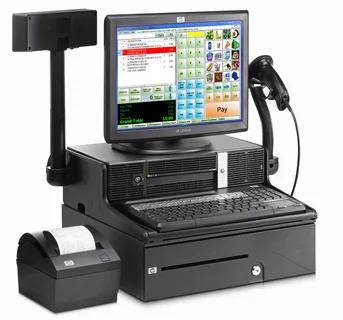
A Smarter Way to Manage pos system Sales and Business Operations
A POS system is an essential business tool that helps process customer payments, record sales, track inventory, and manage daily operations. It replaces traditional cash registers with a more organised solution that combines software and hardware. Retail stores, restaurants, cafés, salons, pharmacies, supermarkets, and service businesses can use it to complete transactions efficiently and maintain accurate records.
Modern POS solutions offer much more than basic billing. They provide valuable information about sales performance, customer behaviour, stock movement, employee activity, and business expenses. With the right setup, owners can reduce manual work and make decisions based on reliable data.
What Is a POS System?
POS stands for point of sale, which is the location or stage where a customer pays for goods
POS System: A Smarter Way to Manage Business Operations
A POS system is more than a tool for accepting customer payments. It connects sales, inventory, staff activity, customer information, and business reports in one place. Whether used in a retail store, restaurant, pharmacy, salon, café, or supermarket, it helps businesses process transactions accurately and manage daily operations more efficiently.
Modern point-of-sale technology can replace manual billing methods and disconnected spreadsheets. By recording every transaction automatically, it gives owners a clearer understanding of business performance and reduces the risk of human error.
What Is a POS System?
A POS system is a combination of software and hardware used to complete sales transactions. It calculates the total amount, applies taxes and discounts, processes payments, and creates a receipt for the customer.
The software may also record stock levels, monitor employee activity, store customer details, and prepare sales reports. Hardware can include a computer or tablet, barcode scanner, receipt printer, cash drawer, card terminal, and customer display.
The exact setup depends on the type and size of the business.
How Does a POS System Work?
When a customer purchases a product, the cashier scans its barcode or selects it from the product list. The system retrieves the price, calculates applicable taxes, and adds the item to the bill.
After all items are entered, the customer selects a payment method, such as cash, card, or digital payment. The system completes the transaction, updates inventory, and generates a receipt. Sales information is then stored for reporting and accounting purposes.
In a restaurant, the process may also include table management, kitchen order tickets, modifiers, split payments, and delivery tracking.
Essential Features of POS Software
Sales and Billing
The software should allow employees to create bills quickly, apply discounts, manage returns, and accept multiple payment methods. A simple checkout screen can reduce waiting times and improve customer service.
Inventory Management
Inventory tools automatically reduce stock quantities after each sale. Businesses can monitor available items, identify low-stock products, and maintain more accurate purchasing records.
Employee Management
A POS system can assign user roles and permissions to staff members. Managers may also review working hours, individual sales, discounts, refunds, and cash drawer activity.
Customer Management
Customer profiles can store names, contact information, purchase history, loyalty points, and preferred products. Businesses can use this information to provide more personalised service and relevant promotions.
Reporting and Analytics
Sales reports help owners understand revenue, taxes, discounts, payment methods, product performance, and busy periods. Accurate data supports better operational and purchasing decisions.
Benefits of Using a POS System
One major benefit is improved accuracy. Automated calculations reduce mistakes involving prices, taxes, discounts, and transaction totals. The system also saves time by handling several administrative tasks automatically.
Real-time inventory information helps prevent overstocking and unexpected shortages. Business owners can see which products sell quickly and which remain unsold for longer periods.
Centralised data also makes performance easier to understand. Instead of checking multiple files, managers can view important information through a single dashboard. Cloud-based systems may allow authorised users to monitor the business remotely.
Cloud-Based vs Traditional POS Solutions
A traditional POS solution usually stores information on a local computer or server. It may continue operating without a permanent internet connection, but remote access and updates can be limited.
A cloud-based solution stores information securely online and allows access from supported devices. It often provides automatic updates, remote reporting, and easier multi-location management. However, some features may depend on a stable internet connection.
Many modern solutions offer an offline mode that temporarily saves transactions and synchronises them when connectivity returns.
Choosing the Right POS System
Start by identifying your business requirements. A restaurant may need table layouts, kitchen printing, ingredient tracking, and online order integration. A retail store may prioritise barcode scanning, product variants, supplier management, and stock control.
Consider ease of use, hardware compatibility, payment integrations, reporting options, data security, and customer support. The system should also be able to grow with the business.
Ask providers about setup fees, monthly subscriptions, transaction charges, training, data migration, updates, and technical support. Reviewing the complete cost is more useful than comparing the initial price alone.
Importance of Data Security
Point-of-sale software handles valuable business and customer information. Strong passwords, controlled permissions, regular backups, software updates, and secure payment processing are essential.
Employees should receive appropriate access based on their responsibilities. For example, only authorised managers should be permitted to delete transactions, change prices, or approve large refunds.
Final words
A POS system can simplify sales, improve inventory control, and provide useful insights into business performance. Its value depends on selecting software that matches the company’s daily operations and future plans. With the right features, hardware, training, and support, businesses can serve customers faster while maintaining more accurate records.
Frequently Asked Questions
What does POS stand for?
POS stands for “point of sale,” which is the place or system where a customer completes a purchase.
Can a POS system work without the internet?
Some systems provide offline functionality, but features such as cloud synchronisation and remote access may require an internet connection.
Is POS software suitable for small businesses?
Yes. Small businesses can choose affordable solutions with basic billing, inventory, customer, and reporting features.
What hardware is needed?
Common equipment includes a tablet or computer, receipt printer, barcode scanner, cash drawer, and payment terminal.
How much does a POS system cost?
The cost depends on the software plan, hardware, integrations, number of users, and business locations. Providers may charge a one-time fee, monthly subscription, or both.


Ever pasted your own 100% human-written essay into a checker and watched it scream 68% AI-generated? Yeah me too. And honestly that moment kind of broke my brain a little.
We are at this weird point where more people are writing with AI help than ever before and at the same time teachers and editors and clients are all scrambling to figure out what is real writing and what is not. So naturally a whole industry popped up around AI detection tools promising to tell you with total confidence whether a piece of text came from a human or a machine.
Except they do not always get it right. Not even close sometimes.
I have spent way too many late nights messing around with these things. Running my own writing through them just to see what happens. Running obviously AI text through them too and comparing the results across a bunch of the big name platforms. Getting frustrated more than once. Googling why does this detector think I am a robot at 1am like some kind of sleep deprived detective. So I figured I would just write down what I actually found because I think a lot of people are confused about this and nobody is giving them the straight unglamorous version.
So What Even Is an AI Detector Really
At the core an AI detector tool is just a model trained to spot patterns that show up more often in machine generated text. Stuff like unusually consistent sentence structure or predictable word choices or low burstiness which is basically how much your sentence lengths vary from one to the next. There is also this certain flatness in tone that AI models tend to fall back on and detectors are trained to sniff that out too.
The bigger platforms out there do not just spit out a single percentage anymore either. A lot of them now highlight the exact sentences they think are AI written and try to break down the reasoning behind the flag and even guess which model the text might have come from. Sounds impressive on paper. In practice it is still a lot of educated guessing dressed up as precision if you ask me.
The problem is real humans do this too sometimes. Technical writers. Non native English speakers. People who just naturally write clean and formal. They all get flagged constantly and it is not because anyone is doing anything wrong. It is just that the tech is not nearly as smart as the marketing wants you to believe.
A few things I noticed while testing a bunch of these tools
- Short text under 250 to 300 words gives wildly unreliable results so do not trust a verdict on a tweet length paragraph. Most platforms actually need a minimum character count before they will even give you a real score anyway.
- Heavily edited AI text where a human goes in and rewrites chunks of it often slips right past detectors without a hitch.
- Formal academic writing gets flagged as AI way more than casual writing does even when a person wrote every single word of it themselves.
- Grammar tools that use AI under the hood for rewriting suggestions can sometimes get your document flagged too even if you never once opened ChatGPT.
Why the Same Text Gets Wildly Different Scores on Different Tools
Okay here is the thing nobody tells you upfront. Run the exact same paragraph through three or four different detectors and you will get three or four different answers. I am not exaggerating even a little. One will say 12% AI. Another will say 74%. And a third will just shrug and say mixed like it is throwing its hands up.
Why does this happen? Because every detector is trained on a different dataset and weighs different signals and sets its own thresholds for what even counts as AI like in the first place. Some lean heavily on sentence rhythm while others care more about word choice frequency. None of them are looking at the exact same thing which is honestly kind of wild once you realize how much weight people put on these scores.
This is also where the whole advertised accuracy rate thing gets murky fast. You will see big claims plastered across a lot of these tools homepages. 98%. 99%. Even 99.8%. Those numbers usually come from internal testing that the company runs on data it controls itself and not some neutral third party grading everyone the same way. That does not mean the tools are lying exactly but it does mean you should read those stats kind of like you would read a clinically proven label on a skincare bottle. With a raised eyebrow and maybe a little squint.
The Tagalog Problem and Other Languages Too
Here is something that does not get talked about nearly enough. Most detectors were trained overwhelmingly on English text and their accuracy just tanks once you step outside that. I actually tried running some Filipino writing through a couple of tools out of pure curiosity while poking around for a decent ai detector tagalog option and honestly the results were kind of a mess. False positives everywhere or the tool would just refuse to give a confident score at all like it was throwing up its hands too.
Same story if you go looking for a German language option like a KI detector. A lot of these are really just the English model with a translation layer bolted on top and not something actually trained on native text patterns. The bigger platforms do claim wider language coverage these days sometimes twenty or thirty plus languages with per language accuracy breakdowns listed right there on their sites. But even then the numbers usually drop the further you get from English and there is a real difference between technically supporting a language and actually being good at it. So if you are working in anything other than English take whatever score you get with a big grain of salt. Like a whole shaker of salt honestly.
The Paraphrase Loophole Nobody Talks About
This one bugs me more than it probably should. There is a whole ecosystem of paraphrasing and humanizer tools built specifically to take AI text and reword it just enough to slide past detectors. Swap some synonyms here. Shuffle the sentence structure there. Add a bit of noise for good measure. Some of these are literally the exact same companies that also sell you an AI detector which is kind of funny once you notice it. Like selling both the lock and the lockpick and hoping you do not put it together.
The honest truth is a lot of lightly paraphrased AI content still sails through detection completely undetected while genuinely human writing that just happens to be clean and structured gets flagged instead. That mismatch is the biggest reason I do not think anyone should be making high stakes decisions off a single detector score alone. Failing a student over it. Rejecting a freelancer work over it. None of that should ride on one lonely number.
Okay So Should You Even Use One
Honestly yes but only with the right expectations going in. Think of these tools less like a lie detector and more like a smoke alarm. It tells you something MIGHT be going on and not that it definitely is. Here is how I would actually recommend using them.
- Use them as a first pass and not a final verdict. If a detector flags something that is your cue to actually read it closely and not just assume guilt right away.
- Run the text through more than one detector. Like I said they disagree with each other constantly and if three out of four flag something that carries a lot more weight than one lone result ever could.
- Look at the context and not just the score. Did the person writing style suddenly shift out of nowhere? Are there factual errors that sound weirdly AI confident but are just plain wrong? That tells you more than a percentage ever will.
- Check the sentence level breakdown if the tool offers one. A lot of the better platforms will highlight exactly which lines got flagged instead of dumping one blanket number on you. That is way more useful for figuring out what is actually going on underneath.
- Do not use them to punish people without an actual conversation first. I have heard so many stories of students getting accused based on a shaky detector score alone and honestly that just is not fair given how flawed the tech still is.
What Detectors Are Actually Good At
I do not want this to sound like I think they are useless because they really are not. They are genuinely handy for
- Catching lazy unedited copy paste AI content. The obvious stuff basically hiding in plain sight.
- Giving editors a quick sanity check before hitting publish.
- Helping content teams keep an eye on freelancer submissions at scale especially with browser extensions or document integrations that check things as you write.
- Spotting patterns across a large batch of text where one off errors kind of even out in the wash.
- Enterprise and school wide rollouts where consistency matters more than any single result ever will.
Where they fall apart is the edge cases. Short text. Non English content. Heavily human edited AI drafts. Or just naturally repetitive writers who write the same way every time. Keep that in mind and you will get a lot more value out of these tools and a lot less unnecessary anxiety.
A Few Practical Tips If You Are Getting Flagged
If you are a real human being who keeps getting falsely flagged which ugh I genuinely feel for you here are a few things that seem to actually help.
- Vary your sentence length more deliberately. Mix short punchy ones in with longer winding ones.
- Add small imperfections on purpose. A fragment here. A personal aside there. AI models tend to smooth all of that out and it shows.
- Reference specific personal details that a model would never just make up out of nowhere on its own.
- Read your work out loud before you send it. If it sounds like you talking it usually reads more human too.
- Save your draft history if you possibly can. Nothing settles a false positive accusation faster than a document with your actual editing timeline sitting right there in it.
Wrapping This Up
At the end of the day no AI detector out there is handing you gospel truth. They are useful signals and not verdicts carved in stone. The tech is improving sure but it is still playing catch up with how fast AI writing and paraphrasing tools keep evolving and it is especially shaky once you step outside English whether you are testing Tagalog or German or anything else entirely.
So next time you get a scary percentage back from one of these tools take a breath before you spiral. Look closer. Cross check it with a second or third tool if you can. And maybe do not build your whole judgment of someone honesty on one number spat out by an algorithm that still gets confused by a well written email sometimes.
Got a wild AI detector story of your own good or bad? Drop it in the comments because I would genuinely love to hear it. And if this saved you from an unnecessary meltdown go ahead and share it with a friend who is stressing over a flagged assignment right now.
FAQ
Are AI detectors accurate? They are decent at catching obvious unedited AI text but struggle a lot with edited content and short passages and non English writing. Treat the results as a signal and not as a fact.
Can AI detectors be wrong about human writing? Yes often. Formal or technical or non native English writing gets falsely flagged way more than casual writing does.
Do AI detectors work well for languages other than English? Not really. Most were trained mainly on English data so accuracy drops noticeably for other languages even ones with claimed support on paper.
Why do different AI detectors give different results for the same text? Each one is trained on different data and weighs different signals so there is no universal standard across the board. That is exactly why checking with more than one tool actually matters.
Can paraphrasing tools help AI text avoid detection? Often yes at least partially. This is a known weak spot across the whole industry and one more reason not to treat any single score as final.
Further more information: click here
Гарніри з овочів до м’яса та риби: 10 ідей на будні
Чим цікавий сайт zabudovnik.kr.ua

NPI Number Search: How to Find and Verify a National Provider Identifier

Natural Herbal Products by Ecoxent – Simple Care Inspired by Nature

Bracknell Airport Transfer: A Convenient Way to Travel to and From the Airport

Rani No Hajiro in Ahmedabad: A Complete Guide to History, Shopping & Hidden Secrets

Digital Marketing for Beginners: Step-by-Step Guide to Start and Succeed in 2026

Dublin City University: Everything You Need to Know Before Applying in 2026

Why Amazon Listing Services Are a Game-Changer for New Sellers in 2026