Business
TraceLoans: Redefining the Lending Landscape






Modern power grids are becoming increasingly complex as electricity demand grows, renewable energy resources expand, and conventional generation systems evolve. Maintaining a stable and reliable electricity supply requires more than sufficient generation capacity. Power system operators must also understand how generating units respond to disturbances, changing loads, voltage fluctuations, and frequency variations. This is where accurate generator modeling and testing become essential.
Generator dynamic models help engineers simulate real-world equipment behavior and evaluate how generating facilities interact with the broader electrical network. When these models accurately represent installed equipment, utilities can make better planning decisions, identify potential stability issues, and reduce the risk of unexpected system disturbances. Through proper testing and generator model verification services, generator owners and grid operators can strengthen reliability while supporting applicable industry standards.
1. Why Accurate Generator Modeling Matters for Grid Reliability
Generator models are mathematical representations of generating units and their associated control systems. They help power system engineers understand how generators respond to different operating conditions and electrical disturbances.
These models typically represent synchronous generators, excitation systems, automatic voltage regulators, power system stabilizers, turbine-governor systems, and other essential control functions. For inverter-based resources, models also represent converter controls, plant-level controllers, and relevant protection and operating characteristics.
An inaccurate model can produce misleading simulation results. For example, a simulation may predict that a generator will remain stable during a transmission fault when its actual response could involve voltage instability, oscillations, or an unexpected disconnection.
Accurate modeling allows engineers to evaluate system performance under normal and abnormal conditions. It also helps identify weaknesses before they develop into operational problems. As a result, reliable generator models form an important foundation for transmission planning, contingency analysis, and long-term grid stability.
2. Understanding NERC Generator Modeling Requirements
Regulatory compliance is another important reason to maintain accurate generator models. In North America, the North American Electric Reliability Corporation (NERC) establishes reliability standards that support dependable operation of the Bulk Electric System.
Generator owners and other applicable entities must provide accurate equipment and modeling information to support power system planning and reliability assessments. Relevant standards include MOD-025, MOD-026-2, MOD-032, and MOD-033, subject to their individual applicability requirements.
The updated MOD-026-2 standard, effective for enforcement in the United States from April 1, 2026, consolidates and updates the previous MOD-026-1 and MOD-027-1 requirements. It addresses verification and validation of dynamic models and data, including applicable synchronous generation and inverter-based resource facilities.
These NERC generator modeling requirements emphasize the importance of providing models that accurately represent actual equipment and control-system behavior. Generator owners must work with relevant transmission planners to ensure that submitted models meet applicable technical and data requirements.
Maintaining accurate records, test results, equipment information, and model documentation helps organizations demonstrate compliance and avoid unnecessary delays during technical reviews.
3. The Role of Generator Testing in Model Verification
Developing a generator model is only the beginning. Engineers must verify that its simulated behavior corresponds closely to the actual performance of the generating facility.
Generator testing provides the measured data needed to evaluate model accuracy. Depending on equipment type, operating conditions, and applicable requirements, testing may include voltage-reference step tests, reactive power response evaluations, frequency-response tests, and governor-control assessments.
During these activities, engineers collect important measurements such as terminal voltage, current, active power, reactive power, field voltage, field current, and frequency. These measurements help establish how the generator responds to controlled changes and system disturbances.
The measured responses are then compared with simulation results using power system analysis software such as PSS®E and other suitable modeling platforms.
When significant differences appear, engineers investigate the underlying causes. Incorrect parameter values, outdated control-system settings, equipment modifications, or incomplete manufacturer data may contribute to inaccurate model performance.
Proper dynamic model verification involves identifying these discrepancies, correcting technically justified parameters, and repeating simulations to confirm that the updated model reflects actual equipment behavior.
4. How Accurate Models Improve System Stability and Performance
Accurate generator models provide practical benefits across several areas of power system engineering.
Improved voltage stability: Generator excitation systems and voltage-control functions influence how generating units respond to voltage changes. Reliable models help engineers assess reactive power support and identify potential voltage instability during disturbances.
Better frequency response: Turbine-governor and active power control models help engineers evaluate how generators respond to frequency deviations. This information is important for understanding frequency regulation and maintaining the balance between electricity generation and demand.
More reliable transient stability studies: When faults, transmission outages, or sudden generator trips occur, accurate dynamic models help predict rotor-angle stability, voltage recovery, and post-disturbance system behavior.
Stronger renewable energy integration: Wind, solar, and battery storage facilities introduce different control characteristics compared with conventional synchronous generators. Accurate inverter-based resource models help planners evaluate their interaction with the grid and assess system performance under changing operating conditions.
Together, these capabilities support better engineering decisions and help reduce uncertainty in grid planning and operational assessments.
5. Common Generator Modeling Challenges and Best Practices
Despite advances in power system simulation, maintaining accurate generator models can be challenging. Equipment upgrades, controller replacements, parameter changes, and outdated documentation can create differences between the actual generating facility and its representation in simulation software.
Another common issue is relying entirely on manufacturer-supplied or generic models without confirming their suitability for the installed equipment. Even technically correct model structures may produce inaccurate results when their parameters do not reflect actual operating settings.
A structured verification process helps address these challenges. Engineers should begin by reviewing equipment specifications, control-system diagrams, operating data, and existing model parameters. Appropriate field testing should then be performed to obtain reliable measurement data.
The next step is to compare measured and simulated responses, investigate discrepancies, and update model parameters where technically justified. Final documentation should include test procedures, measurement records, model assumptions, simulation comparisons, and verification conclusions.
Regular model reviews are also important, particularly following major equipment modifications or control-system upgrades. This ensures that power system studies continue to reflect the current configuration of generating facilities.
6. Strengthening Grid Reliability with Professional Engineering Support
Accurate generator modeling requires a combination of practical testing experience, detailed equipment knowledge, and advanced power system analysis. Professional engineering support can help generator owners address complex modeling challenges while maintaining reliable technical documentation.
Keentel Engineering supports power system reliability through generator model development, model verification, dynamic simulation, and NERC-related engineering services. Its technical approach focuses on evaluating actual equipment behavior, identifying model discrepancies, and developing accurate representations for power system studies.
By combining field testing with engineering analysis, organizations can improve model quality, support applicable compliance obligations, and make more informed decisions about generator performance.
Ultimately, grid reliability depends on knowing how generating resources will behave when the power system faces unexpected conditions. Accurate generator models provide that understanding. Investing in proper testing and ongoing verification helps utilities and generator owners build a more stable, resilient, and dependable electricity network.

Introduction
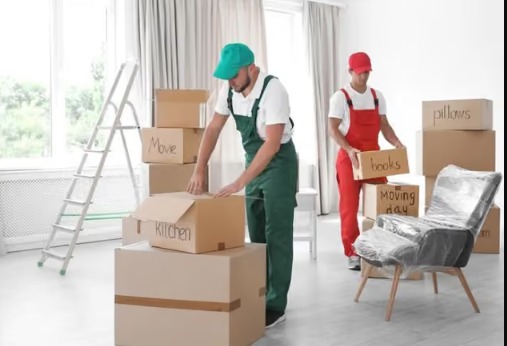
Moving is rarely fun. Boxes pile up, the tape runs out, and halfway through you realize you’ve forgotten half of what was on your list. If you’re relocating across the city, hiring movers packers in Antwerp can turn that chaos into something manageable.
Whether you’re moving a home or an office, experienced professionals handle your belongings with care, so you get your peace of mind back. Let’s walk through how to find affordable, reliable help without losing your sanity along the way.
Why Professional Moving Services Matter in Antwerp
Antwerp is a busy place. The city’s business district and residential neighborhoods see people relocating all year round, so demand for movers rarely slows down. That’s good news, because plenty of experience is available, but it also means you should choose with some care. The right team doesn’t just carry boxes.
They bring the tools, training, and know-how that keep your belongings safe from the moment they leave your door until they arrive at the new address. So what exactly do you get? Proper equipment, trained personnel, and insurance coverage that protects your things.
Good crews also understand building layouts, move through narrow streets efficiently, and manage complicated relocations without drama. Hiring experienced professionals cuts down the risk of damage and delays. Honestly, the time and stress you save usually pay for the service. Teams like Proverhuis work this way, and that’s the standard you should expect from anyone you hire.
Understanding Local Moving Challenges in Antwerp
Every city has its quirks, and Antwerp has plenty. It’s a port city with historic architecture and congested streets, and that combination can make a simple moving day surprisingly tricky. Old buildings often come with tight stairwells and awkward entrances. Streets in the center fill up fast. If you’ve ever tried to park a large vehicle near a busy square, you already know the feeling.
This is where local knowledge earns its keep. Professional movers who know Antwerp’s neighborhoods understand the best routes through the city center, the right timing to avoid traffic, and how to plan an efficient relocation around all of it. They’ve seen the obstacles before, so they don’t stumble over them. Amateur movers, on the other hand, tend to repeat the same mistakes again and again. Once you understand these challenges, it’s easy to see why an experienced local team matters for your move.
Essential Services Offered by Trusted Moving Companies
A good moving company does far more than drive a truck from A to B. The best ones offer a full set of services that cover every stage of the move, so you aren’t stitching together five different providers. That kind of complete package suits busy professionals and families especially well, because it removes the guesswork and the juggling.
Here’s what to look for. Packing services protect fragile items using quality materials and proven techniques. Loading and unloading are handled by trained teams, which keeps things safe and efficient. Unpacking help gets you settled in your new space faster.
Storage solutions cover those awkward gaps when you need to keep belongings somewhere temporarily during the transition. And insurance coverage protects your valuables throughout the process. When a company offers all of this under one roof, the whole experience feels seamless instead of stressful.
How to Get the Best Moving Rates in Antwerp
Let’s talk money, because it matters. Cost-effective doesn’t have to mean cutting corners on quality or reliability. You can keep your budget under control and still get service you’d happily recommend to a friend. The trick is knowing where the savings actually are, and where they aren’t.
Start by collecting multiple quotes. Comparing them side by side shows you how pricing and services stack up. Look for transparent pricing that spells out what you’re paying for, with no hidden charges sneaking in later. Timing helps too, since mid-week and off-season moves typically cost less than peak periods.
Bundling services like packing and storage can also give you better overall value. A professional company will work within your budget while keeping service standards high. If you want a starting point, you can request a free moving quote and see what competitive pricing looks like for your situation.
What to Expect During Your Antwerp Relocation
Nervous about moving day? Fair enough. But a well-run move follows a clear structure from start to finish, and knowing that structure takes a lot of the anxiety away. Your moving team should arrive on schedule with the right equipment and supplies already in hand. No scrambling, no last-minute trips to buy tape.
Once they’re there, they’ll assess your items carefully and put together an efficient plan for packing and loading. Experienced movers use proven techniques to make the best use of space and keep everything secure. Your belongings get individual attention and careful handling during transport, rather than being tossed in wherever there’s room.
Just as important, a professional team keeps you informed at every stage, so you’re never wondering where your sofa went. That steady communication is often the difference between a smooth move and a stressful one.
Planning Your Move: Essential Steps for Success
Preparation shapes your whole moving experience. A bit of effort before the truck shows up can make the day itself far calmer. Think of it as paying yourself back in advance. The more organized you are now, the fewer surprises you’ll face later.
Begin with an inventory of your items, so you can track everything during the relocation. Notify your utilities, banks, and other services, and don’t forget your official change of address, so the transition to your new place goes smoothly. Declutter before you pack. Fewer items means less to transport and a much simpler unpacking process.
Book your services well in advance to secure your preferred date and rate. Early planning also lets a professional team allocate the right resources for your specific needs. The Proverhuis moving solutions team can help with detailed planning, from the first consultation right through to final delivery.
Frequently Asked Questions
Why should I hire professionals instead of doing it myself?
Professionals bring proper equipment, trained personnel, and insurance coverage. They also know Antwerp’s building layouts and narrow streets, which lowers the risk of damage and delays.
How can I keep my moving costs down?
Get several quotes, choose transparent pricing, and try booking a mid-week or off-season date. Bundling services such as packing and storage often brings better value too.
What services should a good moving company offer?
Look for packing, loading and unloading, unpacking help, storage, and insurance coverage. Having these together makes the move far smoother.
When should I book?
As early as you can. Booking well in advance secures your preferred date and rate, and it gives the team time to prepare for your needs.
What should I do before moving day?
Create an inventory, declutter, and notify utilities, banks, and other services of your new address.
Wrapping Up Your Antwerp Move
Moving doesn’t have to be a headache. When you pick experienced Movers Packers In Antwerp, you get trained hands, proper equipment, and a team that understands the city’s tight streets and historic buildings. Add smart planning, a few quotes to compare, and a flexible date, and you’ve got a move that’s both affordable and dependable.
Don’t let the stress take over your plans. Reach out for a free consultation and a customized quote, and get ready to settle into your new space with confidence. You can call +32 495 77 88 39 whenever you’re ready to start.


Candles are bought with the senses. Shoppers cannot smell a sealed candle online, and in a store they often cannot smell it either, so the box has to do the talking. That is why candle packaging has become one of the fastest-moving corners of retail design, and why small brands and established labels alike are investing in it.
Good candle packaging does more than hold a jar. It tells people what the candle smells like, shows what the brand stands for, protects a fragile product, and turns an ordinary purchase into a gift. This article shows how to use packaging to make a positive impact, from the first glance on a shelf to the last flicker of the wick.
The Four Jobs of a Candle Box
- Protect. Glass jars chip, wax surfaces scuff, and lids dent. A fitted box with a pulp, paper or foam insert keeps the candle still, and sturdy walls survive stacking and shipping. Heat also matters: store and ship away from direct sun, because wax can soften and discolor.
- Signal the scent. Without a sample, the box is the scent. Color, imagery, and a few well-chosen words let shoppers imagine vanilla, cedar, or sea salt before they ever light the wick.
- Inform and reassure. Customers want to know the burn time, wax type, wick, weight, and care tips. Clear usage and safety guidance shows professionalism. Labeling rules differ by region, so confirm what applies to your market.
- Delight. Candles are a favorite gift. A box that opens beautifully makes the giver look thoughtful, and the brand look generous.
Design Choices That Leave a Positive Impression
Let color carry the scent. Warm ambers and creams suggest comfort and spice, soft greens and blues suggest fresh and clean, deep plums and blacks suggest evening and luxury. Pick a palette that matches the fragrance family, then repeat it across the range.
Use a window with care. A small die-cut window lets customers see the wax color and jar. Cover it with recyclable film or leave it as an open cut-out, and keep it small enough to protect the candle.
Pick finishes that suit the mood.
- Soft-touch lamination for cozy, premium collections.
- Foil stamping for a glowing logo that echoes candlelight.
- Embossing for a tactile pattern, such as leaves, waves, or geometric lines.
- Uncoated or kraft stock for natural, hand-poured brands.
Write less, say more. A scent name and two or three notes work better than a long paragraph. Put the story on an insert card instead.
Design the inside. A printed interior, coloured tissue or a pulp cradle makes the reveal feel intentional.
Think about shelf life. A box people keep for storage or trinkets keeps your brand in the home long after the candle is gone.
Match the Packaging to the Candle
A jar, a pillar and a tiny tealight need very different boxes. Choosing the right structure keeps the product safe and the budget sensible.
| Candle type | Best packaging | Key feature | Presentation idea |
| Jar candle | Two-piece rigid box or tuck-end carton | Pulp or foam insert | Scent-color print and foil logo |
| Pillar candle | Sleeve box or tall carton | Snug fit, end supports | Minimal print on natural stock |
| Taper candles | Slim window box or tray with sleeve | Slots to hold each taper | Set of two or four for gifting |
| Votive | Small folding carton or pillow box | Light card insert | Mixed-scent sample packs |
| Tealights | Window carton or small tray box | Compact, stackable design | Bulk packs and gift sets |
| Wax melts | Clamshell or window carton | Moisture and heat protection | Color-coded scent families |
Small candles sell in large volumes, so cost per box matters. Retailers, event planners and craft sellers often order tealight boxes wholesale to bring down unit prices and keep packaging consistent across seasonal ranges. Whatever the size, a snug fit protects the candle and makes the box look intentional.
Sustainability, Costs and Ordering
Make it sustainable. Candle buyers often care about natural ingredients, so packaging that matches is a strong signal. Use recycled or FSC-certified board, water-based inks, paper inserts instead of plastic, and minimal lamination. Print simple recycling guidance on the box and keep claims specific and true.
Control costs. Limit print to one or two colors, choose one hero finish, standardize sizes across scents, and order in larger runs once the design is proven.
Plan the order.
- Measure the candle, including the lid and any wrapping.
- Choose the box style and board strength.
- Finalize artwork, scent names, and any required safety text.
- Approve a physical sample and run a drop test.
- Confirm quantity and lead time, remembering that autumn and winter are peak candle seasons.
- Inspect the delivery and set a reorder point.
A dedicated custom packaging partner, such as The Premier Packaging, can help match dimensions, inserts, and finishes to your candles and provide samples before you commit to a full run.
Frequently Asked Questions
Why is candle packaging so important? Shoppers cannot always smell a candle before buying, so the box communicates scent, quality, and brand while protecting a fragile product.
What is the best box for a jar candle? A rigid two-piece box or a sturdy tuck-end carton with a snug insert protects the glass and looks premium.
Can candle packaging be eco-friendly? Yes. Recycled board, paper or pulp inserts, water-based inks, and minimal lamination keep it responsible without losing style.
Do candle boxes need safety information? Usually yes. Burn instructions and warnings are common, but requirements vary by region, so confirm the rules for your market.
How can I keep candle packaging affordable? Use fewer print colors, one hero finish and standard sizes, and order in larger quantities once the design is tested.
Final Thoughts
Candle packaging makes a positive impact when it works as protector, storyteller and gift wrap at once. Choose a structure that fits the candle, let color and wording carry the scent, back up your sustainability claims, and test before you scale. Do that, and your box will sell the candle before anyone strikes a match.

Dubai to Oman by Rental Car: Essential Rules, Documents and Travel Tips

Free Ways to Combine PDF Files Without Installing Software

Improving Grid Reliability Through Accurate Generator Modeling and Testing

Movers Packers in Antwerp: Affordable & Reliable Services

Hertdip-10 Tablet: Effective Medicine for High Blood Pressure by Hertz Pharma, Mumbai, India

Rani No Hajiro in Ahmedabad: A Complete Guide to History, Shopping & Hidden Secrets

How to Get Promoted Faster at Work: Smart Career Growth Tips

Dublin City University: Everything You Need to Know Before Applying in 2026

Why Amazon Listing Services Are a Game-Changer for New Sellers in 2026