
Business
Affärsjurist för företag vid företagsförvärv och bolagsöverlåtelser


Att köpa eller sälja ett bolag är ofta en av de största strategiska händelserna i en entreprenörs karriär. Processen omfattar komplexa avtal, finansiella bedömningar och legala riskanalyser som avgör affärens långsiktiga framgång. Genom att anlita en erfaren affärsjurist för företag säkerställer du att samtliga juridiska aspekter hanteras korrekt redan från de första förhandlingarna till dess att överlåtelsen är helt genomförd. Oavsett om du planerar att expandera genom ett förvärv eller förbereder en exit, krävs noggrann struktur för att skydda både bolagets värde och dina personliga intressen.
Förberedelser och sekretess i transaktionsprocessen
Varje lyckad bolagsöverlåtelse börjar långt innan det slutgiltiga överlåtelseavtalet signeras. För säljaren handlar det om att förbereda bolaget och ordna upp i befintliga avtal, bolagsordningar och aktieböcker. För köparen ligger fokus på att definiera målbilden och utvärdera hur det tilltänkta målbolaget passar in i den nuvarande verksamheten.
Innan känslig information delas mellan parterna upprättas ett sekretessavtal (NDA). Detta skyddar affärshemligheter, kundregister och prissättningsmodeller om förhandlingarna skulle avbrytas. Därefter följer ofta en avsiktsförklaring, även kallad Letter of Intent (LOI). Även om en avsiktsförklaring i regel inte är bindande i sin helhet, innehåller den ofta juridiskt förpliktande klausuler kring exklusivitet och sekretess. En välformulerad avsiktsförklaring sätter ramarna för köpeskillingen, tidsplanen och villkoren för den kommande företagsbesiktningen, vilket minskar risken för kostsamma missförstånd senare i processen.
Due diligence: Företagsbesiktningens avgörande roll
När parterna är överens om de övergripande villkoren inleds den legala företagsbesiktningen, eller legal due diligence. Under denna fas granskar köparens rådgivare målbolagets samtliga juridiska åtaganden och historik för att identifiera dolda risker. En skicklig affärsjurist för företag vet exakt vilka dokument och avtalsvillkor som kräver extra granskning för att undvika obehagliga överraskningar efter tillträdet.
Granskningen omfattar bland annat:
-
Bolagsformalia: Kontroll av aktiebok, bolagsstämmoprotokoll och ägarförhållanden för att säkerställa att säljaren faktiskt har rätt att överlåta aktierna.
-
Kommersiella avtal: Genomgång av kund- och leverantörsavtal, särskilt med fokus på så kallade change of control-klausuler som kan ge motparten rätt att säga upp avtalet vid ägarbyte.
-
Arbetsrätt: Granskning av anställningsavtal för nyckelpersoner, incitamentsprogram, kollektivavtal och eventuella pågående personalärenden.
-
Immateriella rättigheter: Verifiering av att varumärken, patent, domännamn och mjukvarukod faktiskt ägs av bolaget och inte av enskilda konsulter eller grundare.
-
Tvister och regelefterlevnad: Kartläggning av pågående eller hotande rättsprocesser, myndighetskrav samt efterlevnad av dataskyddsregler som GDPR.
Resultatet av företagsbesiktningen ligger sedan till grund för de slutliga avtalsförhandlingarna. Om risker identifieras kan dessa hanteras genom prisavdrag, särskilda garantier eller genom att säljaren åtar sig att åtgärda bristerna före tillträdesdagen.
Aktieöverlåtelseavtalet och fördelning av risk
Kärnan i en bolagsöverlåtelse är aktieöverlåtelseavtalet (SPA – Share Purchase Agreement) eller inkråmsavtalet, beroende på om det är aktierna i bolaget eller själva verksamhetens tillgångar som byter ägare. Valet mellan aktie- och inkråmsöverlåtelse påverkar både skattekonsekvenser och hur skulder och avtal överförs.
I aktieöverlåtelseavtalet regleras köpeskillingens beräkning och betalningsmodell. Vanliga modeller inkluderar fast köpeskilling baserad på ett historiskt bokslut (locked box) eller en rörlig köpeskilling som justeras utifrån bolagets balansräkning på tillträdesdagen (completion accounts). I många affärer används även tilläggsköpeskillingar (earn-out), där en del av betalningen villkoras av att bolaget uppnår specifika finansiella mål under de kommande åren.
Garantikatalogen är ett annat centralt avsnitt i avtalet. Här lämnar säljaren utfästelser om bolagets skick – allt från att redovisningen är korrekt till att inga okända skatteskulder föreligger. Om en garanti visar sig vara felaktig har köparen rätt till ersättning enligt avtalets skadeståndsregler. Samtidigt begränsas säljarens ansvar genom beloppsgränser, tidsfrister och den information som säljaren har gjort tillgänglig i datarummet under företagsbesiktningen.
Tillträde och tiden efter bolagsöverlåtelsen
När avtalet är signerat och eventuella villkor – såsom godkännande från myndigheter eller finansiering – är uppfyllda, sker själva tillträdet (closing). Vid tillträdet betalas köpeskillingen, aktiebreven överlämnas, en ny styrelse utses och aktieboken uppdateras. Det är avgörande att samtliga formella handlingar upprättas i rätt ordning så att äganderätten övergår utan juridiska luckor.
Även efter tillträdet kvarstår ofta viktiga juridiska moment. Säljaren omfattas nästan alltid av en konkurrens- och värvningsklausul som förhindrar att denne startar konkurrerande verksamhet eller rekryterar bolagets personal under en avtalad period, ofta två till tre år. Om parterna har avtalat om en tilläggsköpeskilling krävs tydliga rutiner för hur räkenskaperna ska föras under mätperioden så att intäkter och kostnader beräknas rättvist. Att samarbeta med en kunnig affärsjurist för företag genom hela eftermarknadsfasen minimerar risken för tolkningskonflikter och skapar trygghet för båda parter.
Vanliga frågor och svar (FAQ)
Vad är skillnaden mellan en aktieöverlåtelse och en inkråmsöverlåtelse?
Vid en aktieöverlåtelse köper förvärvaren aktierna i bolaget, vilket innebär att hela den juridiska personen med samtliga tillgångar, skulder, avtal och anställda följer med. Vid en inkråmsöverlåtelse köper man istället utvalda tillgångar ur bolaget, såsom kundregister, maskiner, varulager och immateriella rättigheter, medan det ursprungliga aktiebolaget och dess skulder stannar kvar hos säljaren.
Hur lång tid tar ett företagsförvärv normalt?
En normal bolagsöverlåtelse tar oftast mellan tre och sex månader från de inledande kontakterna till tillträdesdagen. Tidsåtgången beror på bolagets storlek, hur välordnad dokumentationen är inför företagsbesiktningen samt om affären kräver godkännande från exempelvis Konkurrensverket eller Inspektionen för strategiska produkter (ISP).
Varför behövs en avsiktsförklaring innan företagsbesiktningen?
En avsiktsförklaring skapar en gemensam förståelse för affärens huvuddrag, såsom värderingsprincip och tidsplan, innan parterna lägger stora resurser på rådgivare och granskning. Den ger även köparen ensamrätt att förhandla under en begränsad period samtidigt som säljaren skyddas genom strikta sekretessregler.



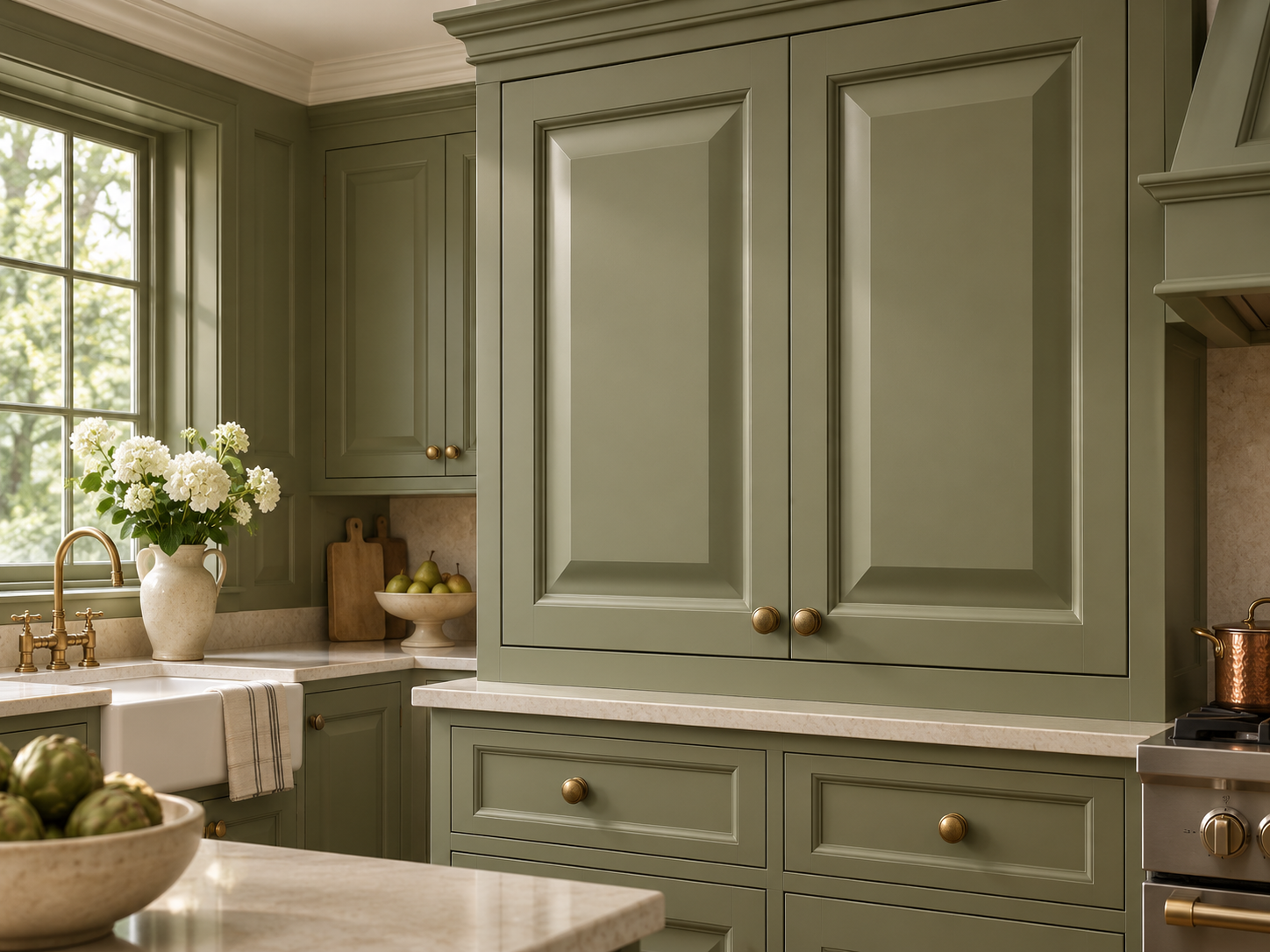
Cabinet doors have a strong influence on the overall appearance of a kitchen. While cabinet boxes determine much of the storage capacity, the door profile is one of the first details people notice. Raised panel cabinet doors are known for their dimensional appearance and decorative character, making them a popular consideration for traditional, classic, and transitional interiors. Unlike flat-panel doors, raised panel doors have a center section that sits higher than the surrounding frame. This creates additional depth and shadow across the cabinet face. Depending on the material, finish, hardware, and surrounding design elements, the same basic profile can create either a formal or more relaxed appearance. However, selecting a raised panel design should involve more than choosing a decorative door. The cabinet profile needs to work with the kitchen’s architecture, storage requirements, lighting, countertops, flooring, and other materials. Understanding these factors can make it easier to determine whether this style fits the overall design.
What Are Raised Panel Cabinet Doors?
A raised panel cabinet door typically has a center panel that projects outward from the surrounding frame. The transition between the center panel and frame creates a noticeable profile, giving the door more depth than a completely flat surface. This dimensional construction is one of the main features that separates raised panel doors from simpler cabinet profiles. The center panel can have different shapes and levels of detailing, while the surrounding frame can also vary in width and design. The amount of detail should be considered in relation to the rest of the kitchen. If the countertop, backsplash, lighting, and hardware already contain strong decorative elements, a more restrained raised panel cabinetry design may provide better visual balance.
Why Raised Panels Create a Traditional Appearance
The additional depth of a raised panel door naturally creates more visual definition. Light and shadow interact with the raised center and surrounding frame, making the cabinet face appear more dimensional. This characteristic is one reason raised panels are often associated with traditional and classic kitchens. They can complement architectural details such as crown molding, decorative trim, traditional flooring, and more detailed lighting fixtures. However, the style does not have to produce an overly formal kitchen. A simple raised panel combined with a restrained finish and understated hardware can create a more transitional appearance. The final result depends on how much detail is introduced throughout the room.
Understand the Different Levels of Detail
Not every raised panel cabinet has the same amount of ornamentation. Some doors have a relatively simple raised center, while others may include decorative edges, molding, carving, or additional detailing. The amount of detail should be considered in relation to the rest of the kitchen. If the backsplash, countertop, lighting, and hardware are already highly decorative, a simpler raised panel may provide better balance. On the other hand, a kitchen with relatively plain surfaces can accommodate more detailed cabinetry without appearing overly busy. A balanced design usually works better than adding decorative elements to every available surface.
Consider the Architecture of the Home
The architecture of the home can help determine whether raised panel cabinetry feels appropriate. Traditional homes may naturally complement detailed cabinet doors because the profile can reinforce existing architectural elements. Transitional homes can also use raised panels when the surrounding materials are kept relatively simple. In a contemporary home, the same cabinet profile may require more careful coordination. A restrained finish, minimal hardware, and clean countertop can reduce the formal appearance. The cabinet should therefore support the character of the home rather than work against it.
Choose a Color That Supports the Cabinet Profile
Color can significantly change the appearance of raised panel cabinetry. White and cream finishes can make the profile feel lighter and more refined. Grey can create a softer neutral appearance, while darker wood tones can emphasize the depth of the raised center. Painted finishes tend to create a more uniform appearance because the color covers much of the natural variation in the material. Stained or natural wood finishes can highlight grain patterns and add warmth. The best choice depends on the amount of natural light, room size, flooring, countertops, and desired atmosphere.
Think About Wood Finishes
Wood can be particularly effective with raised panel doors because the dimensional profile and natural grain can work together. Oak, maple, cherry, and other wood species can produce different visual results. Grain direction, color variation, stain, and finish all contribute to the final appearance. A darker stain can emphasize traditional character, while a lighter finish can make the cabinetry feel less formal. The material should be evaluated alongside the cabinet construction rather than judged only by its appearance.
Coordinate the Countertop With Raised Panels
Countertops and cabinet doors should be considered together because both occupy significant visual space. A heavily patterned countertop can compete with highly detailed raised panels. In such cases, a more restrained cabinet finish may create better balance. Conversely, a relatively simple countertop can allow the cabinet doors to become a stronger design feature. Warm countertops can complement warm wood finishes, while white or cooler surfaces can provide contrast against darker or warmer cabinetry. Physical samples are particularly useful because undertones can be difficult to judge from photographs alone.
Select a Backsplash Carefully
The backsplash can either reinforce or soften the traditional character of raised panel cabinets. Classic tile patterns can complement the profile, while natural stone can add texture and variation. A simpler backsplash can also provide visual breathing room when the cabinet doors contain substantial detailing. The goal is not necessarily to match the cabinet style exactly. Instead, the backsplash should contribute to a coordinated material palette. If several elements have strong patterns, simplifying one of them can help the kitchen feel more organized.
Choose Hardware That Matches the Door Profile
Hardware can reinforce the character of raised panel cabinets. Traditional knobs and pulls with decorative details can emphasize a classic appearance. More streamlined hardware can create a transitional effect without removing the dimensional character of the cabinet door. Metal finishes also influence the overall design. Brushed nickel can create a relatively subtle appearance, while darker or warmer metals can provide stronger contrast. Hardware size matters as well. Large pulls may look appropriate on wide drawers, while smaller knobs can work well on compact doors.
Compare Raised Panels With Other Cabinet Profiles
Raised panel doors are only one of several cabinet door profiles available for kitchens. Flat-panel doors have a simpler surface and generally create fewer visual lines. Shaker doors use a framed design with a recessed center panel, while recessed-panel doors set the center panel inward from the frame. These differences can be seen more clearly when the profiles are compared side by side. Recessed panel cabinets offer a useful alternative when the goal is to retain some framed detailing while creating a less pronounced center panel. The choice between these styles should depend on the desired level of detail, architectural character, maintenance expectations, and relationship with the other materials in the kitchen.
Consider the Amount of Natural Light
Lighting can change how raised panel cabinetry appears throughout the day. Natural daylight creates shadows around the raised center and frame, which can make the profile more noticeable. In darker kitchens, the same detailing may appear more subtle. Artificial lighting creates another variable. Warm lighting can enhance the richness of wood finishes, while cooler lighting can make certain painted colors appear different. Under-cabinet lighting can also highlight the countertop and lower edge of the wall cabinets. Cabinet samples should ideally be reviewed under both daylight and artificial lighting before a final finish is selected.
Think About Kitchen Size
The size of the kitchen can affect how much cabinet detailing feels appropriate. In a smaller kitchen, highly detailed doors can become visually dominant when used across a large area. A simpler raised panel with a lighter finish may provide a better balance. Larger kitchens can accommodate more substantial cabinet detailing, particularly when the room has sufficient natural light and open circulation. The number of cabinets also matters. A detailed door profile repeated across an entire wall will have a stronger effect than the same profile used selectively.
Plan Storage Before Selecting the Final Door
The cabinet door should not be considered separately from what is behind it. Base cabinets can store cookware and larger items, while wall cabinets can provide convenient access to dishes and everyday supplies. Pantry cabinets can organize food products, and drawers can improve access to utensils and cookware. The cabinet layout should support the way the kitchen is used. A beautiful raised panel door cannot compensate for poor storage planning. Consider frequently used items first, then determine where they should be stored based on the kitchen’s workflow.
Think About Maintenance
The additional detailing on raised panel doors can affect cleaning requirements. Grooves, edges, and decorative transitions may collect dust or cooking residue more easily than a completely smooth surface. This does not necessarily make raised panels difficult to maintain, but they may require more attention in busy kitchens. The specific finish also matters. Cleaning products should always follow the manufacturer’s recommendations. Regular wiping can help prevent grease and residue from building up around the detailed areas of the door.
Use Raised Panels in Two-Tone Designs
Raised panel cabinetry can also be used in kitchens with more than one cabinet finish. For example, perimeter cabinets can use a light painted finish while an island uses a darker wood tone. This can create a focal point without requiring a completely different cabinet profile. Another option is to use the same raised panel profile throughout the kitchen but introduce a contrasting finish on the island. The countertop and backsplash can then provide a visual connection between the different cabinet colors.
Consider the Role of the Kitchen Island
A kitchen island often becomes one of the largest visual elements in the room. Raised panel cabinetry can help the island feel connected to the surrounding cabinets. The island can use the same finish as the perimeter for a cohesive appearance, or it can use a complementary color to create contrast. Storage should also be considered. Drawers, base cabinets, and specialized storage can make the island more useful without compromising the overall design. The island should support the kitchen’s workflow rather than simply serve as a decorative centerpiece.
Match the Style With Flooring and Lighting
Flooring can either reinforce or balance the traditional character of raised panel cabinetry. Warm wood flooring can create a coordinated and comfortable appearance. Stone or tile can introduce contrast and provide a different texture. Lighting fixtures can also influence the final style. Traditional pendants or chandeliers may reinforce the formal character of the cabinets, while simpler fixtures can create a more transitional appearance. These elements should be considered together instead of being selected independently.
Think About Long-Term Design Flexibility
Cabinetry can remain in place for many years, so long-term compatibility is important. Hardware can be replaced, walls can be repainted, and lighting can be updated more easily than the cabinets themselves. Countertops and backsplashes may also change in the future. A raised panel profile with moderate detailing can provide more flexibility than an extremely ornate design. It can still support traditional character while allowing other parts of the kitchen to evolve.
Raised Panels in Milwaukee Kitchen Design
Kitchen layouts and architectural styles vary across Milwaukee-area homes. Some spaces have traditional details that naturally complement raised panel cabinetry, while others have more open or transitional layouts.
Existing flooring, windows, ceiling height, appliances, and natural light should all be considered before selecting the cabinet profile. For a local project, viewing cabinet samples in person can also make it easier to compare finishes and understand how the raised detailing responds to actual lighting conditions. Badger Cabinets is based in Oak Creek, Wisconsin and specifically identifies the surrounding Oak Creek area as part of its service region.
A Simple Comparison Checklist
Before selecting raised panel cabinetry, consider these factors:
| Factor | What to Review |
| Door profile | How much raised or decorative detailing is desired? |
| Color | Does the finish work with the room’s lighting? |
| Material | Does it suit the expected level of use? |
| Countertop | Does it balance the cabinet detailing? |
| Backsplash | Does it complement rather than compete? |
| Hardware | Does the style and finish fit the cabinet profile? |
| Storage | Does the layout support everyday activities? |
| Maintenance | Can the detailed surfaces be maintained easily? |
| Architecture | Does the profile suit the home? |
| Long-term style | Will the design remain appealing over time? |
Looking at these factors together makes the decision more practical than selecting a cabinet door based only on its appearance.
Final Thoughts
Raised panel cabinet doors offer depth, dimension, and decorative character that can work particularly well in traditional and transitional kitchen designs. Their appearance can change considerably depending on the color, wood finish, hardware, lighting, countertops, backsplash, and surrounding architecture.
The profile should therefore be considered as part of the complete kitchen rather than as an isolated feature. Storage requirements and daily use are equally important because the most attractive cabinet design still needs to function well. For kitchens where a classic appearance is desired, raised panels can provide a strong visual foundation. Comparing them with simpler profiles such as flat-panel, Shaker, and recessed-panel doors can make it easier to determine the appropriate level of detail for the space.


In today’s competitive business environment, finding reliable buyers, suppliers, manufacturers, and distributors can be challenging. B2B portals make this process easier by connecting businesses through online marketplaces. Whether you are a manufacturer, wholesaler, exporter, supplier, or retailer, choosing the right platform can help you expand your customer base and increase sales. This guide explores the Top 10 B2B Portals in India that can support your business growth.
What Are B2B Portals?
B2B portals are online platforms where businesses can connect with other businesses to buy and sell products or services. These platforms allow manufacturers and suppliers to showcase their products, while buyers can search for suitable suppliers, compare products, and send business inquiries.
The Best B2B Platforms in India offer useful features such as product listings, supplier profiles, buyer inquiries, business verification, messaging, and lead-generation opportunities.
Top 10 B2B Portals in India
1. IndiaMART
IndiaMART is one of India’s largest online B2B marketplaces. It connects manufacturers, suppliers, wholesalers, exporters, and buyers across numerous industries. Businesses can create product listings, receive inquiries, and connect with potential customers.
2. TradeIndia
TradeIndia is a popular B2B platform that helps Indian businesses connect with domestic and international buyers. It covers categories such as industrial products, textiles, chemicals, agriculture, electronics, machinery, and many more.
3. ExportersIndia
ExportersIndia provides opportunities for manufacturers, suppliers, exporters, and buyers to connect online. Businesses can promote their products and reach customers looking for products from Indian suppliers.
4. Alibaba
Alibaba is a globally recognized B2B marketplace where Indian manufacturers and exporters can reach international buyers. It is particularly useful for businesses interested in expanding their presence in overseas markets.
5. Udaan
Udaan is a B2B e-commerce platform focused on connecting manufacturers, brands, wholesalers, and retailers. It provides businesses with opportunities to discover products and develop supply-chain relationships.
6. Go4WorldBusiness
Go4WorldBusiness helps buyers and sellers connect for international trade. Indian suppliers can showcase products and receive inquiries from businesses looking for products and suppliers across different countries.
7. B2BMAP
B2BMAP is an online B2B marketplace that connects buyers and suppliers across various industries. It provides businesses with opportunities to list products and discover potential trading partners.
8. B2B Trade Mart
B2B Trade Mart is a growing B2B platform designed to connect manufacturers, suppliers, buyers, wholesalers, and distributors. Businesses can showcase products and generate inquiries from customers searching for different products and services.
9. DHgate
DHgate is an international B2B marketplace that connects buyers with suppliers and manufacturers. Businesses involved in wholesale trading can use the platform to explore product categories and potential suppliers.
10. Fibre2Fashion
Fibre2Fashion is a specialized B2B platform for the textile and apparel industry. It connects textile manufacturers, suppliers, buyers, exporters, and other industry professionals.
How B2B Portals Help Grow Your Business
Using the Top 10 B2B Websites in India can provide several advantages. These platforms can increase online visibility, generate business inquiries, connect sellers with new buyers, and help businesses explore new markets.
For manufacturers and suppliers, maintaining an updated profile with accurate product information, high-quality images, pricing details, and contact information can improve credibility. Responding quickly to buyer inquiries can also increase the chances of converting leads into customers.
B2B marketplaces are particularly useful for small and medium-sized businesses that want to reach customers beyond their local markets without investing heavily in traditional marketing.
Choosing the Right B2B Platform
Before selecting a platform, consider your target audience, product category, location, budget, domestic or international market requirements, and lead quality. Some platforms are suitable for general products, while others focus on specific industries.
The Top 10 B2B marketplace in India can provide different features and audiences, so businesses should compare each platform before creating paid memberships or promotional campaigns.
Conclusion
B2B portals have become an important part of modern business marketing and online trade. The Top 10 B2B Portals in India listed above can help manufacturers, suppliers, wholesalers, exporters, and retailers improve visibility and connect with potential business partners. By choosing the right platform, maintaining a professional profile, and responding effectively to inquiries, businesses can build stronger B2B relationships and create new growth opportunities.

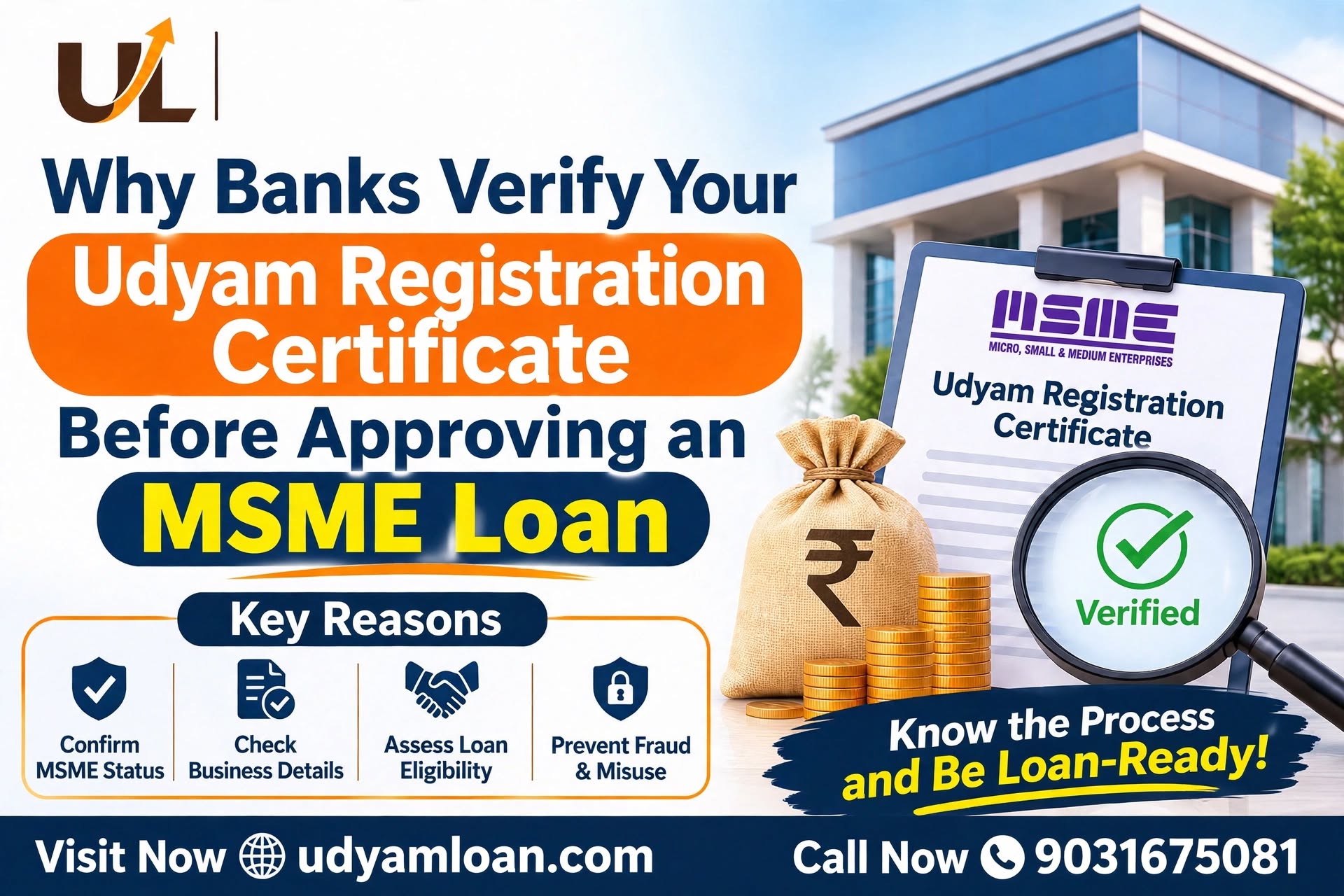
If a bank asks you to update your Udyam Registration Certificate, it’s typically to ensure they have the correct business details. If your certificate contains outdated details, including your address, business type, or contact information, this may cause issues. Whilst this does not guarantee that your loan will be approved, ensuring that your details are up-to-date can prevent unnecessary issues.
Whilst some businesses may see this as a one-off task, you should always double-check your details.
Why do banks ask for a Udyam certificate?
Banks will want to verify that you are registered as an MSME. The Reserve Bank of India (RBI) states that ‘banks are guided by the details provided in the Udyam Registration Certificate or related Udyam Assist Certificate.’
Some loans available to eligible MSMEs are classed as priority sector loans. However, your certificate will not show your ability to repay.
You may include your certificate to help with your working capital loan for your manufacturing unit alongside your financials and business documents.
Find more information on the RBI’s MSME FAQ page.
In summary, banks will ask for Udyam details to verify that you are an MSME and what type of MSME you are. They will also take your ability to repay into account.
What Details May Need Updating Before Loan Processing?
Your bank may ask you to update your details.
If there are errors such as:
- Enterprise / Business Address
- Factory / Plant / Extra Unit Address
- Business Type / NIC Code (if applicable)
- Enterprise/Organization Name (if there has been a valid change)
- Mobile Number / Email Address
- Any other details that do not match your enterprise.
For example, if you have moved your workshop but your certificate still shows the old address. This may not match your electricity bill and loan application. The bank may then ask for clarification or an updated certificate.
Ensure that any updates are genuine or due to errors.
In summary, ensure that your address, unit, business type, and contact details are accurate.
Can an Outdated Udyam Certificate Delay a Business Loan?
This can cause additional questions but will not automatically result in your loan being rejected.
If there are errors between your Udyam certificate and your loan form / GST, the bank may ask for clarification. This can cause delays.
For example, if a trader has moved shops, they may be asked to provide proof of address or an updated certificate. Delays can also occur due to KYC, financials, or your ability to repay.
In summary, an old certificate can cause delays if there are discrepancies, but the bank will take your full loan application into account.
Does Udyam Registration Affect MSME Loan Benefits?
Udyam registration will show that your enterprise fits within the correct MSME category. The RBI has stated that the bank will use your category from your Udyam Registration Certificate for priority sector lending.
However, having a Udyam registration does not guarantee that you will receive a loan, discount rate, unsecured finance, or subsidy. Each facility will have different criteria, and the bank will take your ability to repay into account.
Having a valid certificate will not override the bank considering your income, creditworthiness, and ability to repay.
In summary, Udyam registration will help to confirm your category but will not guarantee that you will receive funding.
How to update your Udyam Registration Certificate
You can update your existing registration.
- Go to the Udyam Registration Website.
- Click on Update Udyam Registration.
- Fill out the details like the existing Udyam Registration Number.
- Complete the OTP verification.
- Fill out the details that you want to update.
- Fill in the correct details and double-check.
- Submit the application form.
- Download and print your updated certificate.
In summary, update your existing registration, double-check your details, and update the correct sections. Download your updated certificate.
What Documents Should You Keep Ready for the Bank?
Your bank will decide what they need.
Ensure you have:
- Updated Udyam Registration Certificate
- PAN and KYC Documents
- GST Registration and Latest Returns
- Current Business Address
- Bank Statements
- Income Tax and Financial Statements
- Sales and Business Documents
- Existing Loan Details
If you have moved your business, ensure that you have proof of address (Rent Agreement / Utility Bill). Ask your bank what their checklist is, as this can vary depending on the loan.
In summary, ensure you have your Udyam, KYC, financial, GST, and address documents. Ask your bank what their exact checklist is.
What Should You Do If the Bank Still Requests Clarification?
Ask your loan officer which section/documents are causing the discrepancy. If your details are incorrect, update your Udyam certificate via the official portal. If your details are correct, provide the relevant document and explain why there is a discrepancy.
For example, your registered office address may differ from your factory address. Ensure that you know what address is being shown.
Keep a copy of any documents you send and any correspondence with the bank. The RBI has said that the bank should provide written correspondence stating the main reasons your MSME loan has been declined.
In summary, find out what the issue is, update any incorrect details, or explain the discrepancy. Keep a copy of any written correspondence.
Conclusion
Banks may ask MSME owners to update their Udyam Registration Certificate to ensure that they have the correct details for your enterprise. If there are old addresses, business types, or discrepancies, this can cause additional questions.
Ensure that you have checked your certificate before applying. If there have been any changes to your business, update your certificate via the official portal and keep a copy in your financial records. Whilst having correct documents will not guarantee approval, it can prevent any unnecessary issues.
FAQs
- Why would my bank want me to update my Udyam certificate?
To ensure that they have the most up-to-date details for your enterprise. They may want to verify that you are an MSME and that there are no discrepancies.
- Will my loan be declined as my Udyam certificate shows an old address?
No, they may just ask for clarification or updated proof.
- Do I have to have a Udyam registration for all business loans?
This will vary depending on your lender and type of loan. Ask your bank what they require.
- Do I need a new Udyam number if there have been changes to my business?
No, if your enterprise is already registered, you should use the relevant facility to update it.
- Will I automatically get approved for an MSME loan with an updated Udyam certificate?
No, the bank will take your income, creditworthiness, ability to repay, business documents, and lending criteria into consideration.

Important Planning Steps Before Adding a Storage Shed to Your Property

Understanding Raised Panel Cabinet Doors for Traditional Kitchen Design

How to Find the Best Neopixel Lightsaber for Your Budget and Your Style

Winter Tops for Women | Onto By Aanchal

Tips to Buy Twitch Video Views for Better Engagement

Rani No Hajiro in Ahmedabad: A Complete Guide to History, Shopping & Hidden Secrets

How to Get Promoted Faster at Work: Smart Career Growth Tips

Dublin City University: Everything You Need to Know Before Applying in 2026

Why Amazon Listing Services Are a Game-Changer for New Sellers in 2026








