
Lifestyle
Why Sustainable Home Decor Is Becoming Popular in Modern Homes

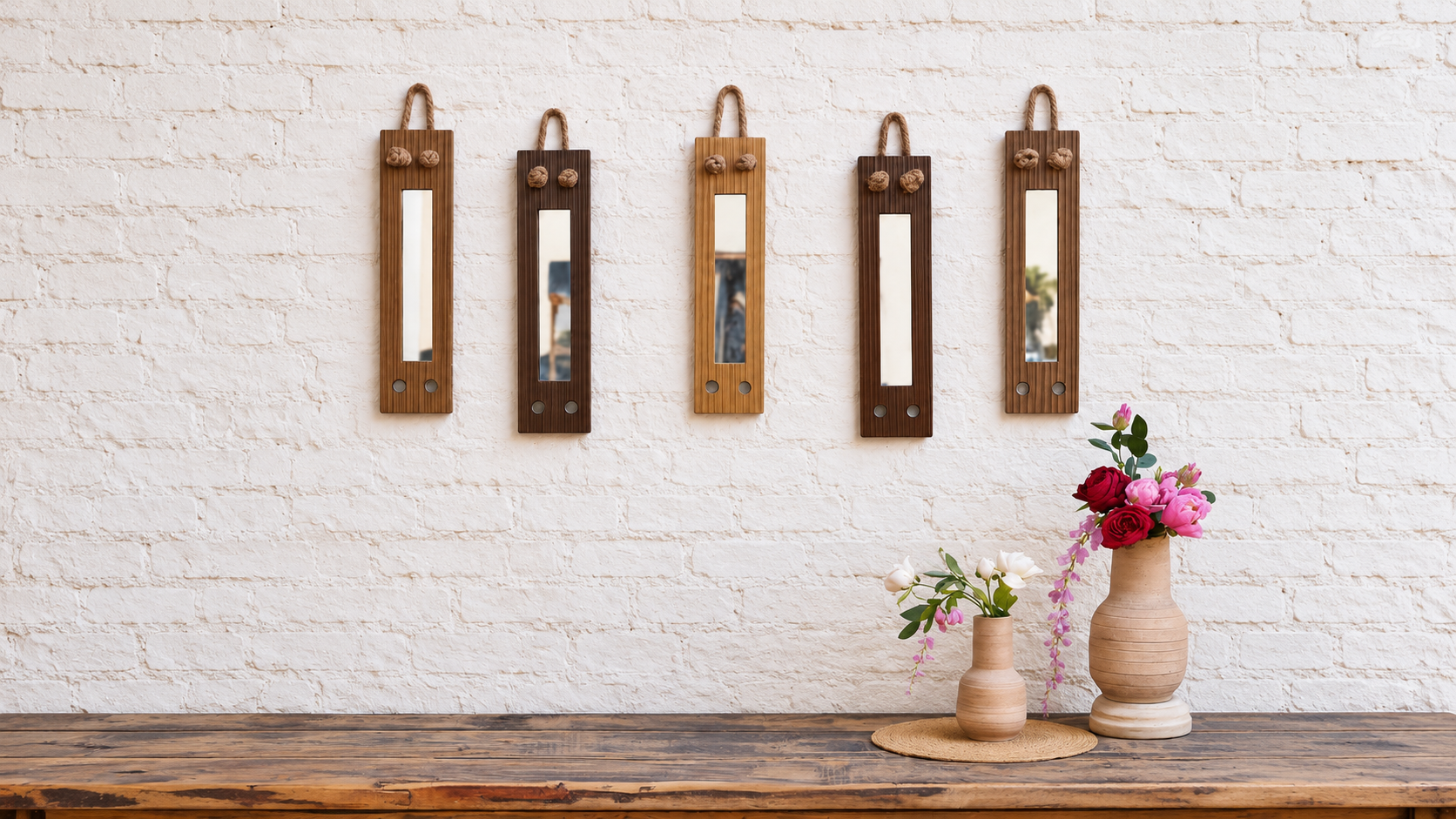
A beautiful home does not have to come at the cost of the environment. More homeowners are paying attention to what goes into their living spaces, from the materials used in furniture to the way decorative accessories are made. This shift has made Sustainable Home Decor an increasingly popular choice in modern interiors.
People are moving beyond short-lived trends and looking for pieces that feel meaningful, last longer, and bring a natural touch to their homes. But what is driving this change? Let’s take a closer look.
What Is Sustainable Home Decor?
Sustainable home decor refers to decorating a home with products made using responsible materials, thoughtful production methods, and designs that are built to last.
It often includes:
-
Reclaimed wood: Furniture and accessories made from previously used timber.
-
Natural materials: Bamboo, jute, cotton, stone, and terracotta.
-
Handcrafted products: Decor pieces made using traditional skills and techniques.
-
Recycled materials: Items created by reusing materials instead of discarding them.
-
Long-lasting designs: Products that can stay relevant beyond seasonal trends.
The idea is simple: choose fewer, better-quality pieces instead of constantly replacing home accessories.
Why Is Sustainable Home Decor Becoming Popular?
1. Growing Awareness About the Environment
People are becoming more conscious of how everyday purchases affect the environment. Furniture production, plastic waste, and excessive consumption have encouraged homeowners to think more carefully about their buying decisions.
Choosing reclaimed wood, recycled materials, and natural fibres can help reduce the demand for newly sourced resources. Even small changes, such as choosing a wooden decor piece instead of a plastic accessory, can support more responsible consumption.
2. Natural Materials Bring Warmth to Modern Interiors
Modern homes often feature clean lines, neutral colours, and open spaces. Natural materials add texture and warmth without making a room feel crowded.
For example:
-
Wooden furniture adds an earthy, welcoming feel.
-
Terracotta planters bring an organic touch to living spaces.
-
Jute rugs add texture to plain floors.
-
Stone vases create subtle visual interest.
These materials work well with minimalist, rustic, and contemporary interiors.
3. People Prefer Quality Over Frequent Replacements
Buying inexpensive decor may seem convenient, but replacing it regularly can cost more over time. Homeowners are increasingly interested in products that offer durability and remain useful for years.
Solid wood furniture, metal accents, and well-made handcrafted accessories are good examples. Their appeal often comes from their material, finish, and ability to complement different interior styles.
4. Handmade Decor Has a Personal Touch
Machine-produced accessories can look similar, but handmade products often have small variations that make each piece interesting.
Traditional woodworking, pottery, and metalworking bring craftsmanship into everyday spaces. These products also help keep traditional skills relevant and support artisans who work with natural materials.
For homeowners, handmade decor offers something beyond appearance: a connection to the people and processes behind the product.
5. Minimalist Living Encourages Thoughtful Choices
The growing interest in minimalist interiors has also influenced sustainable decorating. Instead of filling every corner with accessories, people are choosing a few pieces that serve a purpose and complement the room.
A wooden console, a handcrafted vase, or a set of decorative candle holders can make a space feel complete without adding unnecessary clutter.
This approach makes rooms easier to maintain and gives meaningful decor pieces more attention.
Simple Ways to Add Sustainable Home Decor to Your Space
You do not need to redesign your entire home to make more responsible decorating choices. Start with a few practical changes:
-
Choose reclaimed wood: Look for furniture, trays, and decorative accessories made from reclaimed timber.
-
Bring in natural textures: Add jute, cotton, bamboo, and terracotta elements.
-
Support handmade products: Explore decor made by skilled artisans.
-
Reuse existing furniture: Give old wooden furniture a fresh finish instead of replacing it.
-
Avoid unnecessary purchases: Buy accessories that serve a purpose and suit your existing interiors.
Brands like Ekaurr offer home decor and furniture pieces that bring together traditional craftsmanship, natural materials, and contemporary styling.
Is Sustainable Home Decor More Expensive?
Not always. Some responsibly made products may have a higher initial price because of their materials, craftsmanship, or production methods. However, their durability can make them a worthwhile long-term purchase.
You can also make affordable choices by reusing furniture, shopping for second-hand pieces, and gradually replacing disposable accessories with longer-lasting alternatives.
The goal is not to spend more. It is to make more thoughtful buying decisions.
Conclusion
The popularity of Sustainable Home Decor reflects a simple change in how people approach their living spaces. Homeowners want interiors that look beautiful but also reflect their values. Natural materials, reclaimed wood, handmade accessories, and durable furniture make it easier to achieve that balance.
You do not have to change everything at once. Start with one meaningful decor piece, choose materials carefully, and build a home that feels comfortable, timeless, and thoughtfully put together.
FAQs
1. What are the best materials for sustainable home decor?
Reclaimed wood, bamboo, jute, organic cotton, terracotta, and recycled materials are popular choices. The best option depends on the product and how responsibly it is sourced and made.
2. Why is sustainable home decor becoming popular?
Growing environmental awareness, interest in natural materials, support for local craftsmanship, and a preference for long-lasting products are driving its popularity.
3. Is sustainable home decor suitable for modern homes?
Yes. Natural textures and earthy materials work beautifully with modern, minimalist, rustic, and contemporary interiors.
4. How can I make my home decor more sustainable on a budget?
Reuse existing furniture, buy second-hand accessories, choose durable materials, support local artisans, and avoid purchasing items you do not need.
5. Does sustainable home decor last longer?
It can. Products made with durable materials and good craftsmanship often last longer than inexpensive, mass-produced alternatives. However, longevity depends on material quality, construction, and maintenance.



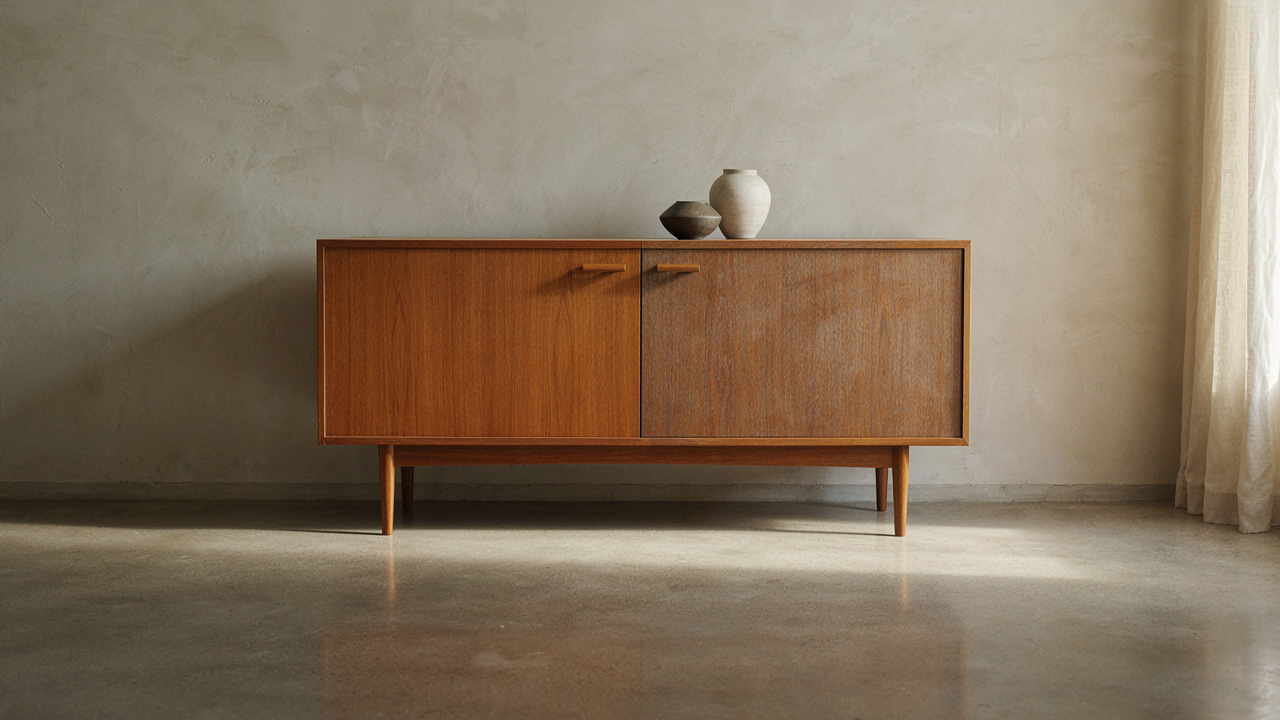
Natural teak furniture is admired for its rich golden-brown colour, attractive grain patterns, and timeless appearance. Whether it is a mid-century dining table, a vintage sideboard, or a carefully restored teak cabinet, its natural warmth gives wooden furniture a distinctive character. However, exposure to sunlight, dust, moisture, and everyday use can gradually change its appearance.
Although teak is naturally durable, it still benefits from regular attention. Understanding the right cleaning methods, environmental conditions, and finishing techniques can help preserve its original appearance for many years. With a consistent approach to care, owners can protect the beauty of their furniture without unnecessary refinishing.
1. Understand Why Teak Furniture Changes Colour
Teak contains natural oils and minerals that contribute to its durability and distinctive appearance. Freshly finished teak often displays warm golden, honey, or medium-brown tones. Over time, these colours may become lighter, darker, or less even depending on the furniture’s environment and previous treatments.
Direct sunlight is one of the main reasons teak changes colour. Ultraviolet exposure gradually affects the wood’s surface, sometimes creating faded patches or uneven tones. Dust, household pollutants, spills, and accumulated cleaning products can also make the finish appear dull.
Older teak furniture may have an original protective coating that has worn away through years of use. Before attempting to improve its colour, it is important to understand whether the change is caused by surface dirt, finish deterioration, or natural ageing. Identifying the problem helps prevent unnecessary sanding or chemical treatments.
2. Clean Teak Regularly Using Gentle Methods
Proper cleaning is an essential part of natural teak wood care. Dust and everyday dirt can gradually build up on the surface, reducing the wood’s natural warmth and making its grain less visible.
Begin by removing loose dust with a soft microfibre cloth. For more thorough cleaning, use a slightly damp cloth with mild soap diluted in water. Wipe gently in the direction of the wood grain rather than scrubbing across the surface.
Avoid soaking teak furniture or allowing water to remain on joints, edges, and decorative details. Excess moisture can affect timber components and may contribute to problems with existing finishes.
After cleaning, wipe away any remaining soap with a clean damp cloth and dry the surface thoroughly. Avoid harsh household cleaners, abrasive pads, and strong chemicals, as these can damage protective coatings and affect the natural appearance of the timber.
For vintage or antique pieces, test any cleaning method on a small, hidden area first. Original finishes can be delicate and may require specialist attention.
3. Protect Furniture from Sunlight and Environmental Changes
The position of teak furniture has a significant influence on how well its colour is maintained. Even high-quality indoor furniture can experience fading when placed near windows that receive strong direct sunlight.
Where possible, position teak tables, cabinets, and chairs away from prolonged direct sunlight. Curtains, blinds, and UV-filtering window coverings can help reduce exposure without completely darkening the room.
It is also important to maintain a reasonably stable indoor environment. Significant changes in humidity and temperature can cause timber to expand and contract. Although teak is relatively stable compared with many other woods, extreme environmental fluctuations can still affect its condition.
Keep furniture away from heaters, fireplaces, and damp areas. Use protective mats beneath objects that may leave moisture rings, and avoid placing hot items directly on wooden surfaces.
These simple precautions are an important part of maintaining teak colour and protecting the furniture’s overall condition.
4. Choose the Right Products to Preserve Teak’s Natural Warmth
Not every teak furniture product is suitable for every finish. Some pieces have an oil-based treatment, while others feature lacquer, varnish, or a different protective coating. Applying the wrong product can create a sticky surface, uneven colour, or unwanted shine.
Before using teak oil, furniture polish, or a protective treatment, identify the existing finish. Products designed for unfinished or oiled teak may not be appropriate for lacquered or sealed furniture.
For suitable unfinished or previously oiled surfaces, a compatible teak treatment may help refresh the appearance and provide additional protection. Always follow the manufacturer’s instructions and apply products sparingly.
Avoid using multiple products together without checking their compatibility. Excessive oiling can attract dust, create surface build-up, and make future restoration more difficult.
When dealing with valuable mid-century furniture, preserving the original finish is often more important than making the timber look artificially new. A professional assessment can help determine the safest treatment.
5. Follow a Consistent Teak Furniture Maintenance Routine
Regular care is more effective than waiting until the furniture looks noticeably worn. A simple maintenance routine helps prevent dirt accumulation, surface damage, and avoidable colour changes.
For everyday care, remove dust with a soft cloth and clean spills promptly. Check frequently used areas, such as dining table tops, armrests, and cabinet handles, for signs of wear.
Occasionally inspect the surface under natural light. Look for fading, water marks, scratches, cloudy patches, or areas where the protective finish appears thin. These signs may indicate that the furniture needs more attention.
Avoid placing heavy decorative objects in the same position for extended periods if they prevent the surrounding timber from ageing evenly. Protective pads and coasters can also reduce scratches and moisture damage.
A thoughtful teak furniture maintenance routine should focus on gentle cleaning, environmental protection, and appropriate surface treatments rather than frequent polishing or aggressive restoration.
6. Know When Professional Teak Restoration Is Necessary
Some colour changes cannot be corrected through ordinary cleaning. Deep fading, uneven finishes, water damage, scratches, and worn protective coatings may require professional restoration.
A skilled furniture restoration specialist can assess the timber, identify the existing finish, and recommend an appropriate treatment. Depending on the condition of the piece, this may involve careful cleaning, controlled surface preparation, colour correction, or refinishing.
For mid-century teak furniture, professional experience is particularly valuable. Original design details, timber patina, and period finishes contribute to the furniture’s character and should be preserved wherever possible.
At Mid-Century Modern Restoration Man in Melbourne, careful furniture restoration focuses on maintaining the natural character of timber while improving its appearance and usability. Professional advice can help owners avoid unnecessary alterations and choose suitable restoration methods.
Final Thoughts
Maintaining the warm colour of natural teak furniture requires a combination of gentle cleaning, sensible placement, suitable protective products, and regular inspection. Small preventive steps can make a significant difference to the appearance and longevity of wooden furniture.
By understanding how teak responds to its environment and choosing treatments that suit its existing finish, you can preserve its natural warmth and distinctive grain. Whether caring for a modern teak table or restoring a valuable mid-century piece, a careful approach helps keep its timeless beauty intact.

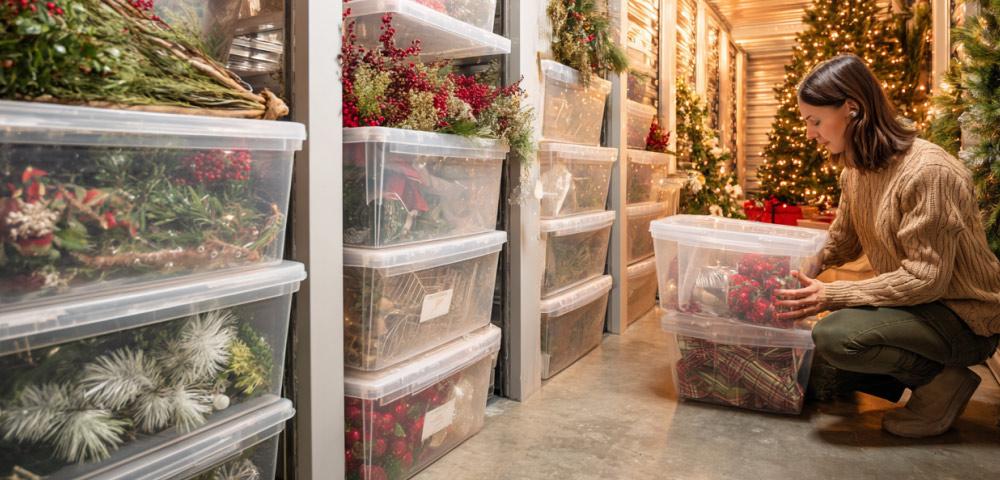
Holiday decorations make special occasions more memorable, but storing them after the celebrations can become a challenge. From Christmas ornaments and artificial trees to Halloween decorations, outdoor lighting, and seasonal tableware, these items can quickly take up valuable space at home. Without proper organization, decorations may become damaged, tangled, dusty, or difficult to find when the next holiday arrives.
For homeowners and families, having a practical storage system makes seasonal transitions much easier. The right holiday decoration storage methods can protect valuable items, reduce household clutter, and help keep everything accessible throughout the year. With a little planning and the right seasonal storage solutions, you can create a more organized home without giving up the decorations you enjoy.
1. Sort and Organize Decorations Before Packing
Before putting anything into storage, take time to review your seasonal belongings. Separate decorations by holiday, category, and frequency of use. For example, keep Christmas ornaments, Halloween accessories, Thanksgiving table decorations, and outdoor seasonal items in separate groups.
This is also an excellent opportunity to identify decorations that are broken, outdated, or no longer needed. Donating usable items or responsibly discarding damaged ones can reduce the amount of space required.
Create a simple inventory of the items you plan to keep. A written list or digital spreadsheet can help you remember what is stored and where to find it. Grouping similar belongings together also makes unpacking easier when the next holiday season arrives.
2. Choose the Right Containers for Different Items
The type of container you use can make a significant difference in protecting seasonal belongings. Sturdy plastic storage bins with secure lids are useful for many household decorations because they help keep out dust and reduce exposure to everyday household debris.
However, not every decoration should be packed the same way. Fragile glass ornaments, ceramic decorations, and delicate collectibles need additional protection. Wrap these items individually using packing paper, bubble wrap, or soft protective materials before placing them in containers.
For artificial wreaths and garlands, consider specially designed storage bags or appropriately sized boxes that help preserve their shape. Christmas lights should be wrapped around reels or cardboard organizers rather than placed loosely in boxes, where they can become tangled.
Use containers that fit the items without excessive empty space. This helps prevent movement during handling and makes stacking more manageable.
3. Protect Decorations From Moisture, Dust, and Temperature Changes
Environmental conditions are an important consideration when planning holiday decoration storage. Moisture can damage cardboard packaging, encourage mold growth, and affect materials such as fabric, wood, and certain metals.
This is particularly worth considering in Buffalo, where changing seasonal weather and winter conditions can create additional storage challenges. Always make sure decorations are completely clean and dry before packing them away.
Avoid storing delicate belongings in damp basements, areas with water leaks, or places where temperatures fluctuate significantly. Keep decorations away from direct sunlight, which can cause certain fabrics, plastics, and artificial greenery to fade or deteriorate over time.
For sensitive belongings, consider suitable climate-controlled storage options. These spaces can help maintain more consistent environmental conditions, although the ideal storage requirements will depend on the materials being stored.
4. Label Everything for Easy Access
One of the simplest ways to improve seasonal organization is to label every storage container clearly. Instead of writing general descriptions such as “holiday items,” use specific labels like “Christmas Tree Ornaments,” “Halloween Outdoor Decorations,” or “Thanksgiving Tableware.”
Color-coded labels can make the system even more convenient. For example, use red labels for Christmas, orange for Halloween, and green for spring decorations.
Place frequently used seasonal belongings where they are easier to reach, while items needed only once a year can be positioned farther back or on higher shelves, provided they remain safely accessible.
You can also photograph the contents of each container and save the pictures on your phone. This small step makes it easier to locate particular decorations without opening multiple boxes.
5. Make Better Use of Household Storage Space
Seasonal belongings often compete with everyday essentials for closets, garage shelves, attic space, and spare-room storage. Organizing these areas strategically can help free up valuable living space.
Use vertical shelving to make better use of available room, and keep heavier containers on lower shelves to reduce the risk of accidents. Avoid stacking boxes too high or placing heavy items on top of fragile decorations.
For households with limited closets or crowded garages, household storage units in Buffalo can provide additional room for belongings that are not needed every day. A separate storage space can help keep seasonal decorations organized while allowing your home to remain comfortable and functional.
When selecting a unit, consider the quantity of belongings, container dimensions, accessibility, and any special environmental requirements. Choosing an appropriately sized space helps avoid paying for more room than you actually need.
6. Create a Year-Round Seasonal Storage Routine
Good organization does not end when decorations are packed away. Establishing a simple routine helps maintain an organized storage system throughout the year.
After each holiday, clean decorations according to their material and manufacturer recommendations. Allow everything to dry completely before packing. Check electrical decorations for damaged cords, missing bulbs, or other signs of wear before storing them.
Review your inventory at least once a year. This gives you an opportunity to replace damaged containers, remove unnecessary belongings, and reorganize items as your household needs change.
You may also find it helpful to create separate storage sections for winter, spring, summer, and fall belongings. Keeping seasonal items grouped together makes it easier to rotate decorations as the weather and holidays change.
Keep Your Home Organized With the Right Storage Solution
Storing holiday decorations and seasonal household belongings does not have to be complicated. By sorting items, selecting suitable containers, protecting delicate decorations, labeling boxes, and creating a consistent storage routine, you can keep your belongings in better condition and make seasonal decorating less stressful.
When your home does not have enough room for everything, exploring reliable seasonal storage solutions can make a meaningful difference. Secure Storage offers convenient storage options for people looking to manage extra household belongings and create more usable space.
Whether you are storing holiday decorations, seasonal equipment, or items you only need occasionally, choosing the right household storage units in Buffalo can help you stay organized throughout the year. With thoughtful planning and dependable storage, you can enjoy your favorite seasonal decorations without allowing clutter to take over your home.

Healthy, glowing skin is something many people want to achieve, but everyday environmental factors can make maintaining a fresh complexion challenging. Dust, pollution, sunlight, and daily stress can leave the skin looking dull, tired, and uneven. This is why choosing suitable skincare products and following a consistent beauty routine is important.
Natural skincare has become increasingly popular among people who prefer botanical ingredients and traditional beauty practices. Among the different options available, an orange-based face mask can be an interesting addition to a regular skincare routine.
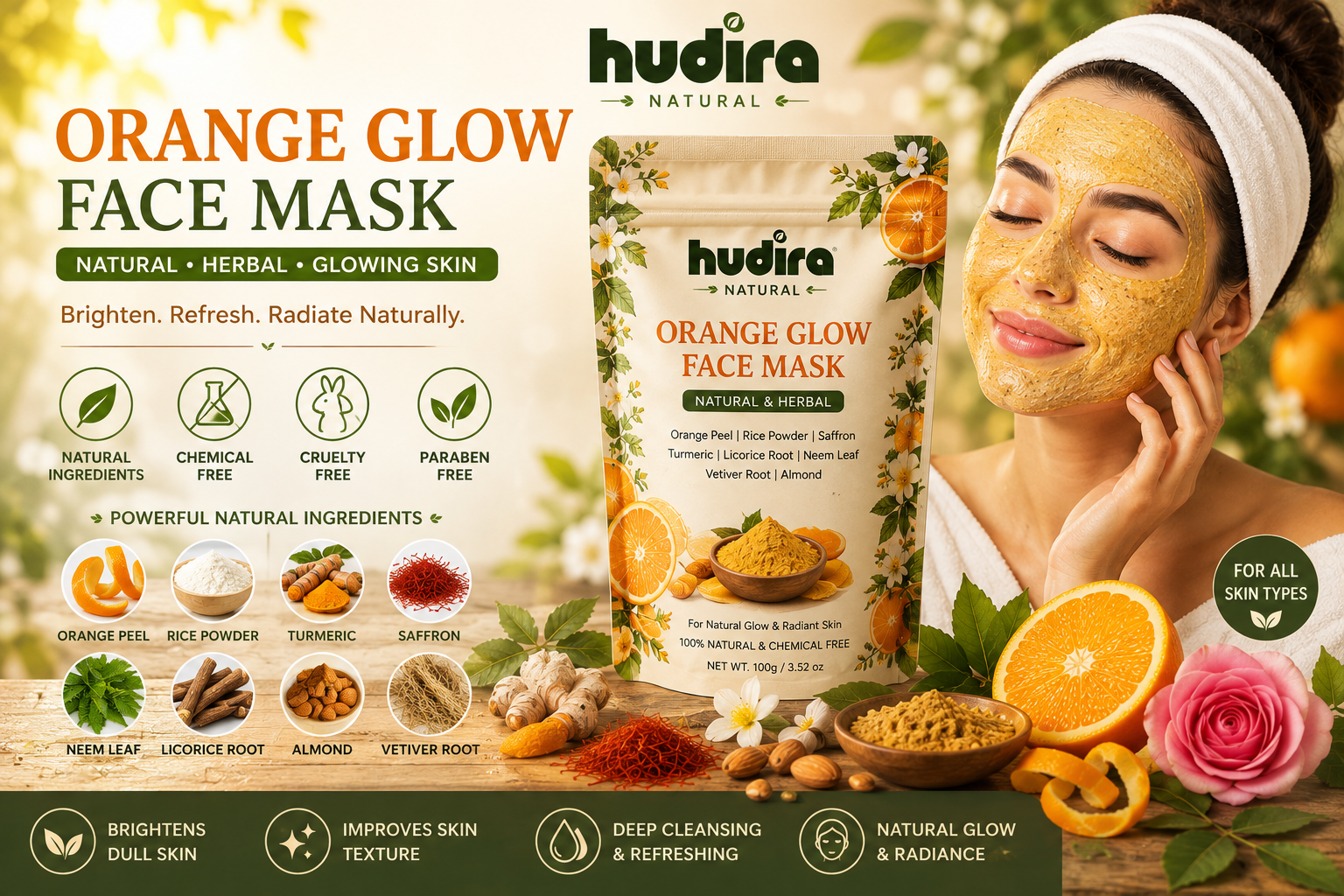
Hudira introduces its Orange Glow Face Mask, a botanical skincare formula designed to refresh dull-looking skin, gently exfoliate, and support a smoother-looking complexion.
Why Choose an Orange-Based Face Mask?
Orange peel is a familiar ingredient in traditional beauty preparations. It contains naturally occurring vitamin C and antioxidant compounds that make it a popular choice in skincare formulations.
When combined with other botanical ingredients, orange peel can contribute to a refreshing facial care experience.
Here are some reasons people enjoy orange-based face masks:
- Helps refresh dull-looking skin.
- Supports gentle exfoliation.
- Helps remove surface impurities.
- Leaves skin feeling smoother and softer.
- Adds botanical ingredients to your skincare routine.
- Provides an enjoyable self-care experience.
Choosing a suitable product according to your skin type and sensitivity is always important.
Discover Hudira Orange Glow Face Mask
Hudira Orange Glow Face Mask combines orange peel, rice powder, saffron stigma extract, turmeric, licorice root, fenugreek seeds, vetiver root, neem leaf, and almond seeds.
This combination brings together ingredients traditionally used in herbal beauty preparations.
The formula is designed to help exfoliate the skin, refresh its appearance, and maintain a soft, nourished feel. It is an option for people who enjoy botanical skincare and want to introduce a face mask into their weekly beauty routine.
What makes this product interesting is its combination of citrus-inspired ingredients with traditional herbal components.
Key Ingredients and Their Benefits
1. Orange Peel
Orange peel is the main ingredient that gives this face mask its citrus-inspired identity. It contains naturally occurring vitamin C and antioxidants.
In skincare preparations, orange peel is commonly used to help refresh dull-looking skin and support a brighter-looking complexion.
2. Rice Powder
Rice powder is a traditional beauty ingredient known for its exfoliating properties. It helps remove surface buildup and can leave the skin feeling smoother.
It is frequently included in homemade and commercial facial care preparations.
3. Saffron Stigma Extract
Saffron has been valued in traditional beauty practices for generations. It contains antioxidant compounds and is commonly included in skincare products designed to improve the appearance of dull skin.
4. Turmeric
Turmeric is another popular ingredient in herbal skincare. It contains curcumin, which has antioxidant and anti-inflammatory properties.
It is traditionally used in facial preparations to support a refreshed and healthy-looking complexion.
5. Licorice Root
Licorice root is widely used in cosmetic formulations designed for uneven-looking skin tone. Its naturally occurring compounds make it a popular botanical ingredient in brightening skincare products.
6. Fenugreek Seeds
Fenugreek seeds contain plant-based compounds that are traditionally used in beauty preparations. They contribute to the botanical character of the overall formula.
7. Vetiver Root
Vetiver is traditionally appreciated for its refreshing and soothing qualities. It is used in various personal care and herbal beauty preparations.
8. Neem Leaf
Neem is a familiar ingredient in traditional skincare, particularly in products designed for oily and blemish-prone skin.
It is commonly appreciated for its cleansing and skin-conditioning properties.
9. Almond Seeds
Almonds contain vitamin E and beneficial fatty acids. They are popular in beauty preparations because of their nourishing and skin-conditioning properties.
Together, these ingredients create a botanical blend inspired by traditional skincare practices.
What Makes Hudira Orange Glow Face Mask Worth Exploring?
Choosing skincare products is not only about their ingredients but also about how conveniently they fit into your daily routine.
Hudira offers several features that make this face mask worth exploring:
Botanical Ingredient Blend: Combines orange peel, rice, saffron, turmeric, and other herbal ingredients.
Traditional Beauty Inspiration: Draws inspiration from familiar herbal skincare practices.
Gentle Exfoliation: Helps remove dead skin cells and surface buildup.
Refreshing Facial Care: Designed to leave skin feeling fresh and smooth.
Skin Conditioning: Includes ingredients such as almond that are traditionally appreciated for their nourishing properties.
Convenient Application: Can be prepared by mixing the powder with water, rose water, or yogurt.
How to Use Hudira Orange Glow Face Mask
Following the recommended application instructions can help you enjoy a comfortable skincare experience.
Here is how to use it:
- Cleanse your face thoroughly to remove dirt and surface impurities.
- Take one to two teaspoons of Hudira Orange Glow Face Mask.
- Mix it with water, rose water, or yogurt to prepare a smooth paste.
- Apply an even layer to your face, avoiding the eye area.
- Leave it on for approximately 15–20 minutes.
- Rinse with lukewarm water and gently pat your face dry.
Hudira recommends using the mask two to three times weekly.
Always perform a patch test before applying a new product to your entire face. If irritation occurs, discontinue use. The product is intended for external use only.
Who Can Add This Face Mask to Their Skincare Routine?
People who enjoy herbal beauty products may find this face mask an interesting addition to their personal care routine.
It may appeal particularly to those who:
- Prefer botanical skincare ingredients.
- Want to refresh dull-looking skin.
- Enjoy traditional herbal face masks.
- Want gentle exfoliation as part of their beauty routine.
- Prefer convenient powder-based facial treatments.
However, everyone’s skin is different. People with sensitive skin should review the complete ingredient list before use and consider professional advice if they have existing skin concerns.
Simple Tips for Maintaining Naturally Glowing Skin
Using a face mask is only one part of maintaining healthy-looking skin. Everyday habits also play an important role.
Consider these simple skincare practices:
Cleanse Regularly: Use a suitable facial cleanser to remove dirt, sweat, and excess oil.
Stay Hydrated: Drink enough water throughout the day and use an appropriate moisturizer.
Protect Your Skin: Apply broad-spectrum sunscreen during the day to help protect against sun damage.
Avoid Excessive Exfoliation: Give your skin enough time to recover between exfoliating treatments.
Maintain Consistency: Follow a skincare routine that suits your skin type rather than frequently changing products.
These habits can complement your use of botanical skincare products.
Where to Find Hudira Orange Glow Face Mask?
Finding skincare products that match your preferences is easier when you can explore their ingredients and application instructions before purchasing.
Hudira provides a dedicated product page where customers can discover its Orange Glow Face Mask, learn about its botanical ingredients, and review its recommended usage.
If you want to explore a citrus-inspired addition to your beauty routine, visit the Hudira Orange Glow Face Mask product page.
Conclusion
A consistent skincare routine, suitable products, and healthy daily habits can help support a fresh and healthy-looking complexion.
Hudira Orange Glow Face Mask combines orange peel, rice powder, saffron, turmeric, licorice root, neem, and other botanical ingredients to offer a refreshing facial care experience.
Whether you enjoy traditional herbal beauty preparations or simply want to explore new skincare options, this product is worth discovering. Give your skin regular care, choose ingredients thoughtfully, and make your beauty routine a relaxing part of everyday self-care.

Make a Positive Impact with Increasingly Popular Candle Packaging

Explore the Royal Heritage of India with a 9 Nights 10 Days Rajasthan Tour Package

Metal Building Rigid Insulation and Building Roof Insulation for Better Performance

Can you build wealth in Ireland without a high income?

Reddit Marketing Services: How to Build Trust, Reach the Right Audience, and Grow Your Brand

Rani No Hajiro in Ahmedabad: A Complete Guide to History, Shopping & Hidden Secrets

How to Get Promoted Faster at Work: Smart Career Growth Tips

Dublin City University: Everything You Need to Know Before Applying in 2026

Why Amazon Listing Services Are a Game-Changer for New Sellers in 2026








