
Business
Hungary’s Battery Industry Builds Momentum Beyond EVs

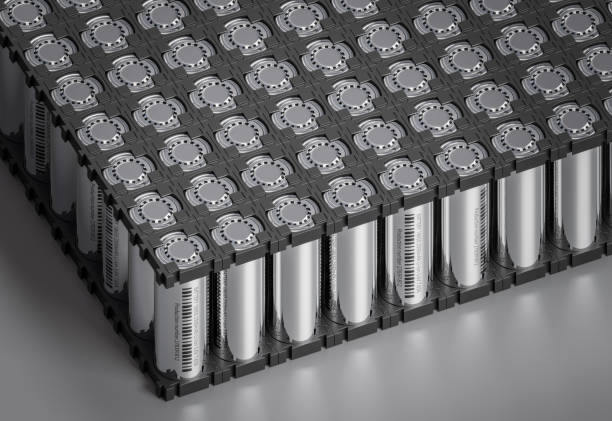
Hungary is strengthening its position in Europe’s battery manufacturing ecosystem as electric vehicle production, industrial investment, and renewable energy integration reshape the country’s industrial landscape. The growing presence of international battery manufacturers, alongside established automotive facilities, is creating demand for battery cells, advanced materials, and supporting technologies. However, the industry’s long-term development will also depend on supply-chain resilience, environmental compliance, and technological diversification.
The Hungary lithium-ion battery market encompasses battery manufacturing, component production, and applications across automotive, consumer electronics, industrial equipment, and energy storage systems. Its development is closely connected to Hungary’s established automotive industry and increasing investments in domestic battery production. The expansion of electric vehicle battery manufacturing and the emergence of integrated industrial clusters are reshaping the country’s role in Europe’s electrification supply chain.
Automotive Electrification Strengthens Battery Demand
Electric vehicle adoption remains an important driver of battery demand in Hungary. The country registered 11,002 new battery-electric passenger cars in 2025, compared with 8,565 in 2024, representing a 28% increase. The share of battery-electric vehicles in new passenger-car registrations also increased from 7% to 8.5%, indicating growing acceptance of electric mobility.
Domestic automotive manufacturing is reinforcing this development. BMW’s Debrecen facility, which began series production of the all-electric iX3 in October 2025, integrates high-voltage battery manufacturing and assembly into its production operations. Meanwhile, CATL is developing a large-scale battery manufacturing facility in Debrecen, designed to support European automotive customers. These developments are strengthening the relationship between vehicle production and local battery supply chains.
International Investments Expand Manufacturing Capabilities
International manufacturers are playing a significant role in Hungary’s industrial transformation. Companies including Contemporary Amperex Technology (CATL), Samsung SDI, and SK On have established substantial manufacturing operations in the country. Their presence is attracting additional investments in cathode materials, electrolytes, battery separators, and other essential components.
Developments in Debrecen illustrate this growing industrial integration. CATL began battery-module assembly at its facility in May 2026, while EcoPro BM commenced mass production at its cathode-material manufacturing plant during the same month. The latter facility has a planned annual production capacity of 54,000 tonnes. Such investments can strengthen domestic component availability and reduce dependence on long-distance transportation across different stages of battery manufacturing.
Battery Chemistry Diversification Shapes Technology Choices
Nickel-manganese-cobalt (NMC) batteries account for approximately 60% of Hungary’s battery-type segment, supported by established automotive manufacturing requirements and investments in nickel-based battery technologies. Their relatively high energy density makes them suitable for electric vehicles requiring longer driving ranges and performance-oriented battery systems.
However, lithium iron phosphate (LFP) technology is gaining attention because of its lower material costs and improved thermal stability. CATL’s introduction of its Shenxing Pro LFP battery technology and plans for future production in Debrecen highlight the potential for greater chemistry diversification. A broader technology portfolio could help manufacturers address different vehicle categories, cost requirements, and performance expectations.
Energy Storage Creates Opportunities Beyond Transportation
Battery applications are gradually extending beyond electric mobility. Hungary’s expanding solar generation capacity is increasing the importance of stationary energy storage systems, which can help balance electricity supply and demand. Battery installations can store surplus renewable electricity and release it when generation declines, improving grid flexibility and supporting renewable-energy integration.
This development creates additional opportunities for battery manufacturers, energy technology providers, and industrial suppliers. Grid-scale storage also introduces different technical requirements from automotive applications, including cycle life, operational reliability, safety, and long-term performance. Consequently, energy storage could become an increasingly relevant application area as Hungary continues developing its renewable electricity infrastructure.
Recycling and Environmental Compliance Become Priorities
The expansion of battery manufacturing is also increasing the importance of responsible waste management. Battery production involves materials and industrial processes that require careful environmental monitoring. Stricter compliance requirements, appropriate waste treatment, and transparent operational practices will therefore remain important considerations for manufacturers operating in Hungary.
Battery recycling presents an opportunity to recover valuable materials, including lithium, nickel, and cobalt, while supporting more circular supply chains. The International Energy Agency notes that manufacturing scrap is expected to account for approximately two-thirds of available battery recycling feedstock in 2030. This highlights the importance of developing recycling infrastructure alongside expanding cell and component production. IEA research on critical mineral recycling also identifies material recovery as an emerging opportunity for strengthening battery supply security.
Debrecen Emerges as a Key Industrial Battery Hub
Debrecen accounts for approximately 55% of Hungary’s battery industry, reflecting the concentration of major automotive and battery manufacturing investments. CATL’s large-scale facility and BMW’s electric vehicle production operations are central to this industrial cluster. Their presence is also encouraging supporting investments in battery materials and related manufacturing activities.
Other industrial locations, including Göd, Komárom, Iváncsa, and Nyíregyháza, contribute to the broader manufacturing ecosystem. Geographical clustering can improve supplier coordination, logistics efficiency, and access to industrial infrastructure. Nevertheless, maintaining a balanced industrial footprint and ensuring adequate energy, water, and workforce availability will remain important considerations for future expansion.
Competitive Landscape and Future Industry Priorities
Hungary’s battery manufacturing landscape is relatively consolidated, with its five leading companies collectively accounting for approximately 95% of the industry, according to Markntel Advisor. Major participants include CATL, Samsung SDI, SK On, EVE Power, and GS Yuasa. Supporting companies involved in recycling, electrolyte production, and battery components also contribute to the broader industrial ecosystem.
Going forward, Hungary’s industrial development will depend on more than increasing battery production capacity. Technology diversification, domestic supplier development, recycling capabilities, environmental safeguards, and integration with European automotive supply chains will influence the industry’s competitiveness. The ability to balance manufacturing expansion with sustainable resource management will remain central to its long-term industrial position.


Business
Top Tips for Choosing Heathrow Airport Parking Terminal 2 and Terminal 3 for a Stress-Free Journey


Travelling from Heathrow Airport can be an exciting experience. However, arranging suitable airport parking is an important part of preparing for a smooth journey. Whether you are travelling for business, enjoying a family holiday, or visiting friends and relatives, choosing the right parking option can save valuable time and reduce unnecessary stress. Heathrow Airport is one of the UK’s busiest international airports, so planning your parking arrangements in advance is particularly beneficial.
Passengers departing from different terminals should understand the available parking facilities, access arrangements, security considerations, and booking options. In particular, travellers using Terminals 2 and 3 should compare suitable services before making a decision. With a little preparation, finding convenient parking becomes much easier.
This guide explores important considerations for airport parking, explains how to plan ahead, and highlights how services from Heathrow Elite Parking can help travellers enjoy a more organised airport experience.
Understanding Heathrow Airport Parking Options
Heathrow Airport offers several parking options to accommodate different travel requirements. Each service has its own advantages, depending on your budget, journey duration, luggage requirements, and preferred level of convenience.
The main options generally include:
-
Meet and Greet Parking: A convenient service where a professional driver meets you at an agreed airport location and takes your vehicle to a designated parking facility.
-
Park and Ride: Passengers park their vehicles at an off-airport facility and use a transfer service to reach their departure terminal.
-
Short-Stay Parking: Suitable for brief visits, passenger drop-offs, and collections.
-
Long-Stay Parking: Designed for travellers leaving their vehicles for several days or longer.
Therefore, understanding these options before booking can help you select a service that matches your travel plans. It is also important to check the latest parking instructions, prices, and vehicle handover arrangements.
Why Planning Terminal 2 Parking in Advance Matters
Passengers flying from Terminal 2 should consider their parking arrangements before travelling to the airport. Advance planning helps reduce last-minute confusion, particularly during busy travel periods.
Heathrow Airport Parking Terminal 2 is an important consideration for passengers who want to organise their journey efficiently. Terminal 2 serves numerous international airlines and welcomes travellers throughout the year. Consequently, passengers should allow enough time for parking procedures, luggage handling, and airport security.
Before confirming a parking reservation, consider the following factors:
Check Your Departure Terminal
Always confirm your departure terminal using your airline’s latest travel information. Although Terminal 2 is commonly known as the Queen’s Terminal, flight arrangements can change. Therefore, checking your booking confirmation before leaving home is essential.
Compare Parking Services
Different parking services provide different levels of convenience. For example, Meet and Greet can be particularly useful when travelling with children, carrying several suitcases, or managing a tight schedule.
Alternatively, Park and Ride may suit passengers who prefer to drive to an off-airport parking facility and use a transfer service.
Review Booking Details
Before making a reservation, check the parking duration, vehicle requirements, collection instructions, and any additional charges. Moreover, make sure you understand the procedure for both arrival and return journeys.
Making Airport Parking Easier for Terminal 3 Passengers
Terminal 3 is another major departure point at Heathrow Airport. It serves various international airlines and handles a significant number of passengers. Because airport traffic can become busy, arranging parking beforehand can make the overall experience more manageable.
Travellers researching Heathrow Airport Parking Terminal 3 should compare parking facilities based on accessibility, security, customer service, and convenience.
In addition, passengers should consider how much luggage they are carrying and whether they need assistance when arriving at the airport.
Choose a Convenient Parking Arrangement
Meet and Greet parking can reduce the need to find a parking space and arrange an additional transfer. The driver meets the customer at the agreed location, receives the vehicle, and parks it according to the service provider’s procedures.
However, customers should always confirm the authorised meeting point and handover instructions before travelling.
Allow Extra Time During Busy Periods
Airport roads can become congested during school holidays, weekends, and peak departure hours. Therefore, leaving home earlier than necessary can help avoid unnecessary pressure.
Passengers should also consider roadworks, traffic conditions, and possible delays when calculating their journey time.
Keep Your Booking Confirmation Accessible
Having your parking confirmation readily available makes the vehicle handover process easier. Keep important details such as the booking reference, contact number, meeting location, and return instructions accessible on your phone.
How Heathrow Elite Parking Supports a Convenient Airport Experience
Choosing a parking provider is about more than simply finding somewhere to leave your vehicle. Travellers also want reliable service, clear instructions, suitable security arrangements, and convenient transfers.
Heathrow Elite Parking focuses on making airport parking straightforward through its self-parking and Park and Ride services. The company provides parking facilities with features designed to make travelling easier.
Some of the key features include:
-
Secure parking within a fenced compound.
-
CCTV monitoring and controlled access.
-
Convenient shuttle transfers to Heathrow Terminals 2, 3, 4, and 5.
-
Self-parking options that allow customers to keep their car keys.
-
Parking solutions for short and long journeys.
-
Straightforward online booking arrangements.
Furthermore, having access to different parking options allows customers to select a service according to their individual requirements.
Self-Parking or Meet and Greet: Which Should You Choose?
Selecting between self-parking and Meet and Greet depends on your priorities.
Benefits of Self-Parking
Self-parking is suitable for drivers who prefer to park their own vehicles. It also offers greater control over the parking process. At Heathrow Elite Parking, customers can choose a self-parking arrangement that allows them to retain their keys.
Additionally, this option can be useful for travellers who want a straightforward parking experience without handing their vehicle over to someone else.
Benefits of Meet and Greet
Meet and Greet is generally designed for passengers who value convenience. Instead of finding a parking space themselves, customers arrange a vehicle handover with a professional driver at the agreed location.
This can be particularly helpful for families, elderly passengers, and people travelling with heavy luggage.
Nevertheless, customers should always confirm the specific service available, meeting arrangements, and terms before booking.
Important Things to Check Before Booking Airport Parking
A little preparation can make a considerable difference to your airport experience. Before choosing a parking provider, consider these practical points.
1. Compare Prices: Look at the total booking cost rather than focusing only on the advertised starting price. Check whether transfers, additional days, or amendments involve extra charges.
2. Check Security: Look for information about CCTV monitoring, gated access, insurance arrangements, and on-site supervision.
3. Read Customer Reviews: Independent customer feedback can provide useful insight into communication, vehicle handling, punctuality, and the overall experience.
4. Confirm Transfer Arrangements: If you choose Park and Ride, understand where to park, where to catch the shuttle, and how to return to your vehicle.
5. Check Your Booking Confirmation: Keep the arrival instructions, contact details, and booking reference available throughout your journey.
Moreover, always allow additional time for unexpected traffic or airport delays.
Tips for a Smooth Return Journey
Airport parking arrangements should cover your return journey as carefully as your departure.
Firstly, keep your parking provider’s contact information accessible. Secondly, check the collection procedure before boarding your return flight. If your flight is delayed, contact the parking company as soon as possible and follow its instructions.
For Park and Ride customers, knowing the correct shuttle collection point can also save time after landing.
In addition, check your vehicle for any visible issues before leaving the parking facility. Keeping your booking confirmation until the journey is complete is another sensible precaution.
Why Advance Booking Can Make a Difference
Booking airport parking in advance provides an opportunity to compare services without unnecessary pressure. It also allows travellers to review the terms, check availability, and organise their departure schedule.
During school holidays, Christmas, Easter, and summer travel periods, airport demand can increase considerably. Therefore, arranging parking early is a practical way to prepare.
However, passengers should remember that prices and availability vary according to travel dates, parking duration, and service type. Comparing options before confirming a reservation is always worthwhile.
Frequently Asked Questions
1. What is the best parking option for Heathrow Terminal 2?
The most suitable option depends on your requirements. Terminal parking offers proximity to the airport, while Park and Ride can provide an alternative for travellers comfortable with shuttle transfers. Meet and Greet may suit passengers who prioritise convenience.
2. Can I use the same parking facility for Terminal 2 and Terminal 3?
Some parking facilities provide transfers to both terminals. Heathrow Elite Parking offers shuttle transfers covering Terminals 2 and 3, as well as Terminals 4 and 5. Always confirm your departure terminal and transfer arrangements before travelling.
3. Is Park and Ride suitable for long holidays?
Yes. Park and Ride is a practical option for longer trips, provided the facility offers suitable parking durations. Check the booking conditions and security arrangements before making a reservation.
4. How early should I book Heathrow Airport parking?
Booking as early as possible is generally recommended, particularly during busy holiday periods. Early planning gives you more time to compare prices, services, and available spaces.
5. What should I bring when arriving at the car park?
Keep your booking confirmation, vehicle registration details, and parking provider’s contact information available. You should also follow the arrival instructions supplied with your reservation.
Conclusion
Arranging airport parking is an important part of preparing for a comfortable journey. Whether departing from Terminal 2 or Terminal 3, travellers should consider convenience, security, pricing, transfer arrangements, and customer service before choosing a parking provider.
By comparing available options and booking in advance, passengers can avoid unnecessary confusion and enjoy a more organised departure. Heathrow Elite Parking offers self-parking and Park and Ride facilities with secure parking arrangements and transfers to all four main Heathrow terminals.
Ultimately, the right parking decision can make travelling easier from the moment you leave home until you return from your trip.

Food packaging plays a major role in how customers experience quick bites at cafes, food trucks, and local eateries. When serving hot snacks, people appreciate packaging that feels sturdy and looks appealing in hand. Investing in custom French fry cups helps brands stand out while offering a practical way to hold salty treats without grease leaking through. Small touches like a clean brand logo or a fun pattern on paper containers turn a basic snack into a memorable part of the meal.
Smart Paper Choices
Selecting the right material ensures hot snacks stay warm and crispy until the very last bite. Thick paperboard works well because it resists oil and prevents soggy spots from forming on the outside. Businesses often choose French fry cups made from food-grade paper that handles high temperatures safely without altering the taste of the food. Good insulation keeps heat trapped inside while making the holder comfortable to hold even when the contents are freshly fried and steaming.
Easy Handheld Dining
Street food festivals and busy food courts demand packaging that supports eating on the go without spills or mess. A sturdy cup of fries allows customers to walk around comfortably while snacking at outdoor events or sports games. The open-top design gives quick access to each crispy piece, making sharing easy among friends or family members. Lightweight construction means minimal effort is required to carry the snack through crowded venues without dropping anything.
Creative Branding Styles
Printed details on food containers turn ordinary packaging into a powerful tool for visual recognition and brand awareness. Companies can showcase bright colors, unique artwork,k or simple logos that catch the eye of passersby sitting at nearby tables. Well-designed French fry holder paper creates a cohesive look across all menu items and makes takeaway bags look professional. Customers often notice these creative details and remember the establishment the next time they crave a savory snack.
Flexible Bulk Purchasing
Running a busy kitchen or food service operation requires a steady supply of containers to keep service running smoothly during peak hours. Ordering French fry cups wholesale helps business owners save money while keeping storage shelves fully stocked for daily rush periods. Buying in larger quantities cuts down on frequent reordering and ensures that the kitchen never runs out of essential supplies when customer traffic peaks unexpectedly during weekends or holidays.
Small Batch Orders
New food startups or local pop-up stands often need smaller quantities of branded packaging before committing to massive manufacturing runs. Finding French fry cups with no minimum allows small businesses to test out different design ideas without spending a fortune upfront. This flexibility lets owners change seasonal artwork or update contact details on the packaging whenever new menu items launch or special events take place throughout the year.
Efficient Storage Designs
Kitchen space is usually limited, so finding packaging that stacks neatly makes a huge difference in daily workflow. Conical or tapered paper holders nest tightly together inside storage racks, freeing up valuable counter space near the deep fryers. Staff members can grab a fresh Custom Fry Scoop instantly during busy rushes, which speeds up service times and keeps the checkout line moving quickly for hungry patrons waiting nearby.
Eco-Friendly Materials
Modern consumers care deeply about the environmental impact of single-use items and look for businesses that use sustainable alternatives. Biodegradable paper options break down naturally over time, making them a much better choice for the planet compared to traditional plastics. Using recyclable French fry paper holder items shows customers that the brand values sustainability while still delivering top-tier convenience for everyday food service needs.
Conclusion
Finding the right packaging for hot snacks makes a big difference in how customers enjoy their food and remember your brand. Sturdy materials keep grease away and ensure snacks stay warm from the kitchen to the table or street bench. Upgrading to custom French fry cups adds a professional touch that sets your food business apart from competitors without adding unnecessary hassle to your daily operations. Simple changes in presentation often lead to happier diners and stronger recognition for local food spots everywhere.
Durable Disposable Paper Cups With Lids For Commuters
Learn about the practical side of the disposable paper cup and see how people choose containers for daily gatherings and drinks.
People often grab a disposable paper cup when rushing out the door with hot coffee or cold water. These lightweight containers appear everywhere from busy office break rooms to quiet neighborhood bake sales. Morning commuters rely on them because washing dishes is never an option during a frantic commute. Party hosts stack tall towers of them near beverage stations to keep guests happy without creating mountains of dirty glassware. Simple cardboard materials make these items cheap and easy to store in tight kitchen cupboards or commercial storage shelves. Anyone planning a casual gathering or running a small cafe knows how dependable these simple vessels can be for serving liquids quickly.
Exploring Custom Options
Many businesses look into custom disposable cups to build brand recognition while serving morning beverages to loyal customers. Coffee shops print colorful artwork and brand names directly onto the outer surface to turn ordinary drinkware into walking advertisements. Cafes use this strategy so people walking down the street carry brand visibility straight into offices and parks. Creative designs also help local bakeries stand out during busy weekend festivals where food vendors line the streets. Thoughtful branding builds subtle familiarity among everyday buyers who notice attractive logos during their morning routines. Store owners often find that creative printing brings loyal buyers back for another round of morning espresso.
Securing Lid Additions
Morning commuters frequently purchase disposable paper cups with lids to prevent hot liquids from spilling during bumpy bus rides or car trips. Tight plastic covers snap securely over the rim to trap steam inside and keep beverages warm much longer. People walking briskly to the office appreciate having a reliable barrier against sudden splashes caused by uneven pavement. Small sip holes allow individuals to drink safely while moving without worrying about ruining work clothes. Busy parents juggling grocery bags find that secured tops make traveling with warm tea or cocoa completely stress-free. Every careful driver knows that a properly fitted cover keeps vehicle interiors clean and free from sticky liquid stains.
Designing Personal Prints
Event planners often order custom disposable paper cups to match wedding themes or milestone birthday celebrations perfectly. Hosts enjoy matching the color scheme of reception tables down to the smallest detail, like beverage holders. Personalized text or Monograms printed on the side add a memorable touch to graduation parties and family reunions. Guests often take these decorated containers home as pleasant souvenirs of a joyful day spent with loved ones. Party organizers appreciate how simple decorations elevate a basic beverage station into something special without spending too much money. Thoughtful aesthetic choices make casual gatherings feel more curated and intentional for everyone attending the event.
Sourcing Bulk Orders
Cafe managers must partner with reliable disposable paper cup suppliers to ensure their shelves never run empty during peak morning hours. Running out of essential packaging can halt business operations instantly and frustrate hungry customers waiting for breakfast. Wholesale purchasing lowers overall operational costs significantly for growing food businesses that go through thousands of units every week. Reliable vendors deliver consistent quality so containers never leak or become soggy when filled with steaming liquids. Restaurant owners build long-term relationships with distributors who offer fair pricing and fast shipping options. Stable supply chains allow business operators to focus on making great food instead of worrying about inventory shortages.
Showcasing Brand Logos
Local coffee houses often invest in disposable paper cups with logo printing to establish a strong visual identity in competitive neighborhoods. Bold graphics help patrons remember where they bought their favorite morning pick-me-up during hectic workdays. People sitting on park benches holding branded drinkware inadvertently promote local coffee spots to passersby throughout the afternoon. Clear visual markers build trust and recognition among new buyers searching for a reliable caffeine fix in unfamiliar areas. Marketing teams know that continuous brand exposure on everyday items yields great results over time. Small businesses thrive when their distinct visual symbols appear in the hands of happy consumers all over town.
Managing Small Sizes
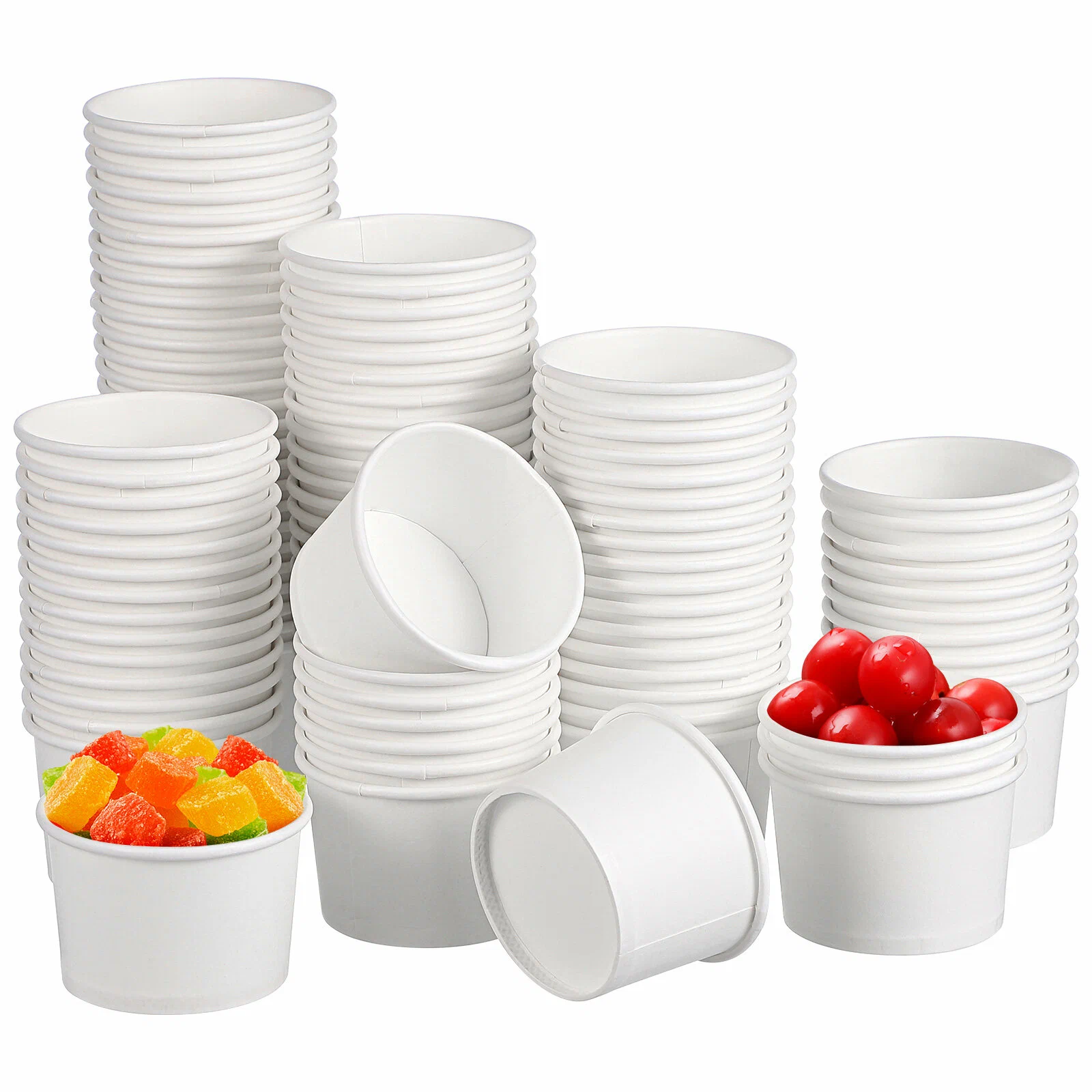
Bake sale coordinators frequently purchase small disposable paper cups to serve bite-sized portions of soup or tasting samples of punch. Miniature containers work wonderfully for children tasting flavored syrups at outdoor community carnivals during warm summer weekends. Ice cream shops use compact sizes for serving single scoops of sweet treats to toddlers without overwhelming them. Parents appreciate having manageable portions that minimize sticky messes on clothing and car seats. Craft instructors also utilize tiny paper containers to hold acrylic paint or glitter during art classes. Versatility makes these miniature vessels indispensable tools for hobbies and small-scale food service alike.
Serving Hot Beverages
Coffee lovers depend on thick disposable paper cups for hot drinks to keep steaming tea or dark roast from burning their hands. Insulated cardboard layers trap heat efficiently while remaining cool enough to hold comfortably during freezing winter mornings. Workers on construction sites rely on these sturdy vessels to deliver hot broth or coffee during mid-morning breaks. Quality construction prevents the material from weakening rapidly when exposed to boiling water for extended periods. Outdoor enthusiasts pack insulated containers into backpacks for chilly hiking trips where hot liquids provide essential warmth. Anyone facing a cold day finds great comfort in holding a steaming beverage inside a reliable paper vessel.
Handling Tiny Portions
Kitchen assistants often organize ingredients using 3 oz disposable paper cups during cooking demonstrations or busy baking sessions. Miniature holders keep measured spices and chopped herbs neatly separated before mixing them into large cake batters. Dental clinics keep tiny paper cups near sink areas so patients can rinse their mouths comfortably after cleanings. School science laboratories utilize small containers for distributing safe chemical mixtures among students during group experiments. Artists find these compact vessels helpful for mixing small amounts of watercolor pigments or wood stains. Practical utility shines through whenever people need disposable containers for measuring tiny quantities of dry or liquid materials.
Conclusion
A disposable paper cup remains a quiet hero of modern convenience by making food service effortless across countless daily situations. From busy coffee shops to festive backyard celebrations, these versatile containers solve liquid transport challenges without demanding extra cleanup time. People continue to rely on them because simple cardboard designs offer incredible practicality at very low costs. Understanding how different sizes and custom features serve various needs helps individuals choose the right product for any occasion. Modern life moves too fast for complicated dishwashing routines,making these handy vessels an enduring staple of daily human activity. Every simple drink poured into a paper container highlights the quiet value of thoughtful everyday design.

Pakistani Clothes Online UK for Timeless Style and Elegance

Prepare High-Quality Reports with Professional KA02 Assessment Help

The Best Ways to Store Holiday Decorations and Seasonal Household Items

Fracture Doctor Ambikapur for Fracture Evaluation and Care

Best Liver Transplant Hospital in Noida for Liver Care

Rani No Hajiro in Ahmedabad: A Complete Guide to History, Shopping & Hidden Secrets

How to Get Promoted Faster at Work: Smart Career Growth Tips

Dublin City University: Everything You Need to Know Before Applying in 2026

Digital Marketing for Beginners: Step-by-Step Guide to Start and Succeed in 2026








