
Blog
Diabetic Retina Screening in India: What Patients Should Know


Diabetes can affect several parts of the body, including the eyes. One of the most important eye-related complications is diabetic retinopathy, a condition that develops when consistently high blood sugar levels damage the tiny blood vessels in the retina. If left undetected, it can gradually affect vision and, in advanced cases, lead to permanent vision loss.
The challenge is that diabetic eye disease often develops without noticeable symptoms during its early stages. A person may have clear vision and still have retinal changes that require medical attention. This is why diabetic retina screening in India is an essential part of long-term diabetes management.
Regular eye examinations help identify retinal damage early, allowing patients to receive appropriate medical guidance before serious vision problems develop. Understanding when to get screened, what the examination involves, and who needs closer monitoring can help people with diabetes make informed decisions about their eye health.
What Is Diabetic Retina Screening?
Diabetic retina screening is an eye examination designed to detect early signs of diabetic retinopathy and other diabetes-related changes in the retina.
The retina is the light-sensitive layer at the back of the eye that converts light into signals sent to the brain. Diabetes can damage the small blood vessels supplying this tissue, causing them to leak fluid, bleed, or develop abnormal new blood vessels.
Screening generally involves examining the retina using specialised imaging equipment and, when necessary, a comprehensive dilated eye examination.
The main objectives are to:
- Detect diabetic retinopathy before symptoms appear.
- Identify swelling in the central retina, known as diabetic macular oedema.
- Monitor changes in retinal blood vessels.
- Determine whether further investigation or treatment is needed.
- Reduce the risk of preventable diabetes-related vision loss.
Screening does not replace a complete eye examination when symptoms or other eye conditions are present.
Why Is Diabetic Eye Screening Important in India?
Diabetes requires continuous monitoring, and eye health should be included in routine diabetes care. Many patients focus on blood sugar levels, diet, medication, and physical activity but may overlook regular retinal examinations.
Diabetic retinopathy can progress silently. By the time blurred vision, dark spots, or other visual disturbances become noticeable, the condition may already be advanced.
There are several reasons why regular screening is particularly important:
1. Early Detection Prevents Delayed Care
Retinal changes can begin before a patient experiences any noticeable difference in vision. Screening helps identify these changes so that an eye specialist can recommend appropriate monitoring or treatment.
2. Diabetes Duration Increases Risk
People who have lived with diabetes for several years may have a greater risk of developing retinal complications. However, the risk varies depending on blood sugar control, blood pressure, cholesterol levels, and other health factors.
3. Both Type 1 and Type 2 Diabetes Can Affect Vision
Diabetic retinopathy is not limited to one type of diabetes. People with Type 1 diabetes and Type 2 diabetes can both develop retinal damage.
4. Vision Changes May Be Irreversible
Advanced diabetic retinopathy can cause serious complications, including retinal detachment and severe vision impairment. Early diagnosis and timely treatment can help reduce the risk of permanent damage.
What Are the Different Stages of Diabetic Retinopathy?
Understanding the stages of diabetic retinopathy helps patients recognise why regular examinations matter.
1. Mild Non-Proliferative Diabetic Retinopathy
This is generally the earliest stage. Small areas of swelling or balloon-like changes called microaneurysms develop in the retinal blood vessels.
Patients usually do not experience noticeable vision problems at this stage.
2. Moderate Non-Proliferative Diabetic Retinopathy
As the condition progresses, more retinal blood vessels become affected. Some may become blocked, reducing the blood supply to different areas of the retina.
Regular monitoring becomes increasingly important.
3. Severe Non-Proliferative Diabetic Retinopathy
At this stage, a larger number of retinal blood vessels are blocked. The retina may not receive sufficient oxygen, increasing the likelihood of abnormal blood vessel growth.
An eye specialist may recommend closer monitoring or additional investigations.
4. Proliferative Diabetic Retinopathy
This is an advanced stage in which abnormal new blood vessels develop on the retina or optic disc.
These vessels are fragile and may bleed into the vitreous, the gel-like substance inside the eye. Scar tissue can also develop and pull on the retina, potentially causing retinal detachment.
Timely specialist care is essential to manage this stage and protect remaining vision.
When Should People With Diabetes Get Their Retina Screened?
The appropriate screening schedule depends on the type of diabetes, previous retinal findings, pregnancy status, and individual medical history.
General recommendations include:
- Type 1 diabetes: An initial comprehensive dilated eye examination is generally recommended within five years of diabetes onset.
- Type 2 diabetes: An eye examination is recommended at the time of diagnosis because the condition may have been present for some time before detection.
- During pregnancy: Women with pre-existing diabetes should undergo an eye examination before pregnancy or during the first trimester, with further monitoring as advised by their eye specialist.
- Existing diabetic retinopathy: Patients may require more frequent examinations depending on the severity and progression of retinal changes.
For patients with no evidence of retinopathy and consistently good blood sugar control, an eye specialist may recommend extending the interval between examinations. However, this decision should be made individually rather than by skipping routine check-ups.
What Happens During a Diabetic Retina Screening Test?
Many patients feel anxious about eye examinations because they do not know what to expect. In most cases, retinal screening is straightforward and does not involve surgery or painful procedures.
The examination may include the following steps:
1. Medical History and Vision Assessment
The eye care professional may ask about:
- How long the patient has had diabetes.
- Recent blood sugar levels and HbA1c results.
- Blood pressure and cholesterol history.
- Previous eye problems or retinal treatments.
- Any recent changes in vision.
Visual acuity testing may also be performed to assess how clearly the patient can see.
2. Pupil Dilation
Eye drops may be used to widen the pupils, allowing the specialist to examine the retina more clearly.
After dilation, patients may experience temporary blurred near vision and sensitivity to bright light. These effects usually wear off within a few hours.
3. Retinal Photography
A specialised fundus camera may capture detailed photographs of the back of the eye. These images help identify signs such as microaneurysms, retinal haemorrhages, and other vascular abnormalities.
4. Optical Coherence Tomography (OCT)
If required, Optical Coherence Tomography provides detailed cross-sectional images of the retina.
It is particularly useful for identifying diabetic macular oedema, which involves fluid accumulation and swelling in the central part of the retina responsible for detailed vision.
5. Specialist Evaluation
The findings are reviewed to determine whether the retina appears healthy or shows signs of diabetic damage.
Depending on the results, patients may be advised to undergo routine follow-up, additional investigations, or treatment.
Common Symptoms That Should Never Be Ignored
Although early diabetic retinopathy may not cause symptoms, certain changes in vision require prompt medical attention.
Watch for:
- Blurred or fluctuating vision.
- Dark spots or floaters.
- Sudden flashes of light.
- Difficulty reading or recognising objects.
- Dark or empty areas in the field of vision.
- Sudden loss of vision.
Sudden vision loss, a sudden increase in floaters, or a curtain-like shadow across the vision requires urgent eye assessment. Patients should not wait for their next scheduled screening appointment if these symptoms occur.
How Can People With Diabetes Protect Their Retinal Health?
Regular screening is important, but managing overall health also plays a major role in reducing the risk of diabetic eye complications.
Here are some practical steps patients can follow:
Maintain blood sugar levels: Follow the diabetes management plan recommended by your treating doctor. Consistent glucose control can reduce the risk of diabetic retinopathy developing or progressing.
Monitor blood pressure: High blood pressure can further damage retinal blood vessels. Regular monitoring and appropriate management are important.
Manage cholesterol: Maintaining healthy cholesterol levels supports overall cardiovascular and vascular health.
Attend scheduled eye examinations: Do not skip retinal screening simply because your vision appears normal.
Follow prescribed treatment: If diabetic retinopathy is diagnosed, follow the eye specialist’s recommendations for monitoring and treatment.
Avoid smoking: Smoking can negatively affect blood vessel health and overall diabetes management. Seeking support to quit can benefit long-term health.
These measures work together. Good blood sugar control is important, but it does not eliminate the need for regular retinal examinations.
What Treatment Options Are Available for Diabetic Retinopathy?
Treatment depends on the stage of diabetic retinopathy, the presence of macular oedema, and the extent of retinal damage.
Not every patient diagnosed with diabetic retinopathy needs immediate treatment. Some early cases can be managed through regular monitoring and improved control of diabetes-related risk factors.
When treatment is necessary, options may include:
Anti-VEGF Injections
Anti-VEGF medicines are injected into the eye by an eye specialist to reduce abnormal blood vessel growth and leakage. They are commonly used for diabetic macular oedema and certain cases of proliferative diabetic retinopathy.
Laser Treatment
Laser photocoagulation may be recommended to reduce the risk of severe vision loss in selected cases of diabetic retinopathy. The type and extent of laser treatment depend on the retinal findings.
Vitrectomy Surgery
In advanced cases involving significant bleeding inside the eye or tractional retinal detachment, vitrectomy may be considered. This procedure involves removing the vitreous gel and addressing specific retinal complications.
The appropriate treatment should always be determined by a qualified ophthalmologist after evaluating the patient’s condition.
Choosing the Right Diabetic Retina Screening Facility in India
Selecting an appropriate eye care facility is an important part of managing diabetes-related eye health.
Patients should consider the following factors:
- Availability of retinal examination and imaging facilities.
- Access to OCT and other investigations when clinically required.
- Evaluation by an experienced eye care professional.
- Clear explanations of screening findings and follow-up requirements.
- Access to further specialist evaluation if retinal abnormalities are detected.
- Proper documentation of previous examinations for comparison.
EyeSetu Medicare Private Limited is a relevant name for patients exploring eye care and diabetic retinal screening services. When considering any screening provider, patients should confirm the available diagnostic facilities, examination process, and specialist consultation arrangements before booking an appointment.
Choosing a facility that can support both screening and appropriate follow-up makes ongoing eye care easier to manage.
Frequently Asked Questions
1. Is diabetic retina screening necessary if my vision is normal?
Yes. Diabetic retinopathy can develop without noticeable symptoms during its early stages. Regular retinal screening helps identify damage before it begins affecting everyday vision.
2. How often should a diabetic patient undergo retinal screening?
The frequency depends on diabetes type, previous examination findings, and individual risk factors. Many patients require annual examinations, while some may need more frequent monitoring or longer intervals as advised by their eye specialist.
3. Is diabetic retina screening painful?
No. Retinal photography and OCT are generally painless and non-invasive. If pupil-dilating drops are used, patients may experience temporary light sensitivity and blurred near vision.
4. Can diabetic retinopathy be reversed?
Early retinal changes may sometimes improve with better diabetes management, but established retinal damage cannot always be reversed. Appropriate treatment can help control progression and reduce the risk of further vision loss.
5. Can diabetic retinopathy cause permanent blindness?
Yes. Advanced untreated diabetic retinopathy can cause severe and permanent vision loss. However, regular screening and timely medical intervention can significantly reduce the risk of serious complications.
Conclusion
Diabetic eye complications can develop gradually without obvious warning signs, making regular retinal examinations an essential part of diabetes management. Early detection, appropriate follow-up, and timely treatment can help protect vision and reduce the risk of serious retinal damage.
Patients should not wait for blurred vision or other symptoms before scheduling an eye examination. Maintaining blood sugar levels, controlling blood pressure, and attending recommended screening appointments are important steps towards long-term eye health.
For individuals exploring diabetic retina screening and eye care options, EyeSetu Medicare Private Limited can be considered as a point of reference when evaluating available screening services. Prioritising regular eye assessments today can help patients make informed decisions and protect their vision for the future.



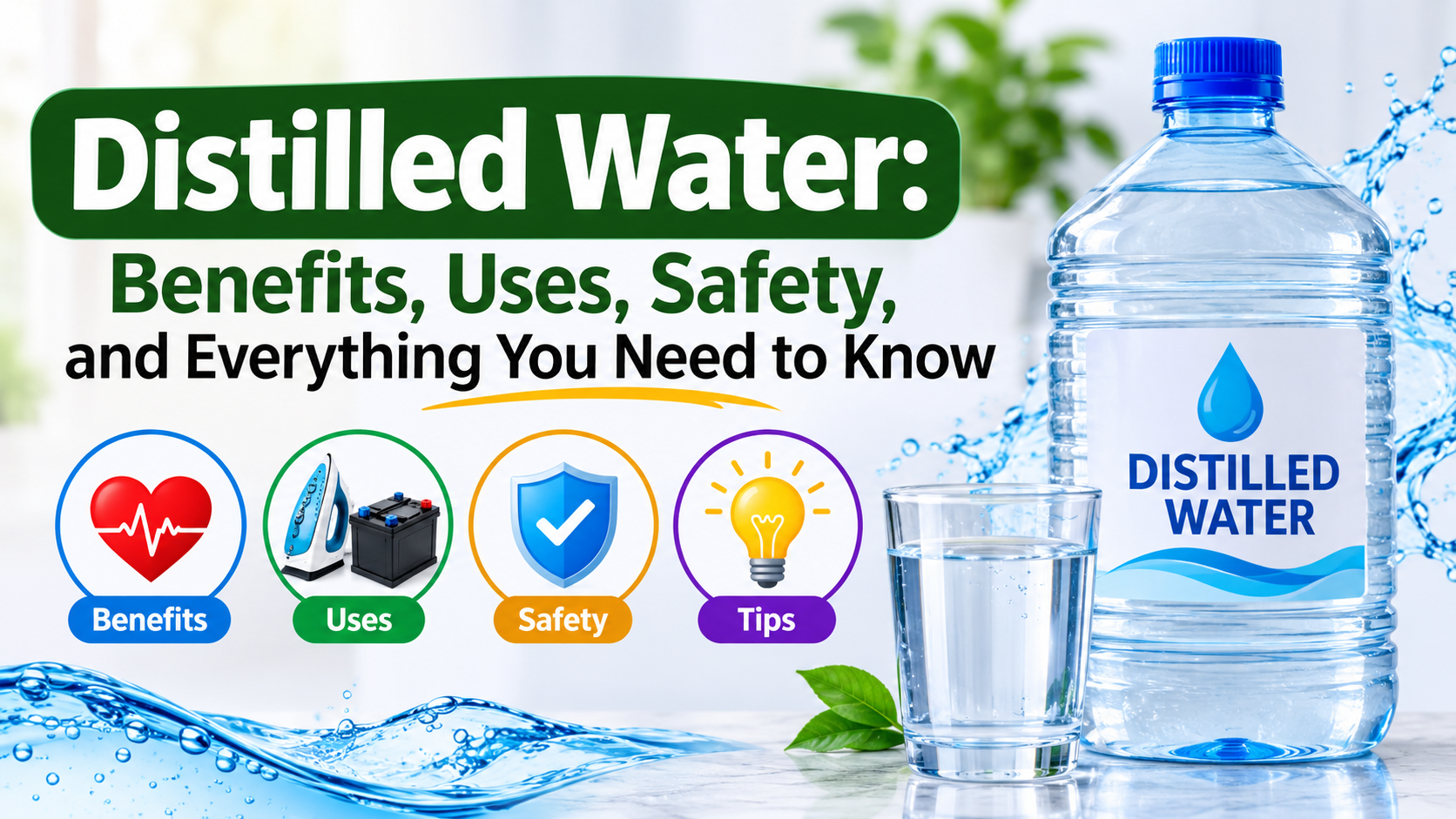
Distilled water is a type of purified water that has been processed to remove dissolved minerals, salts, impurities, and many other contaminants. It is commonly used in laboratories, medical equipment, household appliances, and certain industrial applications. Many people also consider it for drinking because of its high level of purity.
In Pakistan, where water quality can vary between cities and even neighborhoods, understanding different types of purified water is important. Whether you want to use it for household purposes, personal care, or drinking, knowing how it is produced and when it is suitable can help you make an informed decision.
This guide explains how distilled water is made, its potential advantages, common uses, safety considerations, and how it compares with regular drinking water.
What Is Distilled Water?
Distilled water is water that has undergone a purification process called distillation. During this process, water is heated until it turns into steam. The steam is then collected and cooled, turning it back into liquid water.
Most dissolved minerals, salts, and many non-volatile impurities remain behind in the original container. The collected water is therefore much lower in dissolved solids than ordinary tap water.
However, distillation does not automatically remove every possible contaminant. Certain volatile chemicals may evaporate with water and require additional treatment. Proper equipment and quality testing are important for producing safe, high-quality water.
How Is Distilled Water Made?
The distillation process involves several simple steps:
- Heating: Water is heated in a suitable container until it boils.
- Evaporation: The boiling water changes into steam, leaving behind many minerals and dissolved solids.
- Condensation: The steam passes through a cooling system, where it returns to liquid form.
- Collection: The condensed water is collected in a clean container.
- Storage: The finished water is stored in a sealed, food-grade container to prevent contamination.
Commercial distillation systems may include additional filtration and purification stages to improve water quality.
Distilled Water Benefits
Distilled water offers several practical advantages because of its low mineral content and purification process.
1. Removes Many Dissolved Minerals
One of the main advantages is that distillation removes most dissolved minerals, including calcium and magnesium. This makes it useful in situations where mineral deposits can cause problems.
For example, using mineral-rich water in appliances can lead to limescale buildup. Distilled water helps reduce this issue.
2. Reduces Mineral Deposits in Appliances
Household appliances such as steam irons, humidifiers, and certain cleaning machines can develop mineral deposits over time.
Using distilled water in appliances that recommend it can help:
- Reduce limescale formation.
- Prevent mineral buildup.
- Maintain appliance performance.
- Reduce the need for frequent descaling.
- Extend the useful life of certain equipment.
Always follow the manufacturer’s instructions before choosing the water type.
3. Useful for Laboratory Applications
Laboratories often require water with very low mineral content because dissolved substances can interfere with experiments.
Distilled water is commonly used for preparing solutions, rinsing laboratory equipment, and conducting procedures where ordinary tap water may introduce unwanted minerals.
However, highly sensitive experiments may require ultrapure water rather than standard distilled water.
4. Suitable for Certain Medical Equipment
Some medical and healthcare devices require purified or distilled water for specific functions.
For example, certain humidification systems and medical equipment may specify distilled water to minimize mineral deposits.
It is important to follow the manufacturer’s guidelines because not every medical device uses the same water requirements.
5. Helps Prevent White Mineral Residue
Hard water can leave white mineral marks on surfaces, particularly around humidifiers, steam appliances, and water containers.
Distilled water contains very low levels of dissolved minerals, making it useful for reducing these deposits.
6. Provides a Consistent Water Composition
Unlike untreated tap water, which may contain varying levels of minerals depending on its source, distilled water has a more consistent mineral composition.
This characteristic makes it valuable for scientific, technical, and household applications where mineral content needs to be controlled.
Is Distilled Water Safe to Drink?
Yes, properly produced and stored distilled water is generally safe for healthy adults to drink.
The distillation process removes many minerals and impurities, but it also removes naturally occurring electrolytes such as calcium and magnesium.
For people who eat a balanced diet, drinking distilled water occasionally or regularly is not generally considered harmful. Most essential minerals come from food rather than drinking water.
However, distilled water does not provide the same mineral contribution as some natural mineral waters.
For everyday hydration, safe drinking water that meets local quality standards is usually a practical choice. You do not need to drink distilled water to stay healthy.
Potential Disadvantages of Distilled Water
Despite its advantages, distilled water also has some limitations.
1. Lacks Naturally Occurring Minerals
Distillation removes most dissolved minerals, including calcium and magnesium. Although these minerals are available through food, people who rely on mineral-rich drinking water may prefer water that retains some natural mineral content.
2. Has a Different Taste
Many people describe distilled water as having a flat or neutral taste compared with mineral water.
This difference occurs because dissolved minerals contribute to the taste of ordinary drinking water.
3. Requires Special Equipment
Producing distilled water requires a distillation machine or suitable commercial processing equipment.
This can make it more expensive and time-consuming than using other water purification methods.
4. Requires Proper Storage
Even highly purified water can become contaminated if stored in unclean containers.
Use clean, food-grade, tightly sealed bottles and avoid touching the inside of storage containers.
5. Not Always Necessary for Everyday Drinking
If your household already has access to safe drinking water, switching entirely to distilled water may not offer additional health benefits.
The best choice depends on water quality, personal needs, and intended use.
Common Uses of Distilled Water
Distilled water has several applications in homes, businesses, healthcare facilities, and industries.
Household Uses
- Steam irons: Helps reduce mineral buildup in compatible appliances.
- Humidifiers: Reduces white mineral dust in models that recommend distilled water.
- Cleaning: Useful for cleaning glass and surfaces where mineral spots are undesirable.
- Aquariums: Can be used as part of a properly prepared water system, but should not be added directly without adjusting minerals and water parameters.
Personal Care Uses
Distilled water is sometimes used in cosmetic manufacturing and DIY formulations.
It can be useful as a low-mineral ingredient in certain skincare preparations. However, water-based cosmetics require appropriate preservation to prevent microbial growth.
It should not be assumed that homemade skincare products are safe simply because distilled water was used.
Industrial and Commercial Uses
Industries use distilled water in applications where mineral deposits or dissolved substances may affect equipment or product quality.
Common examples include:
- Pharmaceutical manufacturing.
- Laboratory testing.
- Battery maintenance where specified.
- Certain manufacturing processes.
- Equipment cleaning and rinsing.
Distilled Water vs. Regular Drinking Water
Understanding the differences between these water types can help you select the right option.
| Feature | Distilled Water | Regular Drinking Water |
|---|---|---|
| Production | Boiling and condensation | May come from treated municipal or natural sources |
| Mineral content | Very low | Varies by source |
| Taste | Neutral or flat | Depends on mineral content |
| Limescale | Minimal | Depends on hardness |
| Everyday drinking | Generally safe | Safe when properly treated |
| Common uses | Appliances and laboratories | Drinking and cooking |
Regular drinking water can be safe and nutritious when it meets appropriate quality standards. Distilled water is particularly useful when low mineral content is required.
Distilled Water in Pakistan: What Should You Know?
In Pakistan, drinking water quality is an important concern because groundwater and municipal supplies can contain different levels of dissolved minerals and other contaminants.
People living in Lahore, Karachi, Islamabad, and other cities may experience variations in water hardness and quality.
Before choosing distilled water for drinking, consider the following:
- Check the quality and source of the water.
- Purchase distilled water from a reliable supplier.
- Ensure the packaging is clean and properly sealed.
- Check whether the product is intended for drinking or technical purposes.
- Do not assume that water labelled distilled is automatically free from every contaminant.
Water intended for drinking should meet appropriate microbiological and chemical safety standards.
Frequently Asked Questions
1. Can I Drink Distilled Water Every Day?
Yes, properly produced distilled water can generally be consumed daily by healthy adults. However, it is not necessary for everyone, and a balanced diet remains important for obtaining essential minerals.
2. Does Distilled Water Help With Kidney Health?
There is no strong scientific evidence that distilled water provides special kidney-cleansing benefits compared with other safe drinking water. Staying adequately hydrated is important for normal kidney function.
3. Is Distilled Water Better Than RO Water?
Not necessarily. Both methods reduce dissolved substances, but they work differently. Reverse osmosis uses a membrane to remove many contaminants, while distillation separates water through evaporation and condensation. The better option depends on water quality and intended use.
4. Can I Use Distilled Water on My Face?
Distilled water can be used for rinsing or as an ingredient in certain skincare preparations. However, it does not independently treat acne, pigmentation, or other skin conditions.
5. Does Distilled Water Expire?
Pure water itself does not have a typical expiration date, but its quality can change through contamination during storage. Always follow the manufacturer’s storage instructions and check the packaging.
6. Is Distilled Water the Same as Boiled Water?
No. Boiling kills many disease-causing microorganisms when done correctly, but it does not remove most dissolved minerals, salts, or chemical contaminants. Distillation involves collecting and condensing the steam to separate water from many impurities.
Final Thoughts
Distilled water is a useful option for applications that require water with very low mineral content. From reducing limescale in household appliances to supporting laboratory and industrial processes, it offers several practical advantages.
For drinking, properly produced distilled water is generally safe, but it is not automatically healthier than other safe drinking water. Mineral-rich drinking water can also contribute small amounts of essential nutrients.
Whether you choose distilled, filtered, reverse osmosis, or mineral water, the most important consideration is ensuring that your water is clean, safe, and suitable for its intended purpose.


The Growing Popularity of Celebrity-Inspired Streetwear
Streetwear has become an important part of modern men’s fashion, combining comfortable clothing with distinctive designs. From oversized hoodies and relaxed denim to padded jackets and sporty footwear, today’s streetwear offers plenty of ways to express personal style. In the United States, winter outfits often focus on practical layering that looks fashionable without feeling too formal.
Celebrity-inspired clothing also plays a role in shaping everyday fashion choices. Outfits seen in television series, films, and public appearances give fashion enthusiasts new ideas for combining familiar wardrobe pieces. Puffer jackets are particularly popular because they offer a recognizable silhouette that works with many casual outfits.
What Makes the Eddie Harrigan Puffer Jacket Stand Out?
The Eddie Harrigan Mobland 2026 Puffer Jacket reflects the modern padded outerwear style seen in the second season of MobLand. Eddie Harrigan, played by Anson Boon, wears an insulated puffer jacket in Season 2, Episode 4. The outfit has been identified as an and wander Ripstop Allied Loftech Insulation Puffer Jacket.
Shop Your TV+1
This style is appealing because it combines a relaxed outdoor look with contemporary streetwear. Puffer jackets have become a recognizable part of winter clothing, especially for people who prefer comfortable outerwear with a distinctive appearance.
Easy Ways to Combine Puffer Jackets with Streetwear
A puffer jacket can work with several everyday clothing combinations. Here are a few outfit ideas:
Casual Everyday Look: Wear your jacket with a basic T-shirt, slim-fit jeans, and sneakers for a simple outfit.
Urban Streetwear: Combine it with cargo pants, a hoodie, and chunky sneakers for a relaxed streetwear appearance.
Winter Layering: Add a knitted sweater underneath and finish the outfit with dark denim and boots.
Minimalist Style: Choose neutral-colored clothing and simple footwear to keep the attention on your outerwear.
Why Television-Inspired Jackets Make Interesting Fashion Choices
Television-inspired clothing allows fans to bring elements of their favorite characters’ wardrobes into everyday fashion. Instead of copying an entire outfit, people can select one recognizable piece and style it according to their preferences.
MobLand offers several examples of character-driven fashion, from Eddie Harrigan’s casual jackets to the more refined outerwear worn by other characters. This makes the series an interesting source of inspiration for people who enjoy contemporary screen fashion.
Final Thoughts
Modern streetwear is all about finding the right balance between comfort and personal style. Puffer jackets make that easier by offering practical layering and a distinctive winter appearance. The Eddie Harrigan Mobland 2026 Puffer Jacket is a fitting choice for fans of MobLand and anyone interested in recreating the character’s contemporary outerwear style.


A home renovation in Dubai is rarely just a design project. It involves community approvals, MEP (mechanical, electrical and plumbing) work behind the walls, imported materials with real lead times, and several trades who must work in the right order. When those pieces are managed separately, budgets drift and schedules slip. This guide walks through how a well-run home renovation in Dubai works, from first idea to handover, so you can plan with confidence.
It is written from the point of view of a residential design-build team. Mignon handles design, permits, materials and construction under one contract, so the advice below reflects how projects are actually delivered on site.
What counts as a home renovation?
Home renovation covers everything from a refresh of finishes to a full strip-back and rebuild. Most Dubai projects fall into one of four groups:
- Cosmetic refresh: paint, flooring, lighting and some joinery, with no change to layout or services.
- Room-focused renovation: a kitchen or bathroom rebuilt with new layouts, waterproofing, fixtures and finishes.
- Full home renovation: layout changes, new MEP, ceilings, flooring, joinery and finishes across the whole home, whether an apartment or a villa.
- Custom home renovations: a complete redesign, often with structural openings, extensions or outdoor and landscape work, built around how your family lives.
Step 1: Define the scope before you ask for prices
The most common reason quotes differ wildly is that each contractor is pricing a different job. Before you contact anyone, write down what must change, what can stay, and what you want the finished home to feel like. Photograph every room. Note existing problems such as leaks, weak water pressure, tripping circuits or cooling that struggles in summer, because these affect scope.
A good renovation company will challenge your list during a site visit. They will check the structure, existing MEP systems and any load-bearing walls before promising a layout. That visit is where realistic scope is set.
Step 2: Set a budget that includes the unglamorous items
Visible finishes get the attention, but a large share of the budget often sits behind the surface: demolition, waterproofing, levelling, electrical and plumbing upgrades, and authority fees. Build your budget in layers:
- Design and drawings
- Approvals, NOCs and authority fees
- Demolition and civil work
- MEP changes
- Materials and fixtures
- Joinery and specialist trades
- A contingency, typically 10–15% for older properties
To get a starting figure, use the Mignon cost calculator, then validate it with a site visit. For a deeper breakdown, read our guide to home renovation cost per square foot in Dubai.
Read more here
Step 3: Understand approvals and community rules
Most Dubai communities require a No Objection Certificate (NOC) from the master developer or community management before work starts, and some work needs drawings submitted to the relevant authority, such as Dubai Municipality or Trakhees, depending on location. Requirements vary by community and by scope, so confirm them early rather than assuming. A renovation company that coordinates this for you removes one of the biggest sources of delay.
Editor’s note: Rules differ between communities and change over time. Ask the client’s community management for current requirements before publishing any location-specific claims.
Step 4: Design and coordinate with the technical work
Good design is drawn with the services in mind. Lighting positions, cooling outlets, drainage falls, sockets and smart-home wiring should be resolved on paper before demolition begins. This is why design-build firms tend to produce fewer surprises: the designer and the site team are working from the same plan.
Material selection belongs here too. Tiles, stone, timber, fixtures and appliances should be chosen early because lead times for imported items can set your programme. Our design and fit-out services cover this stage in detail.
Step 5: Build in the right order
A sensible sequence avoids rework: demolition, structural changes, MEP first-fix, waterproofing and screed, walls and ceilings, then finishes, joinery and final fixtures. Ask your contractor for a written schedule and for regular progress updates with photos. If your team cannot show you where the project stands each week, treat that as a warning sign.
Step 6: Snagging and handover
Before you move back in, walk through every room with a snagging list. Check tile alignment, paint finish, door and drawer operation, lighting scenes, water flow and drainage. Items should be resolved before handover, not after. Ask for warranty details and maintenance guidance for stone, timber and appliances.
How to choose among home renovation companies in Dubai
When comparing home renovation companies in Dubai, look beyond the portfolio photography:
- Ask who actually runs your site day to day, and whether that is an employee or a subcontractor.
- Request an itemised scope and budget rather than a single lump sum.
- Check that design, permits and construction sit under one contract.
- Ask to see completed projects similar to yours, such as this Palm Jumeirah project.
- Read recent client reviews that mention communication and finishing quality, not only the final look.
We cover this in more depth in our guide to choosing a home renovation contractor in Dubai.
Frequently asked questions
How long does a home renovation take in Dubai?
It depends on size, scope and approvals. A single room can take weeks; a full villa takes several months. A reputable team gives you a written schedule after the site assessment and design are finalised.
Can I live in the house during renovation?
For small scopes, sometimes. For full renovations with dust, noise and water or power shutdowns, most families move out temporarily. Discuss this before the programme is fixed.
Should I hire a designer and a contractor separately?
You can, but responsibility becomes split. A design-build team keeps design intent, pricing and site work aligned, which is especially useful on complex homes.
Ready to plan your renovation?
If you are planning a home renovation in Dubai, share your location, scope and budget range with the Mignon team through the contact page. We will confirm whether we are the right fit and outline the next step.

Pakistani Clothes Online UK for Timeless Style and Elegance

Prepare High-Quality Reports with Professional KA02 Assessment Help

The Best Ways to Store Holiday Decorations and Seasonal Household Items

Fracture Doctor Ambikapur for Fracture Evaluation and Care

Best Liver Transplant Hospital in Noida for Liver Care

Rani No Hajiro in Ahmedabad: A Complete Guide to History, Shopping & Hidden Secrets

How to Get Promoted Faster at Work: Smart Career Growth Tips

Dublin City University: Everything You Need to Know Before Applying in 2026

Digital Marketing for Beginners: Step-by-Step Guide to Start and Succeed in 2026








