
Business
10 Mind-Blowing Ways AI Robotic in Pakistan Will Transform Daily Life by 2027

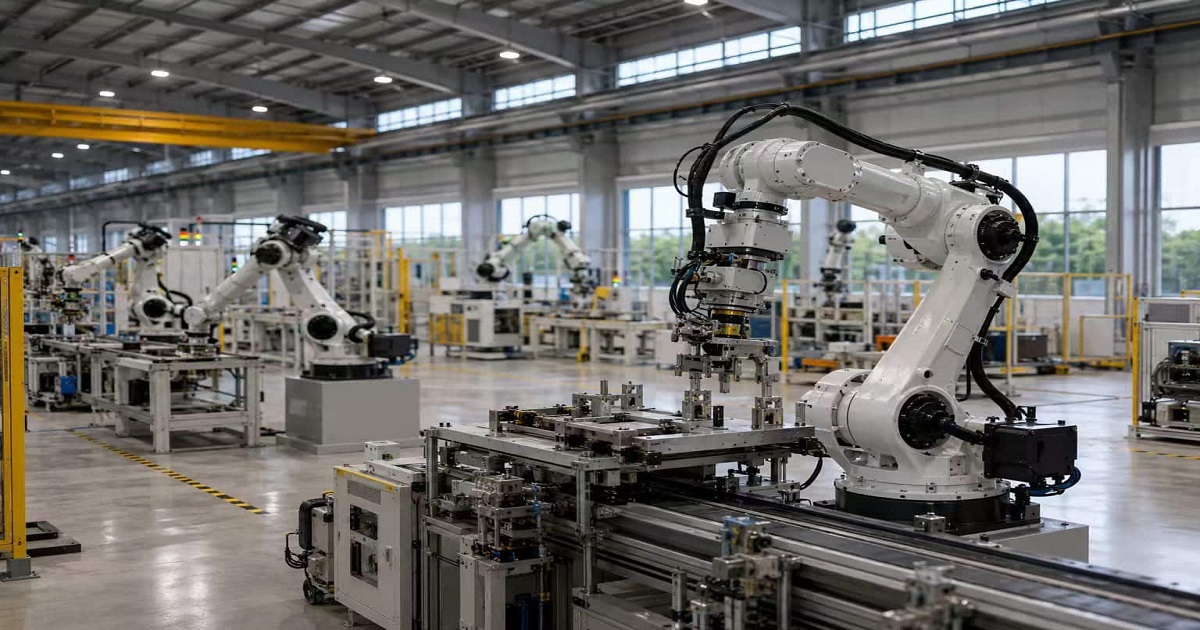
Picture a Karachi morning in 2027. Your delivery arrives by an autonomous rover, a robot arm sorts parcels in a Lahore warehouse, and a farmer near Multan checks crop health through a drone scan on his phone. None of this is science fiction anymore. AI Robotic in Pakistan is moving from conference slides into factories, fields, hospitals, and homes.
The country has a young population, a fast-growing freelance and IT sector, and rising pressure to do more with limited resources. AI Robotic in Pakistan fits that reality well. Companies like Alpine Industrial Con are already helping businesses understand where automation makes practical sense. Here are ten ways intelligent machines will change everyday life in Pakistan by 2027.
1. Smarter Farming for Pakistan’s Growers
Agriculture employs a huge share of our workforce, yet farmers still battle water shortages, pests, and unpredictable weather. Machine-learning drones and field robots can now scan crops, spot disease early, and apply fertiliser only where it’s needed.
Practical example
A wheat farmer in Punjab could use a drone to map dry patches, then irrigate only those zones. This reduces water use and cuts input costs.
Tip for farmers
Start small. Rent a drone service for one season before buying equipment, and compare yields against your usual method.
2. Factory Floors That Run Faster and Safer
Textile, leather, and surgical goods are the backbone of our exports. Robotic arms with vision systems can stitch, inspect, and pack with fewer errors than manual-only lines.
Why it matters
Export buyers demand consistent quality. Automated inspection catches defects a tired human eye might miss at hour nine of a shift.
Insight
Automation works best alongside workers, not instead of them. Staff move into supervision, maintenance, and quality roles that pay better.
3. Robotic Healthcare Assistance
Pakistan has far fewer doctors per citizen than it needs. Intelligent diagnostic tools can already read X-rays and flag suspicious scans for a specialist to review. Service robots can carry supplies, disinfect wards, and monitor vitals in busy hospitals.
What changes for patients
Rural clinics could connect to city specialists through robot-assisted telemedicine carts, reducing long and costly journeys to Lahore, Islamabad, or Karachi.
4. Automated Logistics and Last-Mile Delivery
Online shopping keeps growing, and so do delivery headaches. Warehouse robots that pick, sort, and route parcels shorten dispatch times. Autonomous delivery vehicles may begin pilot runs in planned communities and campuses first.
Tip for small sellers
If you run an online store, ask your courier whether they use barcode-scanning automation. Faster sorting means fewer lost parcels and happier buyers.
5. Intelligent Home Helpers
Robot vacuums are only the beginning. Voice-controlled assistants that understand Urdu and Punjabi commands are becoming realistic, and they will manage lighting, security cameras, and appliances.
Real-life benefit
With frequent load-shedding, smart home systems can prioritise essential devices when power is limited, saving both electricity and money.
6. Smarter Education and Skill-Building
Robotics kits and coding labs are appearing in schools and universities. Students who learn by building a line-following robot understand maths and logic far better than those memorising formulas.
Insight
Parents can start at home with low-cost Arduino kits. A 12-year-old who builds a simple sensor project today may be solving real industrial problems by 2030.
7. Safer Cities and Better Traffic Flow
Karachi, Lahore, and Rawalpindi suffer from congestion and road accidents. Camera-based systems that read traffic patterns can adjust signals in real time. Robotic inspection units can also check bridges, pipelines, and power lines that are dangerous for humans to climb.
Why it matters
Fewer hours stuck in traffic means lower fuel costs and less stress, a real quality-of-life gain.
8. Construction and Infrastructure Upgrades
Construction in Pakistan is still labour-heavy. Robotic surveying tools, bricklaying prototypes, and 3D-printing methods are beginning to appear worldwide, and local firms are watching closely.
Practical angle
Even before full robotic construction arrives, drones for site surveys and automated measurement tools can save weeks on project timelines. Engineering partners such as Alpine Industrial Con help firms assess which technologies are worth adopting first.
9. Customer Service That Never Sleeps
Banks, telecom companies, and e-commerce platforms are adopting chatbots and voice agents that handle routine questions around the clock. Physical service robots may also greet customers in malls, hotels, and bank branches.
Tip for business owners
Automate the repetitive 20 percent of queries first, such as order status or opening hours, and keep humans for complaints and sensitive issues.
10. New Jobs, New Income Streams
Fear of job loss is understandable, but history shows technology creates new roles as it removes old ones. Robot technicians, automation programmers, drone operators, and data annotators are all emerging careers.
How to prepare
Learn basics of Python, electronics, or PLC programming. Online courses and technical institutes offer affordable paths, and freelancers can serve international clients from home.
Challenges We Must Solve
Honest progress requires facing obstacles:
- Cost of equipment: Imported machines are expensive, especially with currency fluctuations.
- Skills gap: We need more trained technicians and engineers.
- Power reliability: Robots need stable electricity, so backup solutions matter.
- Policy support: Clear regulations and incentives would help startups and manufacturers invest confidently.
Solving these requires cooperation among universities, industry, and government.
Key Insights and Practical Tips
- Start with a problem, not a gadget. Identify your biggest bottleneck, then ask whether automation solves it.
- Pilot before scaling. Test one machine or one process for three months.
- Invest in people. Train your team alongside any new technology.
- Choose local support. Make sure maintenance and spare parts are available in Pakistan.
- Track results. Measure time saved, errors reduced, and cost per unit.
- Stay informed. Following developments in AI Robotic in Pakistan helps you spot opportunities before competitors do.
By 2027, intelligent machines will be woven into ordinary routines across farms, factories, hospitals, roads, and homes. The change will not arrive overnight, and it will not be evenly distributed, but the direction is clear. Businesses and individuals who prepare now will gain the most. The rise of AI Robotic in Pakistan is a chance to boost productivity, create skilled jobs, and improve daily life for millions.
The smartest first step is a small, practical one: identify one task in your work or home that automation could improve, and explore it. If you need guidance on where to begin, Alpine Industrial Con can help you evaluate options with a realistic, Pakistan-focused approach.
FAQs
1. Will robots take away jobs in Pakistan?
Some repetitive tasks will be automated, but new roles in maintenance, programming, and supervision will also appear. Reskilling is the best protection.
2. Which industries will benefit first?
Textiles, agriculture, logistics, and healthcare are likely early adopters because they have clear efficiency and quality gains.
3. Is robotic technology affordable for small businesses?
Full automation can be costly, but entry-level options like drones, barcode systems, and chatbots are accessible. Start small and scale as returns appear.
4. What skills should students learn to prepare?
Programming (especially Python), basic electronics, data analysis, and mechatronics are valuable. Hands-on projects count as much as certificates.
5. How can a company start adopting automation?
Map your workflows, pick one costly or error-prone process, run a pilot, and measure results. Working with an experienced partner like Alpine Industrial Con can reduce costly mistakes.



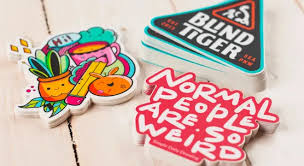
Die-Cut Stickers are cut along the exact outline of a design so the sticker looks clean and sharp on any surface. Unlike normal square or round stickers, they do not have extra empty space around the artwork. This makes them a smart choice for logos and product labels. A small business can use them on packages, while a large brand can use them on bottles and boxes. They also work well for personal projects because any shape can be turned into a sticker. The best part is that the final piece looks neat and feels special.
Shape That Matches Artwork
A die-cut sticker follows the border of the artwork instead of sitting inside a fixed shape. This means a flower can be cut like a flower and a mascot can be cut like a mascot. The cutting machine moves around the design with care so small curves and sharp corners stay clear. This method is different from kiss cut stickers because the cut goes through the backing paper too. The sticker comes out as one separate piece and is ready to peel. Many printers use this method for logos because it keeps the design looking tidy.
Custom Shapes for Every Need
Custom die-cut stickers give people full control over size and shape. A design can be made small for a pen or large for a laptop. The artwork can include a name, a simple icon, or a full drawing. The printer checks the outline before cutting, so the final shape matches the file. This is helpful for shops that want stickers to match their product style. It also helps event planners who need stickers for gifts or badges. Since the shape follows the art, the sticker feels more personal than a basic circle or square.
Logo Stickers for Brands
Custom die-cut stickers with logos are a simple way to make a brand mark stand out. The sticker is cut around the logo so there is no plain border around it. This makes the logo look bold on boxes, bottles, and laptops. A clear outline also helps people notice the brand faster. Many companies place these stickers on shipping packages so every order feels branded. The logo can be printed in full color or in one strong color depending on the brand style. A good proof before printing helps make sure the logo looks right.
Full Color Printing Options
Printed die-cut stickers can carry bright colors and fine details. Modern printing methods can handle photos, gradients, and small text with good clarity. The ink sits on the material, and then a protective layer can be added on top. This layer helps the colors stay fresh for longer. A glossy finish makes colors pop, while a matte finish gives a soft and calm look. Clear vinyl is another option for designs that need a modern feel. The right print choice depends on where the sticker will be used and how long it needs to last.
Personal Designs for Gifts
Personalized die-cut stickers are popular for gifted parties and small creative projects. A name or a date, or a favorite character can be turned into a sticker shape. People use them on notebooks, water bottles, and gift bags. They also work well for handmade products because each sticker can match the item. Since the shape follows the design, the sticker does not look plain or mass-produced. A simple drawing can become a fun keepsake. This makes personalized stickers a low-cost way to add charm to everyday items.
Materials and Finishes
The material decides how long a sticker will last. Vinyl is a common choice because it handles water and sunlight better than plain paper. Some vinyl options can resist scratches and stay strong outdoors for years. Paper options feel lighter and work well for indoor use. A matte laminate gives a smooth look while gloss laminate adds shine. Clear vinyl works well when the surface behind the sticker should show through. Choosing the right finish is important because it changes both the look and the life of the sticker.
Green Material Choices
Eco-friendly die-cut stickers are made for people who care about waste and materials. Some options use paper from plant fibers while others use compostable materials. These choices can still hold color well and cut into clean shapes. They suit brands that want to reduce plastic use without losing style. Eco materials may not always last as long as heavy vinyl outdoors, so the use should match the material. For dry indoor products and packaging, they can be a strong choice. Many printers now offer these options because more customers ask for them.
Bulk Orders and Quality
Die-cut sticker wholesale orders help businesses save money when they need large amounts. Buying in bulk lowers the cost per piece and keeps the design the same across every sticker. This is useful for online shops, event teams, and product brands. A custom die-cut stickers manufacturer can guide the buyer on material, size, and cutting style before production starts. Premium die-cut stickers often use thicker vinyl and stronger laminate for a better feel. These options cost more, but they last longer and look sharper. Custom die-cut stickers USA suppliers are often chosen by local brands that want faster shipping and easier communication.
Easy Ways to Use Them
These stickers can be used in more places than most people expect. A bakery can place one on a pastry box. A clothing brand can add one inside a shirt package. A coffee shop can use them on cups or loyalty cards. Schools and sports teams can use them on helmets and water bottles. Artists can sell them as small products of their own. Because the shape follows the design, the sticker fits the item instead of looking like an extra label. This small detail makes the whole package feel more thought out.
Conclusion
Die-Cut Stickers remain a simple and effective way to turn any design into something people notice. They follow the shape of the artwork so logos and drawings look clean without extra space around them. They work for small personal projects and large business orders alike. The right material and finish can make them last longer and look better. Wholesale options help brands order in bulk, while eco-friendly choices support cleaner packaging. With so many shapes and sizes available, these stickers fit almost any need. For anyone who wants a neat and custom look, Die-Cut Stickers are a practical choice.
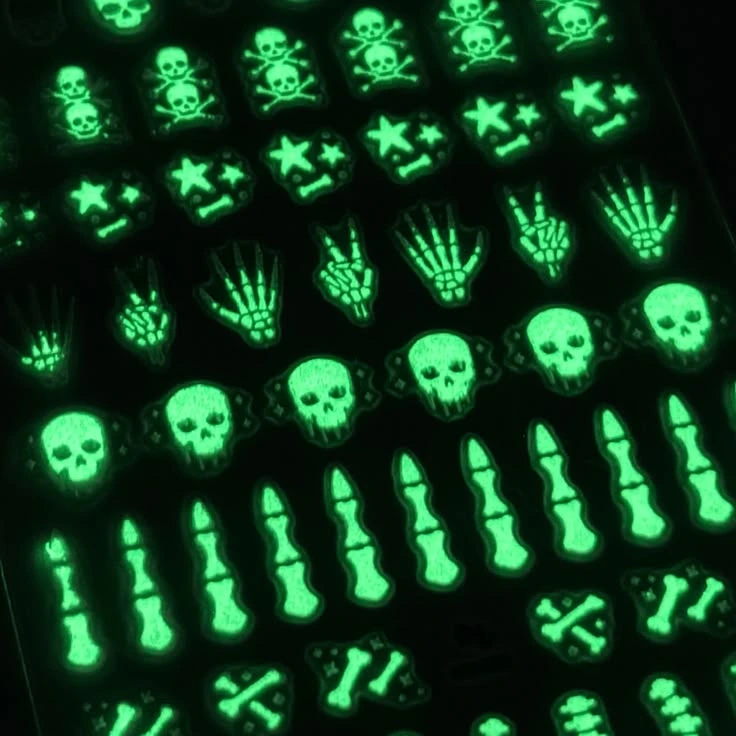
Glow-in-the-dark stickers are small pieces of fun that keep working after the lights go out. A child sticks one on a wall, and the room feels like a tiny night sky. A shop puts one on a package, and the brand stays in the mind. These stickers need no power and no wiring at all. They soak up light in the day and give it back at night. That simple swap is the whole trick behind them.
What Makes Them Glow
The glow starts with a special powder mixed right into the sticker material. That powder takes in light from a lamp or from the sun and holds it for a while. When the room turns dark, the powder lets that light back out again. The whole thing is safe, and it repeats for years with no fuss. Eco-friendly glow-in-the-dark stickers use a cleaner blend of that same powder so the item breaks down with less harm to the soil. The stronger the light source, the longer the piece keeps shining after dark.
Many Shapes To Pick
Stickers come in stars and moons and dots and animals and heaps more. A shop can pick a set of small shapes or one large piece for a wall. Some buyers want hearts for a nursery, and some want planets for a study room. The shape should fit the place where it will sit. A tiny shape gets lost on a big plain wall. A huge shape looks odd in a small space, so the size needs a little thought first.
Logos That Shine
A business often wants its own mark to shine at night. That is where glow-in-the-dark stickers with logo designs help a brand stand apart from the rest. The art team takes the company mark and fits it onto the sticker shape. Colors get picked so the mark still reads well in dim light. The mark should stay clear and simple because fine lines fade fast in the dark. A clean logo beats a busy one every single time.
Printing The Art
Printing lets a design move from a screen to a real glowing sheet. Printed glow-in-the-dark stickers can hold words and small art and photos with soft edges. The printer lays the ink over a glowing base so the picture shows in light and the shape glows in the dark. Good printing keeps colors sharp and lines clean. Cheap printing can smear or fade within weeks. It helps to see a sample first before a large run.
Made For One
Some buyers want a sticker that speaks to just one person. Personalized glow-in-the-dark stickers can carry a name or a date or a small private joke. These work well for a birthday, a wedding, or a team gift. The buyer sends the text, and the seller makes it up. Small runs are fine for this kind of work. The result feels special because no one else owns that same piece.
Buying In Bulk
A store or a school may need a large box of one design. Glow-in-the-dark stickers wholesale rates bring the price down for each piece in the box. The order goes to a factory, and the factory prints the full run. Bulk work takes more time, so it needs a plan. The buyer should check the material and the glow time before a huge order. A test batch helps avoid a costly mistake later on.
Caring For Them
A sticker lasts longer when it gets a little care. It should go on a smooth and clean surface with no dust or grease. Rough walls make the glue fail fast. Water and heat can harm the glow layer over time. A person can wipe the sticker with a soft cloth when it looks dull. Stickers kept away from direct sun tend to hold their glow much longer.
Where They Work
These stickers fit many places and many uses. A bedroom wall becomes a calm night scene. A stair rail gets a soft guide for dark hours. A shop uses them on bags, boxes, and signs. A school uses them to mark a path in a hall. Kids love them on laptops, bikes, and doors. A plain item turns into something playful with one small glowing piece.
Conclusion
Glow-in-the-dark stickers are a simple way to add light and joy without a wire or a plug. A person can pick a shape for a child or a mark for a shop. The glow lasts for years when the sticker is placed with care. Buyers can start with one piece and grow from there. A small glowing shape can change how a room or a product feels at night. That is the quiet magic of glow-in-the-dark stickers.
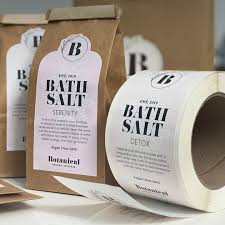
Product labels are a typical element of daily packaging. Individuals notice them on food products, containers, packages, jars, and numerous other items. They assist in conveying crucial information straightforwardly and effortlessly. A label can display product names, components, directions, or other helpful details. Without tags, numerous items would be more difficult to recognize. Companies of all scales utilize them as they aid in maintaining items orderly and comprehensible. Certain labels prioritize information, whereas others incorporate visual attractiveness as well. Regardless of the reason, they continue to be a vital component of packaging. This article examines various types of Product Labels and their role in helping products differentiate themselves while remaining organized.
Design Choices
whereas others need more intricate designs. Custom Product Labels often assist in crafting a design that aligns with the product it represents. A label may feature colors, shapes, and details that complement the packaging while avoiding a cluttered appearance. Minor design decisions frequently enhance a product’s recognizability. A label that suits the product properly results in a neater and more structured look for consumers.
Brand Display
Many businesses want packaging that customers can recognize quickly. For this reason, Custom Product Labels with logos are often used to place a brand mark directly on the product. A logo helps create familiarity over time and makes products easier to identify on shelves. It does not need to be large or complex. Even a simple logo can help customers remember a product. Clear placement allows important information and branding to work together without creating confusion.
Print Quality
A label should be easy to read from the moment someone picks up a product. Good printing helps make information clear and organized. Many businesses use printed Product Labels because they allow text and images to appear sharp and consistent. Product names, instructions, and details become easier to understand when printing is clean. A well-printed label can improve the overall appearance of packaging and help customers find the information they need more quickly.
Personal Touch
Some products are designed for special occasions or individual customers. In these situations, personalized product labels help add names, messages, or unique details to packaging. Small businesses often use this approach for gifts, events, and limited products. Personal details can make packaging feel more thoughtful and unique. A simple adjustment to a label design often creates a stronger connection between the product and the person receiving it.
Bulk Supply
Businesses that package products every day often need a steady supply of labels. Many choose product labels wholesale options because larger quantities help support ongoing operations. Having enough labels available prevents delays and keeps packaging work moving smoothly. This is especially useful for businesses that handle many products each week. A reliable supply helps reduce interruptions and makes it easier to manage inventory and packaging tasks throughout the year.
Green Friendly Options
More businesses now pay attention to the materials used in packaging. Because of this, many choose eco-friendly Product Labels as part of their efforts to reduce waste. These labels are designed to work like traditional labels while supporting more responsible material choices. Customers often notice when businesses make simple environmental improvements. Small changes in packaging materials can become part of a broader effort to create more sustainable products and packaging systems.
Manufacturing Support
Producing labels requires planning and attention to detail. Many businesses work closely with a Custom Product Labels manufacturer to create labels that match their packaging needs. Manufacturers help determine materials, sizes, and printing methods based on the intended use. This process ensures labels fit products properly and remain readable during handling and storage. Good manufacturing support helps businesses maintain consistency across different product lines and packaging styles.
Premium Appearance
Some products require packaging that feels a little more refined. In these cases, Remium Product Labels can help create a cleaner and more polished presentation. Better materials and printing methods often improve how a label looks and feels. While the information remains the same, the overall appearance can become more appealing. A well-designed premium label helps products maintain a neat and professional look without becoming overly complicated.
Regional Production
Many businesses prefer working with suppliers located closer to their markets. For this reason, Custom Product Labels USA services are often selected by companies that want local production options. Local manufacturing can make communication easier and help businesses manage timelines more effectively. It also allows companies to work more closely with suppliers during the design and production process. This creates a smoother experience when developing labels for different products.
Conclusion
Product Labels play an important role in modern packaging. They help people identify products and understand important details quickly. Different label styles support different needs, from branding and organization to product information and presentation. Whether simple or detailed, labels help create a better experience for both businesses and customers. Good labels make products easier to manage and easier to recognize. In the end, Product Labels remain one of the most practical tools for keeping packaging clear, organized, and useful in everyday situations.

Australia Visit Visa from Pakistan: Requirements, Documents, Application Process and Tips

Elevate Your Brand With Custom Greaseproof Paper

The Complete Guide to Custom Parchment Paper

Why Custom Kraft Paper Wins Modern Packaging Hearts

From Followers to Friends: Building Genuine Connections on Instagram

Rani No Hajiro in Ahmedabad: A Complete Guide to History, Shopping & Hidden Secrets

Digital Marketing for Beginners: Step-by-Step Guide to Start and Succeed in 2026

How to Get Promoted Faster at Work: Smart Career Growth Tips

Dublin City University: Everything You Need to Know Before Applying in 2026








