Fashion
Cashmere Sweater Buying Guide What to Check Before You Buy


A cashmere sweater is often viewed as one of the most luxurious and versatile pieces a person can add to their wardrobe. Known for its exceptional softness, lightweight warmth, and timeless appeal, cashmere has remained a favorite among fashion enthusiasts for generations. However, not every cashmere sweater offers the same level of quality, comfort, or value. With so many options available online and in stores, shoppers can easily feel overwhelmed when trying to determine which sweater is worth the investment.
The truth is that buying cashmere requires more than simply reading the label or choosing the most expensive option. Several factors influence the quality and longevity of a sweater, including fiber composition, construction, fit, weight, craftsmanship, and overall design. Understanding these elements can help consumers make smarter purchasing decisions and avoid common mistakes. Whether you are buying your first cashmere sweater or adding another piece to an existing collection, this guide will help you identify what truly matters before making a purchase. For anyone considering Luxury Cashmere Sweaters, knowing how to evaluate quality can make the difference between a sweater that lasts for years and one that disappoints after only a few wears.
Understand What Cashmere Really Is
Before evaluating a sweater, it helps to understand what makes cashmere different from other knitwear materials. Cashmere comes from the fine undercoat of cashmere goats. These fibers are prized because they are significantly softer and lighter than many traditional wool fibers while still providing impressive insulation.
The unique structure of cashmere fibers allows them to trap warmth efficiently without creating excessive bulk. This is one reason cashmere sweaters feel comfortable in a variety of climates and situations. Unlike heavier winter garments, cashmere provides warmth while maintaining an elegant and lightweight feel.
When shopping for Luxury Cashmere Sweaters, remember that cashmere itself is a premium material, but the quality of that material can vary considerably. Not all cashmere fibers are equal, and understanding this distinction is an important first step.
Always Check the Fiber Content Label
One of the most important things to examine before purchasing a cashmere sweater is the fiber content label. This label provides valuable information about what materials are actually used in the garment.
A sweater labeled as 100 percent cashmere contains only cashmere fibers according to applicable textile labeling standards. Other products may be labeled as cashmere blends, meaning cashmere has been combined with fibers such as wool, cotton, silk, or synthetic materials.
Neither option is automatically better or worse. The right choice depends on your preferences and intended use. However, understanding the composition helps ensure you know exactly what you are paying for. High-quality Luxury Cashmere Sweaters should always provide clear and transparent labeling.
Pay Attention to Fiber Quality
The quality of cashmere fibers plays a major role in determining how a sweater feels and performs over time. Factors such as fiber length and fineness influence softness, durability, and overall appearance.
Longer fibers generally contribute to stronger yarn construction and a smoother surface. Shorter fibers can sometimes lead to increased pilling and a less refined appearance after repeated wear. While shoppers may not always have access to detailed fiber specifications, reputable brands often provide information about the quality of their materials.
When comparing Luxury Cashmere Sweaters, look for brands that emphasize craftsmanship and material sourcing rather than relying solely on marketing language. Transparency often indicates greater confidence in product quality.
Evaluate the Softness Carefully
Many people judge cashmere primarily by touch. While softness is certainly important, it should not be the only factor influencing your decision.
A quality cashmere sweater should feel smooth, comfortable, and pleasant against the skin. However, some garments are treated during manufacturing to create an unusually soft initial feel that may not accurately reflect long-term performance.
Instead of focusing only on immediate softness, consider the overall balance of the fabric. Premium Luxury Cashmere Sweaters often feel naturally soft while maintaining structure and durability. A sweater that feels overly delicate or unusually slippery may not always provide the best long-term value.
Examine the Knit Construction
Construction quality can reveal a great deal about a sweater’s overall standard. Carefully inspect the knitting, seams, neckline, cuffs, and hem.
A well-made sweater should have consistent stitching throughout. The knit should appear even without loose threads or irregular sections. Seams should be clean and secure, and the garment should hold its shape without appearing distorted.
High-quality Luxury Cashmere Sweaters often demonstrate excellent attention to detail in these areas. While construction may not be as immediately noticeable as softness, it significantly affects comfort, appearance, and durability over time.
Consider the Weight of the Sweater
Cashmere sweaters are available in a wide range of weights. Some are designed to be lightweight layering pieces, while others provide substantial warmth for colder weather.
Lightweight cashmere works well for travel, office environments, and transitional seasons. Heavier cashmere sweaters often provide additional insulation and a more substantial feel.
Neither option is inherently superior. The best choice depends on your climate, lifestyle, and wardrobe needs. Many consumers find value in owning multiple Luxury Cashmere Sweaters in different weights to accommodate various seasons and occasions.
Understand the Importance of Fit
Even the finest cashmere cannot compensate for poor fit. A sweater should feel comfortable while complementing your body shape and personal style.
Pay attention to shoulder placement, sleeve length, body length, and overall proportions. The shoulders should sit naturally, sleeves should not feel restrictive, and the body should provide sufficient movement without appearing oversized.
Different sweater styles offer different fits. Crewnecks tend to provide a classic appearance, V necks offer layering flexibility, and turtlenecks create a more sophisticated look. Selecting the right fit is just as important as selecting the right material.
For shoppers investing in Luxury Cashmere Sweaters, fit often has a greater impact on satisfaction than any other single factor.
Check for Shape Retention Features
One common concern among cashmere buyers is whether a sweater will maintain its shape over time. Shape retention depends on several factors, including fiber quality, yarn construction, and garment design.
Examine the cuffs, neckline, and hem. These areas should feel resilient rather than excessively loose. Quality construction helps prevent stretching and distortion after repeated wear.
A sweater that maintains its shape not only looks better but also provides greater long-term value. This is particularly important when purchasing premium cashmere garments intended for frequent use.
Evaluate Color Choices Carefully
Color plays a significant role in determining how versatile a sweater will be within your wardrobe. While trendy shades may be appealing, classic colors often provide greater long-term value.
Neutral tones such as navy, gray, black, camel, and ivory remain among the most popular choices for Luxury Cashmere Sweaters because they pair easily with a wide variety of outfits. These colors also remain stylish regardless of seasonal trends.
If you are purchasing your first cashmere sweater, starting with a neutral shade can maximize versatility and wearability.
Look Beyond Brand Names
Well-known brands often have strong reputations, but brand recognition alone does not guarantee superior quality. Some lesser-known manufacturers produce exceptional cashmere garments that rival more expensive alternatives.
Instead of focusing exclusively on the label, evaluate the sweater itself. Examine the material composition, construction, fit, and design details. Reading customer reviews can also provide useful insights into real-world performance.
The best Luxury Cashmere Sweaters earn their reputation through quality and craftsmanship rather than marketing alone.
Consider Your Lifestyle Needs
The ideal cashmere sweater depends on how you plan to wear it. Someone seeking a travel-friendly layering piece may have different priorities than someone looking for a heavy winter sweater.
Think about where and how the sweater will be used. Will it primarily be worn to work, during travel, at social events, or for casual everyday activities? Understanding your needs can help narrow your options and prevent unnecessary purchases.
Choosing a sweater that aligns with your lifestyle increases the likelihood that it will become a frequently worn and appreciated part of your wardrobe.
Learn About Proper Care Requirements
Before purchasing a cashmere sweater, it is important to understand the care it requires. Cashmere is a premium material and benefits from thoughtful maintenance.
Most sweaters should be washed gently according to manufacturer instructions and stored folded rather than hung. Proper storage helps prevent stretching and protects the fibers from unnecessary wear.
Consumers investing in Luxury Cashmere Sweaters should view care as part of the ownership experience. A well-maintained sweater can remain beautiful and comfortable for many years.
Compare Value Instead of Price Alone
Many shoppers focus heavily on price, but value is often a more useful measure. A lower-priced sweater that loses its shape quickly may provide less satisfaction than a higher-quality garment that lasts for years.
Consider all aspects of the purchase, including material quality, construction, fit, versatility, and durability. A sweater that performs well across multiple seasons and occasions often represents a better investment regardless of its initial cost.
The goal should be finding a sweater that delivers the best overall combination of quality and functionality rather than simply selecting the cheapest or most expensive option.
Final Thoughts
Buying a cashmere sweater should be an enjoyable and informed experience rather than a confusing one. By understanding what to look for before making a purchase, consumers can confidently evaluate quality and identify garments that offer genuine long-term value.
From examining fiber content and construction to considering fit, weight, color, and care requirements, every detail contributes to the overall performance of a sweater. For shoppers interested in Luxury Cashmere Sweaters, taking the time to evaluate these factors carefully can lead to better purchasing decisions and greater satisfaction.
A quality cashmere sweater is more than just a fashionable item. It is a versatile wardrobe investment that can provide comfort, warmth, and timeless style for many years. By focusing on craftsmanship, quality materials, and practical value, you can select a sweater that becomes one of the most dependable and appreciated pieces in your collection.





Healthy, beautiful hair starts with the right care routine. Whether you want to manage dryness, reduce frizz, support a healthy scalp, or maintain smooth and shiny hair, choosing suitable haircare products can make a meaningful difference. With so many shampoos, conditioners, treatments, and styling products available, finding the right options can sometimes feel overwhelming. If you are looking to Buy Haircare Products in Kuwait, Hoor Beauty offers a convenient way to explore beauty and haircare essentials that fit different hair needs.
Understanding Your Haircare Needs
Before choosing a haircare product, it is important to understand your hair type and its current condition. Straight, wavy, curly, and coily hair can all require different approaches. Your scalp condition, hair texture, and daily styling habits also influence which products may work best for you.
For example, dry hair may benefit from moisturizing shampoos and nourishing conditioners, while oily scalps may need lightweight cleansing formulas. If your hair is frequently exposed to heat styling, a heat protectant can help support your haircare routine. Identifying your main concerns makes it easier to select products that complement your needs.
Choosing the Right Shampoo
Shampoo is one of the most important parts of a basic haircare routine. It helps cleanse the scalp and remove excess oil, dirt, and product buildup. However, the best shampoo depends on your hair and scalp requirements.
A moisturizing shampoo may be suitable for dry or rough hair, while a gentle cleansing formula can be useful for people who prefer a balanced daily routine. Those concerned about scalp buildup may look for clarifying options, while individuals with sensitive scalps may prefer mild formulas.
When shopping for haircare essentials, consider the ingredients, intended use, and how frequently you plan to wash your hair. A suitable shampoo should cleanse effectively without leaving your hair feeling unnecessarily dry or uncomfortable.
Why Conditioner Matters
Conditioner helps improve the feel and manageability of hair after cleansing. It can make hair feel softer, smoother, and easier to detangle. For many people, using conditioner regularly is an important step toward maintaining a comfortable haircare routine.
If your hair is dry or prone to tangling, a nourishing conditioner may help improve softness. Lightweight conditioners can be useful for hair that becomes weighed down easily. Applying conditioner mainly to the mid-lengths and ends can help provide care without making the scalp feel heavy.
For those planning to Buy Haircare Products in Kuwait, selecting a shampoo and conditioner that complement each other is a practical way to build a consistent routine.
Hair Masks and Deep Conditioning Treatments
Hair masks are popular among people who want to give their hair additional nourishment. These treatments are often used alongside regular shampoo and conditioner to help improve the appearance and feel of dry, dull, or damaged-looking hair.
A moisturizing hair mask may be useful for hair that feels rough or lacks softness. Repair-focused treatments are often chosen by people who regularly color, straighten, or heat-style their hair. The right product depends on your hair’s condition and the results you want from your routine.
It is also important to follow the product instructions. Using a treatment too frequently may not be necessary, especially if your hair is fine or easily weighed down.
Scalp Care Is an Important Part of Haircare
A healthy-looking haircare routine should not focus only on the lengths of your hair. The scalp also deserves attention because it is where hair grows. Scalp care products may help support cleansing, comfort, and a balanced routine.
Depending on your needs, you may explore scalp scrubs, scalp treatments, or gentle cleansing products. If you experience persistent itching, irritation, or unusual hair loss, it is best to seek advice from a qualified healthcare professional rather than relying only on cosmetic products.
Keeping your scalp clean and choosing products suited to your needs can help create a better foundation for your overall haircare routine.
Haircare Ingredients to Look For
Understanding common haircare ingredients can make shopping easier. Moisturizing ingredients such as glycerin, hyaluronic acid, and certain plant oils are often included in products designed to improve softness and hydration. Proteins and conditioning agents may be used in formulas intended to improve the feel of damaged or brittle-looking hair.
For frizz control, many people look for smoothing ingredients that help hair feel more manageable. If you are interested in scalp care, you may prefer products formulated with ingredients selected for cleansing and comfort.
Remember that ingredient preferences should be based on your individual needs. A product that works well for one person may not produce the same results for someone else.
Building a Simple Haircare Routine
A good haircare routine does not have to be complicated. Start with a suitable shampoo and conditioner, then add products according to your specific concerns. For example, a hair mask can be included when your hair needs extra nourishment, while a leave-in conditioner may help with detangling and softness.
If you use heat styling tools, consider adding a heat protectant. If you want to maintain a particular hairstyle, a suitable styling product may also be useful. The key is to choose products that serve a purpose rather than using too many products at once.
Consistency is often more important than having a large collection of haircare products. A simple routine that suits your hair can be easier to maintain over time.
Why Shop for Haircare Products at Hoor Beauty?
Finding suitable beauty products is easier when you can explore different options in one place. Hoor Beauty provides a convenient online shopping experience for customers looking for beauty and personal care essentials.
If you are planning to Buy Haircare Products in Kuwait, you can explore haircare options based on your hair type, preferred ingredients, and personal routine. Whether you are looking for shampoo, conditioner, hair treatments, or styling essentials, choosing products that match your needs can make your shopping experience more useful and focused.
It is always a good idea to read product descriptions carefully and check the recommended usage before making a purchase. This helps you choose products that fit your expectations and routine.
Haircare Tips for Everyday Use
Along with choosing suitable products, a few simple habits can support your haircare routine. Avoid washing your hair more frequently than necessary if it leaves your hair feeling dry. Use lukewarm water instead of very hot water, and gently towel-dry your hair rather than rubbing it harshly.
Regularly cleaning your hairbrush and avoiding excessive heat styling can also help maintain a neat and manageable appearance. If your hair is prone to tangling, use a suitable conditioner and detangle gently.
Protecting your hair from excessive sun exposure and environmental stress can also be helpful, especially when spending time outdoors.
Final Thoughts
Choosing the right haircare products is an important step toward maintaining healthy-looking, manageable hair. From shampoo and conditioner to hair masks and scalp treatments, every product can play a role in a well-planned routine. By understanding your hair needs and selecting suitable formulas, you can make your daily care routine more effective and enjoyable.
For anyone looking to Buy Haircare Products in Kuwait, Hoor Beauty is a convenient destination to explore beauty and haircare essentials. Visit Hoor Beauty to discover products that can complement your personal haircare routine and help you feel confident in your everyday beauty choices.

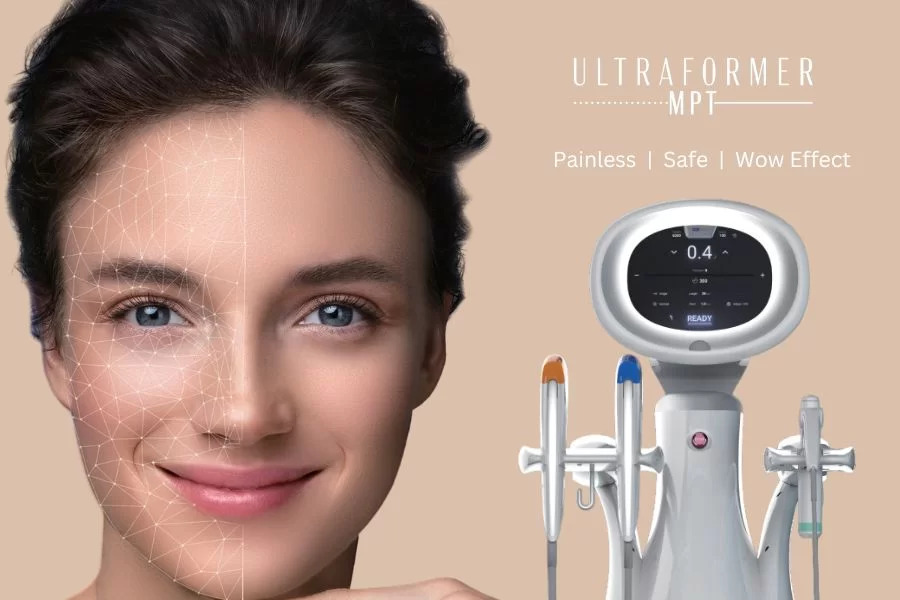
Skin starts losing collagen and elastin as part of the natural ageing process. Over time, this can cause your skin to lose firmness and appear to sag, especially around the cheeks, jawline, neck, and brow. Surgical facelifts can help address severe skin laxity, but many people want non-surgical alternatives that deliver noticeable results without recovery time. An Ultraformer MPT HIFU facial might be the solution you’ve been searching for. Using ultrasound technology, this skin-tightening treatment aims to lift the skin by stimulating natural collagen production.
What is an Ultraformer MPT HIFU facial?
The Ultraformer HIFU facial is an increasingly popular non-surgical facial tightening treatment. During this procedure, focused ultrasound energy is delivered through the skin to deeper layers of tissue without damaging the outer layer.
High-intensity focused ultrasound energy passes safely and evenly through the skin. As ultrasound heat stimulates collagen production, the body gradually produces new collagen and elastin to improve skin structure. Over time, targeted skin begins to tighten, appear smoother, and look more lifted.
How does it help lift sagging skin?
Sagging skin is lifted as new collagen continues to grow inside the skin following treatment. When collagen production is stimulated, natural tissue remodelling occurs. Skin gradually appears firmer and more lifted in the weeks following your appointment.
Collagen stimulates natural support to rebuild around the face and neck. Many people enjoy a smoother complexion, firmer skin texture, and visibly lifted skin in the days and months after the procedure.
Due to the skin’s natural production of collagen over time, immediate results are typically not as dramatic as those from other cosmetic procedures. Keep in mind that natural improvements will continue after treatment and become more noticeable over time.
Which areas can be treated?
An Ultraformer MPT facial can treat skin on the forehead, brow region, cheeks, jawline, chin, neck, and area around the mouth. Ultraformer can even target skin around the eyes to help diminish signs of ageing such as fine lines and wrinkles. Any area of skin laxity can benefit from it.
Who is a good candidate?
Anyone experiencing mild to moderate skin laxity can benefit from an Ultraformer HIFU facial. It is most effective on patients in their thirties, forties, and fifties because skin can still produce collagen at these ages.
However, some people who are older can still qualify if they have good skin quality. Skin that has lost a large amount of elasticity or extreme excess skin will benefit from surgery over HIFU. With that said, surgery and HIFU can work together to address specific concerns.
Always book a consultation to determine if it is right for you.
What happens during the procedure?
A HIFU facial is performed in-clinic and takes 30 to 90 minutes depending on the size of your treatment area. After applying a cleaning solution to the skin, the technician applies ultrasound gel. From there, the handheld HIFU device will be pressed onto the targeted areas of skin.
You may feel a momentary warmth or slight tingling as the energy penetrates the skin. Most people are comfortable throughout the procedure because HIFU doesn’t hurt. There are no needles, injections, or incisions involved during the process.
When can you see results?
HIFU facial results take time since your body is stimulating new collagen. Some patients experience slight tightening after the first session since skin immediately begins to contract. However, significant changes aren’t visible until collagen has built up inside the skin.
Typically, you’ll begin to see real changes eight to twelve weeks after your treatment. You will continue to see improvements for several months after your initial session. Maintenance appointments are typically recommended every 12 to 18 months to prolong your results.
Advantages over surgical facelifts
There are numerous advantages to HIFU facials compared to surgery, including:
- No downtime
- Non-invasive
- Minimal discomfort
- Improved skin laxity without surgery
Of course, surgery will always produce more severe lifting than HIFU. However, HIFU facials are ideal for mild to moderate skin laxity. Patients who want to skip the downtime and enjoy gradual skin improvement may choose Ultraformer HIFU.
Setting realistic expectations
Realistically, you will not wake up from your Ultraformer MPT HIFU facial looking years younger like you can with some injectables. HIFU takes time to work because your body is doing the heavy lifting by producing new collagen. Age, skin quality, skin elasticity, and collagen levels play a factor into how well you respond to the treatment.
It’s also important to live a healthy lifestyle and practice sun safety to prolong your results. Eating well, giving your skin plenty of hydration, and following a natural skincare routine at home will allow you to achieve the best possible results.
If you want to improve the appearance of mild to moderate sagging skin without surgery, HIFU may be right for you. This treatment won’t magically lift years of excess skin overnight. However, with stimulated collagen production, you can enjoy gradual results that enhance your natural beauty.
As with any aesthetic service, finding the right option begins with understanding your skin, goals, and suitability. Whether you are considering skin-tightening treatments or interested in laser tattoo removal, it’s always best to speak with a professional before undergoing any cosmetic procedures.


Adobe Illustrator AI files are widely used for logos, brand art, and print designs. They are made with clean lines, curves, and shapes. This makes them a useful source for embroidery work. But an AI file is not ready for an embroidery machine. It must be turned into stitch data first. The way this is done can have a big effect on the final stitch quality.
When you Convert Illustrator AI Files to Embroidery Files, the goal is not just to change the file format. The artwork must be planned for thread and fabric. A skilled digitizer studies each shape and chooses the right stitch type, density, underlay, stitch direction, and stitch order. Small text may need changes too. These steps help keep the logo clear while making it easier for the machine to sew. A good file can reduce gaps, puckering, thread breaks, and other common problems.
What Is an Illustrator AI File?
AI is the native artwork format used by Adobe Illustrator.
It is a vector file. This means the artwork is built from paths, curves, and shapes rather than fixed pixels.
AI files may contain:
- Logos
- Text
- Curves
- Lines
- Shapes
- Colors
- Brand artwork
A clean AI file can give a digitizer a clear view of the design.
Is an AI File Ready for Embroidery?
No.
An AI file contains graphic information.
An embroidery file contains stitch instructions.
The embroidery machine needs to know:
- Where to place stitches
- Which direction to sew
- How many stitches to use
- When to change thread
- When to trim
- Where to stop
- How to move between design areas
Common embroidery formats include:
- DST
- PES
- JEF
- EXP
- HUS
- VP3
The correct format depends on the machine.
Why AI Artwork Is a Good Starting Point
AI artwork often has clean shapes and smooth curves.
This helps the digitizer understand the logo.
A good AI file can make it easier to identify:
- Design borders
- Shape edges
- Color areas
- Text
- Fine lines
- Design sections
But even a perfect AI file needs proper digitizing.
Thread does not behave like lines on a computer screen.
The design must be changed to suit the fabric and thread.
Step 1: Inspect the AI Artwork
Before digitizing, check the artwork carefully.
Look for:
- Missing objects
- Broken paths
- Wrong colors
- Extra shapes
- Hidden layers
- Small text
- Thin lines
Make sure the artwork is the correct version.
This simple check can prevent errors later.
Step 2: Clean the Artwork
Remove objects that should not appear in the embroidery.
These may include:
- Background marks
- Extra lines
- Unwanted shapes
- Tiny dots
- Hidden objects
- Unneeded colors
Do not remove important parts of the logo.
The goal is to make the artwork easier to digitize without changing its identity.
Step 3: Decide the Final Size
Design size affects stitch quality.
A large jacket-back logo can hold more detail than a small chest logo.
A cap design needs special care because the cap has a curved surface.
Think about the final use before digitizing.
Small Chest Logo
Use simple shapes and readable text.
Large Jacket Logo
More detail can usually be kept.
Cap Logo
The design must work across a curved surface.
Embroidered Patch
Bold shapes and clear borders often work best.
Step 4: Select the Right Stitch Type
Different parts of a logo need different stitch types.
Satin Stitch
Satin stitch works well for narrow areas, borders, and some letters.
It can create a smooth finish.
Fill Stitch
Fill stitch works well for larger shapes.
It covers broad areas with rows of thread.
Running Stitch
Running stitch can be useful for thin lines and some small details.
Using the right stitch type can make the design look more natural.
Step 5: Set the Stitch Direction
Stitch direction affects the appearance of embroidery.
For curved shapes, stitches can follow the curve.
For large areas, changing the direction can create a better visual effect.
It can also help prevent the design from looking flat.
A skilled digitizer studies each part of the logo instead of using one stitch direction everywhere.
Step 6: Choose the Correct Density
Density controls how close the stitches are.
Too much density can make the design too heavy.
It may cause:
- Thread breaks
- Puckering
- Fabric stress
- Thick embroidery
- Longer sewing time
Too little density can leave gaps.
The correct density depends on the design, fabric, thread, stitch type, and size.
A logo made for denim may need different settings from one made for a soft shirt.
Step 7: Add Proper Underlay
Underlay is the foundation under the main stitches.
It helps support the design.
Good underlay can help:
- Hold the fabric
- Support top stitches
- Improve coverage
- Reduce gaps
- Keep edges cleaner
The right underlay depends on the fabric.
Stretch fabric may need more support than firm fabric.
Step 8: Use Pull Compensation
Thread can pull fabric as the design is stitched.
This can create small gaps between shapes.
Pull compensation helps balance this movement.
Too little compensation can leave gaps.
Too much can make parts of the design wider than planned.
The right setting depends on the design and fabric.
Step 9: Plan the Stitch Sequence
Stitch order is important for good embroidery.
A smart sequence can reduce unnecessary jumps and machine movement.
A design may be planned like this:
- Underlay
- Large background areas
- Main shapes
- Small details
- Borders or finishing areas
The exact order will depend on the logo.
Good sequencing can help the machine stitch more smoothly.
Step 10: Match the Thread Colors
AI artwork may use several colors.
The digitizer should choose thread shades that closely match the original logo.
Brand colors are important for businesses.
However, using too many colors can increase thread changes.
A simple logo may only need a few well-chosen thread colors.
The goal is to keep the design clear without making the stitch plan too complex.
Step 11: Handle Small Text With Care
Small text is often difficult to stitch.
A font that looks clear in Illustrator may not look clear with thread.
Thin letters can disappear.
Small gaps can close.
A digitizer may need to:
- Increase letter height
- Use a thicker font
- Add spacing
- Simplify letters
- Change stitch type
The goal is readable text after stitching.
Step 12: Consider the Fabric
Fabric has a major effect on stitch quality.
Common materials include:
- Cotton
- Polyester
- Denim
- Fleece
- Canvas
- Jackets
- Sportswear
Cotton
Cotton works well with many logo designs.
Denim
Denim is firm and can support bold embroidery.
Fleece
Fleece has a soft surface that may hide small details.
Stretch Fabric
Stretch fabric needs careful support and suitable density.
Jackets
Jackets may have thick or layered areas that need special planning.
Always tell the digitizer what material you plan to use.
Step 13: Select the Correct Embroidery Format
The final file must match the embroidery machine.
Some machines use:
- DST
- PES
- JEF
- EXP
- HUS
- VP3
Before placing an order, provide:
- Machine brand
- Machine model
- Required file format
- Hoop size
- Design size
- Fabric type
This information helps the digitizer prepare the right file.
Step 14: Test the Design
A computer preview can show the basic stitch plan.
But a real test stitch is even more useful.
It can reveal:
- Gaps
- Thread breaks
- Poor lettering
- Puckering
- Heavy areas
- Weak details
- Color problems
Whenever possible, test on the same or similar fabric.
If something looks wrong, the file can be adjusted before the full order.
Common AI to Embroidery Mistakes
Changing Only the File Extension
Renaming an AI file does not create embroidery stitch data.
Keeping Every Tiny Detail
Some details are simply too small for thread.
Using Too Much Density
Heavy stitching can stress the fabric.
Ignoring the Material
Different fabrics need different settings.
Making Text Too Small
Small text can become hard to read.
Skipping the Test Stitch
Testing can prevent wasted materials and production time.
How to Choose a Digitizing Service
Look at real embroidery samples before choosing a service.
Check for:
- Smooth edges
- Clean fills
- Clear text
- Balanced density
- Good stitch direction
- Proper color use
- Clean stitch sequence
Do not choose a service only because it has a low price.
Ask if revisions are included.
You can also ask if the service can prepare the file for your exact machine, hoop, and fabric.
Why Professional Digitizing Matters
A poorly made file can cause problems during production.
It may waste:
- Thread
- Fabric
- Machine time
- Labor
- Finished products
A well-made file can help the machine run more smoothly.
It can also improve the look of the finished logo.
This is especially important for businesses that stitch the same logo on many shirts, jackets, caps, or bags.
Final Quality Check
Before starting a large order, inspect the test sample.
Check the Logo
Does it still look like the original artwork?
Check the Edges
Are the borders smooth?
Check the Text
Can every letter be read?
Check the Colors
Do the threads match the brand?
Check the Fabric
Is there puckering or distortion?
Check the Stitch Weight
Does the design feel too heavy?
These checks can catch problems before they become costly.
Final Thoughts
Illustrator AI files are a strong starting point for embroidery because they can provide clean shapes, curves, text, and colors. But an AI file is not an embroidery file. It must be carefully digitized into stitch data before a machine can use it.
Good digitizing takes more than software. It requires knowledge of stitch types, density, underlay, pull compensation, stitch direction, thread, fabric, and machine formats.
Always share your machine model, hoop size, design size, and fabric details before the work starts. Test the file before a large production run and make changes when needed.
Digitizing Buddy can help businesses and embroidery makers prepare artwork for machine embroidery. With careful digitizing and testing, an AI logo can keep its important details while producing cleaner stitches and a more professional finish. Working with the right digitizing process can also save time, reduce waste, and make repeated embroidery jobs more consistent.

Cashmere Sweater Buying Guide What to Check Before You Buy

Bright Gate: Your Trusted Private Banking Solution for Modern Wealth Management

Buy Haircare Products in Kuwait: A Complete Guide to Healthy, Beautiful Hair

Transparent Pimple Patch: A Simple Approach to Managing Everyday Breakouts

Trusted Beekeeping Brand in Australia | Quality Bee Supplies

The Cortado: A Perfect Blend of Espresso and Milk

A New Culinary Haven Emerges: The News Café

Are Nut Thins Healthy? Unveiling the Nutritional Pros and Cons

A Step-by-Step Guide to Cleaning Your Nike Air Max Shoes