
Business
Custom Tuck Boxes and Custom Straight Tuck End Boxes: A Practical Guide for Australian Brands

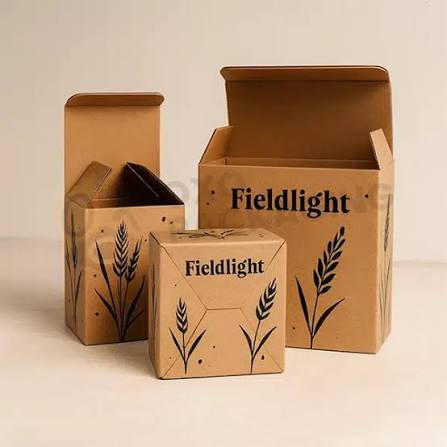
Not every product needs a heavy, elaborate package. Often the smartest choice is a clean, efficient folding carton that protects the item, displays the brand and keeps costs under control. That is exactly where tuck-style cartons shine. For Australian businesses selling cosmetics, supplements, candles, stationery or small electronics, Custom Tuck Boxes and Custom Straight Tuck End Boxes offer a reliable balance of function and style.
What Makes Tuck-Style Cartons Popular
A tuck carton is a folding box made from a single piece of paperboard, with flaps that tuck securely into the opening to keep contents inside. It arrives flat, assembles in seconds and stacks neatly. These qualities make it a favourite for retailers and manufacturers who need to pack hundreds or thousands of units without slowing down production.
Because the structure is simple, the design surface is generous. Every panel offers space for branding, product information, barcodes and regulatory details. A skilled designer can turn a basic carton into a striking shelf presence.
Understanding the Reverse Tuck Option
Tuck cartons come in a few main structures, and choosing the right one depends on how the product is filled and displayed. The classic design has the top and bottom flaps opening in opposite directions, which creates a tidy front panel and a clear display side. It is a versatile choice for many retail categories.
When you order tailored tuck boxes, you can specify size, board weight, finishes and print style to suit your product. Matte lamination suggests a modern, understated look, while gloss and spot UV draw attention to logos and key details. Embossing, foil and soft-touch coatings elevate the feel for premium goods.
Why Straight Tuck End Cartons Stand Out
With a straight tuck design, both the top and bottom flaps open on the same side of the carton. This arrangement makes it easier for consumers to open the box from the front, and it is often favoured by manufacturers because products can be loaded efficiently, either by hand or by machine.
Selecting tailored straight tuck end boxes is particularly helpful for items such as skincare tubes, lip products, vitamins and small accessories. The consistent opening direction keeps shelves looking tidy, and the flat front panel gives branding unbroken visibility. It is also popular with brands that use hang-sell displays, since extra hang tabs can be added.
Choosing Between the Two Styles
Think about how customers will meet your product. If it will sit upright on a shelf, either design works well, but the opening direction might affect how neatly the flaps appear. If you pack by machine, a straight tuck may suit your line better. If you want a slightly more traditional look, the reverse style could be ideal. A quick prototype test often settles the question.
Materials and Finishes That Work
Paperboard is the most common material, available in different thicknesses. Lightweight board suits featherlight items like tea bags or single sachets, while heavier stock handles glass bottles, jars and small tools. Kraft board offers a natural, earthy look and supports eco-friendly messaging.
Finishes affect both aesthetics and durability. Aqueous coatings protect against scuffs and moisture. Matte or gloss laminations add richness, though they can limit recyclability if not chosen carefully. If sustainability is a priority, ask about water-based coatings and uncoated options.
Branding and Design Tips
Start with hierarchy. The most important information, usually the brand name and product title, should be visible from a metre away. Supporting details like benefits, ingredients and instructions belong on secondary panels. Use contrast to guide the eye and avoid cluttering the design.
Consider the retail setting. In a pharmacy, clear, trustworthy design works best. In a boutique, creative colours and textures may be more appropriate. For online sales, remember that boxes will often be photographed, so ensure the artwork looks excellent on camera.
Do not forget the inside. Printing a pattern or message on the interior surface creates a delightful unboxing moment at little extra cost.
Compliance and Labelling
Many products sold in Australia must meet specific labelling requirements. Cosmetics, therapeutic goods and food items all have rules about ingredients, warnings, batch numbers and country of origin. Plan these details early so they fit comfortably within your layout. Work with a supplier who understands dielines and can place barcodes, recycling symbols and regulatory text correctly.
Sustainability Considerations
Folding cartons are already efficient because they ship flat and use relatively little material. You can improve their environmental profile further by choosing recycled or FSC-certified board and avoiding unnecessary plastic windows or foil. Printing the Australasian Recycling Label helps customers dispose of the packaging correctly.
Ordering Checklist
Before placing an order, measure your product precisely, including its thickness and any protrusions. Decide on quantity and consider future variations like new flavours or sizes. Ask for a digital proof and, if possible, a physical sample. Check that the carton opens smoothly, holds the product securely and survives light handling.
Allow time for production and shipping, especially around busy retail seasons. Planning ahead avoids rush fees and keeps your product launches on schedule.
Final Thoughts
Tuck cartons prove that simple can be powerful. They protect products, present information clearly and keep costs manageable. Whether you choose a reverse or straight opening, the key is matching the structure to your product, your production process and your brand personality. With thoughtful design, quality materials and a reliable supplier, your packaging can work hard on the shelf and delight customers at home. For Australian businesses ready to polish their retail presence, a well-made folding carton is a smart place to begin.




If a bank asks you to update your Udyam Registration Certificate, it’s typically to ensure they have the correct business details. If your certificate contains outdated details, including your address, business type, or contact information, this may cause issues. Whilst this does not guarantee that your loan will be approved, ensuring that your details are up-to-date can prevent unnecessary issues.
Whilst some businesses may see this as a one-off task, you should always double-check your details.
Why do banks ask for a Udyam certificate?
Banks will want to verify that you are registered as an MSME. The Reserve Bank of India (RBI) states that ‘banks are guided by the details provided in the Udyam Registration Certificate or related Udyam Assist Certificate.’
Some loans available to eligible MSMEs are classed as priority sector loans. However, your certificate will not show your ability to repay.
You may include your certificate to help with your working capital loan for your manufacturing unit alongside your financials and business documents.
Find more information on the RBI’s MSME FAQ page.
In summary, banks will ask for Udyam details to verify that you are an MSME and what type of MSME you are. They will also take your ability to repay into account.
What Details May Need Updating Before Loan Processing?
Your bank may ask you to update your details.
If there are errors such as:
- Enterprise / Business Address
- Factory / Plant / Extra Unit Address
- Business Type / NIC Code (if applicable)
- Enterprise/Organization Name (if there has been a valid change)
- Mobile Number / Email Address
- Any other details that do not match your enterprise.
For example, if you have moved your workshop but your certificate still shows the old address. This may not match your electricity bill and loan application. The bank may then ask for clarification or an updated certificate.
Ensure that any updates are genuine or due to errors.
In summary, ensure that your address, unit, business type, and contact details are accurate.
Can an Outdated Udyam Certificate Delay a Business Loan?
This can cause additional questions but will not automatically result in your loan being rejected.
If there are errors between your Udyam certificate and your loan form / GST, the bank may ask for clarification. This can cause delays.
For example, if a trader has moved shops, they may be asked to provide proof of address or an updated certificate. Delays can also occur due to KYC, financials, or your ability to repay.
In summary, an old certificate can cause delays if there are discrepancies, but the bank will take your full loan application into account.
Does Udyam Registration Affect MSME Loan Benefits?
Udyam registration will show that your enterprise fits within the correct MSME category. The RBI has stated that the bank will use your category from your Udyam Registration Certificate for priority sector lending.
However, having a Udyam registration does not guarantee that you will receive a loan, discount rate, unsecured finance, or subsidy. Each facility will have different criteria, and the bank will take your ability to repay into account.
Having a valid certificate will not override the bank considering your income, creditworthiness, and ability to repay.
In summary, Udyam registration will help to confirm your category but will not guarantee that you will receive funding.
How to update your Udyam Registration Certificate
You can update your existing registration.
- Go to the Udyam Registration Website.
- Click on Update Udyam Registration.
- Fill out the details like the existing Udyam Registration Number.
- Complete the OTP verification.
- Fill out the details that you want to update.
- Fill in the correct details and double-check.
- Submit the application form.
- Download and print your updated certificate.
In summary, update your existing registration, double-check your details, and update the correct sections. Download your updated certificate.
What Documents Should You Keep Ready for the Bank?
Your bank will decide what they need.
Ensure you have:
- Updated Udyam Registration Certificate
- PAN and KYC Documents
- GST Registration and Latest Returns
- Current Business Address
- Bank Statements
- Income Tax and Financial Statements
- Sales and Business Documents
- Existing Loan Details
If you have moved your business, ensure that you have proof of address (Rent Agreement / Utility Bill). Ask your bank what their checklist is, as this can vary depending on the loan.
In summary, ensure you have your Udyam, KYC, financial, GST, and address documents. Ask your bank what their exact checklist is.
What Should You Do If the Bank Still Requests Clarification?
Ask your loan officer which section/documents are causing the discrepancy. If your details are incorrect, update your Udyam certificate via the official portal. If your details are correct, provide the relevant document and explain why there is a discrepancy.
For example, your registered office address may differ from your factory address. Ensure that you know what address is being shown.
Keep a copy of any documents you send and any correspondence with the bank. The RBI has said that the bank should provide written correspondence stating the main reasons your MSME loan has been declined.
In summary, find out what the issue is, update any incorrect details, or explain the discrepancy. Keep a copy of any written correspondence.
Conclusion
Banks may ask MSME owners to update their Udyam Registration Certificate to ensure that they have the correct details for your enterprise. If there are old addresses, business types, or discrepancies, this can cause additional questions.
Ensure that you have checked your certificate before applying. If there have been any changes to your business, update your certificate via the official portal and keep a copy in your financial records. Whilst having correct documents will not guarantee approval, it can prevent any unnecessary issues.
FAQs
- Why would my bank want me to update my Udyam certificate?
To ensure that they have the most up-to-date details for your enterprise. They may want to verify that you are an MSME and that there are no discrepancies.
- Will my loan be declined as my Udyam certificate shows an old address?
No, they may just ask for clarification or updated proof.
- Do I have to have a Udyam registration for all business loans?
This will vary depending on your lender and type of loan. Ask your bank what they require.
- Do I need a new Udyam number if there have been changes to my business?
No, if your enterprise is already registered, you should use the relevant facility to update it.
- Will I automatically get approved for an MSME loan with an updated Udyam certificate?
No, the bank will take your income, creditworthiness, ability to repay, business documents, and lending criteria into consideration.

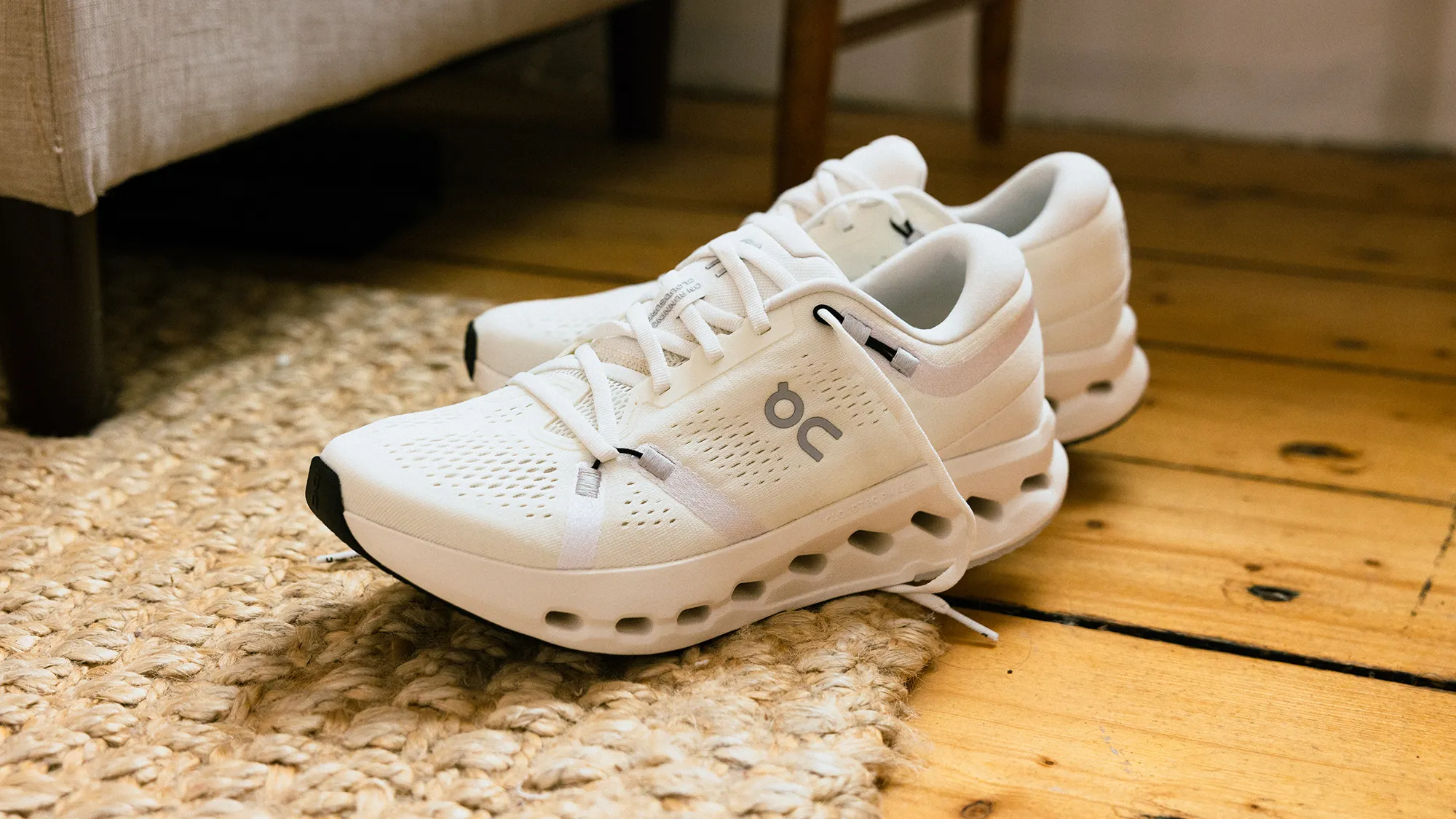
Los tenis son una inversión que conviene evaluar más allá de su apariencia o comodidad inicial. Cuando se trata de calzado premium, como los On Cloud Shoes, una de las preguntas más importantes antes de comprar es cuánto tiempo pueden durar y si realmente resisten el uso frecuente. Aunque estos tenis destacan por su diseño moderno y su tecnología de amortiguación, su vida útil depende de diferentes factores, como el modelo, la actividad para la que se utilizan y los cuidados que reciben.
Para quienes buscan tenis para correr, caminar, viajar o complementar sus outfits diarios en México, conocer su durabilidad puede ayudar a tomar una mejor decisión de compra. No es lo mismo utilizar un par ocasionalmente para salir que llevarlo todos los días al trabajo, entrenar varias veces por semana o recorrer largas distancias en superficies urbanas.
En esta guía descubrirás cuánto pueden durar los On Cloud Shoes, qué elementos influyen en su desgaste, cómo reconocer cuándo necesitan reemplazo y qué puedes hacer para conservarlos en buenas condiciones durante más tiempo.
Cuánto Tiempo Duran los On Cloud Shoes?
La duración de los On Cloud shoes no es igual para todos los usuarios ni para todos los modelos. Algunos pares pueden conservar su comodidad y estructura durante bastante tiempo si se utilizan ocasionalmente y reciben un mantenimiento adecuado. En cambio, los que se usan diariamente para correr o caminar largas distancias pueden mostrar señales de desgaste mucho antes.
Como referencia general para el calzado deportivo, los tenis de running suelen evaluarse para reemplazo después de aproximadamente 500 a 800 kilómetros de uso. Sin embargo, este rango no representa una garantía ni una cifra oficial aplicable a todos los modelos On Cloud.
La vida útil también depende de cómo se acumula ese kilometraje. Por ejemplo, una persona que corre varias veces por semana puede desgastar la amortiguación de manera diferente a alguien que utiliza sus tenis principalmente para actividades casuales.
Es importante entender que un par puede conservar una apariencia exterior aceptable y, aun así, haber perdido parte de sus propiedades de amortiguación o soporte.
Factores que Influyen en la Durabilidad de los Tenis On Cloud
Para comprender cuánto pueden durar los tenis On Cloud, es necesario observar los elementos que intervienen en su desgaste.
1. Frecuencia de Uso
La frecuencia con la que utilizas tus tenis tiene una relación directa con su vida útil.
Si los usas únicamente los fines de semana o para salidas ocasionales, es posible que se mantengan en mejores condiciones durante más tiempo. Por otro lado, utilizarlos diariamente para caminar, trabajar, viajar y hacer ejercicio provoca un desgaste acumulado.
Por ejemplo, una persona que recorre diariamente varias calles de la Ciudad de México puede someter sus tenis a más fricción que alguien que los utiliza principalmente en interiores.
Si tienes pensado comprar On Cloud para uso diario, considera alternarlos con otro par de calzado cuando sea posible.
2. Tipo de Actividad
No todos los modelos On Cloud están diseñados para las mismas actividades. La durabilidad depende también de si utilizas el calzado para el propósito para el que fue desarrollado.
Entre los usos más comunes se encuentran:
- Running: correr regularmente genera impactos y fricción repetidos sobre la suela y la mediasuela.
- Caminatas: recorrer distancias largas puede provocar desgaste progresivo en las zonas de mayor contacto con el suelo.
- Entrenamiento: los movimientos laterales y los cambios de dirección requieren un calzado apropiado para esa actividad.
- Uso diario: caminar, trasladarse y realizar actividades casuales produce un desgaste diferente al de correr.
- Viajes: pasar varias horas caminando sobre superficies variadas puede aumentar el desgaste de la suela.
Elegir un modelo adecuado para cada actividad ayuda a evitar un deterioro prematuro.
3. Superficie Donde los Utilizas
El terreno también influye en la conservación de los tenis.
Las superficies urbanas, como banquetas, pavimento y concreto, generan fricción constante. En cambio, los caminos de tierra, senderos irregulares o superficies con piedras pueden exigir características específicas de tracción y protección.
Si utilizas tus On Cloud para correr, revisa qué tipo de terreno recomienda el fabricante para el modelo elegido.
No todos los tenis On Cloud están pensados para senderismo o terrenos complicados. Usarlos fuera de su entorno recomendado puede acelerar el desgaste y afectar la experiencia de uso.
4. Peso, Pisada y Forma de Caminar
La manera en que cada persona pisa también puede influir en la durabilidad.
Algunos usuarios desgastan más la parte exterior del talón, mientras que otros presentan mayor fricción en la zona delantera. Estas diferencias pueden depender de la pisada, la técnica de carrera, la distribución del peso y otros factores individuales.
Observar la suela regularmente permite identificar si el desgaste se concentra en alguna zona.
Si notas que un tenis se deteriora mucho más rápido que el otro, conviene revisar también cómo lo estás utilizando.
¿Qué Hace que los On Cloud Shoes Sean Duraderos?
Una de las características más conocidas de On Cloud es su enfoque en la combinación de amortiguación, diseño funcional y comodidad.
Sin embargo, la durabilidad no depende únicamente de una tecnología. También intervienen los materiales, la construcción y el tipo de uso.
Tecnología CloudTec
La tecnología CloudTec es uno de los elementos distintivos de los tenis On. Su diseño utiliza estructuras de amortiguación que buscan ofrecer una sensación particular durante la pisada.
La configuración puede variar entre modelos, por lo que no todos los On Cloud ofrecen exactamente la misma experiencia.
Con el uso continuo, los elementos de amortiguación pueden presentar cambios en su apariencia y respuesta. Por eso, es recomendable observar tanto la suela como la mediasuela para identificar señales de desgaste.
Materiales de la Suela y Mediasuela
La suela exterior es la parte que entra en contacto directo con el suelo. Su desgaste depende de la composición, el diseño y la superficie sobre la que caminas o corres.
La mediasuela, por su parte, participa en la amortiguación y en la sensación general del calzado.
Cuando estas zonas pierden su estructura original, los tenis pueden dejar de sentirse tan cómodos como al principio.
Parte Superior y Ajuste
La parte superior también influye en cuánto tiempo se mantiene funcional un par de tenis.
Los tejidos y materiales utilizados en los diferentes modelos pueden ofrecer distintas características de flexibilidad, ventilación y resistencia.
Un ajuste adecuado ayuda a reducir movimientos innecesarios del pie dentro del calzado, lo que puede disminuir la fricción interna y el deterioro prematuro.
Señales de que tus Tenis On Cloud Necesitan Reemplazo
No siempre es fácil saber cuándo ha llegado el momento de cambiar tus tenis. Aunque todavía se vean bien, pueden haber perdido algunas de sus propiedades funcionales.
Estas son algunas señales que conviene observar.
1. Desgaste Visible en la Suela
Revisa la parte inferior de tus tenis. Si notas zonas considerablemente más lisas, pérdida del dibujo o desgaste irregular, es posible que la tracción se haya reducido.
Esto resulta especialmente importante si utilizas tus On Cloud para correr o caminar sobre superficies donde necesitas buen agarre.
2. Menor Sensación de Amortiguación
Si tus tenis ya no se sienten igual que cuando eran nuevos, podría ser una señal de desgaste.
Presta atención a cambios como una sensación más rígida, menor respuesta al caminar o una diferencia notable entre ambos zapatos.
La pérdida de amortiguación no siempre es visible desde el exterior.
3. Deformaciones en la Estructura
Observa si la mediasuela presenta deformaciones importantes o si el calzado ha perdido su forma original.
También revisa si existen zonas hundidas, grietas o separaciones entre los diferentes componentes.
4. Daños en la Parte Superior
Los pequeños signos de uso son normales, pero las roturas, costuras abiertas y separaciones del material pueden comprometer la funcionalidad del calzado.
Si el pie comienza a moverse demasiado dentro del tenis o el ajuste deja de ser estable, conviene evaluar su reemplazo.
5. Diferencias entre Ambos Tenis
Coloca ambos zapatos sobre una superficie plana y compáralos.
Si uno presenta una deformación considerable, una suela mucho más desgastada o una inclinación diferente, puede indicar un deterioro desigual.
No es recomendable seguir utilizando un par únicamente porque uno de los dos tenis todavía parece estar en buenas condiciones.
Cómo Hacer que tus On Cloud Shoes Duren Más Tiempo
Un mantenimiento sencillo puede ayudarte a conservar tus tenis en mejores condiciones.
Límpialos Regularmente
El polvo, el lodo y la suciedad acumulada pueden afectar la apariencia de los materiales.
Para limpiarlos:
- Retira los cordones y las plantillas cuando el diseño lo permita.
- Elimina el polvo superficial con un cepillo suave.
- Utiliza un paño ligeramente húmedo y jabón suave.
- Limpia con cuidado la parte superior y la suela.
- Retira los residuos de jabón con un paño limpio.
- Déjalos secar completamente antes de volver a utilizarlos.
Evita productos químicos agresivos que puedan deteriorar los materiales.
Evita la Lavadora y la Secadora
Aunque puede parecer una solución rápida, lavar tus On Cloud en lavadora no siempre es recomendable.
El movimiento intenso, el detergente y las temperaturas elevadas pueden afectar los adhesivos, los tejidos y la estructura del calzado.
La secadora también puede provocar deformaciones por el calor.
Lo mejor es seguir las instrucciones de limpieza específicas del modelo.
Déjalos Secar Después de Usarlos
Si utilizas tus tenis para correr o caminar durante varias horas, es importante permitir que se ventilen.
Retira las plantillas si es posible y colócalos en un espacio fresco y ventilado.
No los guardes húmedos dentro de una mochila, bolsa deportiva o armario cerrado.
Alterna Entre Dos Pares
Si utilizas tenis deportivos diariamente, tener dos pares puede ser una buena estrategia.
Alternar el calzado permite que cada par tenga tiempo para ventilarse y secarse entre usos.
Además, reduces la frecuencia de desgaste de un solo modelo.
Guárdalos Correctamente
Conserva tus tenis en un lugar seco, lejos de la humedad y de la exposición directa al sol durante periodos prolongados.
Evita colocar objetos pesados encima, ya que podrían deformar la parte superior o la mediasuela.
¿Cómo Elegir On Cloud Shoes que Ofrezcan una Buena Durabilidad?
Si estás considerando comprar tenis On Cloud Shoes en México, no te enfoques únicamente en el diseño o el color. También es importante elegir un modelo que se adapte a tus necesidades.
Define Para Qué los Necesitas
Antes de comprar, identifica cuál será su uso principal.
- Para correr, busca un modelo de On Cloud desarrollado específicamente para running.
- Para caminar, considera opciones orientadas a la comodidad durante recorridos prolongados.
- Para gimnasio, revisa que el diseño sea apropiado para el tipo de entrenamiento que realizas.
- Para uso diario, busca un equilibrio entre ajuste, comodidad y estilo.
- Para viajar, considera el peso, la ventilación y la versatilidad del calzado.
Un modelo adecuado para tu actividad puede ofrecer una experiencia más satisfactoria a largo plazo.
Revisa la Calidad del Ajuste
Los tenis deben sentirse cómodos desde el momento de probarlos. Evita elegir una talla demasiado ajustada pensando que el material se adaptará necesariamente con el tiempo.
Consulta la guía de tallas específica de On y compara las medidas en centímetros con las equivalencias US, MX y EU disponibles.
También revisa que el talón quede bien sujeto y que los dedos tengan espacio suficiente para moverse.
Considera la Suela y la Amortiguación
Si buscas tenis para correr con frecuencia, revisa las características de la suela, la mediasuela y el tipo de superficie recomendado.
Para caminar o utilizarlos diariamente, presta atención a la comodidad general y a la estabilidad que ofrece el modelo.
Recuerda que una mayor sensación de suavidad no significa automáticamente que un tenis tendrá una vida útil más larga.
Compra en Tiendas Confiables
Al buscar On Cloud México, verifica que el vendedor ofrezca información clara sobre el modelo, las tallas disponibles, las políticas de devolución y la autenticidad del producto.
Comprar en distribuidores autorizados o canales confiables ayuda a reducir el riesgo de adquirir imitaciones.
También es recomendable revisar las condiciones de garantía y las políticas de atención al cliente antes de realizar el pago.
¿Vale la Pena Comprar On Cloud Shoes por su Durabilidad?
La respuesta depende de tus necesidades, expectativas y presupuesto.
Los On Cloud Shoes pueden ser una alternativa interesante para quienes buscan tenis con diseño contemporáneo, tecnologías de amortiguación y opciones para diferentes actividades.
Sin embargo, su precio o posicionamiento premium no garantizan que duren más que cualquier otro calzado deportivo.
Para evaluar si realmente vale la pena la inversión, considera tres aspectos:
Primero, el uso que les darás. Si necesitas tenis para caminar, correr o utilizarlos diariamente, selecciona un modelo diseñado para esa actividad.
Segundo, el costo por uso. En lugar de comparar únicamente el precio inicial en pesos mexicanos, piensa cuántas veces podrás utilizarlos de manera cómoda y funcional.
Tercero, el mantenimiento. Un buen cuidado ayuda a conservar los materiales, aunque no puede evitar indefinidamente el desgaste natural de la amortiguación y la suela.
La mejor compra será aquella que combine comodidad, funcionalidad y una durabilidad adecuada para tu rutina.
Preguntas Frecuentes sobre la Durabilidad de los On Cloud Shoes
¿Cuántos kilómetros duran los On Cloud Shoes?
No existe una cifra universal para todos los modelos. Como referencia general, los tenis de running suelen evaluarse para reemplazo entre los 500 y 800 kilómetros, aunque el desgaste depende del modelo, la superficie, la frecuencia de uso y la pisada.
¿Los tenis On Cloud duran para uso diario?
Sí, existen modelos que pueden utilizarse para actividades cotidianas. Su duración dependerá de cuánto camines, las superficies que recorras y el mantenimiento que reciban.
¿Los On Cloud pierden su amortiguación con el tiempo?
Sí. Como cualquier calzado deportivo, los On Cloud pueden experimentar cambios en sus propiedades de amortiguación después de un uso prolongado. La intensidad del desgaste varía según el modelo y las condiciones de utilización.
¿Cómo saber si mis tenis On Cloud ya no sirven?
Revisa si tienen desgaste excesivo en la suela, deformaciones, daños estructurales o una pérdida importante de comodidad. Si notas que ya no ofrecen el ajuste y la estabilidad habituales, considera reemplazarlos.
¿Puedo lavar mis On Cloud Shoes en lavadora?
No es recomendable hacerlo sin comprobar antes las instrucciones específicas del fabricante. La limpieza manual con un cepillo suave, un paño húmedo y jabón delicado suele ser una alternativa más cuidadosa.
¿Es buena idea utilizar On Cloud para correr y caminar?
Depende del modelo. Algunas opciones están diseñadas para running, mientras que otras se orientan a diferentes actividades. Si deseas utilizarlos para ambas cosas, revisa que sus características sean adecuadas para cada actividad.
¿Cómo puedo conservar mis tenis On Cloud durante más tiempo?
Límpialos regularmente, evita el calor excesivo, permite que se sequen después de utilizarlos, guárdalos correctamente y considera alternarlos con otro par de tenis.
Conclusión
Los On Cloud Shoes pueden ofrecer una buena experiencia de uso, pero su durabilidad depende de factores como el modelo, la frecuencia de utilización, el tipo de actividad, la superficie y los cuidados diarios.
Si buscas tenis para correr, caminar, entrenar o complementar tus outfits casuales, lo más importante es elegir una opción adecuada para tu rutina y prestar atención a las señales de desgaste.
Un mantenimiento correcto puede ayudar a conservar su apariencia y funcionalidad, pero ningún par de tenis está diseñado para durar indefinidamente. Antes de comprar On Cloud México, compara las características de los modelos, revisa la guía de tallas y considera tus necesidades reales.
De esta manera, podrás elegir tenis que no solo se vean bien, sino que también respondan a las exigencias de tu día a día.
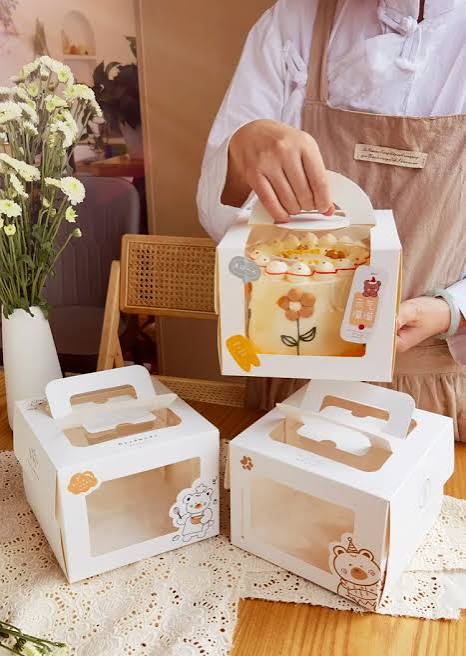
A dessert is often the highlight of a meal, a celebration or a thoughtful gift. Yet by the time it reaches the customer, the box is the first thing they see. For Australian bakeries, home-based bakers and dessert cafes, the right packaging protects delicate sweets and makes a lasting impression. If you want your treats to look as good as they taste, consider Custom Brownie Boxes and Custom Cake Boxes.
Why Dessert Packaging Is a Business Priority
Dessert buyers are emotionally invested. They might be marking a birthday, saying thank you or simply treating themselves. When the packaging feels thoughtful, it adds to the experience and encourages customers to talk about your brand.
There is a practical side as well. Brownies and cakes are heavy, moist and prone to damage. Poor packaging can lead to smudged icing, broken layers and grease stains, all of which damage reputation. A sturdy, well-designed box reduces complaints and keeps your hard work intact.
Packaging Brownies With Care
Brownies are dense and rich, often cut into squares or bars and sold individually or in sets. They are less fragile than cakes but still need protection from drying out, crumbling and sticking together. A snug box with an insert or parchment lining keeps pieces neat and fresh.
Popular Formats
Single-serve boxes suit cafes and takeaway counters. Four, six and twelve-piece boxes are popular for gifting and office orders. Slim sleeves and window boxes work well for display cabinets, allowing the glossy top of a brownie to catch the eye.
Design Ideas
Dark, rich colours match the chocolatey theme, while a pop of bright colour can add a playful twist. Foil stamping, embossing and clean typography give a premium look. Add flavour names, ingredient highlights or a quick brand story to engage customers.
Choosing tailored brownie boxes lets you match every compartment to your cut size, preventing movement and keeping the edges sharp. A well-fitted box also feels more luxurious in the hand.
Cakes Need Strength and Stability
Cakes present bigger challenges. They may be tall, layered, iced or decorated with fresh fruit, flowers or fondant. A box must be strong enough to support the weight and wide enough to avoid contact with the sides. Base boards, cake drums and non-slip mats help keep everything steady.
Boxes for cakes come in many forms, from simple folding styles to tall, windowed designs and tiered carriers. Some include handles for easy carrying, which is especially useful at celebrations or when customers collect orders in person.
Protecting Decorations
If your cakes feature delicate toppers or detailed piping, allow extra headroom. Windows let customers admire your work without opening the box, reducing handling and potential damage. For summer deliveries, consider cooler transport solutions and advise customers to keep cakes out of direct heat.
With tailored cake boxes, you can specify exact dimensions for your most popular sizes, whether that is a small celebration cake or a multi-tier wedding centrepiece. This reduces wasted space and ensures the cake sits securely during transit.
Branding That Builds Recognition
Dessert brands thrive on word of mouth and social media. Boxes that look good on camera help customers share photos, giving you free promotion. Think about colour, pattern and typography that remain consistent with your website, menu and storefront.
Add small touches that encourage engagement. A printed handle tag, a sticker seal or a QR code linking to your online ordering page makes it easy for customers to reorder. A thank-you note tucked inside the lid creates a personal connection.
Meeting Food Safety Standards
Packaging that touches food must be made from safe materials. Choose boxes with food-grade board and coatings, and use liners where necessary. Grease-resistant treatments help prevent oil from soaking through brownies and buttercream.
Remember Australian labelling rules for allergens, ingredients and storage information. If you sell cakes made with nuts, dairy, eggs or gluten, clear labelling is essential. Leave space on the box for these details, or add a label during packing.
Sustainability in Dessert Packaging
Many Australian customers prefer eco-conscious brands. Recyclable cardboard, FSC-certified paper and minimal plastic windows all signal responsibility. Cut-out windows without film are an excellent option, though you may need an inner wrap to protect the product.
Right-sizing is another effective strategy. Boxes that fit the dessert closely use less material, weigh less and reduce freight costs for deliveries.
Planning Your Order
List your best-selling products and note their dimensions, including height with decorations. Choose a box style for each, and decide how many variations you can manage. Too many sizes complicate storage, while too few may force awkward fits.
Test samples with real desserts. Fill a box, carry it around, tilt it gently and see how the contents respond. Check how easily staff can assemble the box under pressure. Also confirm the print quality, especially for dark colours and metallic accents.
Final Thoughts
Great desserts deserve packaging that protects, presents and promotes them. A snug brownie box keeps each square neat and fresh, while a strong, stylish cake box carries your masterpiece safely from kitchen to celebration. By focusing on fit, food safety and brand consistency, Australian bakers can create a polished customer experience that drives loyalty and referrals. Invest the time in testing and refining your packaging, and every order will arrive looking as delicious as it tastes.

How to Prepare Plans for a Commercial Office Renovation

Why Banks Check Your Udyam Registration Certificate Before Approving MSME Loans

Small Bathroom Remodeling Ideas That Make Limited Space Feel Bigger

Improving Your Personal Loan Eligibility Before You Apply: A Practical Checklist

10 Benefits of Joining a Professional Gym in Marylebone

Rani No Hajiro in Ahmedabad: A Complete Guide to History, Shopping & Hidden Secrets

How to Get Promoted Faster at Work: Smart Career Growth Tips

Dublin City University: Everything You Need to Know Before Applying in 2026

Digital Marketing for Beginners: Step-by-Step Guide to Start and Succeed in 2026








