
Health
Gastroenterology Consultants: Your Guide to Better Digestive Health


Digestive health plays an important role in overall well-being. From breaking down food and absorbing nutrients to supporting the body’s immune system, the digestive system performs several essential functions. However, problems such as persistent stomach pain, acid reflux, bloating, constipation, diarrhea, and changes in bowel habits can affect everyday life.
When digestive symptoms become frequent or difficult to manage, consulting a qualified gastroenterology professional can be an important step toward understanding the problem. Gastroenterology consultants specialize in evaluating, diagnosing, and managing conditions that affect the digestive system, including the esophagus, stomach, intestines, liver, pancreas, and colon.
Understanding when to seek professional digestive healthcare, what services are available, and how preventive screenings work can help you make informed decisions about your health.
What Are Gastroenterology Consultants?
Gastroenterology consultants are medical professionals who specialize in diagnosing and treating conditions involving the gastrointestinal tract and related digestive organs. They have specialized training in identifying digestive disorders and recommending appropriate medical evaluations and treatment options.
Unlike general healthcare providers, gastroenterology specialists focus specifically on digestive system conditions. They help patients investigate recurring symptoms, manage chronic gastrointestinal problems, and understand preventive screening recommendations.
Depending on your symptoms and medical history, a gastroenterology consultation may involve:
- Reviewing your medical history and digestive symptoms.
- Performing a physical examination when appropriate.
- Recommending laboratory tests or diagnostic imaging.
- Evaluating whether endoscopy or colonoscopy is necessary.
- Developing an individualized treatment and follow-up plan.
- Providing guidance about digestive health and preventive screening.
Seeking professional advice can help identify potential digestive problems and determine the most appropriate next steps.
Common Digestive Problems That Require Gastroenterology Care
Many people experience occasional digestive discomfort. However, persistent, recurring, or unexplained symptoms may require evaluation by gastroenterology specialists.
Some common concerns include:
1. Acid Reflux and GERD
Acid reflux occurs when stomach acid flows backward into the esophagus. It can cause heartburn, a sour taste, chest discomfort, and regurgitation.
When reflux happens frequently, it may indicate gastroesophageal reflux disease (GERD). A gastroenterology consultant can evaluate symptoms and recommend appropriate treatment based on their severity and frequency.
2. Irritable Bowel Syndrome (IBS)
Irritable bowel syndrome is a digestive condition that can cause abdominal discomfort, bloating, gas, constipation, diarrhea, or alternating bowel habits.
Although IBS does not cause permanent damage to the digestive tract, symptoms can interfere with daily activities. Professional evaluation can help distinguish IBS from other gastrointestinal conditions and identify suitable management strategies.
3. Constipation and Diarrhea
Occasional changes in bowel movements are common. However, ongoing constipation or diarrhea may be associated with dietary factors, infections, medication effects, or underlying digestive conditions.
A gastroenterology specialist can help investigate persistent bowel changes and recommend appropriate testing or treatment.
4. Inflammatory Bowel Disease (IBD)
Inflammatory bowel disease includes Crohn’s disease and ulcerative colitis. These conditions involve chronic inflammation in the digestive tract and may cause abdominal pain, diarrhea, fatigue, and rectal bleeding.
Early diagnosis and ongoing medical management are important for controlling symptoms and reducing the risk of complications.
5. Colon Polyps
Colon polyps are growths that develop on the inner lining of the colon. Many polyps are harmless, but certain types can develop into colorectal cancer over time.
A colonoscopy allows a gastroenterology specialist to examine the colon, identify polyps, and remove many of them during the procedure.
Important Services Offered by Gastroenterology Specialists
Gastroenterology practices provide several services to evaluate digestive concerns, diagnose gastrointestinal conditions, and support preventive healthcare.
Gastroenterology Consultations
A consultation is often the first step toward understanding digestive symptoms. During the appointment, the specialist reviews your medical history, discusses your concerns, and determines whether additional examinations or diagnostic tests are needed.
Colonoscopy
A colonoscopy is a procedure that allows a specialist to examine the inside of the large intestine using a flexible instrument with a camera.
It is commonly recommended for colorectal cancer screening, investigating unexplained bowel changes, evaluating rectal bleeding, and identifying colon polyps.
During the procedure, many polyps can be removed for laboratory examination.
Upper Endoscopy
Upper endoscopy, also called esophagogastroduodenoscopy (EGD), allows a specialist to examine the esophagus, stomach, and upper portion of the small intestine.
It may be recommended for persistent heartburn, difficulty swallowing, unexplained upper abdominal discomfort, and certain other digestive symptoms.
Colon Polyp Evaluation
When polyps are discovered during colonoscopy, the gastroenterology specialist evaluates their size, appearance, location, and other relevant characteristics.
Many polyps can be removed during the procedure and sent for pathology testing. Follow-up recommendations depend on the pathology findings and the patient’s individual risk factors.
Why Is Preventive Digestive Healthcare Important?
Preventive healthcare helps identify potential health concerns before they develop into more serious problems.
One important example is colorectal cancer screening. Colorectal cancer can develop from certain precancerous colon polyps, often without causing noticeable symptoms during the early stages.
Screening can help identify these growths so they can be removed before they become cancerous.
In the United States, average-risk adults are generally recommended to begin colorectal cancer screening at age 45. Screening may need to begin earlier or occur more frequently for people with certain risk factors, including a family history of colorectal cancer or particular medical conditions.
Gastroenterology consultants can help patients understand their screening options and determine an appropriate schedule based on their medical history.
When Should You Visit a Gastroenterology Consultant?
Not every digestive problem requires specialist care. However, certain symptoms should not be ignored, especially when they persist, worsen, or occur repeatedly.
Consider seeking medical evaluation if you experience:
- Frequent heartburn or acid reflux.
- Persistent abdominal pain or bloating.
- Ongoing constipation or diarrhea.
- Difficulty swallowing.
- Unexplained changes in bowel habits.
- Blood in your stool or rectal bleeding.
- Unexplained weight loss.
- Persistent nausea or vomiting.
Some symptoms, including significant rectal bleeding, severe abdominal pain, vomiting blood, or black, tarry stools, may require urgent medical attention.
Early evaluation can help determine whether symptoms are related to a manageable digestive condition or something requiring further investigation.
How to Choose the Right Gastroenterology Specialists
Choosing a gastroenterology specialist is an important decision. The right professional should have appropriate qualifications, experience, and a clear approach to patient communication.
Here are a few factors to consider:
1. Medical Qualifications: Look for a board-certified gastroenterologist with appropriate medical training and credentials.
2. Relevant Experience: Consider experience evaluating and managing the digestive condition or symptoms you are experiencing.
3. Diagnostic Services: Ask about available diagnostic procedures, including colonoscopy and upper endoscopy, when relevant to your care.
4. Patient Communication: Choose a specialist who listens to your concerns, explains medical information clearly, and discusses treatment options.
5. Preventive Care: Consider a practice that emphasizes appropriate screening recommendations and long-term digestive health.
These factors can help you feel more informed and comfortable throughout your healthcare journey.
Supporting Your Digestive Health Between Appointments
Professional medical care is important, but everyday habits can also support digestive wellness.
Consider incorporating these practices into your routine:
- Eat a balanced diet: Include fruits, vegetables, whole grains, and other fiber-rich foods as appropriate.
- Stay hydrated: Drink enough water throughout the day.
- Maintain physical activity: Regular movement can support normal bowel function.
- Eat mindfully: Pay attention to portion sizes and foods that trigger digestive discomfort.
- Manage stress: Stress can influence digestive symptoms, particularly in people with conditions such as IBS.
- Follow screening recommendations: Stay current with recommended colorectal cancer screenings.
- Avoid self-diagnosis: Seek professional advice when symptoms are persistent or concerning.
Lifestyle changes can support digestive health, but they should not replace medical evaluation when symptoms require attention.
Conclusion
Maintaining good digestive health requires awareness, appropriate medical guidance, and preventive care. Persistent heartburn, abdominal discomfort, irregular bowel movements, and other gastrointestinal symptoms may indicate the need for professional evaluation.
Gastroenterology consultants play an important role in identifying digestive conditions, recommending diagnostic procedures, and helping patients understand their healthcare options. From routine consultations to colonoscopy and upper endoscopy, gastroenterology specialists provide services that support digestive health at different stages of life.
If you are experiencing ongoing digestive concerns or need information about colorectal cancer screening, exploring professional gastroenterology care can be a valuable next step.
At The GI Practice, patients can learn about gastroenterology services, digestive health evaluations, colonoscopy, endoscopy, and preventive screening options.
Visit The GI Practice to explore available services and learn more about taking care of your digestive health.
Medical disclaimer: This article is intended for general educational purposes and does not replace professional medical advice, diagnosis, or treatment. Consult a qualified healthcare professional about your individual symptoms and screening needs.




Healthcare professionals have many responsibilities beyond treating patients. Managing appointments, updating patient records, responding to inquiries, verifying insurance information, and coordinating daily office activities can consume valuable time. As healthcare organizations look for more efficient ways to manage administrative work, virtual assistant healthcare services are becoming an increasingly useful solution.
A healthcare virtual assistant provides remote administrative support to doctors, clinics, hospitals, and other medical organizations. By handling suitable non-clinical responsibilities, these professionals help healthcare teams maintain organized operations and dedicate more attention to patient care.
What Is a Virtual Assistant in Healthcare?
A virtual assistant in healthcare is a remote professional who helps medical organizations manage administrative and operational tasks. Unlike a general virtual assistant, this role often requires familiarity with medical terminology, healthcare workflows, patient communication, and confidentiality requirements.
Healthcare virtual assistants can support independent physicians, dental offices, specialty clinics, mental health practices, and larger healthcare organizations.
Their responsibilities depend on the practice’s requirements and may include appointment scheduling, patient registration, medical records administration, insurance verification, billing coordination, and follow-up communication.
Key Responsibilities of a Healthcare Virtual Assistant
1. Patient Appointment Scheduling
Managing appointments is an important part of daily medical operations. A healthcare virtual assistant can coordinate appointment requests, update calendars, confirm consultations, and communicate scheduling changes.
An organized appointment system helps reduce confusion and supports a smoother patient experience.
2. Patient Communication and Support
Patients frequently contact medical offices with questions about appointments, office procedures, and administrative requirements. A virtual assistant can respond to routine inquiries through approved communication channels.
They can also forward clinical questions and urgent concerns to qualified healthcare professionals rather than attempting to provide medical advice.
3. Electronic Health Records Management
Healthcare organizations depend on accurate patient information. A virtual assistant may help update demographic details, organize digital documents, and maintain administrative records within authorized electronic health record systems.
All record-related activities must follow the organization’s privacy and access policies.
4. Insurance Verification
Insurance verification helps healthcare practices identify coverage information before appointments or procedures. A trained assistant can check eligibility through approved insurance portals and report missing or potentially incorrect details.
This can help reduce avoidable administrative issues during the billing process.
5. Medical Billing Coordination
Some virtual assistant healthcare have additional experience in medical billing. They may support claim preparation, payment tracking, insurance follow-ups, and accounts receivable administration.
Practices with complex billing requirements may prefer a dedicated medical billing virtual assistant with specialized experience.
6. Appointment Reminders and Patient Follow-Ups
Following up with patients after appointments or reminding them about upcoming consultations can help maintain communication. Virtual assistants can send approved reminders and coordinate administrative follow-ups according to practice policies.
Benefits of Virtual Assistant Healthcare Services
Reduced Administrative Workload
Medical professionals and office employees often handle multiple administrative responsibilities throughout the day. Delegating routine tasks to a remote assistant can reduce repetitive work and improve workload distribution.
Better Patient Experience
Timely appointment confirmations, organized scheduling, and professional communication can make interactions with a medical practice more convenient for patients.
Flexible Staffing Support
Healthcare practices may not need another full-time employee working inside their office. Virtual assistance provides an alternative through part-time, full-time, or task-based arrangements.
Improved Office Organization
A dedicated assistant can maintain appointment calendars, update administrative records, organize pending tasks, and coordinate routine communication.
Support for Growing Healthcare Practices
As patient numbers increase, administrative responsibilities usually expand. Remote assistants can provide additional support without requiring immediate investment in additional physical office space.
Skills Required for a Healthcare Virtual Assistant
Healthcare organizations should look for candidates who combine administrative ability with an understanding of medical office procedures.
Important skills include:
- Medical terminology: Understanding common healthcare terms and basic medical documentation.
- Communication: Handling patient inquiries professionally and respectfully.
- Time management: Coordinating appointments and completing administrative tasks on schedule.
- EHR knowledge: Familiarity with electronic health record and practice management systems.
- Organization: Maintaining accurate records and managing multiple responsibilities.
- Technical skills: Using email, scheduling platforms, spreadsheets, and secure communication tools.
- Confidentiality: Understanding how to protect sensitive patient information.
For US healthcare organizations subject to HIPAA, remote assistants must follow applicable privacy and security requirements. Appropriate business associate agreements may also be required depending on the working arrangement.
How to Choose the Right Healthcare Virtual Assistant
Selecting a suitable virtual assistant begins with understanding the practice’s administrative needs.
First, identify the responsibilities that can be handled remotely. These might include scheduling, patient registration, insurance verification, or routine billing administration.
Next, review the candidate’s healthcare experience, communication ability, technical knowledge, and familiarity with the software used by your practice.
Data security should also be evaluated before providing access to patient records. Use individual accounts, role-based permissions, secure communication channels, and documented procedures.
Finally, establish clear performance expectations. Start with a manageable workload and monitor task completion, communication quality, appointment accuracy, and administrative error rates.
Virtual Assistant Healthcare vs. Traditional In-House Support
Traditional in-house employees work physically within a medical office and can coordinate directly with staff and patients. Healthcare virtual assistants perform assigned responsibilities remotely using approved digital systems.
Virtual support may be suitable for practices that need help with scheduling, administrative records, communication, and other tasks that do not require physical office attendance.
In-house employees may still be necessary for duties involving direct patient assistance, physical documents, equipment, or activities that cannot be performed remotely.
Many healthcare organizations can benefit from combining both arrangements according to their operational requirements.
Conclusion
Virtual assistant healthcare services offer medical practices a flexible way to manage administrative responsibilities and improve daily operations. From appointment scheduling and patient communication to insurance verification and billing coordination, remote assistants can support several important areas of healthcare administration.
By hiring qualified professionals, establishing secure workflows, and defining clear responsibilities, healthcare organizations can create a more organized working environment while allowing their medical teams to concentrate on patient care.


Having the right dentist is crucial to maintaining healthy smiles at all ages. A trusted dentist can support children, adults and seniors in receiving the care they need without making the visit to the dentist uncomfortable and stressful. A Family Dentist Pembroke Pines can trust to look after their family’s dental care will make it more convenient to handle everyone’s oral health requirements in a single location.
Family Dentistry is a practice that emphasizes treatment for all dental needs, regular checkups, and preventive care. Frequent dental check-ups enable early detection of any issues and contribute to ongoing oral care. A family dentist makes dental care easier to stay organized, ranging from your child’s first dentist visit to ongoing care for adults.
Dental Services for the Whole Family
A family dental practice can provide a number of services that can help maintain healthy teeth and gums, such as:
- Regular Dental Examinations: Periodic check-ups are useful to keep track of oral health.
- Cavity Treatment: Aids in the repair of tooth decay.
- Cosmetic Dentistry: Cosmetic options like teeth whitening can help to enhance the appearance of the smile.
- Children’s Dentistry: Assist young patients in establishing healthy brushing and flossing skills.
- Restorative Dentistry: procedures restore missing or damaged teeth.
Make Your Family’s Oral Health a Priority
Brushing, flossing and routine dental checkups are the cornerstones of good oral hygiene. Parents can also promote children’s healthy habits from childhood.
When you opt for a family dentist in Pembroke Pines, you can easily schedule appointments and receive regular dental care. With consistent care and expert advice, all family members can achieve a healthy, confident smile.
Health
A Comprehensive Guide to Tooth Extraction Tools: Essential Dental Instruments for Every Practice

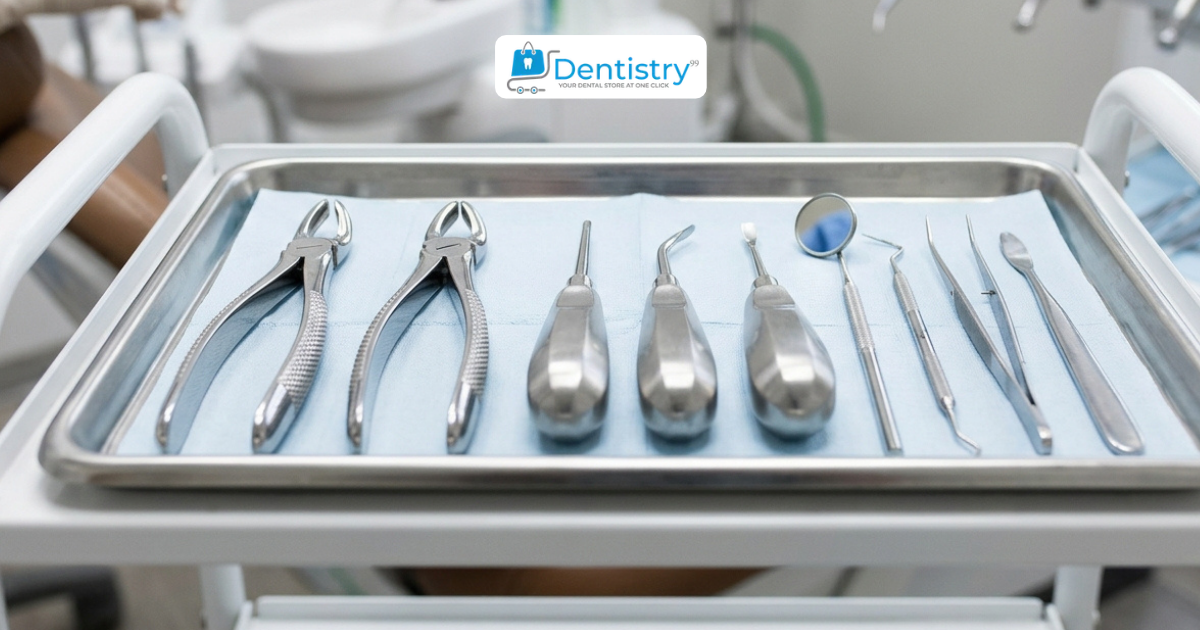
When it comes to dental procedures, tooth extraction remains one of the most common yet critical interventions performed in clinical practice. Whether you’re a seasoned oral surgeon or a general dentist stocking your first operatory, understanding the proper selection and use of tooth extraction tools is fundamental to delivering safe, efficient, and comfortable patient care. At Dentistry99, dental professionals across the United States trust us for clinical-grade dental instruments that meet the rigorous demands of modern dentistry.
In this comprehensive guide, we’ll explore the essential tooth extraction tools every practice should have on hand, how to choose the right dental instruments for your needs, and why sourcing quality supplies matters for patient outcomes and practice efficiency.
Why Quality Tooth Extraction Tools Matter
Tooth extraction is a surgical procedure that demands precision, control, and reliability. The tooth extraction tools you use directly influence:
-
Patient comfort and recovery time
-
Procedure efficiency and chair time
-
Risk of complications such as root fracture or tissue trauma
-
Longevity of your instrument investment
Substandard dental instruments can lead to slippage, poor grip, and premature wear, increasing the risk of intraoperative complications. That’s why leading practices source their tooth extraction tools from trusted suppliers who prioritize clinical-grade manufacturing standards—like the certified manufacturers featured at Dentistry99.
Essential Tooth Extraction Tools for Every Dental Practice
Let’s break down the core categories of tooth extraction tools that form the foundation of a well-equipped extraction kit.
1. Dental Extraction Forceps
Extraction forceps are the workhorses of any extraction procedure. These dental instruments are designed to grasp the tooth firmly and facilitate controlled removal. Key variants include:
Universal Extraction Forceps
Universal forceps, such as the Best Universal Extraction Forceps #10S available at Dentistry99, are versatile instruments suitable for extracting a range of upper and lower teeth. They’re an excellent choice for general practitioners who need reliable performance across multiple tooth types.
Lower Molar Extraction Forceps
Lower molars require specialized tooth extraction tools due to their position and root anatomy. The Best Extraction Forceps Lower Molar #16 is specifically designed to navigate the contours of mandibular molars, providing the leverage and grip necessary for atraumatic extraction.
Specialized Forceps for Specific Teeth
-
Upper anterior forceps for incisors and canines
-
Upper premolar forceps for bicuspids
-
Upper molar forceps (right and left variants) for maxillary molars
-
Root forceps for retained roots and fragments
2. Dental Elevators
Elevators are indispensable dental instruments used to luxate teeth, separate the periodontal ligament, and lift roots from the socket. Common types include:
-
Straight elevators for general loosening
-
Coupland elevators for mandibular teeth
-
Cryer elevators (right and left) for molar extractions
-
Root tip elevators for retrieving fractured roots
High-quality elevators should feature ergonomic handles and precision-forged tips that maintain sharpness through repeated sterilization cycles.
3. Periotomes and Luxators
These delicate tooth extraction tools are designed to sever the periodontal ligament with minimal trauma to surrounding tissues. Periotomes are particularly valuable in atraumatic extraction protocols and implant site preparation.
4. Surgical Extraction Instruments
For complex or surgical extractions, additional dental instruments are required:
-
Surgical burs for bone removal and tooth sectioning
-
Elevators with wider blades for surgical luxation
-
Retractors for soft tissue management
-
Needle holders and suturing instruments for post-extraction closure
-
Bone rongeurs and files for smoothing sharp edges
5. Ancillary Extraction Supplies
Beyond the primary tooth extraction tools, a well-stocked practice should include:
-
Sterilization pouches compatible with Class B and Class S autoclaves
-
Surgical suction tips for maintaining a clear field
-
Hemostatic agents to control bleeding
-
Suture materials for wound closure
-
Ice packs and post-operative care supplies
How to Choose the Right Tooth Extraction Tools
Selecting the right dental instruments for your practice involves several considerations:
Match Instruments to Your Case Mix
If your practice performs primarily simple extractions, a core set of universal forceps and elevators may suffice. Surgical specialists, however, should invest in a comprehensive range of specialized tooth extraction tools.
Prioritize Material Quality
Stainless steel grade matters. Surgical-grade stainless steel offers superior corrosion resistance and durability, ensuring your dental instruments perform reliably through thousands of sterilization cycles.
Evaluate Ergonomics
Comfortable, well-balanced handles reduce hand fatigue during lengthy procedures. Look for tooth extraction tools with textured grips and appropriate weight distribution.
Consider Compatibility
Ensure your dental instruments are compatible with your existing sterilization equipment and armamentarium systems. At Dentistry99, our products are designed to work seamlessly with standard Class B and Class S autoclaves and ISO-compliant handpiece connections.
Source from Trusted Suppliers
Quality-verified inventory is non-negotiable. Purchase tooth extraction tools from suppliers who source exclusively from vetted, certified manufacturers and maintain rigorous quality standards—like Dentistry99, trusted by over 12,000 dental professionals across the USA.
Maintaining Your Tooth Extraction Tools
Proper care extends the life of your dental instruments and ensures patient safety:
-
Clean immediately after use to prevent blood and tissue from drying on instrument surfaces
-
Inspect regularly for signs of wear, corrosion, or damage
-
Lubricate hinges and joints on forceps and scissors as needed
-
Sterilize according to manufacturer guidelines using appropriate pouches and cycles
-
Replace worn instruments promptly—dull or damaged tooth extraction tools increase complication risk
Why Buy Tooth Extraction Tools from Dentistry99
When stocking your practice with essential dental instruments, choose a supplier that understands the demands of clinical dentistry. Dentistry99 offers:
-
Quality-verified products from certified manufacturers only
-
Free shipping on orders over $100
-
Same-day dispatch on orders placed before 2 PM EST
-
1–3 business day delivery to all 50 US states
-
Easy 30-day returns with a 100% money-back guarantee
-
24/7 expert support from a team that understands dental practice needs
-
Competitive professional pricing with volume discounts available
Whether you need universal extraction forceps, lower molar forceps, or a complete restocking of your surgical dental instruments, Dentistry99 makes it simple to buy dental supplies online and receive them quickly.
Conclusion
Mastering the selection and use of tooth extraction tools is essential for any dental practice committed to safe, efficient patient care. From universal extraction forceps to specialized elevators and surgical instruments, investing in quality dental instruments pays dividends in procedure outcomes, patient satisfaction, and practice efficiency. By sourcing your tooth extraction tools from a trusted supplier like Dentistry99, you ensure your practice is equipped with clinical-grade instruments that perform reliably day after day.
Ready to restock your extraction kit? Browse Dentistry99’s comprehensive catalog of dental instruments and tooth extraction tools today—with fast, free shipping on orders over $100 and expert support available 24/7.
Read More Articles at The Magazine Blog.

Diabetic Retina Screening in India: What Patients Should Know

Hungary’s Battery Industry Builds Momentum Beyond EVs

Distilled Water: Benefits, Uses, Safety, and Everything You Need to Know

Virtual Assistant Healthcare: Transforming Modern Medical Practice Management

How to Choose the Right Design College in India to Build a Successful Creative Career

Rani No Hajiro in Ahmedabad: A Complete Guide to History, Shopping & Hidden Secrets

How to Get Promoted Faster at Work: Smart Career Growth Tips

Digital Marketing for Beginners: Step-by-Step Guide to Start and Succeed in 2026

Dublin City University: Everything You Need to Know Before Applying in 2026








